
The modern culinary landscape is witnessing a significant shift toward the "DIY pantry," a movement driven by both economic necessity and an increasing consumer demand for transparency in food ingredients. As grocery prices fluctuate, the ability to produce high-quality baking staples at home—such as a versatile brownie mix—offers a dual benefit of cost reduction and nutritional control. Recent data from home economics experts suggests that preparing dry mixes in bulk can reduce the per-unit cost of baked goods to mere pennies on the dollar compared to premium store-bought alternatives. This specific DIY brownie mix, optimized for both traditional sugar and sugar-free alternatives like sucralose, provides a cake-style texture that serves as a foundational element for health-conscious dessert preparation.

Technical Specifications and Recipe Yields
The efficiency of this DIY brownie mix is rooted in its bulk yield and long-term storage potential. A single preparation of the dry mix produces approximately 1 kilogram (8 cups) of material, which is sufficient to create five full pans of brownies. This scalability is a hallmark of "dry-mix" cuisine, allowing households to reduce packaging waste and preparation time during future baking sessions.
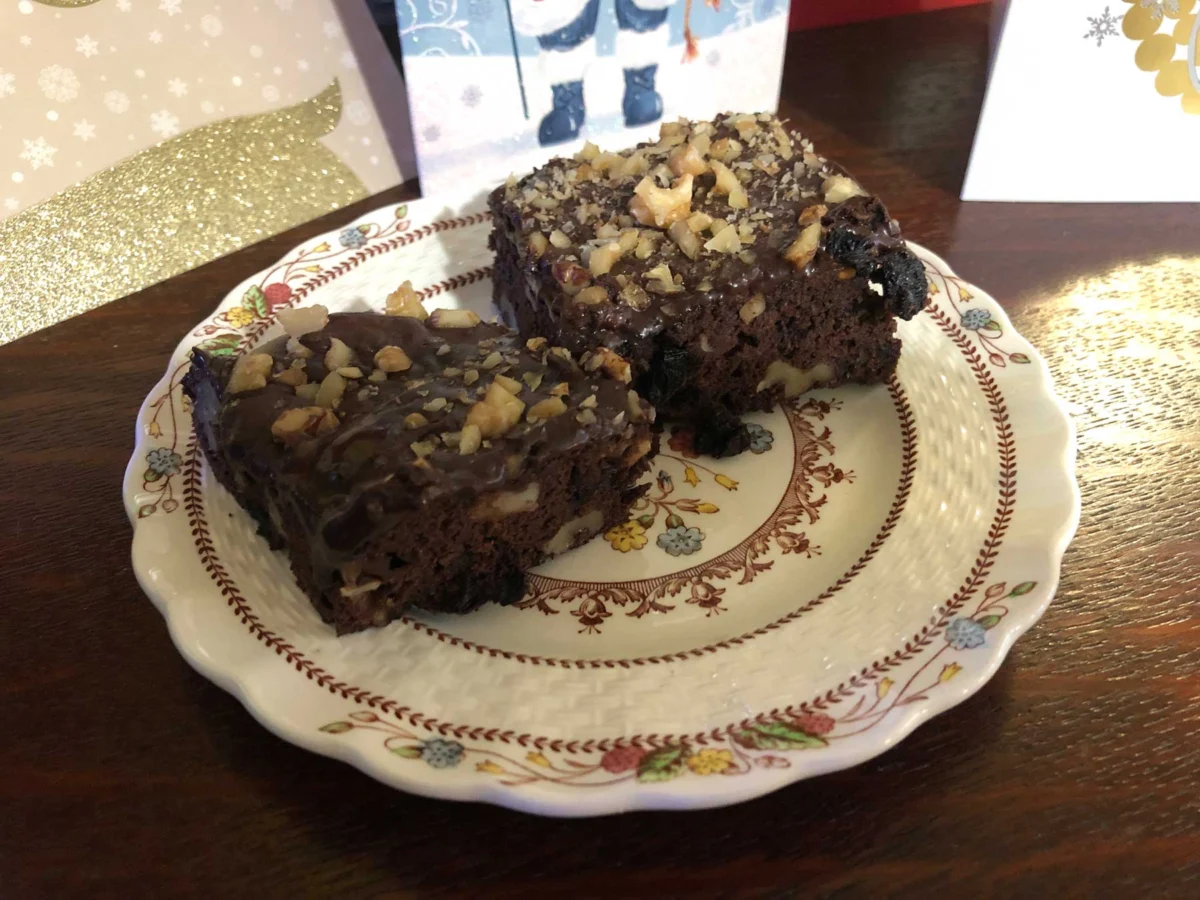
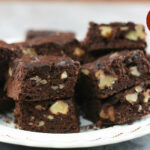
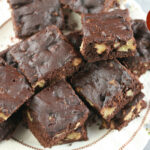
When the mix is transitioned from storage to the oven, the resulting yield is highly standardized. An entire pan of brownies prepared from this mix weighs approximately 420 grams (15 ounces). When sliced into a standard nine-square grid, each individual brownie weighs roughly 50 grams (2 ounces). These measurements provide a consistent baseline for nutritional tracking, which is essential for consumers managing specific caloric or macronutrient goals. The texture is categorized as "cake-style," which typically features a higher flour-to-fat ratio than "fudgy" brownies, resulting in a lighter, more aerated crumb that pairs well with various icings and toppings.

Chronology of Development and Source Material
The evolution of this specific DIY formulation can be traced back to mid-2021, a period characterized by a surge in home baking and interest in shelf-stable food storage. The recipe originated as a single-batch adaptation from the Splenda test kitchens, designed to showcase the heat stability of sucralose in baked goods. In June 2021, culinary researchers at Healthy Canning adapted the single-use recipe into a bulk-mix format, allowing for the convenience of "just-add-liquid" baking without the additives and preservatives often found in commercial boxed mixes.
Since its initial publication, the recipe has undergone various iterations to accommodate different dietary needs. The 2021 update specifically addressed the integration of low-fat margarines and the optional inclusion of walnuts, providing a modular approach to dessert preparation. This timeline reflects a broader trend in the food industry where manufacturers and independent researchers collaborate to provide consumers with tools for "functional baking"—the practice of creating treats that align with specific health protocols, such as diabetes management or weight loss programs.
Supporting Data: Nutritional and Economic Analysis
The primary driver for the adoption of DIY mixes is the significant delta between the cost of raw ingredients and the retail price of processed goods. By utilizing bulk flour, cocoa powder, and sweeteners, consumers bypass the marketing and manufacturing overhead associated with national brands.
From a nutritional perspective, the flexibility of the DIY mix allows for significant caloric reduction. When prepared using a sucralose-based sweetener (such as Splenda) and low-fat margarine, a 50-gram brownie contains approximately 116 calories and 8 grams of fat. For individuals incorporating nuts for added texture and healthy fats, the caloric count increases to 131 calories and 10 grams of fat per serving.

For participants in the Weight Watchers (WW) program, this formulation has been identified as a high-value dessert option. A standard square prepared with sucralose calculates to 2 SmartPoints on the Freestyle system. The addition of walnuts adds a single point, bringing the total to 3 SmartPoints. This data underscores the utility of the mix for those seeking to maintain a deficit while satisfying cravings for chocolate-based desserts.
Sweetener Substitutions and Culinary Science
A critical component of this mix is its adaptability to various sweetening agents. While the primary recipe utilizes Splenda (sucralose), the chemical properties of the mix allow for several substitutions:
- Granulated White Sugar: For those who prefer traditional sucrose, 4 cups (900 grams) of white sugar can be used in place of the sucralose volume. This change will significantly alter the caloric profile but maintain the structural integrity of the cake-style crumb.
- Generic Sucralose: Laboratory testing indicates that generic brands of sucralose perform identically to name-brand Splenda, offering further cost savings.
- Powdered Stevia: Certain stevia products are formulated to measure one-to-one with sugar or sucralose by volume. Consumers are advised to check the manufacturer’s conversion chart, as stevia’s sweetness intensity can vary by brand.
The choice of sweetener also affects the Maillard reaction—the chemical process that causes browning and develops flavor. Sugar-free versions may result in a lighter color, which is why the inclusion of high-quality cocoa powder is vital for achieving the deep mahogany hue associated with traditional brownies.
Food Safety and Handling Protocols
A significant but often overlooked aspect of DIY baking is the safety of raw ingredients. Public health agencies, including the Centers for Disease Control and Prevention (CDC) and the Food and Drug Administration (FDA), have issued repeated warnings regarding the handling of raw flour. Flour is a raw agricultural product that has not been treated to kill germs like Escherichia coli (E. coli) or Salmonella.

In the context of the DIY brownie mix, the following safety protocols are recommended:
- Avoid Consumption of Raw Dough: Because the mix contains raw flour, the batter should never be tasted before baking.
- Surface Sanitization: After measuring the dry mix and combining it with wet ingredients, all surfaces, utensils, and hands must be washed thoroughly with warm, soapy water.
- Storage Integrity: The dry mix should be stored in an airtight container in a cool, dry place to prevent moisture absorption, which could lead to mold growth or the degradation of leavening agents.
Broader Implications for Modern Consumers
The DIY brownie mix is more than a simple recipe; it represents a broader movement toward food sovereignty and kitchen literacy. By mastering the art of the dry mix, consumers insulate themselves from supply chain disruptions and the "shrinkflation" prevalent in the snack food industry. Furthermore, the ability to customize the mix with items like Splenda Icing Sugar Mix DIY allows for a fully integrated, low-sugar dessert ecosystem.

Community support systems, such as Master Food Preserver groups, play a vital role in this movement. These organizations provide expert guidance on safe food storage and bulk preparation, ensuring that home-produced mixes meet the same safety standards as commercial products. As households continue to navigate an era of economic uncertainty, the shift toward bulk preparation and health-conscious baking is expected to accelerate.
The transition from purchasing "convenience foods" to creating "convenience at home" marks a return to traditional domestic skills, albeit updated with modern nutritional science. Whether used for a quick weeknight dessert or as a thoughtful, low-cost gift, the DIY brownie mix stands as a testament to the power of home-based food production. By focusing on high-quality ingredients and rigorous safety standards, the modern home baker can achieve professional results that are both fiscally responsible and nutritionally sound.