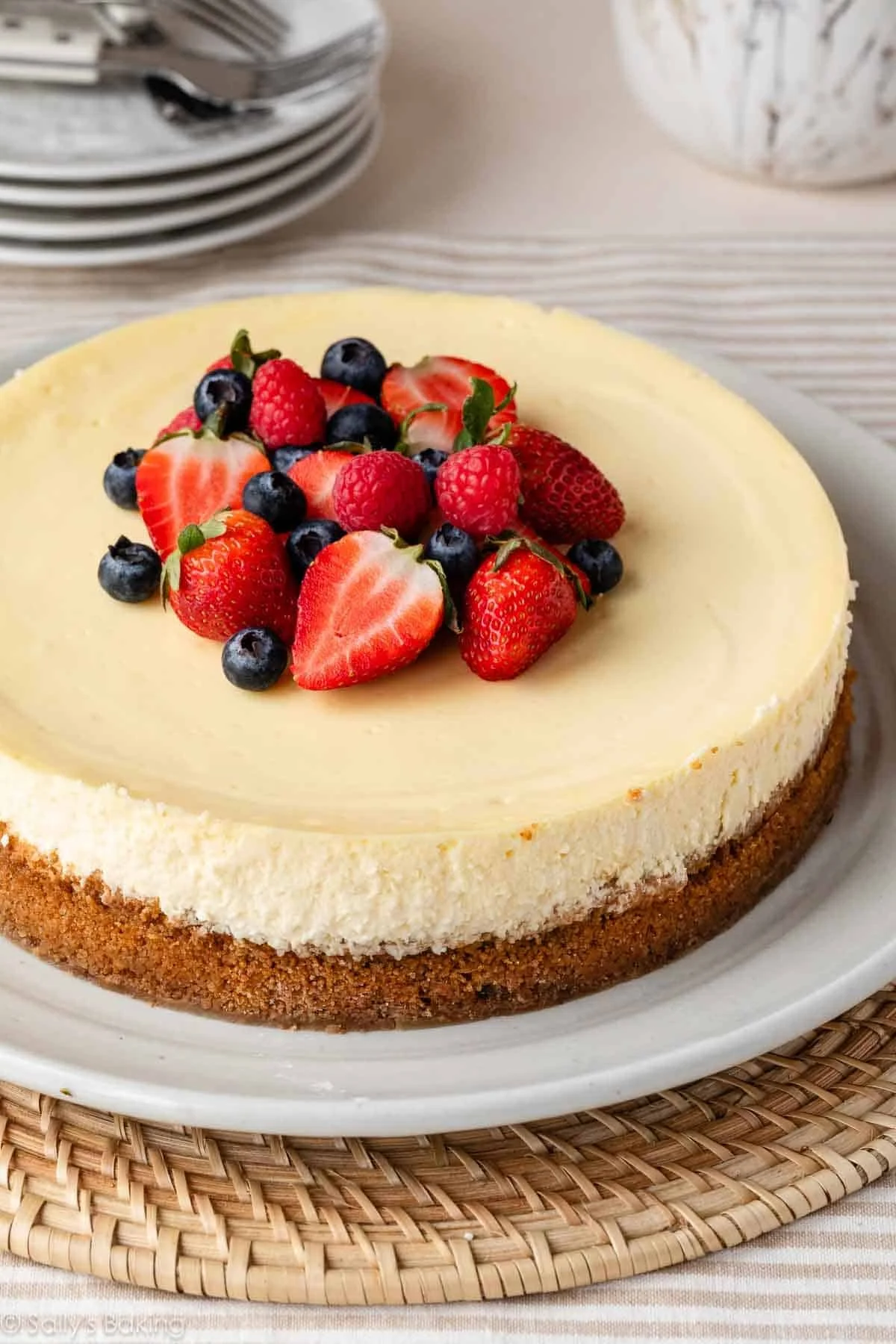

This extensively refined classic cheesecake recipe, lauded for its creamy, ultra-smooth texture and buttery graham cracker crust, stands as a testament to simple decadence and meticulous baking. Originally published in 2018 and consistently updated with new photography and enhanced success tips, this foundational recipe has not only become a fan favorite but has also earned a coveted spot in "Sally’s Baking 101," a New York Times best-selling cookbook by renowned baker Sally McKenney. The recipe’s enduring popularity underscores a widespread appreciation for perfected traditional desserts, offering a reliable guide for both novice and experienced bakers to achieve a flawless cheesecake free of common baking pitfalls like cracks or leaks.
A Deep Dive into Cheesecake’s Rich History and Modern Interpretations
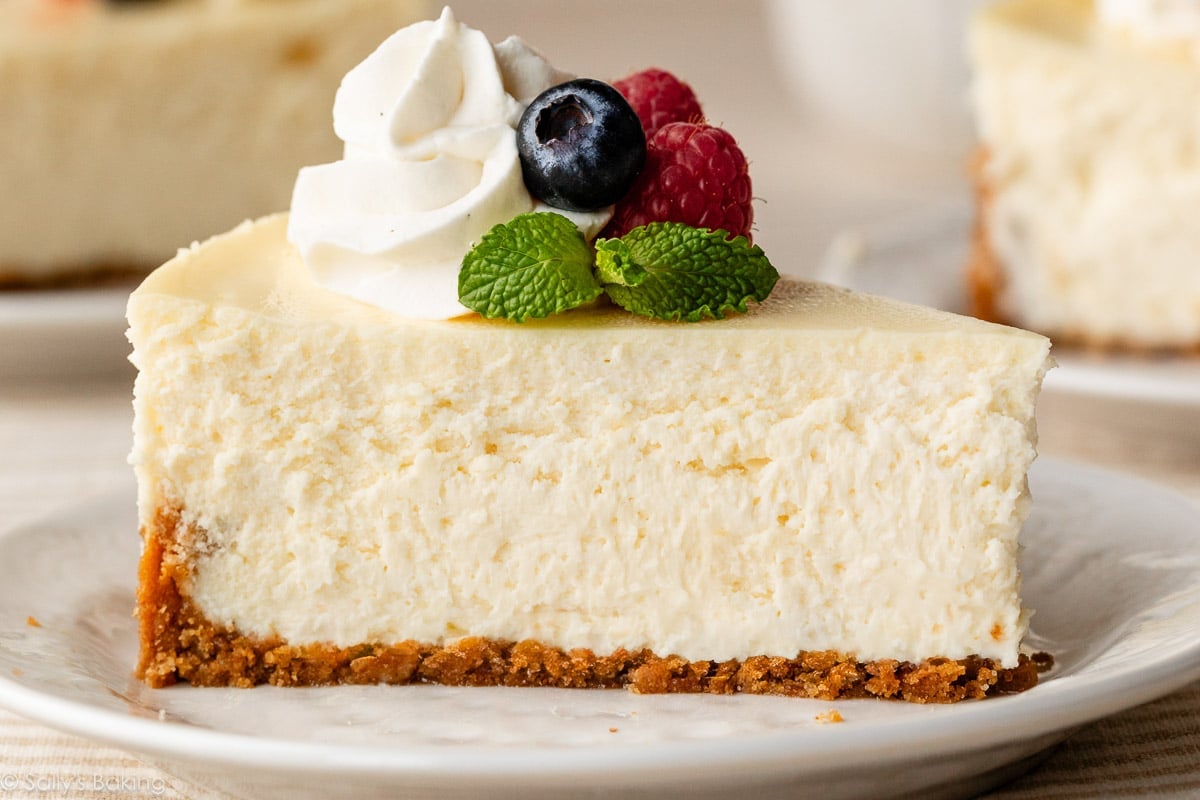
Cheesecake, a dessert with roots tracing back to ancient Greece, where it was served to athletes during the Olympic Games, has undergone a remarkable evolution. From its early forms as a simple baked cheese mixture, it traveled to the Roman Empire, later spreading across Europe and adapting to various regional palates. The modern American cheesecake, particularly the dense, rich New York-style, emerged in the early 20th century with the popularization of cream cheese. Sally McKenney’s classic recipe positions itself elegantly within this historical continuum, offering a texture that, while not as intensely dense as its New York counterpart, delivers an equally profound sense of velvety richness and indulgence. This recipe embodies the essence of what many envision as the quintessential cheesecake, a "simply stunning" dessert that captures the imagination, perhaps even evoking the iconic "Friends" stolen cheesecake scenario. Its appeal lies not in elaborate additions but in the masterful execution of its core elements, presenting an "ivory crowned jewel" that proves simplicity can be the ultimate sophistication.
McKenney’s commitment to the classic form is notable, given her extensive repertoire of innovative cheesecake variations. Over the years, she has explored a spectrum of flavors, including peanut butter, blueberry swirl, Snickers, pumpkin swirl, lemon, and Amaretto cheesecakes, with even more featured in her published cookbooks. Yet, the absence of a dedicated classic recipe in her early offerings highlighted a gap she meticulously filled in 2018. This decision reflects a broader culinary trend: while innovation is celebrated, the mastery of foundational recipes remains paramount. A well-executed classic serves as both a benchmark and a blank canvas for future creativity, solidifying a baker’s credibility and providing a comforting, familiar option for countless enthusiasts.
The Evolution of a Fan Favorite: A Recipe Timeline
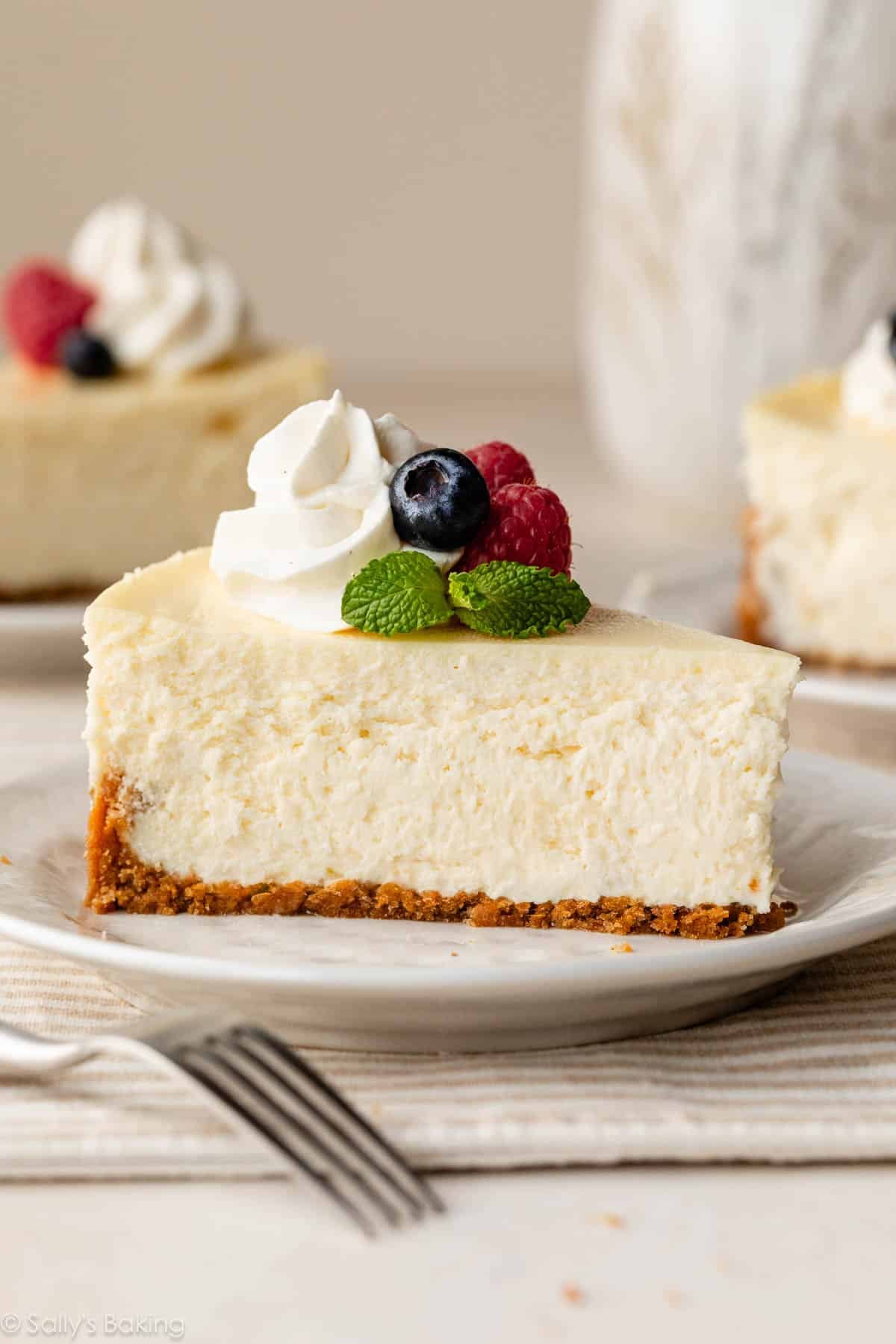
The journey of this classic cheesecake recipe from its initial online debut to its current status as a culinary staple highlights a methodical process of refinement and validation.
- May 2018: The classic cheesecake recipe is first published on Sally’s Baking Addiction, introducing a carefully developed method for achieving a creamy, crack-free dessert. This initial release already incorporated the crucial water bath technique.
- Ongoing Updates (2018-Present): Following its debut, the recipe has been subject to continuous improvements. These updates primarily focused on enhancing the user experience, including the addition of new, high-quality photographs that visually guide bakers through each step, and further "success tips" designed to demystify complex baking techniques and ensure consistent results. This iterative process demonstrates McKenney’s dedication to quality and user feedback.
- Book Inclusion: The recipe’s proven reliability and immense popularity among readers led to its inclusion in "Sally’s Baking 101." This inclusion not only solidifies its status as a definitive recipe but also introduces it to a wider audience of cookbook readers. The cookbook version further enriches the experience by providing an optional cherry sauce topping, adding another layer of versatility to the classic.
This chronology underscores the dynamic nature of digital culinary content, where recipes are living documents, continually perfected and enriched based on real-world application and feedback. The recipe’s journey from a blog post to a New York Times best-seller is a testament to its inherent quality and the author’s expertise.
Mastering the Art of Cheesecake: Key Ingredients and Techniques
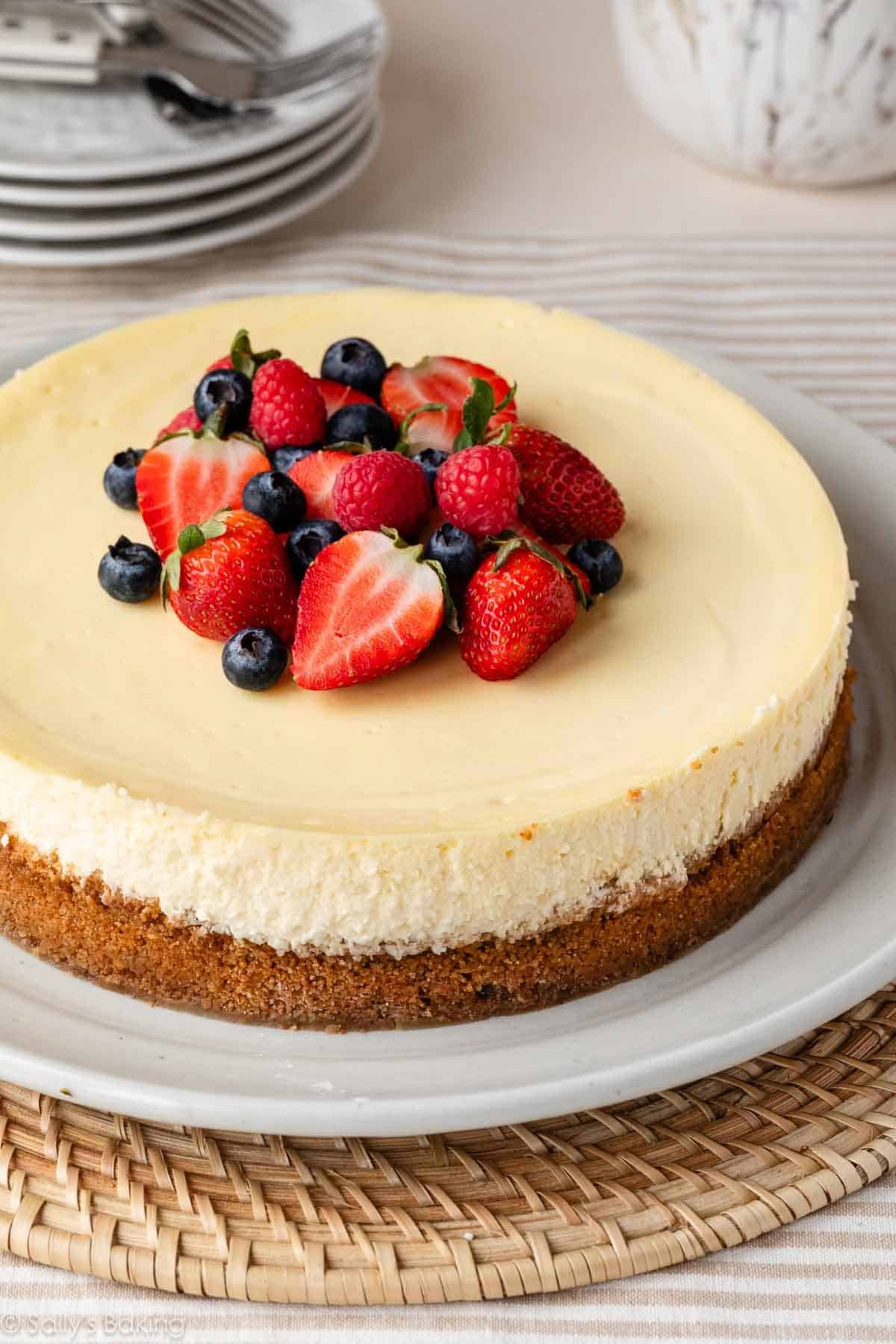
Achieving the perfect classic cheesecake hinges on understanding the role of each ingredient and mastering specific techniques, particularly the water bath and precise cooling.
Essential Ingredients and Their Functions:
While the original article omitted a detailed list, a classic cheesecake typically relies on a few core components, each vital for its characteristic texture and flavor:
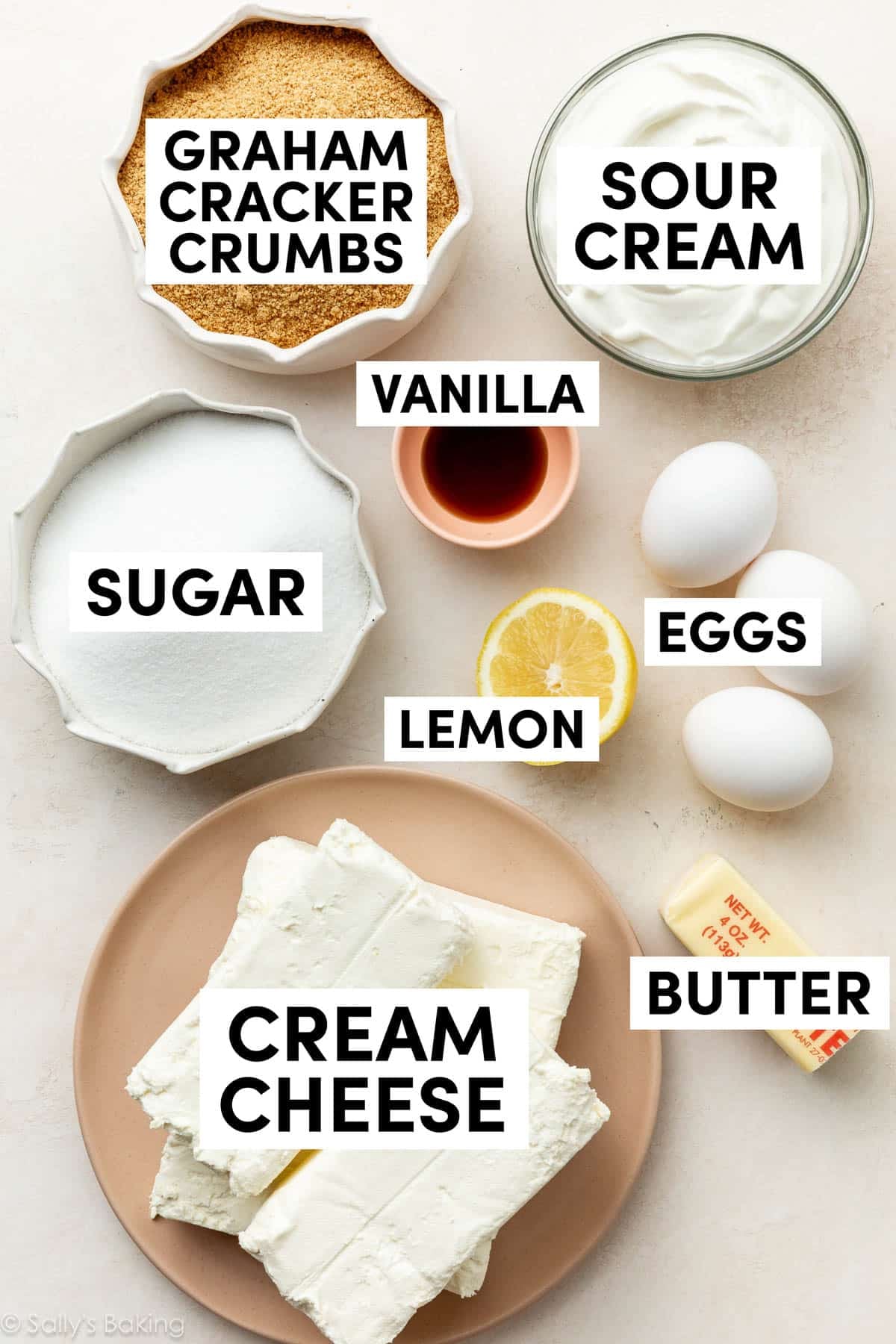
- Full-Fat Cream Cheese: The absolute foundation. Using full-fat cream cheese is non-negotiable for achieving the rich, dense, and creamy consistency that defines a classic cheesecake. Its high fat content contributes to the luxurious mouthfeel.
- Granulated Sugar: Provides sweetness and helps tenderize the cream cheese, contributing to a smoother texture.
- Large Eggs: Act as a binder and provide structure. When heated, the proteins in eggs coagulate, setting the cheesecake. The number and size of eggs are crucial; too many can result in a rubbery texture, while too few can lead to an unset, fragile cheesecake.
- Sour Cream or Heavy Cream: Adds a subtle tang that balances the sweetness of the cream cheese, enhancing the overall flavor profile. It also contributes moisture and a velvety smoothness to the batter, preventing it from becoming too dense.
- Vanilla Extract: A flavor enhancer that complements the richness of the cream cheese, adding warmth and depth.
- Graham Cracker Crumbs: The base of the iconic crust, offering a subtly sweet and crunchy contrast to the creamy filling.
- Melted Butter: Binds the graham cracker crumbs together, forming a sturdy, flavorful crust.
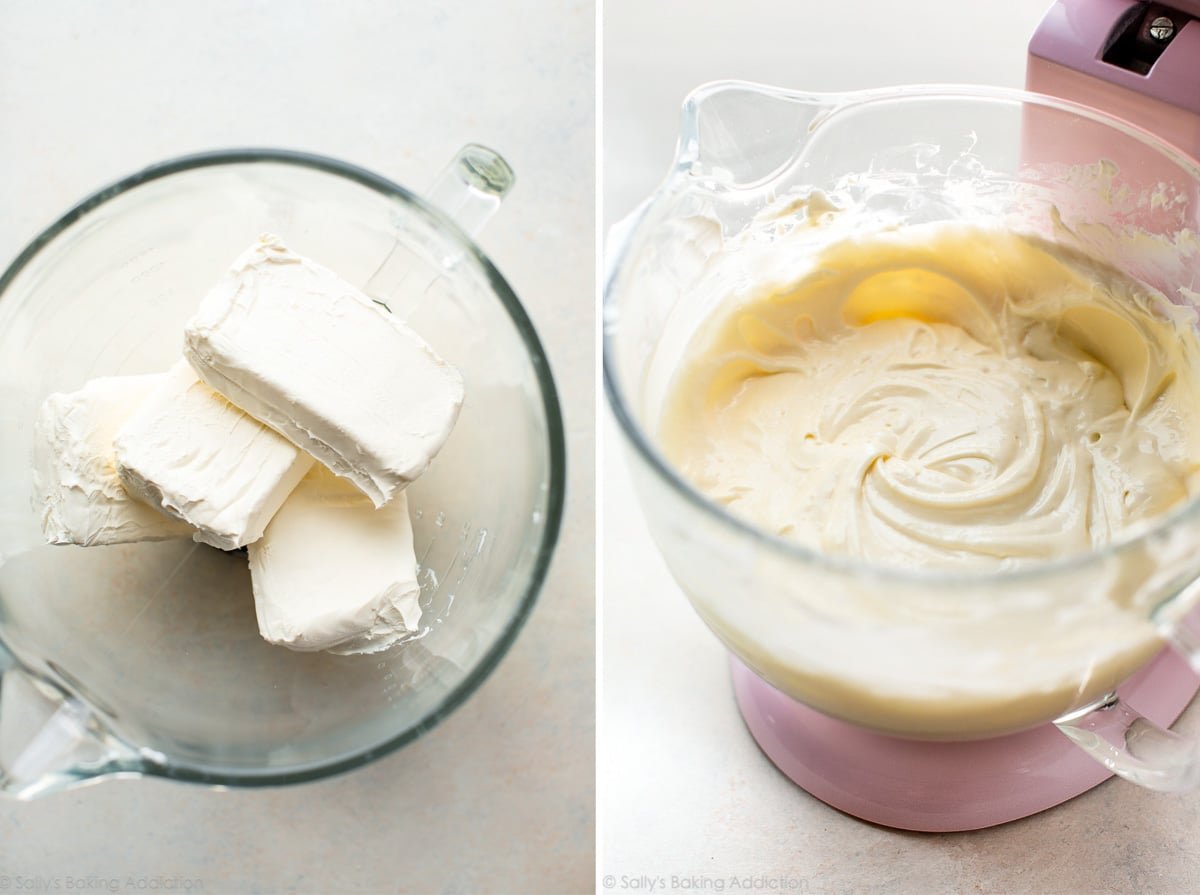
A critical success tip emphasized by McKenney is ensuring all cheesecake batter ingredients are at room temperature. This is not merely a suggestion but a scientific necessity. Cold cream cheese, eggs, and sour cream will not combine smoothly, leading to a lumpy, over-beaten batter. When ingredients are at room temperature, they emulsify more easily, creating a uniformly smooth and aerated mixture, which is essential for a silky-smooth final texture and helps prevent cracks. Over-beating, particularly after adding eggs, can incorporate too much air, leading to expansion and subsequent cracking during baking and cooling.
The Indispensable Water Bath (Bain-Marie):
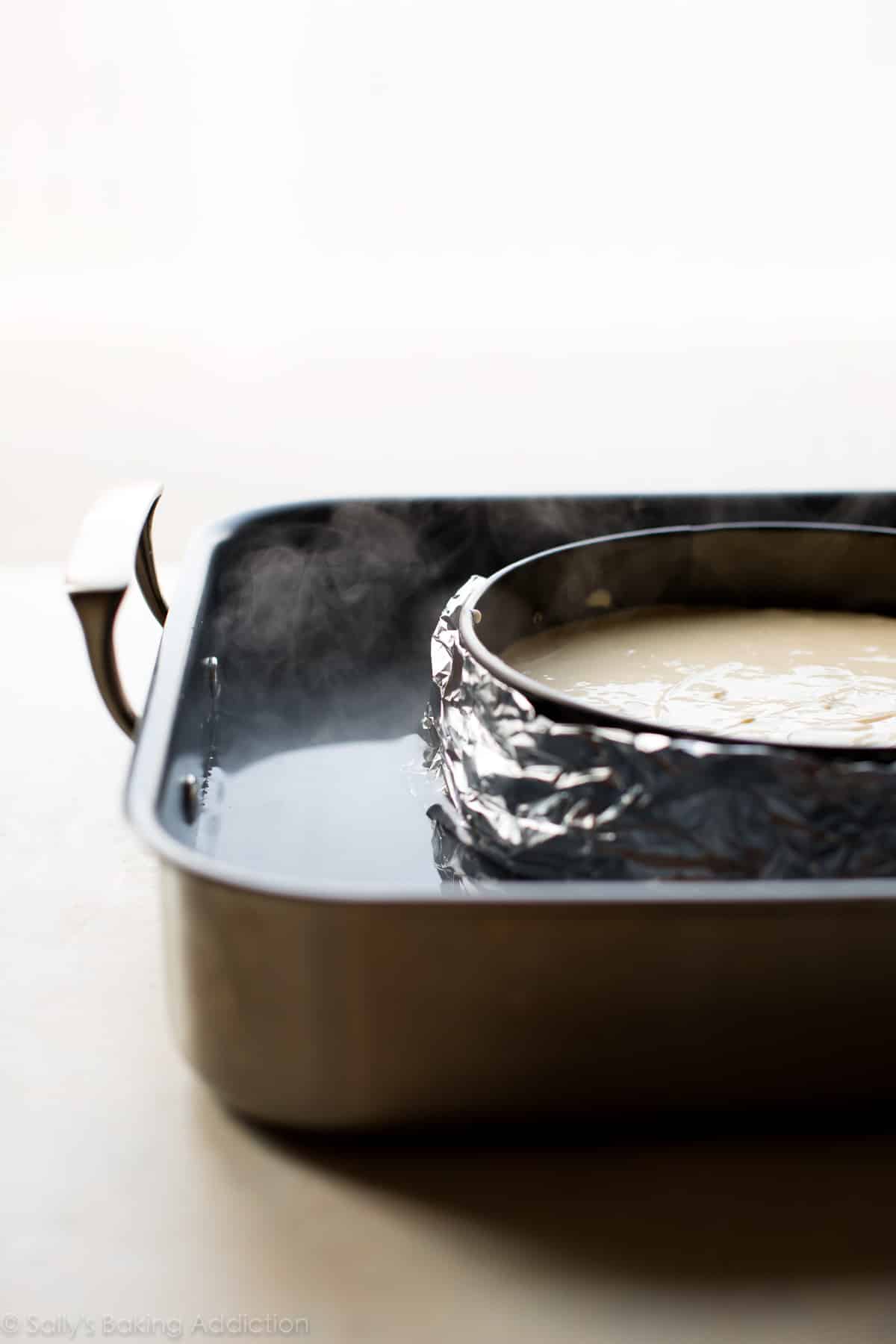
The water bath, or bain-marie, is arguably the most crucial technique for achieving a perfectly smooth, crack-free cheesecake. This method involves placing the springform pan containing the cheesecake batter into a larger roasting pan, which is then filled with hot water before baking. The benefits are multi-faceted:
- Gentle, Even Heat Distribution: Water is an excellent conductor and insulator of heat. The water bath surrounds the cheesecake with gentle, moist heat, ensuring it bakes slowly and evenly from all sides. This prevents the edges from overbaking and drying out before the center is cooked, a common cause of cracks.
- Humid Environment: The steam generated by the hot water creates a humid environment within the oven. This humidity helps keep the cheesecake’s surface moist, preventing it from drying out and cracking. It also promotes a slow, uniform rise.
- Prevents Sinking: The slow, even baking and humid environment help the cheesecake set without collapsing as it cools, maintaining its beautiful, level surface.
While it adds an extra step, the "few extra minutes" spent preparing a water bath are unequivocally "well worth it" for the superior texture and appearance it yields. McKenney acknowledges that it is possible to bake cheesecake without a water bath, but she strongly advises against it, warning of a potentially drier texture, a browned surface, and a significantly higher chance of cracks.
Crafting the Perfect Graham Cracker Crust:
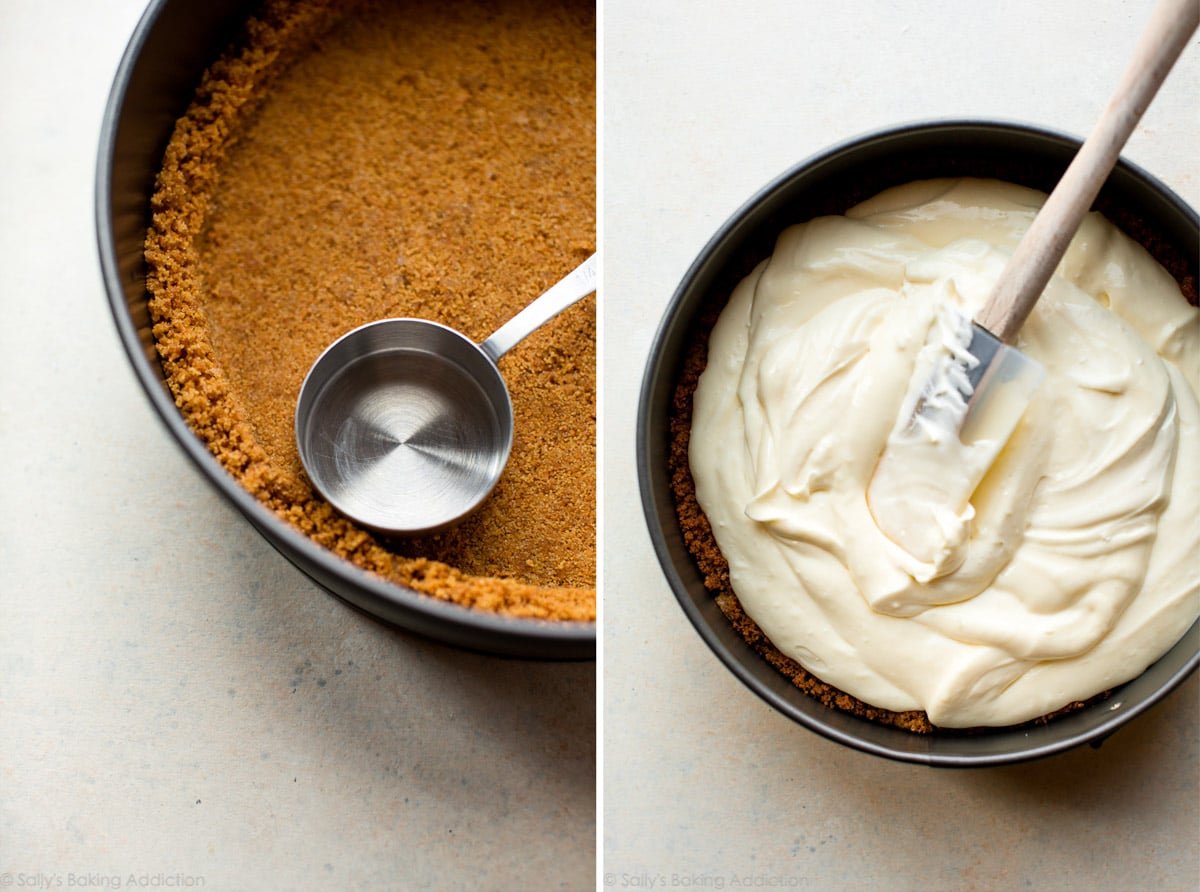
The foundation of a classic cheesecake is its crust. McKenney’s recipe opts for the traditional graham cracker crust, with a slight reduction in butter from her original recipe to ensure a crunchier texture. Key steps for a successful crust include:
- Tight Packing: Pressing the crumb mixture firmly into the springform pan base helps create a sturdy crust that won’t crumble excessively when sliced.
- Pre-Baking: A brief pre-bake for the crust prevents sogginess, ensuring it remains crisp beneath the creamy filling.
- Springform Pan Selection: A high-quality 9-inch or 10-inch springform pan with reliable, leak-proof seals is essential, especially when using a water bath. McKenney specifically recommends a pan that has proven resistant to leaks. For those preferring alternatives, Oreo cookie crusts or Biscoff pie crusts can be substituted, with a recommendation to lightly grease the springform pan for Oreo crusts to prevent sticking.
The Critical Cooling and Chilling Process:
Beyond baking, the post-oven treatment is equally vital in preventing cracks and achieving the desired firm, sliceable texture.
- Slow Oven Cooling: Immediately after baking, the oven should be turned off, and the oven door cracked open. The cheesecake remains inside for one hour. This gradual transition from a hot oven to a slightly cooler environment prevents a sudden temperature shock, which can cause the cheesecake to contract rapidly and crack.
- Room Temperature Cooling: After the oven cool-down, the cheesecake is transferred to a counter to cool completely to room temperature.
- Extended Refrigeration: Finally, the cheesecake requires a minimum of 4 hours, and ideally overnight, in the refrigerator. This chilling period allows the cheesecake to fully set, firm up, and develop its optimal flavor and texture. This stage, though testing one’s patience, is non-negotiable for a perfect slice.
Reader Endorsements and Broader Implications
The recipe’s impact is perhaps best encapsulated by the fervent praise from readers. Randy, a New York native, offered a particularly compelling testimonial: "This is the best cheesecake I have ever had! I’m from New York and nothing there beats this—even in the fanciest of restaurants. The only problem is that everyone I’ve shared it with wants me to make more and more. They rave about it being the best ever." Such endorsements are invaluable, not only validating the recipe’s excellence but also highlighting its ability to surpass even the most esteemed commercial offerings.
This level of success carries significant implications for home baking and culinary trends:
- Democratization of Gourmet Desserts: McKenney’s detailed instructions and "success tips" make what might seem like a daunting dessert accessible to home bakers of all skill levels. This empowers individuals to create restaurant-quality desserts in their own kitchens, fostering a greater engagement with baking.
- Influence on Culinary Education: For aspiring bakers, recipes like this serve as a foundational learning tool. The explicit explanations of "why" certain steps are necessary elevate it beyond a simple instruction set, imparting valuable culinary knowledge.
- Economic Impact: The widespread popularity of such a recipe can indirectly boost sales for essential baking ingredients, particularly cream cheese, graham crackers, and specialty pans.
- Cultural Significance: Cheesecake, as a celebratory and comfort food, benefits from a perfected classic recipe that can be reliably reproduced for family gatherings, holidays, and special occasions, strengthening its role in culinary traditions.
- Setting a Standard: In a crowded digital landscape of recipes, a proven, highly-rated classic like this sets a high standard for quality and reliability, guiding readers to trustworthy sources.
For those seeking quicker or simpler alternatives without sacrificing the essence of cheesecake, McKenney also offers options like a cheesecake pie, pumpkin cheesecake pie, or a completely no-bake cheesecake, demonstrating an understanding of varying time constraints and preferences while championing the classic as the ultimate achievement.
Serving, Toppings, and Freezing for Future Enjoyment
Once perfectly baked, cooled, and chilled, the classic cheesecake is a versatile canvas for various accompaniments. While delightful on its own, it can be elevated with an array of toppings. The cookbook features an optional cherry sauce, a timeless pairing that adds a tart counterpoint to the rich creaminess. Other popular choices include fresh berries (strawberries, blueberries, raspberries), chocolate sauce or shavings, caramel drizzle, or even a simple dollop of whipped cream. The choice of topping allows for personalized expression, ensuring the dessert can be tailored to any occasion or preference.
For those planning ahead or looking to enjoy slices over time, the cheesecake can be effectively frozen. To freeze, ensure the cheesecake is completely cooled and chilled. It can be frozen whole or in individual slices. Wrap the cheesecake or slices tightly in several layers of plastic wrap, followed by a layer of aluminum foil to prevent freezer burn. It can be stored in the freezer for up to 2-3 months. To thaw, transfer the frozen cheesecake to the refrigerator and allow it to thaw slowly overnight for the best texture.
In conclusion, Sally McKenney’s classic cheesecake recipe is more than just a set of instructions; it is a meticulously developed guide to culinary perfection. Through its detailed methodology, emphasis on critical techniques like the water bath and slow cooling, and its widespread acclaim, it has solidified its position as a definitive resource for crafting a truly exceptional cheesecake. Its journey from a blog post to a New York Times best-seller is a testament to its enduring quality and the author’s profound impact on the home baking community, proving that sometimes, the greatest culinary achievements lie in perfecting the beloved classics.