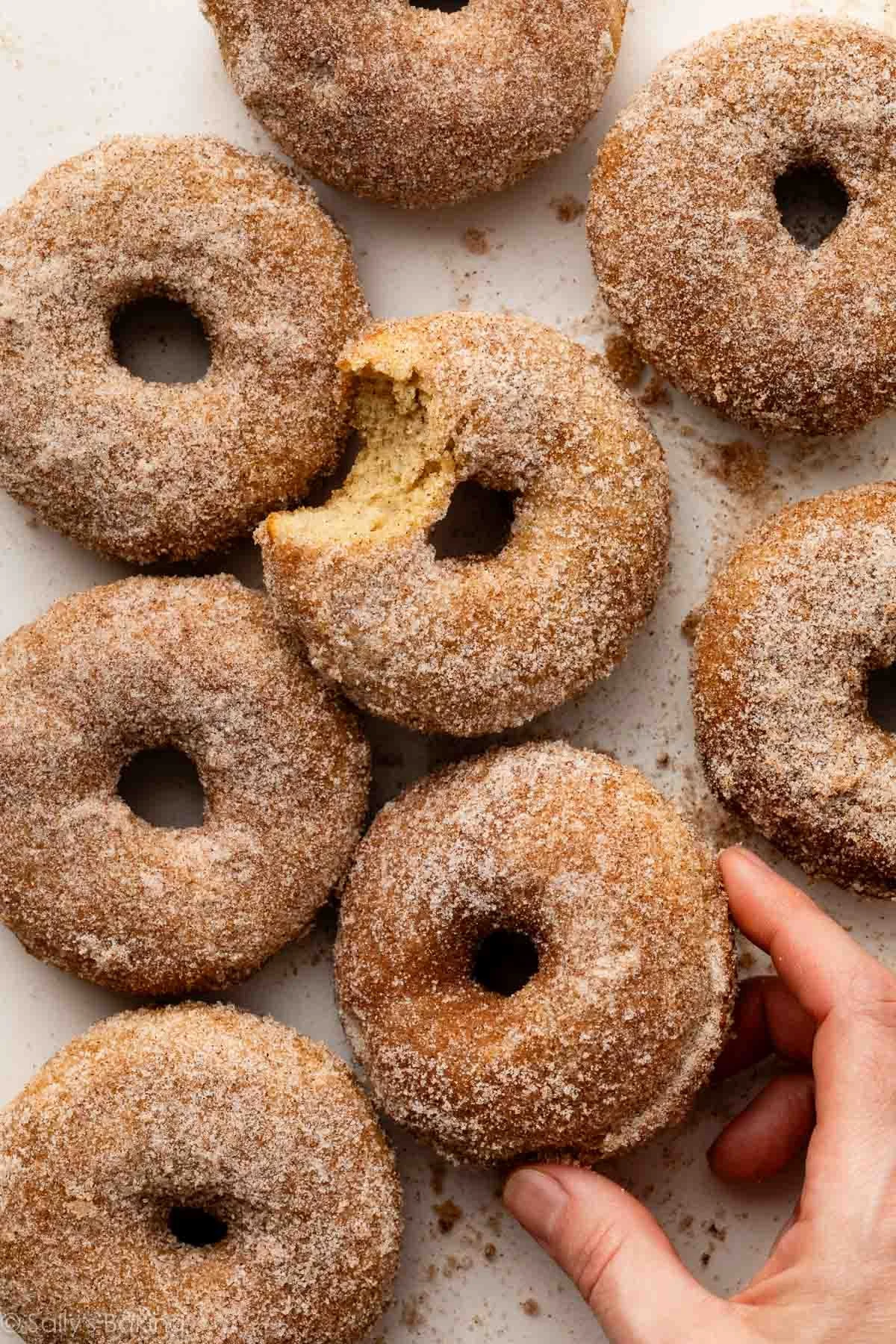

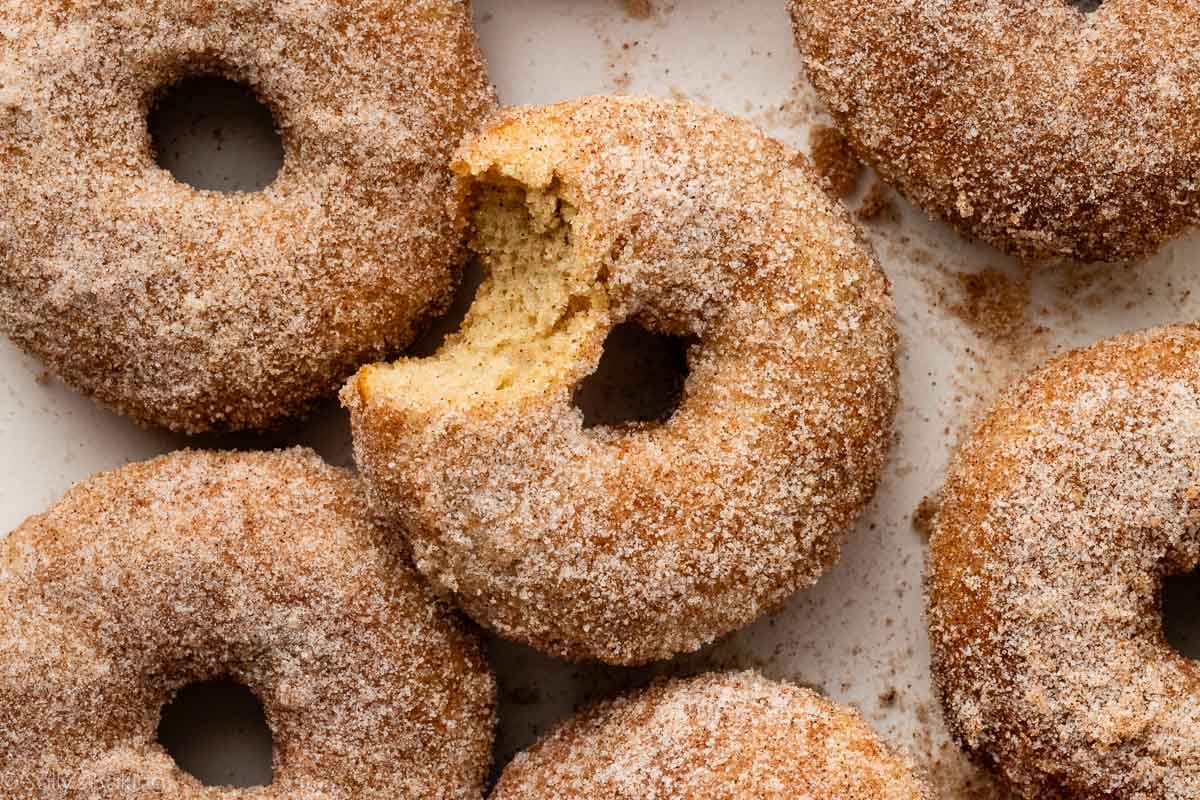
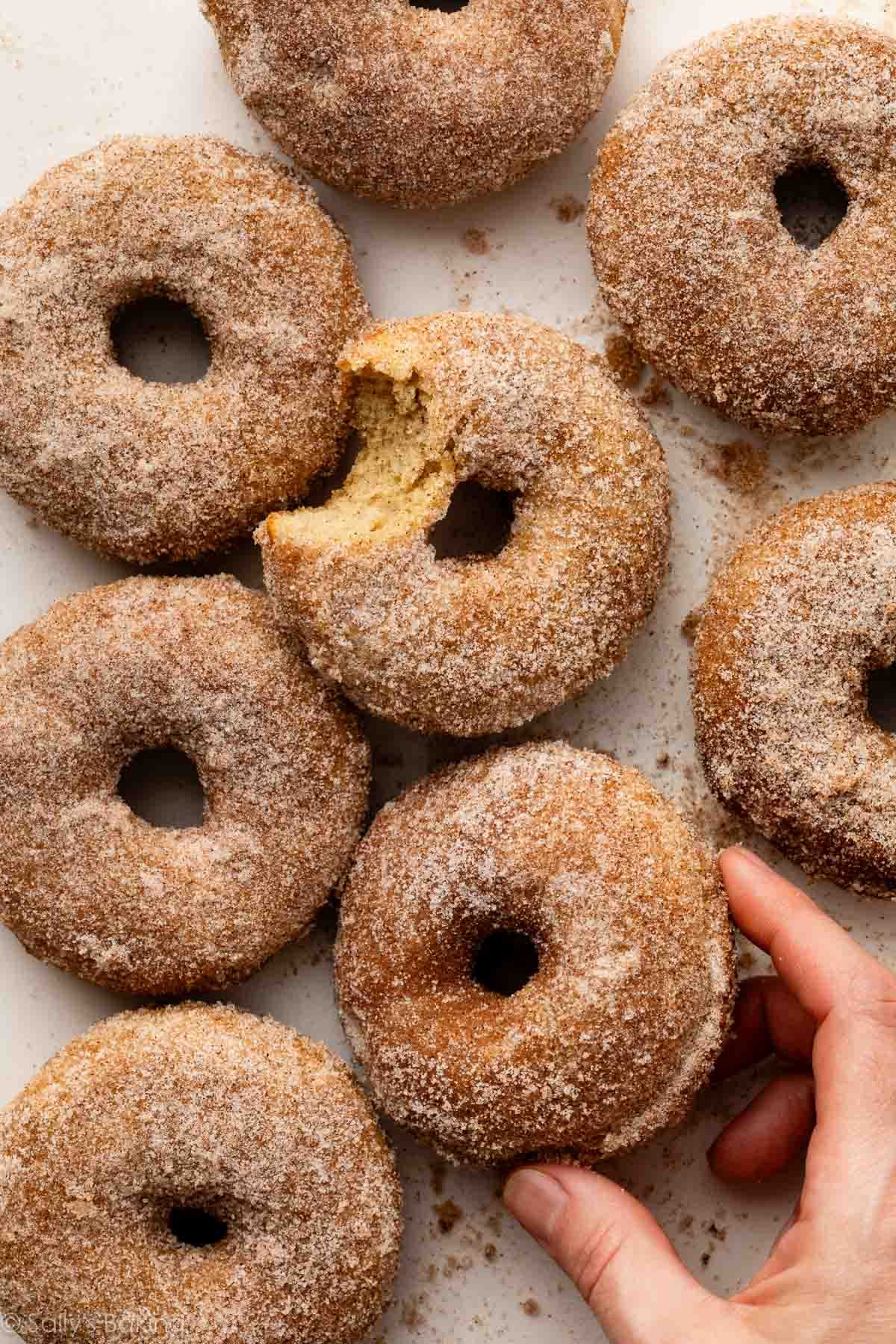
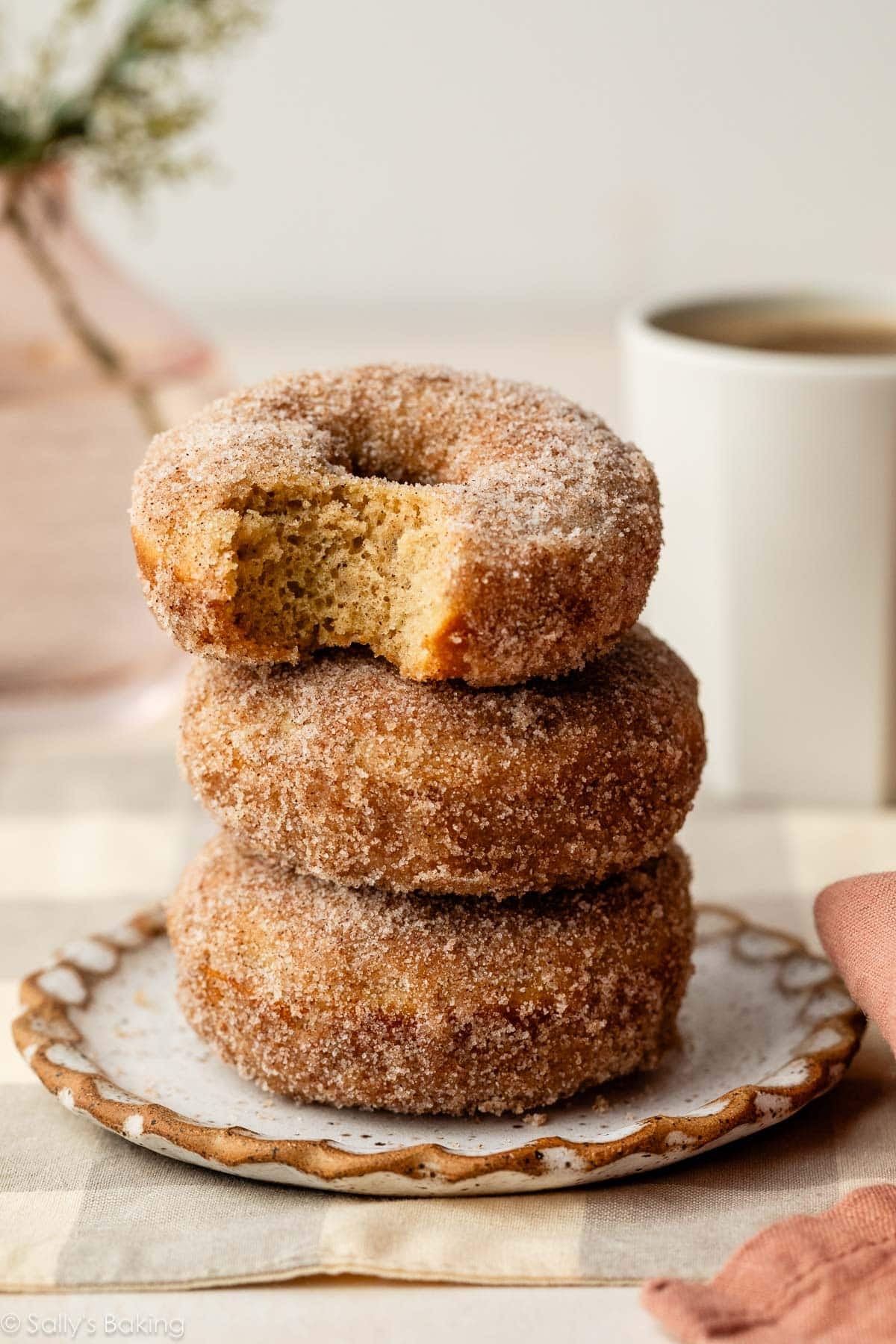
The baked cinnamon sugar donut, a soft, cake-style confection prepared in a donut pan rather than through traditional deep-frying, exemplifies a significant shift in contemporary home baking. This particular iteration, renowned for its quick preparation time of approximately 45 minutes and its coating of melted butter and cinnamon sugar, offers a classic bakery-style flavor with a distinctly homemade appeal. Its perfectly spiced and ultra-moist texture, coupled with a simplified preparation process, has positioned it as a staple for both novice and experienced bakers seeking accessible indulgence. The original recipe, first published in 2015 and subsequently updated with new photos and enhanced success tips, reflects an ongoing commitment to refining and perfecting home baking techniques for consistently excellent results.
The Evolution of Donut Culture and Home Baking Trends
The journey of the donut, from its humble origins to its current diverse forms, offers a compelling narrative of culinary evolution. Historically, donuts trace their lineage back to Dutch "olykoeks" (oily cakes) brought to America in the 17th century. These early versions were typically fried and often lacked a central hole, sometimes containing nuts or fruit. The distinctive ring shape, popularized in the mid-19th century, is often attributed to American ship captain Hanson Gregory, who reportedly punched a hole in his mother’s fried dough to ensure even cooking. For generations, the deep-fried donut remained the gold standard, a symbol of artisanal skill and often a morning ritual, evoking images of bustling bakeries and greasy spoons.
However, the late 20th and early 21st centuries ushered in an era of heightened health consciousness and a renewed interest in home cooking. Consumers began seeking alternatives that offered both flavor and perceived nutritional benefits. This cultural shift, combined with advancements in kitchen equipment and the proliferation of online culinary resources, created fertile ground for innovations like the baked donut. Data from the National Association of Specialty Food Trade indicates a steady rise in consumer demand for "better-for-you" indulgent treats, with baked goods often perceived as a lighter alternative to their fried counterparts. A 2022 report by Mintel on consumer food trends highlighted "conscious indulgence" as a key driver, where consumers seek permissible treats that align with their health goals without compromising on taste.
The baked cinnamon sugar donut perfectly encapsulates this trend. By substituting deep-frying with oven baking, it addresses concerns about excessive oil absorption and the laborious nature of handling hot oil, making it an attractive option for the modern home kitchen. This method not only simplifies the process but also yields a product with a distinct cake-like crumb, appealing to a different textural preference than the chewier, yeasted fried donut.
Accessibility and Simplicity: Key Pillars of Popularity
One of the primary drivers behind the widespread adoption of baked donut recipes, including this cinnamon sugar variant, is their unparalleled accessibility. The recipe explicitly states that the batter can be mixed entirely by hand, eliminating the need for stand mixers or other specialized, often costly, equipment. This "no-fuss" approach significantly lowers the barrier to entry for aspiring bakers. The typical preparation time of approximately 45 minutes, with actual baking occurring in a mere 10 minutes, further underscores its convenience. This rapid turnaround is particularly appealing to individuals with busy schedules, families looking for quick weekend treats, or those simply desiring instant gratification from their culinary efforts.
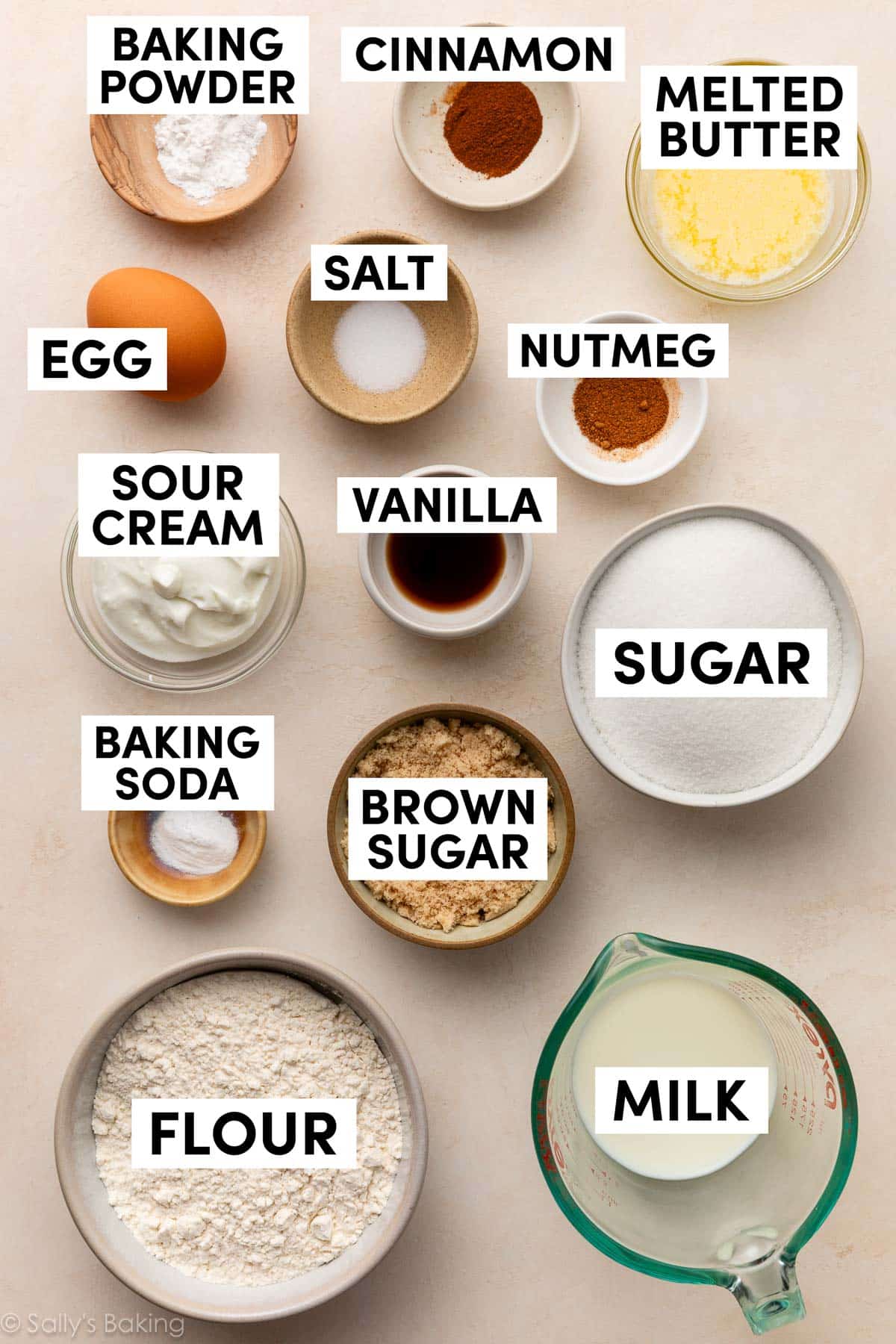
The ingredient list itself reinforces this commitment to simplicity. Utilizing common pantry staples such as all-purpose flour, granulated sugar, brown sugar, baking powder, baking soda, salt, cinnamon, milk, sour cream, melted butter, an egg, and vanilla extract, the recipe avoids exotic or hard-to-find components. This straightforward ingredient profile, coupled with a simple two-bowl mixing method (dry ingredients in one, wet in another, then combined), makes the entire process intuitive and forgiving for beginner bakers.
According to Sarah Jenkins, a food industry consultant specializing in consumer packaged goods, "Recipes that leverage readily available ingredients and minimal equipment are consistently among the most shared and replicated online. They empower individuals to create impressive results without feeling overwhelmed, fostering a sense of culinary achievement." The sustained popularity of recipes from platforms like Sally’s Baking Addiction, which champions approachable baking, attests to this market demand.
The Science of a Perfect Baked Donut
While seemingly simple, the formulation of a baked cake-style donut relies on precise ingredient interactions to achieve its signature texture and flavor. The combination of both baking powder and baking soda is crucial for leavening, providing the desired lift and creating a tender crumb. Baking soda reacts with acidic ingredients like sour cream, while baking powder offers additional leavening independent of acid. This dual-action approach ensures a consistently airy, yet structured, cakey texture.
The inclusion of sour cream is a strategic choice, contributing significantly to the donut’s moistness and tender crumb. The fat and acidity in sour cream tenderize the gluten in the flour, preventing a tough texture, while also activating the baking soda. Melted butter, rather than softened, is incorporated into the wet ingredients, distributing fat evenly throughout the batter, which also enhances moisture and flavor. The use of both granulated and brown sugar not only provides sweetness but also adds a subtle depth of flavor, with brown sugar contributing molasses notes and additional moisture.
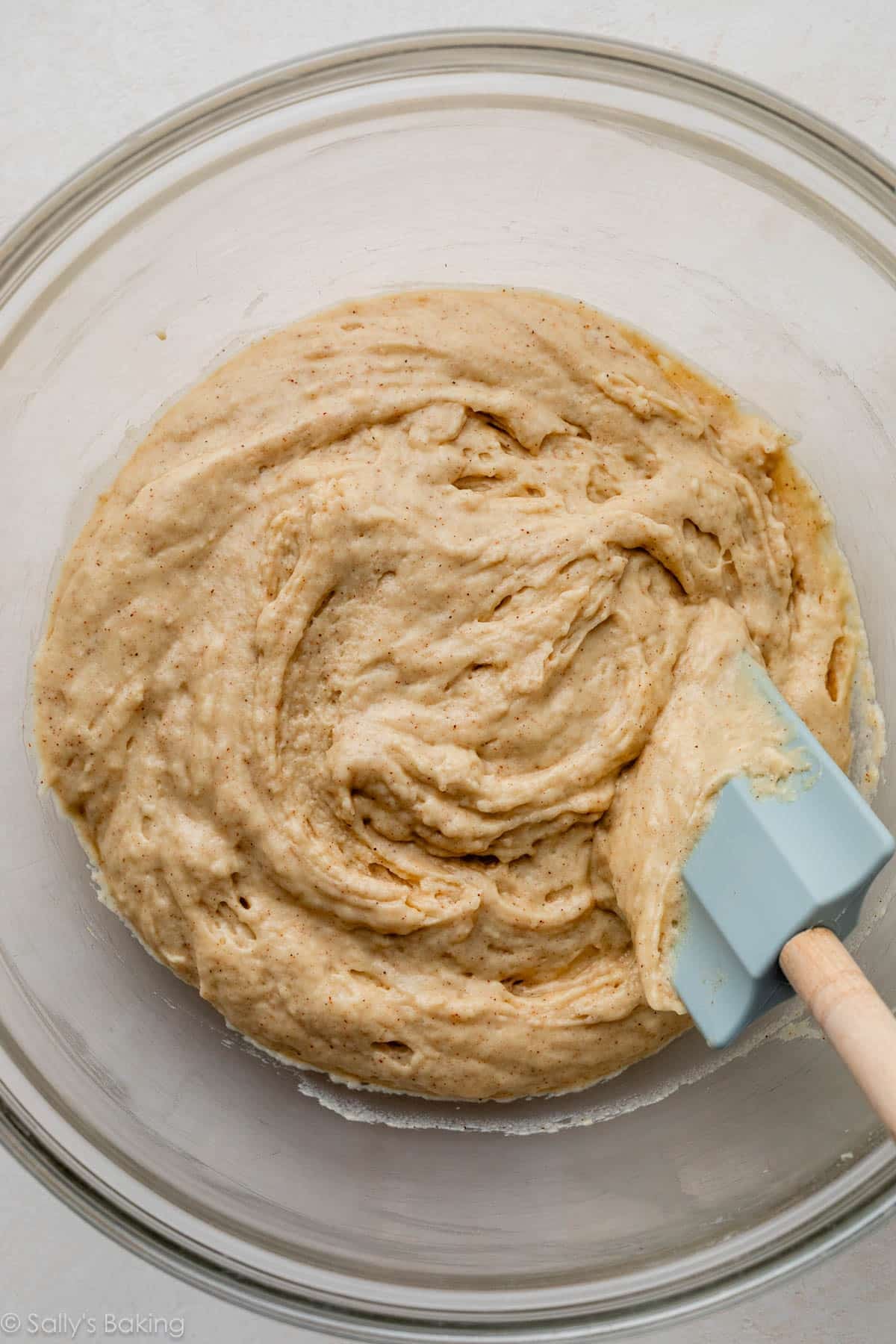
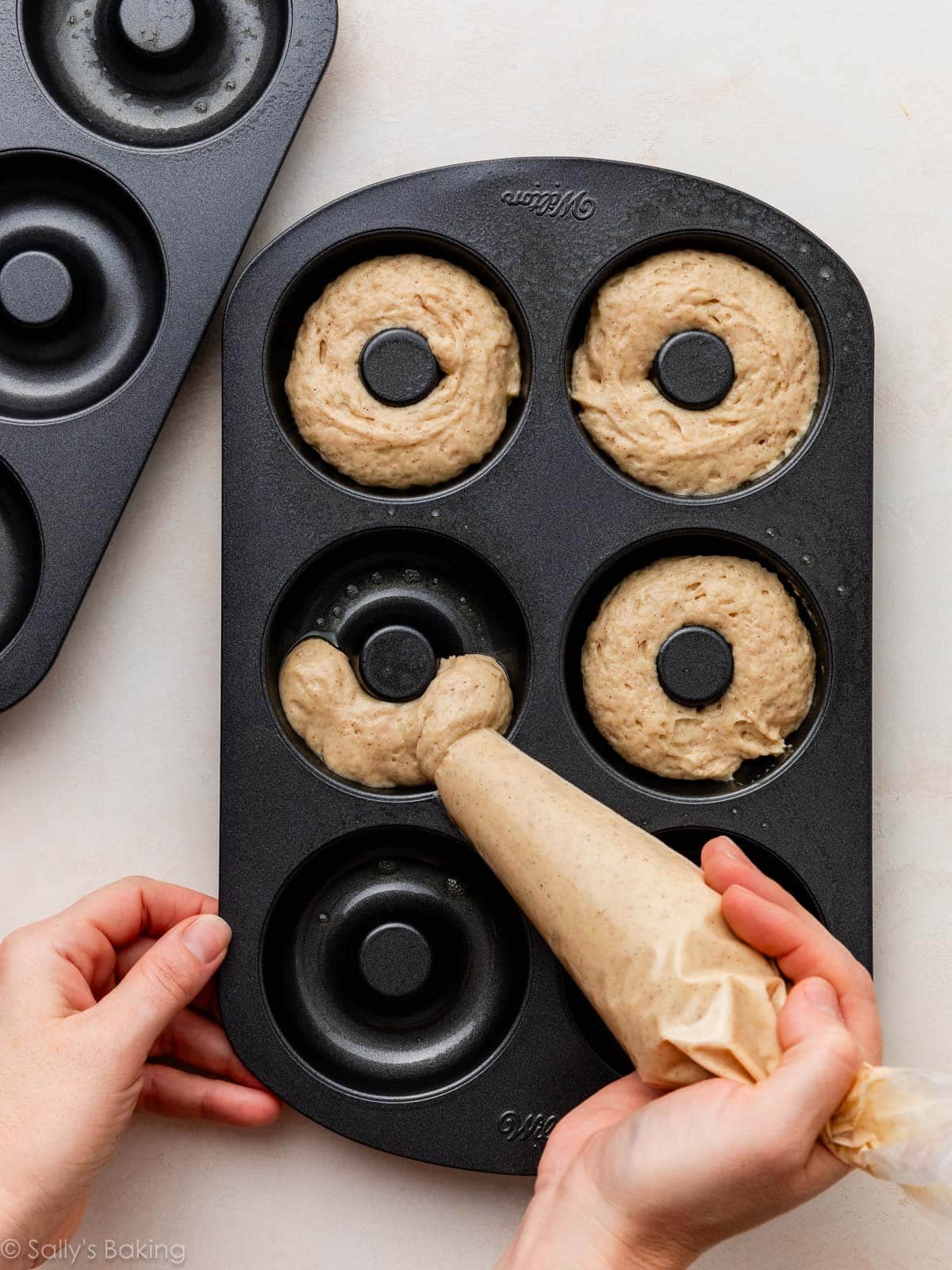
The consistency of the batter is deliberately thick, a characteristic essential for forming well-defined donuts in a pan. This density prevents the batter from spreading excessively and ensures a robust structure that holds up during baking. The technique of transferring the batter into donut cavities using a piping bag or a zip-top bag with a snipped corner is a practical tip that ensures clean, evenly shaped donuts, further enhancing the professional finish achievable at home.
The Irresistible Cinnamon Sugar Coating
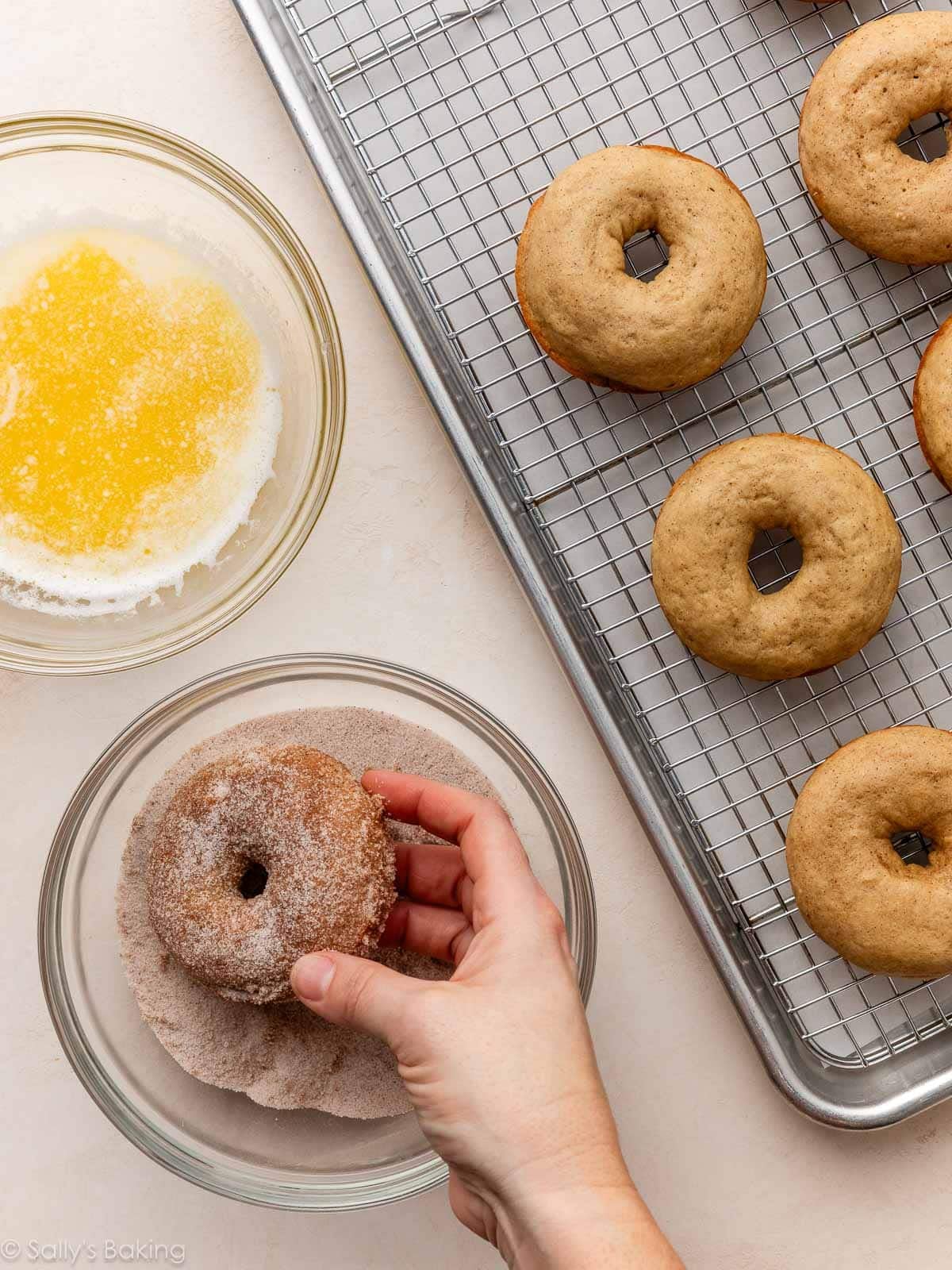
Beyond the cake itself, the cinnamon sugar coating is arguably the defining feature of these baked donuts, elevating them from a simple cake to a bakery-worthy treat. The process involves two critical steps: first, a generous dunk in melted unsalted butter, followed by an immediate roll in a mixture of granulated sugar and ground cinnamon.
The melted butter serves a dual purpose: it acts as an adhesive, ensuring the cinnamon sugar mixture adheres thoroughly to the warm donut, and it infuses the exterior with a rich, buttery flavor that is synonymous with classic donut shop offerings. The cinnamon sugar blend, often a simple 1:4 ratio of cinnamon to sugar, provides a delicate crunch and a warm, aromatic spice that perfectly complements the soft cake interior. This textural contrast – a lightly crunchy, sweet, spiced exterior giving way to a tender, moist inside – creates a highly satisfying sensory experience.
For those with differing preferences, the article thoughtfully suggests alternatives, such as various donut frostings (strawberry, chocolate, vanilla), underscoring the versatility of the base recipe. This flexibility allows home bakers to customize their creations, catering to individual tastes or dietary considerations.
Broader Implications and Culinary Impact
The popularity of recipes like the baked cinnamon sugar donut extends beyond individual kitchens, reflecting and influencing broader culinary and economic trends.
- Market for Kitchen Gadgets: The demand for baked donut recipes has fueled the market for specialized equipment, notably donut pans. Retailers report increased sales of silicone and non-stick metal donut pans, indicating a growing consumer base for this type of baking. The article’s practical suggestion of using a muffin pan as an alternative also demonstrates an understanding of consumer budget and equipment availability, further broadening its appeal.
- Ingredient Sales: The consistent demand for ingredients like all-purpose flour, sugars, butter, and spices for home baking contributes to the stability and growth of the ingredient supply chain. Local grocery stores and bulk food suppliers benefit directly from this sustained interest in scratch baking.
- Health and Wellness Industry: The perception of baked donuts as a "lighter" or "healthier" indulgence aligns with the burgeoning health and wellness market. While still a treat, the absence of deep-frying resonates with consumers actively seeking ways to reduce fat intake without sacrificing flavor or experience. This positions baked goods as a key category within mindful eating trends.
- Digital Culinary Landscape: Food blogs and online recipe platforms, epitomized by the original source, have become indispensable resources for home cooks. They serve not only as repositories of recipes but also as communities for sharing tips, troubleshooting, and inspiring culinary creativity. The ability for a recipe published in 2015 to be continually updated and remain relevant highlights the dynamic and responsive nature of this digital ecosystem.
- Cultural Significance of Comfort Food: In an increasingly complex world, comfort foods like donuts hold significant cultural value. They evoke nostalgia, provide a sense of warmth and familiarity, and often serve as a focal point for shared experiences, whether at a weekend brunch or a casual family gathering. The ease of making baked donuts at home allows individuals to create these comforting moments with minimal effort.
Looking Ahead: The Future of Home Baking
The baked cinnamon sugar donut is more than just a recipe; it is a testament to the evolving landscape of home baking. It embodies a desire for convenience, accessibility, and a conscious approach to indulgence, all while delivering a deeply satisfying culinary experience. As consumers continue to seek approachable ways to create high-quality food at home, innovative recipes that simplify traditional techniques and leverage readily available resources are poised to maintain their prominence.
The enduring appeal of this particular donut recipe, regularly refreshed and optimized, suggests a sustained trend towards refined yet uncomplicated home cooking. Whether served warm with coffee, as part of an elaborate brunch spread, or simply as a spontaneous treat, these baked cinnamon sugar donuts stand as a delicious benchmark for the modern baker, inviting creativity and rewarding effort with every spiced, buttery bite. For those keen to explore further, the broader category of baked donuts offers a spectrum of flavors, from chocolate frosted to maple glazed, pumpkin, and apple cider, all utilizing the same foundational, user-friendly baking method. The journey of the humble donut continues, with home bakers now at the forefront of its delicious evolution.