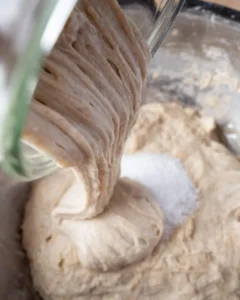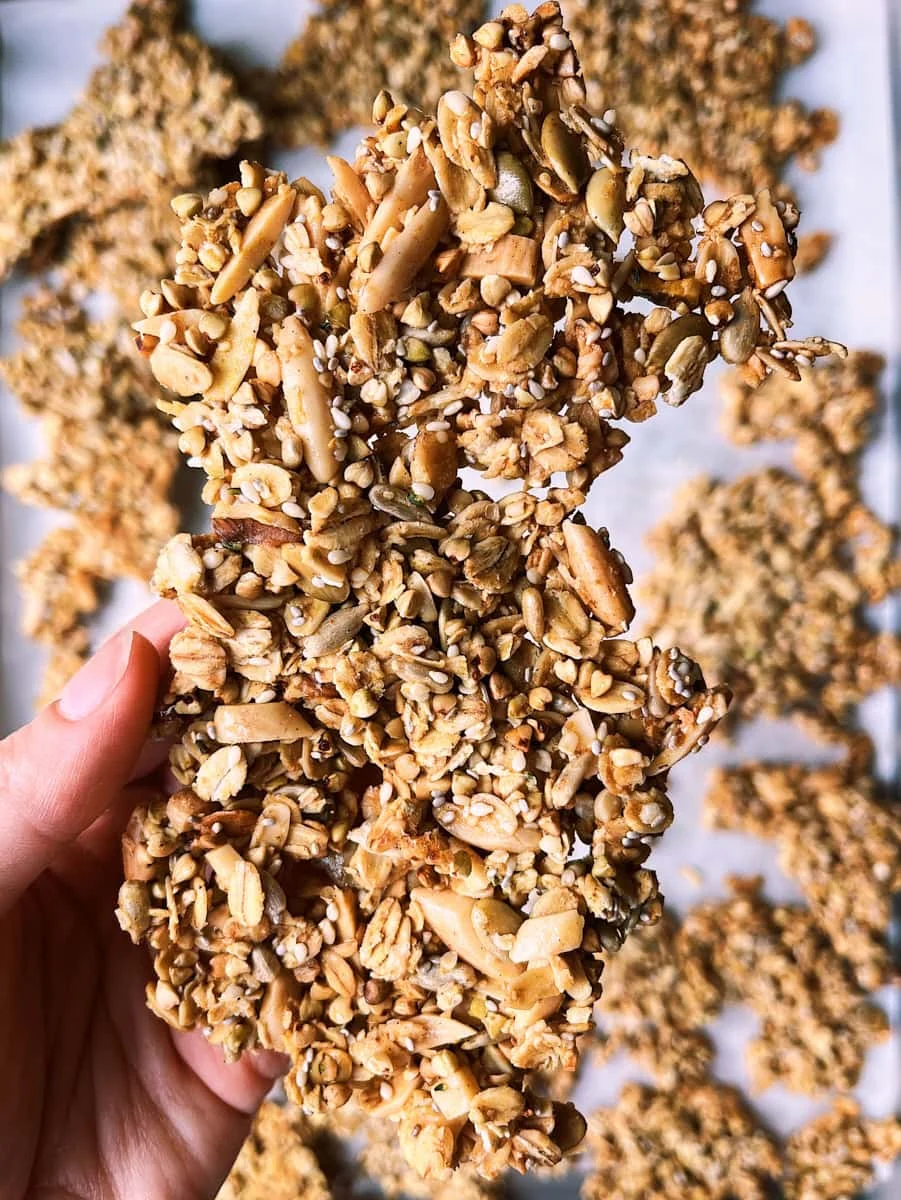

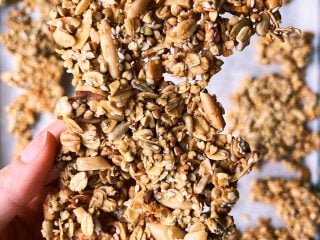
From nearly-empty grain, nut, and seed containers, with the help of a bit of fat and sweetener, comes a crispy, salty-sweet concoction that’s downright craveable. This sourdough discard granola has a secret (or perhaps not-so-secret, for readers of The Perfect Loaf) additional ingredient to help with flavor and binding: sourdough starter discard, of course. Starter discard may not seem as obvious an addition to granola as cake, brownies, or even crackers; but just as it lends a subtle tang to those baked goods, it brings an extra layer of complexity to granola. What’s more, the thick liquid helps bind the granola ingredients together (something that typically falls to ingredients like maple syrup or honey, sometimes egg white), creating big, extra-crispy clumps of granola.
The emergence of sourdough discard as a culinary ingredient has gained significant traction in recent years, moving beyond its traditional role in bread making to infuse a unique flavor profile and functional properties into a wide array of baked goods. This particular application, sourdough discard granola, represents an innovative approach to utilizing this by-product, transforming humble pantry staples into a gourmet breakfast experience. The process leverages the inherent acidity and starch content of the discard to enhance both texture and taste, offering a compelling alternative to conventional granola recipes.
The Foundation: Oats and the Symphony of Crunch
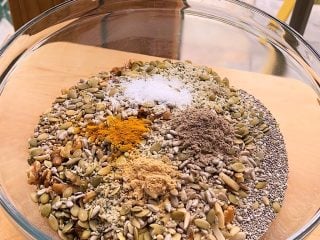
Like many granola recipes, the base of this creation is rolled oats. The choice of oats is flexible, with any brand readily available in the pantry serving as a suitable foundation. A recommended ratio of two parts oats to three parts other mix-ins strikes a balance, ensuring a satisfying texture without overwhelming the palate. The accompanying mix-ins are where the artistry truly begins. A blend of buckwheat groats provides an earthy crunch, complementing the rich, buttery flavors and additional textural elements contributed by nuts, coconut, and various seeds.
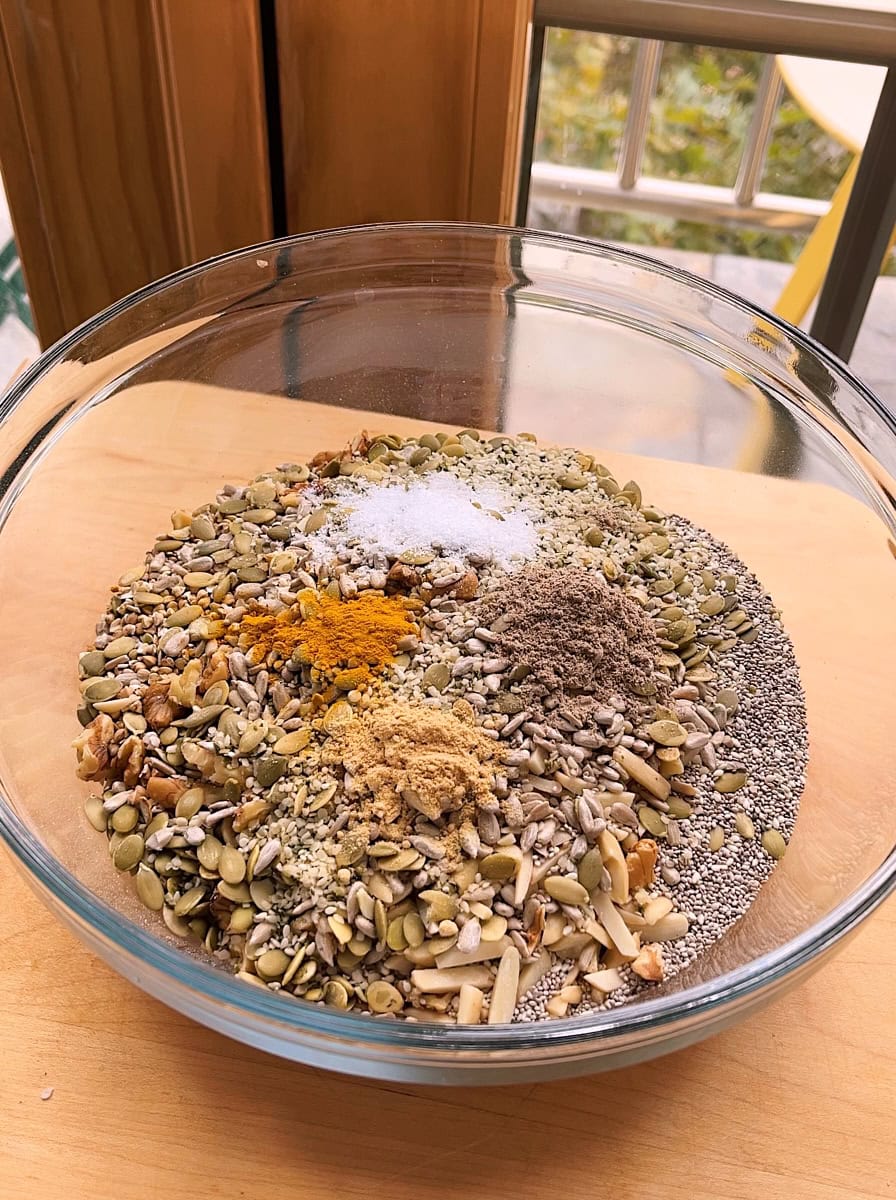
The inclusion of smaller seeds, such as hemp or sesame, while primarily serving an aesthetic purpose, also contributes subtle flavors and textures. Flaxseed, whether ground or whole, or chia seeds, are incorporated not only for their textural contributions but also for their remarkable binding properties. These small but mighty additions play a crucial role in the overall structure and mouthfeel of the granola, contributing to its desirable clumpy nature. The variety of seeds and nuts ensures a complex flavor profile, with each ingredient contributing its unique notes and textures to the final product.
The Secret Ingredient: Sourdough Starter Discard as a Binding Agent
The defining characteristic of this sourdough discard granola is the ingenious use of sourdough starter discard as a primary binding agent. While granola doesn’t inherently require large clusters, their presence significantly elevates the quality of a homemade batch. Typically, achieving these clusters necessitates a generous amount of sticky sweetener. However, in this recipe, the sourdough starter takes on a substantial portion of that binding duty.
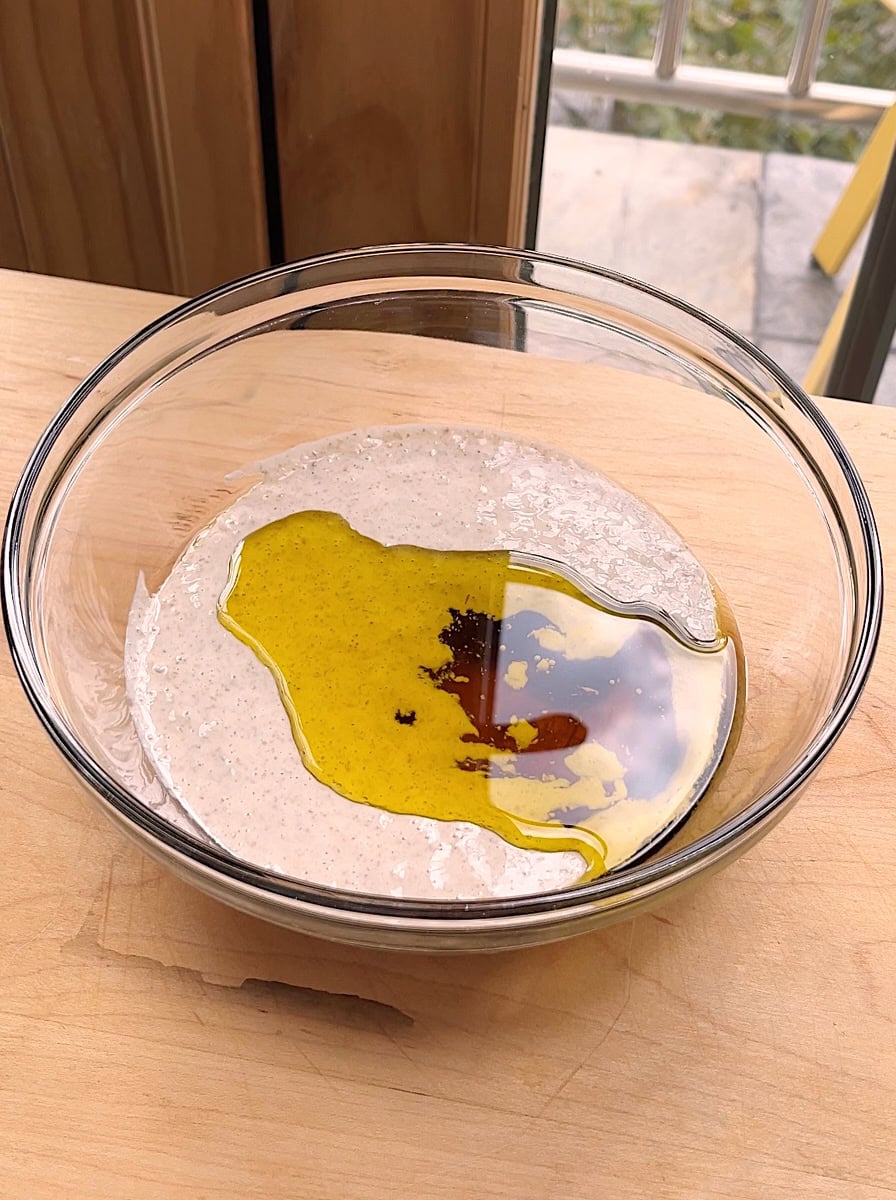
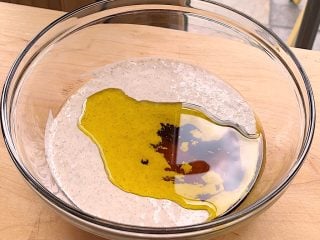
The mixture of flour and water in the starter, combined with the sweetness of maple syrup, effectively coats the dry ingredients, encouraging them to adhere together. The key is moderation; adding an excessive amount of starter discard can transform the mixture into something resembling dough, which is undesirable. A carefully measured quantity, approximately 110 grams (or ½ cup), is sufficient to bring the ingredients together harmoniously, facilitating the formation of those sought-after large granola clumps.
Beyond its binding capabilities, the sourdough starter discard also contributes to the granola’s characteristic crispness. Analogous to the satisfying snap of a baked sourdough cracker, this granola, once fully cooled, maintains its crispness for an extended period, ensuring lasting quality. The fermentation process inherent in sourdough contributes complex flavor compounds that a simple sweetener cannot replicate, adding a depth and nuance that distinguishes this granola from its conventionally made counterparts. The acidity of the discard helps to tenderize the oats and nuts, contributing to a more pleasant texture when baked.
Sweetness with Restraint: The Role of Maple Syrup
Given that sourdough starter discard contributes significantly to the binding process, this granola recipe requires a more restrained amount of sweetener than many conventional recipes. A measured 156 grams (or ½ cup) of maple syrup provides a delicate sweetness that is both satisfying and versatile. This level of sweetness makes the granola equally appropriate for spooning over yogurt for a wholesome breakfast as it is for incorporating into a more indulgent midnight snack, perhaps mixed with chocolate chips.
The choice of maple syrup offers a distinct flavor profile that complements the tang of the sourdough. However, the FAQ section of the original article notes that other sweeteners, such as honey or agave syrup, can be substituted, each bringing their own subtle variations in flavor and color. Honey, for instance, imparts a more pronounced floral sweetness and can lead to a slightly chewier granola, while agave offers a more neutral sweetness. This adaptability allows consumers to tailor the granola to their personal preferences.

The Crisping Agent: Oil for Texture and Flavor
To achieve a granola that is both delightfully crisp and rich, rather than dry and floury, the inclusion of oil is essential. The recipe specifically recommends olive oil or unrefined coconut oil for their pronounced flavors, which are considered preferable in a granola context. For those who prefer a more neutral taste, alternative neutral oils such as avocado oil are suggested.
The fat content is crucial for achieving the desired crisp texture. During the baking process, the oil coats the ingredients, facilitating heat transfer and promoting even browning and crisping. The type of oil also influences the overall flavor profile, with more intensely flavored oils contributing to a more complex and nuanced final product. The FAQ section further elaborates on the possibility of using other neutral oils like avocado, algae, sunflower, or canola oil, and even suggests incorporating smaller amounts of more intensely flavored oils like toasted sesame or walnut oil for added complexity.
The Baking Technique: Patience for Perfect Clumps
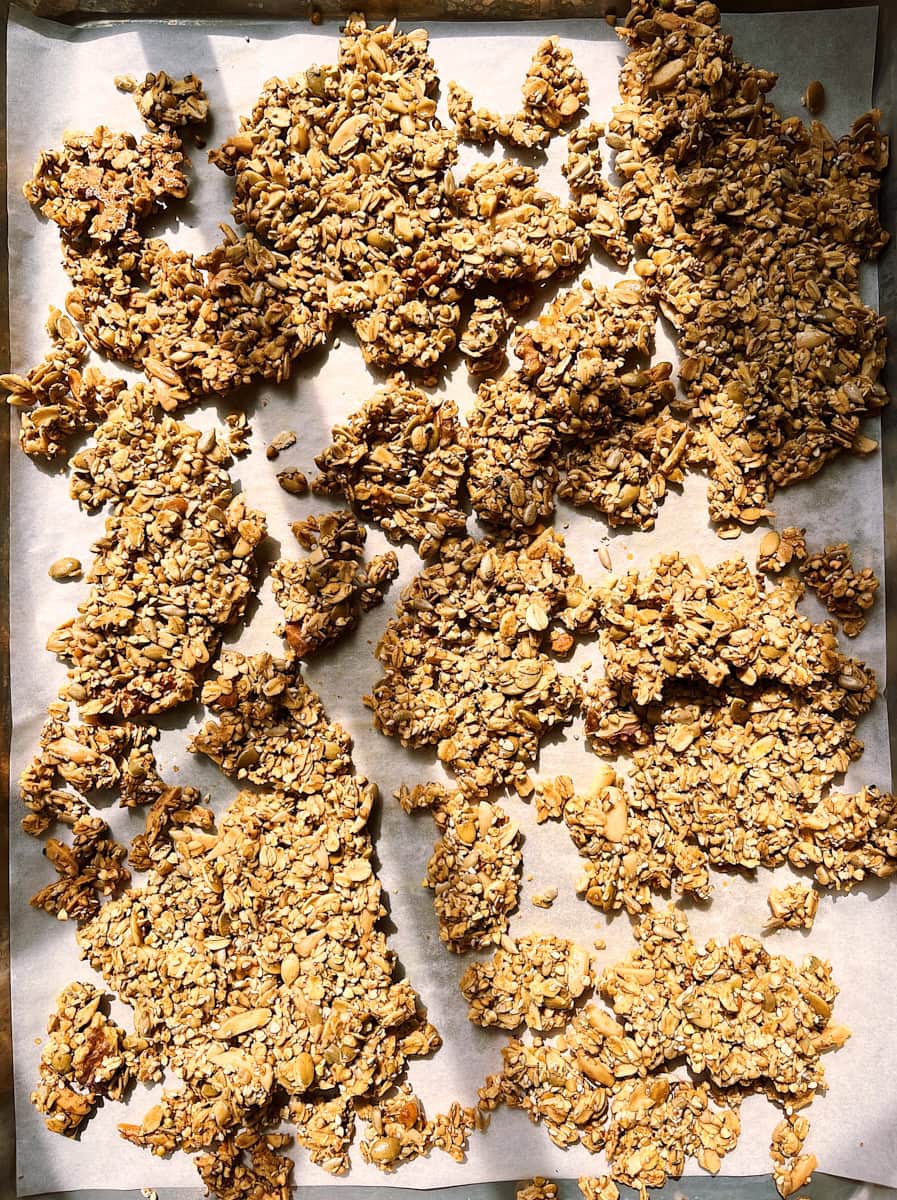
A key to achieving the coveted clumpy texture in this sourdough discard granola lies in a seemingly simple yet crucial baking technique: refraining from stirring the granola during the baking process. While many conventional granola recipes advocate for regular stirring to ensure even browning, this method encourages the formation of large, cohesive clusters.
The sourdough starter discard and the inclusion of flax or chia seeds play significant roles in facilitating this clumping. However, the absence of stirring during baking is equally important. By dividing the granola mixture into a thin layer across two baking sheets, one can ensure even baking without the need for agitation. This patient approach allows the granola to set into large, bark-like pieces that can then be broken down into more manageable portions for storage and consumption. This technique is reminiscent of how large sourdough bread loaves develop their signature crust, highlighting the interplay between the starter and the baking environment.
The Final Touch: Dried Fruit – A Matter of Preference
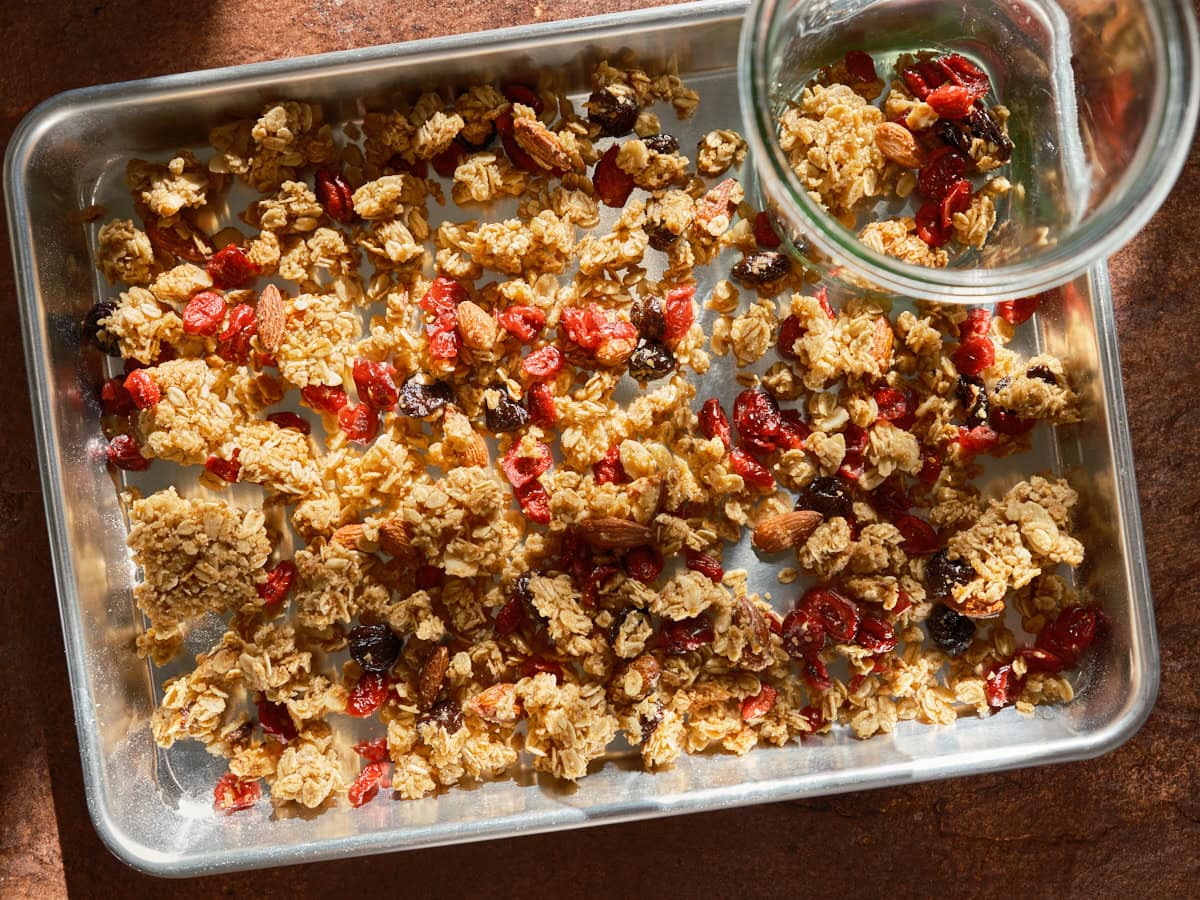
The inclusion of dried fruit in granola is often a divisive topic. While some enthusiasts appreciate the chewy sweetness dried fruits add, others prefer their granola unadulterated by such additions. The recipe acknowledges this dichotomy, offering flexibility based on individual preferences.
For those who enjoy dried fruit, it is recommended to add it after the granola has come out of the oven. Baking dried fruit can lead to an unpleasantly hard and chewy texture, which can detract from the overall eating experience. This approach ensures that any added fruit retains its desired softness and sweetness. The FAQ section further expands on this, suggesting a variety of preserved fruits, from dates and prunes to dried apricots and mangoes, each offering a unique chewy sweetness. Even options like banana chips, dried mulberries, freeze-dried berries, or candied ginger are presented as delightful additions, catering to a wide spectrum of taste preferences.
The Broader Context: Sourdough’s Culinary Renaissance
The popularity of sourdough discard recipes, including this granola, reflects a broader culinary trend toward embracing traditional methods and minimizing food waste. The resurgence of sourdough baking has brought with it a newfound appreciation for the "discard," the portion of the starter that is typically removed before feeding to maintain its health and vigor.
Instead of being discarded, this tangy, flavorful mixture is now being repurposed into a diverse range of baked goods. This shift not only reduces waste but also adds a unique culinary dimension to everyday recipes. The complexity and subtle tang that sourdough starter imparts are highly sought after, offering a sophisticated alternative to conventional flavors. This granola, therefore, is not just a breakfast item; it is a testament to the innovative spirit within home baking and a celebration of the versatility of sourdough. The fact that it can be stored for weeks, especially when frozen, further enhances its practicality and appeal for busy households seeking wholesome and delicious breakfast options. The ongoing exploration of sourdough discard’s potential continues to yield exciting culinary discoveries, solidifying its place in modern kitchens.