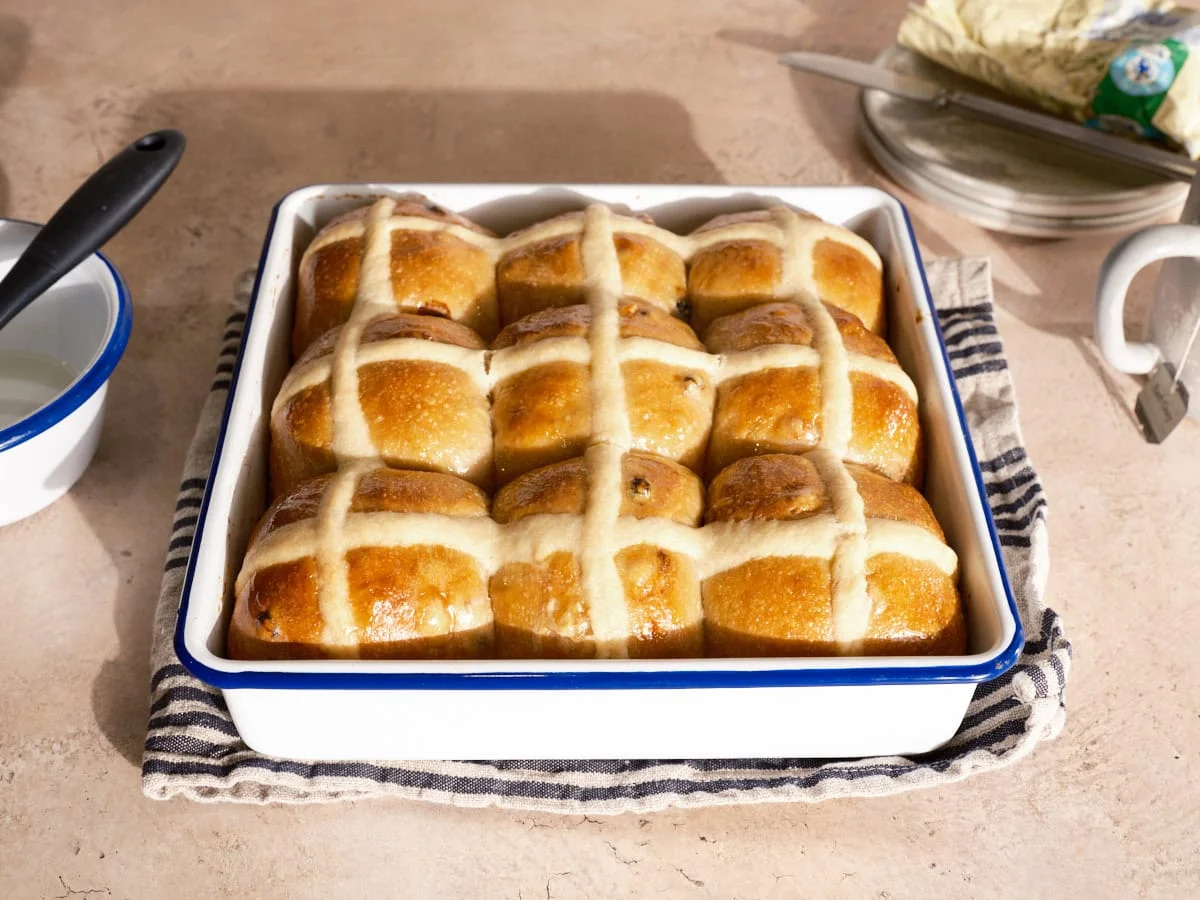

As the days lengthen and the first hints of spring emerge, a particular baking aroma begins to fill kitchens: that of warm spices, sweet fruit, and the subtle tang of sourdough. This season, the focus is on a refined rendition of the classic hot cross bun, enhanced by the innovative tangzhong technique. This recipe, adapted from the acclaimed cookbook The Perfect Loaf, promises an unparalleled softness and tenderness, bridging the gap between hearty winter bakes and the lighter fare of spring.
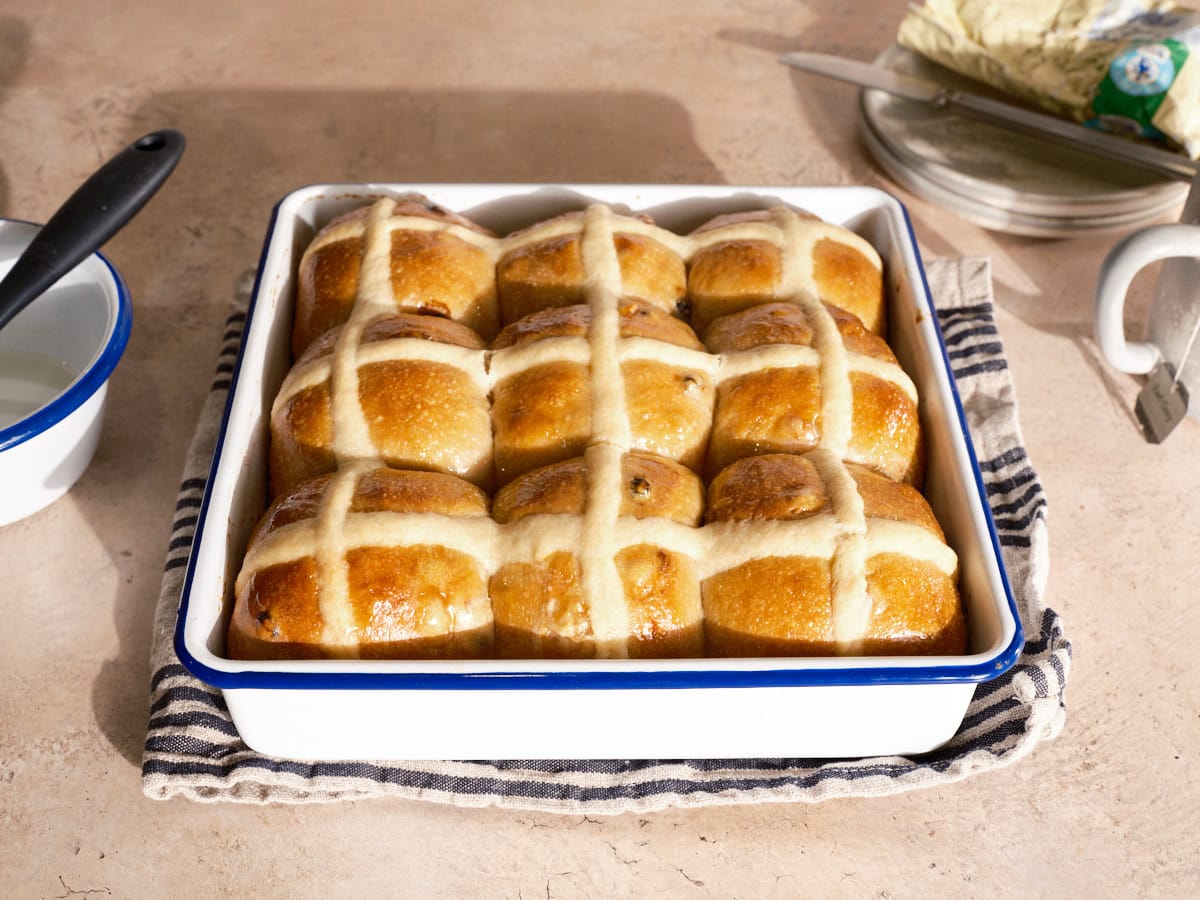
At its core, this recipe elevates the traditional hot cross bun by leveraging the complex flavors of sourdough and the textural magic of tangzhong. Unlike recipes that rely on commercial yeast for speed, this sourdough approach cultivates a deeper, more rounded flavor profile. The natural leavening introduces a gentle acidity that beautifully complements the sweetness of the sugar, dried fruits, and glaze. The addition of milk, egg, and butter further enriches the dough, creating a tender crumb that is both yielding and flavorful.
The Tangzhong Advantage: Unlocking Unrivaled Softness
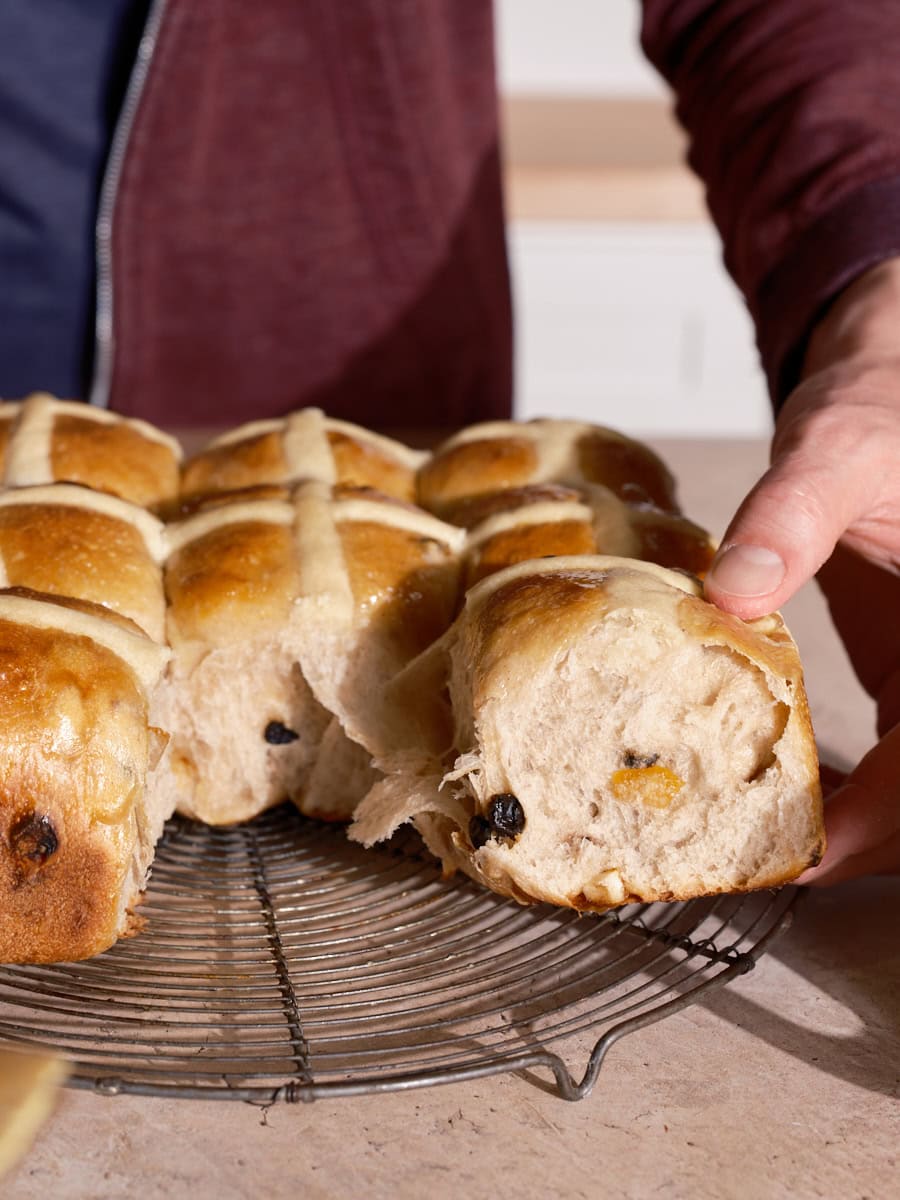
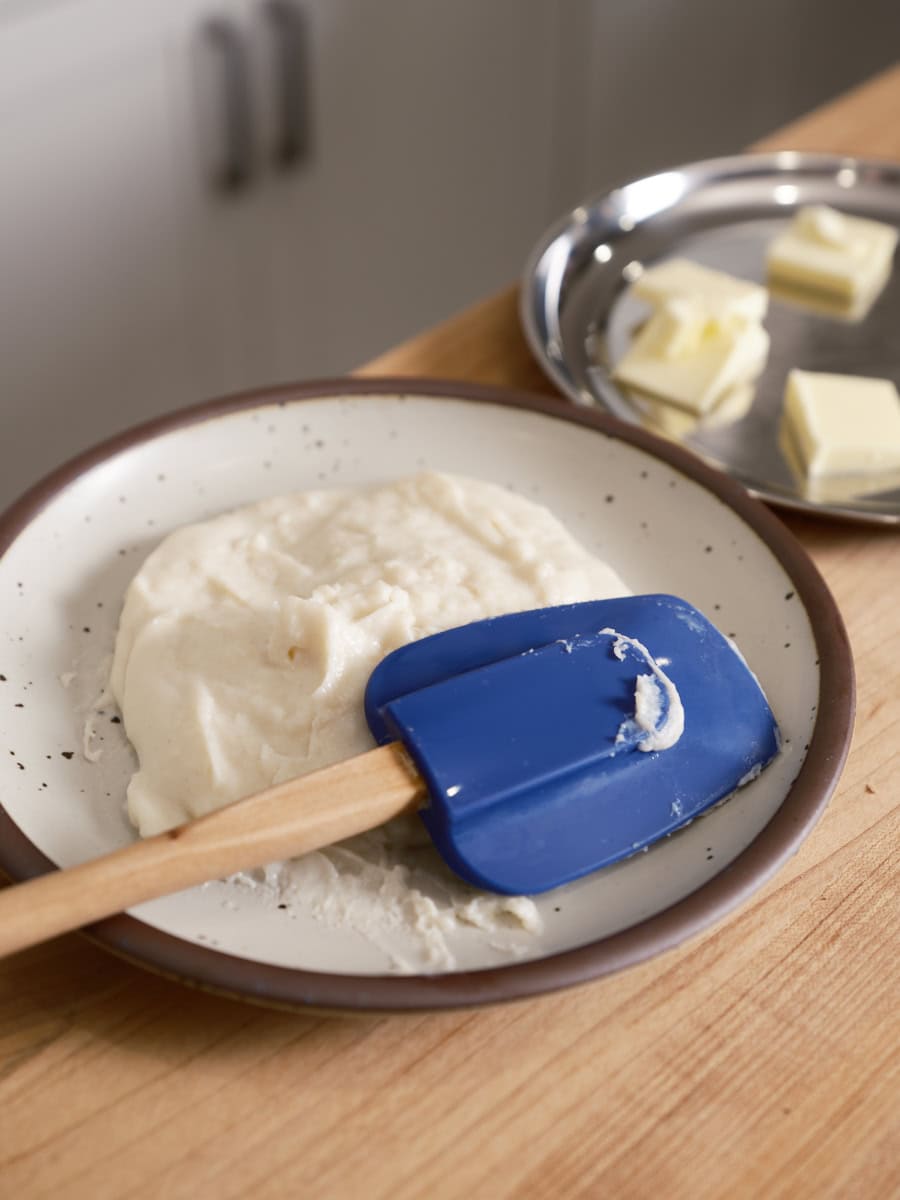
The key differentiator in this updated recipe is the incorporation of tangzhong, a cooked flour and liquid paste. This traditional Chinese technique involves heating flour and liquid (in this case, milk) until they form a thick paste. This process gelatinizes the starches in the flour, enabling them to absorb and retain significantly more moisture. When incorporated into the dough, tangzhong acts as a moisture-trapping agent, resulting in a noticeably softer, more tender crumb that stays fresh for longer than conventional enriched doughs. This "pillowy, pull-apart" texture is the hallmark of this advanced hot cross bun recipe.
A Sourdough’s Patience: Flavor Development Through Time
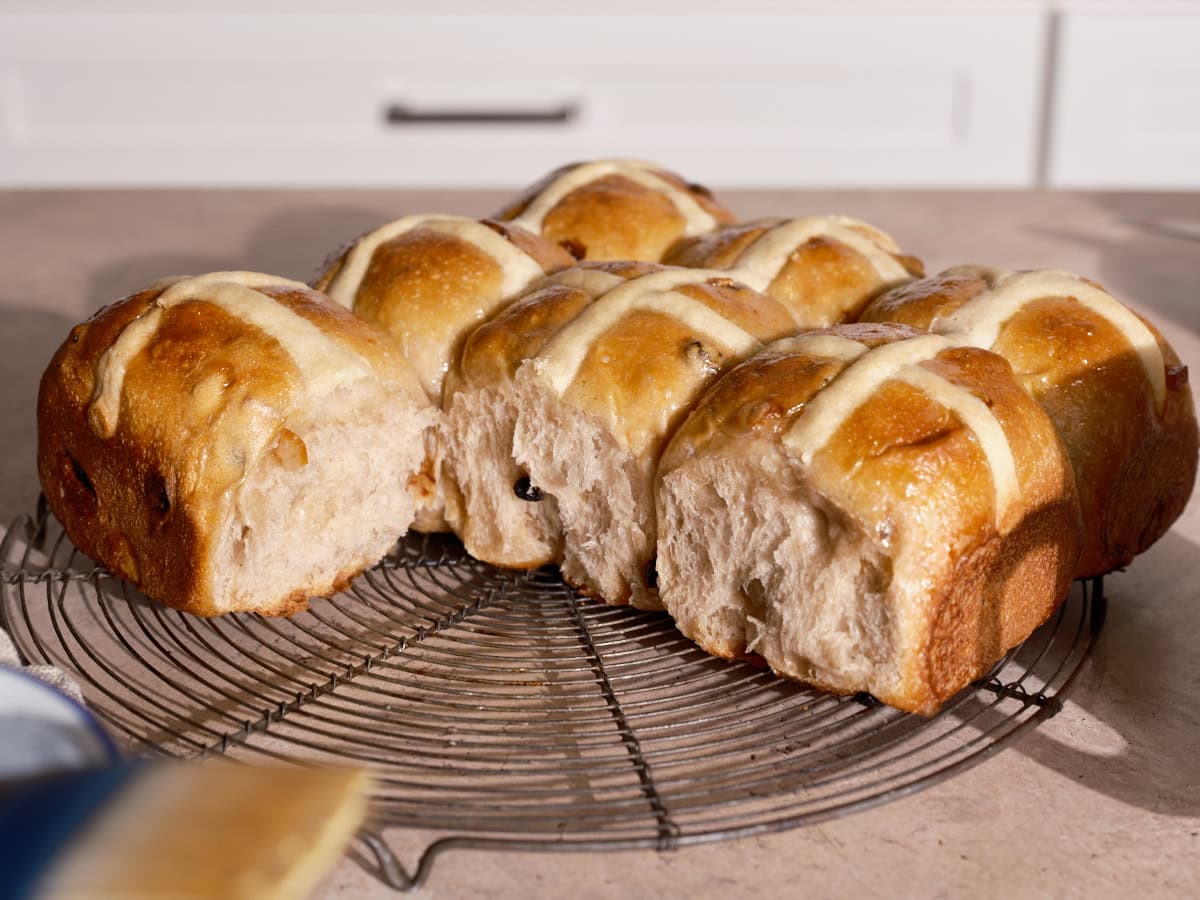
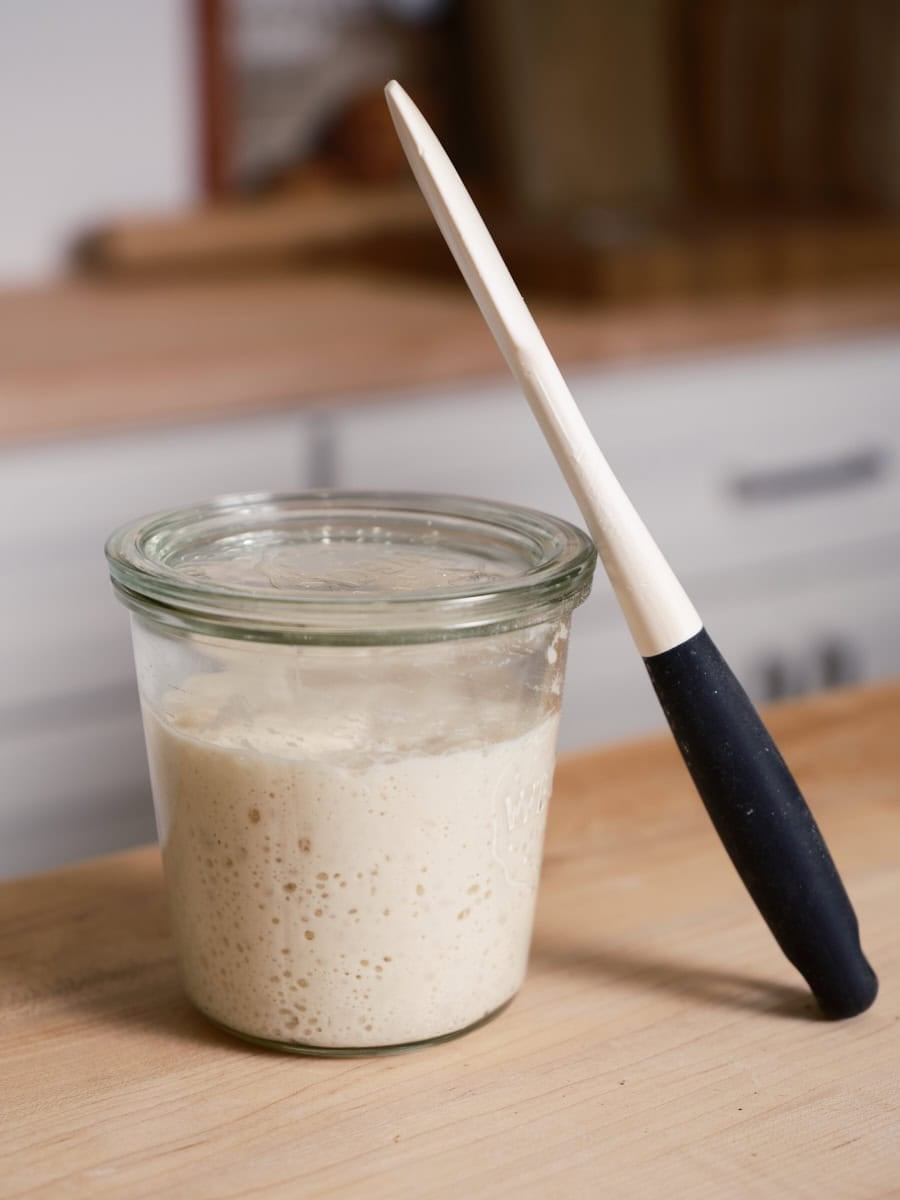
The use of sourdough starter, while requiring more patience than commercial yeast, yields a superior depth of flavor. The slow fermentation process allows the natural yeasts and bacteria in the starter to develop complex aromatic compounds. The sweet levain used in this recipe is specifically designed to balance the inherent tanginess of sourdough with the sweetness of the other ingredients, ensuring a harmonious flavor profile. This deliberate fermentation also contributes to the bun’s improved texture and shelf life.
Baking Schedule: A Guide to Perfect Timing
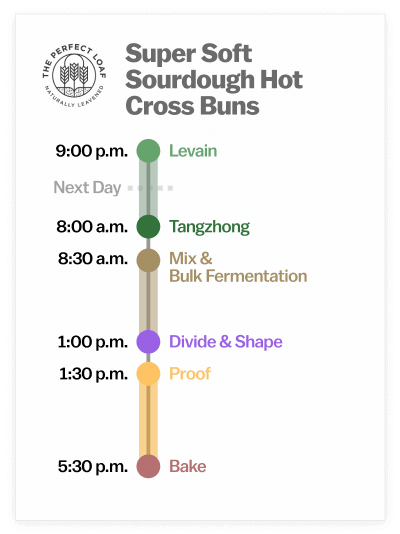
This recipe is designed for a same-day bake, with the exception of the overnight preparation of the levain. The baking schedule can be adapted for specific occasions, such as Easter morning.
- Overnight Preparation (Friday Night): The sweet levain and, optionally, a fruit soaker are prepared and left to ferment overnight. This crucial first step sets the foundation for the dough’s flavor and rise.
- Next Day Baking: The remainder of the process unfolds on the following day.
- Morning (approx. 8:00 AM): The tangzhong is prepared, and the butter is brought to room temperature.
- Mid-Morning (approx. 8:30 AM): The dough is mixed, incorporating all the ingredients, including the enriched elements and spices.
- Bulk Fermentation (approx. 9:00 AM – 1:00 PM): The dough undergoes a 4-hour bulk fermentation at a warm room temperature, with two sets of stretches and folds to develop its structure.
- Dividing and Shaping (approx. 1:00 PM): The dough is divided into individual portions and shaped into tight balls, ready for their final proof.
- Proofing (approx. 1:30 PM – 5:30 PM): The shaped buns proof for approximately 4 to 5 hours, or until they are noticeably puffy and soft to the touch.
- Baking (approx. 5:30 PM): The buns are brushed with an egg wash, adorned with piped crosses, and baked to a golden brown.
- Finishing: A simple syrup glaze is applied immediately after baking for a glossy sheen.
Easter Morning Adaptation: For those planning ahead for Easter, the levain can be prepared on Friday night. The dough can be taken through to the halfway point of its bulk fermentation, then refrigerated overnight. On Easter morning, the dough is removed to finish proofing for an hour or two before baking.
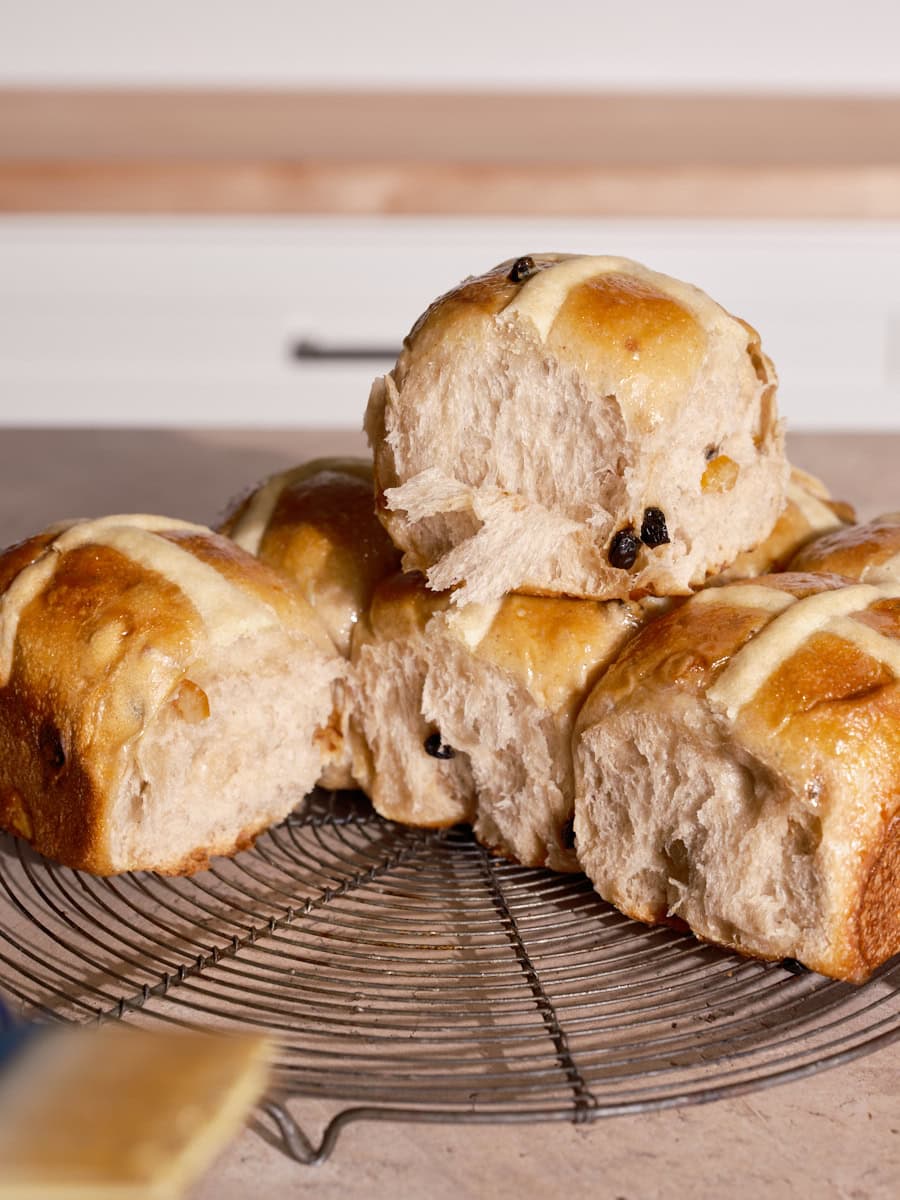
Essential Baking Equipment
Successful execution of this recipe relies on a few key pieces of equipment:
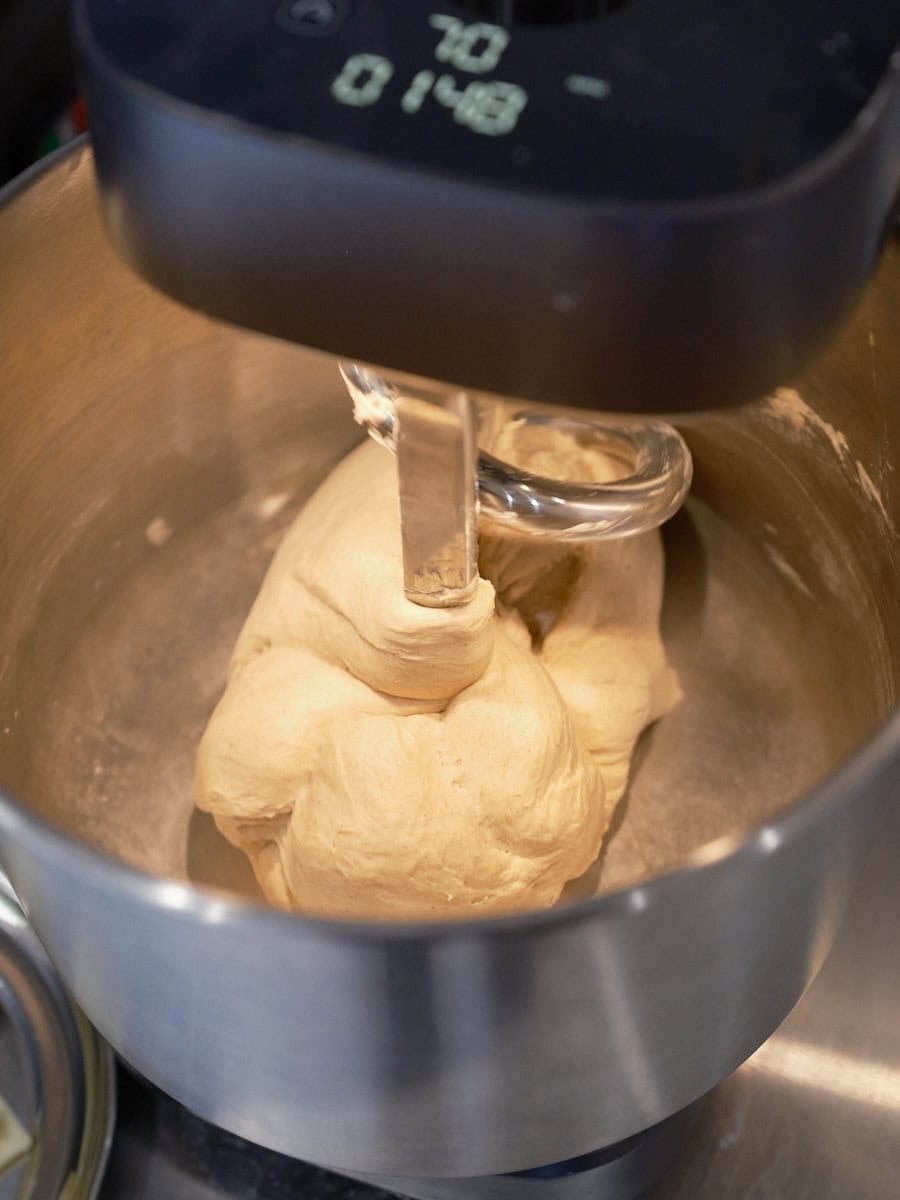
- Stand Mixer or Spiral Mixer: Highly recommended for efficiently developing the enriched dough, especially with the addition of butter.
- 9-inch Square Baking Pan: Ideal for producing soft, pull-apart buns.
- Pastry Bag or Piping Bag: For creating the distinctive crosses on top of the buns.
- Oven Thermometer: To ensure accurate oven temperatures for optimal baking.
- Kitchen Scale: For precise measurement of ingredients, crucial for consistent baking results.
A Deeper Dive into the Recipe: Ingredients and Method
The total dough weight for this recipe is approximately 1,150 grams, yielding 9 generously sized hot cross buns, each weighing around 115 grams. The pre-fermented flour content is 15.5%, with the levain making up 48.6% of the final dough. The hydration level, excluding the milk in the tangzhong, is around 31.0%.
Total Formula Breakdown:
- High-protein white flour: 454g (92.0%)
- Tangzhong flour: 39g (8.0%)
- Tangzhong whole milk: 178g (36.0%)
- Egg, beaten: 49g (10.0%)
- Unsalted butter: 69g (14.0%)
- Superfine sugar: 39g (8.0%)
- Thompson raisins or candied orange peel: 74g (15.0%)
- Dried currants or chocolate chips: 49g (10.0%)
- Ground cinnamon: 3g (0.6%)
- Ground allspice: 1g (0.2%)
- Freshly ground nutmeg: 1g (0.2%)
- Zest of 1 lemon and 1 orange
- Water: 153g (31.0%)
- Fine sea salt: 9g (1.9%)
- Ripe sourdough starter (100% hydration): 31g (6.2%)
Additional Ingredients:
- Egg wash: 1 egg + 1 tablespoon milk
- Cross mixture: 50g white flour, 35g water, 15g orange juice (or water), 15g vegetable oil, pinch of salt.
- Simple syrup glaze: 50g water + 50g sugar.
The Method in Detail:
1. Preparing the Sweet Levain and Fruit Soaker (9:00 PM):
The levain is a critical component, comprising high-protein flour, superfine sugar, water, and ripe sourdough starter. The sugar in the levain aids yeast activity in the enriched dough and tempers the overall sourness. This mixture is left to ferment for 12 hours in a warm place. If dried fruits are particularly dry, a brief soaking in water can rehydrate them, though the recipe notes this step may be optional if using moist fruits and peels.
2. Making the Tangzhong and Preparing Butter (8:00 AM, Next Day):
The butter is softened at room temperature. The tangzhong is prepared by cooking high-protein flour and whole milk over medium-low heat, whisking continuously until a thick paste forms. This paste is then spread on a plate to cool.
3. Mixing the Dough (8:30 AM):
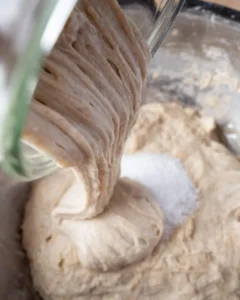
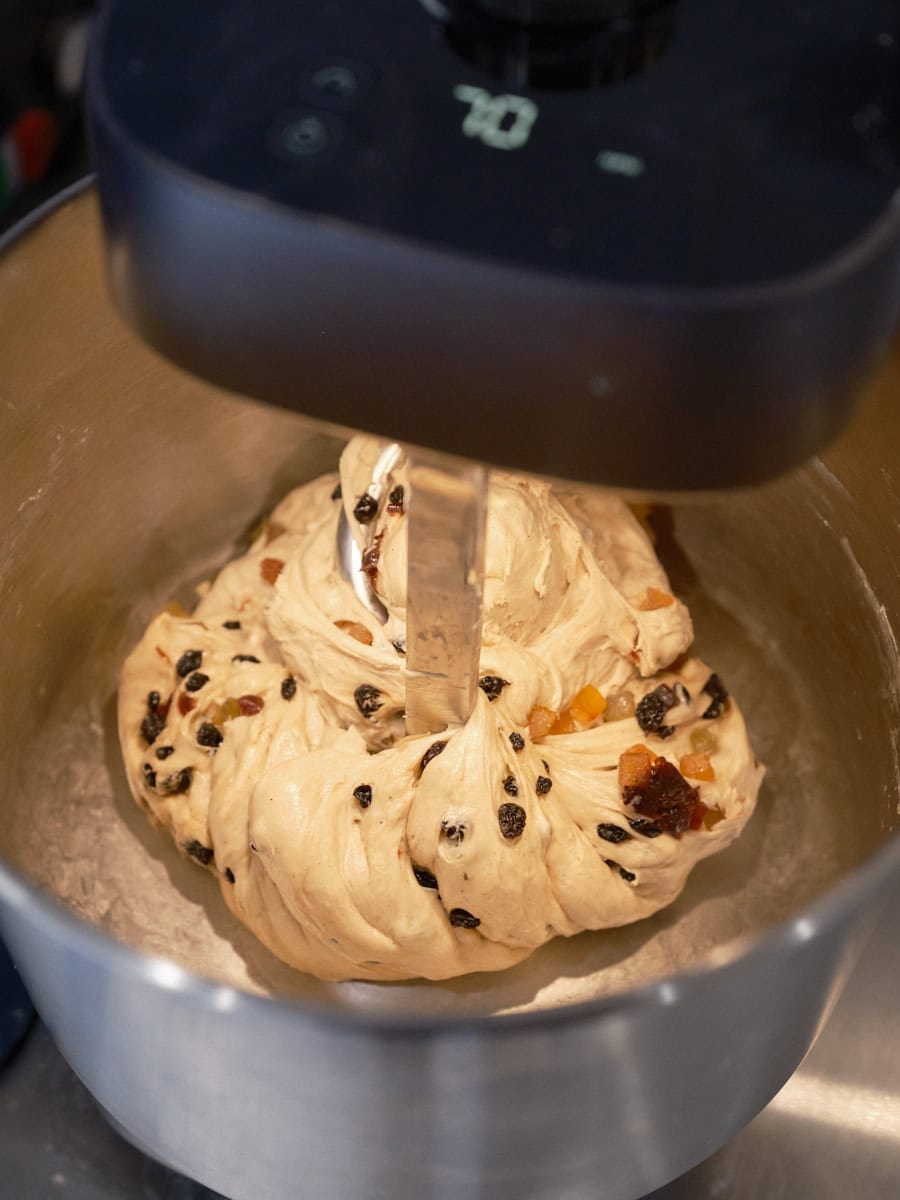
Using a stand mixer or spiral mixer is advised. The tangzhong, flour, egg, sugar, spices, zest, water, salt, and ripe levain are combined. The dough is mixed on low speed, then medium speed, until it becomes smooth, strong, and passes the windowpane test. The room temperature butter is then added gradually, ensuring each pat is absorbed before the next is introduced. Finally, the dried fruits and candied peel are mixed in on the lowest speed until evenly distributed. The dough should appear silky, elastic, and shiny.
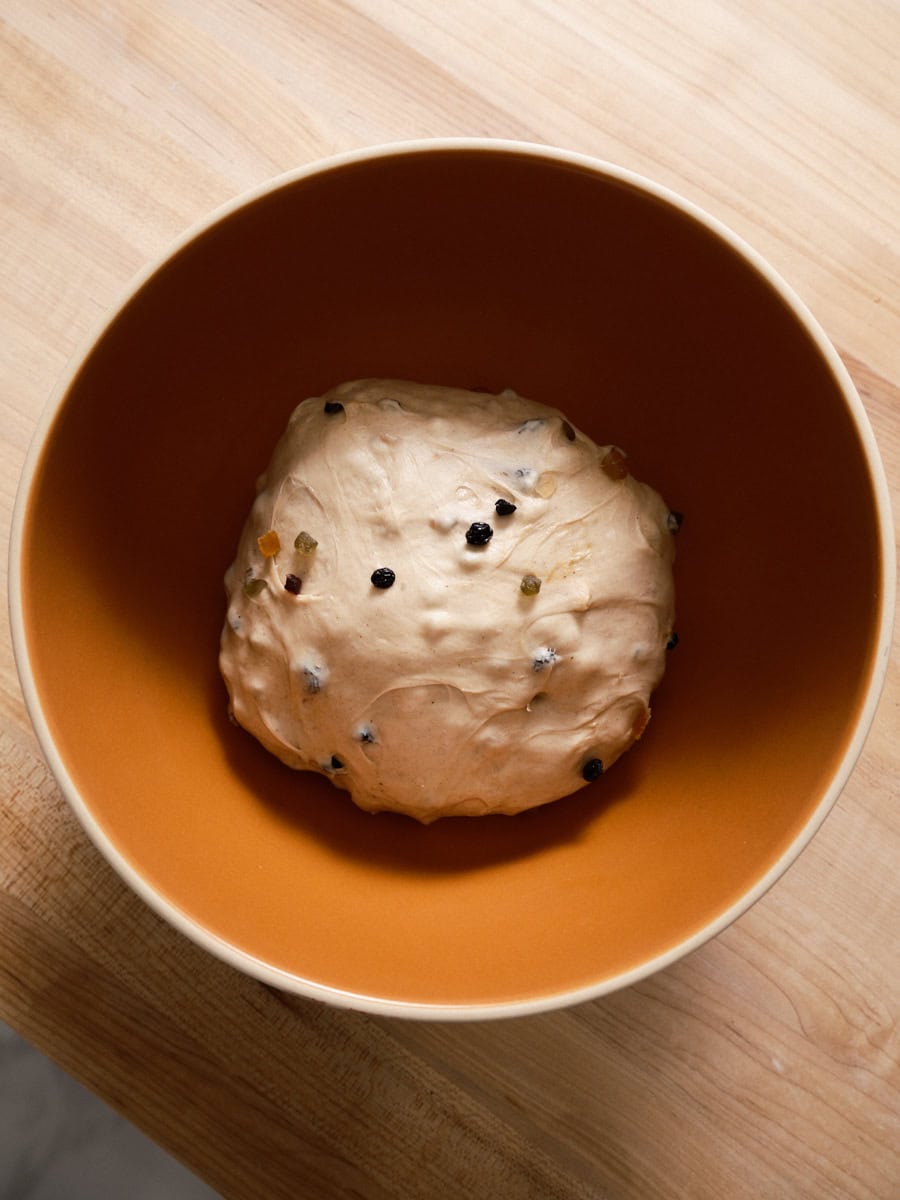
4. Bulk Fermentation (9:00 AM – 1:00 PM):
The dough is placed in a container for bulk fermentation, lasting approximately 4 hours at a warm room temperature (74-76°F or 23-24°C). During this period, two sets of stretches and folds are performed at 30-minute intervals to build dough strength. The fruit soaker, if used, is drained and incorporated during the first set of folds.
5. Dividing and Shaping (1:00 PM):
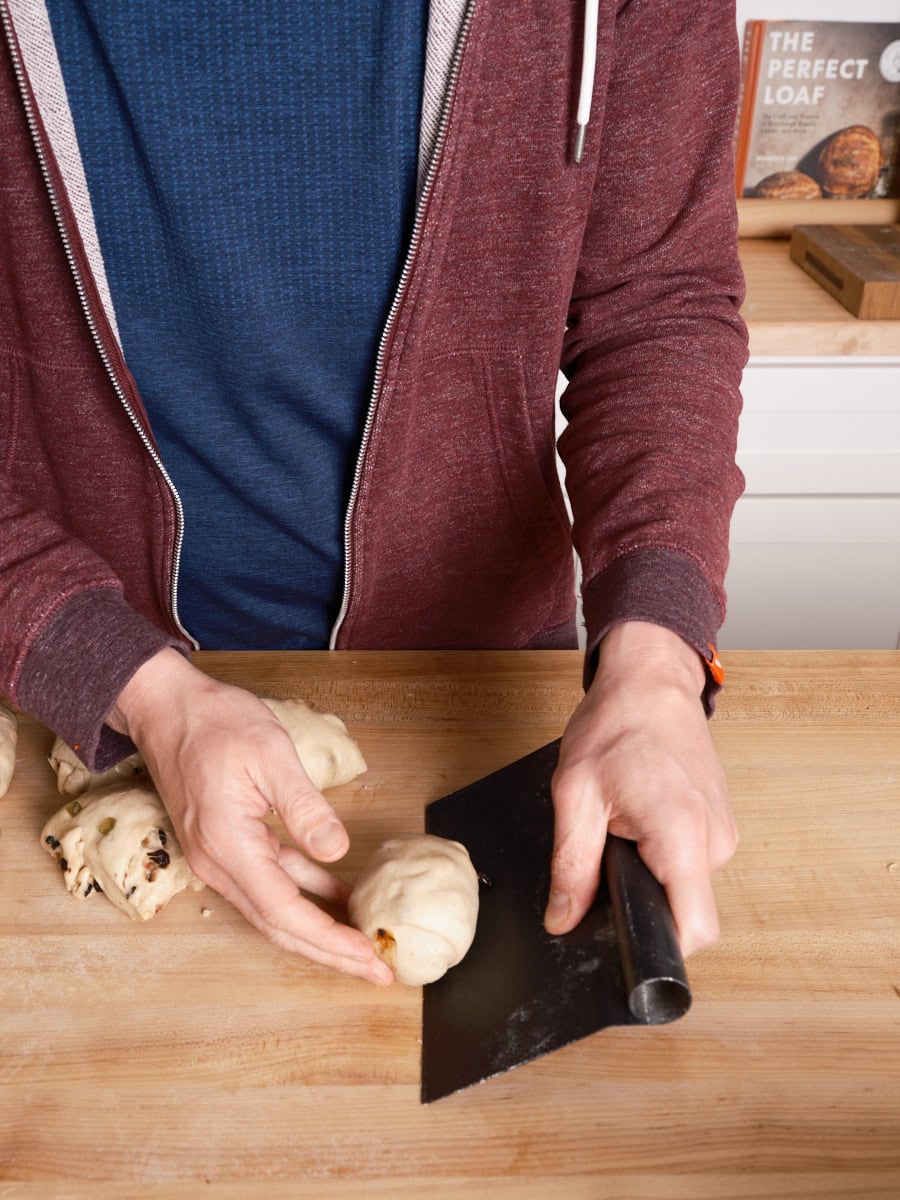
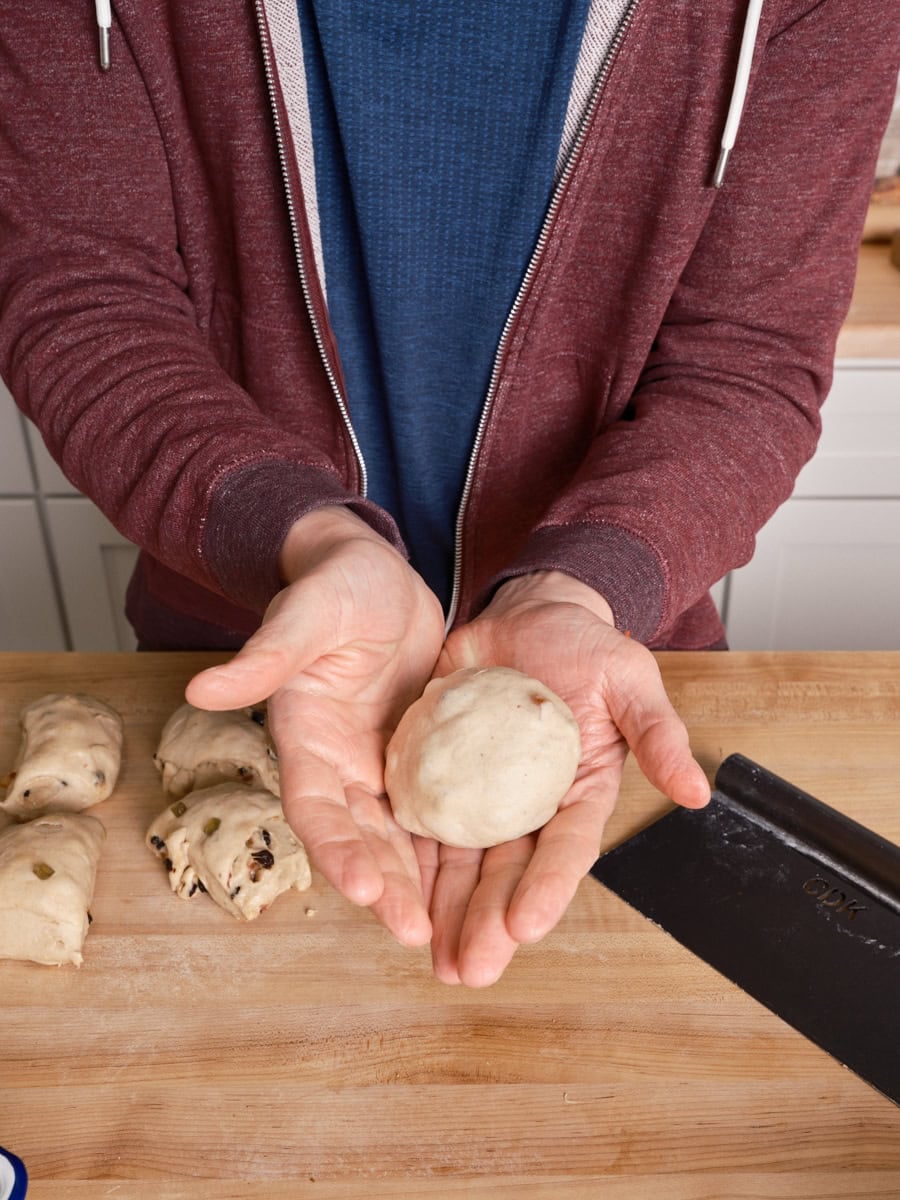
The dough is gently scraped onto a work surface and divided into 9 equal portions (approximately 115g each). Each portion is shaped into a tight ball. A buttered 9-inch square baking pan is used to house the shaped buns, arranged in three rows of three. The pan is then covered.
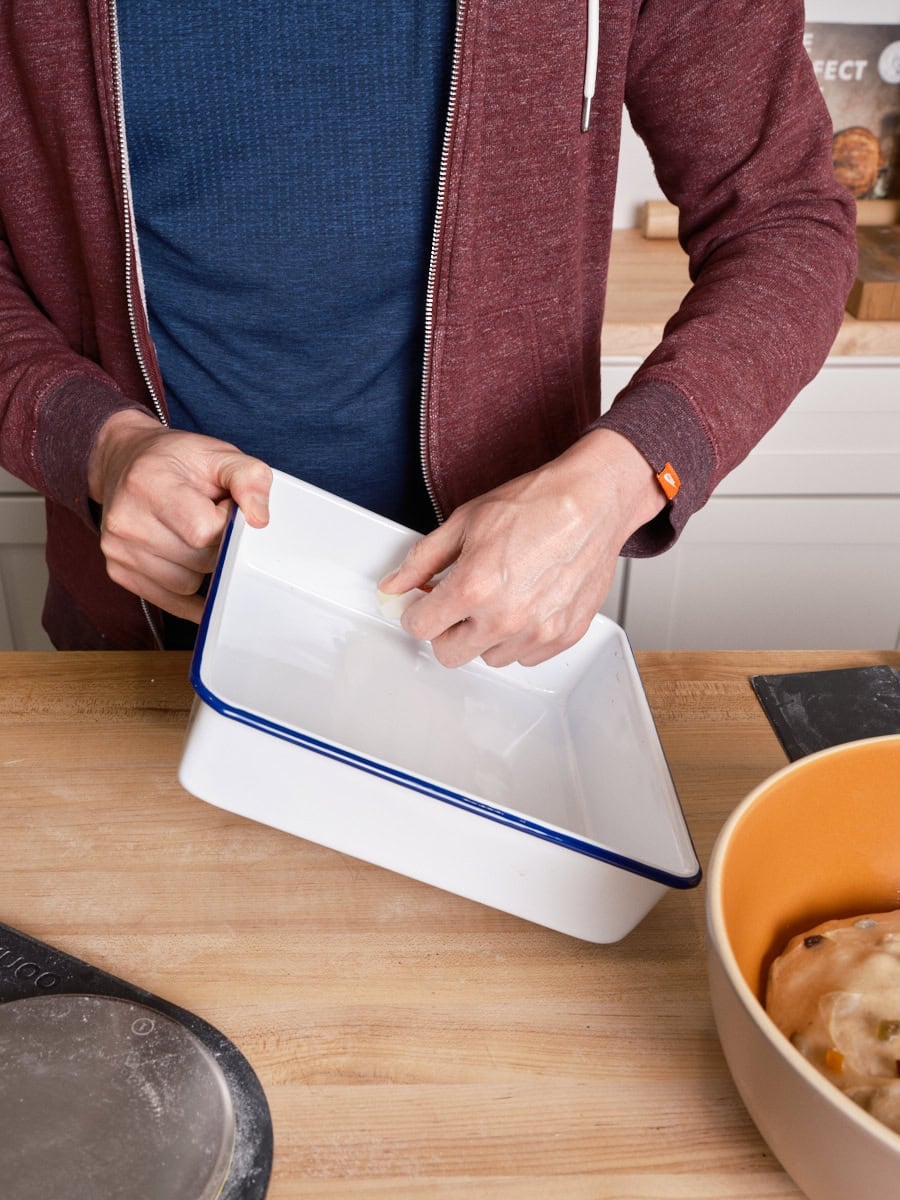
6. Proofing (1:30 PM – 5:30 PM):
The buns undergo a slow proofing period of 4 to 5 hours at warm room temperature. This extended proof is crucial for developing the characteristic softness. The dough is ready when it feels very soft to the touch and has risen significantly, ideally reaching just below the rim of the pan.
7. Preparing the Glaze, Cross Mixture, and Baking (5:30 PM):
- Oven Preheating: The oven is preheated to 400°F (200°C).
- Simple Syrup Glaze: Water and sugar are boiled until clear, then cooled. This glaze will be brushed onto the buns after baking.
- Cross Mixture: Flour, water, orange juice, oil, and salt are combined to form a thick paste, which is then transferred to a piping bag.
- Egg Wash and Crosses: Before baking, the buns are brushed with an egg wash. The cross mixture is piped onto each bun to form the signature crosses.
- Baking: The buns are baked for 15 minutes at 400°F (200°C), then the temperature is reduced to 350°F (175°C) for an additional 10-15 minutes, or until an internal temperature of 195°F (90°C) is reached.
Post-Bake Finishing:
Immediately after removing the buns from the oven, the simple syrup glaze is brushed over the hot buns. They are allowed to cool for 5 minutes in the pan before being served warm or transferred to a wire rack to cool completely. These hot cross buns are best enjoyed the day they are baked, ideally with salted butter, but can be stored in an airtight container for one day and reheated.
Broader Implications and Tradition
The evolution of the hot cross bun recipe, particularly the integration of sourdough and tangzhong, speaks to a broader trend in home baking: a renewed appreciation for traditional techniques and a desire for enhanced flavor and texture. While commercial yeast offers convenience, the patient approach of sourdough and the textural benefits of tangzhong are increasingly being recognized for their ability to elevate everyday baked goods to artisanal quality. These sourdough hot cross buns are more than just a seasonal treat; they represent a thoughtful approach to baking, where time and technique converge to create a truly exceptional product. This recipe, born from extensive experience in sourdough baking, offers enthusiasts a pathway to mastering an enriched dough, yielding results that are both delicious and deeply satisfying.