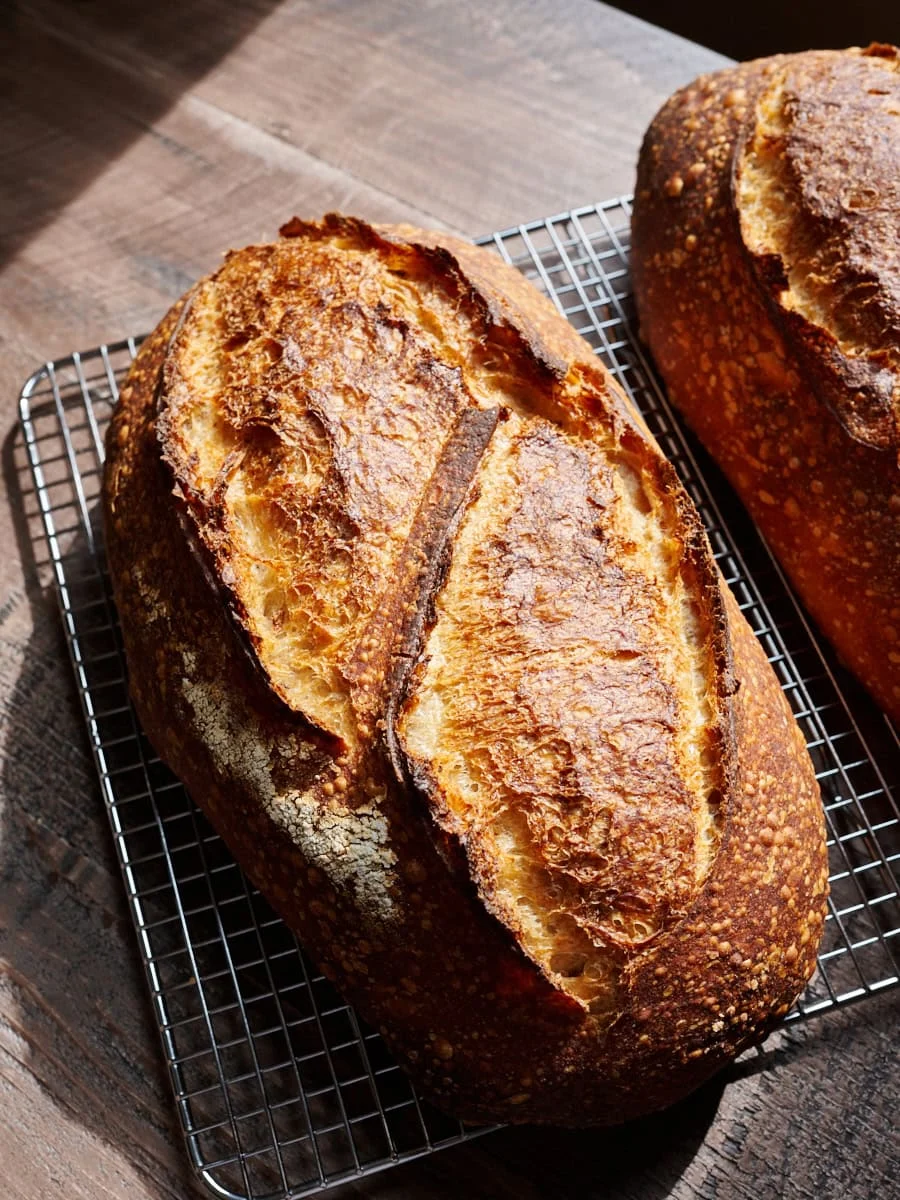

Dough hydration, a seemingly simple concept in sourdough bread baking, unfurls into one of its most intricate and nuanced aspects. It is not merely a numerical value within a recipe, but rather a dynamic dialogue between the baker and the dough, influenced by an array of variables including ambient temperature, humidity, and crucially, the specific characteristics of the flour used. This guide delves into the accumulated knowledge of years spent mastering sourdough, from the underlying scientific principles to practical, on-the-fly adjustments, aiming to equip bakers with the understanding necessary to troubleshoot common issues like overly sticky dough or dense, tightly crumbed loaves. This exploration builds upon foundational concepts often detailed in comprehensive sourdough bread-making resources, such as dedicated cookbooks and detailed online guides.
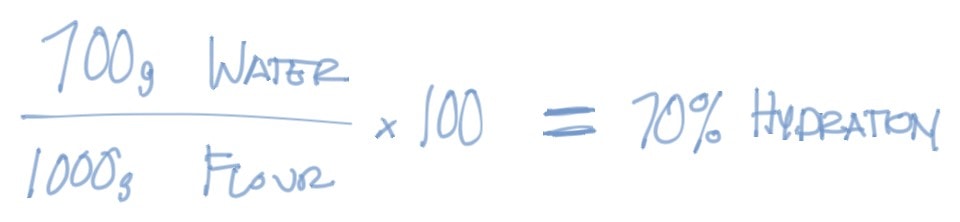
At its core, dough hydration is defined as the total quantity of water present in a recipe, expressed as a percentage relative to the total weight of flour. The calculation is straightforward: divide the weight of the water by the total weight of the flour, and then multiply the result by 100. For instance, a recipe calling for 1,000 grams of flour and 700 grams of water yields a hydration level of 70% (700 grams water / 1,000 grams flour * 100 = 70%). This percentage serves as an initial indicator for bakers, offering a predictive insight into the dough’s behavior even before the mixing process commences.
However, a critical understanding that often eludes novice bakers is that this hydration percentage is a guideline, not an immutable law. Flour, far from being a static ingredient, exhibits significant variability. Differences in flour type, the mill from which it originates, and even the specific batch or bag can lead to substantial variations in water absorption. While atmospheric conditions like humidity and temperature can play a role, their impact is generally less pronounced unless experiencing extreme shifts. A dough that mixes to a smooth, elastic consistency on a dry day might require different handling or a slight adjustment on a humid, rainy afternoon due to the flour’s increased moisture absorption from the environment.
The Fundamental Importance of Dough Hydration
The significance of a dough’s hydration percentage lies in its profound influence on the final characteristics of the baked loaf. Water is the essential agent that transforms dry flour into a pliable dough, capable of capturing and retaining the gases produced during fermentation. Insufficient water results in a dough that is tight, resistant, and difficult to work with. Conversely, an excess of water can render the dough unmanageably slack and soupy, compromising its structural integrity.
The spectrum between these two extremes allows for a diverse range of bread styles. Lower-hydration loaves, typically in the 60-68% range, often exhibit a more substantial crust and a chewier texture. At the higher end, loaves with 75-85% hydration or more, such as those found in renowned sourdough recipes, tend to possess a more delicate, brittle crust and a moist, custardy interior.
Exploring the Hydration Spectrum
-
Lower-Hydration Bread (60-68%): Breads within this range are characterized by their ease of handling and shaping. They tend to produce a loaf with a denser crumb, a more pronounced chew, and a robust crust. This hydration level is often favored for specific applications like bagels, pretzels, and some types of pizza dough, where a firmer structure is desired. The dough’s relative stiffness makes it less prone to spreading excessively during proofing and baking, contributing to a more controlled rise and a predictable outcome.
-
Higher-Hydration Bread (75-85%+): Conversely, increasing the hydration level introduces a different set of characteristics. These doughs are typically more challenging to manage, requiring advanced techniques to maintain their shape. The resulting bread often features a significantly more open crumb, with larger, irregular holes, and a tender, almost melt-in-your-mouth texture. The crust can be thinner and crispier. This level of hydration is sought after for artisanal loaves aiming for a light, airy interior and is particularly effective when using flours with high absorption capabilities, such as whole grains or high-extraction flours.
It is crucial to note that pushing hydration to extreme levels, while often lauded in certain baking circles, is not universally beneficial. An excessively high hydration can lead to a loaf with an overly soft, gummy crumb that may struggle to maintain its structure post-baking and could stale more rapidly if not stored properly. The goal for many bakers is to find a hydration level that optimizes the desired texture and crumb without sacrificing structural integrity, volume, or overall eating quality.
The Technique of Bassinage: Mastering High Hydration
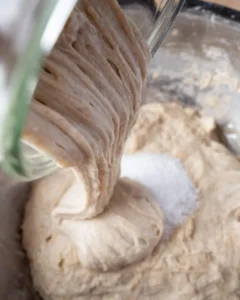
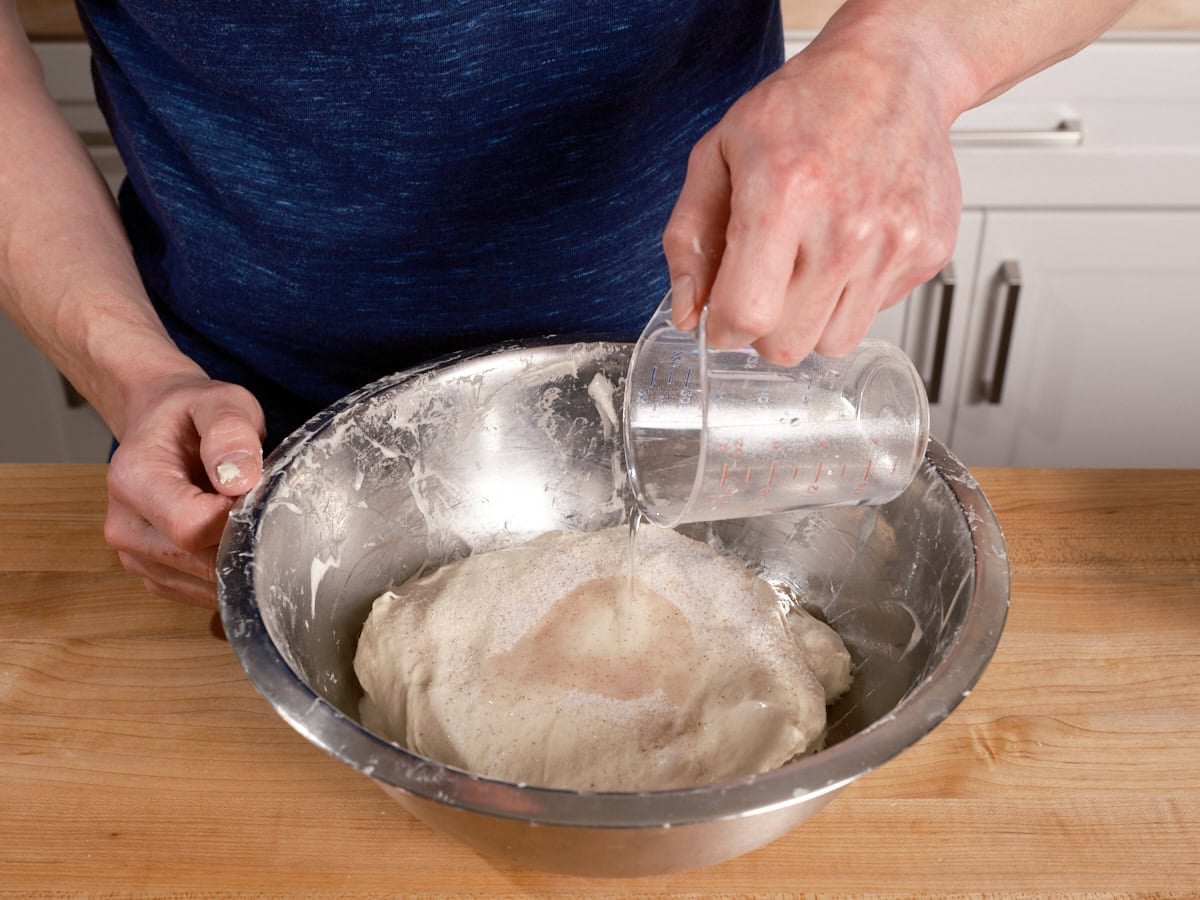
A transformative technique for bakers seeking to work with higher hydration levels is bassinage, also known as "double hydration." This method involves withholding a portion of the total mixing water and adding it incrementally during the later stages of dough development. This approach offers several key advantages:
-
Enhanced Gluten Development: By initially mixing with a lower percentage of water (typically 80-90% of the total), the flour starches begin to absorb moisture, and the gluten network starts to form. Adding the remaining water gradually allows for more efficient gluten strengthening. If all the water is incorporated at the outset, particularly in high-hydration recipes, it can be exceedingly difficult to develop sufficient friction and strength in the dough, potentially leading to an under-developed gluten matrix.
-
Controlled Dough Consistency: Holding back water provides the baker with an opportunity to assess the dough’s strength and elasticity before committing the full liquid content. This allows for precise adjustments based on the dough’s feel. Many advanced sourdough recipes incorporate this by specifying "Water 1" for the initial mix and "Water 2" as a reserve for fine-tuning the dough consistency during the final mixing phase. If the dough already feels excessively wet and slack after the initial water addition, the reserved water can be omitted entirely. If it feels robust and capable of accepting more liquid, Water 2 can be added slowly while mixing.
Factors Influencing Dough Water Absorption
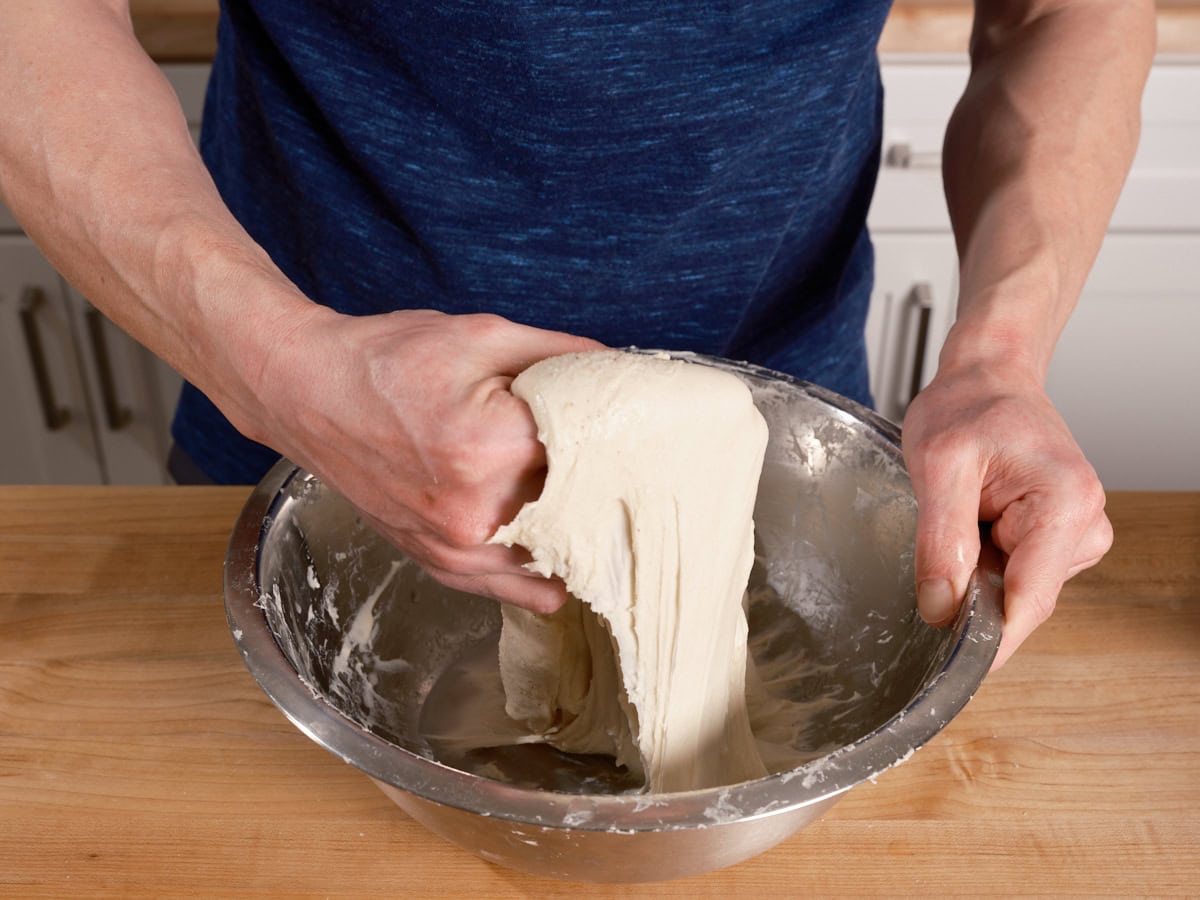
Several critical factors dictate how much water a specific flour can absorb and how a dough will behave:
-
Flour Type and Protein Content: Flours with higher protein percentages (typically 12-14%, often labeled as "bread flour") possess a greater capacity to absorb water and require it to achieve optimal texture, preventing gumminess. The protein forms gluten, a structural network that can hold more water. Conversely, flours with lower protein content, common in many regions outside North America, are "softer" and may require reduced hydration to prevent the dough from becoming excessively sticky and unmanageable.
-
Whole Grain Content: The inclusion of whole wheat, rye, spelt, or other whole grain flours significantly increases the water absorption requirement. The bran and germ particles within whole grains are highly absorbent. For instance, a recipe incorporating 50% whole wheat flour might necessitate a hydration level of 82% or higher, a level that would be challenging to manage with 100% white flour. The bassinage technique is particularly valuable when working with high-percentage whole grain doughs.
-
Freshly Milled Flour: Flour that has been recently milled, even if sifted to remove some bran and germ, generally requires higher hydration compared to aged flour to achieve the correct dough consistency.
-
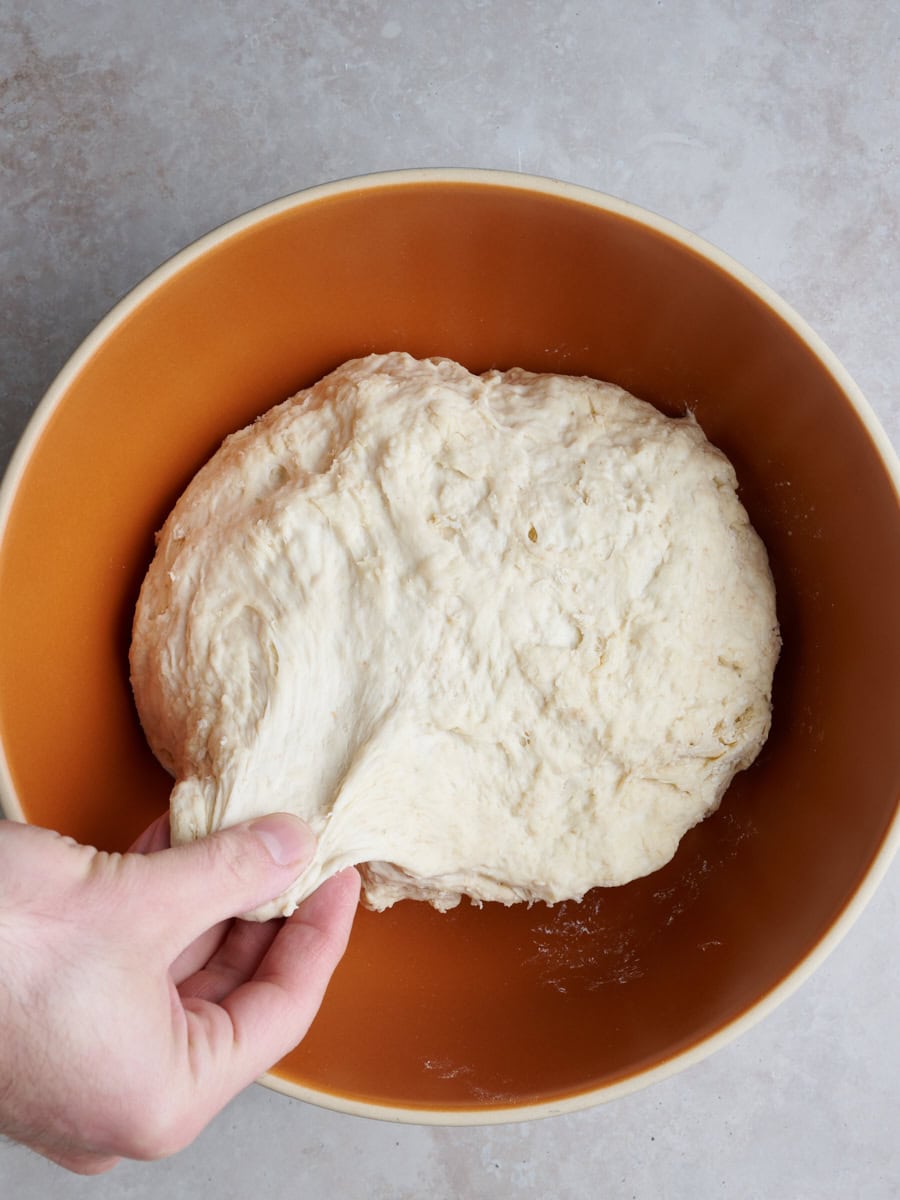
Climate and Environmental Conditions: Regional climate plays a notable role. Bakers in arid, high-altitude environments, such as New Mexico, often find they need higher hydration levels compared to those in more humid, lower-altitude locations. Even within a single locale, significant shifts in humidity, such as during rainy periods, can influence the flour’s moisture content, potentially requiring a slight reduction in added water.
Troubleshooting Sticky Dough: Understanding the Causes
Sticky dough is a prevalent concern for many bakers, often stemming from issues related to hydration, dough strength, or a combination of both. Common culprits include:
- Excessive Hydration: The most direct cause is simply adding too much water relative to the flour’s absorption capacity.
- Under-developed Gluten: Insufficient mixing or kneading can lead to a weak gluten network that cannot effectively hold the water, resulting in a slack, sticky dough.
- Flour Variability: As previously mentioned, different flours absorb water differently. A flour that is less absorbent than anticipated can lead to a sticky dough even at a seemingly moderate hydration percentage.
- Environmental Humidity: High ambient humidity can cause the flour to absorb atmospheric moisture, making the dough feel stickier than expected.
- Over-fermentation: In some cases, an over-fermented dough can lose its structural integrity, leading to increased stickiness.
Tips for Managing High-Hydration Doughs

As hydration levels increase, dough stability tends to decrease. Pushing the water content is akin to stretching the gluten matrix, the dough’s structural scaffolding, to its limits. Effective management of high-hydration doughs involves:
- Utilizing Wet Hands or a Dough Scraper: When working with very wet doughs, wetting your hands or using a flexible dough scraper can prevent sticking and facilitate easier manipulation.
- Developing Strength Through Folding: Techniques like stretch-and-folds, performed at intervals during bulk fermentation, are crucial for building the gluten network and imparting strength to high-hydration doughs.
- Controlled Proofing: High-hydration doughs can be more prone to over-proofing. Careful monitoring of the dough’s expansion and texture is essential.
- Gentle Shaping: Applying too much force during shaping can degas the dough excessively, leading to a dense crumb. A delicate approach is often necessary.
- Understanding "Windowpane" Test: This test, where a small piece of dough is stretched until translucent without tearing, is a key indicator of gluten development and dough strength, especially important for high-hydration doughs.
Hydration Quick Reference Chart
| Hydration Level | Characteristics | Best For |
|---|---|---|
| 60-65% | Stiff, easy to handle, potentially thicker crust | Bagels, pretzels, pizza, some pan loaves |
| 65-70% | Balanced, manageable, good structure | Classic breads, beginner-friendly sourdough |
| 70-75% | Moderately open crumb, thin crust | Classic country loaves, baguettes |
| 75-80% | Requires longer mixing, tender crumb, requires skill | Ciabatta, focaccia, open-crumb loaves, sandwich loaves |
| 80%+ | Requires longer mixing, more open crumb, challenging | High-hydration artisanal loaves, custard-like crumb, challenging shaping |
Common Questions About Dough Hydration
-
Why can’t I just add more flour if my dough is too wet?
Adjusting flour weight impacts the entire recipe’s baker’s percentages (salt, levain, etc.), requiring recalculations of all other ingredients. Altering water, however, only affects the hydration percentage in isolation. While it’s generally discouraged, if a dough is completely unmanageable, a small addition of flour can be made as a last resort, noting it for future recipe adjustments.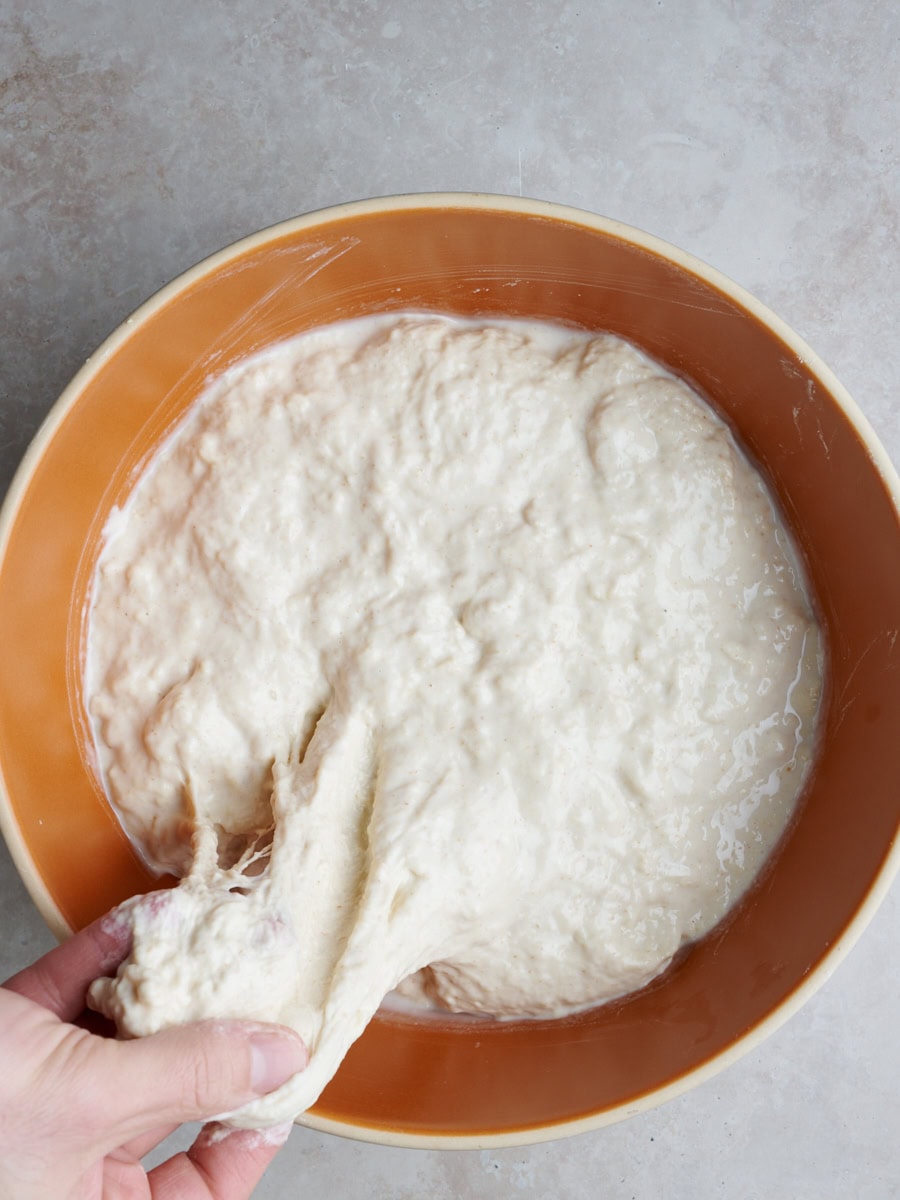
-
Does higher hydration guarantee a more open crumb?
Not exclusively. Hydration is one of many factors influencing crumb structure. Proper fermentation, effective shaping, and correct baking techniques are equally vital. An open crumb can be achieved at moderate hydration levels, and conversely, a tight crumb can occur even with high hydration if other factors are not optimized. -
What hydration should a beginner start with?
A hydration level of 68-70% using quality bread flour is recommended for beginners. This offers a manageable dough consistency while still yielding excellent results. As bakers gain experience, they can gradually increase hydration. -
What is the ideal hydration for bread dough?
There is no single "ideal" hydration. It is contingent upon the specific flour used and the desired characteristics of the final bread. Generally, bread doughs fall within the 60%-80% hydration range, though variations exist.
Cultivating Baker’s Intuition: The Ultimate Goal
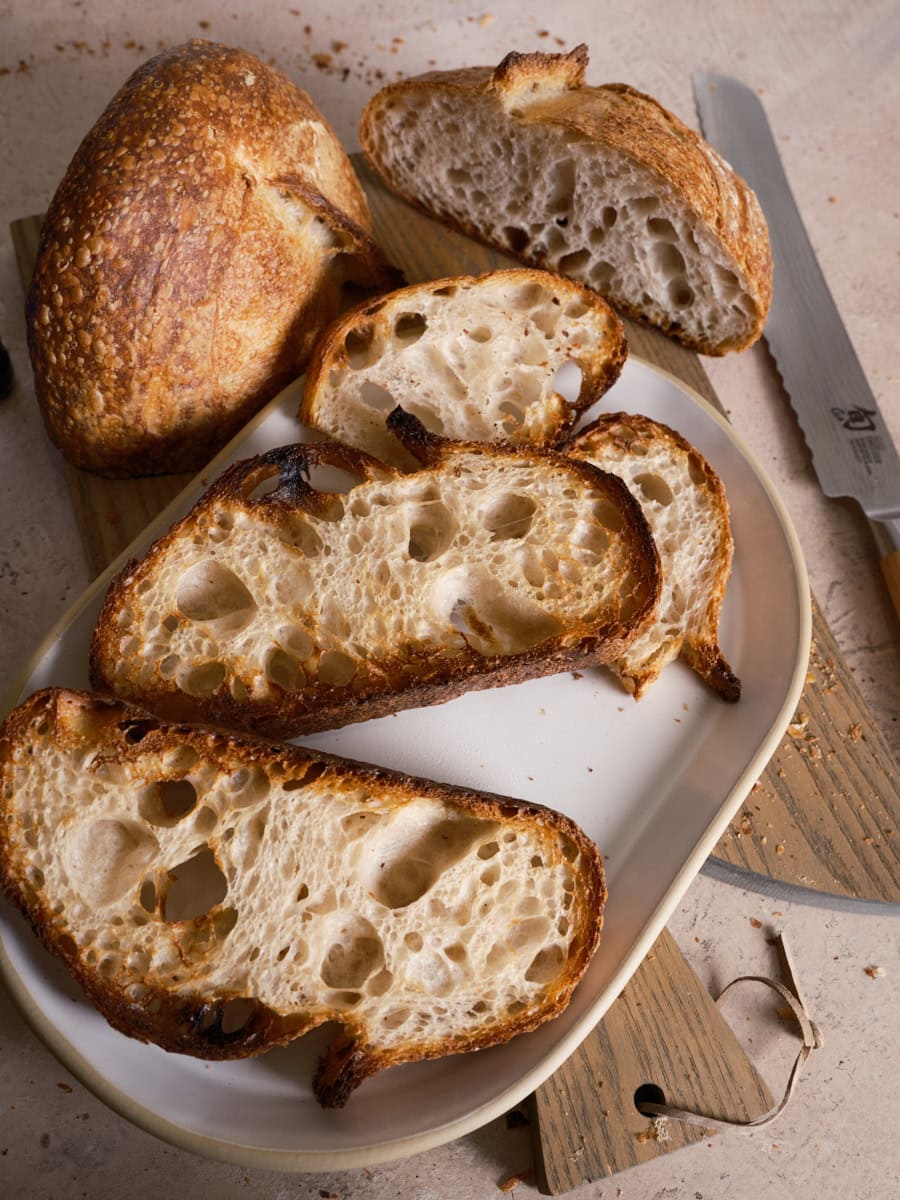
Mastering dough hydration is fundamentally about developing "baker’s intuition"—the ability to discern what the dough needs by observing its texture and behavior rather than rigidly adhering to numerical recipes. Each batch of flour, every environmental condition, and each day presents unique variables. The most skilled bakers treat recipes as starting points for an ongoing dialogue with their ingredients.
The practice of keeping detailed baking notes is invaluable. Recording the hydration percentage used, the dough’s feel throughout the process, the prevailing weather conditions, and the outcome of the final loaf will, over time, foster an intuitive understanding of hydration that transcends any written guide. This hands-on experience and careful observation are the true keys to unlocking consistent, exceptional sourdough bread.