
The quest for the perfect sourdough loaf often centers on a fundamental question: how can bakers precisely control the level of sourness? While some enthusiasts crave a pronounced, palate-tingling tang that defines the sourdough experience, others prefer a more subtle, nuanced acidity that enhances the bread’s complex flavors without overpowering them. Fortunately, this elusive characteristic of sourdough is not a matter of chance but a finely tunable element, influenced by a baker’s choices at nearly every stage of the breadmaking process. Years of dedicated baking and scientific inquiry have revealed that the sourness in sourdough is a delicate interplay between time, temperature, and the living microorganisms within a starter. Understanding these interactions empowers bakers to consistently achieve their desired flavor profiles.
Decoding the Science Behind Sourdough’s Tang
At its core, the characteristic sourness of sourdough bread stems from two primary organic acids produced during fermentation: lactic acid and acetic acid. Lactic acid contributes a smooth, mild, almost yogurt-like tang, lending a creamy quality to well-crafted sourdough. Acetic acid, on the other hand, is sharper and more pungent, akin to the acidity found in vinegar. This is the acid responsible for sourdough’s assertive, tangy bite. Acetic acid possesses a higher vapor pressure than lactic acid, making it the primary component contributing to the vinegary aroma often detected in active sourdough starters.
The balance between these two acids is orchestrated by the lactic acid bacteria (LAB) present in the sourdough starter. These bacteria, along with wild yeasts, are sensitive to their environment, particularly the pH level of the dough. As fermentation progresses and acids are produced, the dough’s pH gradually decreases. Eventually, the acidity reaches a point where bacterial activity significantly slows down, acting as a natural self-limiting mechanism. This biological feedback loop is precisely why many techniques for controlling sourness revolve around influencing the duration and conditions under which these bacteria can thrive and produce acid.
Strategies for Amplifying Sourness
For bakers aiming to cultivate a more pronounced sour flavor in their sourdough, several key adjustments can be made. These methods leverage the scientific principles of microbial activity and acid production.
Optimizing Starter Ripeness
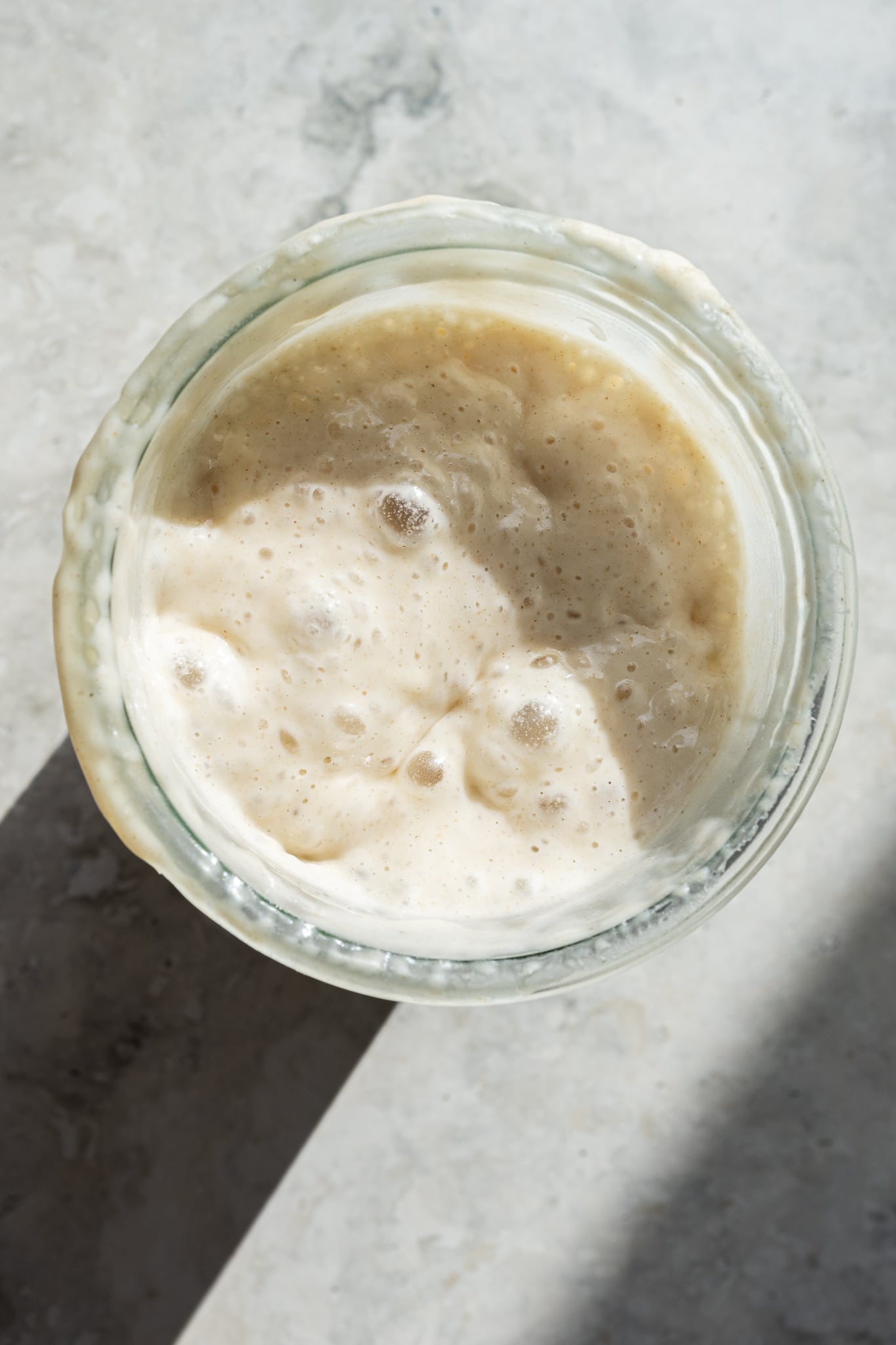
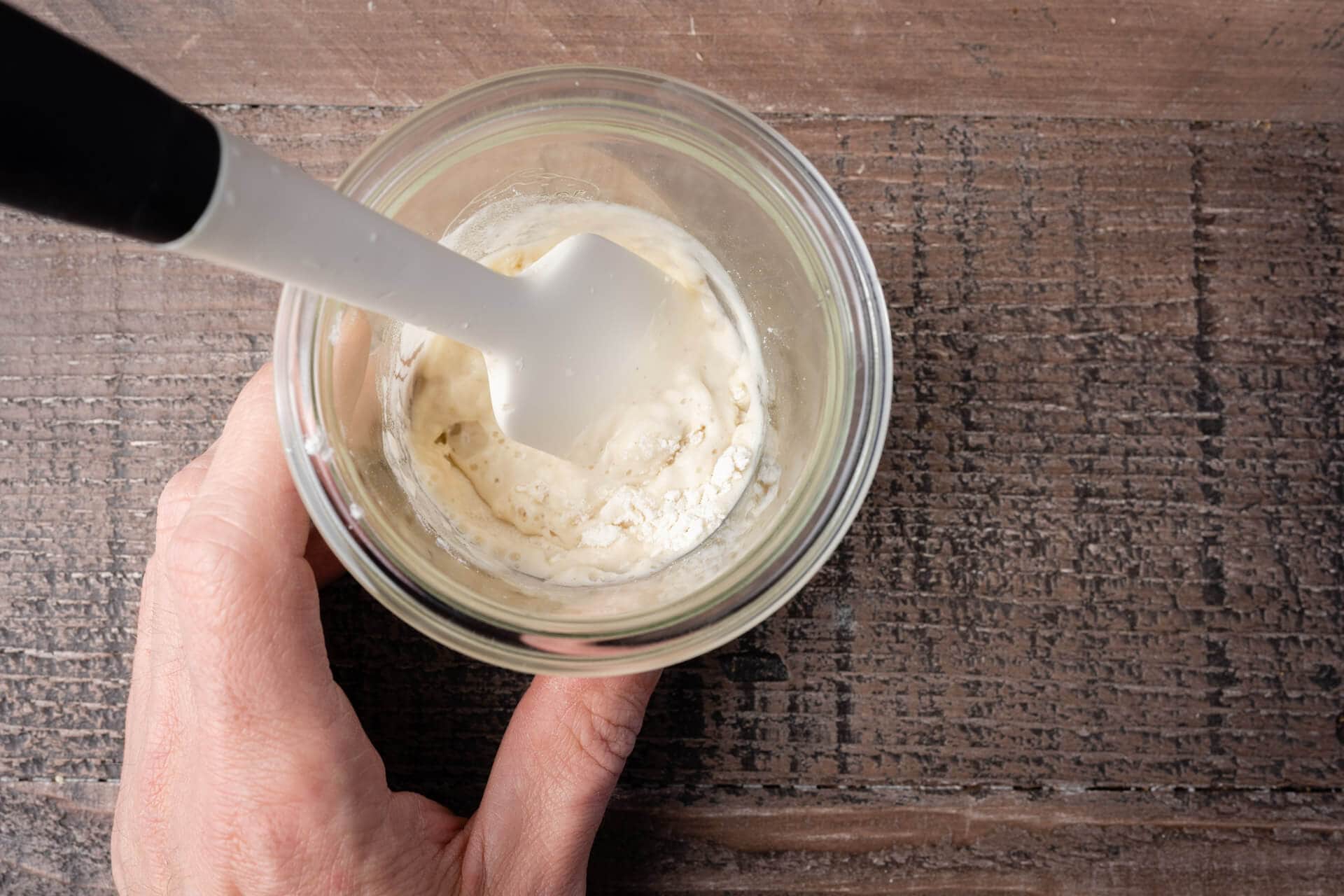
One of the most accessible ways to increase sourness is by utilizing a sourdough starter that has passed its peak ripeness. A starter that is "collapsed," exhibiting a strong, vinegary aroma, a loose consistency, and abundant bubbles both on the surface and throughout, has already accumulated a significant amount of acid. Using such a starter, or building a levain from it, directly transfers this accumulated acidity to the final dough. In contrast, a "young" starter, one that has just reached its peak or is still rising, will contribute a milder flavor profile to the bread. The extended fermentation time beyond peak ripeness allows for greater acid production, which then carries through to the final loaf.
Extending the Cold Proof (Retardation)
Perhaps the most reliable and frequently employed method for developing a more assertive sour flavor is extending the cold proofing period. When dough is refrigerated, the cold temperatures significantly slow down microbial activity, but they do not halt it entirely. Acid continues to accumulate over many hours. Crucially, while yeast activity is also reduced, bacteria are slowed more considerably. This imbalance allows yeasts to continue releasing sugars, which bacteria preferentially consume to produce acetic acid. The combination of prolonged acid production and a higher proportion of acetic acid results in a noticeably sharper, more vinegary tang.
Bakers often cold proof their loaves overnight for 12-16 hours. However, experimenting with longer durations, such as 24, 48, or even 72 hours, can lead to increasingly pronounced sourness. This is a technique employed in recipes specifically designed for a sour profile, where over two days of cold fermentation are sometimes recommended. It’s important to note a potential trade-off: extended cold proofing can lead to a reduction in oven spring. This is because prolonged enzymatic activity within the dough can break down gluten structures, diminishing the dough’s strength and its ability to rise dramatically in the oven.
Employing a Stiffer Levain
The hydration level of a levain plays a subtle yet significant role in acid production, mirroring the effect of cold temperatures. Lower hydration levels tend to slow bacteria more than yeast, thereby shifting the balance towards acetic acid production. A stiff levain, typically with a hydration of 50-65%, when given adequate time to ripen, can foster conditions conducive to higher acetic acid formation. However, it is crucial to emphasize that stiffness alone does not guarantee increased sourness; sufficient time for ripening is paramount.
The comparison to lievito madre, a stiff starter used in Italian baking, illustrates this point. If fed frequently and kept on a strict schedule, lievito madre can produce very mild bread, as frequent feeding continuously dilutes accumulated acid. Therefore, it is the synergy of low hydration and extended ripening that drives the production of sharper tang. In contrast, liquid levains (100% hydration or higher) tend to contribute to a smoother, less aggressive sourness in the final bread. This has been observed when comparing loaves made with stiffer, whole-grain levains to those using more liquid, white-flour-based levains, with the former often exhibiting a more pronounced sourness.
Incorporating Whole Grains
The inclusion of whole grain flours, particularly rye, is a powerful tool for enhancing sourness. The primary mechanism behind this is the higher ash content of whole grains. Ash content directly correlates with mineral levels, and these minerals act as a natural buffering system within the dough. As bacteria produce acid, the dough’s pH drops. However, the buffering capacity of whole grains allows the dough to absorb more acid before the pH becomes inhibitory to bacterial activity. In essence, whole grains raise the "ceiling" for total acid accumulation. Refined white flour, with its lower ash content, cannot buffer as much acid, limiting the overall potential for sourness. Rye flour, in particular, is highly effective; even small percentages added to the levain or dough can noticeably increase the bread’s tang.
Strategic Fermentation Temperatures
Temperature profoundly influences both the quantity and type of acid produced during fermentation. Warmer dough temperatures, generally between 78-82°F (25-28°C), encourage greater overall bacterial activity. Since most sourdough bacteria reach optimal growth around 89-91°F (32-33°C), warmer dough keeps them in their preferred range, leading to higher total acid production.
Conversely, cooler temperatures tend to favor the production of acetic acid, the sharper, more vinegary component. While overall acid production may be lower in cooler conditions, the balance shifts towards acetic acid due to the differential impact of cold on yeast and bacteria. Bakers seeking a rounder, more lactic sourness should ferment warmer, while those desiring a sharp, assertive tang might opt for cooler, longer fermentation periods. A balanced approach often involves a moderately warm bulk fermentation followed by an extended cold proof, combining the benefits of both temperature regimes. It’s crucial to remember that temperature is a critical factor in sourdough, and adjustments to levain percentage or fermentation time may be necessary to prevent under- or overproofing when manipulating temperature for flavor control.
Adjusting Levain Percentage
A seemingly counterintuitive method for increasing sourness involves using a smaller levain percentage. The common assumption that more starter equates to more sourness is an oversimplification. A large, highly ripened levain introduces a significant amount of acid into the dough from the outset, rapidly lowering its pH. Since bacteria are sensitive to low pH, their growth slows as acidity increases. Consequently, a dough that begins at a lower pH may offer less "runway" for bacteria to produce additional acid.
Conversely, a smaller levain starts the dough at a higher pH, allowing bacteria to function for a longer duration and accumulate acid more gradually. While this necessitates extending fermentation times, the overall acid production can ultimately be greater. This nuanced relationship highlights the importance of considering multiple variables beyond just the quantity of levain.
Techniques for Mellowing Sourness
Not all bakers aspire to a highly acidic sourdough. Many, including the author, often prefer a more subtle sourness that complements rather than dominates the bread’s flavor. Several strategies can be employed to achieve this milder profile.
Maintaining a Well-Fed Starter
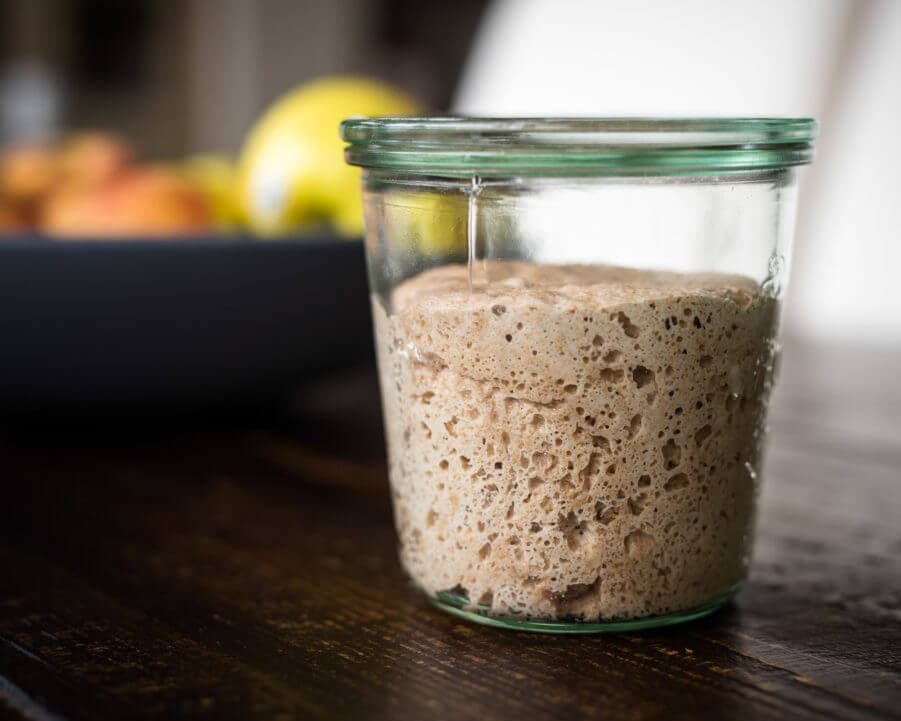
The most effective way to reduce sourness is by consistently maintaining a healthy, frequently fed starter. Regular feedings dilute accumulated acids, providing fresh food for the yeasts and bacteria. A starter that is fed regularly, kept at its peak ripeness (risen, bubbly, and domed), has consumed its food but has not yet produced excessive acid. Using a levain at this stage, rather than one that has significantly passed its peak and developed a strong sour aroma, will result in a milder-flavored bread. This consistent feeding regimen is a reliable method for achieving a bread with a subtle, nuanced sourness.
Utilizing a Young Levain
The timing of levain usage is critical for controlling sourness. A "young" levain, one that has risen but has not yet reached its absolute peak ripeness, will contribute less acid to the final dough compared to a levain that has fermented for many hours past its peak. This approach, sometimes referred to as using a "booster levain," prioritizes high yeast activity and minimal sourness. A young levain, often prepared with a 1:1:1 ratio of starter, flour, and water, and kept warm (around 78-80°F / 25-27°C) for 3-4 hours, is ready when it has doubled in volume, shows bubbles, has a sweet aroma with a hint of tang, and remains cohesive. This type of levain is ideal for applications like sourdough pizza, where a less aggressive tang is often desired.
Shortening the Cold Proof
For those finding their bread too sour, reducing the cold proofing time is a direct solution. Instead of the typical 16-18 hours in the refrigerator, shortening this period to 10-12 hours can significantly mellow the sourness. Skipping the cold proof entirely and opting for a room-temperature final proof (2-4 hours, depending on kitchen temperature) until the dough passes the "poke test" can also lead to a milder flavor, with a more pronounced grain-forward character and less tang.
Employing a Liquid Levain
Higher hydration levains tend to favor lactic acid production, resulting in a smoother, less sharp sourness. A liquid levain, typically at 100% hydration (equal parts flour and water by weight), keeps bacteria active relative to yeast, promoting this gentler acidity. Using a 100% hydration levain for most baking can contribute to a sourdough character without an overpowering tang.
Fermenting Cooler (for Less Total Acid)
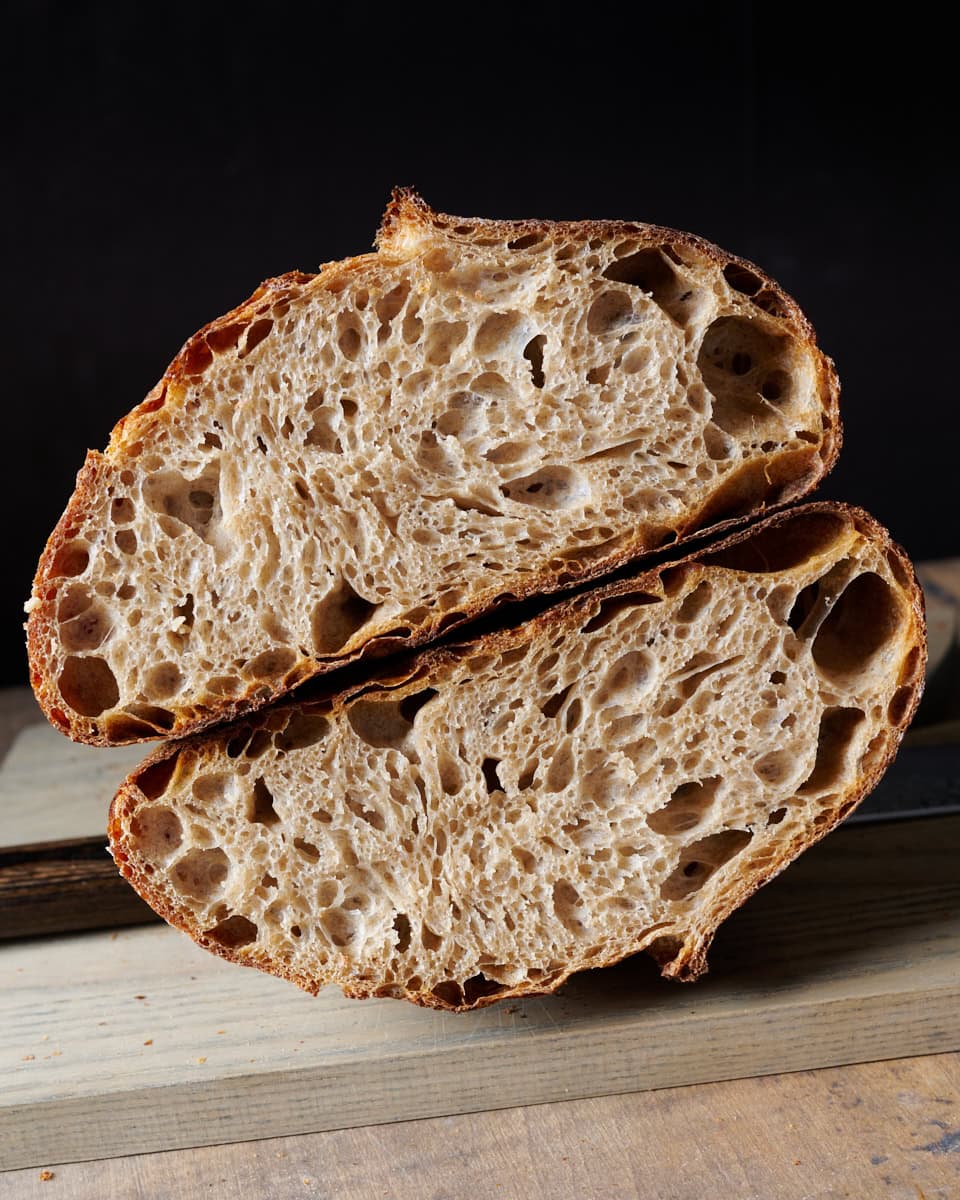
While cooler temperatures can shift acid production towards acetic acid, they also significantly slow bacterial activity, leading to less overall acid production. A cooler, shorter bulk fermentation followed by a shorter proof can yield a milder loaf. Careful monitoring is required to avoid underproofing in these cooler conditions.
Using a Larger Levain Percentage
A larger levain percentage introduces more pre-fermented flour with a lower initial pH into the dough. This means the dough starts in a more acidic state, which, as previously discussed, can limit bacterial growth and thus reduce the potential for further acid development during bulk fermentation. Furthermore, a larger levain often leads to faster overall fermentation, meaning less time for sourness to develop, especially if the bulk fermentation is shortened to compensate for the increased leavening power.
The Role of Cold Proofing in Sourness Development
The question of whether a longer cold proof increases sourness is definitively answered in the affirmative. During refrigeration, the differential slowing of yeast and bacteria is key. Yeast are less inhibited by cold than bacteria, leading to a shift in fermentation. While overall fermentation slows, the ratio of acetic acid production increases. This means that even with a slower fermentation rate, a higher percentage of the acid produced is the sharper, more pungent acetic acid. Extensive experimentation has shown that at 12 hours of cold proofing, sourness is subtle; at 18-24 hours, it becomes more noticeable; and after 48 hours, it can be quite pronounced. The optimal duration is subjective and depends on individual preference. However, it is crucial to be mindful of overfermentation with extended cold proofing, as it can compromise dough structure and oven spring.
The Nuance of Starter and Levain Quantity
The common belief that increasing starter or levain quantity inherently boosts sourness is more complex. While a larger pre-fermented flour (PFF) percentage introduces more acid initially, it also rapidly lowers the dough’s pH. This acidic environment inhibits bacterial growth, thus limiting their ability to produce further acid. A smaller levain, starting at a higher pH, allows bacteria to work for longer, potentially accumulating more acid over time. This is why some recipes designed for pronounced sourness might actually feature a relatively small levain percentage, allowing for a longer fermentation period where acid can build gradually. Maintaining a consistent levain percentage and adjusting other variables, such as starter ripeness and proofing times, often yields more predictable flavor profiles.
Addressing a Lack of Tang
A common frustration for novice sourdough bakers is producing bread that lacks the expected tang. Several factors can contribute to this outcome.
Starter Maturity
A starter less than 2-3 weeks old may not possess the established bacterial population necessary for significant acid production. Flavor development is a gradual process as the starter matures and the acid-producing bacteria become dominant. Patience and consistent feeding are essential for a new starter to develop its characteristic tang.
Levain Ripeness
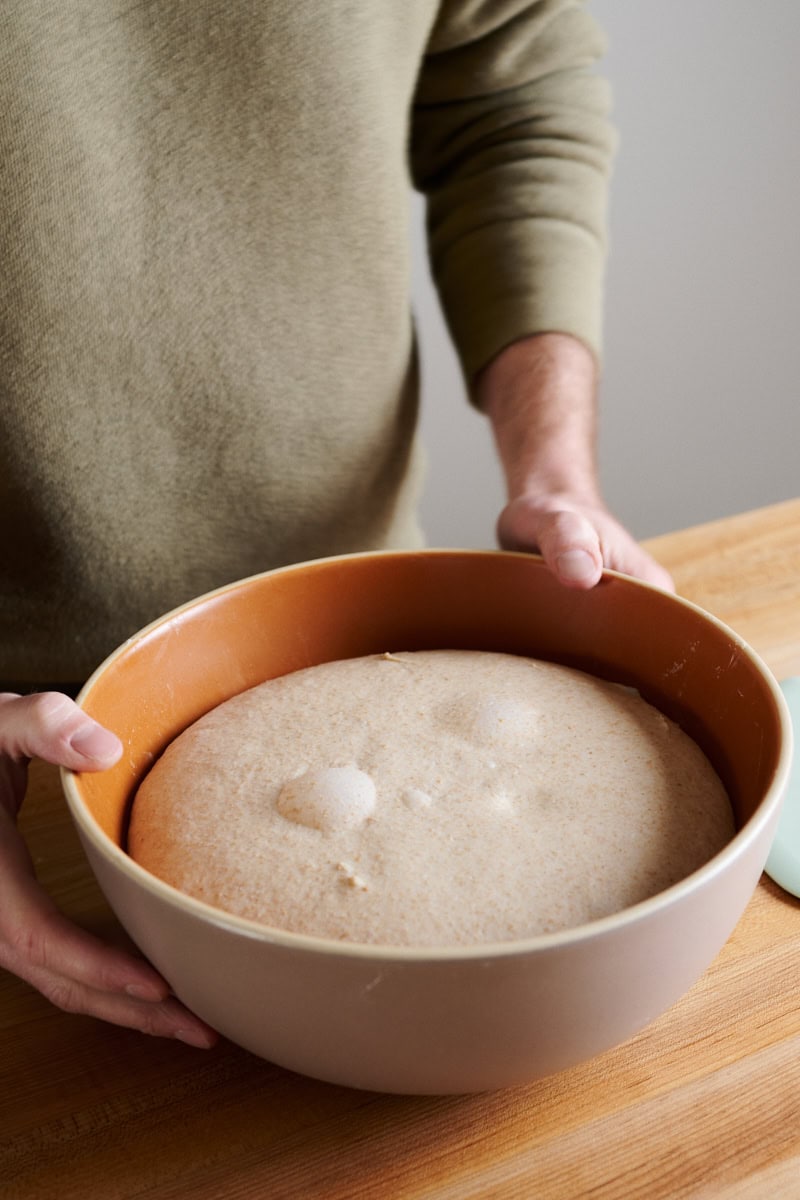
Using a levain that is too young, meaning it has not had sufficient time to ferment and produce acid, will result in a milder flavor. Ensuring the levain has at least doubled in volume, exhibits numerous bubbles, and possesses a sweet aroma with a subtle tang before use is crucial.
Insufficient Fermentation Time
Both bulk fermentation and proofing contribute to flavor development. Rushing through these stages, especially in a warm kitchen where fermentation proceeds rapidly, can mean the dough reaches proof before adequate acid has accumulated. Extending bulk fermentation or incorporating a cold proof can allow more time for flavor development.
Warm Kitchen Environments
In kitchens exceeding 80°F (27°C), fermentation can occur so quickly that the dough proofs before significant acid production. While the bread may be well-leavened, its flavor can be relatively bland. Utilizing cooler mixing water to lower the dough’s initial temperature or transitioning to an extended cold proof can help manage fermentation speed and allow for flavor development.
Predominance of Refined White Flour
As previously noted, refined flours with low ash content have a limited capacity for acid buffering. If a sourdough recipe relies entirely on white flour, it may lack the potential for significant tang. Incorporating even a small percentage of whole wheat or rye flour can increase the dough’s buffering capacity and enhance sourness.
Conclusion: The Art of Sourdough Adjustment
The inherent beauty of sourdough lies in its adaptability. Unlike breads leavened with commercial yeast, where flavor profiles are largely fixed, naturally leavened bread offers bakers a multitude of avenues to shape the final taste. Sourness is but one dimension of this complex flavor landscape, yet it is one over which home bakers exert remarkable control.
The most effective approach is deliberate experimentation. By altering one variable at a time—such as extending a cold proof or adjusting the ripeness of the levain—bakers can systematically observe the impact on their loaves. Meticulous note-taking over time fosters an intuitive understanding of how to consistently achieve desired flavor profiles. Ultimately, there is no single "correct" level of sourness. Some celebrated bakeries produce bread with minimal tang, while others embrace assertive acidity. The true measure of success lies in producing bread that delights the palate of the baker and those they share it with.
For those seeking to delve deeper into the scientific underpinnings of sourdough and refine their techniques, comprehensive resources are available, offering detailed guidance on every aspect of the breadmaking process. Mastering the art and science of controlling sourdough sourness is a rewarding journey that culminates in consistently delicious, personalized loaves.