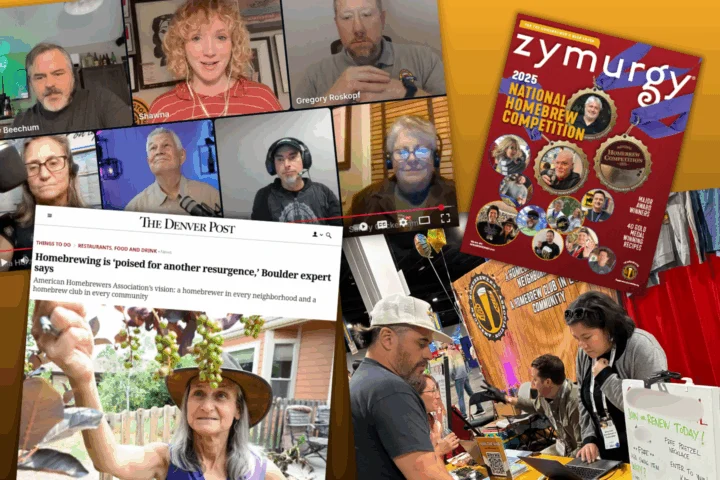

The year 2025 has emerged as a definitive watershed moment for the American Homebrewers Association (AHA), marking the organization’s transition into a fully independent, stand-alone nonprofit entity. After decades of operating under the umbrella of the Brewers Association, the AHA has successfully navigated a complex separation process, establishing its own governance, operational infrastructure, and strategic mandate. This shift toward independence is not merely administrative; it represents a fundamental pivot in how the association serves its membership and advocates for the hobby of home fermentation on a global scale. As the organization enters the final quarter of the year, the AHA Founding Board has reported significant progress in its foundational goals, supported by a newly unveiled strategic plan and a roadmap for technological and community-based expansion set to roll out through 2026.
The Historical Context of Independence
To understand the magnitude of the AHA’s current transition, one must look back at the origins of the homebrewing movement in the United States. Founded in 1978 by Charlie Papazian in Boulder, Colorado, the AHA was established shortly after President Jimmy Carter signed H.R. 1337, which federally legalized homebrewing for personal or family use. For much of its history, the AHA functioned as a division of the Brewers Association (BA), the trade group representing small and independent professional craft brewers.
While this partnership allowed the AHA to flourish and provided a stable platform for the National Homebrew Competition and Zymurgy magazine, the evolving needs of the hobbyist community eventually necessitated a more specialized focus. The decision to move toward independence, finalized in late 2024 and fully realized in 2025, allows the AHA to dedicate 100% of its resources and advocacy efforts toward the amateur brewer. This autonomy ensures that membership dues and sponsorship revenues are reinvested directly into programs that benefit home fermentation enthusiasts rather than being shared with professional trade interests.
A New Strategic Vision: Every Neighborhood and Every Community
Central to the AHA’s new identity is a revitalized Strategic Plan, which introduces an ambitious vision for the future of the hobby. The association has codified its primary objective: "A homebrewer in every neighborhood and a homebrew club in every community." This vision reflects a shift from centralized management to a grassroots-driven model.
By focusing on the "neighborhood" and "community" levels, the AHA aims to combat the social isolation that can sometimes accompany solo brewing and to revitalize local homebrew clubs, many of which saw declining engagement during the pandemic years. The strategic plan emphasizes four key pillars:
- Advocacy: Protecting the legal right to brew at home and expanding the ability of hobbyists to share their creations at festivals and competitions.
- Education: Providing world-class resources through Zymurgy and digital platforms.
- Community: Strengthening the network of local clubs and providing them with insurance, marketing tools, and organizational support.
- Competition: Maintaining the integrity and prestige of the National Homebrew Competition (NHC), the world’s largest stage for amateur brewers.
Chronology of Accomplishments Since the April 2024 Board Update
The transition to independence required an intensive operational overhaul. Since the board’s last major update in April, the AHA has achieved several critical milestones that solidify its status as a self-governing nonprofit.
Establishment of the Founding Board
The AHA is now led by a dedicated Founding Board composed of experienced homebrewers and industry veterans. This group has taken over the fiduciary and strategic responsibilities previously held by the Brewers Association’s leadership. The board’s focus has been on ensuring a seamless transfer of assets, including the association’s intellectual property, member databases, and digital archives.
Operational Self-Sufficiency
The association has successfully migrated its financial and administrative systems. This includes the establishment of independent payroll, insurance, and legal frameworks necessary for a nonprofit to operate without a parent organization. This "back-office" independence is a prerequisite for the more visible member-facing changes planned for the coming months.
Content and Competition Continuity
Despite the internal restructuring, the AHA has maintained its core offerings. Zymurgy magazine continues to be the premier publication for the hobby, and the National Homebrew Competition recently completed another successful cycle, validating thousands of recipes and providing critical feedback to brewers across the country. The association also maintained its program of Annual Recognition Awards, highlighting the contributions of individuals and clubs to the brewing community.
Digital Transformation and Member Service Upgrades
One of the most significant challenges facing the independent AHA is the modernization of its digital infrastructure. For years, the association’s website and member portal were integrated with the Brewers Association’s systems. The separation has provided an opportunity to build a more responsive, member-centric platform from the ground up.
The 2026 Roadmap
The AHA has announced that a major investment in member service upgrades is currently underway. A new, dedicated website is slated for a 2026 launch, which will offer improved navigation, a more robust recipe database, and streamlined tools for club management. The board has acknowledged that this transition requires patience from the membership, as migrating decades of data and content is a high-stakes technical endeavor.
Zymurgy Live and Open Access Initiatives
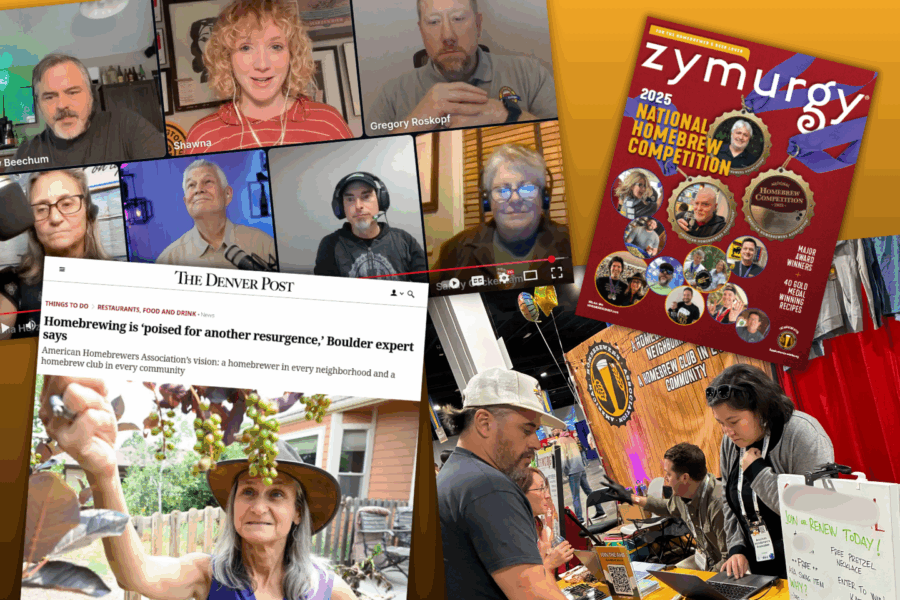
In an effort to increase transparency during this transition, the AHA has hosted "Zymurgy Live" sessions. A notable event scheduled for November 5 was designed to be open to the general public, moving beyond the usual "members-only" restriction. This "town hall" style approach allows the Founding Board to speak directly to the community about the future of the association and the specific benefits of independence.
Data-Driven Impact: The Value of the Homebrewing Community
The AHA’s move to independence comes at a time when the DIY fermentation movement is diversifying. While traditional beer brewing remains the cornerstone, there is growing interest in mead, cider, and kombucha. According to industry estimates, there are approximately 1.1 million homebrewers in the United States, who collectively produce more than 1.4 million barrels of beer annually.
The economic impact is also substantial. Homebrewers contribute significantly to the retail sector through the purchase of ingredients (malt, hops, yeast) and equipment. By operating as an independent nonprofit, the AHA is better positioned to partner with homebrew supply shops—the "LHS" (Local Homebrew Shop) community—which serves as the front line for new brewer recruitment.
Advocacy and Legal Implications
Independence grants the AHA a clearer voice in legislative matters. While the Brewers Association focuses on excise taxes and distribution laws for commercial entities, the AHA can focus exclusively on "Bottle Bill" exemptions, the legality of homebrew transport for competitions, and state-level "tasting" laws.
In many jurisdictions, the legal status of homebrew remains gray when it leaves the home. The AHA’s independent status allows it to lobby more effectively for "Homebrew-Friendly" legislation without the potential conflicts of interest that might arise when representing commercial breweries. This advocacy is essential for the "homebrew club in every community" vision, as many clubs require clear legal frameworks to meet in public spaces or commercial taprooms.
Analysis of Future Implications
The success of the "New AHA" will likely depend on its ability to convert the current momentum into long-term member retention. The association is betting that brewers will value a specialized organization that speaks directly to their needs.
The move to independence also mitigates the risks associated with the professional craft beer industry’s fluctuations. As the commercial craft sector faces consolidation and changing consumer habits, the AHA can remain a stable, hobby-focused entity. The "Founding Board" model suggests a return to the association’s roots: a group run by brewers, for brewers.
However, the transition is not without risks. The AHA must now bear the full cost of its operations, from magazine printing to event insurance, without the safety net of a larger trade organization. The emphasis on "joining or renewing today" in official communications underscores the vital role that membership dues play in sustaining this new independent structure.
Conclusion: A Call to the Community
As the AHA moves toward 2026, the message from leadership is one of gratitude and ambition. The association exists not just as a provider of magazines and competitions, but as a collective of enthusiasts who have turned a kitchen-counter hobby into a sophisticated cultural movement.
The upcoming Zymurgy Live events and the rollout of the new digital platform represent the first tangible fruits of this independence. For the global homebrewing community, the AHA’s transformation signifies a coming-of-age for the hobby—a shift from being a subsidiary of the professional industry to becoming a self-sustaining, advocacy-driven force dedicated to the art of fermentation at home. Through the leadership of its members and the strategic vision of its Founding Board, the American Homebrewers Association is poised to ensure that the next generation of brewers has the resources, community, and legal protections necessary to thrive.