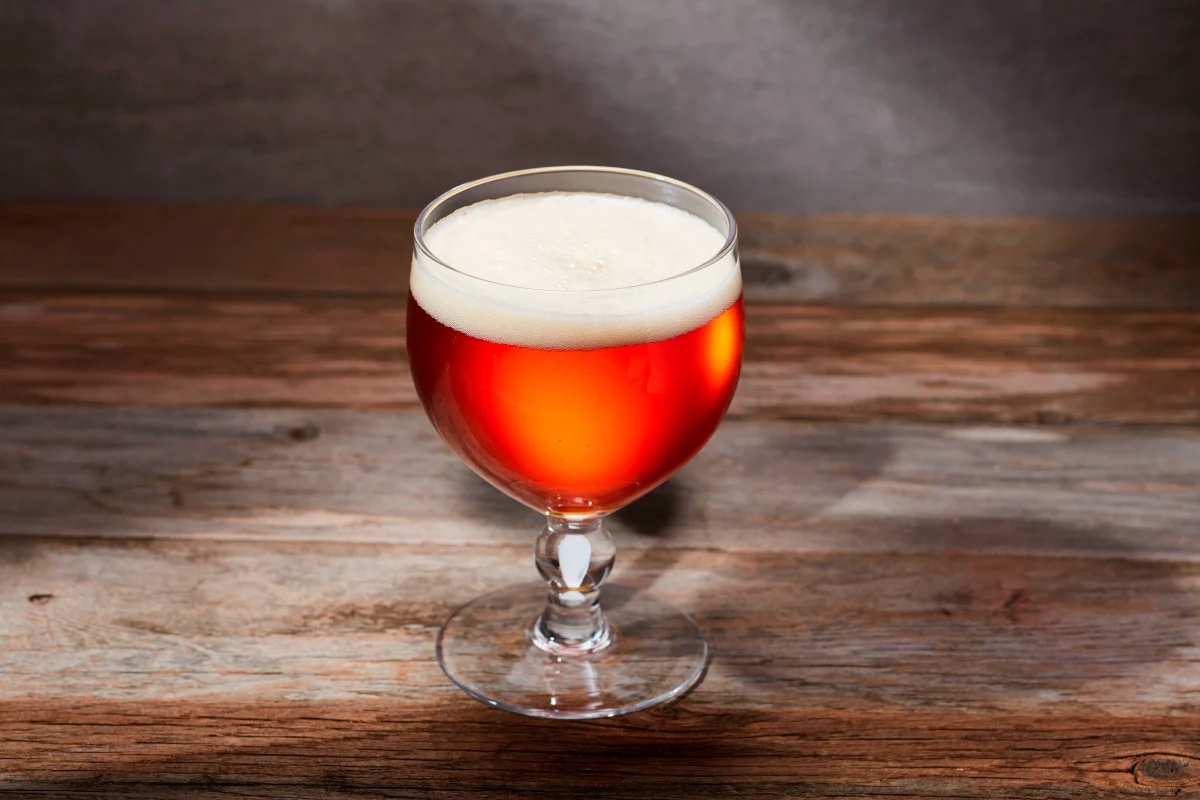

The emergence of standardized protocols for low-gravity brewing has marked a significant shift in the craft beverage landscape, as evidenced by the refined technical specifications for the 3.6% alcohol by volume (ABV) copper ale. This specific formulation, designed for a five-gallon yield, represents a convergence of traditional British brewing philosophy and modern American homebrewing efficiency. By utilizing a specific gravity profile starting at 1.036 and concluding at 1.008, the protocol emphasizes drinkability and clarity without sacrificing the complex malt character typically associated with heavier amber ales. The technical framework for this beverage highlights a growing industry trend toward "sessionability"—a term used to describe beers that allow for extended consumption due to lower alcohol content while maintaining a sophisticated flavor profile.
Technical Specifications and Gravity Analysis
The foundational data for this copper ale indicates a highly disciplined approach to fermentation and extract potential. The Original Gravity (OG) is established at 1.036, or 9° Plato. In the context of professional brewing, this is considered a "small beer" or a session-strength wort. The Final Gravity (FG) target of 1.008 (2° Plato) suggests an apparent attenuation of approximately 77%. This level of attenuation is critical for the style; it ensures a dry finish that prevents the malt sweetness from becoming cloying, which is a common risk in lower-alcohol formulations.
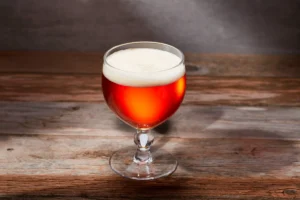
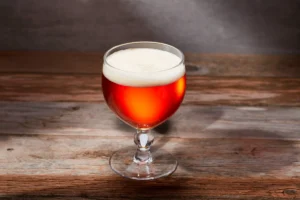
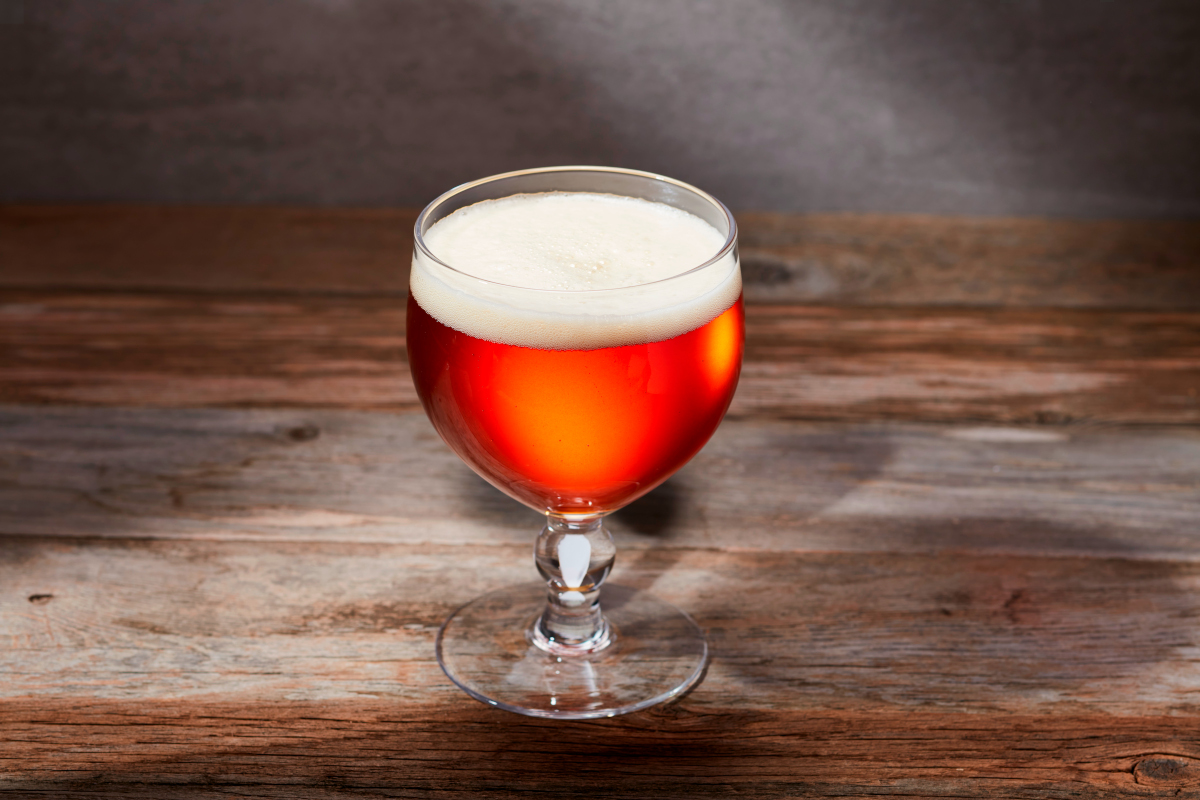
With an International Bitterness Unit (IBU) rating of 30, the beer maintains a bitterness-to-gravity ratio (BU:GU) of roughly 0.83. This ratio indicates a firm bitter profile that leans toward the hoppy side of the spectrum, providing a crisp counterpoint to the crystal malt sugars. The color profile, measured at 12 on the Standard Reference Method (SRM) scale, places the liquid firmly in the copper-to-light-brown range. This aesthetic result is achieved through the precise steeping of specialty grains, specifically crushed crystal malts, which provide both the hue and the non-fermentable dextrins necessary for body in a low-gravity environment.
Historical Context and the Rise of Session Ales
The development of this copper ale protocol sits within the broader historical context of the "Ordinary Bitter," a staple of English pub culture. Historically, these beers were brewed to be consumed in volume by the working class, requiring a balance of low alcohol and high flavor. In the modern era, particularly within the United States, the craft beer movement spent decades prioritizing high-ABV India Pale Ales (IPAs) and Imperial Stouts. However, market data from the last five years indicates a pivot toward moderation.
Industry analysts note that the "Session" category has seen a compound annual growth rate that outpaces many traditional heavy hitters. This shift is attributed to a more health-conscious consumer base and a return to the appreciation of technical brewing skill. Brewing a high-quality low-ABV beer is widely considered more difficult than brewing a high-ABV one, as there are no heavy alcohols or intense hop loads to mask technical flaws or imbalances in the water chemistry and malt bill.
The Chronology of Production: From Steeping to Carbonation
The production timeline for the copper ale follows a rigid 60-minute boil schedule preceded by a precise specialty grain infusion. The process begins with the steeping of crushed crystal malt in 1.5 gallons (5.7 L) of water maintained at 150°F (65.5°C). This temperature is the standard "sweet spot" for enzymatic activity and sugar extraction without leaching harsh tannins from the grain husks. Following a 30-minute steep, the grain liquor is augmented through sparging with 170°F (76.5°C) water to reach a pre-boil volume of 2.5 gallons (9.5 L).
The boiling phase serves several critical functions: sterilization, hop isomerization, and protein coagulation. The timeline is as follows:
- 0 Minutes: Addition of dried malt extract (DME) and bittering hops to the boiling wort.
- 40 Minutes: Addition of flavor hops to provide aromatic complexity without excessive bitterness.
- 50 Minutes: Introduction of Irish moss, a clarifying agent derived from seaweed that aids in the precipitation of proteins.
- 60 Minutes: Termination of the boil and transition to the cooling phase.
Post-boil, the "clear wort" is racked into a sanitized fermenter containing cold water to reach the final five-gallon volume. The cooling of the wort to 70°F (21°C) is a mandatory step before the introduction of an active yeast starter to prevent thermal shock to the yeast cells.
Fermentation and Conditioning Protocols
The fermentation cycle for the copper ale is divided into two distinct phases: primary and secondary. The primary fermentation occurs over a period of four to six days at ambient temperatures suitable for ale yeast. During this window, the bulk of the sugar conversion occurs, and the primary flavor compounds are established.
Following the primary phase, the beer is transferred to a secondary fermenter and chilled to a stabilized temperature of 60°F (15.5°C). This secondary aging process is vital for the "clearing" of the beer. By lowering the temperature, the brewer encourages the remaining yeast and particulates to settle out of suspension, a process known as flocculation. The final stage involves priming the beer with sugar to initiate natural carbonation within the bottle or keg. The protocol mandates that conditioning must take place at temperatures above 60°F to ensure the yeast remains active enough to process the priming sugar and produce the necessary CO2.
Ingredient Analysis and Chemical Interactions
The reliance on Dried Malt Extract (DME) in this recipe serves a dual purpose. For the homebrewer or small-scale pilot system, DME provides a consistent fermentable base that ensures the target gravity of 1.036 is met with precision. When combined with crystal malt, the DME creates a foundation of fermentable glucose and maltose, while the crystal malt contributes complex sugars that the yeast cannot fully digest.
The inclusion of Irish moss at the ten-minute mark of the boil is a technical necessity for achieving the transparency expected of a copper ale. Irish moss contains carrageenan, a negatively charged polymer. When added to the boiling wort, it attracts positively charged proteins that would otherwise cause "chill haze" in the finished product. This chemical interaction is essential for the 12 SRM color to be presented with clarity in a glass goblet, as light must be able to pass through the liquid to highlight the copper hues.
Industry Implications and Expert Perspectives
The release of refined recipes such as this copper ale reflects a broader educational push by organizations like the American Homebrewers Association (AHA). By standardizing these protocols, the organization provides a benchmark for quality that influences both amateur and professional sectors. Brewmasters often utilize these 5-gallon "pilot" recipes to test hop combinations or malt ratios before scaling up to 10-barrel or 30-barrel commercial systems.
Experts in the field of sensory analysis suggest that the 3.6% ABV copper ale fills a specific niche in the hospitality industry. "We are seeing a resurgence in the demand for ‘pub ales’—beers that facilitate social interaction without the rapid intoxication associated with modern craft styles," says one industry consultant. "The technical challenge lies in the balance. At 30 IBUs, you have enough bitterness to cleanse the palate, but at 1.008 final gravity, the beer remains light enough to be refreshing."
Broader Impact on Brewing Education
The detailed nature of this brewing protocol also serves as an instructional tool for understanding the mechanics of "extract with specialty grain" brewing. This method is often the bridge between beginner brewing and "all-grain" brewing. It teaches the importance of temperature control during the steep and the necessity of sanitation during the racking process.
Furthermore, the emphasis on secondary fermentation at 60°F highlights the importance of temperature stability in beer maturation. As the craft beer market matures, the focus has shifted from "bigger is better" to "finesse and stability." This copper ale serves as a case study in that transition, proving that a low-gravity, low-alcohol beverage can possess the same level of technical complexity and sensory appeal as its higher-gravity counterparts.
In conclusion, the 5-gallon copper ale protocol is more than a simple recipe; it is a reflection of current brewing science and consumer trends. By adhering to the specified gravities, boiling times, and conditioning temperatures, brewers can produce a consistent, high-quality session ale that meets the rigorous standards of modern craft beer enthusiasts. The focus on clarity, balanced bitterness, and moderate alcohol content ensures that this style will remain a cornerstone of both home and professional brewing for the foreseeable box.