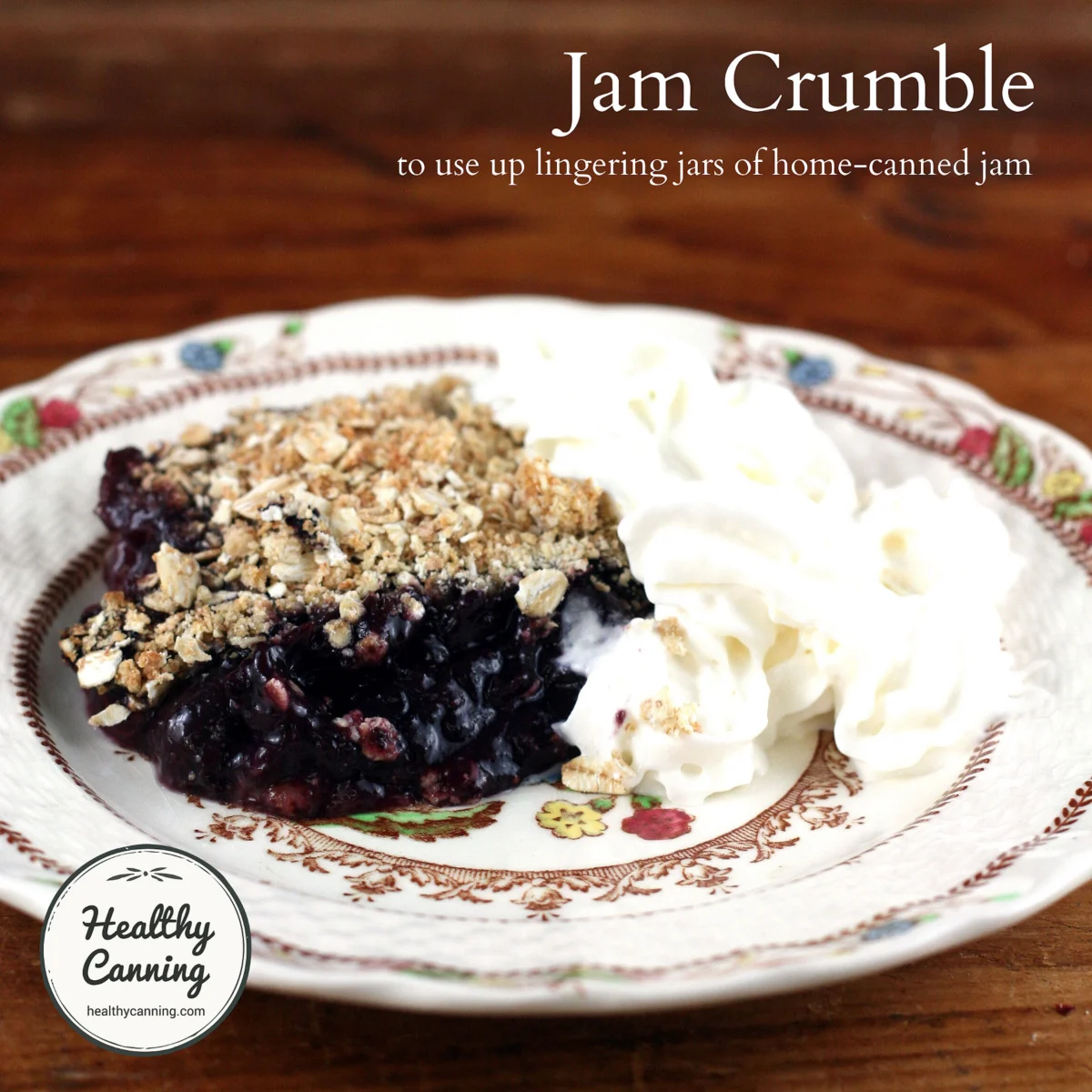

The domestic culinary landscape has witnessed a significant resurgence in home food preservation, a trend that has inadvertently led to a common household dilemma: the accumulation of surplus canned goods. As home gardeners and preservation enthusiasts navigate the cycles of seasonal harvests, the "pantry surplus" phenomenon has become a focal point for modern sustainable kitchen management. Industry experts and culinary educators are increasingly advocating for secondary use recipes, such as the jam crumble, to ensure that labor-intensive preserves do not succumb to shelf-life expiration or flavor degradation. By transforming aging jars of artisanal jams into high-quality desserts, households can effectively bridge the gap between long-term storage and immediate consumption, thereby maximizing the economic and nutritional value of their preserved goods.
The Evolution of Home Preservation and the Surplus Challenge
The practice of home canning, once a necessity of rural survival, has evolved into a sophisticated hobby and a pillar of the "slow food" movement. Data from the National Center for Home Food Preservation indicates a steady increase in consumer interest in canning over the last decade, accelerated significantly by global supply chain instabilities and a renewed interest in self-sufficiency. However, the enthusiasm of the harvest season often results in what experts call "windfall surpluses." When a specific fruit variety—such as strawberries, peaches, or plums—ripens simultaneously, the resulting volume of jam can exceed a household’s typical consumption rate.
Over time, these jars may be pushed to the back of the pantry, gathering dust as breakfast habits shift away from traditional spreads. While commercially processed jams often contain preservatives that extend their visual appeal, homemade preserves rely on high sugar concentrations, acidity, and vacuum seals. Although safe to consume for extended periods if the seal remains intact, the organoleptic qualities—specifically color and texture—can begin to decline after twelve to eighteen months. The jam crumble serves as a strategic intervention, utilizing the concentrated flavors of these preserves in a baked format where texture changes are mitigated by the heat of the oven and the addition of a textural topping.

Technical Specifications and Procedural Chronology
The transition from a pantry-stable preserve to a table-ready dessert requires a specific technical approach to balance sweetness and moisture. The jam crumble recipe is designed for efficiency, boasting a preparation time of approximately ten minutes and a baking duration of thirty-five minutes. This rapid turnaround is made possible by the fact that the primary ingredient—the fruit—is already cooked and sweetened.
Preparation and Assembly Workflow
The process begins with the calibration of the oven to 175°C (350°F). This temperature is critical; it is high enough to crisp the oat-based topping through the Maillard reaction without scorching the sugars present in the jam. The standard yield for a household-sized dessert is approximately two cups of crumble, which serves six individuals.
- Selection of Preserves: The recipe allows for the use of two half-pint (250 ml) jars or a single pint (500 ml) jar. A notable technique in this culinary application is the layering of different flavors. For instance, a layer of tart raspberry jam topped with a layer of sweet apricot jam creates a complex flavor profile that mimics fresh fruit medleys.
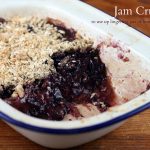
- Topping Integration: The structural integrity of the dessert relies on the "crumble." While traditional methods involve rubbing cold butter into a mixture of oats, flour, and sugar, modern adaptations suggest the use of oatmeal pancake mix as a high-convenience alternative. This mix already contains leavening agents and balanced grains that contribute to a superior "crunch."
- Baking Dynamics: Once the jam is spread in a baking dish and covered with the crumble mixture, it is placed in the center of the oven. During the 35-minute bake time, the pectin in the jam reactivates, causing the preserve to bubble and integrate slightly with the bottom layer of the topping, creating a chewy, caramelized interface.
The Chemistry of Secondary Fruit Processing
Understanding the chemical transition of jam during a secondary bake is essential for achieving professional results. Unlike fresh fruit crumbles, where the fruit must release its juices and soften, jam is already a concentrated matrix of fruit solids, sugars, and pectin. When subjected to 175°C heat, the water content in the jam evaporates further, intensifying the flavor.
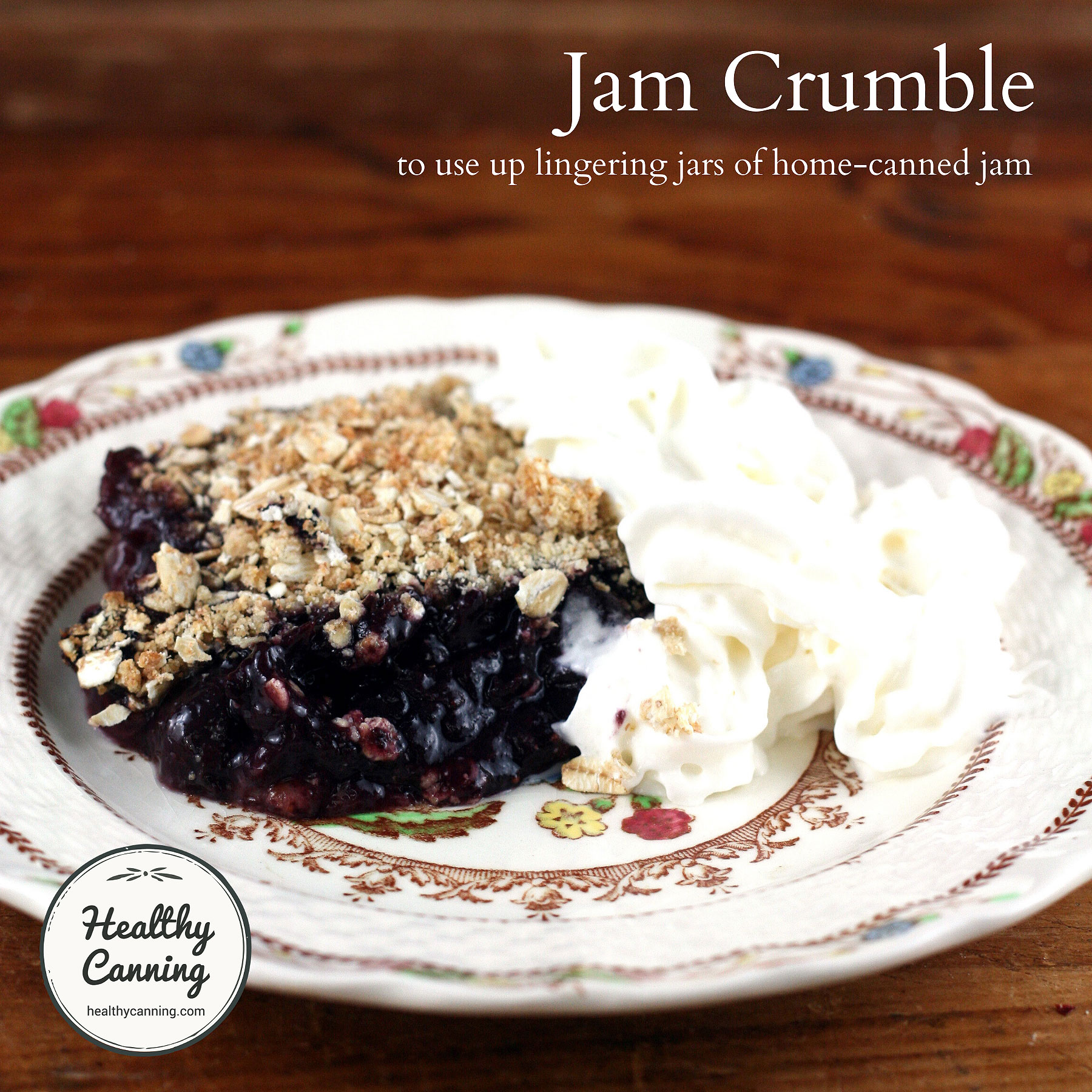
Pectin, the gelling agent used in preserves, is thermo-reversible to an extent. As the jam heats up, the gel structure weakens, allowing it to spread evenly across the baking dish. As it cools post-bake, the pectin sets again, providing a stable base that holds its shape when served. This makes jam crumbles particularly suitable for "a la mode" presentations, as the warm, dense fruit base provides a sturdy foundation for melting dairy components like whipped cream or vanilla bean ice cream.
Economic Impact and Food Waste Mitigation
The promotion of recipes like the jam crumble aligns with broader global initiatives to reduce household food waste. According to reports from the Food and Agriculture Organization (FAO), a significant portion of food waste occurs at the consumer level due to poor storage management and the expiration of "forgotten" pantry items.
By repurposing home-canned goods, consumers are effectively reclaiming the initial investment of time, energy, and raw materials. The cost-per-serving of a jam crumble is remarkably low, especially when utilizing existing pantry staples. The ability to use "alternative" toppings—such as a mixture of half a cup of oats, two tablespoons of flour, one tablespoon of sugar, and a pinch of salt rubbed with two tablespoons of butter—ensures that the recipe remains accessible even when specialized mixes are unavailable.
Furthermore, the "batching" strategy recommended by culinary experts suggests that the crumble topping can be tripled or quadrupled and stored in the freezer. This reduces the energy consumption associated with multiple preparation sessions and allows for the assembly of a dessert in under five minutes, further incentivizing the use of pantry surpluses over the purchase of pre-packaged, processed alternatives.
Safety and Quality Standards in Home Preservation Utilization
While the jam crumble is an excellent way to use older jars, Master Food Preservers emphasize the importance of safety protocols. Before utilizing any jar from the pantry, the following criteria must be met:
- Vacuum Seal Integrity: The lid must be concave and firm. Any jar with a "popped" or loose lid should be discarded immediately due to the risk of mold or bacterial contamination.
- Visual Inspection: While some color fading is natural (especially in strawberry or peach jams), any signs of yeast growth, fermentation bubbles, or mold on the surface of the jam are indicators of spoilage.
- Odors: Upon opening, the jam should smell like the constituent fruit. Off-odors, particularly those resembling alcohol or vinegar, indicate that the preserve has compromised its safety.
In the context of modern dietary trends, the jam crumble is also highly adaptable. For those following structured nutritional plans, such as Weight Watchers™, the use of low-sugar or sugar-free jams significantly alters the caloric density of the dessert. Because the jam provides the majority of the moisture and sweetness, the amount of added fats and sugars in the topping can be minimized without compromising the essential character of the dish.
Broader Implications for Sustainable Living
The shift toward "concept-based" cooking, where a recipe serves as a template rather than a rigid set of instructions, represents a maturing of the home preservation community. The jam crumble is more than a dessert; it is a manifestation of a "zero-waste" kitchen philosophy. It encourages cooks to look at their pantry shelves not as a museum of past harvests, but as a functional larder of ingredients for future innovation.
As food prices continue to fluctuate, the ability to produce high-quality, homemade desserts from existing inventory provides a buffer for household budgets. The social aspect of this culinary practice cannot be overlooked either; sharing a warm crumble made from the previous summer’s berries fosters a sense of seasonal continuity and community.
In conclusion, the jam crumble stands as a practical, delicious, and scientifically sound solution to the inevitable surpluses of the home canning process. By combining the concentrated flavors of preserved fruit with the textural appeal of toasted oats and grains, this "near-instant" dessert transforms a potential waste product into a centerpiece of sustainable domestic life. As the home preservation movement continues to grow, such versatile recipes will remain essential tools for the modern, resource-conscious cook.