
Sheet pan dinners have emerged as a cornerstone of modern home cooking, offering an elegant solution to the perennial challenges of time constraints, complex meal preparation, and extensive cleanup. This method, characterized by its straightforward approach—assembling ingredients on a single baking sheet and letting the oven perform the bulk of the cooking—has transcended its status as a mere kitchen hack to become a widely adopted culinary strategy, lauded for its efficiency, versatility, and health benefits. As contemporary lifestyles demand greater convenience without compromising on nutrition or flavor, sheet pan cooking presents itself as an indispensable tool for home cooks navigating busy schedules.
The Genesis and Ascent of Sheet Pan Cooking
While the concept of roasting ingredients together on a flat surface is as old as oven technology itself, the popularization of "sheet pan dinners" as a distinct culinary movement is a relatively recent phenomenon. Its rise can be directly attributed to the confluence of several societal trends: an increasing demand for quick, easy meals in dual-income households, a renewed focus on home cooking and whole foods, and the pervasive influence of food blogs and social media platforms showcasing approachable recipes. The term itself gained significant traction in the last decade, becoming a staple keyword in online recipe searches and a hallmark of meal prep strategies. This shift represents an evolution from multi-pot, multi-step cooking towards a streamlined, hands-off approach that aligns perfectly with the rhythm of modern life. Culinary historians might trace its lineage back to traditional European roasting techniques or even American campfire cooking, but its current iteration is distinctly tailored for the contemporary kitchen.
Unpacking the Efficiency and Simplicity
The primary allure of sheet pan dinners lies in their unparalleled simplicity. The process typically involves three core steps: minimal chopping and seasoning of ingredients, arranging them on a single sheet pan, and then roasting them to perfection in a preheated oven. This methodology drastically reduces active cooking time, allowing individuals to engage in other activities while dinner bakes. The "minimal prep, fewer dishes" mantra is not just a catchy phrase; it translates into tangible benefits for busy individuals. A typical sheet pan meal often requires just one cutting board, one knife, and the sheet pan itself, leading to significantly less post-meal cleanup compared to traditional cooking methods that might involve multiple pots, pans, and serving dishes. This aspect alone makes sheet pan dinners a "magic trick" for weeknights, transforming the often-dreaded cleanup into a manageable task.
Nutritional Advantages and Health Implications
Beyond convenience, sheet pan cooking offers substantial nutritional benefits, making it a favorite among health-conscious individuals and nutritionists alike. Roasting, as a cooking method, requires minimal added fats, relying instead on the oven’s dry heat to caramelize and tenderize ingredients. This often results in dishes rich in vegetables and lean proteins, promoting a balanced diet.
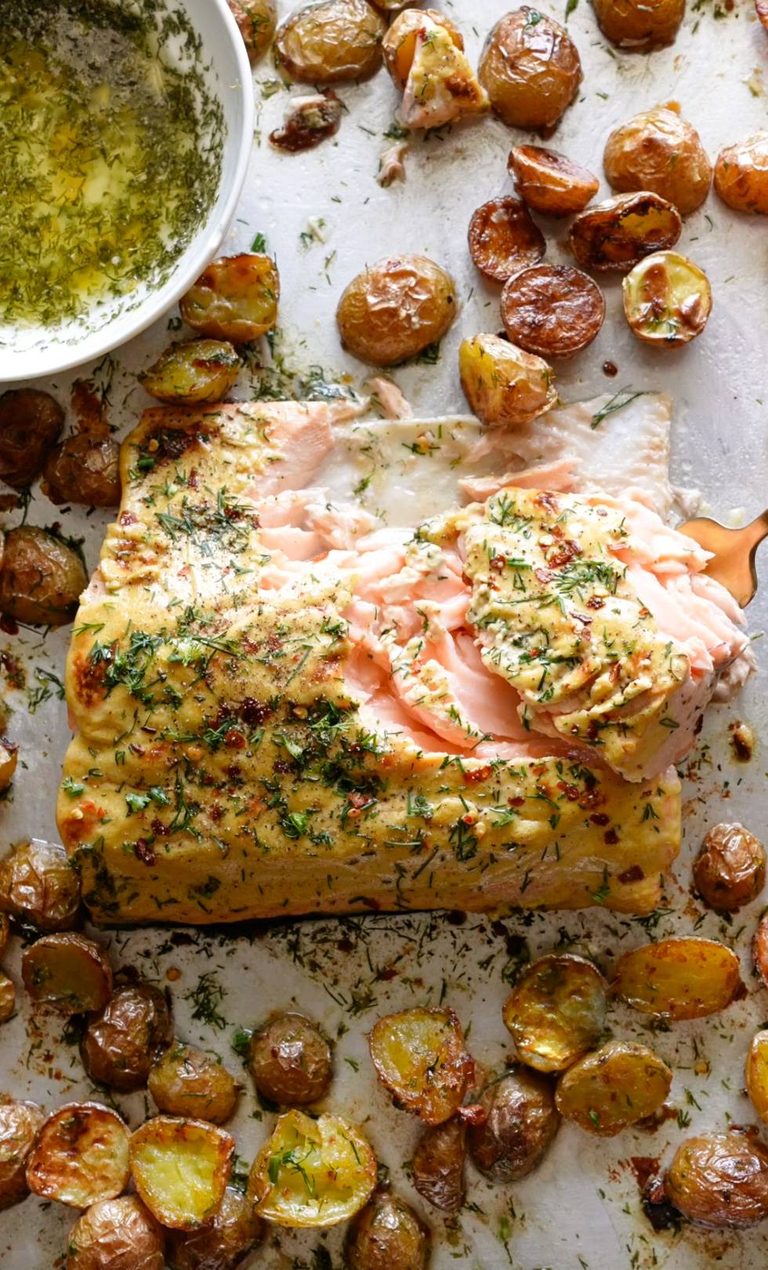
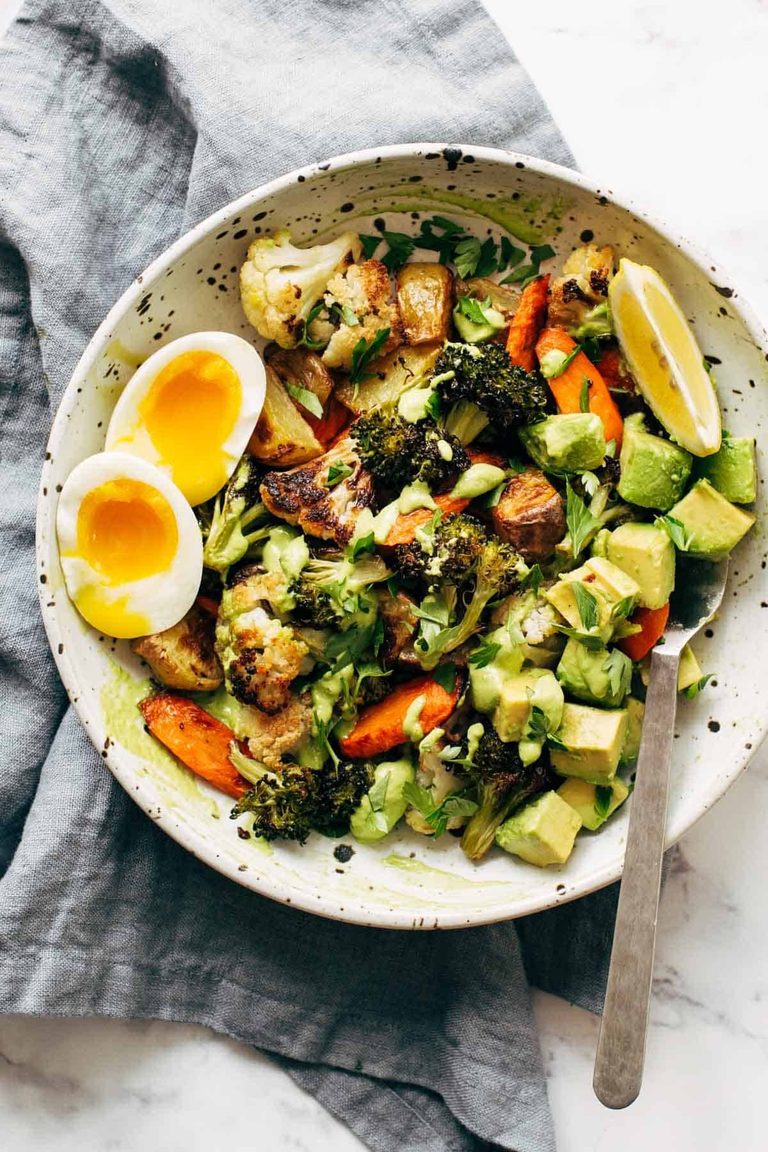
Nutritionists frequently endorse sheet pan meals for their inherent ability to encourage vegetable consumption. A typical recipe often features a vibrant array of seasonal vegetables—broccoli, bell peppers, sweet potatoes, zucchini, asparagus—alongside a protein source like chicken, fish, or plant-based alternatives such as tempeh or chickpeas. This combination ensures a good intake of fiber, vitamins, and minerals. For instance, recipes like "Sheet Pan Salmon with Dill Potatoes" or "Roasted Vegetable Bowls with Green Tahini" exemplify how this method prioritizes whole, unprocessed ingredients. The high heat of roasting also enhances the natural sweetness and flavor of vegetables, making them more appealing, even to picky eaters. The inclusion of healthy fats, often in the form of olive oil used for roasting, contributes to nutrient absorption and satiety, making these meals both delicious and fulfilling.
Economic Benefits and Strategic Meal Planning
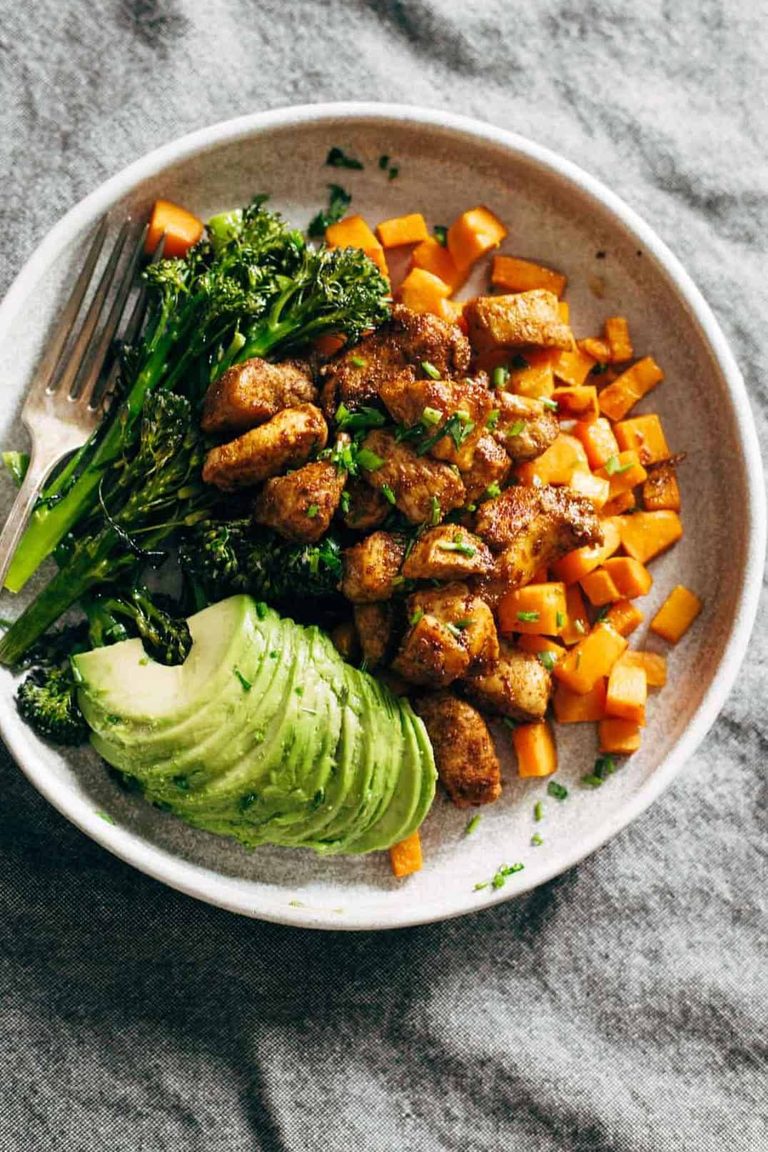
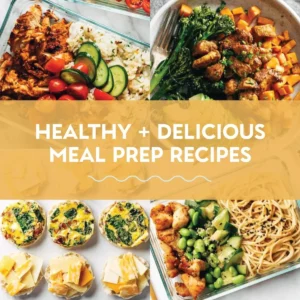
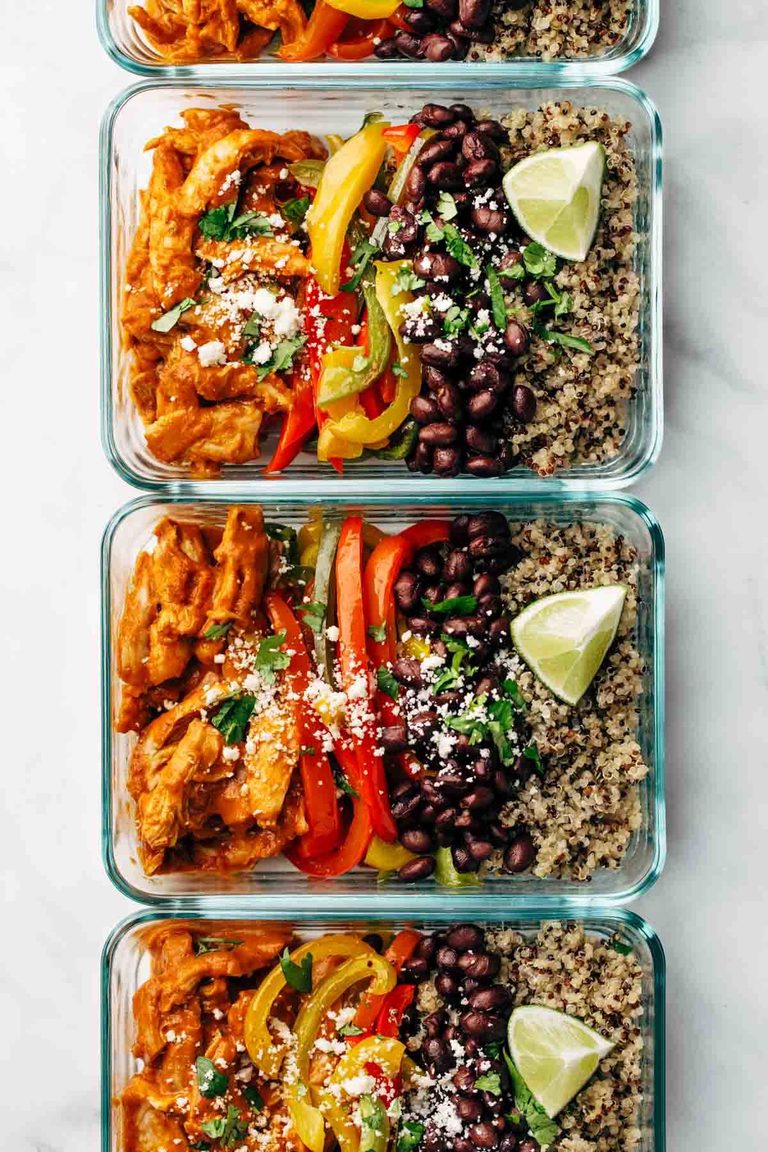
Sheet pan dinners are not only time-savers but also budget-friendly. By encouraging the use of fresh, whole ingredients, they naturally steer consumers away from more expensive processed foods or frequent takeout orders. The ability to cook in larger batches on multiple sheet pans simultaneously, as seen in "Sheet Pan Chicken and Sweet Potato Meal Prep" (which promises healthy meals for a week from three sheet pans and 45 minutes of cooking), underscores their utility for meal preparation. This foresight allows individuals to cook once and eat multiple times, saving money and reducing decision fatigue during the week.
Furthermore, the flexibility of sheet pan cooking means that recipes can often be adapted to utilize ingredients already on hand, minimizing food waste. Leftover vegetables nearing their expiration can be easily incorporated, and proteins can be swapped based on availability or dietary preferences. This adaptability contributes significantly to household budget management and sustainable kitchen practices.
A Spectrum of Culinary Possibilities: From Global Flavors to Comfort Food
The versatility of sheet pan dinners is one of their most compelling features. Far from being limited to basic roasted chicken and vegetables, the method can accommodate a vast array of global cuisines and flavor profiles. From Mediterranean-inspired dishes to spicy Asian fare and hearty comfort foods, the sheet pan serves as a canvas for culinary creativity.
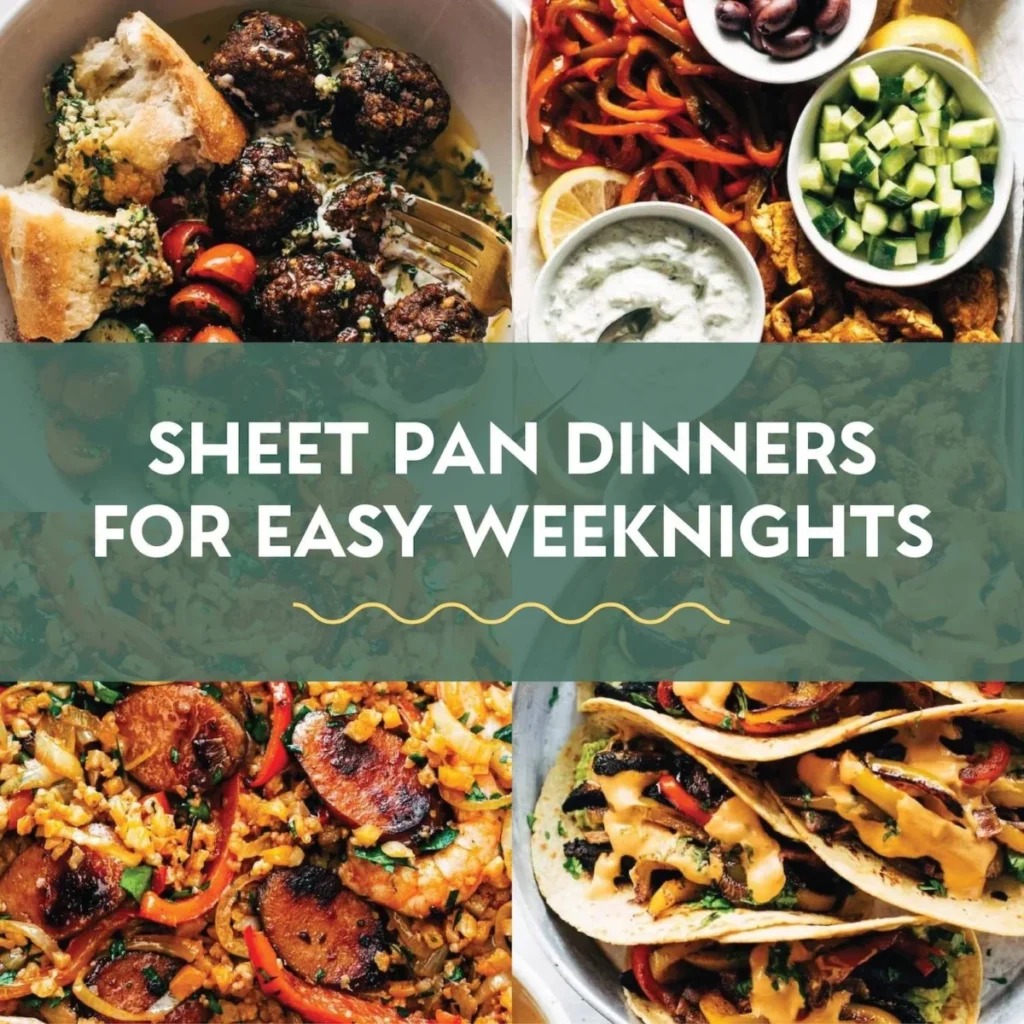
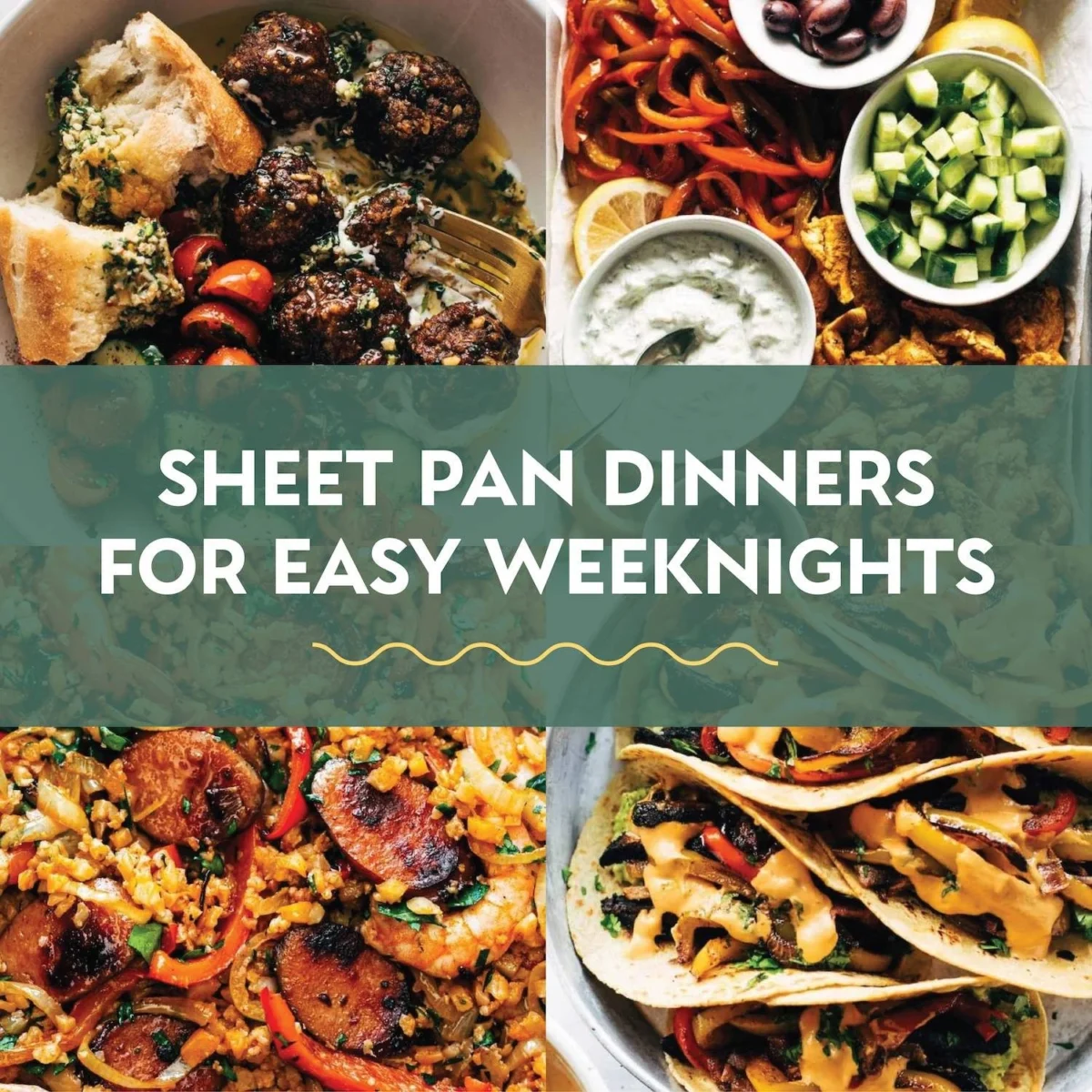
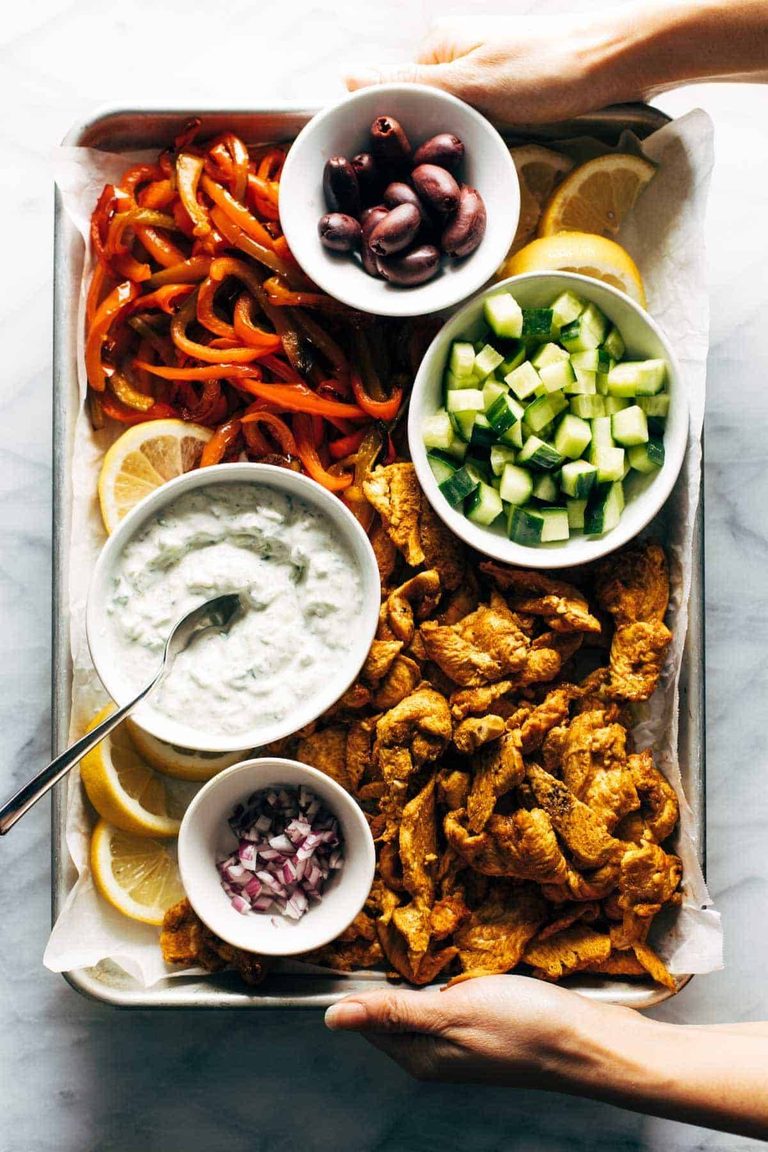
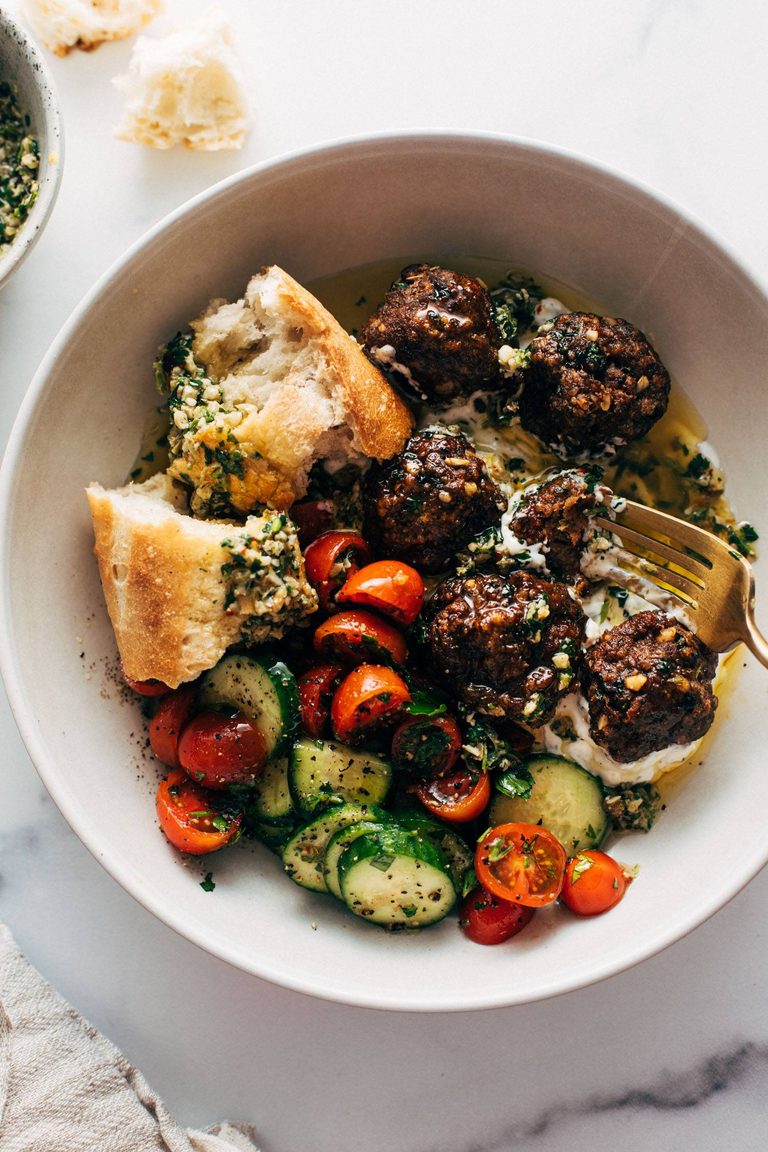
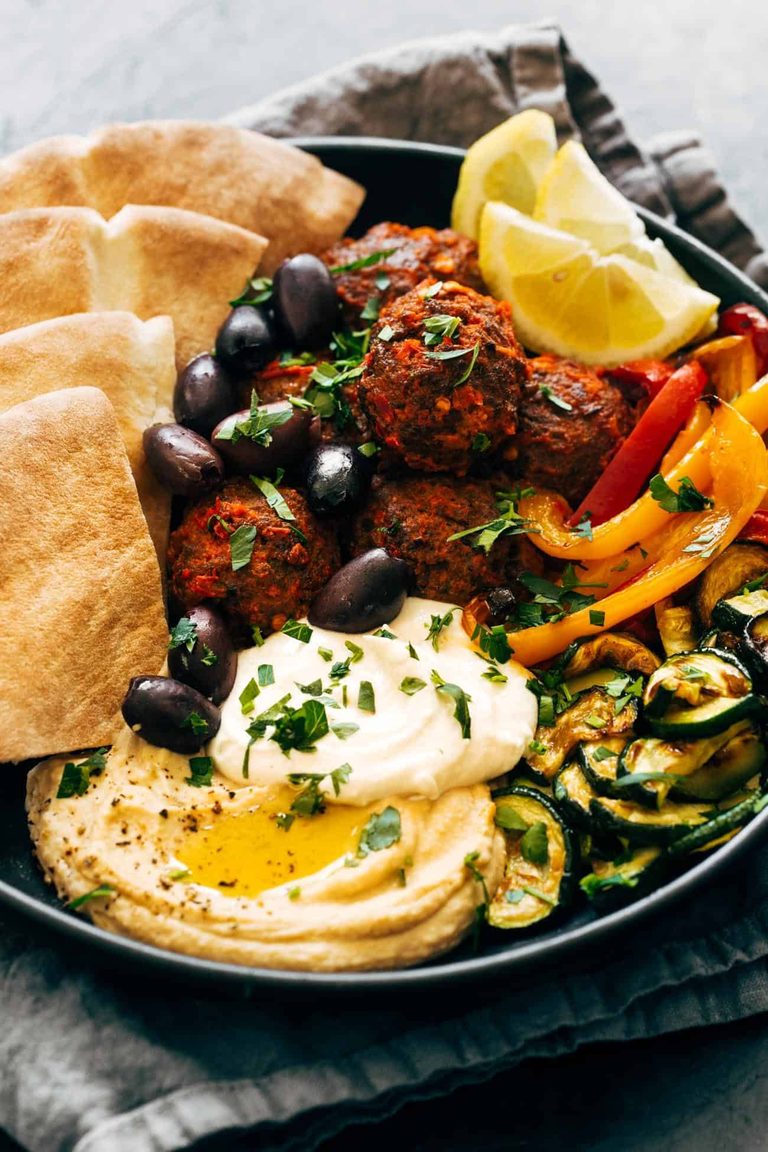
- Mediterranean Delights: Recipes like "Sheet Pan Chicken Pitas with Tzatziki" transform roasted chicken and vegetables into a vibrant, deconstructed sandwich or bowl, while "Sheet Pan Meatballs with Tomato Salad and Green Sauce" offer a savory, zesty experience. The inclusion of "Harissa Meatballs with Whipped Feta" introduces North African influences, demonstrating how readily international flavors can be adapted.
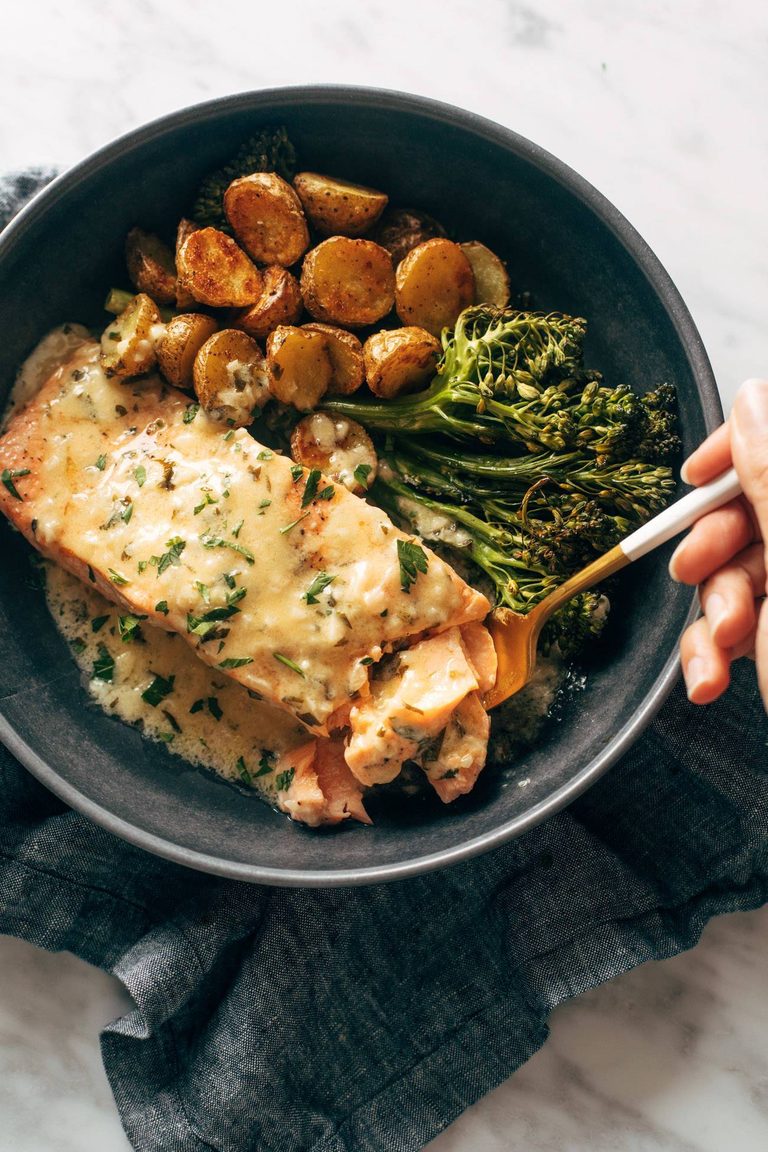
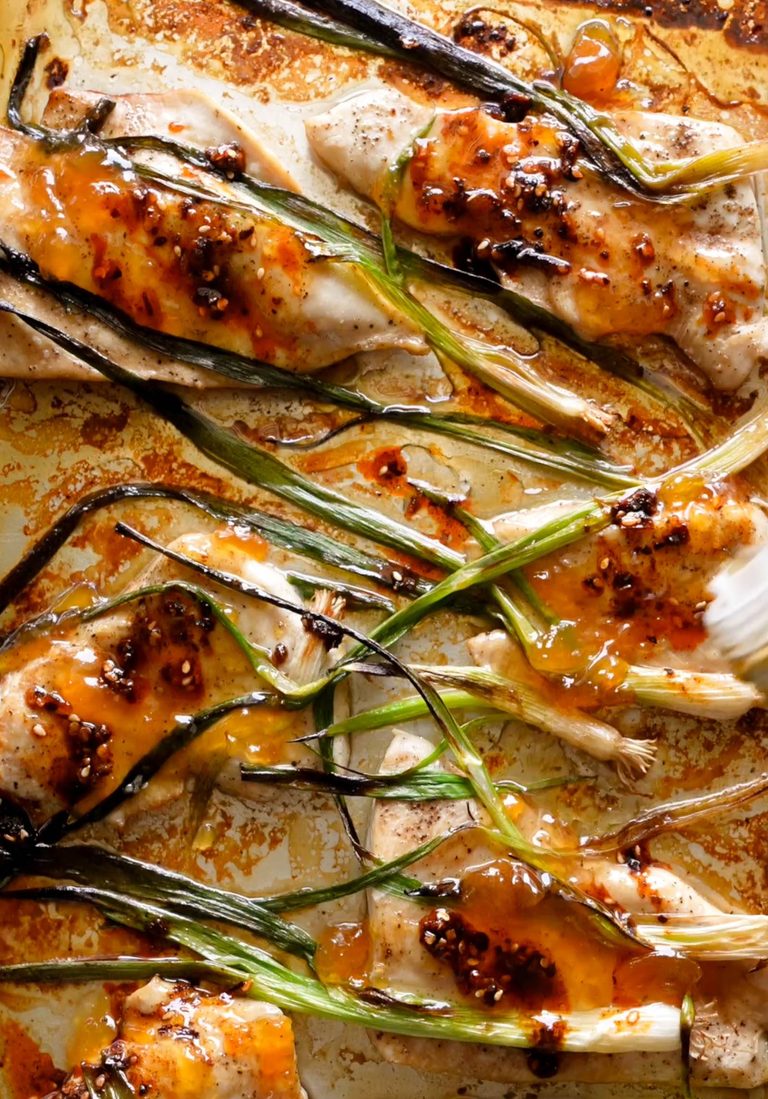
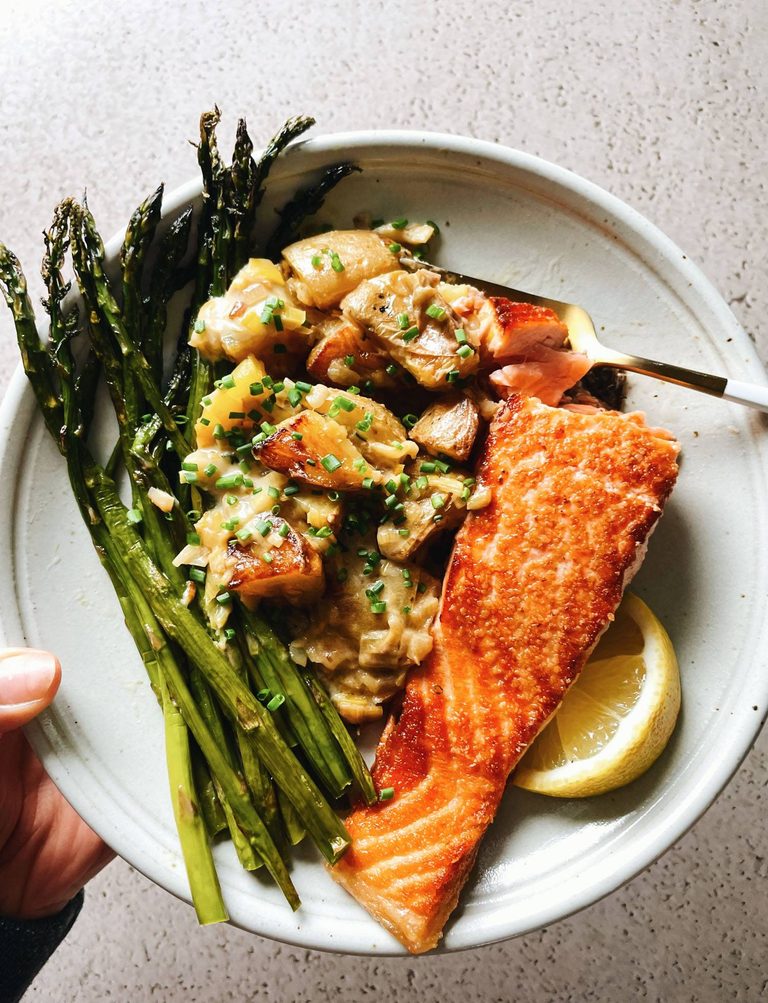
- Seafood Sensations: Salmon, a popular choice for its quick cooking time and nutritional value, features prominently in dishes like "Sheet Pan Salmon with Dill Potatoes" and "Baked Salmon with Amazing Lemon Sauce." These recipes highlight how seafood can be effortlessly integrated into a one-pan meal, often paired with complementary vegetables like asparagus or potatoes, as seen in "Spring Salmon with Creamed Leeks, Potatoes, and Asparagus."
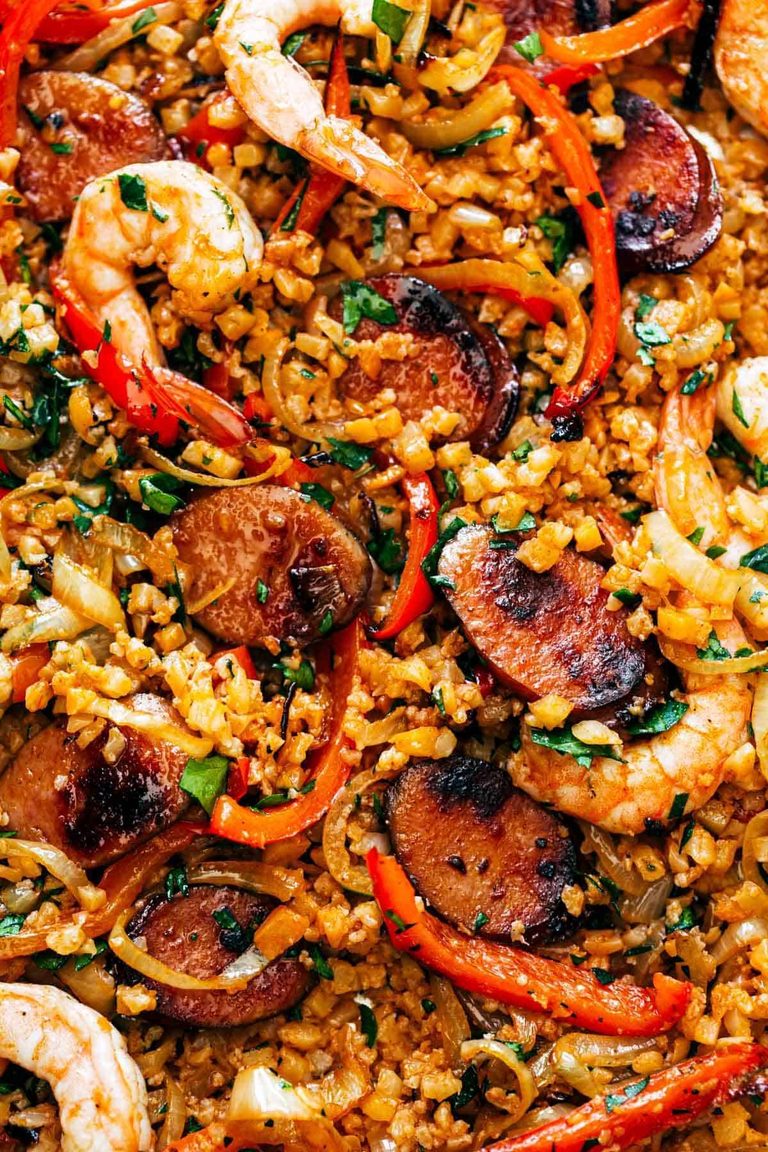
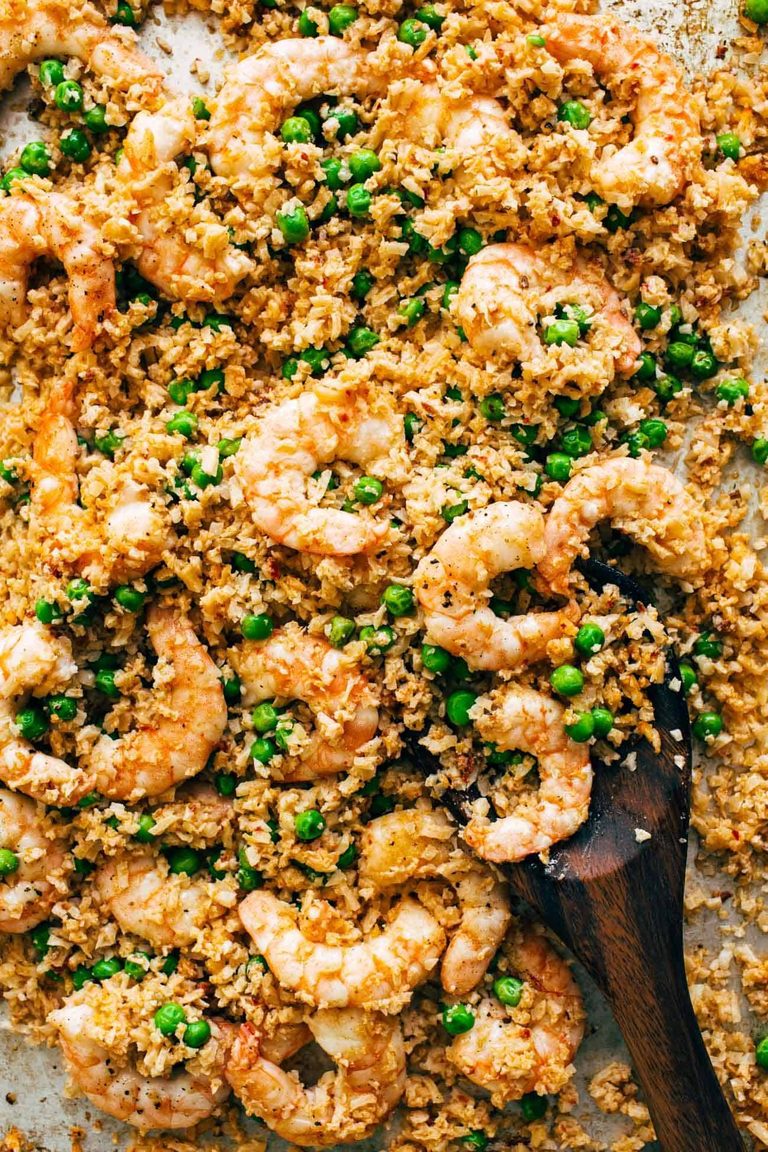
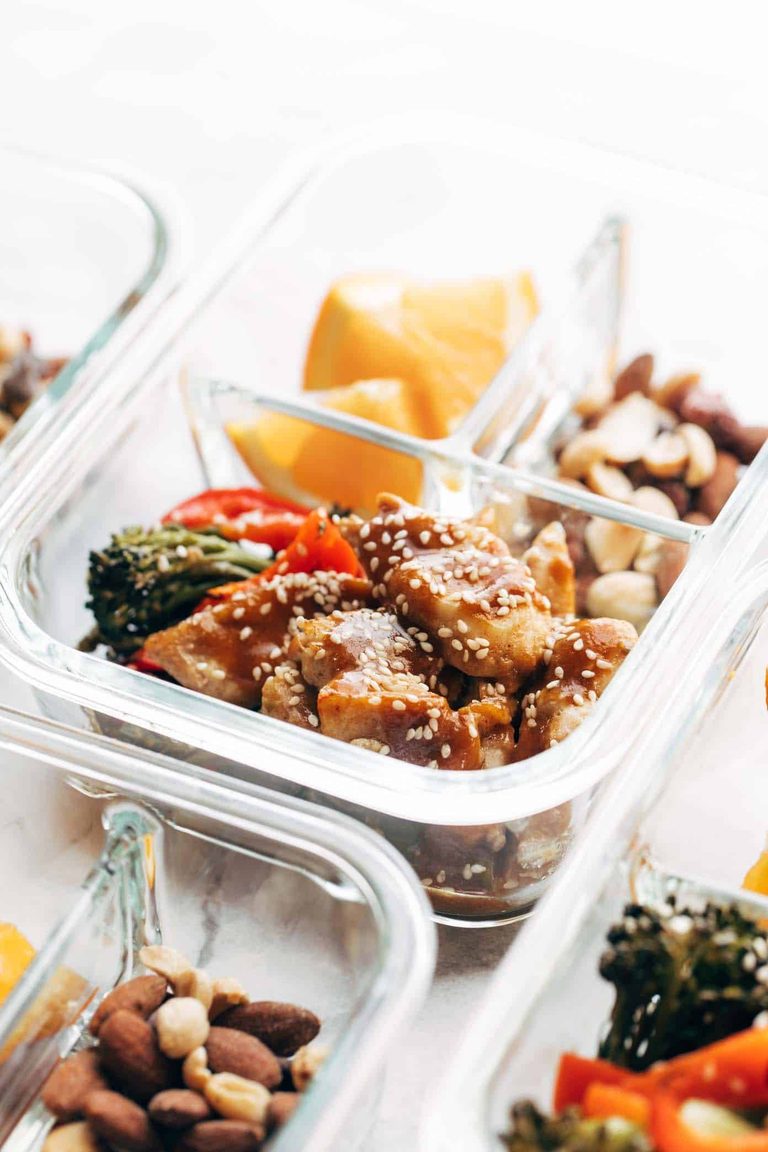
- Hearty and Homestyle: For those craving more robust flavors, "Sheet Pan Jambalaya" offers a simplified take on the classic Creole dish, combining sausage, peppers, onions, shrimp, and cauliflower rice. Similarly, "Sheet Pan Garlic Ginger Chicken & Broccoli" provides a flavorful, low-maintenance meal prep option with an Asian-inspired twist.
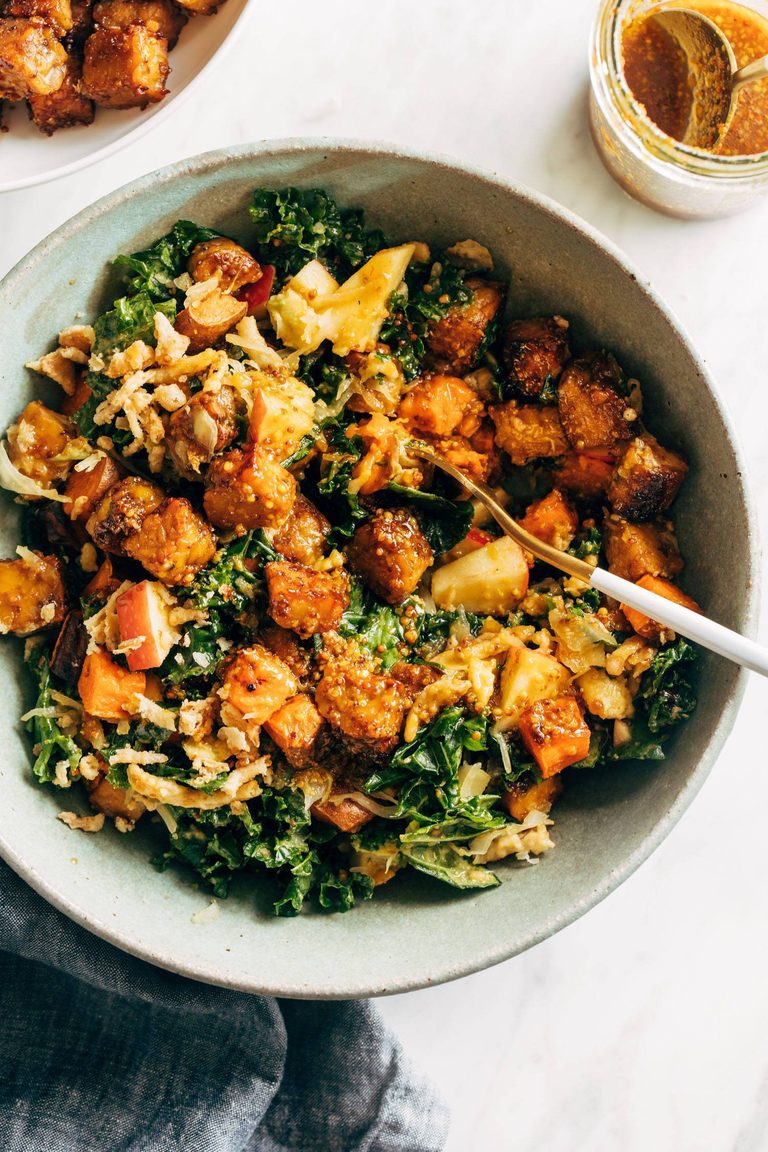
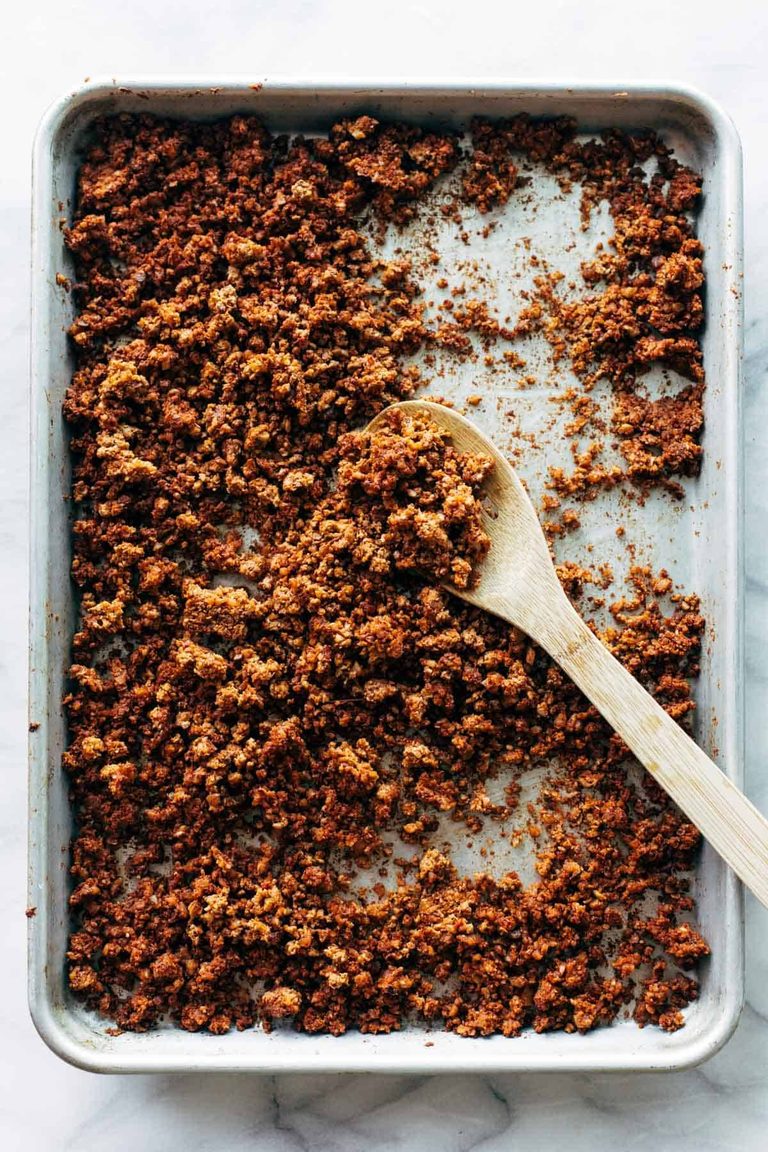
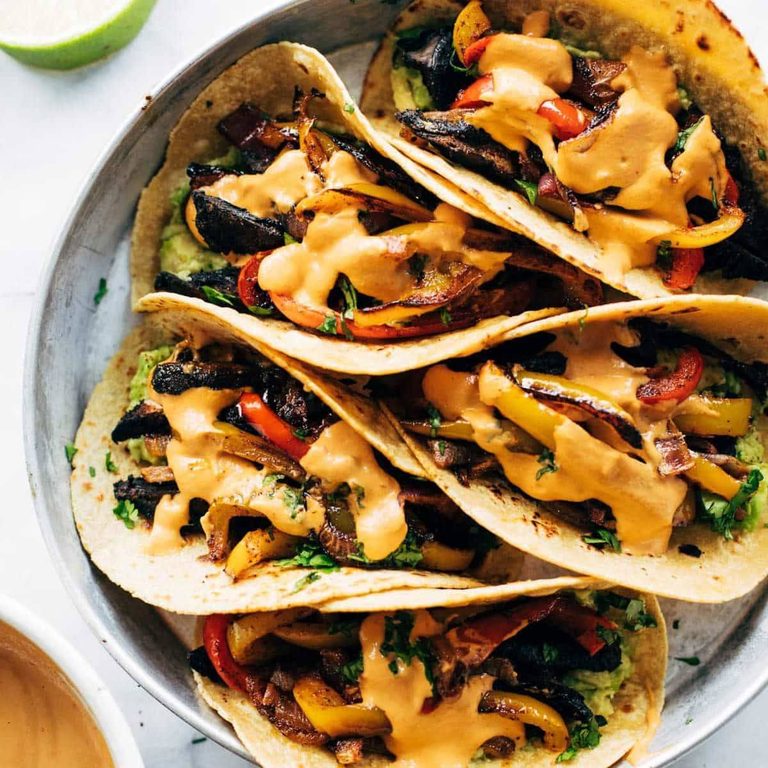
- Plant-Based Innovations: The sheet pan method is equally effective for vegetarian and vegan cooking. "Fall Favorite Maple-Mustard Tempeh Bowls" showcase roasted marinated tempeh with sweet potatoes and kale. "Cauliflower Walnut Vegetarian Taco Meat" offers a creative, plant-based alternative to traditional taco fillings, while "Vegan Sheet Pan Fajitas with Chipotle Queso" deliver a vibrant, satisfying meal featuring roasted peppers, onions, and portobello mushrooms.
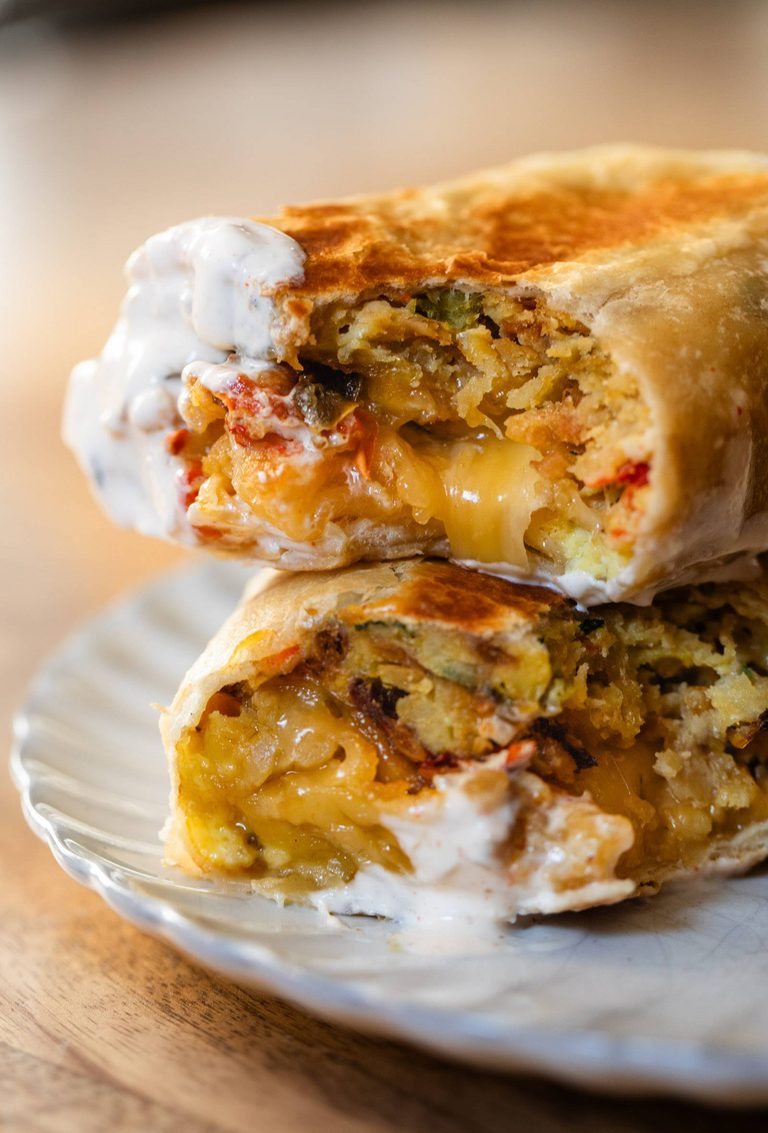
- Beyond Dinner: The adaptability extends to other meals, exemplified by "Sheet Pan Breakfast Burritos with Creamy Chipotle Sauce," which streamline the preparation of a hearty breakfast or brunch, featuring roasted garlic veggies and scrambled eggs.
This expansive range illustrates that sheet pan cooking is not restrictive but liberating, allowing home cooks to explore diverse culinary traditions with minimal fuss.
The Unsung Hero: Selecting the Right Sheet Pan
Central to the success of any sheet pan dinner is the quality of the sheet pan itself. A truly good sheet pan holds its shape under high heat, distributes heat evenly, and possesses a reliable non-stick surface (or performs well with parchment paper) to prevent ingredients from sticking. Inferior pans can warp, leading to uneven cooking, or cause food to adhere, negating the "minimal cleanup" advantage.
Experts and seasoned home cooks consistently recommend durable, heavy-gauge aluminum sheet pans for optimal performance. Brands like Nordic Ware are frequently cited for their superior quality, offering various sizes—half sheet, full sheet, and quarter sheet—to accommodate different meal sizes and oven dimensions. These professional-grade pans are designed to withstand repeated high-temperature use, ensuring consistent results and longevity. Investing in a high-quality sheet pan is not merely a purchase but an investment in countless easy, delicious, and healthy meals.
Broader Societal and Culinary Impact
The proliferation of sheet pan dinners carries broader implications for contemporary society and the culinary landscape. They contribute to a more relaxed and enjoyable home cooking experience, potentially strengthening family bonds through shared meal preparation and reducing stress associated with meal times. By simplifying the cooking process, they empower individuals who might otherwise feel intimidated by complex recipes to confidently prepare nutritious meals, fostering greater culinary literacy and independence.
Furthermore, the emphasis on fresh ingredients and reduced reliance on processed foods aligns with global health initiatives promoting healthier eating habits. The ability to cook efficiently also supports sustainable living by reducing food waste and potentially decreasing energy consumption compared to using multiple stovetop burners and the oven simultaneously. The sheet pan dinner trend is more than just a passing fad; it represents a fundamental shift towards practical, health-conscious, and enjoyable home cooking that is here to stay.
In conclusion, sheet pan dinners offer a powerful combination of convenience, nutritional value, and culinary flexibility, making them an indispensable strategy for modern home cooks. From simplifying weeknight routines to facilitating healthy meal prep and exploring diverse flavors, this cooking method stands as a testament to the enduring appeal of efficiency and good food. As life continues to accelerate, the sheet pan will remain a trusted ally, transforming the daunting task of dinner into a delightful and effortless endeavor.