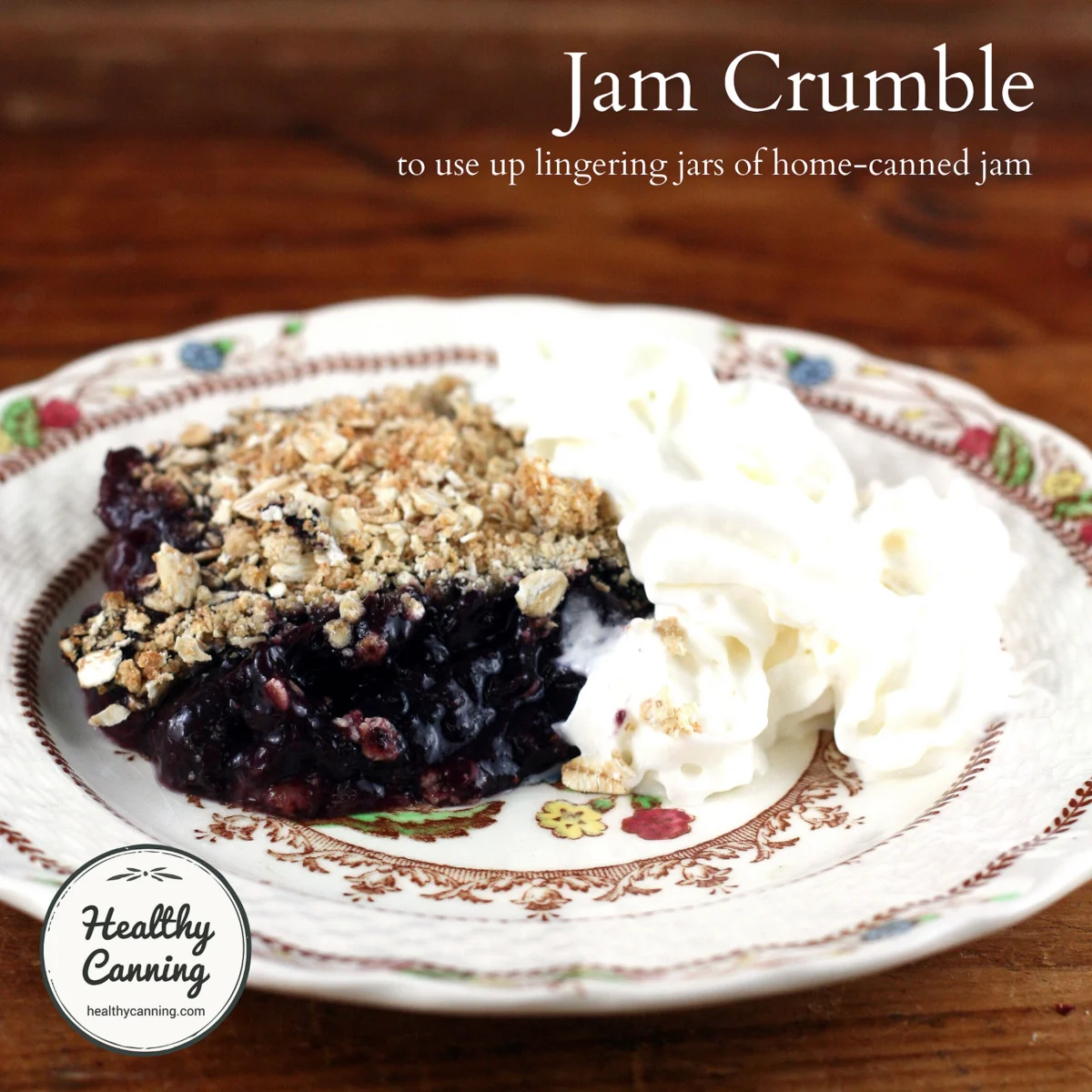

The domestic culinary landscape is currently witnessing a shift toward hyper-efficiency and waste reduction, as home cooks grapple with the cyclical challenge of "pantry stagnation." This phenomenon, often characterized by the accumulation of artisanal preserves and home-canned goods, has led to the emergence of innovative repurposing strategies. Among the most effective methods for managing this surplus is the conversion of aging jam inventories into sophisticated desserts. By utilizing lingering jars of preserves—often the result of seasonal fruit windfalls or shifting dietary habits—households are finding that the humble jam crumble serves as both a culinary solution and a sustainable practice. This approach not only addresses the logistical issue of shelf-space management but also elevates traditional canning outputs into high-value, time-efficient confections suitable for modern dining.
The Mechanics of Pantry Stagnation and the Preservative Cycle
The lifecycle of a home-canned preserve typically begins with an abundance of seasonal produce. Whether sourced from a private orchard, a local farmer’s market, or a community garden, the "windfall" effect often compels preservers to produce quantities that exceed immediate consumption rates. Data from agricultural extension programs suggest that while the initial enthusiasm for canning is high during harvest months, the "consumption gap" begins to widen during the winter and spring.
In many households, jam is traditionally viewed as a breakfast condiment. However, as dietary trends shift toward lower-carbohydrate intakes or faster morning routines, the frequency of jam usage on toast has seen a measurable decline. Consequently, jars that were sealed with precision and care often find themselves relegated to the back of the pantry, where they gather dust and eventually approach the end of their peak quality window. While commercially canned goods have long shelf lives, home-canned products are generally recommended for consumption within one to two years to ensure optimal flavor and texture. The jam crumble emerges at this juncture as a strategic intervention, allowing for the rapid utilization of 250 ml to 500 ml (half-pint to pint) quantities in a single culinary application.

Culinary Architecture: The Jam Crumble Framework
The transition from a jarred preserve to a baked dessert requires a fundamental understanding of flavor concentration and textural contrast. Unlike fresh fruit crumbles, which require the addition of thickening agents like cornstarch or flour to manage the release of juices, jam is already a concentrated medium. The pectin and sugar content within the jam provide a stable, pre-thickened base that undergoes further caramelization when subjected to oven temperatures of 175°C (350°F).
The Role of the Topping
The "crumble" component serves as the structural and textural counterpoint to the viscous fruit base. Contemporary recipes have optimized this process by utilizing pre-existing pantry staples, such as oatmeal pancake mixes, to create a rapid-response topping. The inclusion of oats is particularly significant from a nutritional and textural standpoint, providing a complex carbohydrate profile and a "chew" that survives the baking process.
For those operating without pre-mixed bases, the standard ratio for an effective crumble involves a precise blend of:
- Oats: Providing the primary structure and fiber.
- Flour: Acting as the binding agent to create "clumps."
- Sugar: Facilitating the Maillard reaction for browning.
- Fats (Butter): Ensuring a crisp, golden-brown finish and carrying the flavor.
Flavor Layering and Complexity
Professional chefs and home-canning experts suggest that the jam crumble offers a unique opportunity for "flavor stacking." By combining two disparate flavors—such as a tart raspberry layer beneath a sweet peach layer—cooks can create a multi-dimensional profile that is often more complex than a standard fresh fruit dessert. This layering technique also allows for the clearing of multiple "remnant" jars that may not contain enough volume for a full recipe on their own.
Chronology of a Quick-Response Dessert
The efficiency of the jam crumble is best illustrated through its production timeline, which stands in stark contrast to the labor-intensive process of traditional pie-making or cake baking.
- Inventory Assessment (Minutes 0-2): The cook identifies underutilized jars (e.g., two 250 ml jars or one 500 ml jar).
- Base Preparation (Minutes 2-5): The preserves are transferred to a baking dish. If the jam has become overly firm due to cold storage or high pectin content, it may be lightly agitated to ensure even distribution.
- Topping Integration (Minutes 5-10): The crumble mixture is prepared by rubbing fats into dry ingredients until a pebbled texture is achieved. This is then distributed over the jam base.
- Thermal Processing (Minutes 10-45): The dish is baked at 175°C (350°F). During this 35-minute window, the sugars in the jam reach a bubbling state, and the topping undergoes dehydration and browning.
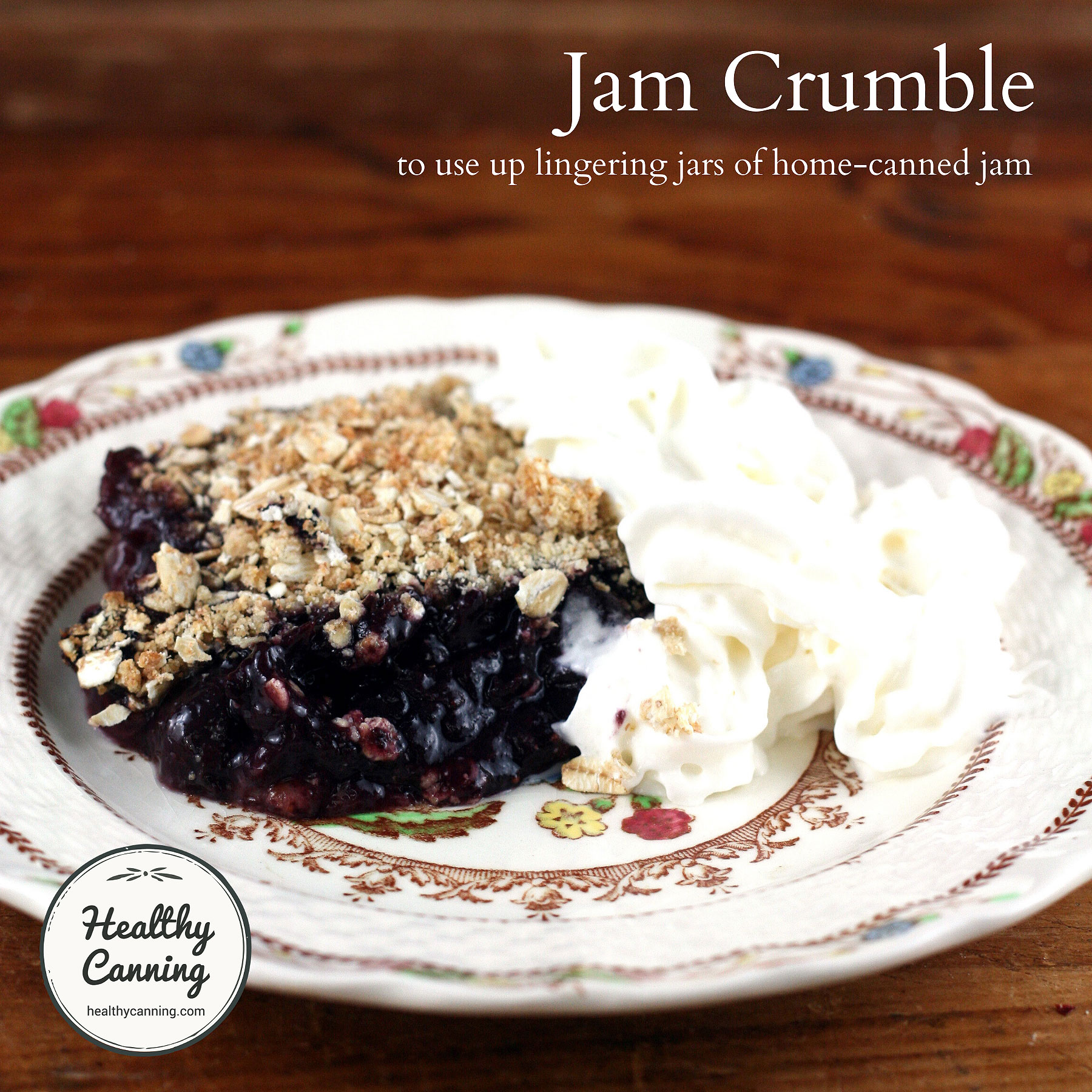
- Service (Minute 50): After a brief cooling period to allow the sugars to set, the dessert is ready for consumption, often paired with whipped cream or vanilla bean ice cream to balance the intensity of the cooked preserves.
Supporting Data: Food Waste and Economic Impact
The movement toward utilizing pantry surpluses is supported by significant data regarding domestic food waste. According to reports from the Food and Agriculture Organization (FAO) and various national waste-reduction initiatives, a substantial percentage of household food waste occurs not because food is "spoiled" in the biological sense, but because it is forgotten or becomes unappealing due to lack of variety.
In the context of home canning, the "sunk cost" includes not only the price of the fruit but also the energy used in the canning process and the cost of jars and lids. By repurposing a $5.00 to $10.00 jar of artisanal jam into a family-sized dessert, the consumer effectively captures the value of that investment rather than allowing it to expire. Furthermore, the "batching" of crumble toppings—preparing large quantities and storing them in the freezer—reduces the marginal effort of future dessert preparation, further incentivizing the use of pantry stock.
Nutritional Adaptability and Dietary Trends
As consumer awareness regarding sugar intake increases, the jam crumble has adapted to meet modern nutritional standards. The recipe is inherently modular, allowing for the use of low-sugar or sugar-free preserves. Organizations such as Weight Watchers have noted that fruit-based desserts, when managed with portion control and lower-glycemic sweeteners, can fit within a balanced dietary framework.
The nutritional profile of the crumble is also enhanced by the choice of topping. The shift from refined flour-heavy toppings to oat-centric mixtures increases the dietary fiber content. Furthermore, the ability to substitute traditional butter with plant-based fats or coconut oil allows the recipe to align with vegan or dairy-free requirements, making it a versatile tool for inclusive hosting.
Expert Perspectives and Community Response
Master Food Preservers and culinary educators emphasize that the jam crumble is more than a recipe; it is a "culinary concept." Experts from various food preservation help groups advocate for this type of flexibility, noting that the primary goal of canning is to provide year-round sustenance. When the traditional use-case for a product (e.g., jam on toast) fails to meet the consumption rate, the pivot to a dessert application is considered a best practice in domestic management.
Feedback from the canning community indicates a high level of satisfaction with this "instant" dessert model. Many report that the intense flavor of home-canned jam, which often features higher fruit-to-sugar ratios than mass-market brands, results in a superior final product compared to crumbles made with store-bought fillings.
Broader Implications for Sustainable Living
The rise of the jam crumble reflects a broader cultural trend toward "circular" kitchens. In a circular kitchen model, every output or surplus becomes an input for another process. This mirrors the principles of the "Slow Food" movement and the "Zero Waste" initiative, where the value of the raw ingredient is respected through its entire lifecycle.
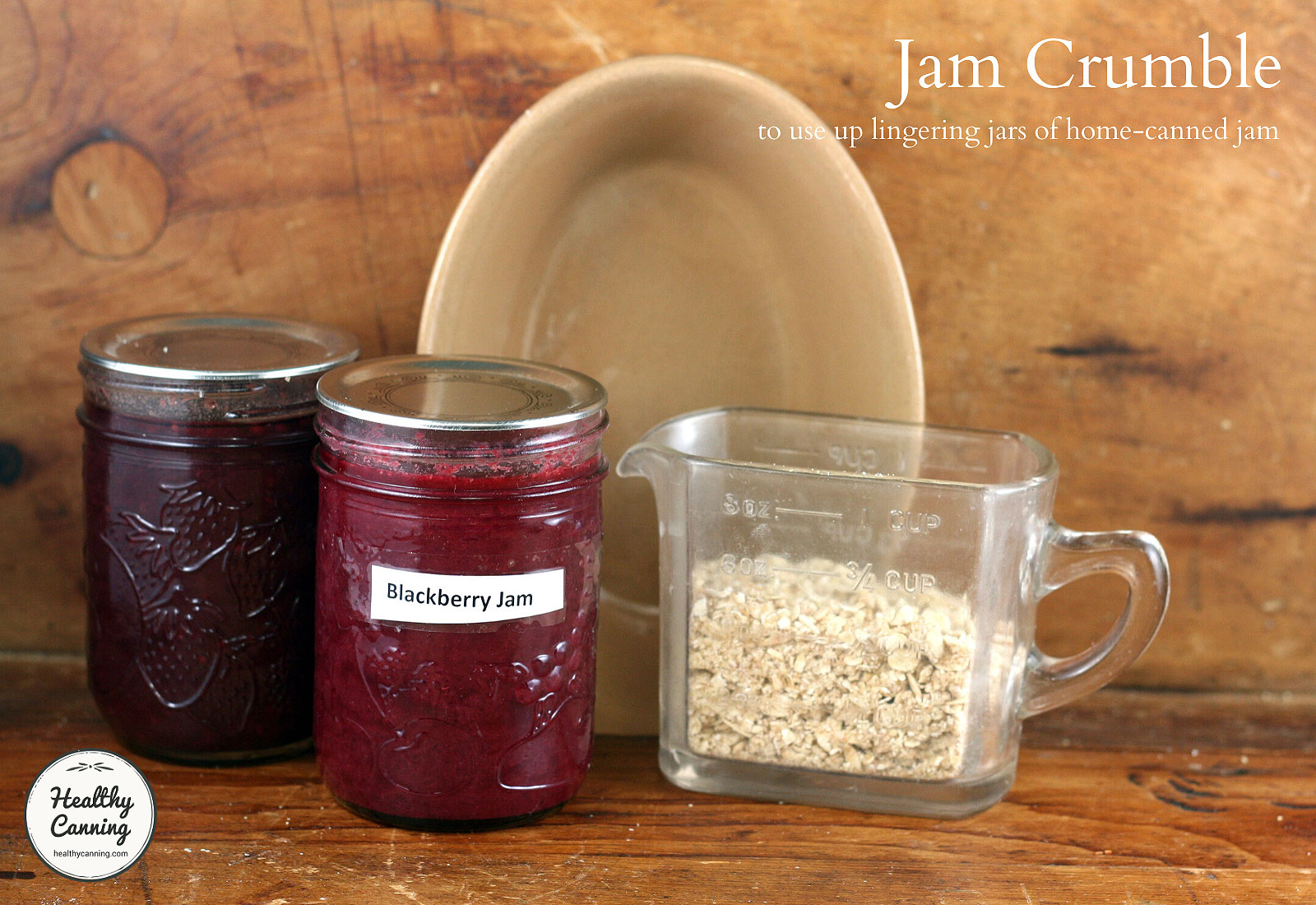
By viewing a jar of jam not as a static condiment but as a dynamic ingredient, home cooks are participating in a sophisticated form of resource management. This approach reduces the reliance on pre-packaged, ultra-processed snack foods and encourages a return to scratch-based cooking that is nonetheless compatible with the time constraints of 21st-century life.
Conclusion: The Future of the Pantry
As the global food system faces challenges related to supply chain stability and inflation, the ability to maximize the utility of the home pantry becomes increasingly vital. The jam crumble stands as a testament to the enduring relevance of traditional preservation when coupled with modern culinary ingenuity. It transforms a potential waste product into a source of domestic pleasure, proving that with a few staples and thirty-five minutes of oven time, the "dust-gathering" jars of yesterday can become the gourmet highlights of today’s dinner table. The continued evolution of these repurposing strategies will likely remain a cornerstone of the sustainable, efficient, and flavor-focused modern kitchen.