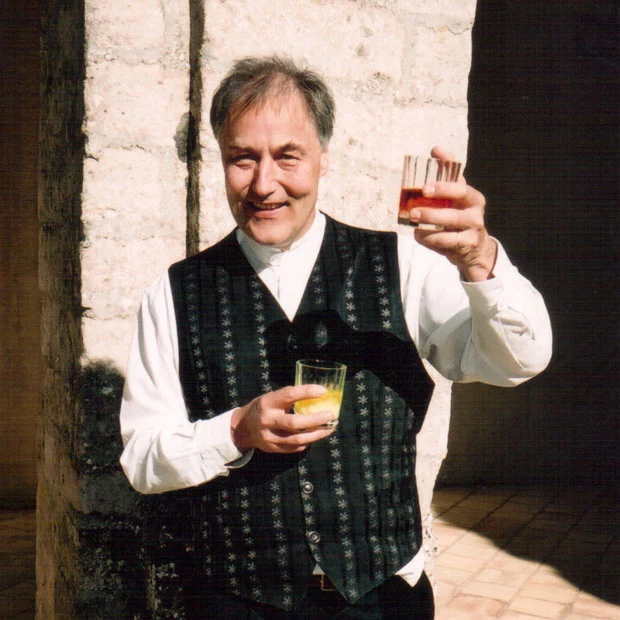

A significant development for both the global culinary landscape and scientific inquiry has emerged with the release of a comprehensive summary detailing two decades of groundbreaking research from the molecular gastronomy seminars held in Paris. Spearheaded by the renowned French physical chemist Hervé This, co-creator of the very term "molecular gastronomy," this newly disseminated document encapsulates the findings from monthly experiments conducted over twenty years, providing an unprecedented "treasure trove" of insights for chefs, food scientists, and enthusiasts alike. The summary, made publicly available in both French and English, represents a pivotal consolidation of knowledge that challenges long-held culinary myths and establishes a scientific foundation for the art of cooking.
The Genesis of Molecular Gastronomy: A Scientific Revolution in the Kitchen
The concept of molecular gastronomy, a term coined in 1992 by Hervé This and Hungarian physicist Nicholas Kurti, marked a revolutionary turning point in understanding food. Prior to their collaborative efforts, the scientific exploration of culinary processes was largely fragmented, often confined to specific areas of food science or chemistry without a cohesive, interdisciplinary framework. Kurti, a professor of physics at Oxford University, famously stated in 1969, "I think it is a sad reflection on our civilization that while we can and do measure the temperature in the atmosphere of Venus, we do not know what goes on inside our soufflés." This observation highlighted a glaring gap in scientific curiosity regarding the everyday phenomena occurring in kitchens worldwide.
It was this intellectual void that This and Kurti sought to fill. Molecular gastronomy was defined as the scientific discipline dedicated to studying the physical and chemical processes that occur while cooking and eating. Its objectives were clear: to investigate the mechanisms of culinary transformations, to test and improve traditional recipes, to invent new dishes based on scientific principles, and to explore the socio-cultural context of eating. This distinct approach separated it from "molecular cuisine," a term that later emerged to describe the application of molecular gastronomy’s findings by chefs to create innovative dishes using modern tools and ingredients (e.g., spherification, foams, sous-vide). While often conflated, molecular gastronomy remains the scientific endeavor, providing the knowledge base upon which culinary innovation thrives.
The intellectual seeds for this movement were sown earlier, with This beginning his work in the early 1980s, meticulously collecting and experimenting with traditional recipes and culinary folklore. His early research questioned the fundamental assumptions behind common cooking advice, such as whether searing meat truly "seals in the juices" or if adding salt to boiling water significantly raises its temperature for faster cooking. These inquiries formed the bedrock of a new scientific discipline, ultimately formalized with Kurti.
Two Decades of Discovery: The Paris Seminars at AgroParisTech
The summary released by Hervé This documents the sustained efforts of the molecular gastronomy seminars, primarily conducted at AgroParisTech, a leading French institute for higher education and research in agricultural, environmental, and life sciences. Commencing around the year 2000, these monthly seminars have provided a consistent forum for rigorous scientific experimentation and discussion, systematically dissecting culinary phenomena. Over the course of two decades, these sessions have convened a diverse group of participants, including chefs, food scientists, chemists, physicists, and culinary enthusiasts, all united by a shared curiosity about the science of cooking.
The methodology employed in these seminars mirrors that of traditional scientific research. Each session typically focuses on a specific culinary claim, technique, or ingredient. Hypotheses are formulated, controlled experiments are designed and executed, and results are meticulously documented and analyzed. This structured approach allows for the systematic validation or refutation of culinary wisdom passed down through generations, often based on anecdotal evidence or tradition rather than empirical data. The seminar’s output represents a vast repository of tested knowledge, moving cooking from an intuitive art to a more precise, scientifically informed craft.
The recently distributed PDF documents offer a brief overview of the key findings from these myriad experiments. While concise, these summaries point to a much larger body of work, with "extensive documentation from every seminar… available in French." This comprehensive archive, accessible through AgroParisTech’s dedicated resources, serves as an unparalleled academic and practical reference, detailing experimental conditions, methodologies, and complete results for each investigation. Its existence underscores the long-term commitment of Hervé This and his collaborators to a rigorous, open-source approach to gastronomic science.
Illustrative Insights: Debunking Myths and Optimizing Techniques
Although the specific list of findings was not provided in the original prompt, the nature of molecular gastronomy seminars allows for an informed inference regarding the types of discoveries made. These seminars typically delve into fundamental questions that challenge common culinary practices. For instance, investigations might have explored:
- The "Sealing" of Meat: A classic culinary myth asserts that searing meat at high temperatures "seals in the juices." Molecular gastronomy experiments often demonstrate that searing primarily contributes to flavor development through the Maillard reaction and caramelization, but does not prevent moisture loss; in fact, it can sometimes increase it. The seminars would likely have quantified moisture loss under various searing conditions.
- Emulsification Stability: The science behind stable emulsions like mayonnaise or hollandaise sauce. Experiments could have examined the optimal ratios of fat, water, and emulsifiers (like egg yolks), the impact of temperature, mixing speed, and the molecular structure of various emulsifying agents on the stability and texture of these preparations.
- The Science of Meringues: Understanding how egg whites transform into stable foams. Research might have focused on the role of sugar in stabilizing protein denaturation, the effects of whisking speed, temperature, humidity, and the presence of fats (even trace amounts) on meringue volume and stability.
- Pasta Cooking Myths: Debunking claims like adding oil to pasta water prevents sticking (it primarily floats on top and doesn’t coat the pasta effectively) or that pasta must be rinsed after cooking (which removes starch, a key component for sauce adherence). Experiments would have provided data on water absorption, starch loss, and surface stickiness under different conditions.
- Vegetable Cooking Techniques: Investigating the impact of cooking methods on nutrient retention, texture, and flavor. For example, the effect of blanching on enzyme activity, the role of acid or alkali in preserving vegetable color, or optimal cooking times to achieve desired tenderness without nutrient degradation.
- Cryogenic Cooking: While often associated with molecular cuisine, the seminars would explore the scientific principles behind using liquid nitrogen or dry ice, such as rapid freezing effects on cell structure, the creation of unique textures, and safety protocols.
- Flavor Perception and Release: Studies on how temperature, texture, and mouthfeel influence the perception and release of aromatic compounds in food. This could include how different cutting techniques affect the release of volatile compounds from herbs or vegetables.
These examples underscore the seminar’s commitment to transforming anecdotal kitchen wisdom into scientifically verified knowledge, offering precise, reproducible results that can significantly enhance culinary outcomes.
The Broader Repercussions: From Professional Kitchens to Science Labs
The impact of Hervé This’s two decades of molecular gastronomy seminars extends far beyond the academic halls of AgroParisTech, resonating across multiple domains:
- For Professional Chefs: The findings provide a scientific toolkit for culinary innovation and optimization. Chefs can move beyond rote memorization of recipes to a deeper understanding of why ingredients behave the way they do. This knowledge empowers them to invent new dishes with predictable results, troubleshoot culinary problems effectively, and achieve greater consistency. Techniques such as precise temperature control (e.g., sous-vide, which relies on understanding protein denaturation), controlled emulsification, and the manipulation of hydrocolloids for texture, though part of "molecular cuisine," are directly informed by the scientific principles elucidated in molecular gastronomy.
- For Food Scientists and Chemists: The seminars offer a rich field of applied research, bridging theoretical chemistry and physics with practical, everyday phenomena. They stimulate new research questions, foster interdisciplinary collaboration, and demonstrate the tangible relevance of scientific principles to a broad audience. The extensive documentation also provides valuable datasets for further academic study.
- For Educators and Students: Molecular gastronomy serves as an engaging platform for STEM education. It transforms abstract scientific concepts (e.g., colloids, emulsions, thermodynamics, chemical reactions) into relatable, hands-on experiences within the kitchen. The seminar results can inspire science fair projects, chemistry lab exercises, and curriculum development, making science more accessible and exciting for younger generations.
- For Home Cooks: By demystifying cooking processes, molecular gastronomy empowers home cooks to become more confident and experimental. Understanding the science behind a recipe can help them adapt, improvise, and achieve better results, moving away from rigid adherence to instructions towards an informed creative process.
- Cultural and Societal Impact: The movement has elevated the perception of cooking from merely an art or a chore to a complex interplay of art and science. It encourages critical thinking about food, promotes healthier eating through a better understanding of ingredient properties, and fosters a global dialogue about culinary traditions and innovations.
Hervé This: A Pioneer’s Enduring Legacy
Hervé This’s role in the molecular gastronomy movement cannot be overstated. His relentless curiosity, scientific rigor, and dedication to public dissemination of knowledge have cemented his status as a pioneer. His early work, particularly "Kitchen Mysteries" (published in German as Rätsel der Kochkunst), captured the imagination of many, including the original author of the blog post, by systematically questioning and explaining fundamental kitchen processes. This book, along with his numerous other publications and lectures, has served as a catalyst for countless individuals to explore the chemistry and physics of food.
His commitment to making scientific knowledge accessible is evident in his insistence on distributing the seminar results widely. This open-science approach ensures that the insights gained over two decades can inform and inspire a global audience, democratizing scientific culinary knowledge. The Erice International Workshop on Molecular Gastronomy, which he co-founded, further exemplified his dedication to creating platforms for intellectual exchange and advancement in the field.
The Future of Gastronomic Inquiry: Open Questions and Continued Experimentation
The release of these seminar summaries is not merely a retrospective; it is an invitation for continued inquiry. The concluding remarks of the original article, asking readers about culinary claims or kitchen myths that should be checked, perfectly encapsulate the spirit of molecular gastronomy. It is an ongoing journey of discovery, where every culinary tradition, every cooking tip, and every ingredient interaction presents an opportunity for scientific exploration.
Future research in molecular gastronomy is likely to delve deeper into areas such as:
- Neurogastronomy: The study of how the brain perceives flavor, taste, and aroma, integrating sensory science with culinary practice.
- Sustainable Gastronomy: Applying scientific principles to develop more environmentally friendly and resource-efficient cooking methods and ingredient sourcing.
- Personalized Nutrition: Understanding individual biological responses to food preparation and ingredients to create tailored culinary experiences.
- Advanced Material Science in Food: Exploring novel applications of edible polymers, nanoparticles, and other materials to create innovative food structures and delivery systems.
The legacy of the Paris seminars lies in their demonstration that cooking is not just an intuitive art but a complex science, ripe for systematic investigation.
Conclusion: A Call for Scientific Curiosity in the Culinary World
Hervé This’s release of the two-decade summary of molecular gastronomy seminars from Paris represents a monumental contribution to both gastronomy and science. It underscores the profound value of applying rigorous scientific methods to everyday phenomena, transforming culinary practice from a collection of traditions into an evidence-based discipline. By meticulously questioning, testing, and documenting the intricacies of food preparation, These and his collaborators have provided an invaluable resource that will undoubtedly continue to inspire innovation in kitchens and laboratories worldwide. This initiative serves as a powerful reminder that curiosity, coupled with scientific inquiry, can unlock deeper understanding and elevate human endeavors, even in the seemingly familiar realm of cooking. The call remains open for curious minds to continue this journey, challenging assumptions and pushing the boundaries of what is known about the food we prepare and consume.