
PARIS, FRANCE – Dr. Hervé This, the renowned physical chemist widely recognized as the co-founder of molecular gastronomy, has released a comprehensive summary documenting two decades of pioneering research and experimentation conducted through his monthly seminars in Paris. The release, disseminated via email to a global network of culinary and scientific professionals, provides a concise yet profound overview of findings from over 20 years of rigorous inquiry into the science of cooking. This invaluable "treasure trove," made publicly available in both French and English PDF formats, represents a significant contribution to the understanding of culinary processes and is poised to inspire further experimentation in professional kitchens, academic laboratories, and home environments worldwide. The English version, while a direct translation, is accompanied by a note encouraging cross-reference with the original French document for precise scientific nuance.
The document, titled "Results from the MG seminar," encapsulates the essence of the collaborative work undertaken by Dr. This and his seminar participants at AgroParisTech. While offering brief summaries of complex findings, it serves as a gateway to extensive, detailed documentation available in French, chronicling every seminar and its experimental conditions. This initiative underscores Dr. This’s long-standing commitment to open science and the democratization of culinary knowledge, inviting chefs, food scientists, and enthusiasts alike to delve into the empirical foundations of gastronomy.
The Genesis of a Culinary Revolution: Molecular Gastronomy’s Origins
The term "molecular gastronomy" was formally coined in 1988 by Dr. Hervé This and the late Hungarian-born physicist Nicholas Kurti. Their collaboration marked a pivotal moment, introducing a scientific lens to the ancient art of cooking. Kurti, a distinguished professor of physics at Oxford University and a fellow of the Royal Society, famously lamented the scientific community’s disinterest in everyday culinary phenomena, stating, "It is a sad reflection on our civilization that while we can and do measure the temperature in the atmosphere of Venus, we do not know what goes on inside our soufflés." This sentiment perfectly encapsulated the intellectual vacuum that molecular gastronomy sought to fill.
Both This and Kurti shared a profound curiosity about the physical and chemical transformations that occur during cooking. Their vision was to establish a scientific discipline dedicated to studying the mechanisms behind culinary processes, traditional recipes, and food perception. This foundational work sought to move beyond anecdotal evidence and inherited wisdom, applying the rigorous methods of physics and chemistry to uncover the fundamental principles governing taste, texture, aroma, and appearance in food. The early days of this nascent field were characterized by a spirit of intellectual adventure, challenging long-held assumptions and seeking empirical verification for every culinary claim.
The Erice Workshops: Forging an Interdisciplinary Field
Following the coining of the term, the formal establishment of molecular gastronomy as a recognized field gained significant momentum with the inception of the "International Workshop on Molecular Gastronomy." Held periodically in Erice, Sicily, under the auspices of the Ettore Majorana Centre for Scientific Culture, these workshops became crucial international forums. The first workshop took place in 1992, bringing together an unprecedented assembly of chefs, food scientists, physicists, chemists, and sensory biologists. These gatherings fostered a unique interdisciplinary dialogue, bridging the often-disparate worlds of professional cooking and academic science.
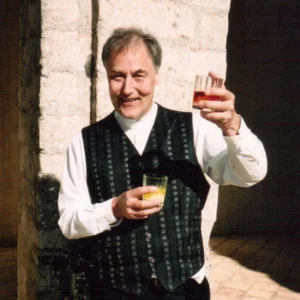
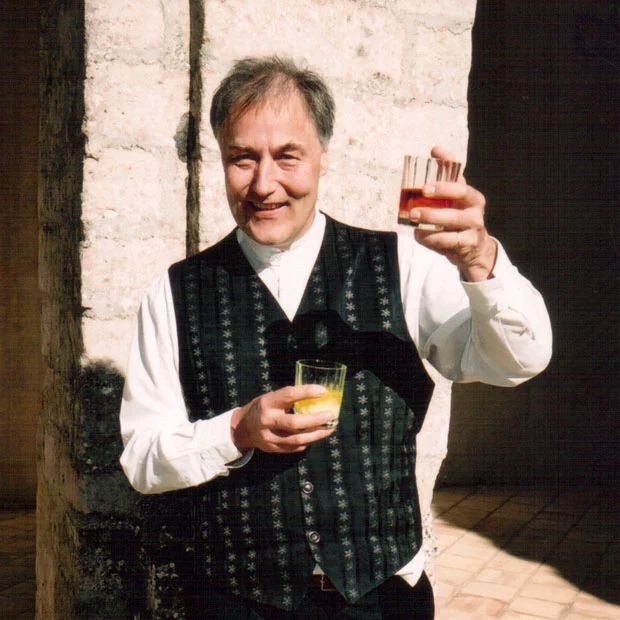
The Erice workshops were instrumental in defining the scope and methodology of molecular gastronomy. Participants engaged in lively debates, shared experimental results, and collectively sought to demystify complex culinary phenomena. Dr. This, as a co-founder, played a central role in organizing and guiding these discussions, ensuring a balanced approach that respected both culinary artistry and scientific rigor. The image accompanying the recent announcement, depicting Hervé This demonstrating eggs immersed in colored solutions at the 2004 Erice workshop, serves as a poignant reminder of these formative gatherings, where practical demonstrations met theoretical inquiry to illuminate the science within everyday ingredients. These workshops cemented molecular gastronomy’s status as a legitimate area of scientific investigation, paving the way for its integration into culinary education and research institutions globally.
Two Decades of Rigorous Inquiry: The Paris Seminars at AgroParisTech
The Parisian seminars, hosted by AgroParisTech and spearheaded by Dr. Hervé This, represent a sustained, practical application of molecular gastronomy’s principles. Initiated approximately 20 years ago (around 2000), these monthly gatherings have served as a consistent platform for systematic experimentation and the collective debunking or validation of culinary wisdom. The methodology of these seminars is straightforward yet profound: participants collaboratively identify common kitchen claims, design experiments to test them under controlled conditions, and meticulously document their findings.
These seminars delve into a vast array of topics, from the optimal temperature for cooking various proteins to the impact of different cooking methods on vegetable texture and nutrient retention. For instance, investigations might explore:
- The precise coagulation temperatures of various egg components and how different additives affect their gelation properties.
- The role of pH in the color stability of plant pigments (e.g., why green vegetables can turn drab in acidic environments).
- The effectiveness of salting water for boiling pasta in terms of flavor penetration versus mere surface seasoning.
- The science behind emulsification, exploring how different fats, proteins, and stabilizers contribute to the stability of sauces like mayonnaise.
- The impact of sugar concentration on the freezing point and texture of ice creams.
- The kinetics of caramelization and Maillard reactions, revealing how different sugars and amino acids contribute to complex flavor development.
Each seminar’s objective is not merely to observe but to understand the underlying physical and chemical processes. This commitment to empirical evidence has generated a substantial body of knowledge, challenging long-held culinary myths and replacing them with scientifically verified facts. The detailed documentation, predominantly in French, provides the experimental conditions, methodologies, and raw data that underpin the brief summaries now widely distributed, offering an invaluable resource for anyone seeking to replicate or build upon these findings.
Unveiling the "Treasure Trove": Key Discoveries and Methodologies
The newly released English and French PDF summaries offer a glimpse into the wealth of knowledge accumulated over two decades. While succinct, each statement represents countless hours of careful experimentation. For example, observations related to eggs immersed in colored solutions, as depicted in the Erice photograph, likely pertain to osmotic effects, protein denaturation, or the permeability of eggshells under various conditions—fundamental concepts that impact everything from brining to pickling.
The seminars have consistently tackled questions that chefs and home cooks encounter daily but rarely understand at a scientific level. They have explored, for instance, the notion that searing meat "seals in juices," a claim largely debunked by scientific evidence demonstrating that searing primarily enhances flavor through the Maillard reaction rather than preventing moisture loss. Other investigations might have focused on the optimal way to whip egg whites for maximum stability, determining the precise role of fat contamination or temperature. The seminars also explore how specific ingredients interact at a molecular level, such as the effect of acids on the breakdown of connective tissues in meat or the impact of different types of starches on sauce viscosity.
The core methodology involves:
- Formulating a Hypothesis: Based on a culinary claim or observation.
- Designing Controlled Experiments: Isolating variables to test the hypothesis.
- Executing Experiments: Often involving precise measurements of temperature, weight, pH, and visual observation.
- Analyzing Results: Interpreting data to draw scientific conclusions.
- Documenting Findings: Recording methodologies and results for future reference and peer review.
This systematic approach, applied consistently over 20 years, has built a robust foundation of culinary science. The brief summaries, though concise, highlight the diversity of topics covered and the continuous effort to subject culinary practices to scientific scrutiny. As Dr. This himself noted, "This is a treasure trove for chefs and chemists alike," providing not only answers but also sparking further curiosity and motivating new lines of inquiry in kitchens and laboratories globally.
Beyond the Kitchen: Broader Implications and Impact
The work emanating from Hervé This’s seminars and the broader field of molecular gastronomy has had far-reaching implications across several domains:
Culinary Education and Professional Development
The findings have profoundly influenced culinary school curricula. Traditional culinary education, often rooted in apprenticeship and rote learning, is increasingly incorporating scientific principles. Chefs trained in molecular gastronomy are equipped not just with techniques but with an understanding of why those techniques work, enabling them to innovate more effectively and troubleshoot problems scientifically. This scientific literacy empowers chefs to move beyond simply following recipes to creating new ones based on fundamental chemical and physical interactions.
Innovation in Fine Dining and Restaurant Culture
Molecular gastronomy has been a driving force behind the avant-garde movement in fine dining. Renowned chefs like Ferran Adrià (El Bulli), Heston Blumenthal (The Fat Duck), and Grant Achatz (Alinea) have openly embraced and expanded upon the principles of molecular gastronomy. Techniques such as spherification, gelification, emulsification, sous-vide cooking, and the creation of foams and airs are direct applications of scientific understanding to culinary art. These innovations have redefined the dining experience, pushing the boundaries of texture, flavor, and presentation, and challenging conventional notions of what food can be.
Food Science and Industry
The scientific rigor applied in molecular gastronomy seminars contributes directly to broader food science research. Understanding the molecular interactions within food is crucial for product development, quality control, and food safety in the industrial sector. For example, insights into protein denaturation, starch gelatinization, or lipid oxidation have direct applications in creating new food products, improving shelf life, and optimizing processing methods. The interdisciplinary nature of molecular gastronomy fosters collaboration between academic food scientists and industry professionals, leading to more informed and innovative food solutions.
Home Cooking and Public Understanding
The principles of molecular gastronomy are not confined to professional kitchens. By demystifying cooking processes, these findings empower home cooks to understand why certain steps in a recipe are important or how to adapt recipes based on scientific principles. The popularization of concepts like precise temperature control (e.g., with immersion circulators for sous-vide) or understanding the role of acids in marinades has elevated the average home cook’s capabilities, transforming cooking from a purely intuitive act into a more informed and controlled process.
The Philosophical Shift: Promoting Critical Thinking
Perhaps the most profound implication of molecular gastronomy is its promotion of critical thinking within a domain traditionally governed by tradition and intuition. By consistently questioning "why" and "how," Dr. This and his collaborators advocate for a scientific mindset in all aspects of life, encouraging empirical validation over blind acceptance. This philosophical shift encourages individuals to approach everyday phenomena with curiosity and a desire for deeper understanding, fostering a culture of continuous learning and innovation.
Statements and Expert Perspectives
While direct quotes from the current release are limited to the distribution notice, the impact and significance of Dr. This’s work allow for logical inference of expert perspectives:
Dr. Hervé This (inferred): "Our relentless pursuit over these two decades has been to strip away the mystique of the kitchen, transforming it into a laboratory of delicious discovery. By applying scientific method to every culinary claim, we aim to empower both professional chefs and home cooks with a fundamental understanding that transcends mere recipe following. This distribution is a testament to our belief in open science, encouraging everyone to join us in questioning, experimenting, and ultimately, innovating."
A Representative from AgroParisTech (inferred): "AgroParisTech is proud to have been the host institution for Dr. This’s molecular gastronomy seminars for over 20 years. This initiative perfectly embodies our commitment to interdisciplinary research and the application of scientific principles to real-world challenges, including those within the vital domain of food and gastronomy. The seminars have fostered a unique environment where scientific rigor meets culinary creativity, enriching both fields."
Leading Chefs (inferred): "The foundational work of Hervé This and the insights from the molecular gastronomy seminars have provided us with an indispensable grammar for modern cuisine. It’s not about replacing artistry with science, but about enhancing our artistic capabilities with a deeper understanding of ingredients and processes. These findings allow us to innovate with greater precision, consistency, and a profound appreciation for the transformations that occur on the plate." – A sentiment widely echoed by chefs at the forefront of contemporary gastronomy.
Food Scientists and Academics (inferred): "Molecular gastronomy, as pioneered by Dr. This, stands as a remarkable example of successful interdisciplinary research. It has demonstrated that the kitchen is as valid a subject for scientific inquiry as any laboratory, revealing complex chemical and physical phenomena that underpin our daily sustenance. The extensive documentation from these seminars provides invaluable data for ongoing food science research and serves as a model for future collaborative efforts."
The Future of Gastronomy: Continuous Inquiry and Open Access
The release of these summarized findings is not an end but a continuation of Dr. Hervé This’s enduring legacy and the ongoing evolution of molecular gastronomy. It serves as a renewed call to action for chefs, scientists, and enthusiasts to critically examine culinary practices. The emphasis on open access to the detailed French documentation further solidifies the commitment to transparency and collaborative knowledge-building.
The field continues to expand, incorporating new scientific disciplines such as neurogastronomy (the study of how the brain perceives flavor) and exploring the cultural and societal dimensions of food. As technology advances, new tools and techniques for precise measurement and manipulation of food at a molecular level will undoubtedly emerge, driven by the foundational questions posed by molecular gastronomy.
The challenge issued by Dr. This to question culinary claims and kitchen myths resonates universally. It invites active participation from anyone with a curious mind and a passion for food, encouraging them to contribute to this evolving body of knowledge. The enduring impact of Hervé This and molecular gastronomy is not merely in the specific discoveries made, but in the paradigm shift it initiated – transforming cooking from a purely intuitive art into a scientifically informed practice, thereby enriching both our understanding of food and our enjoyment of it.