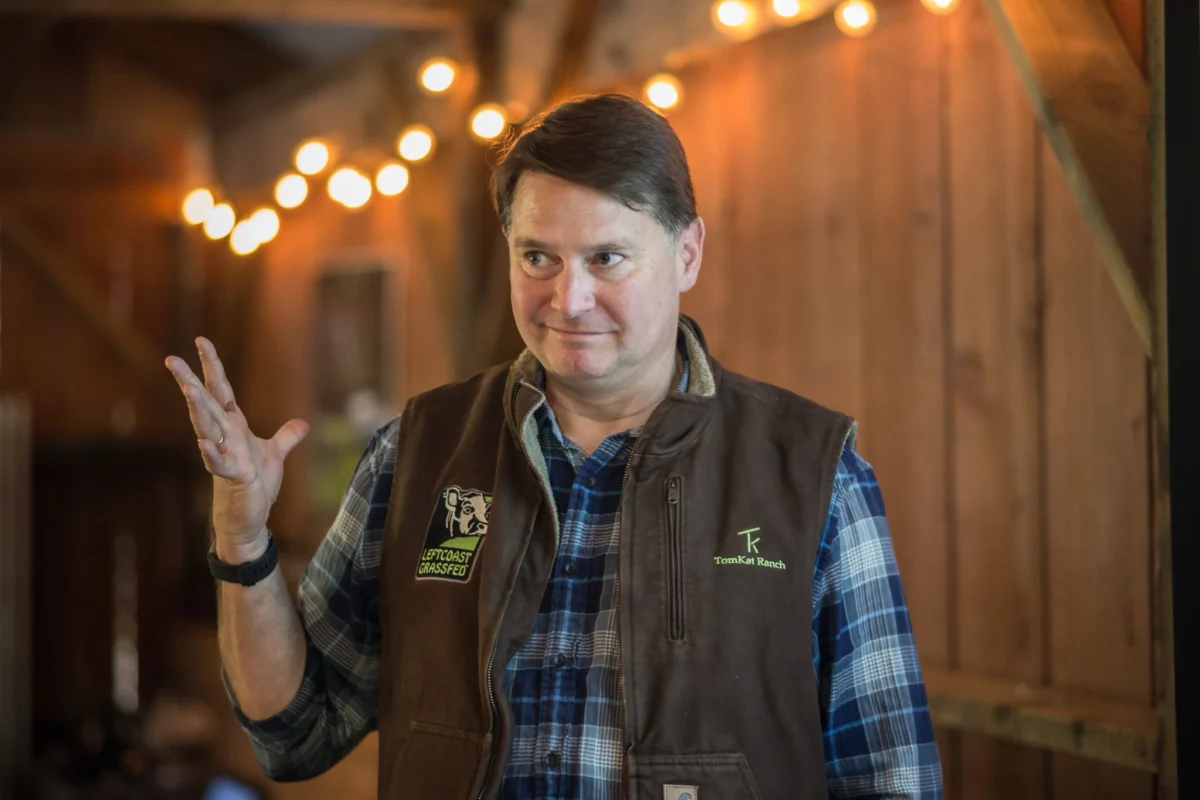

The global community of food and agriculture innovators is mourning the loss of Rob Trice, a deeply influential figure whose vibrant presence and insightful contributions left an indelible mark on the sector. Trice passed away last month following a brief illness while on a work-related trip in Europe, a development that has sent ripples of shock and sadness through the interconnected world of agtech and food tech. His absence is keenly felt by a vast network of entrepreneurs, investors, researchers, and enthusiasts who were consistently inspired by his passion, intellect, and remarkable ability to foster genuine connections.
Trice was more than just a frequent attendee at industry events; he was a catalyst, a connector, and a genuine enthusiast for the individuals and ideas shaping the future of food. His reputation for being present, engaged, and always ready with a thought-provoking question or a well-timed introduction preceded him at virtually every gathering, from the bustling innovation hubs of the Bay Area to international forums in Tokyo and beyond. His ability to transcend the superficial aspects of networking and forge meaningful relationships made him a beloved and respected figure.
The Genesis of Connection: Early Days and the Mixing Bowl
Rob Trice’s journey in the food and ag innovation space gained significant momentum through his organization of "The Mixing Bowl" events in the Bay Area. These gatherings, while reportedly not financially lucrative, were a testament to Trice’s core motivation: a profound desire to convene and converse with intelligent, forward-thinking individuals. For those new to the rapidly evolving food tech landscape, like the author of this piece who was launching the Smart Kitchen Summit around 2015, Trice’s welcoming embrace was invaluable. He readily facilitated introductions to key figures who would later become foundational allies and friends, underscoring his role as an informal but highly effective connector.
This era marked the burgeoning of what would become a global food tech movement. The early 2010s saw an explosion of startups focusing on everything from direct-to-consumer food delivery and meal kits to novel food production methods and agricultural technology. Trice’s events provided a crucial early platform for these nascent ventures to gain visibility and connect with potential investors, mentors, and collaborators in an increasingly complex ecosystem. The energy and optimism surrounding these gatherings were palpable, and Trice was at its heart, fostering an environment where ideas could flourish and partnerships could be forged.
A Global Footprint: Presence and Perspective
Over the ensuing decade, Trice’s presence became a constant at major food and ag innovation events worldwide. Whether it was the Smart Kitchen Summit in Japan, various food tech congregations in the Bay Area, or gatherings at Google Food Lab in Chicago and New York, Trice was a recognizable and welcome face. His approach to these events was characterized by a remarkable presence of mind. Even when seated in an audience, he possessed an uncanny ability to distill complex discussions and pose questions that would reframe the conversation, often revealing new avenues of thought and inquiry. This intellectual rigor, combined with his affable demeanor, made him a standout.
The year 2024 saw a particularly memorable encounter in Tokyo. While attending the Smart Kitchen Summit Japan, Trice serendipitously crossed paths with the author and his wife. What began as a chance meeting on a street evolved into an evening of rich conversation. Trice shared anecdotes from his time living in Tokyo, his diverse career trajectory spanning telecommunications, venture capital, and policy analysis, and his deeply held commitment to building a regenerative farm with his wife, Wendy. This anecdote encapsulates Trice’s multifaceted interests and his ability to connect personal experiences with broader industry trends.
The Regenerative Vision: Beyond the Hype
Trice’s commitment to regenerative agriculture, as highlighted by Sara Roversi, Director of the Future Food Institute, reveals a profound depth to his engagement with the food system. Roversi’s heartfelt tribute emphasizes Trice’s dedication to tangible, earth-focused experiences over superficial trends. "You took us to the soil. Not slides. Not pitch decks. Soil," she wrote, recalling how Trice guided her and her students to walk ranches, smell the earth, and engage directly with farmers. This hands-on, experiential approach was a hallmark of his philosophy, advocating for practices that not only sustain but actively improve the environment.

This perspective was particularly prescient. The concept of regenerative agriculture, which focuses on rebuilding soil health, enhancing biodiversity, and improving the water cycle, gained increasing traction in the late 2010s and early 2020s. While many in the investment community were chasing the latest “pop” trends in food tech, Trice remained steadfast in his belief in the foundational importance of sustainable and restorative agricultural practices. His work in this area was not about fleeting fads but about building a more resilient and equitable food future, a vision that continues to gain momentum and recognition within the industry.
A Legacy of Connection and Impact
The outpouring of tributes following Trice’s passing paints a vivid picture of his impact. His colleagues, speaking on LinkedIn, described him as a "person whose presence brought people together." They highlighted his insightful contributions, his ability to push others to think deeper, and his characteristic blend of serious intentions with a lighthearted approach, often punctuated by his "mischievous smile" and penchant for "creative acronyms." This duality—a sharp intellect coupled with a warm and compassionate spirit—was a defining aspect of his personality.
Beyond his personal charisma, Trice’s legacy is firmly rooted in the tangible contributions he made to the food and ag innovation ecosystem. This includes the startups he supported, the community networks he actively nurtured, and the groundbreaking ideas he helped to foster. His influence extended through his investments and his role as a mentor, shaping the trajectory of numerous companies and individuals. However, as his colleagues noted, his most profound legacy lies in the memories and the positive impact he had on everyone fortunate enough to have known him, however briefly.
The author’s own experience of hearing of Trice’s passing while in Europe last month mirrors the sentiments shared by many. The initial shock quickly gave way to a collective sharing of stories and reflections on how Trice had touched their lives. This shared remembrance, marked by laughter and toasts in his honor, reflects the convivial spirit that Trice himself embodied. It is a fitting tribute to a man who found joy and purpose in connecting with others and in advancing a field he deeply believed in.
Supporting Data and Industry Context
The period during which Rob Trice was most active in the food and ag innovation space, roughly from the early 2010s to the present, witnessed significant shifts and growth. Venture capital investment in food tech, for instance, saw a dramatic surge. Data from PitchBook and the Food Tech Fund indicates that global investment in food tech went from hundreds of millions in the early years of this period to tens of billions by the early 2020s. This growth was fueled by increasing consumer demand for healthier, more sustainable, and convenient food options, as well as technological advancements in areas like AI, blockchain, and biotechnology.
Within this dynamic landscape, Trice’s focus on community building and foundational innovation like regenerative agriculture provided a vital counterpoint to purely capital-driven trends. The rise of alternative proteins, for example, became a major investment category, attracting significant attention. Simultaneously, a growing awareness of climate change and its impact on food security began to elevate the importance of sustainable farming practices, a field Trice championed long before it became mainstream. His early advocacy for regenerative agriculture positioned him as a visionary who understood the long-term implications of food production systems.
Broader Implications and Future Outlook
The passing of Rob Trice represents more than the loss of an individual; it signifies the departure of a guiding force whose influence extended across multiple facets of the food and ag innovation sector. His ability to bridge diverse disciplines—from technology and venture capital to policy and hands-on farming—was instrumental in fostering cross-pollination of ideas. In an industry that often struggles with silos, Trice’s approach encouraged a more holistic understanding of the challenges and opportunities within the food system.
The principles Trice championed—meaningful connection, deep engagement with the land, and a commitment to building what truly matters—are more relevant than ever. As the world grapples with the urgent need for sustainable food security, climate resilience, and equitable access to nutritious food, the lessons learned from his work and his life are invaluable. His legacy serves as a powerful reminder that true innovation is not only about disruptive technology but also about fostering community, cultivating wisdom, and nurturing the earth. The continued growth of regenerative agriculture, the increasing focus on ethical supply chains, and the emphasis on building strong, collaborative networks within the food and ag tech industries all bear the imprint of visionaries like Rob Trice. His influence will undoubtedly continue to inspire and guide the sector for years to come.