
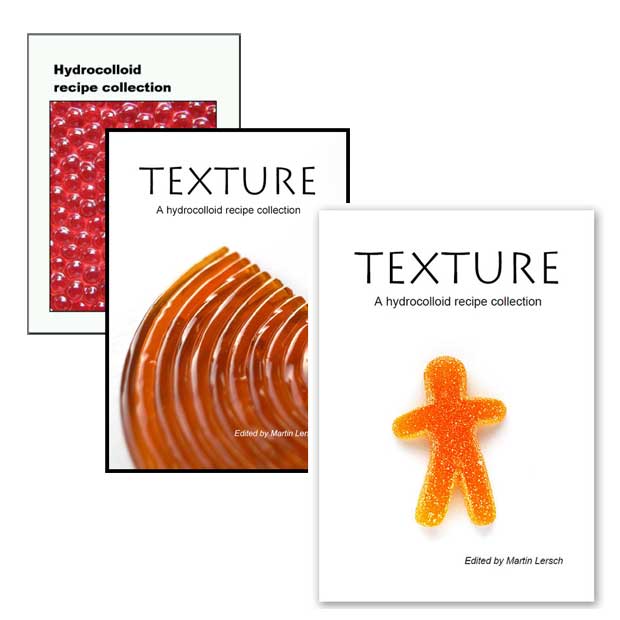
After a six-year hiatus since its last major revision, "Texture – A hydrocolloid recipe collection," a seminal resource in the culinary and food science communities, is set to release its version 3.1. The forthcoming update, described as an incremental revision, aims to refine existing content, correct identified errors, and significantly expand its scope through a renewed call for community contributions, particularly focusing on underrepresented hydrocolloids and novel textural phenomena, including a notable nod to the globally popular Dalgona coffee foam. This continuous evolution underscores the dynamic nature of food science and the critical role of collaborative knowledge-sharing in advancing culinary innovation.
The Genesis and Evolution of "Texture"
"Texture – A hydrocolloid recipe collection" originated as a pioneering project dedicated to demystifying the complex world of hydrocolloids for both professional chefs and enthusiastic home cooks. Its initial release, Version 1.0, was published in 2007, quickly establishing itself as a foundational text for those exploring the then-burgeoning field of molecular gastronomy and applied food science. The collection provided practical, tested recipes and insights into the properties and applications of various hydrocolloids, substances known for their ability to modify the texture of foods by thickening, gelling, emulsifying, and stabilizing.
Following its successful debut, Version 2.0 was released in 2008, building upon the initial framework with expanded content and further refinements. The project demonstrated an early commitment to community engagement, with calls for feedback and contributions already integrated into its development process. This collaborative spirit reached a new level with Version 3.0, published in 2014, which incorporated a wealth of new recipes, user-submitted content, and updated information, solidifying its reputation as an indispensable reference. Over the years, "Texture" has become more than just a recipe book; it functions as a living compendium, reflecting the ongoing advancements and explorations in the science of food textures.
The Impetus for Version 3.1: Refining and Expanding the Culinary Lexicon
The decision to launch Version 3.1, six years after its predecessor, stems from a commitment to maintaining the resource’s accuracy, comprehensiveness, and relevance in a rapidly evolving culinary landscape. The project’s creator, acknowledging the significant volume of feedback received over the past several years, emphasized that this update is primarily an "incremental revision" focused on "ironing out wrinkles." This suggests a meticulous process of review and correction, ensuring the reliability of existing recipes and information. The ongoing dialogue between the project and its user base highlights a participatory model of knowledge creation, where collective experience enhances the quality and utility of the resource.
A cornerstone of this update is the profound appreciation for user contributions. The project creator extended a "big thank you to all who have provided feedback, pointed out typos and errors and submitted pictures." This gratitude underscores the invaluable role of the community in identifying areas for improvement and validating recipe efficacy. While direct replies to all feedback may not have been possible, the assurance that "your feedback has been read, is greatly appreciated and will be incorporated" signals a responsive and dedicated approach to content management. This iterative feedback loop is crucial for a technical resource that relies on practical application and empirical testing.
A Call for Culinary Collaboration: Expanding the Hydrocolloid Horizon
A significant component of the Version 3.1 update revolves around actively soliciting new content from the culinary community. This call to action is multifaceted, targeting specific areas where the collection seeks enrichment.
Firstly, the project is making a direct appeal for photographic submissions. The creator explicitly states, "If you have tested a recipe and found that it didn’t work I would very much like to know. And should you have pictures that you haven’t shared yet – now is the time to submit them!" This emphasis on visual documentation serves a dual purpose: photos not only enhance the aesthetic appeal and clarity of recipes but also act as crucial indicators of successful outcomes. As noted, "If a recipe is accompanied by a photo it’s a good sign that it has been tested with a successful outcome." Detailed instructions for photo submission are available in a previous blog post or directly on page 8 of the "Texture" collection, streamlining the contribution process for users.
Secondly, the update aims to address the underrepresentation of certain hydrocolloids. Specifically mentioned are guar gum, gum arabic, konjac, locust bean gum, and tara gum. These hydrocolloids, while widely used in industrial food applications and increasingly explored in high-end gastronomy, often lack a broad public recipe base that showcases their full versatility.
- Guar gum, derived from guar beans, is a potent thickener and stabilizer used in dairy products, sauces, and gluten-free baking.
- Gum arabic, an exudate from acacia trees, is valued for its emulsifying properties and its ability to prevent sugar crystallization in confectionery.
- Konjac, extracted from the konjac plant, forms firm, elastic gels and is a staple in Asian cuisine, particularly for noodles and vegetarian seafood alternatives.
- Locust bean gum, from the carob tree, acts as a thickener and stabilizer, often synergistically with other gums to create unique textures.
- Tara gum, sourced from the tara plant, offers properties similar to locust bean and guar gums, providing excellent thickening and stabilizing effects.
The project is actively collecting recipes for these, but welcomes user contributions to "highlight the range of foods each of these hydrocolloids can be used for." This targeted expansion will significantly enhance the practical utility of the collection for those seeking to experiment with less commonly featured ingredients.
Thirdly, the collection addresses hydrocolloids that are entirely missing. While some omissions are intentional, such as proprietary products like Ultra-Tex and Pure Cote (both modified starches) and Trisol (a wheat fiber)—ingredients often designed for specific industrial applications and less accessible to general users—other absences "may be accidental if the hydrocolloid is rare or novel." This openness to discovering new or niche hydrocolloids reflects the project’s dedication to remaining a cutting-edge resource. The invitation for comments on these omissions encourages the community to contribute to a more comprehensive and current understanding of textural agents.
Beyond Hydrocolloids: Embracing Natural Gelling Mechanisms
Perhaps one of the most intriguing aspects of the Version 3.1 update is the expansion of the category labeled "non-hydrocolloid recipes." This section explores "gels from regional kitchens around the world where no traditional hydrocolloid is added, but where there still is a gelling mechanism creating the unique texture." This approach broadens the scope of "Texture" beyond mere additives, delving into the intrinsic properties of food ingredients and traditional culinary techniques.
Examples cited include:
- Junket: A milk dessert coagulated with rennet enzymes.
- Cuajada: A Spanish fresh cheese made by curdling milk, often with rennet.
- Ginger milk custard: A Chinese dessert where ginger enzymes curdle milk to form a delicate custard.
- Aiyu jelly: A Taiwanese dessert made from the seeds of the Aiyu fig, which release pectin to form a gel.
- Grass jelly: A common East Asian dessert made from the plant Platostoma palustre, creating a dark, slightly bitter gel.
- Gelled seafood sauce: Often relying on natural collagen from fish bones or skin to set.
- Tofu: Formed by coagulating soy milk, typically with calcium sulfate or magnesium chloride.
- Hominy: Nixtamalized corn, which can form gels in certain preparations.
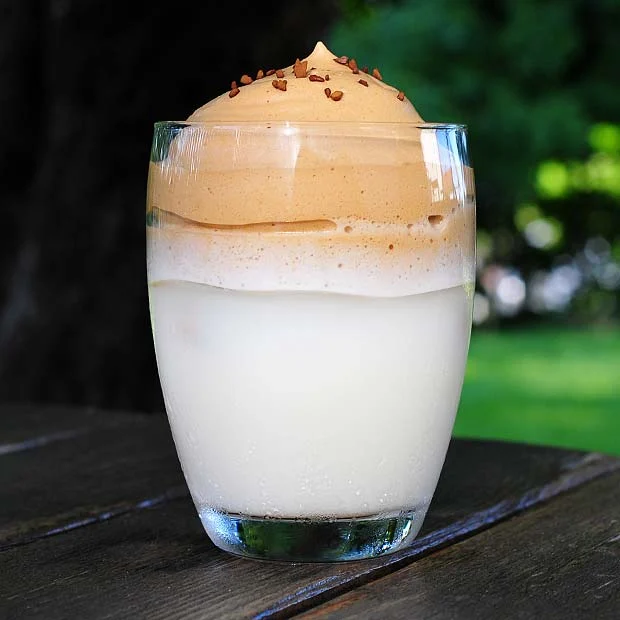
These examples illustrate the rich global heritage of textural creation through natural processes. The project explicitly seeks further examples of such gels, and notably, foams, that should be included. A prime example that "certainly will be included in v. 3.1 is the Dalgona coffee foam that took the internet by storm this spring." The Dalgona coffee, a whipped coffee beverage that achieved viral status during the early months of 2020, perfectly exemplifies a non-hydrocolloid foam where air is incorporated into a sugar-stabilized coffee mixture to create a distinct, stable texture. Its inclusion highlights the project’s responsiveness to contemporary culinary trends and its commitment to documenting diverse textural phenomena, regardless of their reliance on synthetic additives.
The Broader Significance of "Texture" in Modern Gastronomy and Food Science
The ongoing development and meticulous updating of "Texture" underscore its enduring relevance to the fields of gastronomy and food science. Hydrocolloids, as a class of ingredients, are pivotal in modern food manufacturing and culinary arts, playing critical roles in product development, sensory experience, and even nutritional profiles.
In the food industry, the global hydrocolloid market has been steadily growing, with market research reports often indicating a compound annual growth rate (CAGR) of 4-6% and market values projected to reach tens of billions of dollars within the next decade. This growth is driven by several factors:
- Demand for Processed Foods: Hydrocolloids are essential for achieving desired textures, stability, and shelf-life in a vast array of processed foods, from dairy and confectionery to baked goods and beverages.
- Health and Wellness Trends: The rise of plant-based diets, gluten-free options, and reduced-fat products has increased the reliance on hydrocolloids to mimic the textural properties of traditional ingredients or to provide functional benefits (e.g., fiber content).
- Innovation in Food Science: Ongoing research continuously uncovers new applications and synergistic effects of hydrocolloids, leading to novel food products and improved formulations.
For professional chefs and culinary innovators, "Texture" serves as a practical manual for manipulating food structure, enabling the creation of dishes with unexpected mouthfeels, improved stability, and enhanced visual appeal. It empowers chefs to understand the science behind their ingredients, moving beyond mere recipe following to true culinary engineering. For home cooks, the collection demystifies ingredients often perceived as esoteric, opening up new avenues for experimentation and creativity in their own kitchens.
Furthermore, the inclusion of "non-hydrocolloid recipes" bridges the gap between traditional wisdom and modern scientific understanding. By analyzing how regional cuisines achieve specific textures without industrial additives, "Texture" provides valuable insights into fundamental principles of food chemistry and physics, offering a holistic perspective on texture creation. This cross-cultural exploration enriches the culinary lexicon and fosters a deeper appreciation for diverse food traditions.
A Legacy of Innovation and Community Engagement
The journey of "Texture" from Version 1.0 in 2007 to the impending 3.1 update in 2020 represents a sustained commitment to culinary education and innovation. The six-year gap since the last update highlights the thoroughness with which new information is vetted and integrated, ensuring that the resource remains authoritative and reliable. The project’s consistent reliance on community feedback and contributions not only enriches its content but also fosters a vibrant ecosystem of learning and sharing among food enthusiasts and professionals worldwide.
The anticipated release of Version 3.1 is not merely an update; it is a reaffirmation of the project’s foundational philosophy: that understanding the science of food textures is key to unlocking new culinary possibilities. By meticulously refining existing knowledge, actively seeking out new information on underrepresented ingredients, and embracing traditional techniques alongside modern innovations, "Texture – A hydrocolloid recipe collection" continues to solidify its position as an invaluable, evolving resource for anyone passionate about the art and science of food. The culinary community eagerly awaits its refreshed insights and expanded repertoire, poised to further explore the endless possibilities of texture in the kitchen.