
For countless home bakers, the quest for the perfect sourdough loaf often culminates in a single, recurring question: how can one precisely control the sourness? This desire spans a spectrum, from those who crave a pronounced, mouth-puckering tang that defines a classic sourdough, to others who prefer a more subtle, nuanced acidity that whispers rather than shouts. Fortunately, the art of sourdough lies in its adaptability, offering bakers a remarkable degree of control over this characteristic flavor profile at nearly every stage of the bread-making process.
Decades of dedicated baking and scientific exploration have revealed that the "sourness" in sourdough is not an arbitrary outcome but rather a sophisticated interplay between time, temperature, and the dynamic microbial ecosystem within a starter. By understanding how these fundamental elements interact, bakers can intentionally steer their loaves toward the desired level of acidity, transforming a simple loaf into a complex culinary experience. This comprehensive guide delves into the science and practical application of controlling sourdough sourness, drawing from extensive empirical evidence and the accumulated wisdom of seasoned bakers.
The fundamental source of sourdough’s distinctive tang is the production of two primary organic acids during fermentation: lactic acid and acetic acid. Lactic acid, produced by lactic acid bacteria (LAB), imparts a smooth, mild, almost yogurt-like sourness, contributing to the creamy texture often found in well-crafted sourdough. In contrast, acetic acid, the same compound found in vinegar, is sharper and more pungent, delivering a more assertive, tangy bite. This acid has a higher vapor pressure, meaning it is the primary contributor to the characteristic vinegary aroma often detected in active sourdough starters. The ratio and quantity of these acids are directly influenced by the environmental conditions within the dough, with temperature, time, flour composition, and starter management playing critical roles.
Crucially, the microorganisms responsible for acid production are highly sensitive to their environment, particularly to pH levels. As bacteria produce acid, the dough’s pH gradually decreases. Eventually, the acidity reaches a threshold that significantly slows or halts further bacterial activity, creating a self-limiting process. Therefore, any manipulation that allows bacteria to function for a longer duration before this pH floor is reached – such as incorporating buffering agents from whole grains, extending fermentation times, or maintaining optimal temperatures – will result in a greater accumulation of acids and, consequently, a more sour loaf.
The Science of Sourness: A Deeper Dive
Understanding the biochemical processes at play is key to mastering sourdough sourness. The symbiotic relationship between wild yeasts and lactic acid bacteria within a starter is the engine of sourdough fermentation. While yeasts primarily produce carbon dioxide, leading to leavening, LAB diligently work to produce lactic and acetic acids.
The specific conditions favoring one acid over the other are well-documented. Warmer temperatures generally promote overall bacterial activity, leading to a higher total acid production, primarily lactic acid, resulting in a rounder, more mellow sourness. Conversely, cooler temperatures, while slowing down overall fermentation, tend to favor the production of acetic acid. This is because yeast activity is less inhibited by cold than bacterial activity, leading to a continued supply of sugars that bacteria, under these conditions, preferentially convert into acetic acid.
The role of flour is also significant. Whole grain flours, particularly rye, possess a higher mineral content, often referred to as "ash." These minerals act as natural buffers, resisting pH changes. This means that dough made with whole grains can tolerate a greater accumulation of acid before the pH drops to a level that inhibits bacterial growth. Consequently, higher percentages of whole grains, especially rye, in the flour blend will contribute to a more pronounced sour flavor.
Strategies for Increasing Sourdough Sourness
For bakers seeking to amplify the tang in their sourdough, several effective strategies can be employed:
1. Utilizing a Ripe Starter
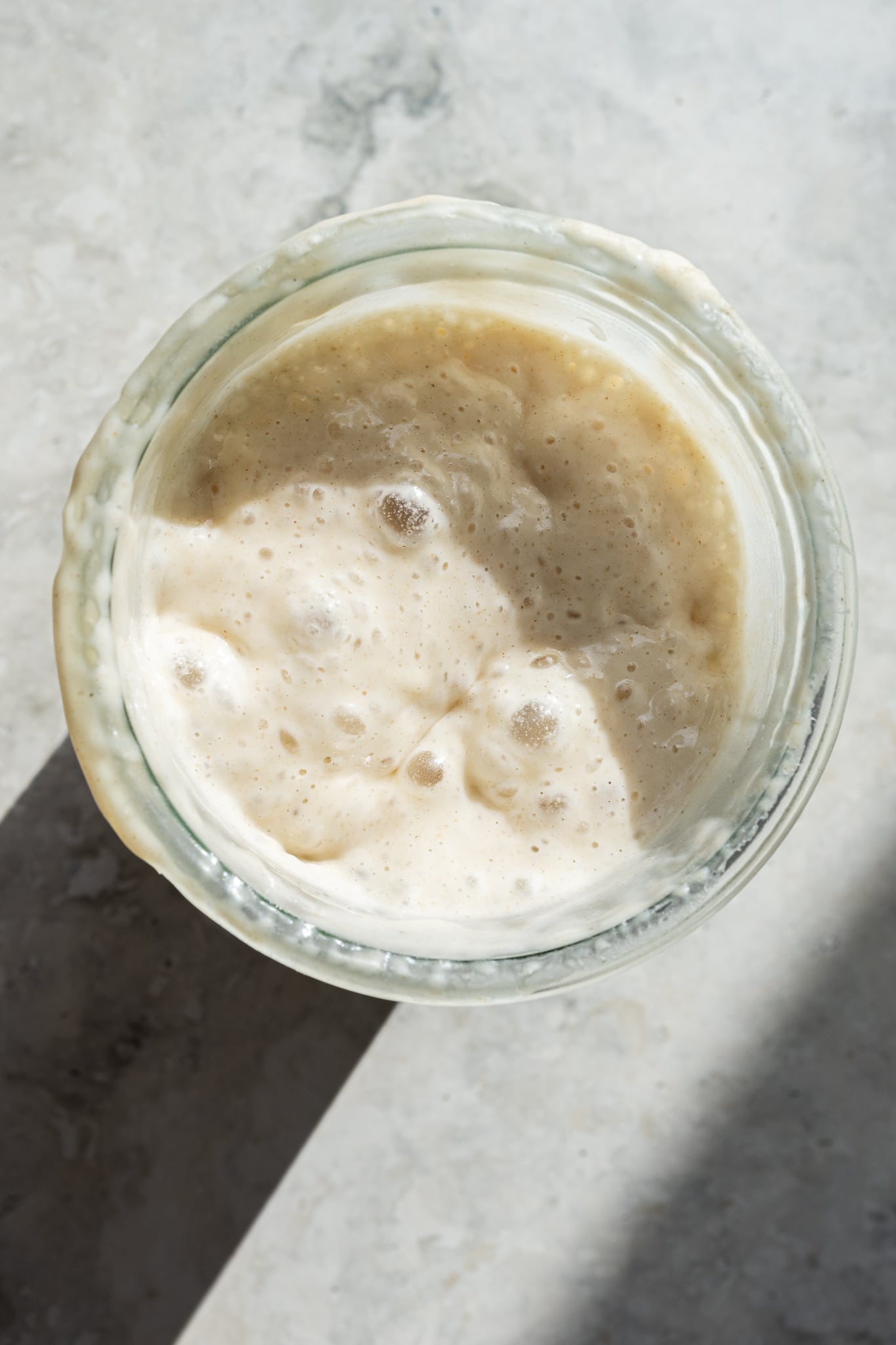
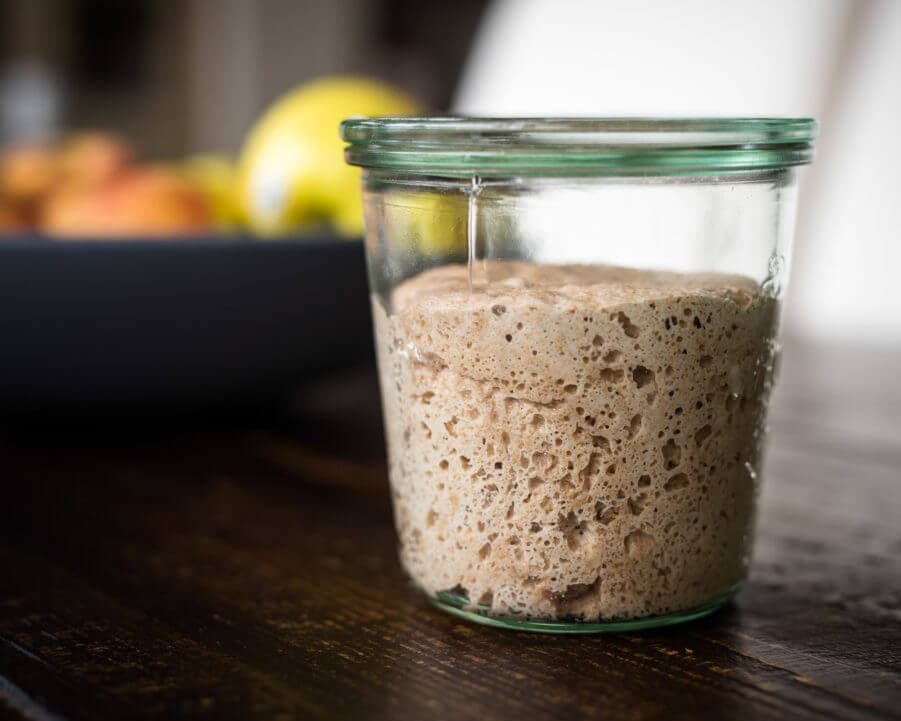
The stage at which a starter is used in the dough preparation significantly impacts sourness. A starter that has passed its peak ripeness – characterized by a strong sour aroma, a loose, bubbly consistency, and potentially a collapsed dome – has already produced a substantial amount of acid. Incorporating this overripe starter, or a levain built from it, directly transfers this accumulated acidity to the final dough. Conversely, using a "young" starter, one that has just reached its peak or is still rising, will result in a milder flavor profile.
2. Extending the Cold Proof (Retardation)
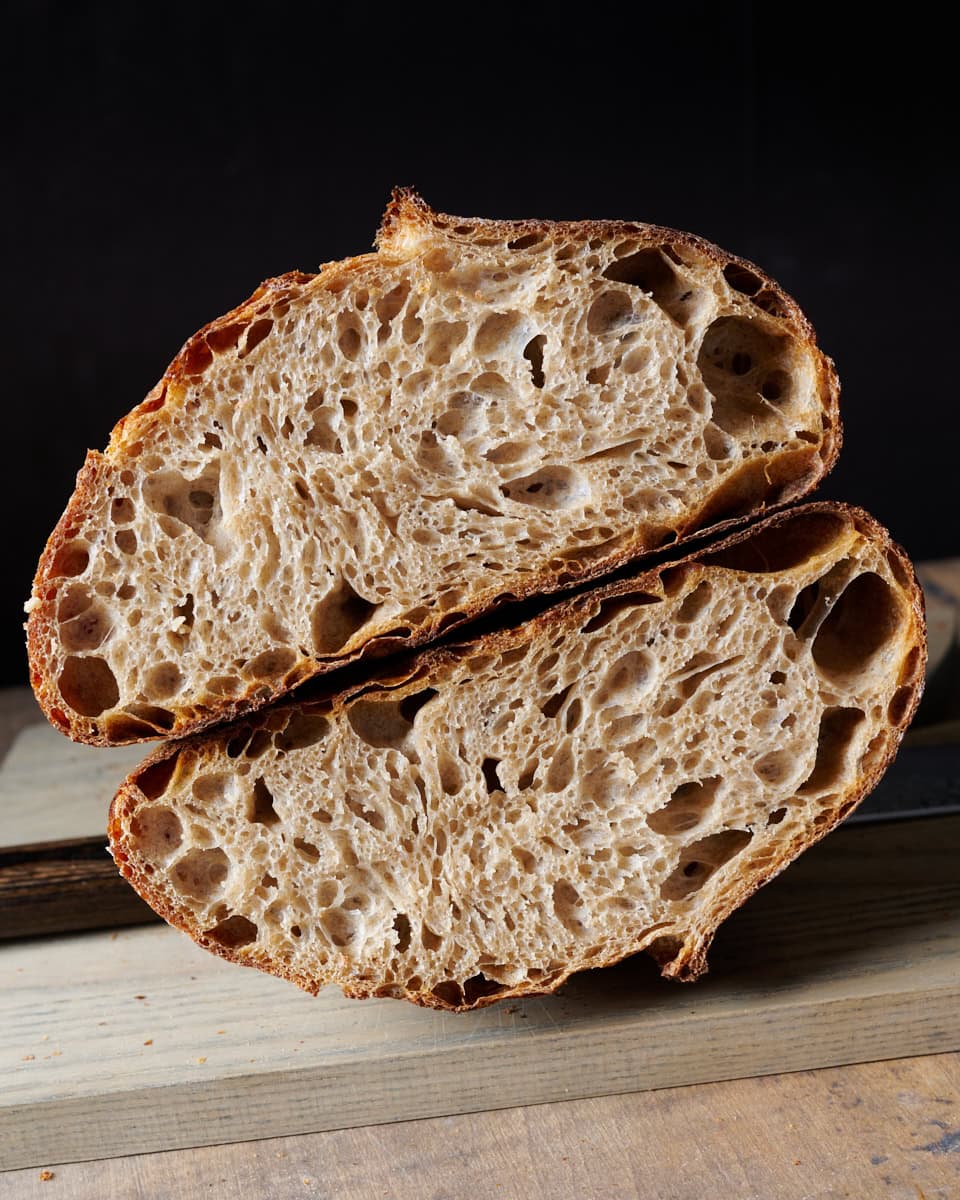
One of the most reliable methods for developing a pronounced sour flavor is extending the cold proofing period in the refrigerator. While cold temperatures significantly slow down microbial activity, they do not halt it entirely. Over extended hours, acids continue to accumulate. The subtle but significant interaction between yeast and bacteria in a cool environment further favors acetic acid production. While a typical overnight cold proof (12-16 hours) imparts a pleasant complexity, extending this to 24, 48, or even 72 hours can lead to a noticeably more assertive sourness. However, bakers must be mindful that excessively long cold proofs can degrade gluten structure, potentially impacting oven spring.
3. Employing a Stiffer Levain
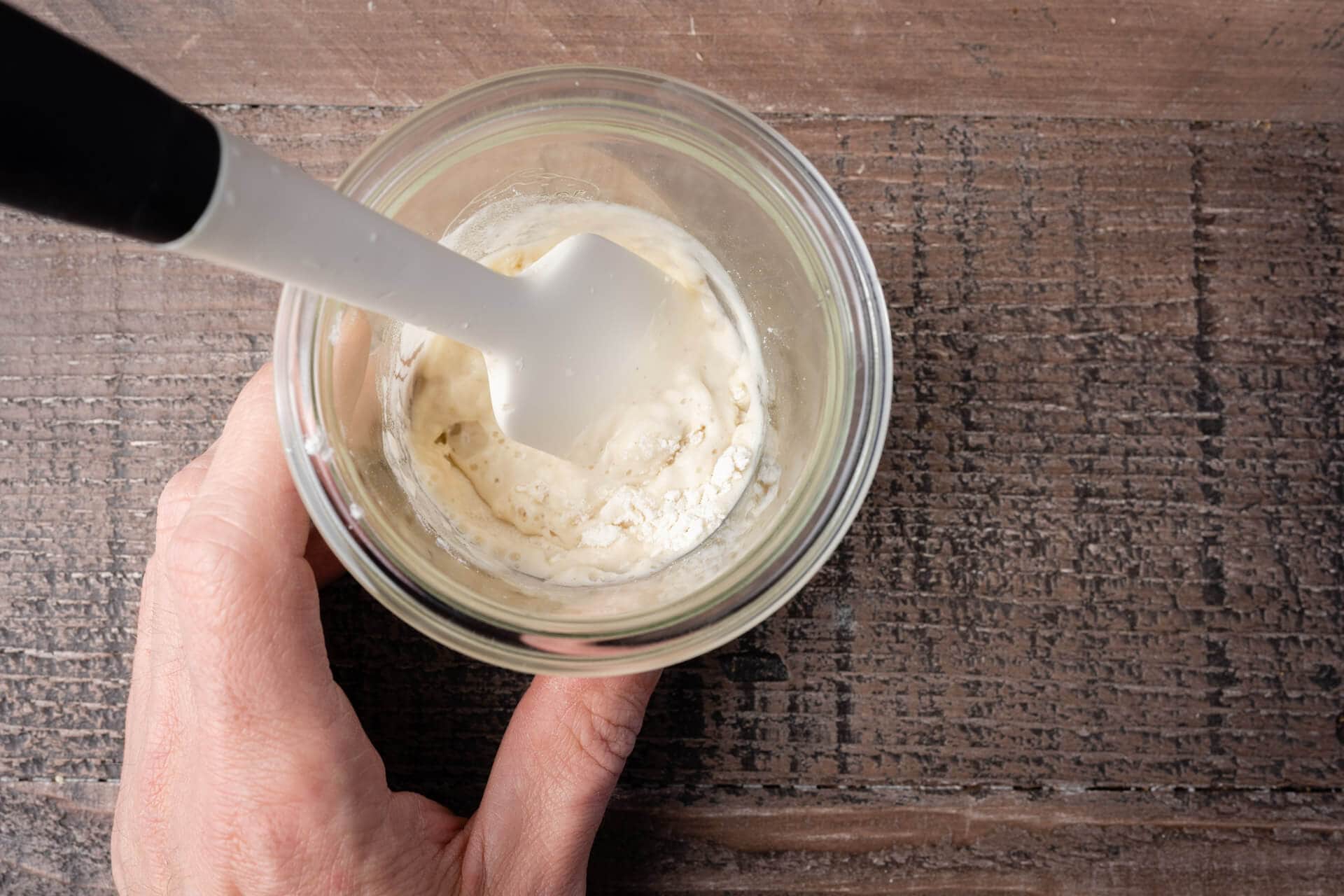
The hydration level of a levain (the pre-fermented mixture used to inoculate the final dough) plays a role in acid development. Stiffer levains, typically with hydration levels between 50-65%, tend to favor acetic acid production, similar to cooler temperatures. However, the key to achieving sourness with a stiff levain lies in allowing it sufficient time to ripen. A stiff levain that is fed frequently and not allowed to ferment for an extended period will not necessarily yield a sourer loaf. It is the combination of low hydration and adequate fermentation time that encourages the production of sharper, more pungent acids. In contrast, liquid levains (100% hydration or higher) tend to promote a smoother, less aggressive sourness.
4. Increasing Whole Grain Flour Content
As previously discussed, whole grain flours, especially rye, are excellent at buffering dough against acidity. By incorporating a higher percentage of whole grains into the dough or levain, bakers provide a greater capacity for acid accumulation before the pH inhibits microbial activity. This leads to a more robust and noticeable sour flavor. Even small additions of rye flour can significantly enhance the tang of a loaf.
5. Fermenting at Warmer Temperatures
Warmer dough temperatures, ideally between 78-82°F (25-28°C), encourage greater overall bacterial activity. While optimal bacterial growth occurs slightly higher, maintaining dough within this warmer range ensures that the microorganisms remain active for a longer duration, leading to a higher total acid production. This results in a more pronounced, rounded sourness. For bakers seeking a sharper, more vinegar-like tang, cooler fermentation temperatures can be employed, as they shift the acid production balance towards acetic acid, albeit with potentially lower total acid output. Many experienced bakers find a moderately warm bulk fermentation followed by an extended cold proof offers a balanced approach to flavor development.
6. Using a Smaller Levain Percentage
This strategy often surprises bakers. While it might seem counterintuitive, a smaller levain percentage can lead to a more sour loaf. A large, overripe levain introduces a significant amount of acid into the dough from the outset, causing the pH to drop rapidly. Since bacteria are sensitive to low pH, their activity is quickly curtailed. Conversely, a smaller levain results in a higher initial pH, allowing bacteria more time to function and gradually accumulate acid before the pH becomes inhibitory. This approach requires careful management of fermentation times to ensure adequate leavening.
Strategies for Decreasing Sourdough Sourness
For those who prefer a milder, more subtle tang, several adjustments can be made:
1. Maintaining a Well-Fed Starter
The most straightforward method to reduce sourness is to maintain a healthy, frequently-fed starter. Regular feeding dilutes accumulated acids and provides fresh nutrients for yeast and bacteria. A starter that is fed consistently and used at its peak ripeness – characterized by a domed top, a bubbly structure, and a mild, pleasant aroma – will contribute less acidity to the dough. This approach is favored by bakers who aim for a nuanced sourdough flavor rather than an aggressive tang.
2. Using a Young Levain
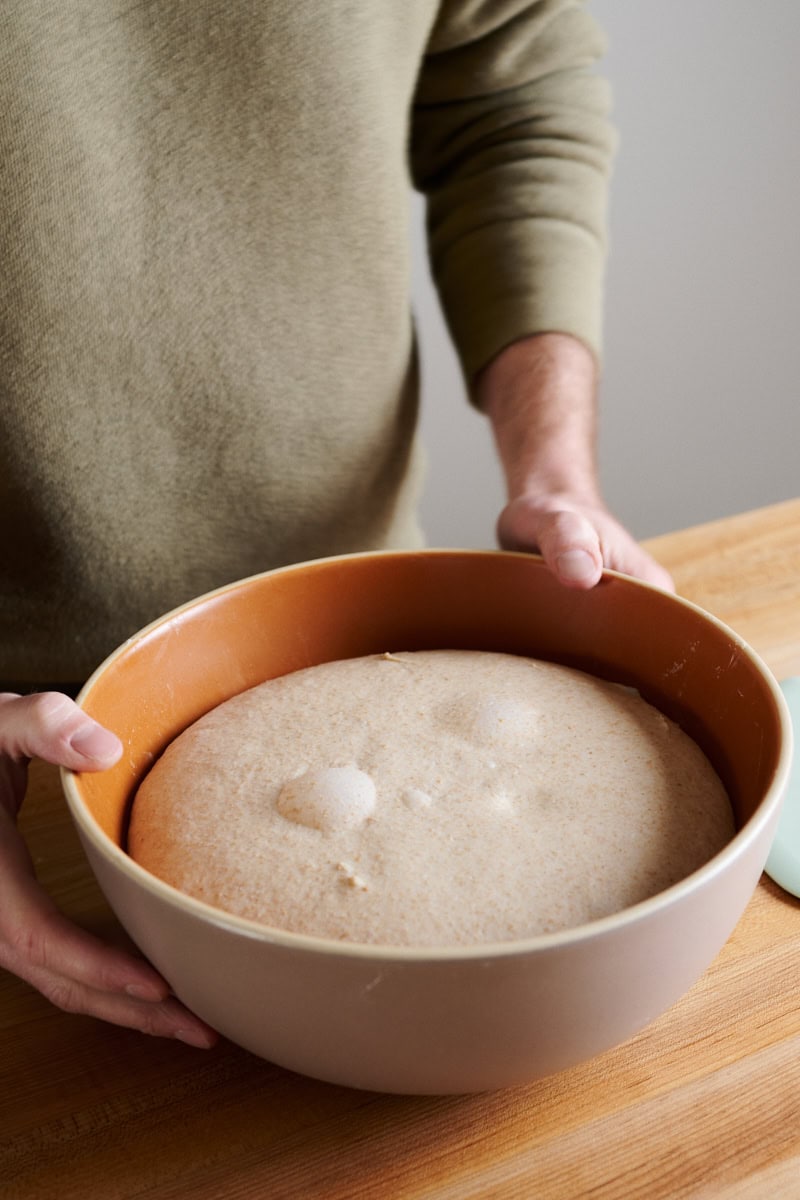
A "young" levain, one that has risen but has not yet reached its full ripeness, will contribute less acid to the final dough. This type of levain is typically characterized by moderate bubbling, a cohesive structure, and a sweet aroma with only a faint hint of sourness. Using such a levain prioritizes yeast activity for leavening, with minimal contribution to the overall acidity.
3. Shortening the Cold Proof
Reducing the duration of the cold proof directly limits the time available for acid accumulation. Instead of an overnight proof (16-18 hours), shortening this period to 10-12 hours will result in a milder flavor. Skipping the cold proof entirely and opting for a room-temperature proof can also yield a less sour loaf, often emphasizing the grain’s natural flavors more prominently.
4. Utilizing a Liquid Levain
As mentioned earlier, higher hydration levains (100% or more) tend to favor lactic acid production, which results in a smoother, less sharp sourness. Using a liquid levain, therefore, contributes to a gentler flavor profile in the final bread.
5. Fermenting at Cooler Temperatures (for Less Total Acid)
While cooler temperatures can favor acetic acid, they also significantly slow down overall bacterial activity. This means less total acid is produced. Therefore, a shorter, cooler bulk fermentation followed by a shorter proof can lead to a milder loaf. Care must be taken to avoid underproofing in such scenarios.
6. Using a Larger Levain Percentage
A larger levain introduces more pre-fermented flour with a lower initial pH into the dough. This means the dough starts in a more acidic state, which, as discussed, inhibits bacterial growth and limits the potential for further acid accumulation during bulk fermentation. Combined with faster fermentation times, this often results in a less sour loaf.
The Nuances of Levain Percentage and Cold Proofing
A common misconception is that simply increasing the amount of starter or levain will automatically result in a more sour bread. However, the relationship is more intricate. As established, bacteria are sensitive to pH. A large levain that has ripened significantly will drop the dough’s pH rapidly, thus shortening the window for bacteria to produce additional acid. In contrast, a smaller levain allows the dough to maintain a higher pH for longer, giving bacteria more opportunity to develop acids gradually. This is why recipes specifically designed for enhanced sourness often employ a smaller levain percentage but compensate with extended fermentation times.
Similarly, the impact of cold proofing on sourness is substantial. While yeast are slowed less by cold than bacteria, the prolonged exposure allows for a greater accumulation of both lactic and acetic acids. At 12 hours, sourness is subtle. By 18-24 hours, it becomes more noticeable. Beyond 48 hours, the sourness can be quite pronounced. The ideal duration is subjective and depends on individual preference, but it’s crucial to balance the desire for sourness with the dough’s structural integrity to avoid overproofing.
Troubleshooting: When Sourdough Lacks Tang
Several factors can contribute to a sourdough loaf lacking its characteristic tang:
- Immature Starter: A starter less than 2-3 weeks old may not have a sufficiently established bacterial population to produce significant acid. Patience and consistent feeding are key to developing a mature, flavorful starter.
- Young Levain: Using a levain before it has adequately ripened means insufficient time for acid accumulation. Ensure the levain has at least doubled in volume and exhibits a good bubbly structure.
- Short Fermentation: Rushing through bulk fermentation or proofing, especially in warm kitchens, can result in under-developed flavor. Extending fermentation times, particularly with an overnight cold proof, allows for greater acid development.
- Excessively Warm Kitchen: In very warm environments, fermentation can proceed too rapidly, leading to a well-leavened but bland loaf. Using cooler mixing water or incorporating a cold proof can help manage this.
- Predominantly Refined White Flour: White flours have a lower ash content, limiting their capacity to buffer acid. Incorporating even a small percentage of whole wheat or rye can significantly boost sourness.
Conclusion: The Art of Personalization
The beauty of sourdough lies in its inherent flexibility. Unlike breads made with commercial yeast, where flavor profiles are largely predetermined, sourdough offers bakers a vast canvas for customization. Sourness is just one facet of its complex flavor, but it is one that home bakers can meticulously control. The most effective approach is to experiment deliberately, altering one variable at a time – such as fermentation time, starter ripeness, or flour composition – and observing the impact on the final loaf. By meticulously documenting these changes, bakers can develop an intuitive understanding of how to achieve their preferred flavor profile. Ultimately, there is no single "correct" level of sourness; it is a matter of personal preference and the art of creating a loaf that resonates with one’s palate and that of those being fed.