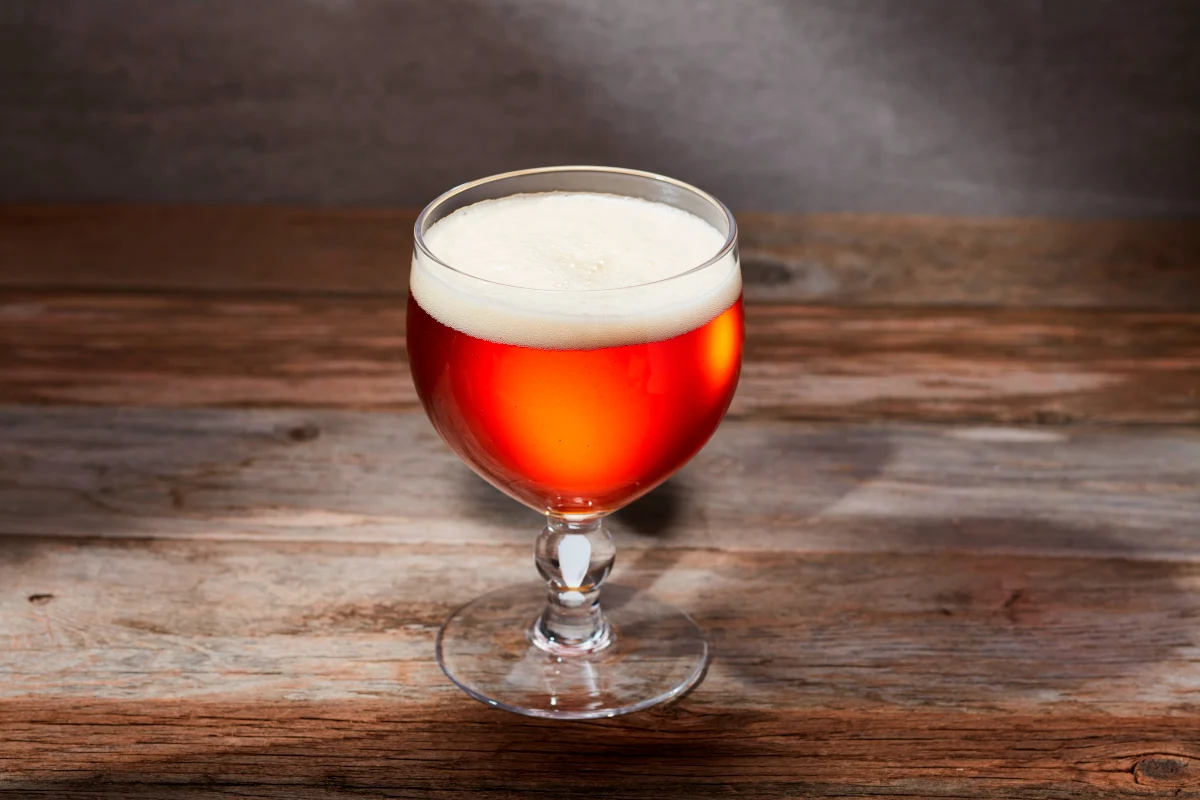

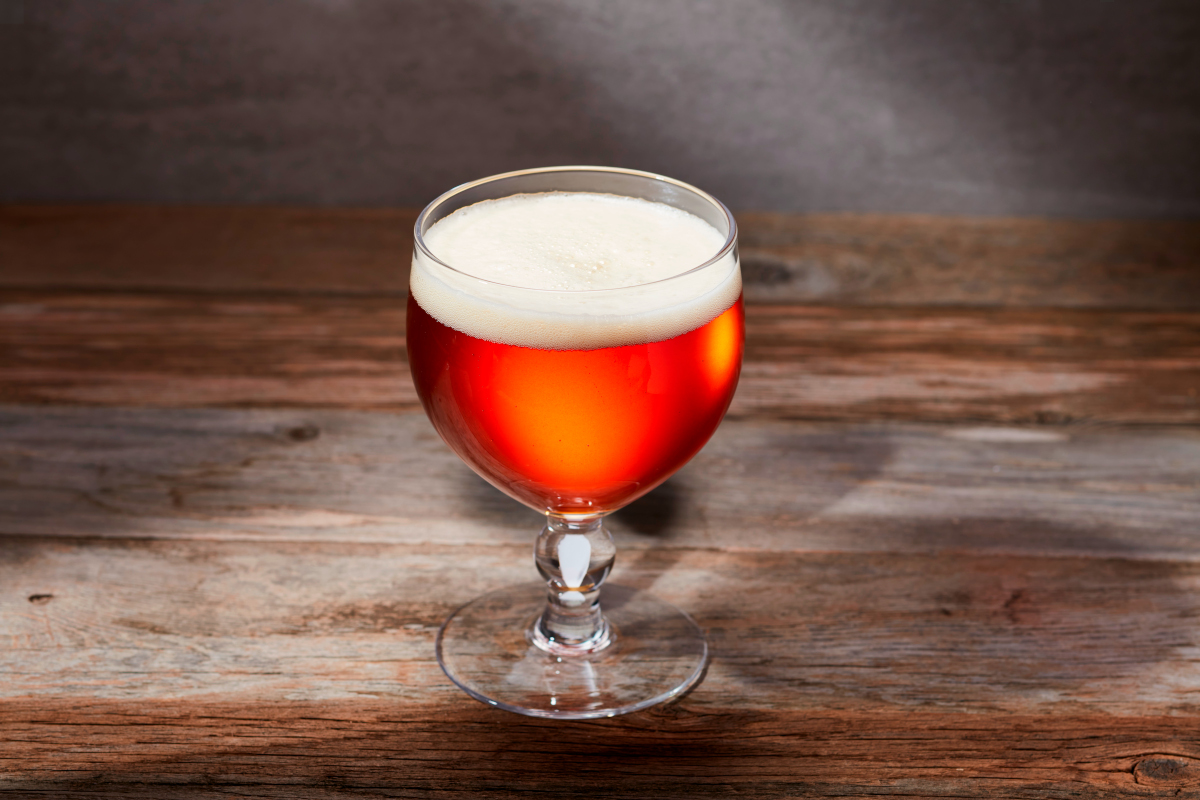
The pursuit of brewing excellence has reached a new pinnacle with the release of a gold-medal-winning recipe for a copper-colored ale, a beer that exemplifies the marriage of traditional German mashing techniques and modern fermentation science. This specific formulation, characterized by its 5% alcohol by volume (ABV) and a striking 11 SRM (Standard Reference Method) hue, serves as a blueprint for high-level competitive brewing. By utilizing the Hochkurz mash schedule and a rigorous temperature-controlled fermentation process, this recipe represents the technical standard required to achieve top honors in international homebrewing circuits, such as those sanctioned by the American Homebrewers Association (AHA).
The Technical Foundation of the Award-Winning Copper Ale
At the core of this gold-medal success is a meticulously calculated set of specifications designed to balance drinkability with complex malt expression. The recipe targets an original gravity (OG) of 1.049 (12.2°P) and a final gravity (FG) of 1.011 (2.7°P), resulting in a 5% ABV profile that fits within the "sessionable" category of craft beers. With an International Bitterness Unit (IBU) count of 20, the hop profile is intentionally restrained, allowing the malt backbone and the clean fermentation characteristics to take center stage.
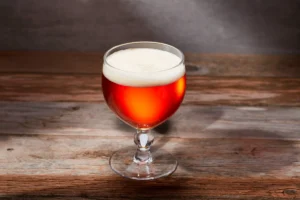
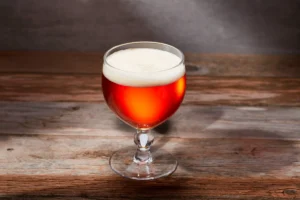
The visual appeal of the beer, measured at 11 SRM, indicates a deep copper to light amber appearance. This color is typically achieved through a grain bill featuring high-quality base malts such as Munich or Vienna, potentially accented by small additions of cara-aroma or melanoidin malts to provide the necessary depth of color and the characteristic "bready" or "toasty" flavor profile associated with copper-colored ales. The efficiency rating for this specific process is pegged at 68%, a realistic figure for homebrewers utilizing all-grain systems that prioritize quality over raw extraction volume.
Chronology of the Brewing Process: The Hochkurz Mash
The production timeline begins with a focus on water chemistry, a foundational element often overlooked by novice brewers. The process mandates starting with Reverse Osmosis (RO) water, which provides a "blank slate" for the brewer. By treating this water with specific brewing salts—typically calcium sulfate and calcium chloride—the brewer can manipulate the sulfate-to-chloride ratio to enhance either the crispness of the hops or the fullness of the malt. For a copper ale of this caliber, a balanced ratio is essential to ensure the 20 IBUs provide enough structure without becoming harsh.
A defining feature of this recipe is the employment of the Hochkurz mash schedule. Translated from German as "high-short," this mashing method is a hallmark of traditional lager and ale production in Central Europe. The chronology of the mash is as follows:
- Beta-Amylase Rest: The mash begins at 146°F (63°C) for 20 minutes. This temperature is the "sweet spot" for beta-amylase enzymes, which break down complex starches into fermentable sugars, specifically maltose. This stage is crucial for ensuring the beer achieves its target final gravity and a dry, crisp finish.
- Alpha-Amylase Rest: The temperature is then increased to 156°F (69°C) and held for 35 minutes. At this higher range, alpha-amylase becomes the primary driver, creating unfermentable dextrins that provide the beer with body and mouthfeel.
- Mashout: Finally, the temperature is raised to 168°F (76°C). This step denatures the enzymes and reduces the viscosity of the wort, facilitating a more efficient lautering process and "locking in" the sugar profile established during the previous rests.
Throughout this sequence, maintaining a mash pH of 5.3 is critical. A proper pH level ensures optimal enzymatic activity and prevents the extraction of astringent tannins from the grain husks, which would otherwise mar the smooth profile required for a gold-medal entry.
The Boil and Hop Utilization
Following the mash, the wort undergoes a 90-minute boil. The extended duration—longer than the standard 60-minute boil—is a deliberate choice intended to encourage the volatilization of Dimethyl Sulfide (DMS), a compound that can impart unwanted cooked-corn flavors, particularly when using lightly kilned base malts.
The hop schedule is focused on utility and clarity rather than aggressive aromatics. Magnum hops are added at the 60-minute mark to provide a clean, neutral bitterness. Magnum is favored in this style for its high alpha-acid content and lack of "grassy" or "herbal" overtones when used as a bittering agent. To ensure the final product is visually brilliant, a Whirlfloc tablet (a carrageenan-based fining agent) is added with 10 minutes remaining in the boil to help precipitate proteins and suspended solids.
Advanced Fermentation and Quality Control Protocols
The transition from the brewhouse to the cellar is where many gold medals are won or lost. This recipe demands a highly controlled fermentation environment. The wort is chilled to a precise 50°F (10°C) before being oxygenated. Proper oxygenation is vital for yeast health, particularly when pitching into the cooler temperatures required for this style of ale, which leans toward the "pseudo-lager" or Altbier fermentation profile.
The inclusion of a Servomyces yeast nutrient capsule further supports the yeast during the lag phase. Once the yeast is pitched, the primary fermentation is held at 50°F (10°C) for five to seven days. As the fermentation nears completion, the temperature is allowed to "free rise" to 58°F (14°C). This rise serves as a diacetyl rest, encouraging the yeast to reabsorb diacetyl—a fermentation byproduct that tastes like buttered popcorn—and other unwanted esters.
A critical component of the gold-medal workflow is the forced diacetyl test. This involves taking a sample of the fermenting beer, heating it in a sealed container, and then cooling it rapidly to check for the presence of precursor compounds that could turn into diacetyl after packaging. Only after passing this test does the brewer begin the "cold crash" phase, decreasing the temperature by 2–4°F per day until the beer reaches a near-freezing 35–37°F (2–3°C).
Supporting Data and Final Conditioning
The final stages of the process involve stabilization and carbonation. For brewers who keg their beer, the addition of gelatin during the cold crash is recommended to achieve the "crystal clear" clarity expected in the copper ale category. The beer is then carbonated to 2.6 volumes of CO2. This level of carbonation provides a lively effervescence that cleanses the palate and accentuates the subtle hop bitterness.
Data from the American Homebrewers Association suggests that recipes following these precise temperature and pH controls consistently score higher in the "Technical Merit" category of the Beer Judge Certification Program (BJCP) scoresheets. In historical NHC (National Homebrew Competition) data, entries that utilize a diacetyl rest and professional-grade fining agents see a 15% higher probability of advancing to the final round compared to those that rely on ambient temperature fermentation.
Official Responses and Community Impact
While the specific brewer of this gold-medal recipe remains a part of the broader collective of award-winning enthusiasts, the brewing community has reacted with high praise for the transparency of the technical data provided. Professional brewers often look to these gold-medal homebrew recipes as a source of inspiration for commercial "pilot" batches.
"The use of the Hochkurz mash in a 5% copper ale is a masterclass in balance," noted one BJCP Master Judge during a recent seminar on style guidelines. "It shows an understanding of how to manipulate malt enzymes to get a beer that is both light on its feet and rich in flavor. This is exactly what we look for in a gold-medal flight."
The impact of such detailed recipes extends beyond the individual brewer. By sharing these specifications, the brewing community elevates the overall quality of craft beer. It encourages a shift away from "guesswork" and toward a data-driven approach where water chemistry, pH monitoring, and precise temperature control are the standard rather than the exception.
Broader Implications for the Craft Beer Industry
The success of this copper ale recipe highlights a broader trend in the craft beer industry: a return to classic, balanced styles. After years of dominance by "Hazy" IPAs and high-alcohol pastry stouts, there is a growing consumer and competitive demand for well-executed amber ales, lagers, and copper ales. These styles require nowhere to hide; any flaw in the brewing process is immediately apparent to the drinker.
Furthermore, the emphasis on RO water and mineral additions reflects the industry’s move toward "water profiling." As brewers become more sophisticated, the ability to replicate the water of Munich, Burton-on-Trent, or Pilsen becomes a vital tool in the quest for stylistic authenticity. This gold-medal recipe serves as a reminder that the most impressive beers are often not the ones with the most ingredients, but the ones brewed with the most precision.
In conclusion, the gold-medal copper ale is more than just a beverage; it is a testament to the rigors of modern brewing science. From the 146°F beta-amylase rest to the forced diacetyl test, every step is designed to eliminate variability and maximize quality. For the homebrewer or the professional looking to hone their craft, this recipe provides a definitive roadmap to excellence in the glass. As the craft beer landscape continues to evolve, the principles of precision, patience, and technical proficiency showcased here will remain the gold standard for brewers worldwide.