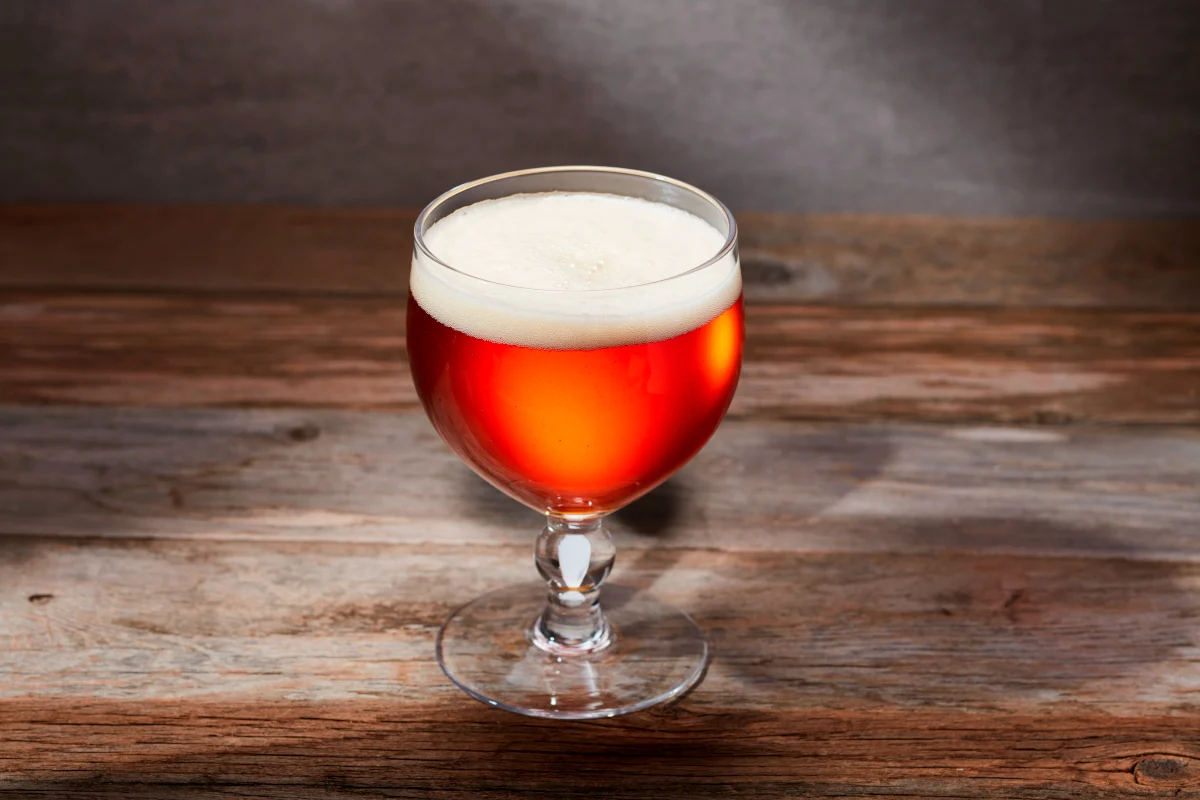

The pursuit of the perfect copper ale represents one of the most technical challenges in the world of fermentation science, requiring a delicate balance between malt-forward complexity and the crisp, clean finish characteristic of world-class lagers. A recently detailed gold-medal-winning recipe and process provides a comprehensive blueprint for achieving this equilibrium, highlighting the precision required to succeed at the highest levels of competitive homebrewing. By examining the specifications, chemistry, and rigorous fermentation protocols of this award-winning profile, one gains insight into the evolving standards of the American Homebrewers Association (AHA) and the broader craft beer movement.
Technical Specifications and Style Alignment
The brewing profile for this copper ale is built upon a foundation of moderate gravity and calculated bitterness, designed to maximize drinkability without sacrificing character. With an Original Gravity (OG) of 1.049 (12.2°P) and a Final Gravity (FG) of 1.011 (2.7°P), the beer achieves a final Alcohol by Volume (ABV) of 5%. This specific gravity range places the beverage firmly within the sessionable category, making it an ideal candidate for traditional European-style amber lagers or refined American ambers.
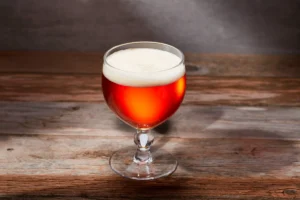
The bitterness-to-gravity ratio is meticulously controlled, featuring an International Bitterness Unit (IBU) count of 20. When paired with the 1.049 OG, this creates a balanced profile where the hops provide a structural backbone rather than a dominant flavor profile. Visually, the beer targets a Standard Reference Method (SRM) of 11, resulting in the deep copper-to-amber hue that gives the style its name. The efficiency rating of 68% suggests a focus on quality over sheer sugar extraction, a common trait among brewers who prioritize the integrity of the grain bed and the prevention of astringency.
Water Chemistry and Pre-Mash Preparation
The brewing process begins with the fundamental building block of beer: water. The use of Reverse Osmosis (RO) water is a critical strategic choice, providing a "blank slate" that allows the brewer to reconstruct the mineral profile from the ground up. This approach is essential for achieving the specific mash pH of 5.3, which is the optimal window for enzymatic activity.
Brewing salts are added to the strike water to reach a precise profile, likely favoring a balanced ratio of calcium chloride to calcium sulfate. In copper ales, a slight leaning toward chloride can enhance the roundness of the malt, while the sulfate ensures a crisp finish. By treating the water before it ever touches the grain, the brewer ensures that the enzymes responsible for converting starches into fermentable sugars—alpha and beta amylase—operate at peak efficiency.
The Hochkurz Mash Schedule: A Traditional Approach
One of the most notable features of this award-winning process is the utilization of the Hochkurz mash schedule. This traditional German technique, which translates to "high-short," is designed to optimize the fermentability and body of the wort through targeted temperature rests.
The schedule begins with a mash-in at 146°F (63°C), held for 20 minutes. This temperature is the sweet spot for beta-amylase, the enzyme that breaks down complex starches into maltose, a highly fermentable sugar. This initial rest ensures a dry finish and prevents the beer from becoming cloying. Following this, the temperature is increased to 156°F (69°C) for 35 minutes. At this higher range, alpha-amylase becomes more active, creating unfermentable dextrins that contribute to the beer’s mouthfeel and head retention.
The mash concludes with a mash-out at 168°F (76°C). This final increase in temperature serves two purposes: it denatures the enzymes to lock in the sugar profile and reduces the viscosity of the wort, facilitating a more efficient sparge and rinse of the grain bed.
The 90-Minute Boil and Hop Utilization
While many modern recipes utilize a 60-minute boil, this gold-medal profile calls for a 90-minute duration. The extended boil time is a calculated decision often employed to drive off Dimethyl Sulfide (DMS) precursors, which are more prevalent in the pale and Pilsner malts frequently used in copper ales. Additionally, the longer boil encourages the Maillard reaction, a form of non-enzymatic browning that adds subtle notes of toasted bread and caramel, deepening the complexity of the copper color.
Bitterness is provided by Magnum hops added at the 60-minute mark. Magnum is prized for its high alpha acid content and its "clean" bitterness, which lacks the harshness sometimes found in other high-alpha varieties. At 10 minutes remaining, a Whirlfloc tablet—a kettle fining agent derived from seaweed—is added to help coagulate proteins, ensuring the final product possesses the brilliant clarity required for competition-grade beers.
Fermentation Kinetics and the Diacetyl Rest
The "cold side" of the brewing process is where the copper ale truly takes shape. The wort is chilled to a precise 50°F (10°C) before being oxygenated. This low temperature is vital for suppressing the production of esters and fusel alcohols, which can muddy the clean profile of the ale. The addition of Servomyces, a zinc-enriched yeast nutrient, provides the essential minerals needed for a healthy fermentation in the nutrient-scarce environment of a 1.049 OG wort.
The fermentation timeline is broken into three distinct phases:
- Primary Fermentation: Held at 50°F (10°C) for five to seven days, during which the majority of sugar conversion occurs.
- Free Rise and Diacetyl Rest: The temperature is allowed to naturally rise to 58°F (14°C) and held for seven days. This rise encourages the yeast to reabsorb diacetyl, a fermentation byproduct that can produce unwanted buttery flavors.
- Cold Crashing and Lagering: After passing a forced diacetyl test (a sensory analysis method where a sample is heated to check for hidden precursors), the temperature is gradually reduced by 2–4°F per day until it reaches 35–37°F (2–3°C).
This slow descent in temperature is crucial for the "lagering" process, allowing yeast and proteins to settle out of suspension, resulting in a stable and clear beer.
Conditioning, Clarification, and Carbonation
The final stages of production focus on refinement. Once the beer has reached its target cold temperature, it is transferred to a keg or secondary vessel. To achieve the "bright" appearance associated with gold-medal winners, gelatin is added as a fining agent. Gelatin carries a positive charge that attracts negatively charged yeast and proteins, dragging them to the bottom of the vessel.
The beer is then carbonated to 2.6 volumes of CO2. This level of carbonation is slightly higher than average, providing a lively effervescence that helps "lift" the malt aromatics to the nose and cleanses the palate between sips. The combination of gelatin fining and precise carbonation results in a professional-grade presentation that meets the rigorous standards of the National Homebrew Competition judges.
Historical Context and Competitive Standards
The National Homebrew Competition, organized by the American Homebrewers Association, has served as the ultimate testing ground for amateur brewers since its inception in 1978. Winning a gold medal in this arena is a significant achievement, often serving as a precursor to a career in professional brewing.
Over the decades, the standards for "Copper Ale" categories have shifted. What was once a broad catch-all for amber-colored beers has become a highly technical field where judges look for flawless execution of traditional styles. The recipe analyzed here reflects a move toward "cleaner" profiles, where the mastery of temperature control and water chemistry is just as important as the choice of ingredients.
Analysis of Implications for the Craft Industry
The level of detail provided in this brewing protocol highlights the narrowing gap between homebrewing and professional craft brewing. Techniques once reserved for large-scale production facilities—such as Hochkurz mashing, forced diacetyl testing, and RO water reconstruction—are now standard practice for elite hobbyists.
This democratization of brewing science has had a profound impact on the craft beer industry. Many of the innovations in the market today, from the resurgence of traditional lagers to the exploration of specialized water profiles, have their roots in the experimental kitchens of homebrewers. When a recipe like this gold-medal copper ale is shared, it serves as an educational tool that raises the "flavor floor" of the entire community, pushing both amateurs and professionals to refine their craft.
In conclusion, the success of this copper ale is not the result of a secret ingredient, but rather the result of meticulous process control. From the 5.3 pH mash to the controlled 2-degree daily temperature drop during lagering, every step is designed to minimize off-flavors and maximize the expression of the malt and hops. For the enthusiast, it provides a masterclass in the intersection of chemistry, biology, and culinary art. For the industry, it stands as a testament to the sophisticated state of modern brewing.