
For many home bakers, the quest for the perfect sourdough loaf often centers on achieving a desirable level of tang. This characteristic sourness, a hallmark of naturally leavened bread, can range from a subtle whisper to a bold, assertive punch. Understanding the intricate interplay of time, temperature, and the microorganisms within a sourdough starter is key to mastering this crucial element of flavor. This comprehensive guide delves into the science and practical techniques that allow bakers to precisely control the sourness in their sourdough creations, ensuring every loaf is tailored to their individual preference.
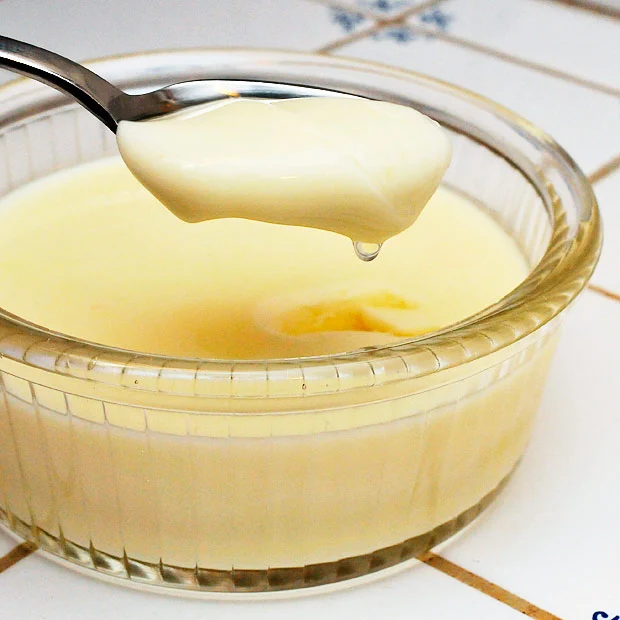
The journey to controlling sourdough sourness begins with an appreciation for its origins. The distinctive tang is not a singular entity but rather the product of two primary organic acids produced during fermentation: lactic acid and acetic acid. Lactic acid contributes a smooth, mild, almost yogurt-like sourness, lending a creamy quality to well-executed sourdough. In contrast, acetic acid, the same compound found in vinegar, offers a sharper, more pungent, and assertive bite. Acetic acid’s higher vapor pressure means it’s also the acid responsible for the characteristic vinegary aroma often associated with active sourdough starters.
These acids are produced by lactic acid bacteria (LAB) within the starter. The ratio and quantity of these acids are highly sensitive to environmental conditions, particularly pH. As the bacteria ferment sugars, they produce acid, which in turn lowers the dough’s pH. This decreasing pH eventually acts as a brake on bacterial activity, creating a self-limiting process. Bakers can manipulate this delicate balance by controlling factors such as temperature, time, flour composition, and starter management.
The Science of Sourdough Sourness: A Deeper Dive
The microbial ecosystem within a sourdough starter is a complex dance between wild yeasts and bacteria. While yeasts are primarily responsible for leavening, it is the bacteria, particularly LAB, that are the architects of sourness. These bacteria thrive in an environment that is slightly acidic, but as they produce lactic and acetic acids, the pH of the starter and subsequently the dough begins to drop.
- Lactic Acid: Produced by Lactobacillus species, lactic acid is a milder acid that contributes to the smooth, tangy flavor profile of sourdough. It is generally produced more readily at warmer temperatures.
- Acetic Acid: Produced by Acetobacter and some Lactobacillus species, acetic acid is a sharper, more pungent acid. Its production is favored by cooler temperatures and lower hydration levels in the starter or dough.
The interplay between these acids is crucial. A bread with a dominant lactic acid profile will have a rounder, more mellow sourness, while a bread with a higher proportion of acetic acid will present a more pronounced, vinegar-like tang. Understanding these fundamental differences allows bakers to strategically influence the final flavor.
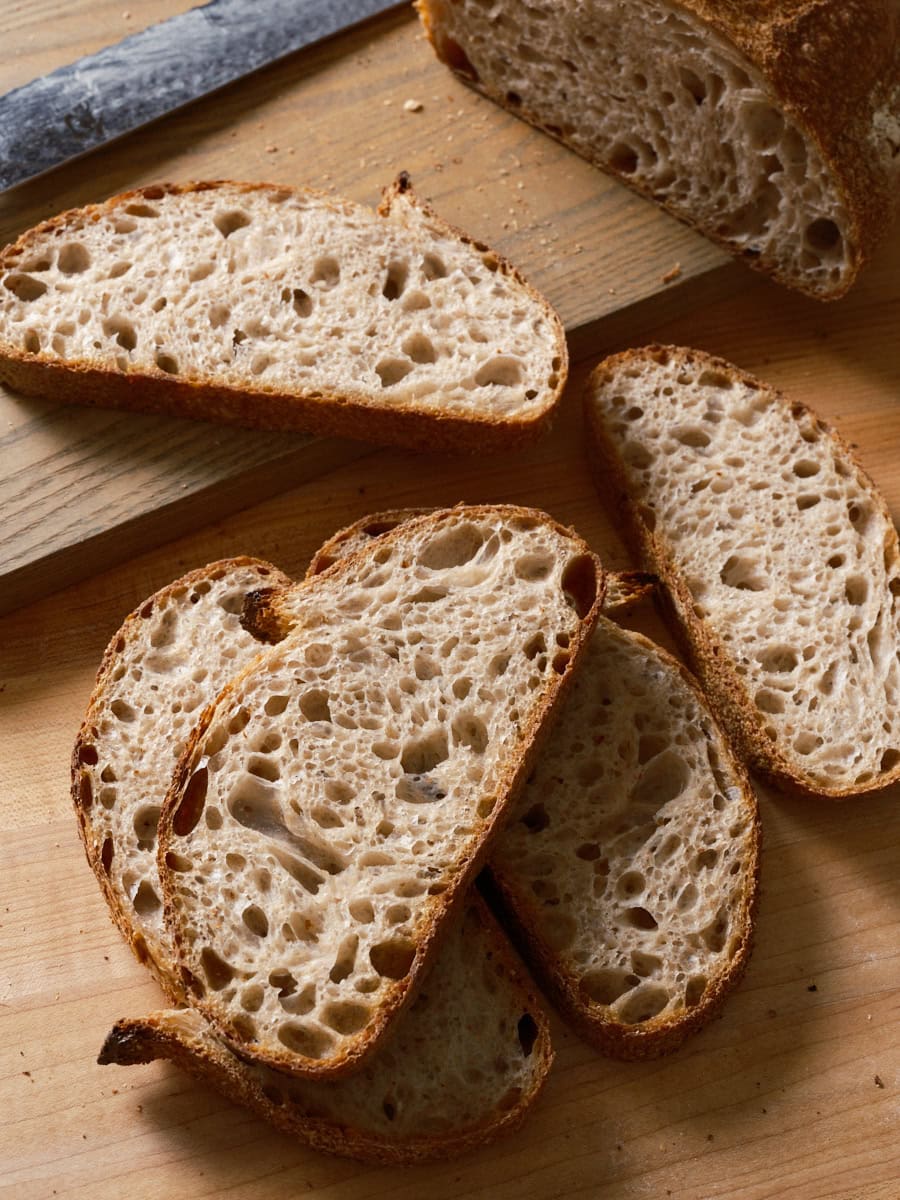
Furthermore, the buffering capacity of the flour plays a significant role. Minerals present in flour, particularly in whole grains, act as natural buffers, absorbing some of the acid produced by bacteria. This allows for a greater accumulation of acid before the pH becomes inhibitory to bacterial activity. Consequently, flours with higher ash content, such as whole wheat and rye, tend to promote more pronounced sourness.
Strategies to Amplify Sourdough Sourness
For bakers seeking a more assertive tang in their sourdough, several techniques can be employed at various stages of the breadmaking process.
1. Utilizing a Ripe Starter
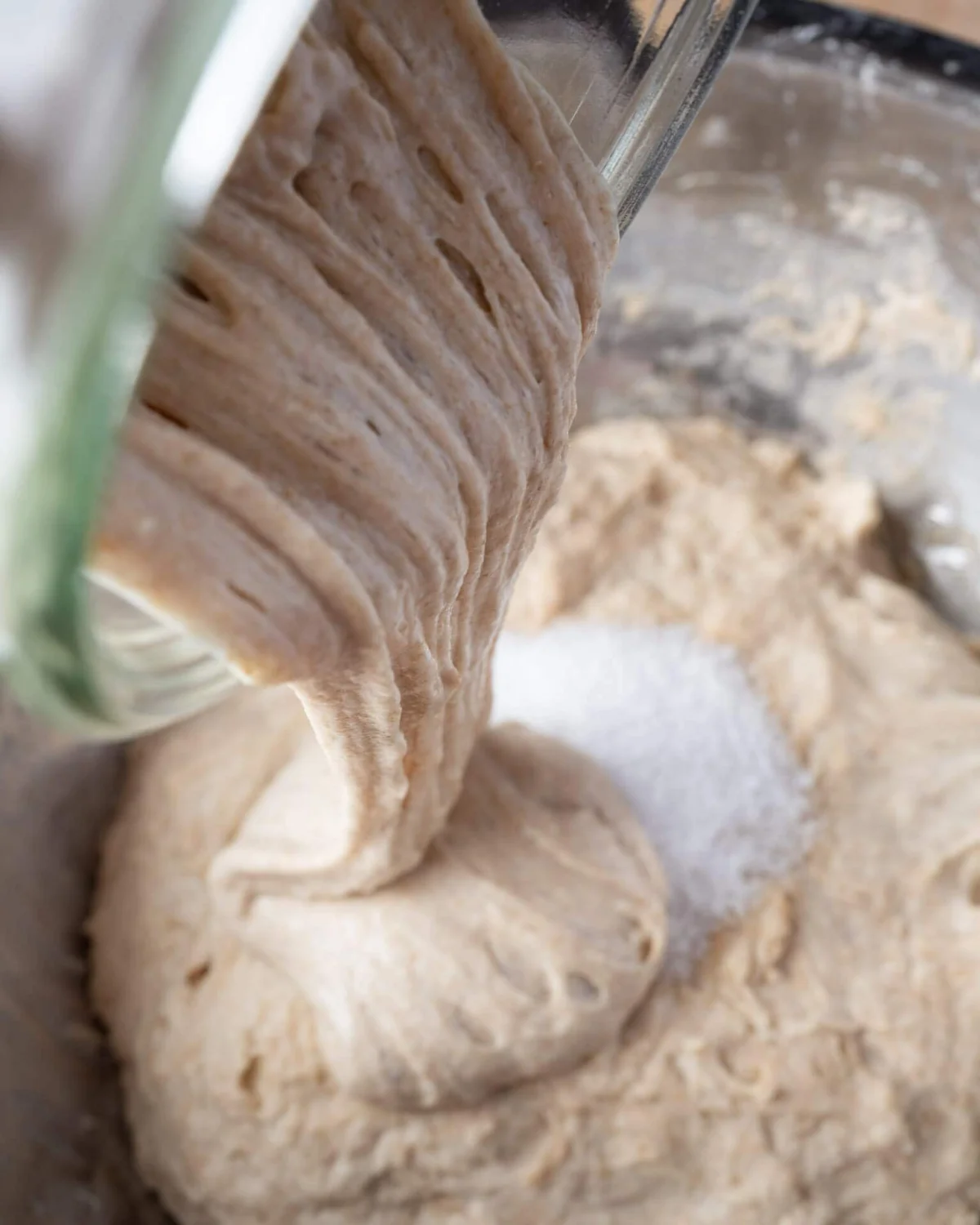
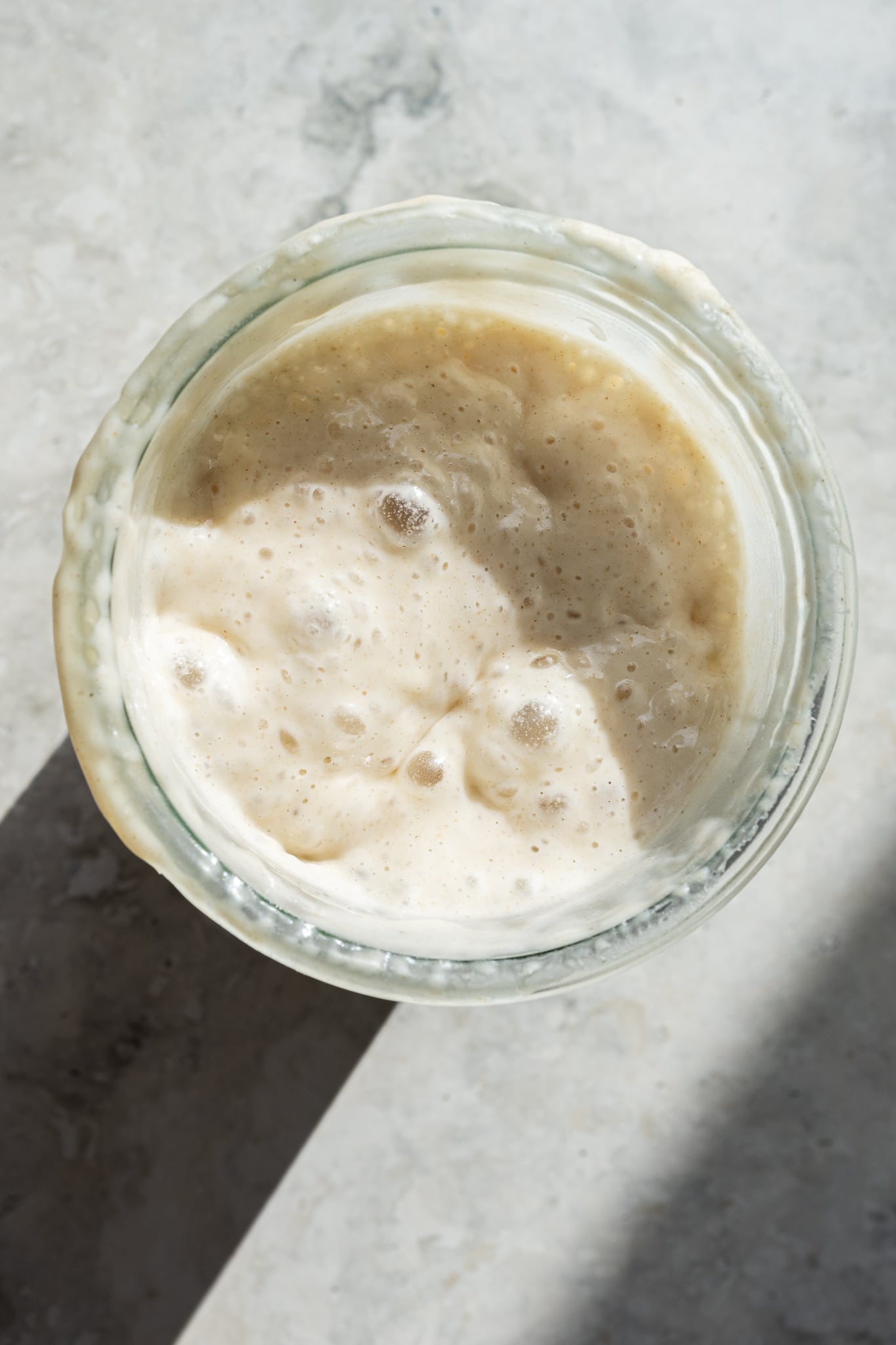
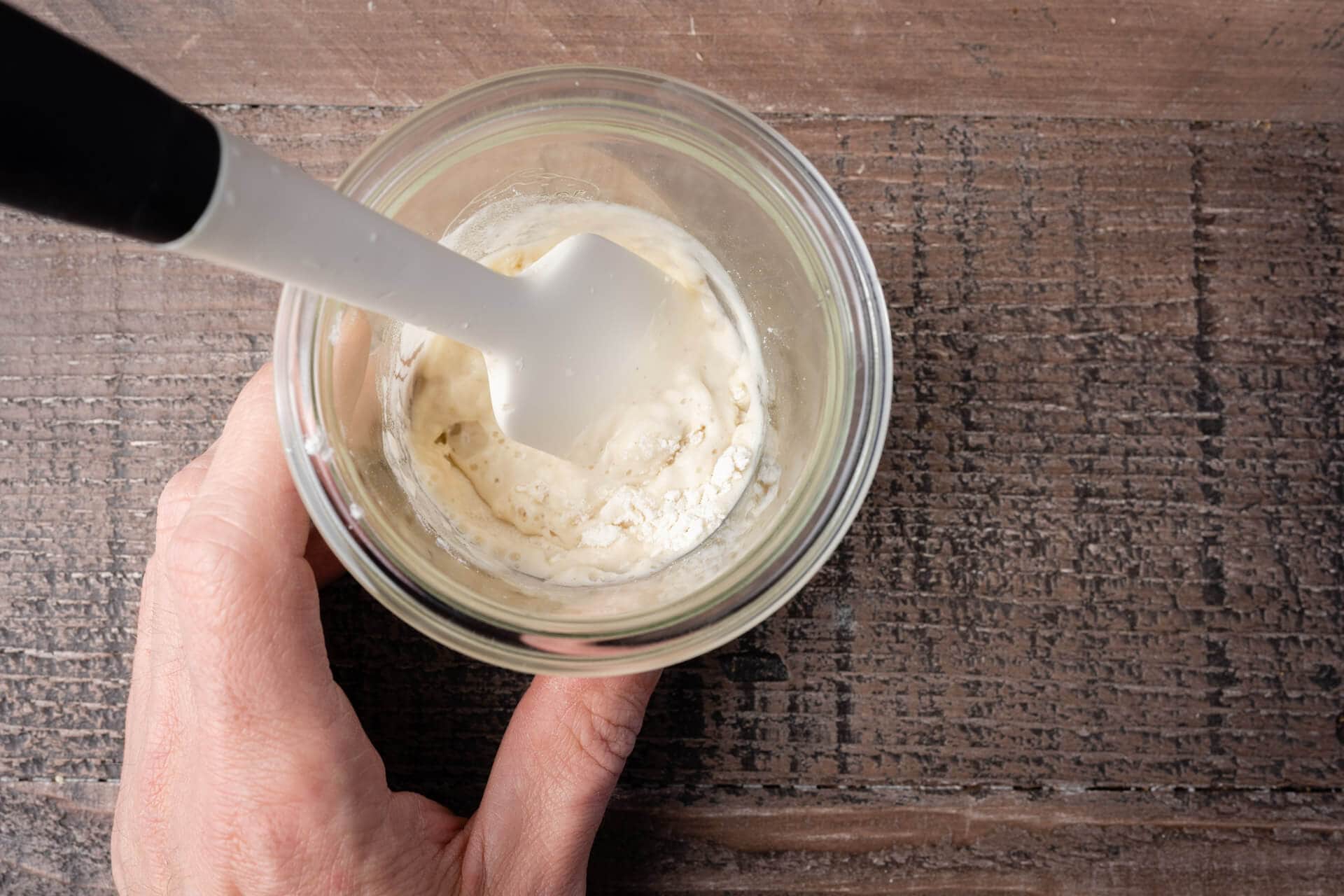
The ripeness of the starter used to build the levain is a critical factor. A starter that has passed its peak ripeness—characterized by a collapsed structure, a strong sour aroma, a loose consistency, and abundant visible bubbles both on the surface and sides—has already accumulated significant acidity. Incorporating such a starter into a levain will transfer this accumulated acidity to the final dough, resulting in a more sour loaf. Observing the starter’s behavior is key; using it when it’s still actively rising and has a mild aroma will yield a milder bread, while letting it ferment longer past its peak will enhance sourness.
2. Extending the Cold Proof (Retardation)
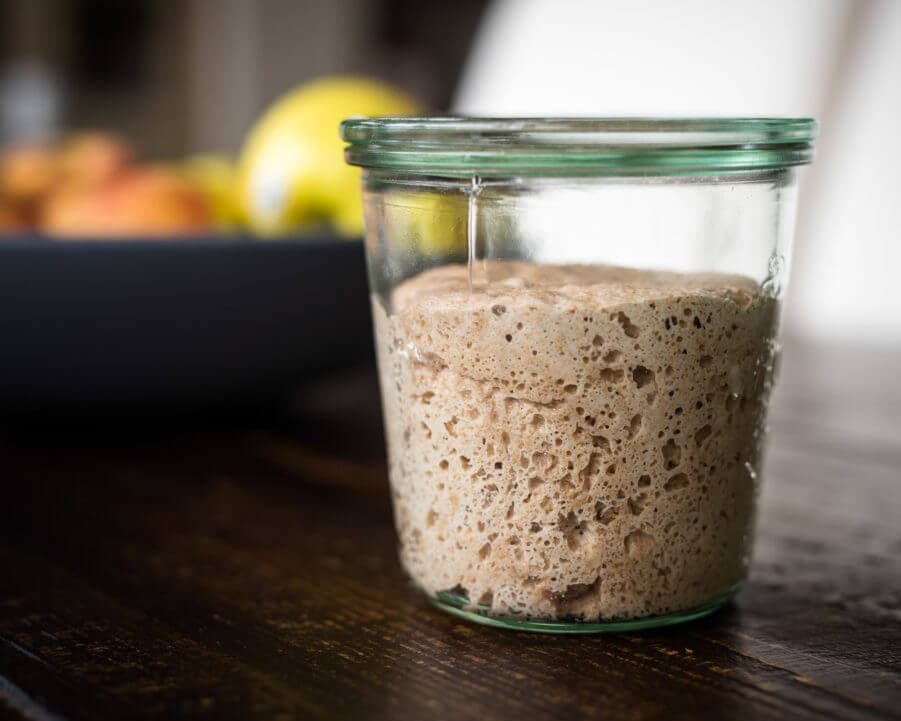
Perhaps the most reliable method for developing pronounced sour flavor is through an extended cold proof. Refrigerating the dough significantly slows down yeast activity while having a less pronounced effect on bacterial fermentation. This allows lactic acid bacteria to continue producing acids over an extended period, typically 24 to 48 hours or even longer. During this time, yeasts continue to release sugars that bacteria preferentially use for acetic acid production. The result is a dual benefit: a greater overall accumulation of acids and a higher proportion of acetic acid, contributing to a sharper, more vinegary tang. While beneficial for flavor, it’s important to note that overly long cold proofs can compromise gluten structure, potentially reducing oven spring.
3. Employing a Stiff Levain
The hydration level of the levain also influences acid production. A stiffer levain, typically with 50-65% hydration, tends to favor acetic acid production. This is because lower hydration levels can slow bacteria more significantly than yeast, creating an imbalance that promotes the development of sharper acids. However, it’s crucial to combine this with sufficient ripening time. A stiff levain, when allowed to ferment for an adequate duration, can lead to a more pronounced tang. This contrasts with liquid levains (100% hydration or higher), which generally produce a smoother, less aggressive sourness.
4. Increasing Whole Grain Flour Content
The mineral content, or ash, in whole grain flours acts as a natural buffer, allowing for greater acid accumulation before bacterial activity is inhibited. Rye flour, in particular, is highly effective at increasing sourness, even in small percentages. Incorporating 20-40% whole wheat or rye flour into the dough can noticeably enhance the tang. For instance, a 100% whole wheat sourdough loaf will exhibit a more pronounced sourness compared to one made with primarily white flour, with the addition of rye amplifying this effect further.
5. Fermenting at Warmer Temperatures
Warmer dough temperatures, ideally between 78-82°F (25-28°C), encourage greater overall bacterial activity. While the optimal growth temperature for many sourdough bacteria is around 89-91°F (32-33°C), maintaining a warm dough environment keeps them within their preferred range, leading to increased total acid production. For those seeking a rounder, lactic-dominant sourness, warmer fermentation is key. Conversely, cooler temperatures, while slowing overall acid production, can shift the balance towards acetic acid.
6. Using a Smaller Levain Percentage
Counterintuitively, a smaller levain percentage can lead to a more sour loaf. A large, overripe levain introduces a significant amount of acid into the dough from the outset, causing the pH to drop rapidly. Since bacteria are sensitive to low pH, their growth and subsequent acid production are curtailed. A smaller levain, on the other hand, starts the dough at a higher pH, allowing bacteria more time to ferment and accumulate acid gradually. This approach necessitates longer fermentation times but can result in greater overall acid production.
Techniques for Milder Sourdough Sourness
For bakers who prefer a subtler sourness, a different set of adjustments can be made.
1. Maintaining a Well-Fed Starter
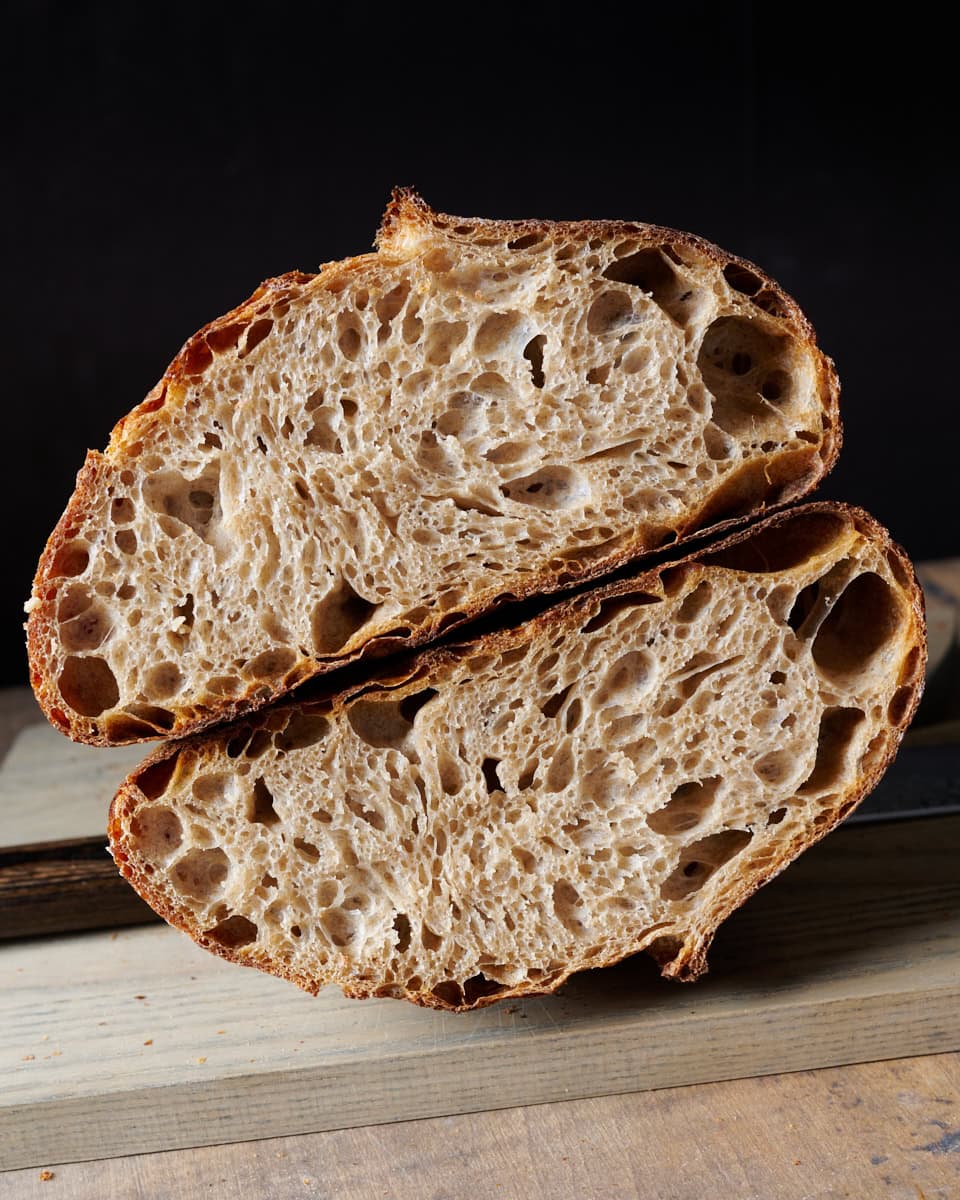
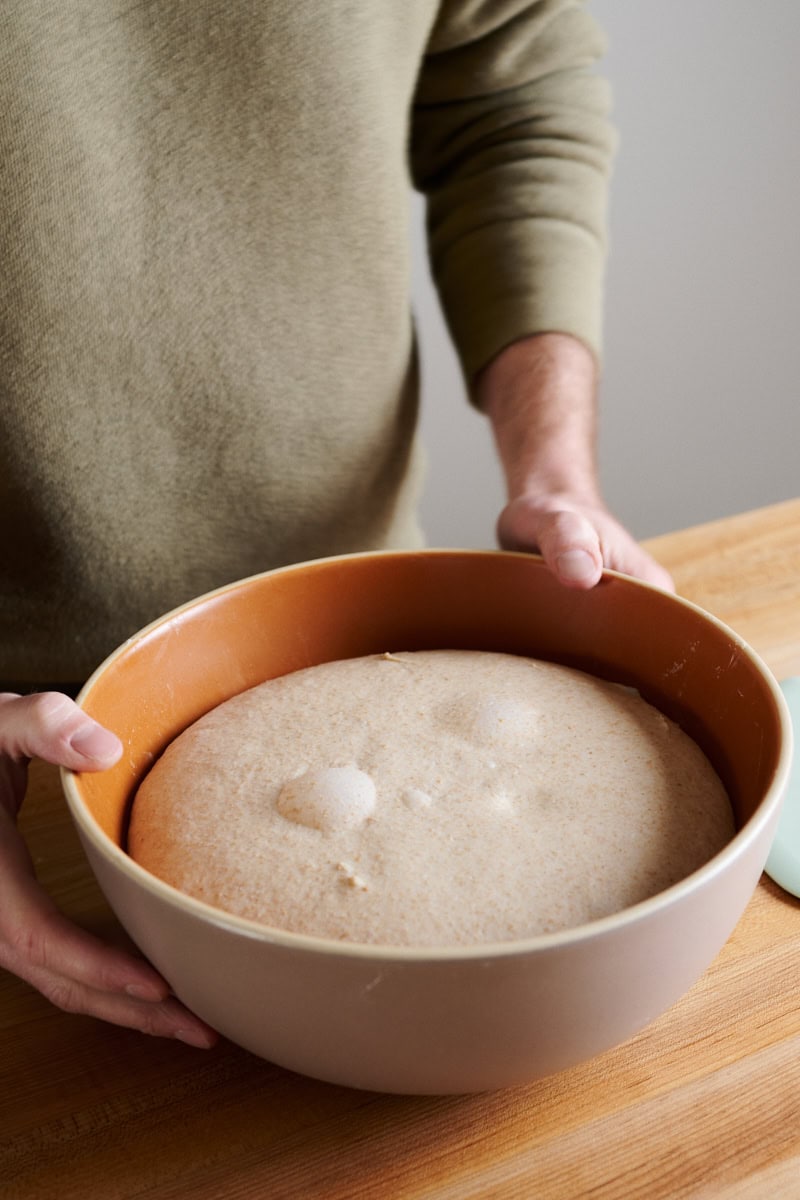
The most straightforward way to achieve a milder sourdough is to maintain a healthy, frequently fed starter. Regular feeding dilutes accumulated acids and provides fresh nutrients for yeast and bacteria. A starter at its peak ripeness—risen, bubbly, and dome-shaped—has consumed its food but has not yet produced excessive acid. Using such a starter for the levain will result in a milder flavor profile in the final bread.
2. Utilizing a Young Levain
A "young" levain, one that has risen but has not reached its absolute peak ripeness, will contribute less acid to the dough. This type of levain, often described as a "booster levain," prioritizes yeast activity over significant acid development. A 1:1:1 ratio of starter, flour, and water, fermented at a warm temperature for 3-4 hours until visibly risen with some bubbles, is ideal for this purpose. This approach is particularly effective for applications like sourdough pizza, where a less aggressive tang is desired.
3. Shortening the Cold Proof
Reducing the duration of the cold proof is a direct method to lessen sourness. Instead of an overnight (12-16 hour) proof, opt for 10-12 hours. Alternatively, skipping the cold proof entirely and opting for a room-temperature proof until the dough passes the "poke test" will yield a bread with a milder, more grain-forward flavor.
4. Employing a Liquid Levain
Liquid levains, typically at 100% hydration, tend to promote lactic acid production, resulting in a smoother, less sharp sourness. This is the preferred method for many bakers seeking a balanced sourdough flavor without an overpowering tang.
5. Fermenting at Cooler Temperatures
While cooler temperatures can favor acetic acid production, they also significantly slow bacterial activity, leading to less total acid accumulation. A shorter, cooler bulk fermentation followed by a reduced proofing time can result in a milder loaf. Careful monitoring is necessary to avoid underproofing.
6. Using a Larger Levain Percentage
As previously mentioned, a larger levain can lead to a more acidic starting pH in the dough. This rapid decrease in pH can limit the bacteria’s ability to produce further acid, resulting in a milder overall sourness if the fermentation time is also adjusted accordingly. This is a nuanced technique that requires careful observation of the dough’s development.
Addressing Common Sourdough Sourness Concerns
Does a longer cold proof make bread more sour?
Yes, extended cold proofing significantly increases sourness. The differential slowing of yeast and bacteria in cold environments favors the production of acetic acid, leading to a more pronounced tang. However, overly long cold proofs can compromise dough structure and oven spring.
Does using more starter or levain increase sourness?
The relationship is more complex than a simple correlation. While a larger percentage of pre-fermented flour introduces more acid, it also rapidly lowers the dough’s pH, which can inhibit further bacterial activity. Therefore, other factors like flour choice, temperature, and total fermentation time are more influential in determining overall sourness.
Why does my bread have no tang at all?
Several factors can contribute to a lack of tang:
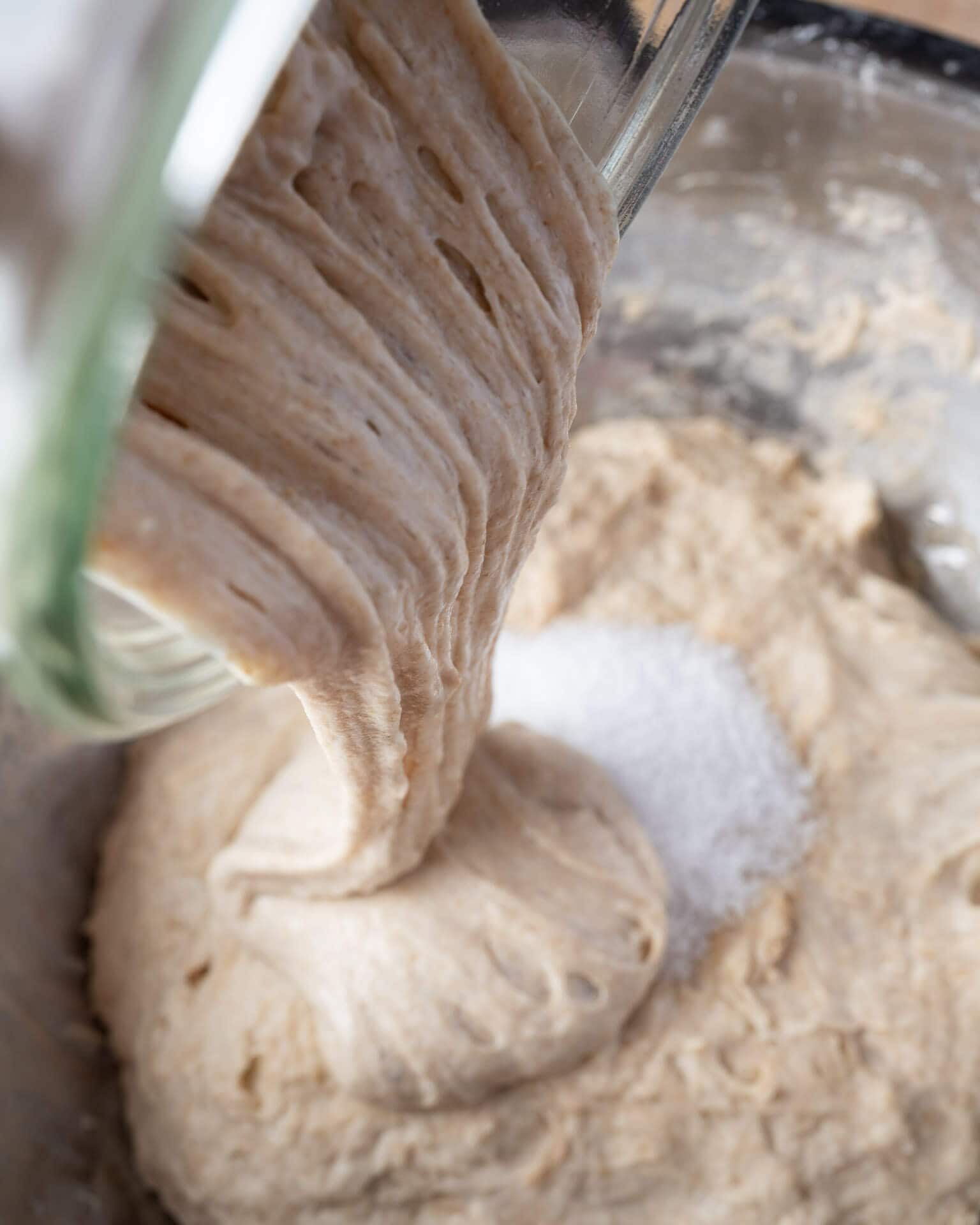
- Immature Starter: A starter younger than 2-3 weeks may not have a well-established bacterial population capable of producing significant acid.
- Young Levain: Using the levain before it has fully ripened means insufficient acid development.
- Short Fermentation: Rushing through bulk fermentation and proofing limits the time for acid accumulation.
- Warm Kitchen: Rapid fermentation in a hot environment can lead to underdevelopment of flavor.
- Predominantly White Flour: Low-ash white flours have limited buffering capacity, hindering significant acid production.
Conclusion: The Art of Sourdough Acidity
The control over sourdough sourness is a testament to the baker’s craft. By understanding the scientific principles governing microbial activity and acid production, bakers can intentionally manipulate variables to achieve their desired flavor profile. Whether aiming for a bold, mouth-puckering tang or a subtle, nuanced acidity, experimentation and careful observation are paramount. Ultimately, the "correct" level of sourness is subjective, dictated by personal preference and the joy of creating a truly bespoke loaf.