
This stark revelation underscores the profound and debilitating impact of Irritable Bowel Syndrome (IBS) on individuals worldwide. A comprehensive study involving nearly 2,000 people living with IBS brought this desperate sentiment to light, highlighting a condition often misunderstood and underestimated by those unaffected. The findings are not isolated; in related research, patients suffering from IBS indicated a willingness to accept a medicine carrying a one percent risk of sudden death if it promised an immediate and permanent resolution to their symptoms. These symptoms, which can range from urgent, unpredictable bouts of diarrhea and excessive gas to persistent, painful constipation and severe abdominal cramps, paint a picture of relentless physical and emotional distress.
The Unseen Burden: Living with IBS
For many, IBS is more than just a digestive inconvenience; it’s a life-altering disorder that dictates daily routines and limits personal freedoms. Sufferers frequently describe abdominal pain so intense it surpasses the agony of childbirth, crippling their ability to concentrate, disrupting precious sleep, and severely diminishing work productivity. The unpredictable nature of flare-ups, which can last for hours or even weeks, forces many to meticulously plan their lives around the availability of private, clean restrooms. This constant anxiety and fear of a sudden, public episode lead countless individuals to avoid social gatherings, restaurants, and even exercising in public, isolating them from activities that contribute to a healthy, fulfilling life.
This pervasive worry has been formally recognized as gastrointestinal-specific anxiety, a condition that profoundly affects social relationships and overall well-being. It is a primary factor contributing to the reported lower quality of life among people with IBS compared to those managing other chronic conditions, including heart disease, diabetes, and even end-stage kidney disease. The psychological toll is immense, often leading to a vicious cycle where anxiety exacerbates physical symptoms, and physical symptoms fuel further anxiety.
Navigating IBS: Pathways to Management and Hope
Despite the formidable challenges, there is growing hope and an expanding array of strategies for managing IBS. Health professionals and coaches are increasingly equipped to guide individuals toward a more stable and comfortable life. PN Super Coach Sarah Maughan, certified through Monash University – a global leader in understanding the intricate link between food sensitivities and IBS – has observed firsthand how targeted lifestyle adjustments can significantly prevent flare-ups, alleviate GI anxiety, and empower individuals to reclaim their desired lives. "My hope is for everyone with IBS to know they have options, whether that’s turning to a physician for medication and/or a health coach to learn about lifestyle changes and how to put them into action," Maughan states, emphasizing a multi-modal approach.
This article will delve deeper into understanding IBS, exploring its nature, symptoms, and potential causes. We will also outline evidence-based strategies for relief and discuss the crucial role of health coaching in implementing these changes effectively and safely within a professional scope of practice. Readers will gain insights into:
- The contemporary medical understanding of IBS.
- Common symptoms and diagnostic pathways.
- Lifestyle interventions that offer significant relief.
- How dietary adjustments, including elimination diets, can be utilized.
- The ethical framework for health coaches supporting clients with IBS.
Understanding Irritable Bowel Syndrome: A Modern Perspective
Often colloquially referred to as "spastic colon," IBS stands as the most commonly diagnosed digestive disorder globally, affecting an estimated 14 percent of adults. Its widespread prevalence, however, belies a complex and often misunderstood pathology. Crucially, IBS differs significantly from inflammatory bowel diseases (IBD) such as Crohn’s disease and ulcerative colitis. Unlike IBD, IBS does not involve structural changes or damage to the gut architecture. When diagnostic imaging or endoscopic procedures are performed, healthcare professionals typically find no evidence of infection, inflammation, or visible bowel wall damage, which historically led to considerable confusion and misdiagnosis.
For many years, this absence of visible disease prompted some medical professionals to incorrectly assume that IBS was purely psychological in origin, attributing symptoms solely to stress or anxiety. However, scientific understanding has evolved dramatically. Experts now unequivocally classify IBS as a functional neuro-gastrointestinal disorder. This designation acknowledges a fundamental disruption in the intricate communication network between the gastrointestinal tract and the brain, known as the gut-brain axis. In individuals with IBS, this communication pathway does not function optimally, leading the brain to misinterpret or amplify pain signals from the gut and interfere with normal bowel motility and function.
The Spectrum of IBS Symptoms
The clinical presentation of IBS is highly variable, making diagnosis challenging and personalizing treatment essential. Symptoms can manifest episodically, with individuals experiencing periods of complete relief lasting months or even years, only to be struck by a severe flare-up that can persist for hours to weeks. Furthermore, no two individuals with IBS experience the exact same constellation of symptoms. The primary indicators generally include abdominal pain or cramping, often relieved by a bowel movement; alterations in stool consistency and frequency, manifesting as constipation (IBS-C), diarrhea (IBS-D), or an alternating pattern of both (IBS-M); excessive gas and bloating; the presence of mucus in stools; and a sensation of incomplete bowel evacuation. This broad and often overlapping range of symptoms necessitates careful assessment by a healthcare professional.
Unraveling the Causes of IBS
The precise etiology of IBS remains an active area of research, but several compelling theories explain the observed functional differences in the guts of affected individuals.

One prominent hypothesis centers on the concept of visceral hypersensitivity, suggesting that the nerve endings within the GI tract of people with IBS are excessively sensitive. This heightened sensitivity can lead to two primary sets of symptoms:
- Amplified Pain Perception: Hypersensitive nerves transmit exaggerated pain signals to the brain, causing individuals with IBS to acutely perceive normal digestive processes that others would not notice. For example, the movement of tiny gas bubbles, typically imperceptible, can cause intense discomfort or severe pain for someone with IBS.
- Dysregulated Motility: Overreactive nerves can trigger the GI muscles to contract with excessive force, leading to rapid transit, gas, bloating, and diarrhea. Conversely, if these nerves underreact, the same muscles may not contract forcefully enough, slowing the passage of food through the intestine and resulting in constipation.
Another significant theory implicates disturbances in the gut microbiome, the vast ecosystem of bacteria and other microorganisms residing in the digestive tract. Research indicates that imbalances or alterations in the gut microbiome may contribute to IBS symptoms. This theory helps explain why some individuals develop IBS following a severe gastrointestinal infection, such as Norovirus or bacterial gastroenteritis, a phenomenon known as post-infectious IBS. Such infections can disrupt the delicate balance of the microbiome, leading to lasting functional changes.
Diagnosing IBS: A Crucial First Step
If you or a client suspects IBS, consulting a credentialed health professional is paramount. The symptoms of IBS can overlap considerably with those of other serious gastrointestinal diseases and health conditions that demand specific medical interventions, including medication, surgery, or medically supervised lifestyle modifications. These conditions include infections, inflammatory bowel diseases (like Crohn’s and ulcerative colitis), celiac disease, certain cancers, and various food allergies. A thorough diagnostic process is essential to rule out these more severe pathologies.
It is particularly critical to seek immediate medical attention if any of the following "red flag" symptoms are observed: unexplained weight loss, rectal bleeding, iron deficiency anemia, fever, persistent severe pain not relieved by a bowel movement, or symptoms that develop for the first time after age 50. These signs may indicate conditions more serious than IBS and require urgent medical evaluation.
Beyond ruling out other GI conditions, a healthcare professional will conduct a detailed interview about the patient’s symptoms, medical history, and lifestyle. This comprehensive information is crucial for pinpointing the specific IBS "type," which guides subsequent treatment recommendations:
- IBS with Diarrhea (IBS-D): Characterized by frequent loose or watery stools.
- IBS with Constipation (IBS-C): Marked by infrequent, hard, or lumpy stools.
- IBS with Mixed Bowel Habits (IBS-M): An alternating pattern of both diarrhea and constipation.
- IBS with Unspecified Bowel Habits (IBS-U): When symptoms do not clearly fit into the other categories.
The identified IBS type directly informs the healthcare professional’s recommendations. For instance, IBS-D might be managed with a short course of antibiotics, antidiarrheal medications, or specific gut-modulating drugs. Conversely, IBS-C often benefits from fiber supplements, non-habit-forming laxatives, or medications designed to increase intestinal fluid secretion and regulate bowel movements. Addressing the pain component often involves nerve-modulating medications or therapies targeting the gut-brain axis.
Preparing for a Medical Appointment: Your Pre-Appointment Checklist
To maximize the effectiveness of a medical consultation, individuals can actively prepare. A healthcare professional will likely inquire about specific aspects of symptoms and lifestyle. Considering responses to the following questions beforehand can streamline the diagnostic process:
- When did your symptoms begin?
- How often do you experience symptoms?
- What seems to trigger your symptoms?
- What makes your symptoms better or worse?
- What is your typical diet?
- What medications, supplements, or herbal remedies are you currently taking?
- Do you have any family history of digestive disorders?
- How do your symptoms affect your daily life and emotional well-being?
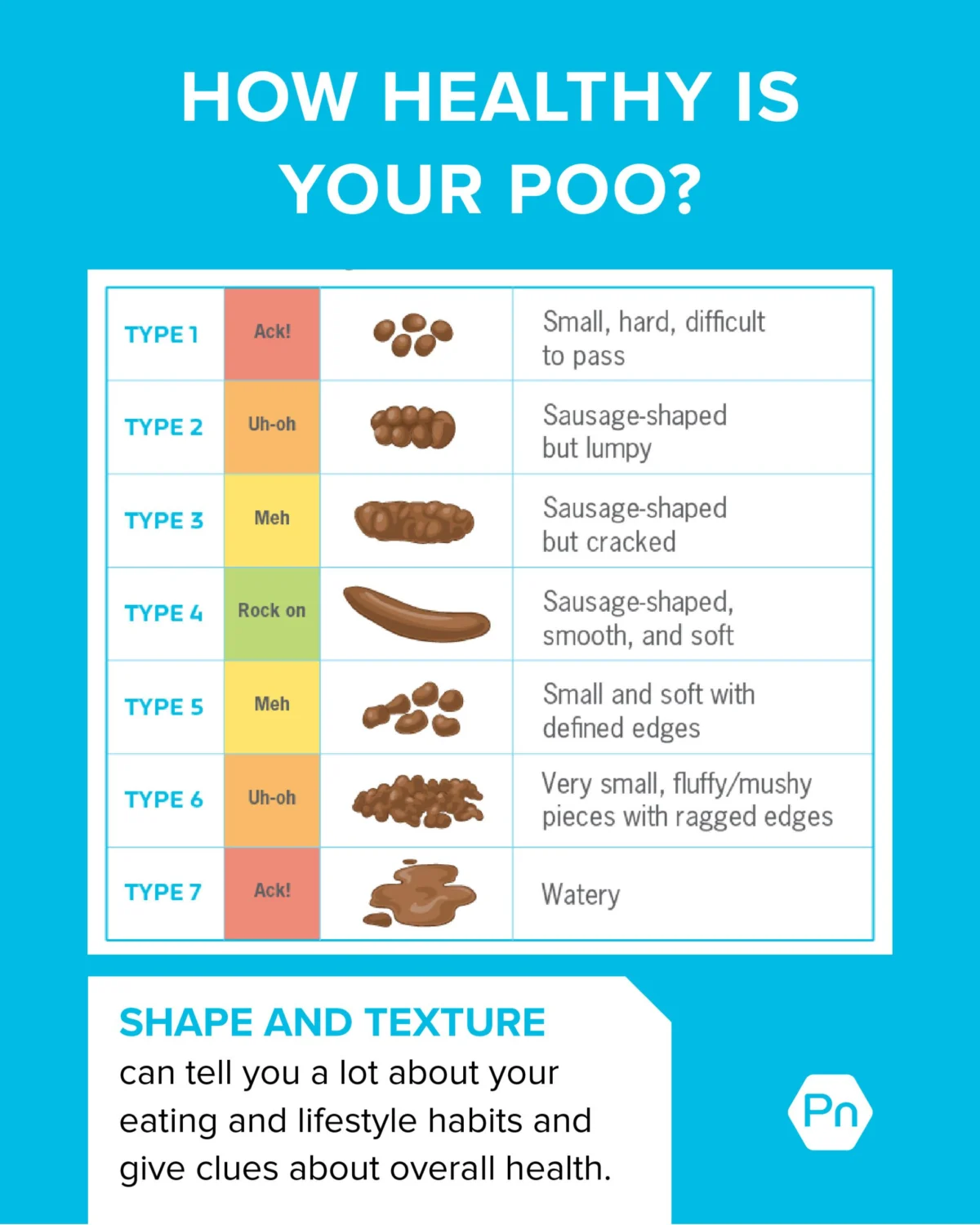
Another invaluable preparation strategy, though perhaps initially uncomfortable, is to engage in a "poo diary." For a couple of weeks leading up to the appointment, track the frequency of bowel movements and other related symptoms. Utilize the Bristol Stool Chart to accurately document the quality and form of stool. This objective data provides critical insights for the healthcare professional, aiding in the assessment of IBS and its specific type. The Bristol Stool Chart classifies stool into seven types, from Type 1 (separate hard lumps, severe constipation) to Type 7 (entirely liquid, severe diarrhea). People with IBS often experience stools corresponding to Type 1, 2, 6, or 7, or a fluctuating combination thereof. This detailed record helps paint a clearer picture of bowel function irregularities.
Five Evidence-Based Strategies to Support Bowel Health and Function
In recent years, the landscape of IBS management has expanded significantly. The U.S. Food and Drug Administration has approved several novel prescription medicines, alongside medical devices designed to modulate nerve activity. Concurrently, thousands of research papers have illuminated the powerful interaction between IBS and various lifestyle habits, yielding many promising findings. Here are five evidence-based approaches to mitigate IBS symptoms, many of which offer broader health benefits.
IBS Relief Strategy #1: Embrace Regular Exercise
Regular physical activity is a cornerstone of overall health, and its benefits extend significantly to managing IBS. Studies consistently show that individuals with IBS who engage in consistent exercise tend to experience fewer symptoms and less severe flare-ups compared to their sedentary counterparts. For instance, research has demonstrated that people with IBS who walked moderately for an hour three times a week reported significant relief from bloating and abdominal pain within just 12 weeks.
The precise mechanisms by which exercise alleviates IBS are still being fully elucidated. However, several theories prevail. Exercise is known to reduce stress and improve mental health, which in turn can positively influence the gut-brain axis, enhancing communication and reducing visceral hypersensitivity. Furthermore, physical activity may promote the growth of beneficial gut bacteria, contributing to a healthier microbiome, more efficient food breakdown, and decreased inflammation within the gut. Exercise also aids in regulating gut motility, which can be particularly helpful for both constipation and diarrhea-dominant IBS.
IBS Relief Strategy #2: Prioritize Stress Management
The intricate connection between the mind and gut means that stress, anxiety, and depression can profoundly impact IBS symptoms. These emotional states activate stress hormones such as norepinephrine (noradrenaline) and cortisol, which can:

- Increase gut motility, leading to diarrhea.
- Alter gut permeability, potentially worsening inflammation.
- Intensify pain signals from the gut to the brain.
- Shift the balance of gut microbiota.
Recognizing that stress is not a switch that can simply be turned off, effective stress management focuses on building resilience and changing one’s response to stressors. Simply telling oneself to "stop being stressed" is often counterproductive. Precision Nutrition-certified coaches, like Sarah Maughan, empower clients to focus on what lies within their sphere of control. This includes cultivating self-compassion, experimenting with nervous system regulators such as yoga, practicing mindful breathing exercises, and engaging in gentle forms of walking or meditation. By consciously managing their perceptions, responses, and anticipation of stressors, clients often experience a profound sense of calm and increased capability, even when external stressors remain.
IBS Relief Strategy #3: Cultivate Mindful Eating Habits
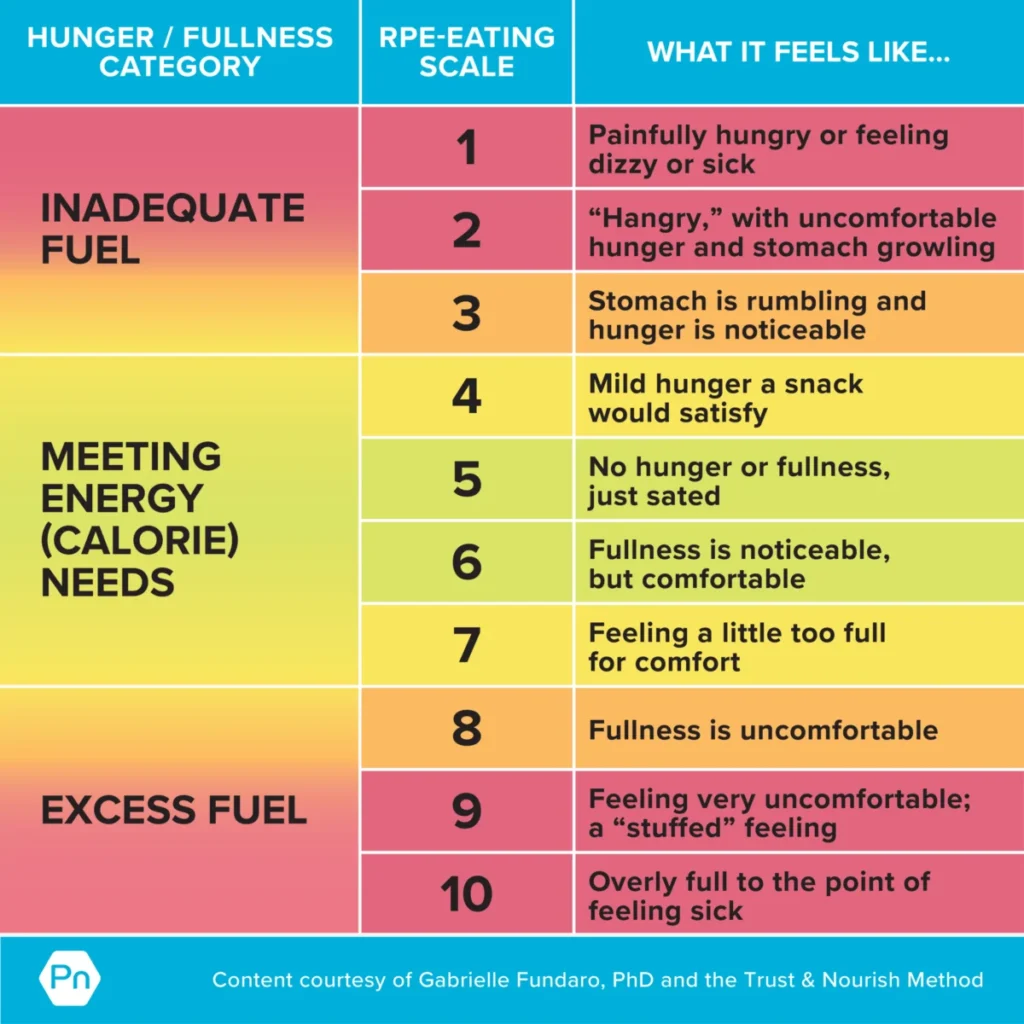
The long-standing advocacy by PN coaches for slower, more relaxed eating extends beyond weight management to encompass significant digestive benefits. A deliberate eating pace often translates to reduced or eliminated gastrointestinal complaints such as acid reflux, bloating, and pain.
Slower eating encourages more thorough chewing, which is the first step in mechanical digestion. This not only breaks food down into smaller, more manageable particles but also allows salivary digestive enzymes more time to begin the chemical breakdown of carbohydrates, easing the workload on the stomach and intestines. Moreover, consuming meals in a relaxed, undistracted environment helps to lower stress hormone levels. Reduced norepinephrine and cortisol during meals make it less likely for these hormones to intensify gut pain signals. This practice is particularly beneficial for individuals with busy lifestyles, such as young parents, who may find it challenging to eat peacefully.
IBS Relief Strategy #4: Address Sleep Disturbances
Sleep quality and IBS symptoms are intricately linked in a bidirectional relationship. Research indicates that people with IBS frequently experience shallower, less restorative, and more interrupted sleep patterns. This often leads to a paradoxical situation where individuals with IBS may sleep for more hours overall than those without the condition but still feel less rested and more fatigued.
Fatigue, in turn, can trigger a detrimental cycle. Insufficient restorative sleep tends to elevate stress hormone levels, which can exacerbate gut pain and other IBS symptoms. Furthermore, unrested individuals often report increased daytime hunger and intensified cravings for fats and sweets – precisely the types of foods more likely to trigger IBS flare-ups, and often consumed too quickly. Breaking this cycle requires a concerted effort. The first three strategies—regular exercise, stress management, and slower eating—all contribute positively to improving sleep quality. Additionally, some individuals find relief by consuming a smaller dinner earlier in the evening to allow for more complete digestion before bed. Establishing a calming pre-bedtime routine, incorporating activities like foam rolling, guided meditation, a warm bath, or journaling, can also significantly improve sleep hygiene.
IBS Relief Strategy #5: Systematically Investigate Dietary Triggers
While there is no universally applicable "IBS diet," scientific consensus points to several food categories that are more likely to exacerbate symptoms for many individuals. Identifying personal triggers is a highly individualized process. Key problematic categories include:
-
Fermentable Oligosaccharides, Disaccharides, Monosaccharides, and Polyols (FODMAPs): These are a family of short-chain carbohydrates that are poorly absorbed in the small intestine. In all individuals, FODMAPs tend to draw water into the gut and are rapidly fermented by gut bacteria, producing gas. While usually benign, for those with IBS and visceral hypersensitivity, this gas production and intestinal distension can lead to intense pain, bloating, and altered bowel habits. High-FODMAP foods include a wide range of common items such as wheat, rye, barley, onions, garlic, legumes, dairy products (lactose), honey, cashews, certain processed meats, and many fruits and vegetables (e.g., apples, mangoes, asparagus).
-
Caffeinated Beverages and Foods: Especially coffee, caffeine can trigger the release of stress hormones, stimulate stomach acid production, increase muscle contractions in the colon, and potentially irritate the intestinal lining, all of which can provoke IBS symptoms.
-
Alcohol and Spicy Foods: These substances are known irritants to the gut lining. Alcohol can alter gut motility and permeability, while capsaicin in spicy foods can stimulate pain receptors and accelerate gut transit.
-
High Fructose Corn Syrup (HFCS) and Sugar Alcohols: Sweeteners like sorbitol, mannitol, xylitol, and HFCS are often poorly absorbed and can lead to gas, bloating, and diarrhea in susceptible individuals, even those without IBS. For IBS sufferers, these effects are often amplified.
-
Fatty, Greasy Foods: High-fat meals can slow gastric emptying and intestinal transit, drawing water into the bowel and potentially leading to loose stools, bloating, and gas. The delayed digestion can also contribute to discomfort and pain.
It is crucial to understand that not everyone with IBS reacts to all these categories, or even all foods within a problematic category. "Everyone can have different triggers," explains Maughan. "That’s why it’s so important to figure out what makes your body feel good and what doesn’t." One person might tolerate berries but struggle with apples, while another can drink green tea but not black coffee. The degree of sensitivity can also vary; a small amount of a trigger food might be tolerated, but a larger quantity could provoke a severe flare-up. For this reason, a personalized approach, often involving an elimination diet, is highly recommended to identify specific problematic foods and safe quantities.
Scope of Practice: How Health Coaches Support Clients with IBS
A common question among health and nutrition coaches is whether they are permitted to work with clients diagnosed with IBS. The answer is a resounding yes, with crucial caveats regarding professional boundaries. As Sarah Maughan, who specializes in digestive issues, affirms, "Because IBS is often largely associated with what someone eats, it’s within a coach’s wheelhouse—with some caveats."
The fundamental principle is to operate strictly within one’s scope of practice. Health coaches are not medical professionals; they cannot diagnose conditions, prescribe medications, or offer medical treatment. Their role is to educate, empower, and support clients in implementing lifestyle changes recommended by their medical team.

DOs and DON’Ts for Health Coaches:
| DO | DON’T |
|---|---|
| Encourage clients with digestive issues to consult a healthcare professional for a definitive diagnosis. | Tell clients, "It sounds like you might have IBS," or attempt to diagnose. |
| Share evidence-based information on potential lifestyle changes, including elimination diets. Help clients conduct self-experiments to understand their body’s responses. | Pitch a rigid, restrictive diet as a definitive cure for all digestive problems. |
| Offer to collaborate with a client’s medical team. Support clients in adopting and maintaining consistency with medically recommended lifestyle changes. | Contradict medical professionals or suggest that conventional medical advice for IBS is always incorrect. |
| Provide optional recipes, meal ideas, and tools to help clients put their personalized insights into practice. | Create a prescriptive, "anti-IBS" meal plan for a client to follow without medical guidance. |
| Encourage clients to explore a multi-disciplinary approach, combining medical care with lifestyle strategies to find what works for them. | Tell clients you have all the answers or that they do not need to seek medical advice or therapies. |
| Ensure clients understand they have autonomy to choose which lifestyle changes to make, and that adherence is always their decision. | Use coercive language or fear tactics to manipulate clients into following your advice. |
Elimination Diets for IBS: A Methodical Approach
Elimination diets serve as a scientific experiment, systematically removing suspected problematic foods for a short period, typically three weeks, followed by a careful reintroduction phase to identify specific triggers. The term "elimination diet" can sound daunting, conjuring images of bland, restrictive eating, but various approaches exist, with varying degrees of restrictiveness.
Elimination Diet "Lite" for IBS
This approach is ideal for individuals who already have a strong suspicion about which specific foods or beverages trigger their symptoms. The process involves eliminating up to four suspected foods for several weeks. After this period, each food is slowly reintroduced, one at a time, with careful monitoring for the return of symptoms. For example, if a client suspects dairy is an issue, they would eliminate dairy for three weeks, then reintroduce it to observe their body’s response. This targeted approach minimizes unnecessary restrictions.
Elimination Diet "Medium" (Precision Nutrition) for IBS
For those unsure about their specific food triggers but seeking a comprehensive yet manageable plan, the Precision Nutrition elimination diet offers a balanced solution. Developed by PN and vetted by registered dietitians, this plan systematically removes many common problematic foods while ensuring a diverse intake of vegetables, fruits, starches, legumes, nuts, seeds, and lean meats. This allows clients to maintain a well-balanced diet throughout the elimination phase. It provides a structured framework, typically involving a strict elimination phase followed by a careful reintroduction of food groups to pinpoint individual sensitivities.
The FODMAP Diet for IBS
The Low-FODMAP diet, extensively researched and developed by Monash University in Australia, represents a highly specialized form of medical nutrition therapy for IBS. Unlike more general elimination diets, the FODMAP diet focuses specifically on fermentable oligo-, di-, mono-saccharides, and polyols. The list of high and low-FODMAP foods is complex and often counter-intuitive, requiring detailed guidance. For instance, while most fruits are generally healthy, high-FODMAP fruits like apples and mangoes might be problematic, whereas low-FODMAP fruits like oranges and firm bananas are typically well-tolerated.
Because of its intricate nature, if IBS has been diagnosed and a FODMAP issue is suspected, it is highly recommended to seek the expertise of a FODMAP-certified practitioner. These specialists can guide individuals through the three phases of the diet (elimination, reintroduction, and personalization) safely and effectively. Monash University’s FODMAP Diet app is also an invaluable tool for navigating low-FODMAP eating, providing up-to-date food lists and serving size recommendations.
| Food Group | Low FODMAP | High FODMAP |
|---|---|---|
| Vegetables | Green beans, bok choy, bell peppers, carrots, cucumbers, lettuce, potatoes | Artichoke, asparagus, mushrooms, onions, garlic, snowpeas, cauliflower, leeks |
| Fruits | Cantaloupe, kiwi, mandarin, orange, pineapple, firm bananas, blueberries | Apples, cherries, mango, nectarines, peaches, pears, plums, watermelon, ripe bananas |
| Dairy & Alternatives | Almond milk, brie, feta, hard cheese, lactose-free milk & yogurt | Cow’s milk and foods made from cow’s milk, soy milk |
| Protein-Rich Foods | Eggs, tofu, tempeh, most minimally-processed meats, poultry, seafood | Most legumes (e.g., lentils, chickpeas), some marinated and processed meats |
| Starches | Foods made from oats, quinoa, rice, spelt, or corn | Foods made from wheat, rye, and barley |
| Sweeteners | Dark chocolate, maple syrup, rice malt, table sugar | High-fructose corn syrup, honey, sugar alcohols (e.g., sorbitol, mannitol), agave |
| Nuts and Seeds | Peanuts, pumpkin seeds, almonds (small serving), macadamias, walnuts | Cashews, pistachios |
The Empowering Role of Health Coaching in IBS Management
While knowledge is power, possessing information alone does not always translate into action, especially when dealing with complex, chronic conditions like IBS. There’s a significant difference between knowing that certain foods exacerbate gut symptoms and consistently acting on that knowledge to make sustainable changes. Similarly, understanding that smaller, earlier dinners promote better sleep and digestion is one thing; consistently integrating this into a busy life is another. This is precisely where a certified health coach becomes an invaluable ally.
"Many of my clients already have an idea of the foods that tend to cause them problems," Maughan observes. "But they’re nervous to know for sure because they fear that the knowledge will make eating more challenging." Health coaches provide a supportive, non-judgmental space for clients to explore these fears and experiment with new behaviors. They help bridge the gap between awareness and action, breaking down large lifestyle changes into manageable, incremental steps.
Maughan reassures her clients that even if an elimination diet reveals a beloved food is contributing to their IBS, they retain agency. "Even if you do an elimination diet and you learn your favorite food is contributing to your IBS, you don’t have to do anything with that information," she explains. Clients can choose to continue enjoying their favorite foods, understanding the potential consequences, or they can opt to avoid them when it is critical to prevent IBS symptoms. "With knowledge, you have choices," Maughan affirms, highlighting the ultimate goal of coaching: empowering individuals to make informed decisions that align with their health goals and enhance their quality of life.
The journey with IBS is often challenging, but with a holistic approach that integrates medical guidance, evidence-based lifestyle interventions, and the sustained support of a qualified health coach, individuals can find significant relief and regain control over their lives. The profound desire to trade years of life for a cure underscores the urgency and severity of IBS, yet the evolving understanding and management strategies offer a path toward greater comfort and well-being.