
This stark finding emerges from a recent study involving nearly 2,000 individuals afflicted with Irritable Bowel Syndrome (IBS), underscoring the profound and debilitating impact of the condition on daily life. Further research highlights the desperate measures some patients would consider, revealing that many would accept a medication carrying a one percent risk of sudden death if it promised an instant cure for their relentless symptoms. These symptoms, which can manifest as urgent bouts of diarrhea, persistent constipation, excessive gas, and severe abdominal pain, often dictate the lives of those affected.
The Pervasive Impact of IBS on Daily Life
For many, IBS is far more than an occasional stomach ache; it’s a chronic battle that profoundly diminishes quality of life. Patients frequently describe abdominal pain flare-ups as agonizing, sometimes worse than childbirth. These intense episodes can severely impair concentration, disrupt sleep patterns, and decimate work productivity, leading to significant personal and professional challenges. The unpredictability of these flare-ups forces individuals to meticulously plan their lives around the availability of private, clean bathrooms. This constant fear often leads to social withdrawal, with many avoiding restaurants, social gatherings, and even public exercise due to the anxiety of a sudden, uncontrollable symptom onset.
This pervasive worry has a recognized name: gastrointestinal-specific anxiety. It infiltrates every aspect of a person’s life, from social relationships to overall psychological well-being. The profound distress caused by this anxiety is a primary reason why people with IBS often report a worse quality of life than those managing other chronic conditions, including heart disease, diabetes, and even end-stage kidney disease. The daily vigilance, the physical discomfort, and the constant fear of public embarrassment create a unique and often isolating burden.
Understanding Irritable Bowel Syndrome: A Shifting Paradigm
Often colloquially referred to as "spastic colon," IBS is recognized as the most commonly diagnosed digestive disorder globally, affecting approximately 14 percent of adults. Unlike inflammatory bowel diseases (IBD) such as Crohn’s disease or ulcerative colitis, IBS does not involve structural changes or inflammation in the gut architecture. Diagnostic imaging and endoscopic examinations typically reveal no infections, inflammation, bowel wall damage, or other visible evidence of disease, which historically led many healthcare professionals to mistakenly assume IBS was purely psychological.
However, scientific understanding has significantly evolved. Experts now categorize IBS as a functional neuro-gastrointestinal disorder. This means the communication pathways between the gastrointestinal tract and the brain are dysfunctional. The brain may misinterpret normal gut signals as pain, or it may interfere with typical bowel functions, leading to the characteristic symptoms. This ‘gut-brain axis’ dysfunction is central to the current understanding of IBS pathophysiology. Global prevalence estimates vary but consistently show a significant burden, with some regions reporting rates as high as 20%, impacting hundreds of millions worldwide. The economic cost is substantial, encompassing direct healthcare expenditures and indirect costs from lost productivity.
The Spectrum of IBS Symptoms
IBS symptoms are notoriously variable, both in their presentation among different individuals and in their fluctuating nature within the same person. Periods of relief can last for months or even years, only to be punctuated by severe flare-ups that can persist for hours or weeks. This variability makes diagnosis challenging and treatment highly individualized.
Common symptoms include:

- Abdominal Pain and Cramping: Often relieved by a bowel movement.
- Stool Irregularities: Ranging from persistent constipation (IBS-C), frequent diarrhea (IBS-D), or an alternating pattern of both (IBS-M).
- Excessive Gas and Bloating: Leading to abdominal distension and discomfort.
- Mucus in Stools: A common finding for some individuals.
- Incomplete Bowel Movements: A sensation that the bowels have not been fully emptied.
Other associated symptoms can include fatigue, heartburn, nausea, and headaches, further complicating the clinical picture and contributing to the overall decline in quality of life.
Unraveling the Causes: Current Theories
While the precise etiology of IBS remains an active area of research, several leading hypotheses attempt to explain why the gut functions differently in affected individuals.
One prominent theory posits that the nerve endings in the GI tract are overly sensitive in people with IBS. This hypersensitivity can lead to two primary sets of symptoms:
- Exaggerated Pain Perception: Hypersensitive nerves transmit amplified pain signals to the brain, causing individuals with IBS to perceive normal digestive processes (like tiny gas bubbles) as severely uncomfortable, whereas those without the disorder would not feel them.
- Dysregulated Motility: Overreactive nerves can trigger GI muscles to contract with excessive force, leading to rapid transit, gas, bloating, and diarrhea. Conversely, if these nerves underreact, muscle contractions may be insufficient, slowing the passage of food and resulting in constipation.
Another significant theory points to disturbances in the gut microbiome, the complex community of microorganisms residing in the digestive tract. Research suggests that imbalances in gut bacteria, or dysbiosis, may contribute to IBS symptoms by affecting gut motility, sensitivity, and immune responses. This theory helps explain why some individuals develop IBS symptoms following a severe gastrointestinal infection, such as Norovirus, a condition known as post-infectious IBS. Other contributing factors under investigation include genetic predispositions, early life adversity, and immune system dysfunction.
The Diagnostic Journey and IBS Types
Given the symptom overlap with other serious gastrointestinal and health conditions, a definitive diagnosis from a credentialed health professional is crucial for anyone suspecting IBS. Conditions such as infections, inflammatory bowel diseases (like Crohn’s and ulcerative colitis), celiac disease, certain cancers, and food allergies must be ruled out, as they often require distinct medical interventions, including medication, surgery, or medically-supervised lifestyle modifications.
It is particularly important to seek medical attention if specific "red flag" symptoms are present, such as unexplained weight loss, blood in the stool, fever, anemia, or new-onset symptoms in individuals over 50.
The diagnostic process typically involves a thorough medical history, physical examination, and a series of tests to exclude other conditions. Once other diseases are ruled out, healthcare professionals often use the Rome Criteria, a set of symptom-based diagnostic criteria, to confirm an IBS diagnosis. These criteria typically require recurrent abdominal pain, on average, at least one day a week for the past three months, associated with two or more of the following: related to defecation, associated with a change in stool frequency, or associated with a change in stool form.
Based on the predominant stool pattern, IBS is further classified into specific types, which guide treatment approaches:
- IBS with Constipation (IBS-C): Characterized by hard or lumpy stools at least 25% of the time, and loose or watery stools less than 25% of the time.
- IBS with Diarrhea (IBS-D): Characterized by loose or watery stools at least 25% of the time, and hard or lumpy stools less than 25% of the time.
- IBS with Mixed Bowel Habits (IBS-M): Characterized by both hard/lumpy stools and loose/watery stools at least 25% of the time.
- IBS Unclassified (IBS-U): For individuals who meet the diagnostic criteria for IBS but whose stool patterns do not fit into the other categories.
A healthcare provider’s recommendations will be tailored to the specific IBS type. For IBS-D, short courses of antibiotics or anti-diarrheal medicines might be prescribed. For IBS-C, treatment might include fiber supplements, non-habit-forming laxatives, or medications designed to reduce pain perception and regulate bowel movements.

Preparing for a Medical Appointment: The Value of Self-Observation
To maximize the effectiveness of a medical consultation, individuals are encouraged to prepare thoroughly. Anticipating questions about symptom onset, duration, triggers, and previous treatments can streamline the diagnostic process. Healthcare professionals will likely inquire about:
- When symptoms first appeared.
- How frequently symptoms occur.
- What seems to make symptoms better or worse.
- The nature and severity of pain.
- The frequency and consistency of bowel movements.
- Any dietary changes or medications tried.
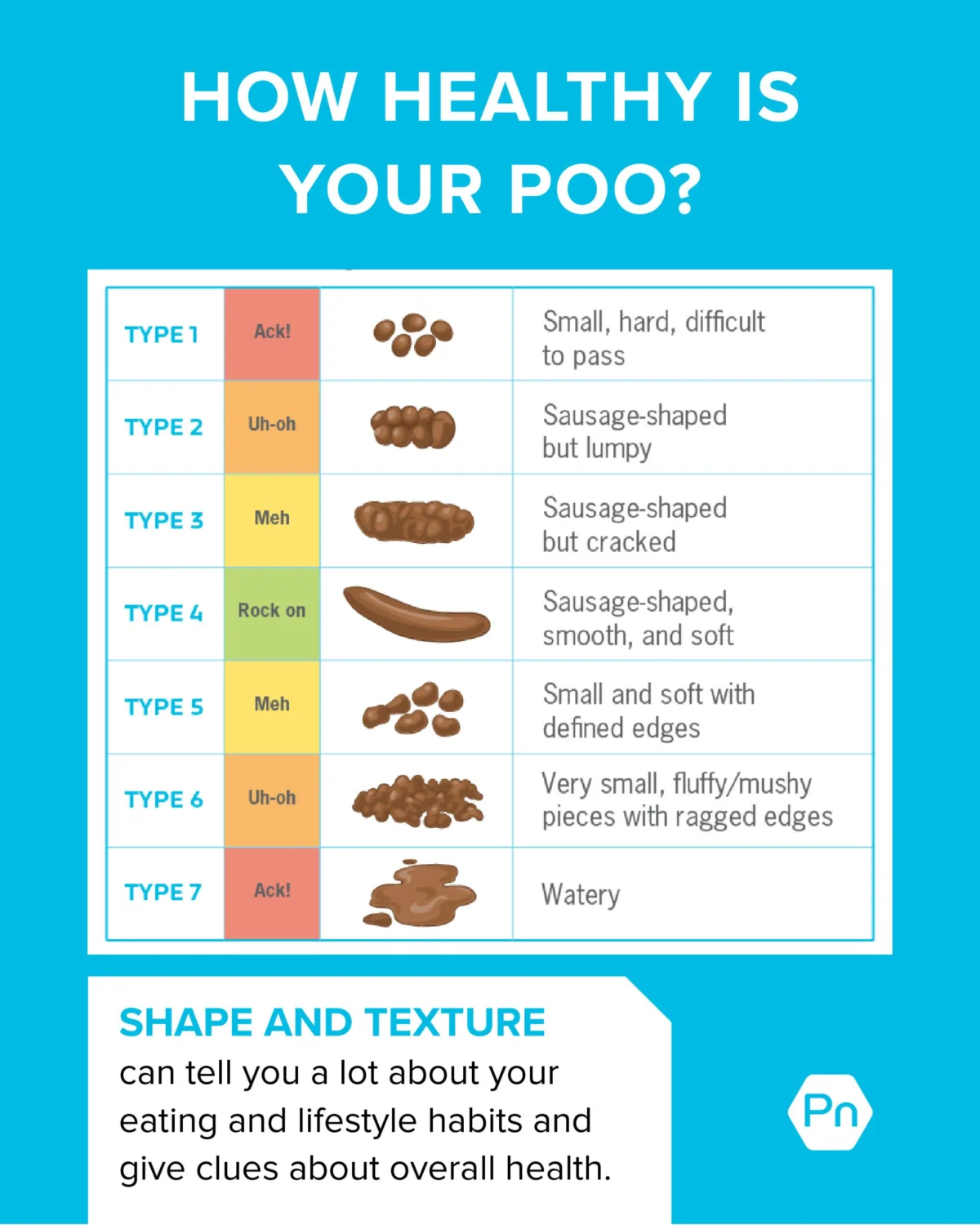
A crucial, albeit perhaps unappealing, step in preparation is to maintain a "poo diary." Tracking the frequency and characteristics of bowel movements for a couple of weeks prior to the appointment, ideally using the Bristol Stool Chart, provides invaluable data. This chart categorizes stool consistency into seven types, from hard, separate lumps (Type 1, indicative of severe constipation) to entirely liquid (Type 7, indicative of severe diarrhea). This detailed information helps the healthcare professional accurately assess the situation and pinpoint the specific IBS type.
Holistic Strategies for Managing IBS Symptoms
In recent years, the landscape of IBS management has expanded significantly, incorporating both pharmaceutical advancements and evidence-based lifestyle interventions. The U.S. Food and Drug Administration has approved several new prescription medications specifically for IBS, alongside medical devices designed to stimulate cranial nerves. Concurrently, extensive research has explored the interplay between IBS and various lifestyle habits, yielding promising findings. Here are five evidence-based strategies that can significantly reduce IBS symptoms and enhance overall health:
-
Integrate Regular Exercise: Individuals with IBS who engage in regular physical activity consistently report fewer symptoms and flare-ups. Studies have shown that even moderate exercise, such as walking for an hour three times a week, can lead to significant relief from bloating and abdominal pain within 12 weeks. The mechanisms are multifaceted: exercise improves gut motility, reduces stress hormones, and may foster a healthier gut microbiome, all contributing to better gut-brain communication and reduced inflammation.
-
Prioritize Stress Management: Stress, anxiety, and depression are potent activators of stress hormones like norepinephrine and cortisol, which can exacerbate IBS symptoms by altering gut motility, increasing intestinal permeability, and intensifying pain signals. While stress cannot be simply "turned off," effective management techniques are vital. Approaches such as mindfulness meditation, cognitive behavioral therapy (CBT), diaphragmatic breathing exercises, yoga, and gentle walking can help regulate the nervous system, reduce the physiological stress response, and improve the gut-brain axis communication. Learning to focus on what is within one’s control – perception, response, and anticipation of stressors – rather than external circumstances, empowers individuals to cultivate a calmer and more capable state.
-
Cultivate a Slower Eating Pace: The simple act of slowing down while eating offers substantial benefits for IBS sufferers. Slower eating often leads to more thorough chewing, which mechanically breaks down food and allows salivary digestive enzymes to begin the digestion process more effectively. This reduces the workload on the stomach and intestines. Furthermore, eating in a relaxed, undistracted environment lowers stress hormone levels, making it less likely that they will intensify GI pain signals. This practice can significantly reduce issues like acid reflux, bloating, and post-meal pain.
-
Troubleshoot Sleep Problems: A strong bidirectional relationship exists between sleep quality and IBS. People with IBS frequently experience shallower, less restorative, and more interrupted sleep. This poor sleep quality can lead to increased fatigue, which in turn elevates stress hormone levels, potentially exacerbating gut pain. Lack of restful sleep also impacts appetite-regulating hormones, leading to increased hunger, cravings for fats and sweets, and a tendency to eat quickly – all factors that can trigger IBS symptoms. Establishing a consistent sleep routine, ensuring a dark and quiet sleep environment, and incorporating relaxing pre-bedtime rituals (e.g., warm bath, guided meditation, light reading) can help break this vicious cycle.
-
Strategically Investigate Dietary Triggers: While no universal "IBS diet" exists, certain food categories are more likely to be problematic for many. A personalized approach to diet is key, often involving an elimination diet under professional guidance. Common culprits include:
- FODMAPs (Fermentable Oligosaccharides, Disaccharides, Monosaccharides, and Polyols): These are short-chain carbohydrates poorly absorbed in the small intestine. They draw water into the gut and are rapidly fermented by gut bacteria, producing gas that distends the intestinal wall, leading to intense pain in sensitive individuals. High-FODMAP foods include wheat, rye, barley, onions, garlic, beans, dairy, honey, cashews, and many fruits and vegetables.
- Caffeinated Beverages and Foods: Especially coffee, which can stimulate stomach acid production, increase colon muscle contractions, and irritate the intestinal lining.
- Alcohol and Spicy Foods: Known irritants to the gut lining.
- High Fructose Corn Syrup and Sugar Alcohols: Such as sorbitol and mannitol, which are poorly absorbed and can cause gas, bloating, and diarrhea.
- Fatty, Greasy Foods: Can slow digestion and attract water, contributing to loose stools, bloating, and gas.
It is crucial to recognize that individual sensitivities vary greatly. A structured elimination diet, followed by careful reintroduction, helps identify specific triggers and quantities that can be tolerated.

Elimination Diets for IBS: How and When to Implement Them
Elimination diets are investigative tools designed to identify problematic foods by temporarily excluding them and then systematically reintroducing them. This process acts like a scientific experiment, helping individuals understand their unique physiological responses to different foods. While the term "elimination diet" might sound daunting, various approaches exist, ranging from highly restrictive to more targeted.
- Elimination Diet "Lite": Ideal for those who already suspect specific food triggers. It involves eliminating up to four suspected foods for approximately three weeks, followed by a slow, one-at-a-time reintroduction to observe symptom recurrence. For instance, if dairy is a known irritant, it would be eliminated and then reintroduced to confirm its impact.
- Precision Nutrition Elimination Diet (Medium): For individuals less certain about their food sensitivities but not ready for a highly restrictive plan. This approach removes many common problematic foods while ensuring a balanced intake of vegetables, fruits, starches, legumes, nuts, seeds, and lean meats. Resources like the "Ultimate Guide to Elimination Diets" can provide comprehensive guidance, including charts, recipes, and meal ideas.
- The Low-FODMAP Diet: Developed by Monash University researchers in Australia, this is a highly specialized medical nutrition therapy for IBS. Its list of problematic foods is complex and non-intuitive, and the reintroduction phase is intricate. Therefore, if FODMAP sensitivity is suspected, it is strongly recommended to seek guidance from a FODMAP-certified practitioner. The Monash University FODMAP Diet app is also an invaluable tool for navigating this diet.
The Indispensable Role of Health Coaching in IBS Management
Possessing knowledge about IBS triggers is distinct from consistently applying that knowledge. Many individuals may know that certain foods exacerbate their symptoms or that regular exercise improves their gut health, yet they struggle to integrate these changes into their daily lives. This is where a certified health coach becomes an invaluable ally.
Health coaches, like PN Super Coach Sarah Maughan, who is certified through Monash University, specialize in guiding clients through the practical implementation of lifestyle changes. They understand that clients often feel anxious about confirming their triggers, fearing that definitive knowledge will make eating more challenging. Maughan emphasizes that even if an elimination diet reveals a favorite food as a trigger, clients retain autonomy. They can choose to continue eating those foods, or they can opt to avoid them during times when symptom control is paramount. This approach empowers clients with choices, transforming knowledge into actionable strategies.
Coaches operate within a defined scope of practice. They encourage clients with digestive issues to seek a definitive diagnosis from a healthcare professional, avoiding any diagnostic pronouncements themselves. They can share information about potential lifestyle changes and elimination diets, helping clients conduct personal "experiments" to understand their body’s responses. Coaches can also facilitate communication with a client’s medical team, supporting adherence to recommended lifestyle changes. What they cannot do is prescribe diets, contradict medical advice, or claim to have all the answers. Instead, they provide the crucial support needed to translate medical recommendations into sustainable daily habits, fostering self-compassion and empowering clients to live the lives they desire, despite their IBS.
Implications and Future Directions
The profound impact of IBS, as highlighted by patients’ willingness to trade years of life for a cure, underscores the critical need for continued research, improved diagnostic tools, and comprehensive, integrated care models. Recognizing IBS as a legitimate and debilitating condition, rather than a psychological ailment, has paved the way for more effective treatments and supportive therapies.
Future directions in IBS research are focusing on personalized medicine, including genetic markers and specific microbiome profiles, to predict treatment responses. Novel pharmacological agents, advanced dietary strategies, and mind-body interventions are continuously being explored. Furthermore, greater public awareness and destigmatization of IBS are essential to encourage timely diagnosis and reduce the isolation experienced by millions worldwide. The collaboration between medical professionals, dietitians, and health coaches represents a promising path forward, offering a holistic framework to empower individuals with IBS to regain control over their health and significantly improve their quality of life.