
For many, mayonnaise is a culinary staple, a creamy binder that elevates sandwiches, salads, and countless other dishes. However, a significant portion of the population finds themselves actively avoiding this ubiquitous condiment, whether due to taste preferences, dietary restrictions, or a desire for healthier alternatives. Fortunately, the culinary landscape offers a diverse array of options that can provide the desired creaminess and flavor without relying on traditional mayonnaise. These alternatives not only replace the texture but often introduce beneficial nutrients and distinct flavor profiles, transforming everyday meals into more vibrant and health-conscious creations.
The demand for mayonnaise alternatives has been steadily growing, driven by increasing consumer awareness of health and wellness, coupled with a rise in plant-based and allergen-friendly diets. Traditional mayonnaise, typically made from egg yolks, oil, and an acid like vinegar or lemon juice, can be high in fat and calories. As individuals seek to reduce their intake of processed foods and saturated fats, exploring substitutes that offer similar sensory experiences while aligning with healthier eating patterns has become a priority for home cooks and the food industry alike.
This exploration into mayonnaise alternatives reveals a spectrum of ingredients, each offering unique culinary applications. From the rich, healthy fats of avocado to the protein-packed tang of Greek yogurt and the earthy depth of baba ganoush, these substitutes demonstrate that achieving a creamy consistency and satisfying taste is possible through a variety of natural and wholesome ingredients. The following overview delves into ten such alternatives, examining their properties, best uses, and tips for successful integration into a meal preparation routine.
1. Avocado: The Creamy Powerhouse
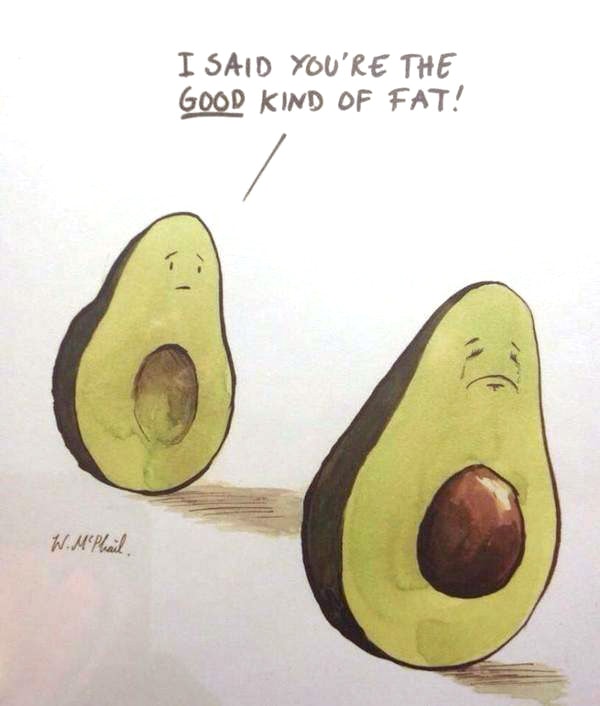
Avocado stands out as one of the most accessible and versatile mayonnaise substitutes. Its naturally creamy texture, when ripe, spreads effortlessly onto toast, sandwiches, and burgers, providing a luxurious mouthfeel that many associate with mayonnaise. Beyond its texture, avocado is a nutritional powerhouse, rich in monounsaturated fats, fiber, potassium, and various vitamins. These healthy fats contribute to satiety and can play a role in heart health.
In mixed dishes such as tuna salad, egg salad, or chicken salad, mashed avocado can serve as a direct replacement for mayonnaise. A simple preparation involving mashing the avocado with a touch of lemon or lime juice, salt, and garlic powder can create a fresh, flavorful, and filling binder that enhances the overall dish. The acidity from the citrus not only adds brightness but also helps to prevent the avocado from browning, a crucial consideration for meal prep.
Best Ways to Use Avocado:
- Sandwich and Wrap Spread: A simple mash or thin slices provide a creamy base.
- Salad Binder: Ideal for egg salad, tuna salad, and chicken salad, offering a healthier fat profile.
- Burger Topping: Adds a rich, smooth element to grilled burgers.
- Dip Base: Blended with other ingredients, it can form the foundation for creamy dips.
Helpful Tip: To maintain the vibrant green color and freshness of avocado when preparing it ahead of time, always incorporate a splash of lemon or lime juice. This simple step significantly inhibits oxidation.
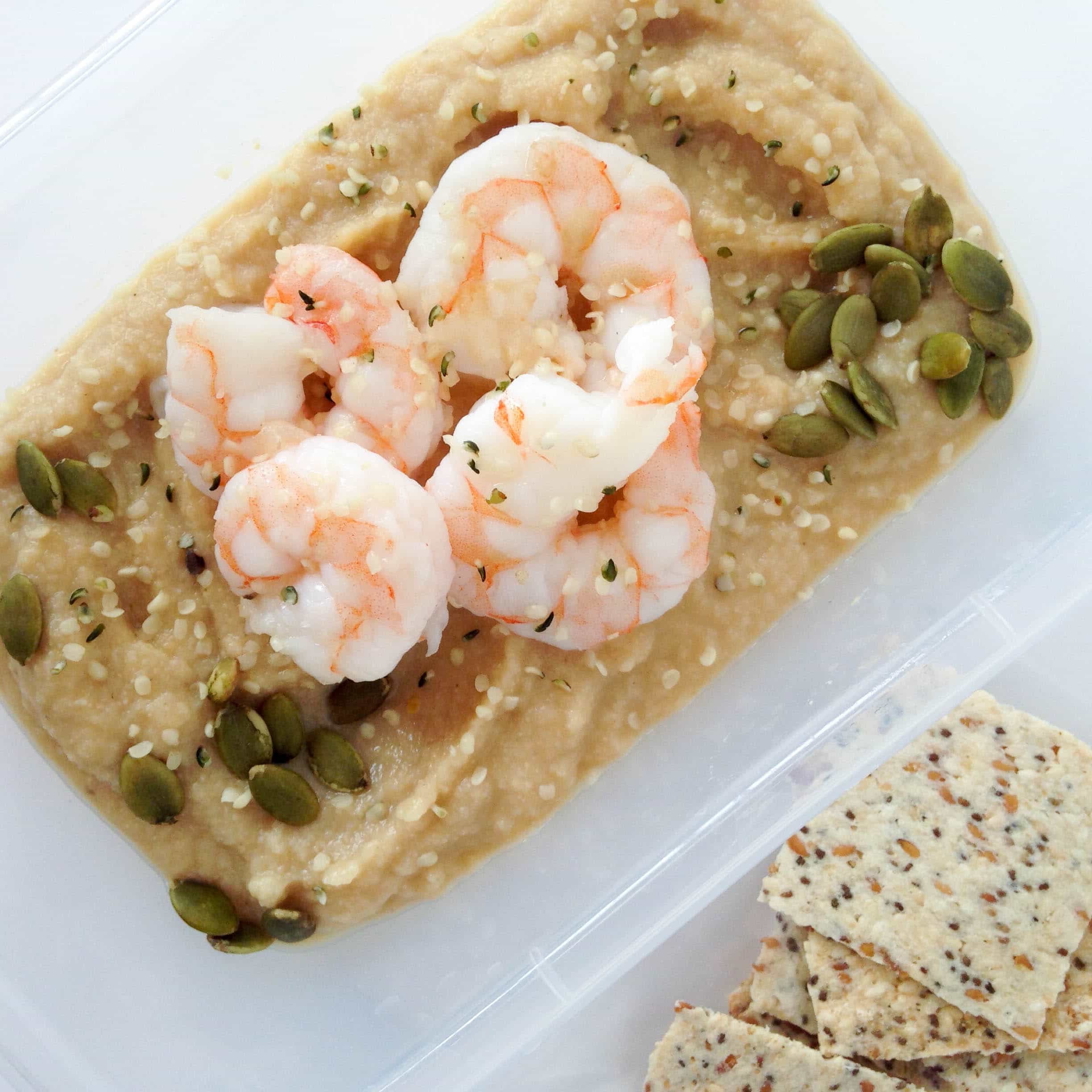
2. Hummus: A Protein-Rich Mediterranean Staple
Hummus, a classic Middle Eastern dip, has emerged as a popular and nutritious alternative to mayonnaise. Traditionally crafted from chickpeas, tahini (sesame paste), garlic, lemon juice, and olive oil, hummus is not only creamy but also a significant source of plant-based protein, fiber, and essential minerals. Its nutritional profile makes it a compelling choice for those seeking to boost their intake of these vital nutrients.
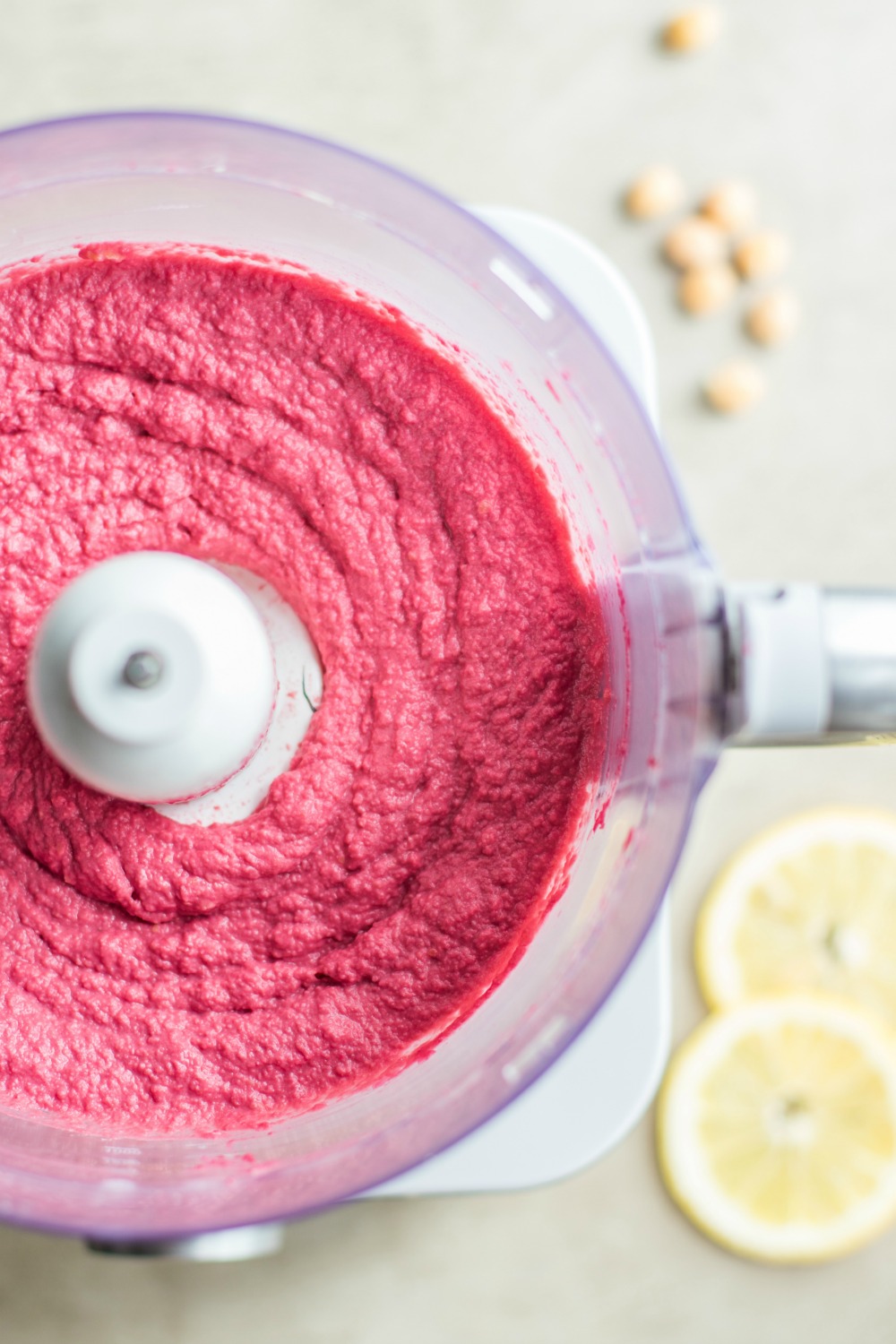
The versatility of hummus extends beyond its traditional form. A wide array of flavored hummus varieties are now available, including roasted red pepper, caramelized onion, beet, and spicy sriracha, each offering a unique flavor dimension to sandwiches and wraps. This allows for culinary creativity, enabling users to tailor their dishes with distinct tastes while benefiting from hummus’s creamy texture.
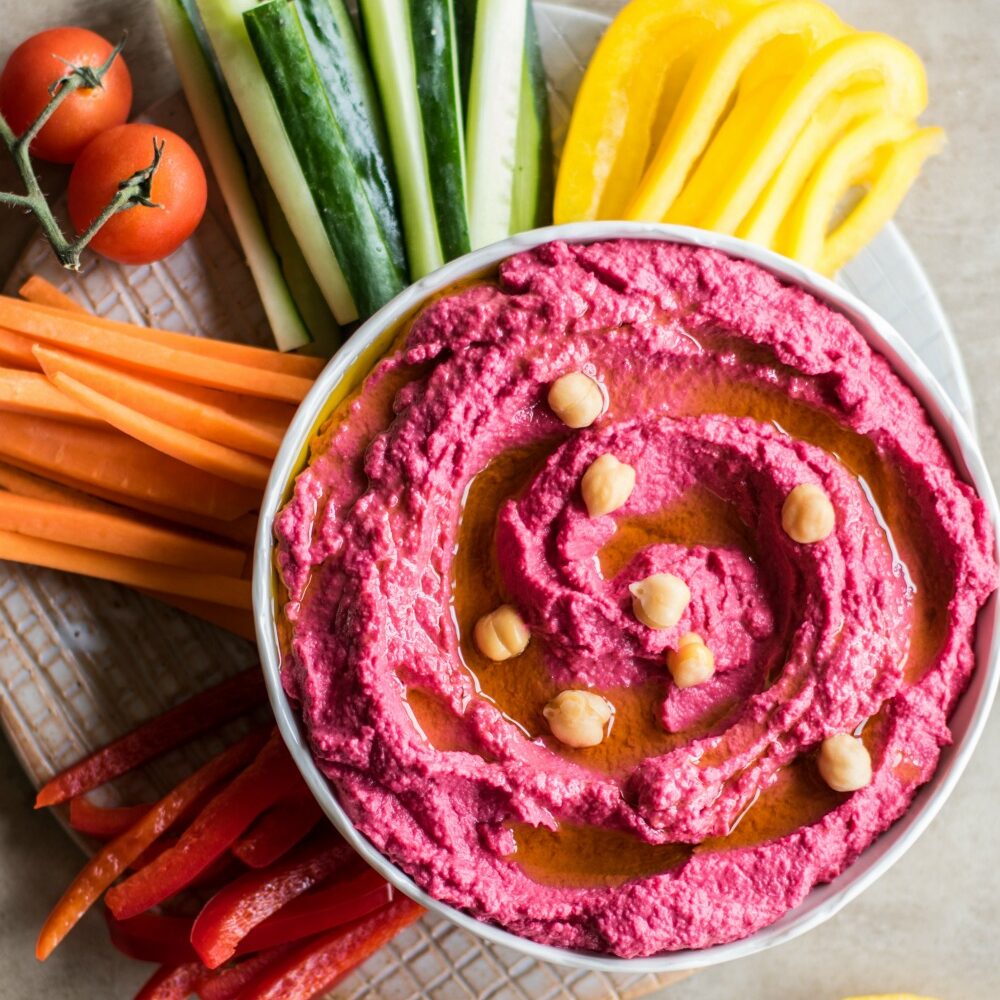
Best Ways to Use Hummus:
- Sandwich and Wrap Spread: A flavorful and protein-rich alternative to mayo.
- Vegetable Dip: Excellent for crudités, providing a satisfying and healthy snack option.
- Salad Dressing Base: Thinned with olive oil or water, it can create a creamy dressing for grain or vegetable salads.
- Marinade Component: Adds depth and moisture to grilled or roasted meats and vegetables.
Helpful Tip: For sandwiches and wraps, opt for a thicker hummus variety. This will prevent the bread or wrap from becoming soggy, ensuring a more pleasant eating experience, particularly when prepared in advance.
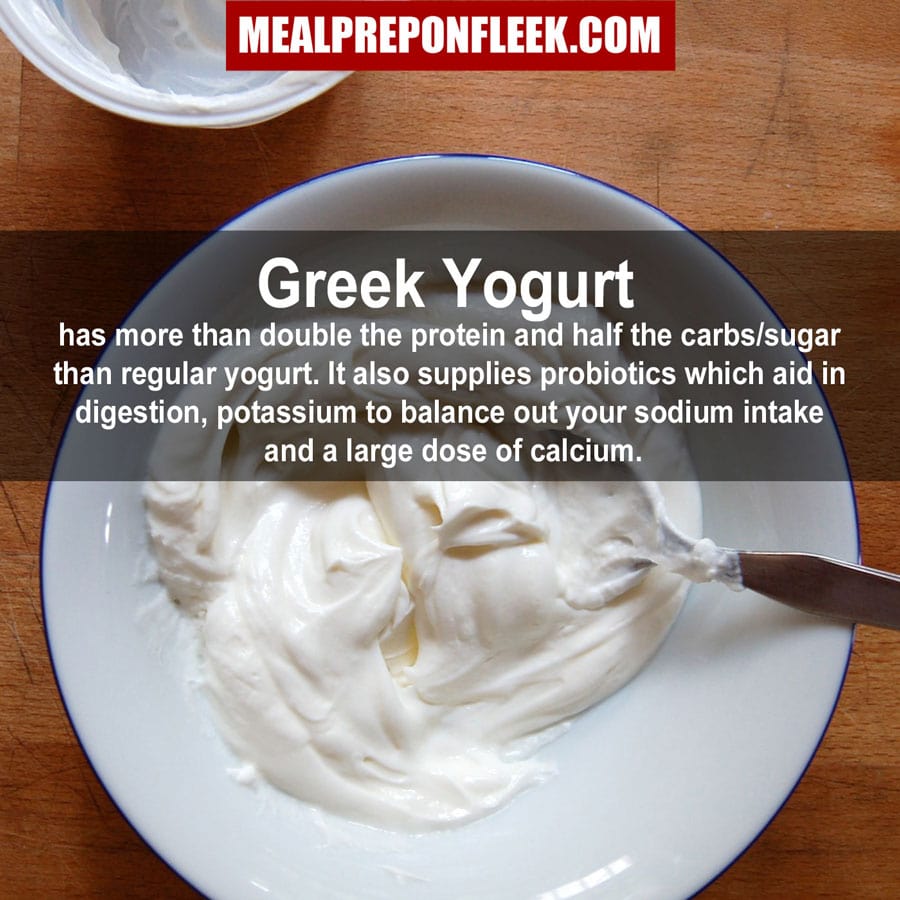
3. Greek Yogurt: The Tangy, Protein-Packed Choice
Greek yogurt offers a high-protein, lower-fat alternative with a distinct tangy flavor that can complement a variety of dishes. Its thick, creamy consistency makes it an excellent binder, particularly in recipes where mayonnaise is typically mixed with other ingredients like herbs and spices. The protein content in Greek yogurt contributes to satiety and muscle health.
Plain Greek yogurt is a versatile ingredient for creating lighter versions of classic dishes such as chicken salad, tuna salad, and creamy dressings. Its inherent tanginess can add a refreshing counterpoint to savory ingredients, and when combined with herbs, spices, or a touch of sweetener, it can form the base of a wide range of sauces and dips.
Best Ways to Use Greek Yogurt:
- Salad Binder: A direct substitute for mayo in chicken salad, tuna salad, and potato salad.
- Dressing and Dip Base: Creates creamy, lighter dressings and dips.
- Sauce Enhancer: Adds creaminess and tang to pasta sauces or vegetable dips.
- Marinade for Meats: Tenderizes and adds flavor to chicken and fish.
Helpful Tip: To achieve a richer texture, select full-fat or 2% Greek yogurt. Nonfat versions can sometimes have a sharper taste that may be too pronounced when used as a primary spread.
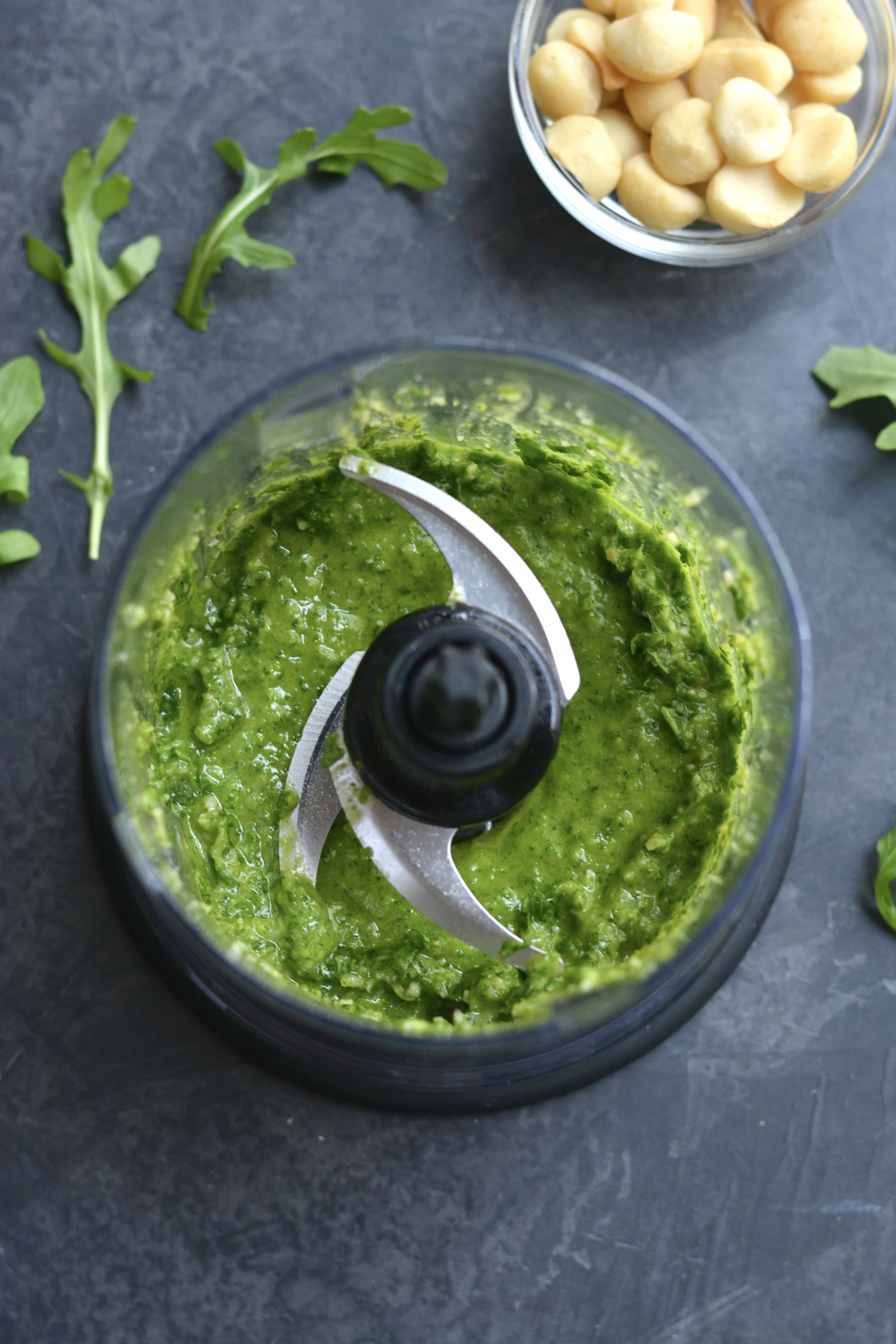
4. Pesto: A Flavorful Herbaceous Alternative
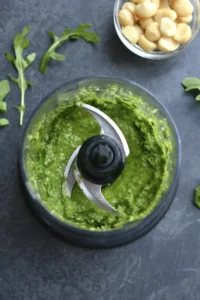
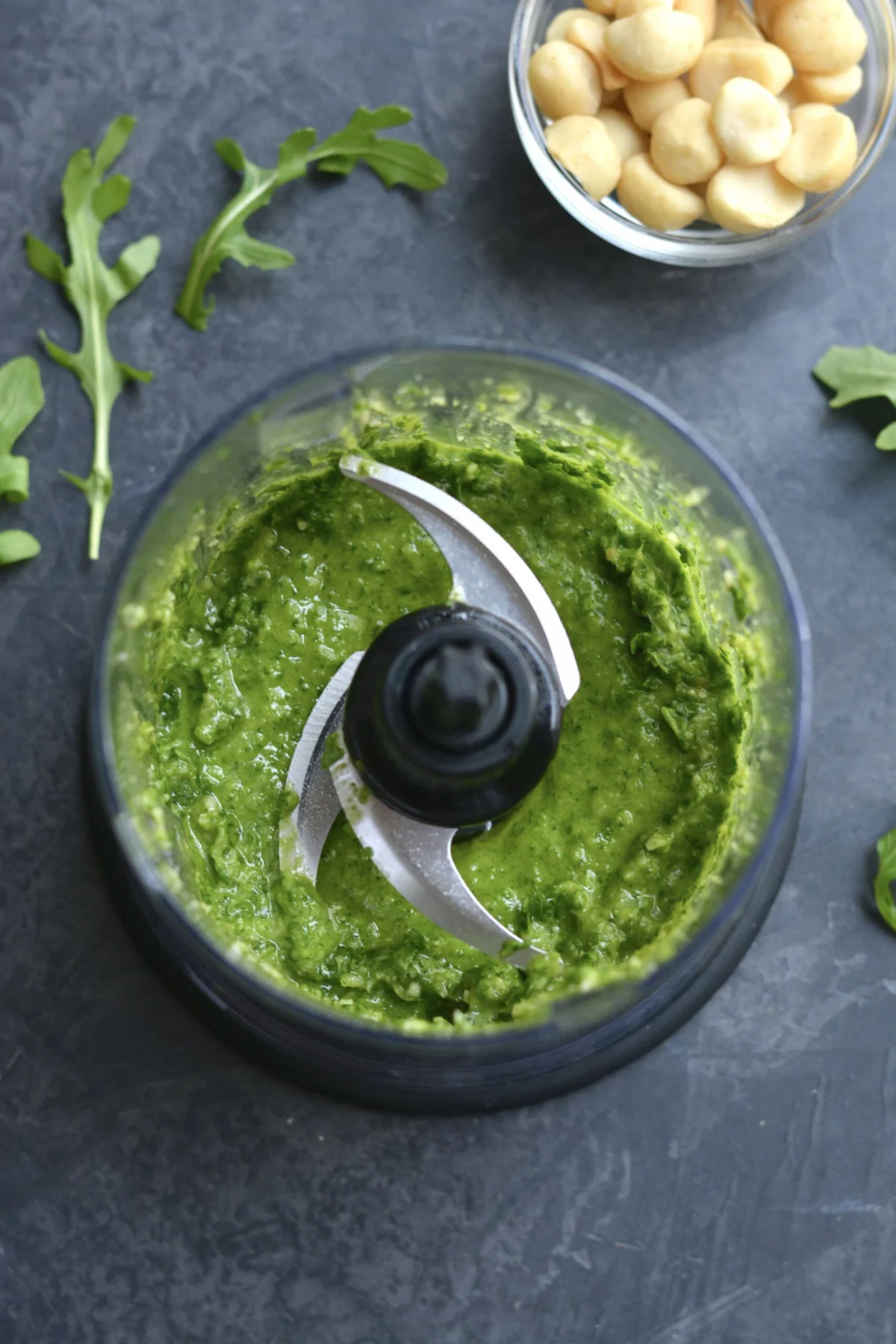
Pesto, traditionally made from basil, pine nuts, garlic, Parmesan cheese, and olive oil, offers a vibrant and intensely flavorful alternative that doesn’t aim to mimic mayonnaise but rather to add its own distinct character. It provides moisture, richness, and a bold herbaceous profile that can significantly elevate sandwiches, wraps, and grain bowls.
The world of pesto extends far beyond the classic Genovese variety. Variations using cilantro, spinach, kale, or pumpkin seeds can introduce diverse flavor profiles and nutritional benefits, catering to a wider range of culinary preferences. These alternative pestos can infuse dishes with unique tastes while still providing a desirable moisture and richness.
Best Ways to Use Pesto:
- Sandwich and Wrap Spread: Adds a burst of fresh, savory flavor.
- Pasta Sauce: A classic application that can be adapted for various pasta dishes.
- Marinade: Excellent for chicken, fish, and vegetables.
- Grain Bowl Topping: Drizzled over grains and vegetables for an added flavor dimension.
Helpful Tip: Pesto’s potent flavor means a little goes a long way. If a smoother, more spreadable consistency is desired, it can be thinned with a spoonful of Greek yogurt or olive oil.
5. Cashew Cheese: The Dairy-Free Indulgence
For those seeking a dairy-free and vegan mayonnaise alternative, cashew cheese offers a creamy and satisfying option. Typically made by blending soaked cashews with lemon juice, garlic, nutritional yeast, and seasonings, cashew cheese provides a rich, savory flavor. The texture can be adjusted based on the amount of liquid used, ranging from a thick, spreadable consistency to a lighter, dip-like texture.
This alternative is particularly valuable for individuals adhering to vegan diets or those with dairy sensitivities who still desire an indulgent spread. The nutritional profile of cashews includes healthy fats, magnesium, and copper, contributing to its appeal as a wholesome ingredient.
Best Ways to Use Cashew Cheese:
- Sandwich and Bagel Spread: A creamy and savory base.
- Dip for Vegetables and Crackers: A rich and satisfying appetizer option.
- Sauce Base: Can be thinned to create creamy sauces for pasta or vegetables.
- Topping for Baked Potatoes or Bowls: Adds a cheesy, creamy element.
Helpful Tip: Homemade cashew cheese often benefits from chilling for a few hours. This allows the flavors to meld and deepen, resulting in a more complex and satisfying taste.
6. Baba Ganoush: Smoky Eggplant Delight
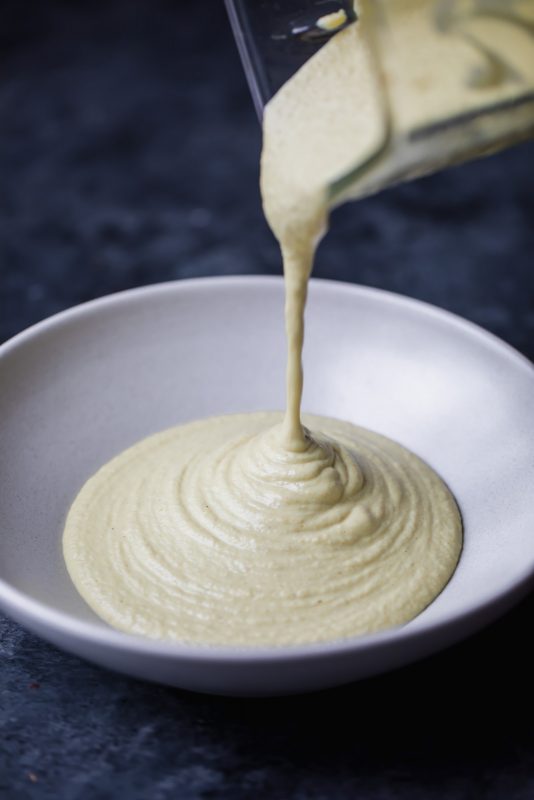
Baba ganoush, an eggplant-based dip, brings a unique smoky, savory flavor and a luxuriously smooth, creamy texture to the table. Typically prepared with roasted eggplant, tahini, lemon juice, garlic, and olive oil, it offers a distinct flavor profile that is more complex than that of plain mayonnaise.
This dip is an excellent choice for wraps, sandwiches, or snack platters, adding a depth of flavor that plain mayonnaise cannot replicate. Its fiber-rich eggplant base also contributes to its nutritional value.
Best Ways to Use Baba Ganoush:
- Sandwich and Wrap Spread: Adds a smoky, Mediterranean flair.
- Dip for Pita Bread and Vegetables: A classic and flavorful appetizer.
- Accompaniment to Grilled Meats and Vegetables: Complements a variety of savory dishes.
- Base for Grain Bowls: Adds moisture and a distinct flavor.
Helpful Tip: To create a pleasing textural contrast, pair baba ganoush with crunchy elements like cucumber sticks, shredded carrots, or crisp sprouts.
7. White Bean Dip: A Fiber-Rich and Adaptable Spread
White bean dip, often made with cannellini or Great Northern beans, provides a creamy texture along with a significant boost of protein and fiber. These beans blend into a smooth consistency and readily absorb a wide range of flavors, making them a highly adaptable spread.
When combined with lemon juice, garlic, olive oil, and fresh herbs, white bean dip transforms into a simple yet flavorful sandwich spread that is ideal for meal prepping. Its mild base allows for easy customization to suit various culinary needs.
Best Ways to Use White Bean Dip:
- Sandwich and Wrap Spread: A healthy and satisfying alternative.
- Dip for Breads and Vegetables: A lighter option for appetizers.
- Base for Soups: Can add creaminess and body to pureed soups.
- Salad Topping: Adds a creamy element to green or grain salads.
Helpful Tip: To enhance the flavor profile without adding complexity, consider incorporating roasted garlic or fresh basil into the white bean dip.
8. Cream Cheese Spreads: Richness and Versatility
For those who consume dairy, cream cheese offers an easy and rich replacement for mayonnaise, particularly for sandwiches and bagels. Its inherent creaminess makes it a desirable spread, and it can be further enhanced by mixing in chopped vegetables, herbs, or spices.
Veggie-infused cream cheese spreads are particularly well-suited for lunch meal prep, as they tend to hold their consistency well in the refrigerator without separating, unlike some other sauces.
Best Ways to Use Cream Cheese Spreads:
- Sandwich and Bagel Spread: A classic, creamy base.
- Dip for Fruits and Vegetables: Can be sweetened or flavored for different applications.
- Binder for Dips and Spreads: Adds richness and structure.
- Filling for Pastries or Desserts: Sweetened cream cheese can be used in baking.
Helpful Tip: To achieve a lighter texture and improved spreadability, whip cream cheese with a small amount of Greek yogurt.
9. Tahini Sauce: Nutty and Creamy Mediterranean Flair
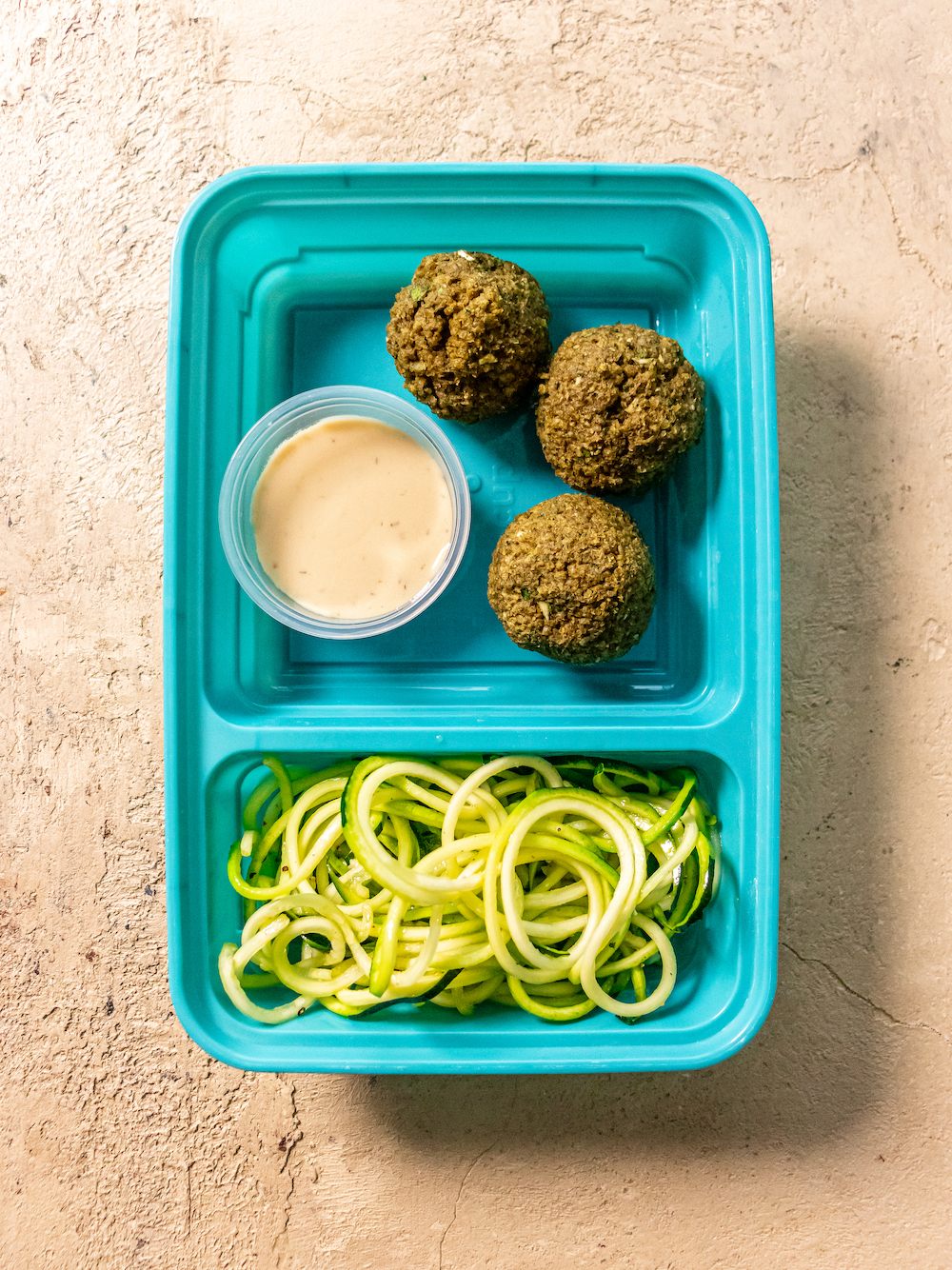
Tahini, derived from ground sesame seeds, boasts a nutty flavor and a naturally creamy consistency, making it a robust mayonnaise alternative, especially for wraps, bowls, and Mediterranean-inspired dishes. When whisked with lemon juice, garlic, and water, it transforms into a smooth sauce that imparts both richness and a distinct flavor.
While not universally suited for every sandwich, tahini sauce excels when a bold, dairy-free flavor profile is desired. Its nutritional benefits include healthy fats, calcium, and iron.
Best Ways to Use Tahini Sauce:
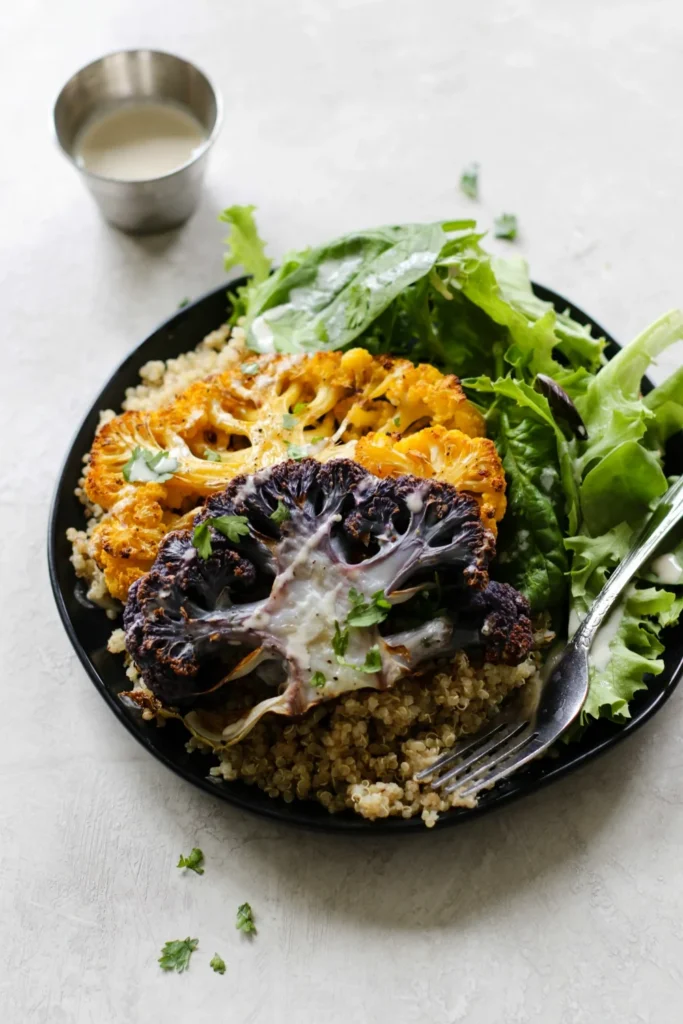
- Drizzle for Bowls: Perfect for grain bowls, Buddha bowls, and roasted vegetable bowls.
- Sandwich and Wrap Sauce: Adds a unique, nutty creaminess.
- Dip for Falafel and Vegetables: A traditional accompaniment.
- Dressing for Salads: Can be thinned to create a flavorful salad dressing.
Helpful Tip: When preparing tahini sauce, add water gradually. Tahini can seize up initially but will smooth out into a creamy sauce with continued whisking and slow addition of liquid.
10. Mustard-Based Spreads: Tangy and Bright Alternatives
For those who use mayonnaise primarily to prevent sandwiches from feeling dry, mustard-based spreads offer a simple and effective solution. Dijon mustard, when mixed with olive oil, honey, Greek yogurt, or mashed avocado, can create a creamy and flavorful spread that deviates from the richness of traditional mayo.
This option is particularly appealing for individuals who prefer sharper, brighter flavors over heavier or overly rich condiments. The versatility of mustard allows for numerous flavor combinations.
Best Ways to Use Mustard-Based Spreads:
- Sandwich and Wrap Condiment: Adds tang and moisture.
- Dressing for Potato or Macaroni Salad: Provides a zesty kick.
- Marinade for Meats: Particularly good with pork and chicken.
- Dip for Pretzels or Sausages: A classic pairing.
Helpful Tip: A particularly effective combination for a high-protein, creamy spread is Dijon mustard mixed with Greek yogurt, offering a balanced flavor profile.
Integrating Mayo Alternatives into Meal Prep
The most effective mayonnaise alternative often depends on the specific dish being prepared. For sandwiches and wraps, thicker spreads like hummus, avocado, and cream cheese generally perform best, providing structural integrity. In mixed salads such as tuna or chicken salad, Greek yogurt, mashed avocado, or a yogurt-mustard blend are often the most straightforward swaps, maintaining the desired creamy binding.
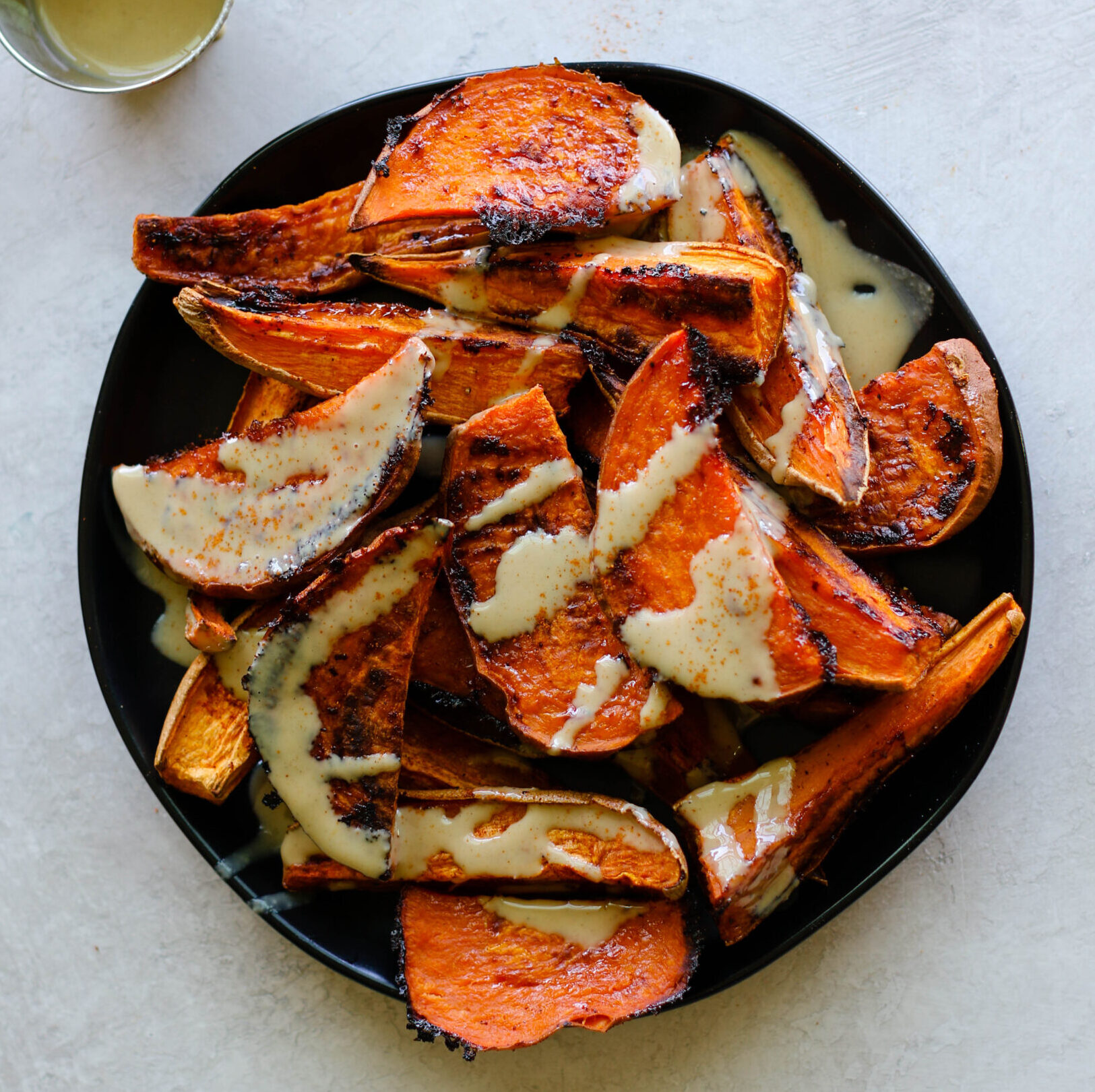
For bowls, roasted vegetables, and more substantial lunches, pesto, tahini sauce, and white bean dip can add significant flavor without requiring extensive preparation. These options introduce diverse flavor profiles and textures, enhancing the overall meal experience. The strategic selection of these alternatives can transform routine meal prep into an opportunity for culinary exploration and enhanced nutritional intake.
Storage Guidelines for Mayo Alternatives
Proper storage is crucial for maintaining the freshness and safety of these homemade spreads. Generally, all such alternatives should be stored in airtight containers. Using clean utensils for scooping and serving will help to prolong their shelf life.
- Avocado: Refrigerate in an airtight container with lemon/lime juice. Best consumed within 1-2 days.
- Hummus: Store in an airtight container in the refrigerator for up to 5-7 days.
- Greek Yogurt: Keep in its original container or an airtight one in the refrigerator for up to 1-2 weeks.
- Pesto: Store in an airtight container in the refrigerator for up to 5-7 days, or freeze.
- Cashew Cheese: Refrigerate in an airtight container for up to 5 days.
- Baba Ganoush: Store in an airtight container in the refrigerator for up to 4-5 days.
- White Bean Dip: Refrigerate in an airtight container for up to 5-7 days.
- Cream Cheese Spreads: Store in an airtight container in the refrigerator for up to 5 days.
- Tahini Sauce: Refrigerate in an airtight container for up to 5-7 days.
- Mustard-Based Spreads: Store in an airtight container in the refrigerator for up to 7-10 days.
Freezing Considerations for Mayo Alternatives
Not all mayonnaise alternatives freeze equally well. Some maintain their texture and flavor after thawing, while others may undergo undesirable changes.
These typically freeze well:
- Hummus
- Pesto (especially when frozen in ice cube trays for portion control)
- Cashew Cheese
- White Bean Dip
- Tahini Sauce
These typically do not freeze as well:
- Avocado (can become watery and discolored)
- Greek Yogurt (can separate and become grainy)
- Cream Cheese Spreads (may become watery or develop an off-texture)
- Mustard-Based Spreads (depending on ingredients, may separate)
For pesto, a convenient freezing method involves portioning it into ice cube trays. Once frozen, these cubes can be transferred to a freezer bag, allowing for easy thawing of only the amount needed.
Nutritional Insights and Ingredient Swaps
The nutritional benefits of these alternatives are substantial. Many are rich in fiber, protein, healthy fats, vitamins, and minerals, offering a more nutrient-dense option compared to traditional mayonnaise. When considering ingredient swaps within these alternatives, personalization is key. For instance, adding a touch of maple syrup or agave to a tahini sauce can introduce a subtle sweetness, while incorporating a pinch of smoked paprika into white bean dip can add a smoky undertone. Experimenting with different herbs, spices, and citrus juices allows for the creation of tailored flavor profiles that cater to individual preferences and dietary needs, further enhancing the appeal of these versatile substitutes in a balanced diet.