
The quest for creamy, flavorful spreads in everyday meals often leads to mayonnaise, a ubiquitous condiment that evokes strong opinions. For those who find themselves on the "hate" side of the mayo divide, or are simply seeking healthier, more varied options, a wealth of culinary alternatives exists. These substitutes not only deliver on texture and taste but also offer enhanced nutritional profiles, transforming sandwiches, wraps, and salads from ordinary to extraordinary. This exploration delves into a spectrum of readily available ingredients that can effectively replace mayonnaise, providing insights into their versatility, nutritional benefits, and practical applications in both daily cooking and meal preparation.
The appeal of mayonnaise lies in its ability to bind ingredients, add moisture, and contribute a smooth, rich mouthfeel. However, its typical formulation of oil and egg yolk, while providing healthy fats, can also be calorie-dense and raise concerns for individuals managing dietary restrictions or seeking lighter options. The burgeoning interest in plant-based diets, functional foods, and mindful eating has spurred innovation in the culinary world, making it easier than ever to find delicious alternatives that align with diverse health goals and taste preferences. These alternatives often bring their own unique flavors and textures to the table, offering an opportunity to expand culinary horizons beyond the conventional.
The Health and Culinary Landscape of Mayo Alternatives
The demand for mayonnaise alternatives is not merely a matter of taste preference; it is increasingly driven by health consciousness. Traditional mayonnaise, while a good source of monounsaturated and polyunsaturated fats when made with vegetable oils, can also contain high levels of sodium and saturated fats depending on the specific product. For individuals concerned about cardiovascular health, weight management, or seeking to reduce processed food intake, exploring alternatives becomes a logical step. Furthermore, for those with egg allergies or following vegan diets, mayonnaise is an absolute exclusion, necessitating the discovery of suitable replacements.
The culinary applications for these alternatives are extensive. They can function as spreads on bread and wraps, act as binders in salads (like chicken or tuna salad), form the base for dips and dressings, or add a creamy element to cooked dishes. The nutritional benefits of these substitutes often go beyond mere caloric reduction. Many are rich in fiber, plant-based proteins, vitamins, minerals, and beneficial healthy fats, contributing positively to overall dietary intake.
A Spectrum of Creamy, Flavorful Substitutes
The following are ten key alternatives to mayonnaise, each offering a unique profile of taste, texture, and nutritional advantages:
1. Avocado: Nature’s Creamy Wonder
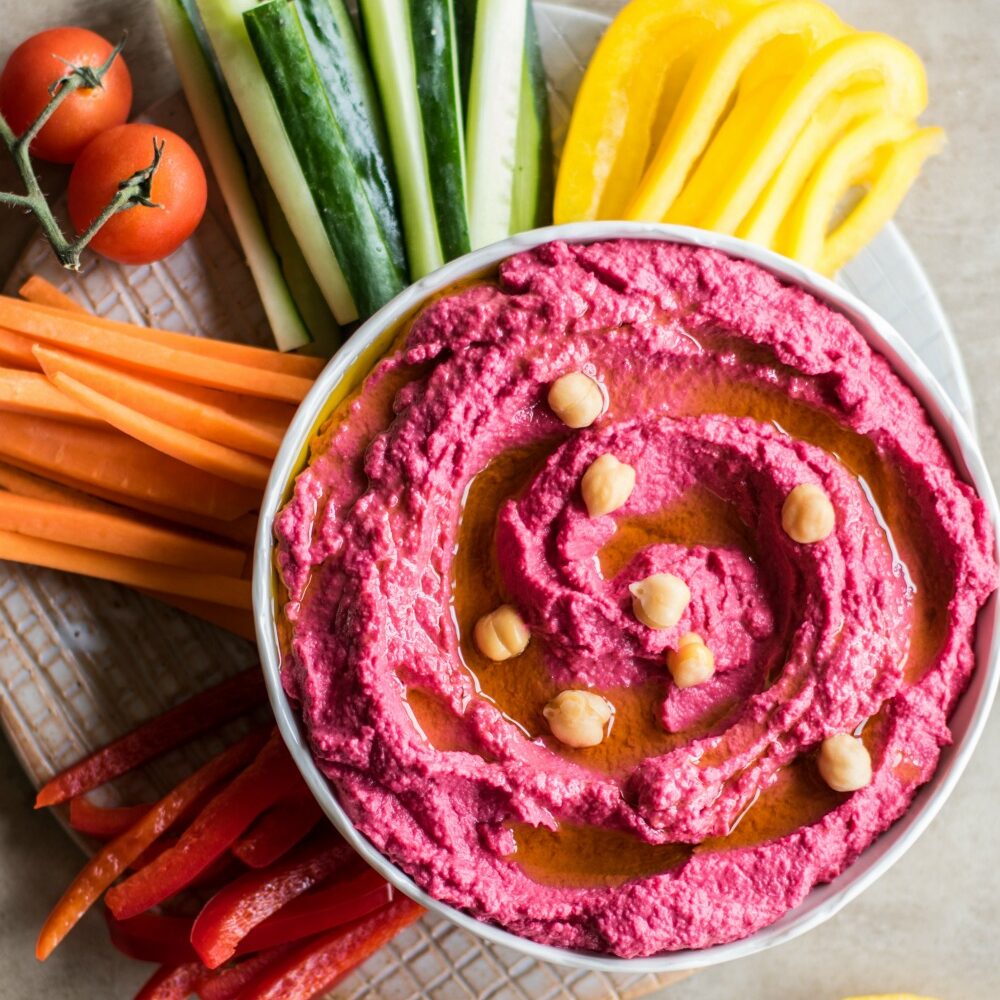
Avocado stands out as one of the most straightforward and popular mayonnaise substitutes. Its naturally creamy texture, when ripe, spreads effortlessly on toast, sandwiches, and burgers, providing the desired richness without artificial emulsifiers. Beyond its textural contribution, avocado is a powerhouse of monounsaturated fats, fiber, potassium, and various vitamins, making it a heart-healthy choice.
In mixed dishes like tuna salad, egg salad, or chicken salad, mashed avocado can serve as an excellent binder. A simple preparation involving mashing the avocado with a squeeze of lemon or lime juice, a pinch of salt, and a dash of garlic powder yields a fresh, flavorful, and satisfying filling. The acidity from the citrus not only enhances the flavor but also helps to prevent the avocado from browning prematurely, a crucial factor for meal prep.
- Best Ways to Use Avocado:
- Spread on sandwiches and toast.
- Binder for tuna, chicken, or egg salads.
- Base for creamy dips and dressings.
- Topping for burgers and wraps.
- Helpful Tip: To maintain freshness for avocado-based preparations intended for later consumption, always incorporate lemon or lime juice. Store in an airtight container, pressing plastic wrap directly onto the surface to minimize air exposure.
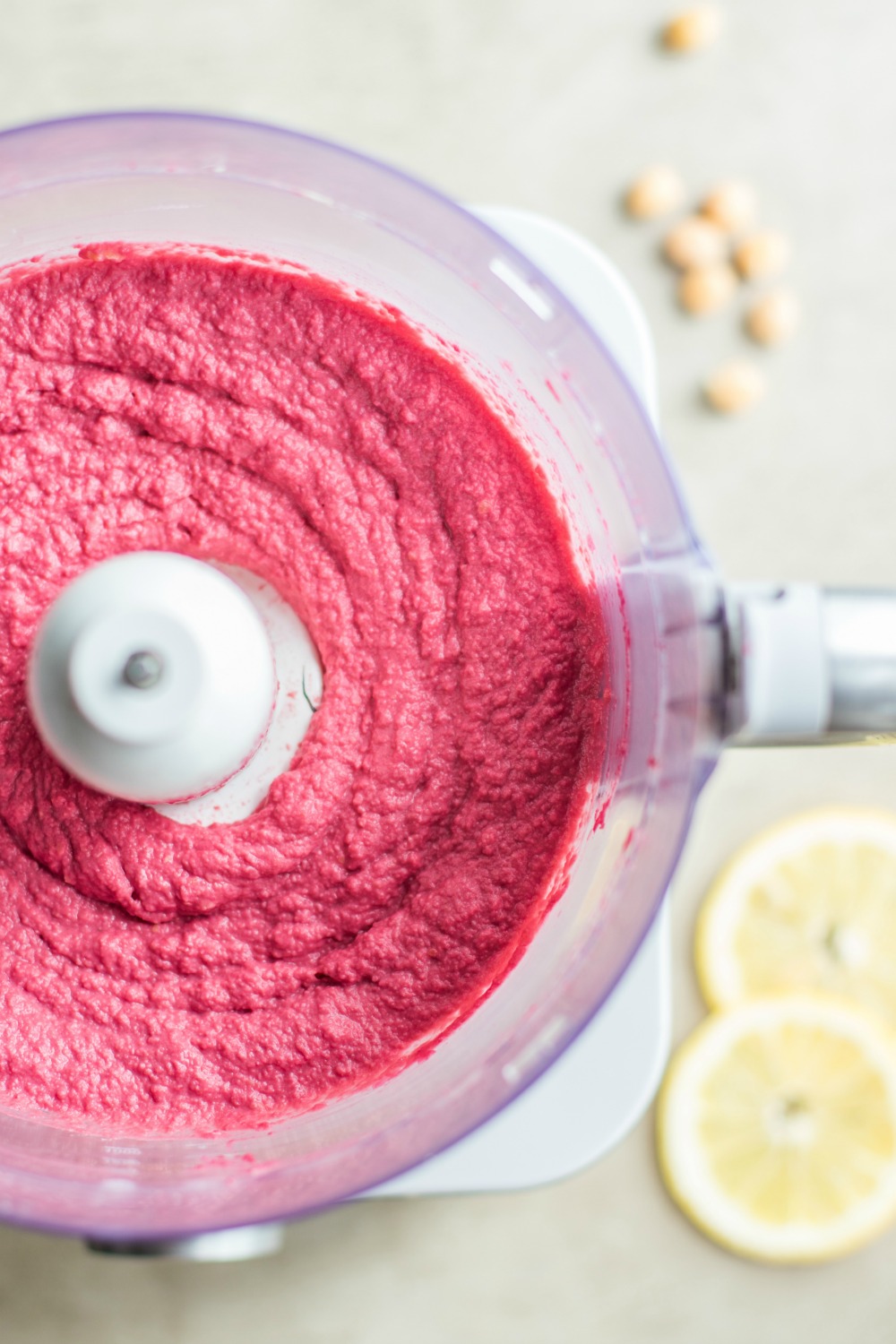
2. Hummus: The Versatile Chickpea Staple
Hummus, a classic Middle Eastern dip, is a highly favored healthy mayonnaise alternative due to its creamy consistency, rich flavor, and impressive nutritional profile. Typically made from chickpeas, tahini (sesame paste), garlic, lemon juice, and olive oil, it is an excellent source of plant-based protein, fiber, and healthy fats. The growing popularity of hummus has led to an explosion of flavor varieties, further expanding its culinary utility.
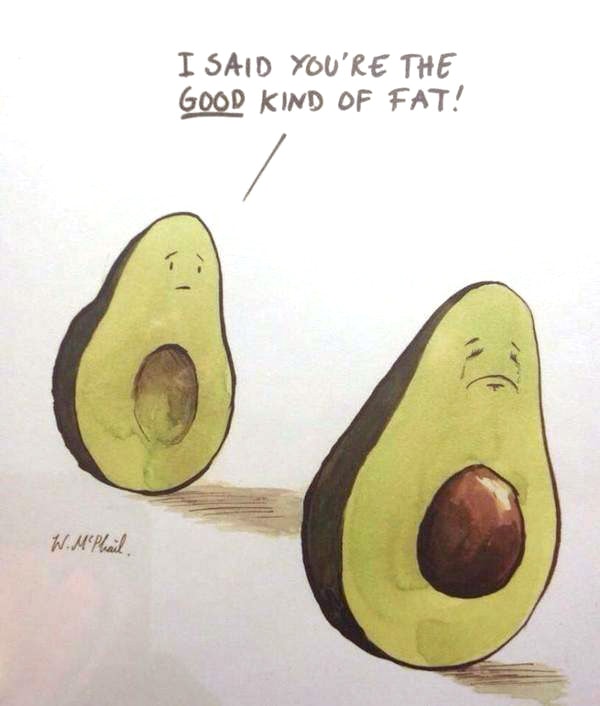
From traditional plain hummus to roasted red pepper, caramelized onion, beet, or spicy sriracha variations, each offers a distinct taste experience. This adaptability makes hummus suitable for a wide range of sandwiches and wraps, allowing for creative flavor pairings. For applications requiring a thicker consistency, such as on bread, choosing a denser hummus is advisable to prevent sogginess.
- Best Ways to Use Hummus:
- Spread on sandwiches, wraps, and pitas.
- Dip for vegetables and crackers.
- Base for grain bowls and salad dressings.
- Binder for falafel or veggie burgers.
- Helpful Tip: For sandwiches and wraps, opt for a thicker hummus blend to ensure optimal spreadability and prevent moisture from compromising the bread or tortilla.
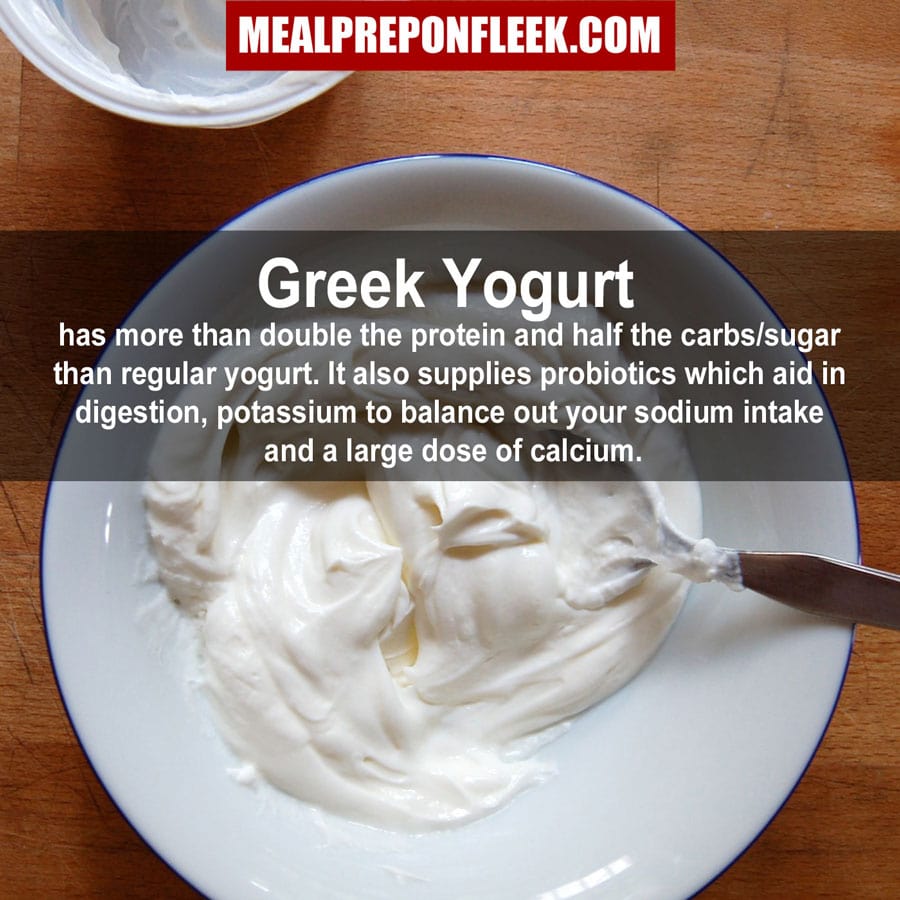
3. Greek Yogurt: Tangy Protein Powerhouse
For those seeking a creamy spread with a protein boost and a pleasant tang, Greek yogurt is an exceptional choice. Its thick, smooth texture makes it an ideal base for recipes where mayonnaise is typically blended with herbs, spices, or other ingredients. Plain Greek yogurt, particularly the full-fat or 2% varieties, offers a richness that mimics the mouthfeel of mayonnaise without the same fat content.
It excels in applications like chicken salad, tuna salad, and as a base for lighter dressings and creamy sauces. The tangy profile of Greek yogurt can add a refreshing counterpoint to savory dishes, providing a lighter alternative that doesn’t compromise on smoothness. Nonfat versions can sometimes be too sharp on their own, so incorporating a small amount of sweetener or a richer yogurt is often recommended for optimal taste.
- Best Ways to Use Greek Yogurt:
- Binder for chicken, tuna, or potato salads.
- Base for creamy salad dressings.
- Mix with herbs and spices for a sandwich spread.
- Ingredient in dips and sauces.
- Helpful Tip: To achieve a richer, more palatable texture akin to mayonnaise, use full-fat or 2% plain Greek yogurt. Lower-fat options can be improved by mixing with a touch of olive oil or a hint of sweetener.
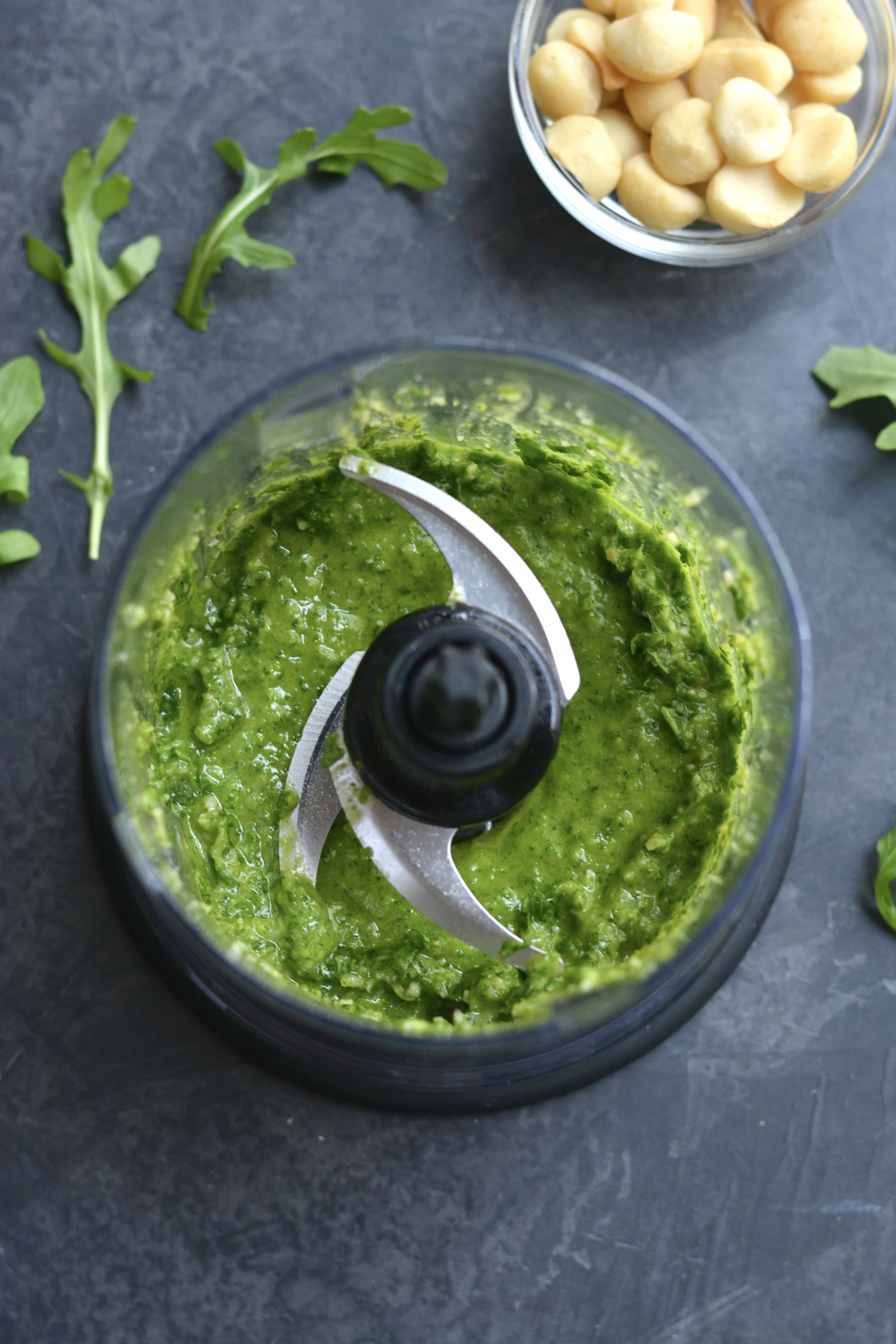
4. Pesto: A Burst of Herbaceous Flavor
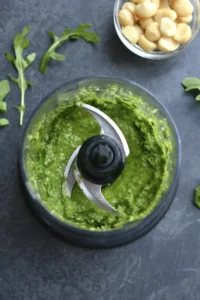
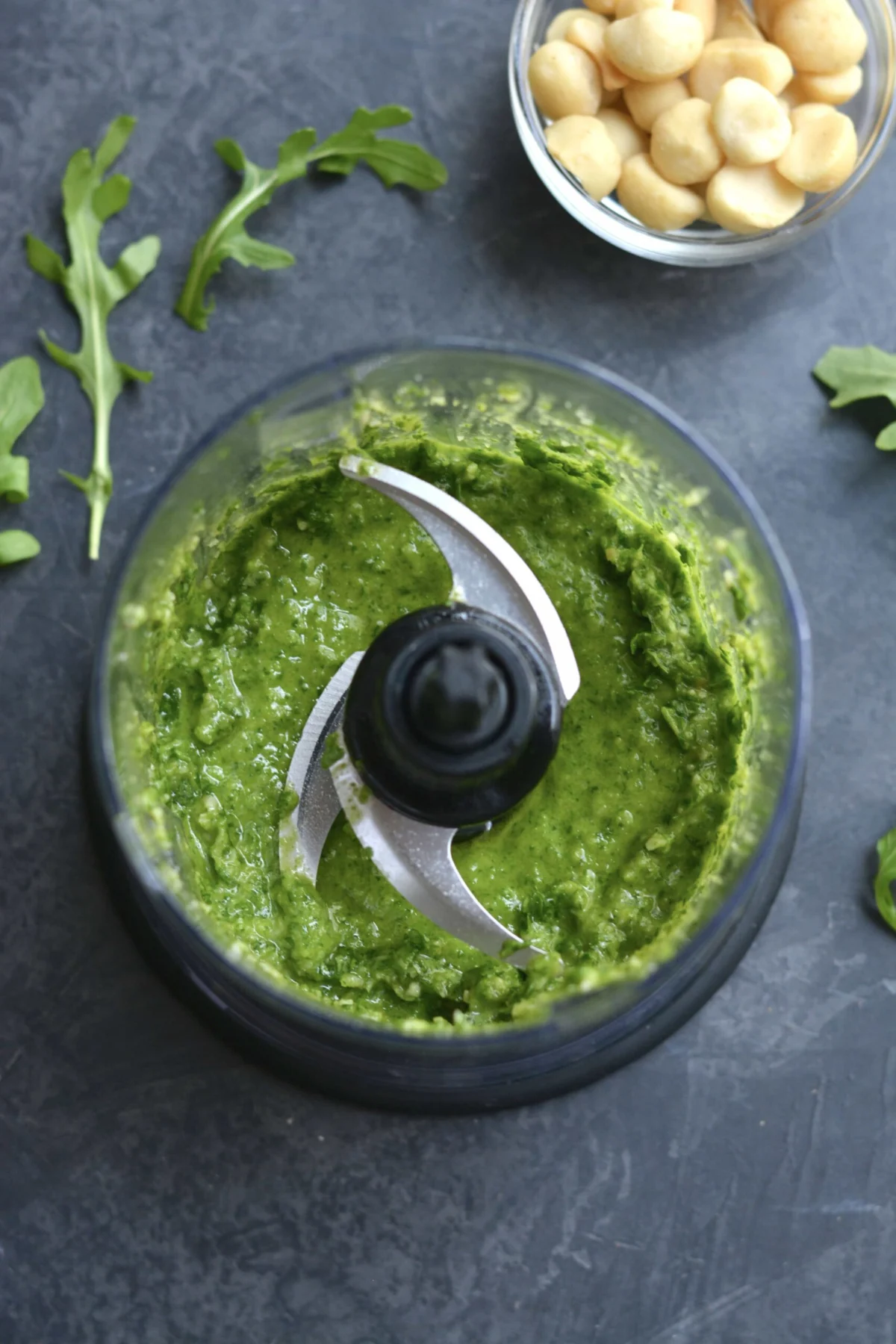
Pesto, while not aiming to replicate mayonnaise’s exact profile, offers a compelling alternative that brings moisture, richness, and a vibrant, herbaceous flavor to meals. Traditionally made with basil, olive oil, garlic, pine nuts, and Parmesan cheese, pesto’s versatility extends to numerous variations, including cilantro, spinach, kale, or pumpkin seed pestos. These variations allow for diverse flavor profiles that can complement various dishes.
Pesto is an excellent addition to sandwiches, wraps, and grain bowls, adding a depth of flavor that plain mayonnaise often lacks. Its intense flavor means a little goes a long way. For increased spreadability or to temper its richness, pesto can be thinned with a spoonful of Greek yogurt or olive oil.
- Best Ways to Use Pesto:
- Spread on sandwiches and paninis.
- Toss with pasta or grains.
- Mix into chicken or vegetable salads.
- Drizzle over roasted vegetables or proteins.
- Helpful Tip: If you find pesto too concentrated, consider mixing it with a small amount of Greek yogurt or a drizzle of olive oil to achieve a more spreadable consistency.
5. Cashew Cheese: The Dairy-Free Indulgence
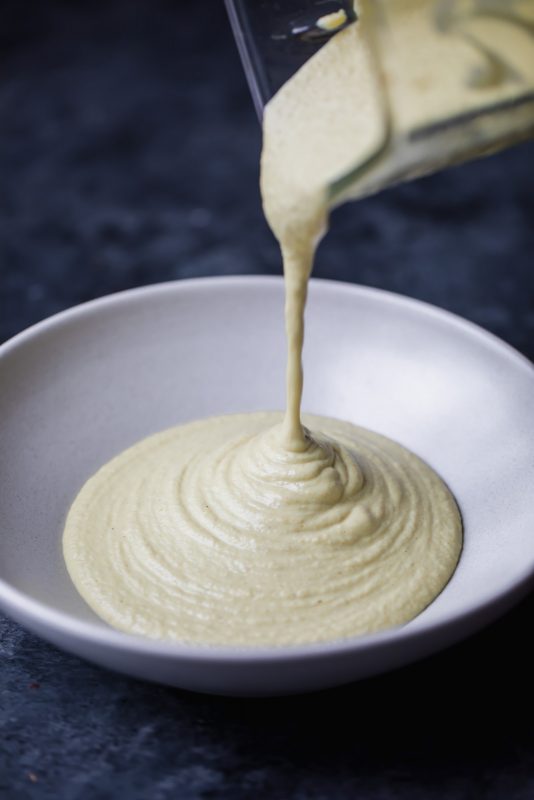
For those seeking a creamy, dairy-free, and mayonnaise-free spread, cashew cheese is an exceptional option. Typically crafted by blending soaked cashews with lemon juice, garlic, nutritional yeast, and seasonings, it delivers a rich, savory flavor. The texture can be adjusted from a thick, spreadable consistency to a lighter, dip-like quality by varying the amount of liquid used.
Cashew cheese is particularly useful as a vegan alternative that still provides a sense of indulgence. Its neutral base readily absorbs other flavors, making it a versatile ingredient for various culinary creations. Homemade cashew cheese often benefits from chilling, allowing the flavors to meld and deepen.
- Best Ways to Use Cashew Cheese:
- Spread on sandwiches and crackers.
- Base for creamy pasta sauces or dips.
- Dollop on roasted vegetables or bowls.
- Substitute for cream cheese on bagels.
- Helpful Tip: Allow homemade cashew cheese to chill for several hours or overnight before serving. This resting period allows the flavors to fully develop and harmonize.
6. Baba Ganoush: Smoky Eggplant Delight
Baba ganoush, an eggplant-based dip, offers a wonderfully smoky, savory, and creamy texture that makes it a compelling mayonnaise alternative. Traditionally prepared with roasted eggplant, tahini, lemon juice, garlic, and olive oil, it provides a depth of flavor that can elevate sandwiches, wraps, and snack platters.
Its rich, smooth consistency pairs exceptionally well with crunchy elements, such as cucumber slices, shredded carrots, or sprouts, creating a delightful textural contrast. Baba ganoush is a nutritious choice, abundant in fiber and heart-healthy fats from tahini and olive oil.
- Best Ways to Use Baba Ganoush:
- Spread on sandwiches, wraps, and pitas.
- Dip for fresh vegetables, pita bread, and falafel.
- Base for grain bowls.
- Component of mezze platters.
- Helpful Tip: The interplay of smooth baba ganoush with crisp vegetables like cucumbers, bell peppers, or carrots creates a satisfying textural experience.
7. White Bean Dip: A Protein-Rich Spread
White bean dip, often made with cannellini or great northern beans, offers a creamy texture alongside a valuable boost of protein and fiber. When blended, these beans create a smooth base that readily accepts a variety of flavors. A simple preparation involving beans, lemon juice, garlic, olive oil, and fresh herbs results in a delicious and versatile sandwich spread.
This dip is particularly well-suited for meal preparation due to its stability and ability to complement a range of ingredients. Enhancing its flavor with roasted garlic or fresh basil can add complexity without significant effort.
- Best Ways to Use White Bean Dip:
- Spread on sandwiches and wraps.
- Dip for vegetables and whole-grain crackers.
- Base for savory tarts or as a topping for roasted vegetables.
- Mix into pasta dishes for added creaminess.
- Helpful Tip: For an elevated flavor profile, consider incorporating roasted garlic cloves into the white bean dip, or mix in finely chopped fresh basil for a herbaceous note.
8. Cream Cheese Spreads: Richness and Versatility
For those who include dairy in their diet, cream cheese provides a rich and easily spreadable alternative to mayonnaise. It can be used plain for a simple sandwich spread or enhanced by mixing in finely chopped vegetables, fresh herbs, or spices. Flavored cream cheese spreads, such as those incorporating chives, dill, or jalapeños, are particularly convenient for lunch meal preparation, as they tend to hold their texture well in the refrigerator without separating.
Whipping cream cheese with a small amount of Greek yogurt can lighten its texture and make it even easier to spread, offering a balanced richness and tang.
- Best Ways to Use Cream Cheese Spreads:
- Spread on bagels, bread, and crackers.
- Base for savory dips.
- Filling for wraps and sandwiches.
- Mix with vegetables or herbs for enhanced flavor.
- Helpful Tip: To achieve a lighter, more spreadable consistency, whip cream cheese with a spoonful of Greek yogurt. This also adds a subtle tang.
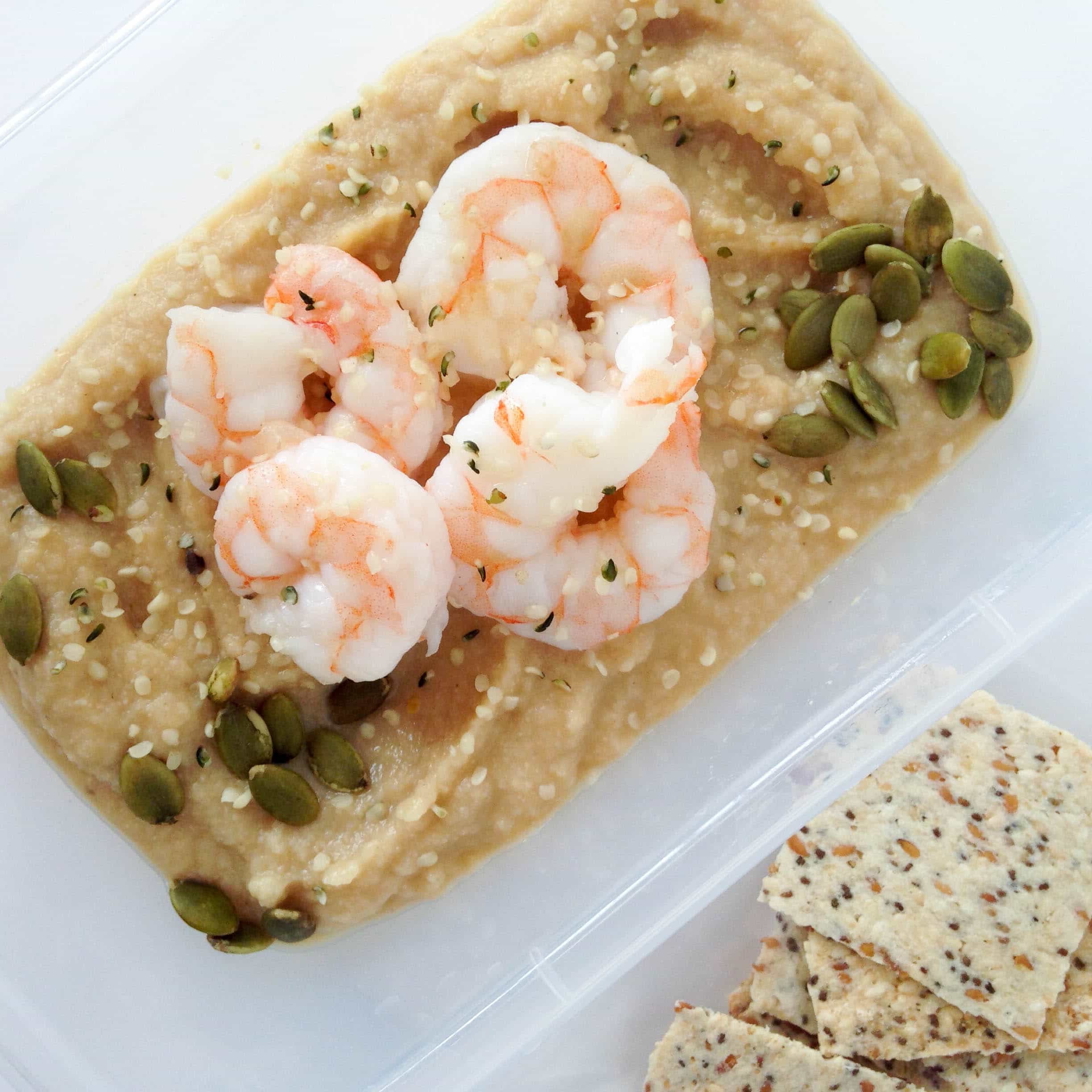
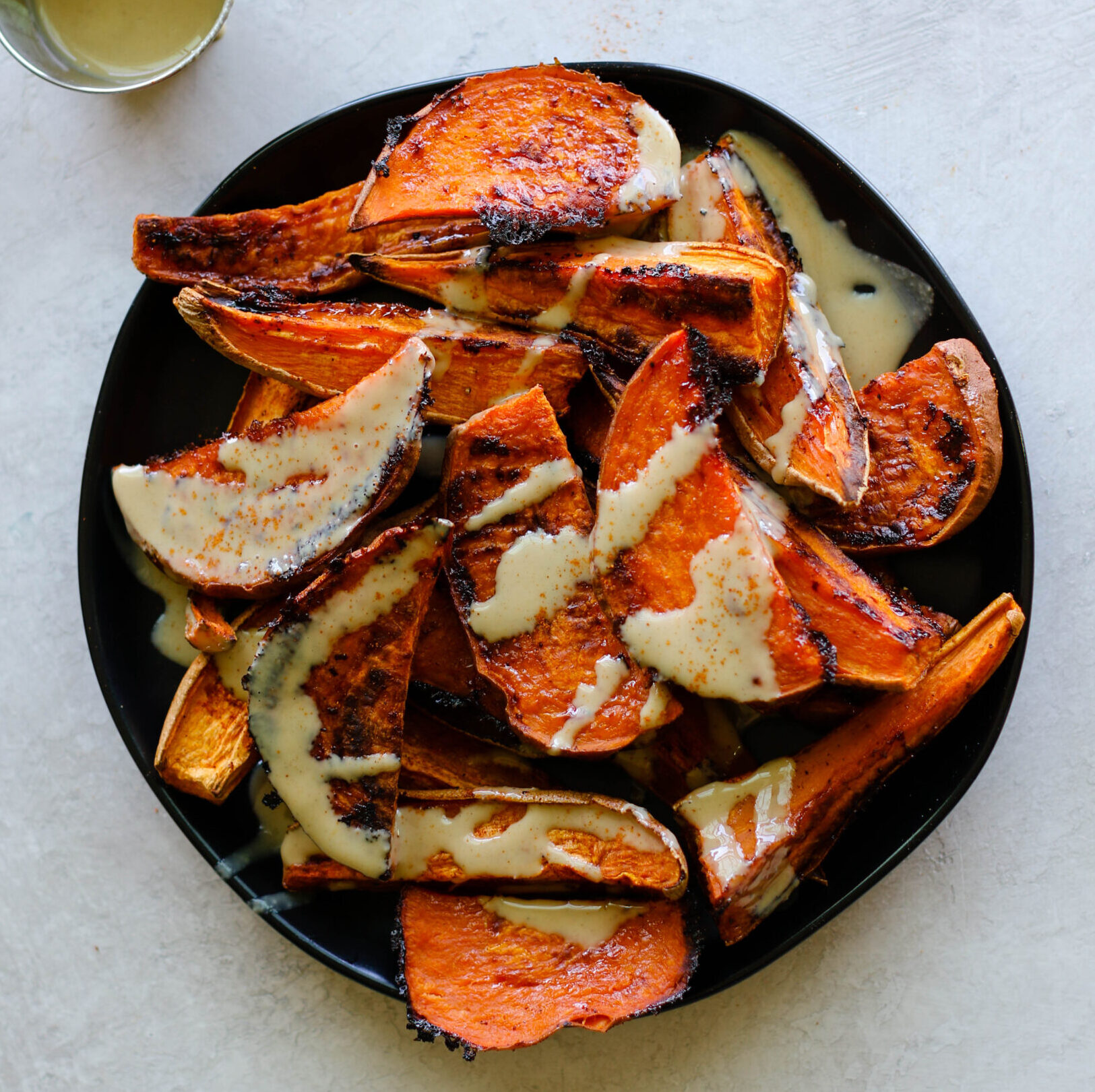
9. Tahini Sauce: Nutty and Creamy
Tahini, derived from ground sesame seeds, boasts a nutty flavor and a naturally creamy consistency that positions it as a robust mayonnaise alternative, especially in Mediterranean-inspired dishes, wraps, and bowls. When whisked with lemon juice, garlic, and water, it transforms into a smooth, emulsified sauce that adds both richness and a distinctive flavor.
While not a universal substitute for every sandwich, tahini sauce is excellent when a bold, dairy-free flavor is desired. The key to achieving a smooth sauce lies in gradually adding water, as tahini can seize initially before emulsifying into a creamy consistency.
- Best Ways to Use Tahini Sauce:
- Drizzle over roasted vegetables, bowls, and salads.
- Sauce for wraps and sandwiches.
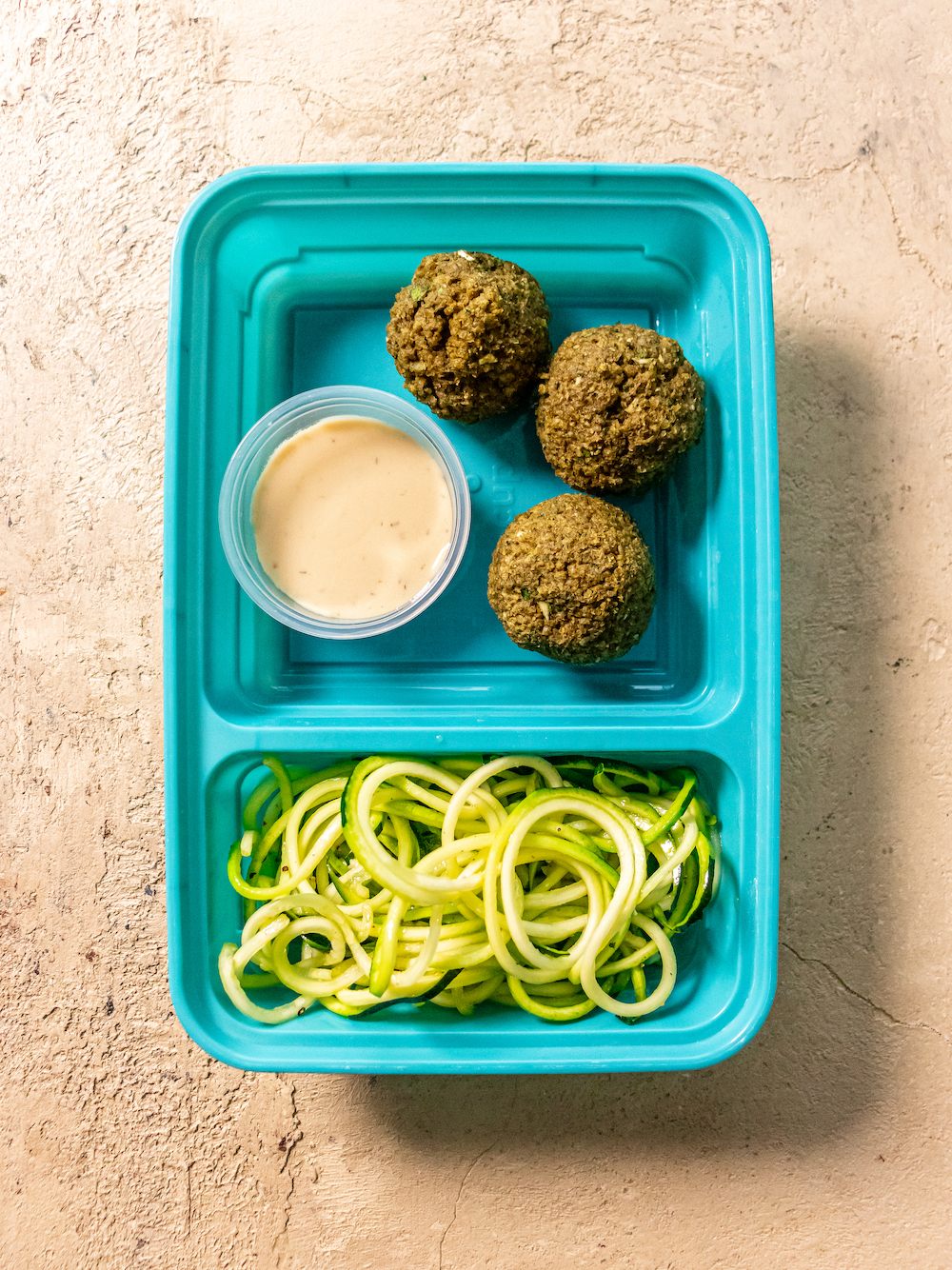
- Dip for falafel and grilled meats.
- Base for dressings and marinades.
- Helpful Tip: When making tahini sauce, add water very gradually. The mixture will appear to break at first, but with continued whisking, it will emulsify into a smooth, creamy consistency.
10. Mustard-Based Spreads: A Zesty Kick
Mustard-based spreads offer a simple yet effective solution for preventing sandwiches from feeling dry, providing a zesty alternative to mayonnaise. Dijon mustard, when combined with olive oil, honey, Greek yogurt, or mashed avocado, can create a creamy and flavorful spread. This option is particularly appealing for those who prefer brighter, sharper flavors over heavier, richer profiles.
The combination of Dijon mustard with Greek yogurt, for instance, yields a high-protein spread that is both creamy and balanced in flavor. This versatile approach allows for customization to suit individual taste preferences and dietary needs.
- Best Ways to Use Mustard-Based Spreads:
- Spread on sandwiches and wraps.
- Mix with shredded chicken or tuna.
- Use as a dip for pretzels or sausages.
- Base for vinaigrettes.
- Helpful Tip: A blend of Dijon mustard and Greek yogurt creates a high-protein, creamy spread that is both tangy and satisfying.
Integrating Mayo Alternatives into Meal Prep Strategies
The optimal mayonnaise alternative for meal preparation often depends on the intended dish. For sandwiches and wraps, thicker, more stable options like hummus, avocado, or cream cheese spreads tend to perform best. In mixed salads such as chicken or tuna salad, Greek yogurt, mashed avocado, or a yogurt-mustard blend are often the most effective and palatable swaps.
For nutrient-dense bowls, roasted vegetables, and protein-focused lunches, pesto, tahini sauce, and white bean dip can introduce significant flavor without demanding extensive preparation time. The adaptability of these alternatives allows for a wide range of meal prep recipes, catering to diverse tastes and dietary requirements.
Storage and Freezing Considerations for Mayo Alternatives
Proper storage is crucial for maximizing the shelf life and quality of prepared meal prep components. Generally, spreads should be stored in airtight containers. Clean utensils should be used to avoid introducing contaminants that can accelerate spoilage.
- Avocado: Store mashed avocado with citrus juice in an airtight container, pressing plastic wrap directly onto the surface. Best consumed within 1-2 days.
- Hummus: Homemade or store-bought hummus can be stored in an airtight container in the refrigerator for 3-5 days.
- Greek Yogurt: Plain Greek yogurt can be stored for up to a week in its original container or an airtight one.
- Pesto: Store homemade pesto in an airtight container with a layer of olive oil on top to prevent oxidation. It typically lasts for 5-7 days in the refrigerator.
- Cashew Cheese: Homemade cashew cheese can be stored in an airtight container for 4-5 days.
- Baba Ganoush: Store in an airtight container for 3-4 days.
- White Bean Dip: Similar to hummus, store in an airtight container for 3-5 days.
- Cream Cheese Spreads: If made with dairy, these typically last 3-5 days.
- Tahini Sauce: Store in an airtight container in the refrigerator for up to 5 days.
- Mustard-Based Spreads: These tend to be stable and can last for 5-7 days when stored properly.
Freezing Potential of Mayo Alternatives
The suitability of freezing varies among these alternatives:
- Freezing Well: Pesto (especially in ice cube trays), white bean dip, and hummus generally freeze relatively well. These can be thawed and re-whipped or stirred to regain their texture.
- Not Ideal for Freezing: Avocado, Greek yogurt, cashew cheese, baba ganoush, cream cheese spreads, and tahini sauce often experience textural changes upon thawing, such as separation or a watery consistency. While still edible, their texture may be compromised. For pesto, freezing in ice cube trays allows for easy thawing of individual portions.
Culinary Adaptations and Ingredient Swaps
The beauty of these mayonnaise alternatives lies in their adaptability. Experimentation with seasonings, herbs, and complementary ingredients can further enhance their appeal. For instance, adding smoked paprika to white bean dip can introduce a smoky depth, while a touch of maple syrup can balance the tang of Greek yogurt-based dressings. Citrus zest, various spices, and fresh herbs offer endless possibilities for customization.
Ultimately, the decision to embrace these alternatives stems from a desire for healthier eating, greater culinary variety, or a simple aversion to mayonnaise. By understanding the unique qualities and applications of each substitute, individuals can confidently navigate their kitchens, creating delicious and satisfying meals without compromising on taste or texture. The culinary landscape is rich with options, proving that foregoing mayonnaise does not mean foregoing flavor.