
Kate Solovieva, a distinguished figure in the realm of health and wellness coaching, holds a unique vantage point from which to observe the profession. As a former professor of psychology, a Precision Nutrition (PN) Master Coach, and PN’s Director of Community Engagement, Solovieva’s insights are grounded in both academic rigor and extensive practical experience. Her now-famous tagline, "I work with coaches and other people who know too much," encapsulates a core challenge she identifies within the coaching community: the paradox of expertise potentially hindering effective practice and business growth.
While Solovieva has guided thousands of diverse clients through their health journeys, her specialized focus lies in mentoring and developing other coaches. Her roles as an instructor for PN’s Level 2 Master Health Coaching Certification, a facilitator for PN’s exclusive online coaching communities, and a coach in her private practice provide her with an unparalleled, front-row perspective on the myriad questions, triumphs, and tribulations faced by both nascent and seasoned coaches. Through this extensive interaction, Coach Kate has gleaned a deep understanding of the common pitfalls that can impede a coach’s success. Today, she sheds light on three prevalent mistakes, offering actionable solutions aimed at fostering greater professional achievement among her peers. Her ultimate aspiration is to empower coaches to not only avoid these common errors but to flourish in their endeavors, ensuring they maximize their impact and achieve "wild success."
This article delves into these three critical coaching missteps, presenting not just the problems but also comprehensive strategies to overcome them, drawing upon Solovieva’s rich experience and the foundational principles of effective coaching.
The Paradox of Expertise: Mistake #1 – Prioritizing Coaching Over Selling
One of the most foundational errors Solovieva observes among coaches is an overwhelming emphasis on perfecting their coaching skills to the detriment of developing their business acumen, particularly in sales. Solovieva vividly illustrates the structure of a sustainable coaching business through the metaphor of a "three-legged stool." Each leg represents a crucial component: effective coaching, robust marketing, and proficient sales. For the stool to stand firm and support a thriving practice, all three legs must be equally strong and balanced.
"The vast majority of folks who get into coaching start with the coaching leg," Solovieva notes. "They want to become the best coach they can be, which is amazing. However, to become the best coach you can be, information and theory only get you so far." This sentiment highlights a common and understandable motivation among aspiring coaches: a genuine passion for helping others and a belief that deep knowledge is the prerequisite for effectiveness. Many invest heavily in certifications, workshops, and advanced degrees, striving for encyclopedic knowledge before ever engaging a client.
However, Solovieva warns against this "perfectionist paralysis." As she aptly puts it, "You cannot become the best coach you can be in a vacuum, talking to yourself in your office." The practical application of coaching principles, the nuanced understanding of human behavior, and the ability to adapt strategies come primarily from direct client interaction. Delaying the acquisition of clients means delaying the very experiences that refine one’s coaching abilities.
The Economic and Experiential Implications of Delayed Sales
Industry data consistently shows that many coaches struggle with the business aspects of their practice. A 2023 study by the International Coaching Federation (ICF) highlighted that while coach training is robust, business development skills, particularly sales and marketing, remain areas where coaches often feel least confident. This gap directly impacts their ability to attract clients and sustain their practice. Coaches who postpone selling, waiting for their knowledge to be "complete," inadvertently create a significant disadvantage for themselves. They spend valuable time and resources accumulating credentials without gaining the practical experience necessary to integrate that knowledge effectively.
Conversely, coaches who embrace selling earlier, even with a perceived lack of "complete" knowledge, paradoxically begin coaching sooner. This early engagement allows them to gain invaluable real-world experience, refine their approach, and build their business simultaneously. Over time, these "imperfect" coaches often surpass their overly cautious peers who are still accumulating certifications. They learn through doing, adapting their strategies based on client feedback and observable results, thereby improving their odds of long-term success and professional growth. This pragmatic approach underscores that proficiency in coaching is not solely theoretical but deeply experiential.
Solution: Embody the Coach, Not Just the Expert
The inherent desire among aspiring coaches to be perceived as an authority, possessing all the answers, often leads to the pursuit of endless certifications. This stems from a deeply ingrained belief that expertise equates to the ability to field any question with immediate, definitive knowledge. Solovieva acknowledges this common anxiety: "Sometimes we hold on to this hope that we’ll get to a point where we feel confident enough at fielding any question that ever comes our way." The discomfort, even mortification, of not knowing an answer can be a powerful deterrent for coaches who see themselves as ultimate experts.
However, Solovieva posits that this belief is fundamentally flawed. "When I show up to a coaching conversation, my role is not ‘the expert,’" she asserts. While a baseline of knowledge is undoubtedly crucial—for instance, being able to list good protein sources—a coach’s primary function is not to deliver lectures or recite biochemical pathways. Clients rarely need more information; they often drown in it. What they truly need is guidance, support, and a framework to translate information into actionable change.
Shifting from Information Dispenser to Facilitator of Change
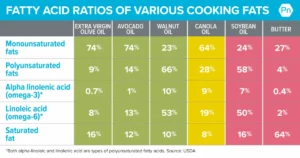
The distinction is subtle but profound. An expert provides answers; a coach asks questions. When confronted with a client’s query, such as about seed oils, an expert might launch into a detailed summary of the latest research. A coach, however, might respond differently: "That’s a great question. I can get you some information on that if you’d like, but I’m curious, why do you ask?" This simple reframing transforms the interaction from a knowledge transfer into a deeper exploration of the client’s underlying motivations and concerns.
For example, further inquiry might reveal that the client’s interest in seed oils stems from a friend’s weight loss success after eliminating them, leading the client to wonder if a similar dietary change could yield comparable results. This revelation shifts the focus from the minutiae of lipid chemistry to the client’s genuine desire for weight loss, allowing the coach to guide them toward more effective and sustainable strategies that may have little or nothing to do with seed oils.
Key Takeaway for Coaches: While a firm grasp of fitness and nutrition principles is essential, clients often have an abundance of information but lack the tools for action. Every client question presents a coaching opportunity. If the answer directly facilitates action, provide it. If you don’t know, offer to find the information. Crucially, if the question’s underlying motive is unclear, transform it into a discovery moment by asking, "Can you tell me why you’re curious about that?" This approach uncovers deeper needs, leading to more productive and impactful coaching conversations.
Addressing Individuality: Mistake #2 – Assuming Your Clients Are Exactly Like You
It might seem self-evident that each client is a unique individual, distinct from their coach. Yet, Solovieva points out that in the warmth of a strong client-coach rapport, it is remarkably easy for coaches to unconsciously project their own values, preferences, and experiences onto their clients. This subtle yet pervasive assumption can lead to significant missteps and ultimately hinder client progress.
Coaches, by nature, are often individuals who deeply value nutrition, exercise, and overall health, having often transformed their own lives through these pursuits. It is a natural, albeit sometimes erroneous, leap to assume that clients share these same intrinsic values or motivations to the same degree. Solovieva candidly acknowledges this challenge: "There’s nothing inherently superior about valuing your health. If you do, yes, you’ll probably experience better health and live longer. But not everyone shares those values. That’s a tough one to swallow." This realization is critical because it forces coaches to confront their own biases and to appreciate the diverse spectrum of human priorities.
The Detrimental Impact of Unchecked Assumptions
When coaches operate under the assumption that clients mirror their own values and lifestyles, they risk recommending strategies that are incompatible with the client’s reality. For instance, a coach passionate about early morning workouts might suggest this routine to a client who works night shifts or has young children, creating an unattainable goal. Similarly, a coach who thrives on meticulous meal prep might advocate for it with a client who lacks time, culinary skills, or access to suitable kitchens.
The consequences of such assumptions are far-reaching. Clients feel misunderstood, unheard, and ultimately frustrated when they cannot adhere to prescribed behaviors or achieve goals that are not genuinely meaningful to them. This disconnect erodes trust and compliance, leading clients to feel like the coach "doesn’t get" them. Simultaneously, coaches may experience frustration and self-doubt, feeling like a "bad" coach when their well-intentioned advice fails to yield results. This cycle of misunderstanding can lead to client dropout and professional burnout.
Solution: Establish a Clear Client Baseline and Assess Readiness
The antidote to assuming similarity is to consciously assume nothing. Solovieva advocates for an approach rooted in radical curiosity and an open mind. Coaches must learn to "check their biases and assumptions at the door" before each session. This involves active listening and empathetic inquiry, rather than prescribing solutions based on personal experience.
Probing Questions for Deeper Understanding:
To truly understand a client’s unique landscape, Solovieva suggests asking open-ended questions that uncover their intrinsic motivations, values, and current capabilities:
- "What inspired you—or pushed you—to come in today?"
- "Why is that goal meaningful to you?"
- "What skills do you have today that might help you achieve your goal? What skills do you feel you might be missing?"
These questions move beyond surface-level desires, revealing the deeper "why" behind a client’s pursuit of change. The ability to listen actively and without judgment is paramount, allowing the client’s voice to guide the coaching process.
Navigating Shared Experiences with Nuance:
The challenge of avoiding assumptions is particularly acute when clients share demographic characteristics or life experiences with the coach (e.g., both are single parents, both training for a marathon, both cancer survivors). In such cases, the temptation to assume identical experiences and responses is strong. However, Solovieva emphasizes that even with shared external circumstances, individual biology, social context, personal history, and psychological makeup ensure that no two experiences are truly identical.
To acknowledge commonality while still respecting individuality, Coach Kate suggests a powerful framing question: "I know what [insert shared experience] has been like for me, but what has [insert shared experience] been like for you?" This technique validates the shared experience, builds rapport, but crucially invites the client to articulate their unique perspective, preventing the coach from projecting their own narrative.
Once a comprehensive understanding of a client’s values, priorities, and motivations for change is established, the coach can then realistically assess what actions the client is truly "ready, willing, and able" to undertake. This framework, often formalized through tools like PN’s Ready, Willing, and Able Worksheet, moves beyond what the coach thinks is best to what the client can realistically execute and sustain. For example, just because a coach finds meal prep easy doesn’t mean it’s a viable option for a client with limited time, resources, or interest. This personalized approach fosters client autonomy and significantly increases the likelihood of adherence and success.
Key Takeaway for Coaches: Clients are distinct individuals with unique genetics, life experiences, cultural backgrounds, and values. They possess specific goals and operate within particular social and environmental contexts. Effective coaching necessitates getting to know the whole client, understanding their unique drivers, and collaboratively identifying actions they can realistically and enthusiastically commit to.
The Emotional Landscape of Coaching: Mistake #3 – Becoming Too Attached to Client Results
The very essence of coaching is rooted in care and a genuine desire to help clients succeed. This inherent empathy is often the driving force behind entering the profession, making it profoundly rewarding. Solovieva acknowledges this deeply human aspect: "There’s a reason we go into coaching. It’s because we care and we want to help clients. We want to see them succeed." However, this very strength, caring, can also become a double-edged sword when it leads to an over-attachment to client outcomes.
Coaches meticulously craft plans, set goals, and identify habits with their clients. The process involves significant intellectual and emotional investment. "And then they walk off and either do the thing or don’t do the thing. That’s brutal," Solovieva remarks. The harsh reality is that regardless of how expertly designed a plan is, how sound the advice, or how deeply the coach cares, the ultimate responsibility for execution and achieving results lies with the client. Coaches have no direct control over a client’s actions.
The Burnout Cycle of Over-Attachment
This lack of control can be incredibly frustrating and even heartbreaking for coaches who witness clients failing to implement agreed-upon strategies or not achieving their desired outcomes. While these feelings are natural and often indicative of a passionate commitment to one’s work, Solovieva cautions against allowing them to spiral into unhealthy levels of emotional investment. She states that experiencing these emotions is "part of the job, and it’s often a sign that your work has meaning to you. (It’s a good thing.)" The critical distinction lies in drawing a line before a coach begins to care more than the client themselves.
Precision Nutrition uses the concept of "care units" to illustrate this balance. Care units represent the finite amount of time, energy, attention, authenticity, and "heart" a coach can bring to serving their clients. Clients also possess their own allocation of care units for their personal change and growth projects. Often, clients, burdened by life’s complexities, have fewer care units to dedicate than their coaches might anticipate, which is entirely normal. The guiding principle here is simple yet profound: "Care one care unit less than your client does." This isn’t about indifference; it’s about sustainable empathy and clear boundaries.
Solution: Clearly Delineate Client and Coach Responsibilities
Maintaining an appropriate level of emotional investment while still effectively supporting clients requires a clear understanding and articulation of roles and responsibilities. "This is where I really like to get really clear on what my role is as a coach," Solovieva explains. By establishing well-defined boundaries, coaches can assess their performance based on their own actions rather than client outcomes: "Did I show up? Did I follow up? Did I coach this person to the best of my ability?"
Defining Roles for Sustainable Engagement:
As a coach, responsibilities typically include:
- Providing expert guidance and resources: Sharing relevant, evidence-based information and tools.
- Facilitating self-discovery: Asking powerful questions to help clients uncover their own solutions.
- Creating a supportive and non-judgmental environment: Fostering psychological safety.
- Establishing accountability structures: Setting up systems for check-ins and progress tracking.
- Adapting strategies: Adjusting plans based on client feedback and evolving needs.
- Modeling professional ethics and integrity: Upholding the highest standards of the profession.
Conversely, the client is primarily responsible for:
- Communicating honestly and openly: Sharing challenges, successes, and insights.
- Actively engaging in the process: Participating in sessions, completing assigned tasks.
- Taking ownership of their actions and decisions: Implementing strategies outside of sessions.
- Committing to their goals: Maintaining motivation and effort towards desired changes.
- Providing feedback: Informing the coach about what is working and what isn’t.
Implementing Clear Boundaries Early On:
This delineation of responsibilities is most effective when established early in the coaching relationship. Some coaches prefer an open discussion during initial consultations, while others integrate these expectations into formal coaching contracts. This early communication serves a dual purpose: it sets clear expectations for both parties and acts as a vetting process for coach-client "fit."
Solovieva illustrates this with an example: "When I’m having that initial conversation with a prospective client, I can ask, ‘What does accountability look like to you?’ If the client replies, ‘Well, I want you to text me every morning and night, and I want you to make sure I’ve done my workout, and also ship groceries to my house,’ then I will be the one to say, ‘I don’t think this is a good fit.’" This proactive approach prevents future friction, disappointment, and potential burnout for the coach.
Clear boundaries protect the coach-client relationship, even in challenging scenarios like client "ghosting." Solovieva’s strategy for unresponsive clients exemplifies professional detachment coupled with unwavering commitment to her role: "When somebody doesn’t reply to me, I don’t take it personally. It’s not their job to reply, but it is my job to check in." She continues to follow up through various contact methods until the contract concludes, ending with a supportive message that leaves the door open for future engagement. This approach underscores that the coach’s responsibility is to provide the opportunity and support, not to force compliance.
Key Takeaway for Coaches: Formalize your accountabilities as a coach, whether for personal reference or within a client contract. These should be specific actions (e.g., "Provide weekly check-ins via email," "Host monthly group Q&A sessions"). Crucially, engage in a transparent conversation about mutual expectations and responsibilities with all clients, ideally before or during the first session. This establishes a healthy foundation for the coaching journey, fostering clarity, trust, and sustainable engagement.
Bonus Insight: The Importance of Self-Appreciation for Coaches
In the rigorous pursuit of professional excellence and client success, coaches often fall prey to a subtle but significant oversight: neglecting to acknowledge their own efforts and achievements. This "bonus mistake"—forgetting to give oneself a pat on the back—is particularly poignant in a profession built on empathy and service. While the primary focus of this article has been on identifying and rectifying common errors, Solovieva underscores that the very "mistakes" discussed often spring from a place of deep care and commitment.
If a coach finds themselves grappling with the challenges of balancing sales and coaching, assuming client similarities, or becoming overly invested in outcomes, it’s often a testament to their genuine passion. This inherent drive to help is not a flaw but a profound strength. However, even strengths require management and protection. Unchecked self-criticism and a constant focus on improvement without acknowledging successes can lead to burnout, diminished self-efficacy, and ultimately, less effective coaching.
The Broader Impact of Self-Compassion:
Practicing self-compassion is not merely a feel-good exercise; it is a critical component of sustainable professional practice. Coaches who regularly acknowledge their efforts, celebrate small victories, and forgive their own missteps are better equipped to navigate the inherent stresses of the profession. This self-care translates into greater resilience, renewed energy, and a more robust capacity to serve clients effectively. When coaches are emotionally and mentally well, they bring their best selves to their practice, enhancing client experiences and outcomes.
The journey of a coach is one of continuous learning and adaptation. Embracing these insights from Kate Solovieva provides a roadmap for growth, allowing coaches to refine their approach, build stronger businesses, and forge more impactful client relationships. By recognizing the power of balance—between learning and doing, between empathy and boundaries, and between striving for excellence and celebrating progress—coaches can truly achieve the wild success they aspire to.
(For those interested in a deeper dive, the full interview with Coach Kate Solovieva can be heard on the Coaches Compass podcast, where these insights were originally shared.)
Elevating Your Coaching Practice: Next Steps
For individuals passionate about guiding others towards sustainable health and lifestyle transformations, the insights shared by Kate Solovieva offer invaluable guidance. Building a successful coaching practice hinges not only on profound knowledge but also on strategic business acumen and a nuanced understanding of human behavior.
If you are a coach seeking to refine your skills, navigate the complexities of client engagement, and build a thriving practice, or if you aspire to enter this rewarding profession, consider the foundational training provided by Precision Nutrition. The PN Level 1 Nutrition Coaching Certification offers a comprehensive curriculum designed to equip coaches with the knowledge, tools, and practical strategies to help individuals build sustainable nutrition and lifestyle habits. This certification empowers you to make a significant positive impact on physical and mental health, while simultaneously building a fulfilling and profitable career doing what you love. Enrollment is currently available with significant discounts, providing an accessible pathway to professional development in this vital field.