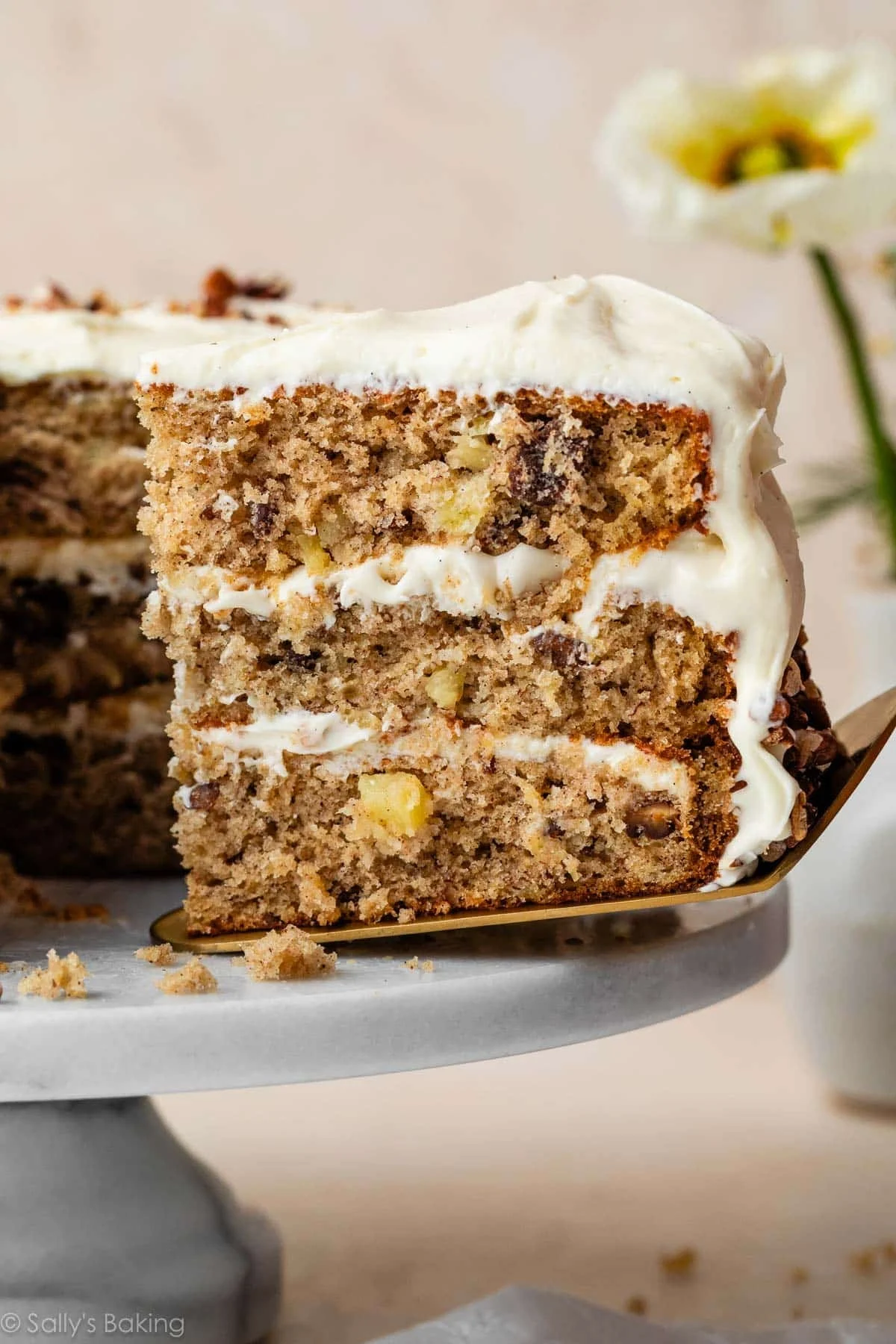

The Hummingbird Cake, a dessert celebrated for its unparalleled moistness and distinct tropical-meets-Southern flavor profile, has long held a cherished spot in American culinary traditions, particularly within the Southern states. This three-layer marvel, characterized by its rich blend of ripe bananas, crushed pineapple, warm spices, and toasted pecans, all crowned with a generous application of tangy cream cheese frosting, offers a unique sensory experience that transcends typical cake expectations. Often likened to a harmonious fusion of classic carrot cake and beloved banana bread, the Hummingbird Cake stands as a testament to the power of simple, wholesome ingredients combined to create something truly extraordinary. Its journey from obscure origins to widespread acclaim is a captivating narrative that underscores its universal appeal and adaptability.
Historical Roots and Transatlantic Journey
The precise genesis of the Hummingbird Cake is a subject of fascinating culinary debate, yet its lineage is widely traced back to Jamaica, where it was known as "Doctor Bird Cake." The "Doctor Bird" is a local term for the Red-billed Streamertail, Jamaica’s national bird, renowned for its vibrant plumage and agile flight, much like a hummingbird. This initial nomenclature suggests a cake so delightful and alluring that it could attract even the most discerning of palates, much as the "doctor bird" is drawn to the sweetest nectar.

In its Jamaican iteration, the cake likely leveraged abundant local produce such as ripe bananas and pineapples, ingredients that thrived in the island’s tropical climate. The inclusion of these fruits, coupled with a dense, moist crumb, would have made it a staple for celebrations and daily enjoyment, reflecting the rich, vibrant culinary heritage of the Caribbean. While the exact date of its creation on the island remains elusive, it is understood to have been a well-established recipe long before its transatlantic migration. The "Doctor Bird Cake" embodies a fusion of readily available tropical fruits with traditional cake-making techniques, a common theme in island cuisines where fresh produce dictates much of the culinary innovation. The sweetness and moisture provided by the fruits allowed for a cake that was both celebratory and sustainable in a warm climate.
The cake’s arrival in the United States marked a pivotal moment in its history. During the 1960s and 1970s, as tourism to the Caribbean increased and cultural exchanges became more frequent, recipes from the islands began to find their way into American kitchens. It is believed that the Doctor Bird Cake made its way to the Southern United States during this period, where it underwent a subtle transformation, adapting to local tastes and available ingredients, and eventually earning its more familiar moniker: Hummingbird Cake. This adaptation was less about fundamental alteration and more about integration into the existing Southern baking lexicon, which already embraced rich, moist, fruit-laden cakes. The South, with its strong tradition of hospitality and love for indulgent, comforting desserts, proved to be fertile ground for the cake’s adoption. The subtle shift in name from "Doctor Bird" to "Hummingbird" might reflect a natural Americanization, connecting the vibrant, nectar-loving bird with the cake’s sweet, irresistible appeal.
The Southern Living Phenomenon of 1978
The Hummingbird Cake’s true breakthrough into mainstream American consciousness can be definitively dated to 1978, a landmark year for the dessert. It was then that Southern Living magazine, an influential publication with a broad readership across the American South and beyond, published a recipe for Hummingbird Cake. The response was immediate and overwhelming. The recipe quickly became one of the magazine’s most requested and beloved features, propelling the cake from regional curiosity to a national sensation.
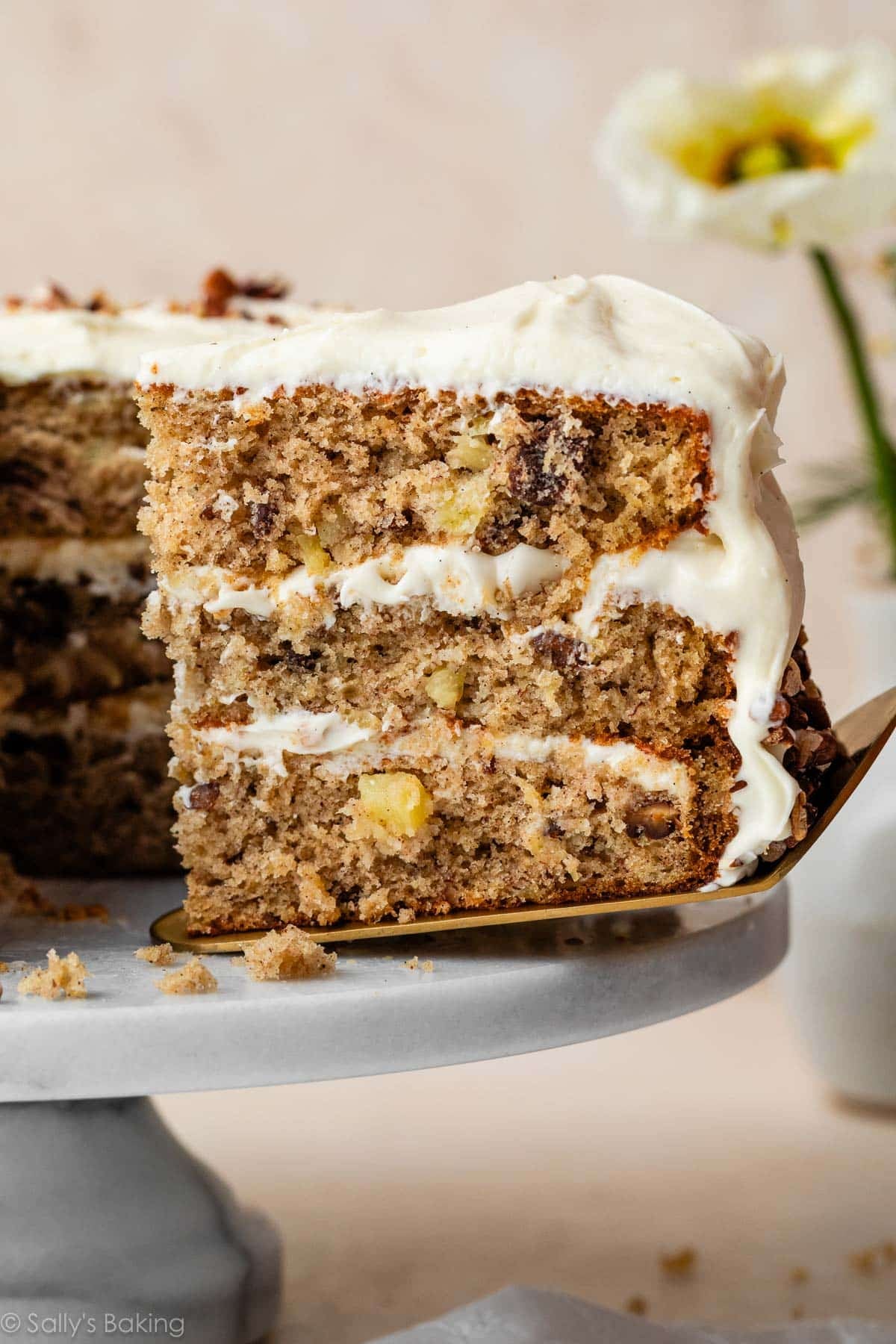
Southern Living, founded in 1966, had by the late 1970s cemented its reputation as a trusted authority on Southern culture, lifestyle, and, crucially, cuisine. Its circulation at the time was significant, reaching millions of households across 17 states. A recipe featured within its pages carried immense weight, often leading to widespread adoption and integration into family traditions. The Hummingbird Cake, with its unique blend of comforting familiarity (like banana bread) and exotic allure (from pineapple and spices), struck a chord with readers. It offered something new yet inherently Southern in its generosity of flavor and texture. Culinary historians often point to Southern Living‘s role in shaping and disseminating Southern culinary identity, and the Hummingbird Cake serves as a prime example of its profound influence. The magazine’s rigorous testing and presentation of recipes instilled confidence in home cooks, making their featured dishes instant classics.
The magazine’s endorsement provided not just a recipe but a cultural imprimatur, solidifying the cake’s identity as a quintessential Southern dessert. Its popularity exploded, making it a fixture at church potlucks, family gatherings, bridal showers, and holiday tables throughout the region. The accessibility of the ingredients, combined with the relatively straightforward preparation, ensured its sustained appeal among home bakers. This surge in popularity also reflected broader culinary trends of the era, where home baking remained a cherished activity and recipes shared through trusted publications held significant value. The cake represented a perfect blend of tropical brightness and comforting spice, appealing to a post-war generation of home cooks who sought both novelty and tradition in their kitchens.
Defining Characteristics: A Culinary Breakdown
What precisely makes the Hummingbird Cake so irresistible? Its distinctiveness lies in a careful balance of ingredients that contribute to its signature moistness, complex flavor, and appealing texture.
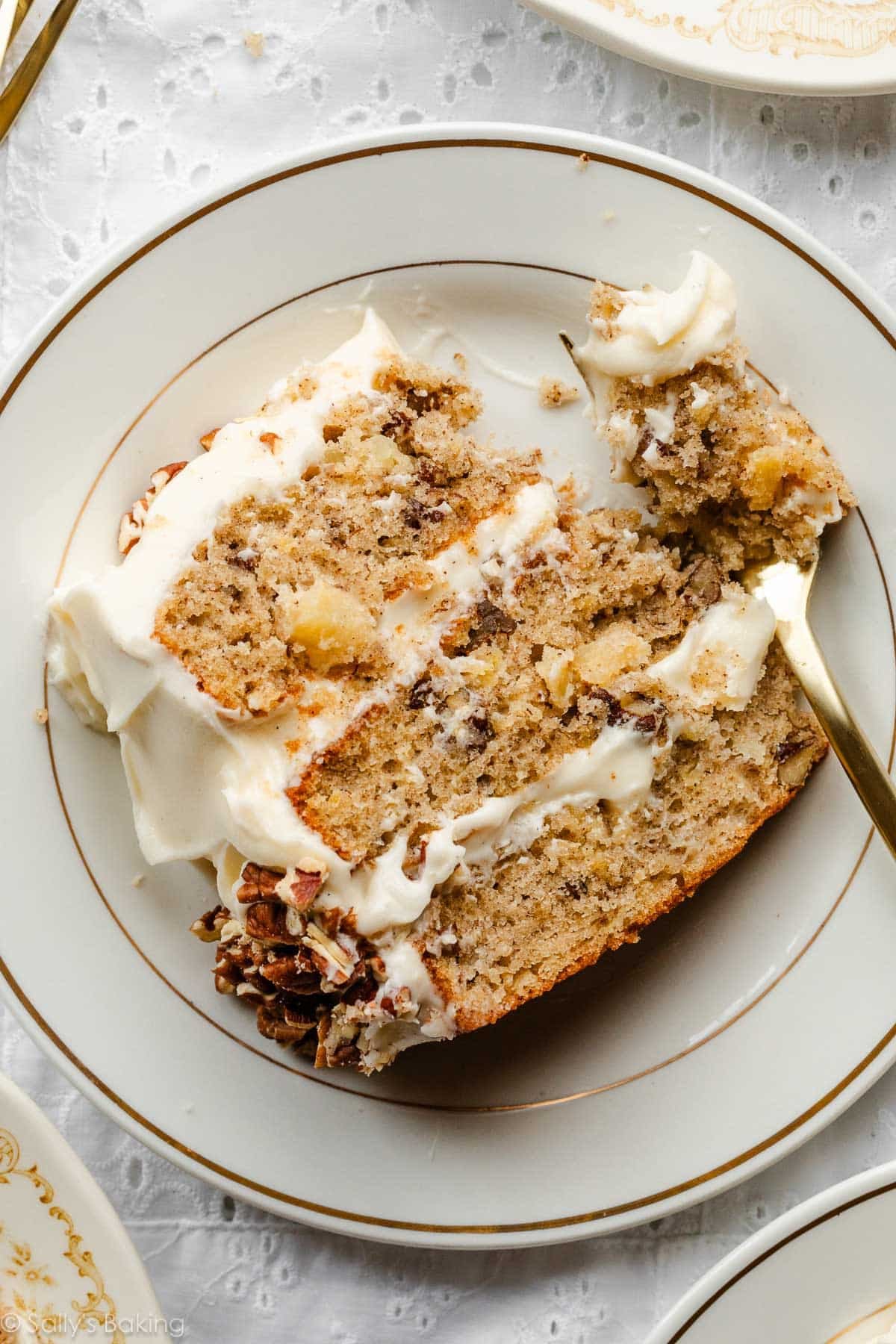
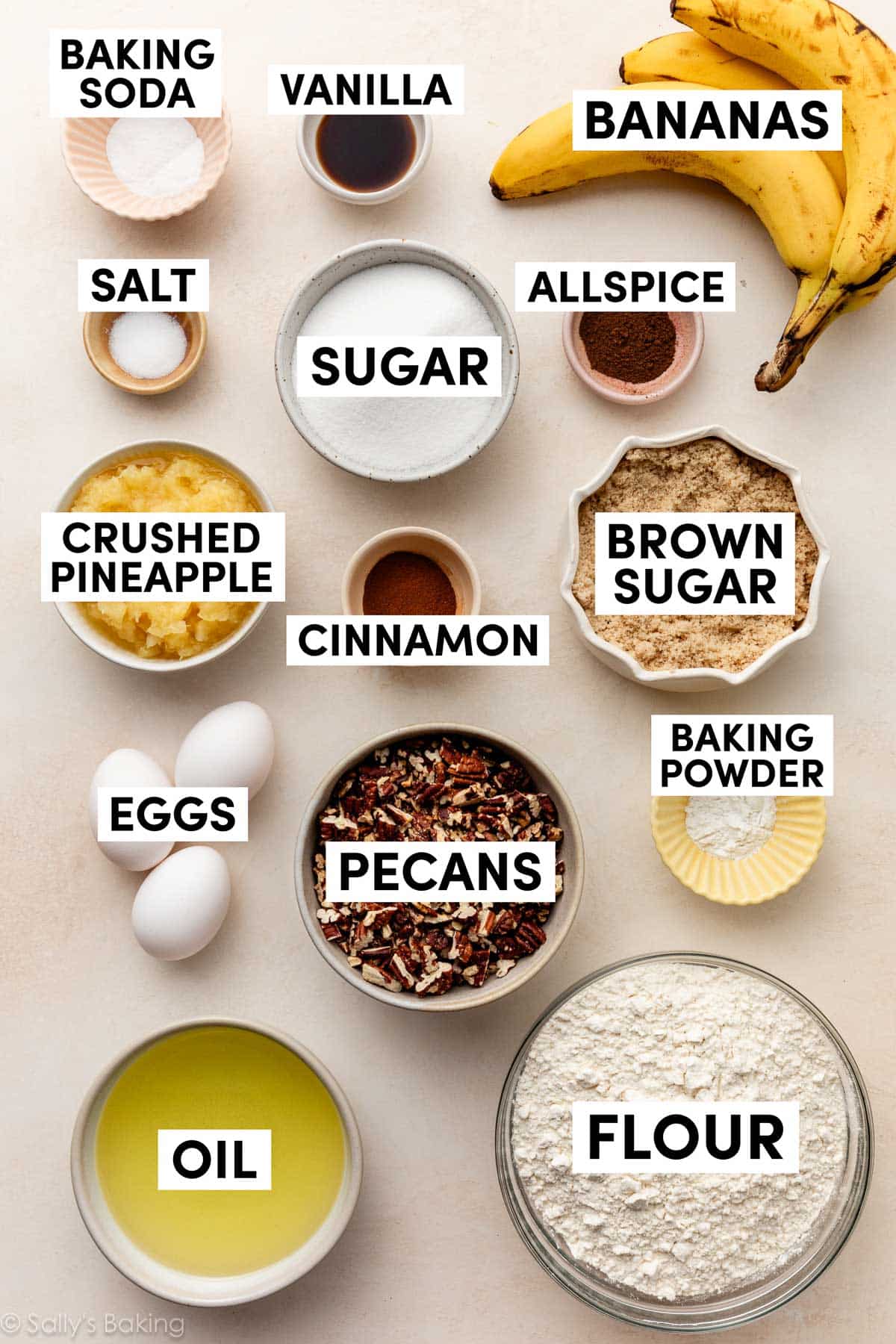
- Ripe Bananas: Crucial for both moisture and natural sweetness, ripe (often speckled or browned) bananas lend a depth of flavor that is both comforting and rich. They contribute to the cake’s dense, tender crumb, preventing it from drying out. The natural sugars in the bananas also caramelize slightly during baking, enhancing the overall taste and providing a deep, resonant base flavor that anchors the cake. The use of very ripe bananas is non-negotiable for achieving the desired texture and sweetness profile.
- Crushed Pineapple: The inclusion of crushed pineapple is a masterstroke. It introduces a bright, tangy counterpoint to the sweetness of the bananas and sugar, preventing the cake from becoming cloyingly sweet. Furthermore, the pineapple’s high water content and natural acidity contribute significantly to the cake’s renowned moistness, keeping it fresh for longer. The small pieces of crushed pineapple also add a subtle textural dimension, a pleasant chewiness that distinguishes it from other fruit cakes. The acidity of the pineapple also interacts with leavening agents, contributing to the cake’s tender crumb.
- Warm Spices: While not explicitly detailed in every iteration, classic Hummingbird Cake often features a blend of warm spices. Cinnamon is a common choice, providing an aromatic warmth that complements the fruit flavors. Some recipes, like the one referenced, incorporate allspice, which adds a complex, slightly peppery, and clove-like note, deepening the cake’s character and lending it a more sophisticated profile. These spices evoke the comfort of traditional Southern baking, bridging the tropical fruits with a familiar, homely warmth. The aromatic blend elevates the cake from merely sweet to richly flavorful.
- Toasted Pecans: Pecans are a hallmark of Southern baking, and their presence in Hummingbird Cake is essential. When toasted, pecans develop a deeper, nuttier flavor and a satisfying crunch that contrasts beautifully with the soft cake and creamy frosting. They add an earthy richness and textural variety that elevates the dessert beyond a simple fruit cake, providing a crucial counterpoint to the cake’s inherent softness. Pecans also offer a subtle bitterness that balances the sweetness of the fruits.
- Oil vs. Butter: Unlike many traditional butter-based cakes, Hummingbird Cake typically uses oil as its primary fat. Vegetable oil, or a similar neutral-flavored oil, contributes to an incredibly moist and tender crumb that remains soft even when chilled. This choice of fat also makes the cake batter easier to mix, often requiring no electric mixer, a significant advantage for home bakers seeking simplicity without compromising quality. Oil-based cakes are known for their superior moistness and longer shelf life compared to butter-based cakes.
- Tangy Cream Cheese Frosting: No Hummingbird Cake is complete without a generous slathering of cream cheese frosting. This iconic topping provides the perfect balance to the sweet, spiced cake layers. Its characteristic tang, derived from full-fat cream cheese, along with the richness of butter and the sweetness of confectioners’ sugar, creates a luxurious, velvety texture. The frosting’s slight acidity cuts through the cake’s richness, ensuring each bite is refreshing and well-rounded. The consistency of the frosting is critical; it should be smooth, spreadable, and sturdy enough to hold its shape between layers, yet light enough to complement the cake without overwhelming it.
Accessibility and Enduring Appeal in Modern Kitchens
One of the most appealing aspects of the Hummingbird Cake, beyond its exquisite taste, is its surprising ease of preparation. Despite its elaborate appearance as a multi-layered dessert, the cake batter itself is remarkably straightforward, often requiring only a whisk and two bowls. This "no mixer required" quality significantly lowers the barrier to entry for novice bakers and makes it a convenient choice for even experienced chefs. The simplicity of its preparation belies the complexity of its flavor, making it a rewarding baking project.
The process typically involves whisking dry ingredients in one bowl and wet ingredients in another, then gently combining them before folding in the pecans. This simple methodology ensures that the cake remains accessible for everyday baking while still being impressive enough for special occasions. The ingredients are also readily available in most grocery stores, further contributing to its widespread adoption. This ease of access to ingredients and preparation methods contributes significantly to its sustained popularity over decades.
Its versatility makes it suitable for a wide array of events. Whether gracing the table at Easter celebrations, acting as a centerpiece for spring gatherings, or simply being baked to utilize overripe bananas, the Hummingbird Cake consistently garners rave reviews. Its ability to satisfy diverse palates, from those who prefer traditional fruit cakes to those seeking a unique flavor adventure, solidifies its position as a universally beloved dessert. Culinary enthusiasts and home bakers consistently praise the cake’s approachability and delicious outcome. The anecdote from a reader, "Delicious!!!! And my colleagues LOVED it. Recipe was easy to follow and not complicated," reflects the broad public sentiment that the cake is both a culinary triumph and a manageable baking endeavor. This combination of impressive results with minimal fuss has cemented its place in countless recipe repertoires.
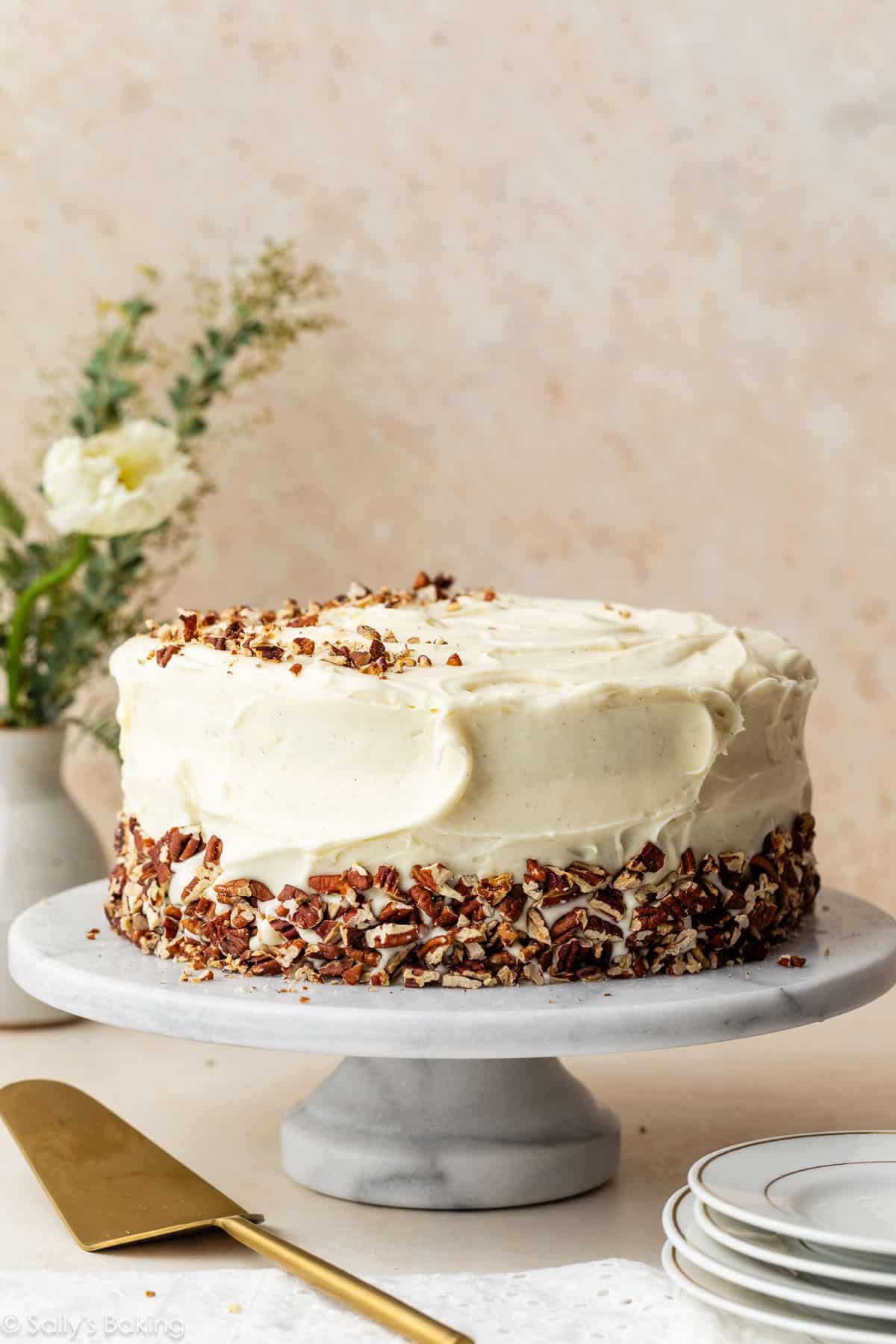
The Art of Preparation: Key Ingredients and Techniques for Success
Creating an exceptional Hummingbird Cake relies on understanding the interplay of its core components and employing sound baking techniques.
-
Ingredient Quality and Preparation:
- Bananas: Overripe bananas are paramount. Their heightened sweetness and softer texture are crucial for the cake’s flavor and moistness. Mashing them thoroughly ensures even distribution throughout the batter. Underripe bananas will yield a less flavorful and potentially drier cake.
- Pineapple: Using crushed pineapple, typically canned, and ensuring it is well-drained prevents the batter from becoming too watery, which could lead to a dense or gummy cake. The juice, however, contributes flavor and moisture, so finding the right balance is key. Some recipes suggest reserving a tablespoon or two of the juice for added flavor.
- Pecans: Toasting pecans before incorporating them into the batter and using them as a garnish significantly amplifies their nutty flavor and adds a desirable textural crunch. This simple step elevates the overall sensory experience and prevents them from tasting raw or bland.
- Spices: Fresh, potent spices like cinnamon and allspice are vital. Stale spices will result in a flat-tasting cake. Checking spice freshness by smell is a good practice.
- Leavening Agents: A balanced combination of baking soda and baking powder ensures the cake achieves a light, airy rise despite the heavy fruit content. Baking soda reacts with the acidic pineapple and brown sugar, while baking powder provides consistent lift.
- Sugars: Both granulated sugar and brown sugar contribute to sweetness and moisture. Brown sugar, with its molasses content, adds a deeper, more complex flavor profile and enhances the cake’s moistness.
- Oil: A neutral-flavored oil (e.g., vegetable, canola) is preferred to allow the fruit and spice flavors to shine. Using oils with strong flavors could detract from the delicate balance of the cake.
- Eggs and Vanilla: Room temperature eggs emulsify better with other ingredients, leading to a smoother batter and a more uniform cake texture. High-quality vanilla extract enhances all other flavors, adding a layer of sophisticated warmth.
-
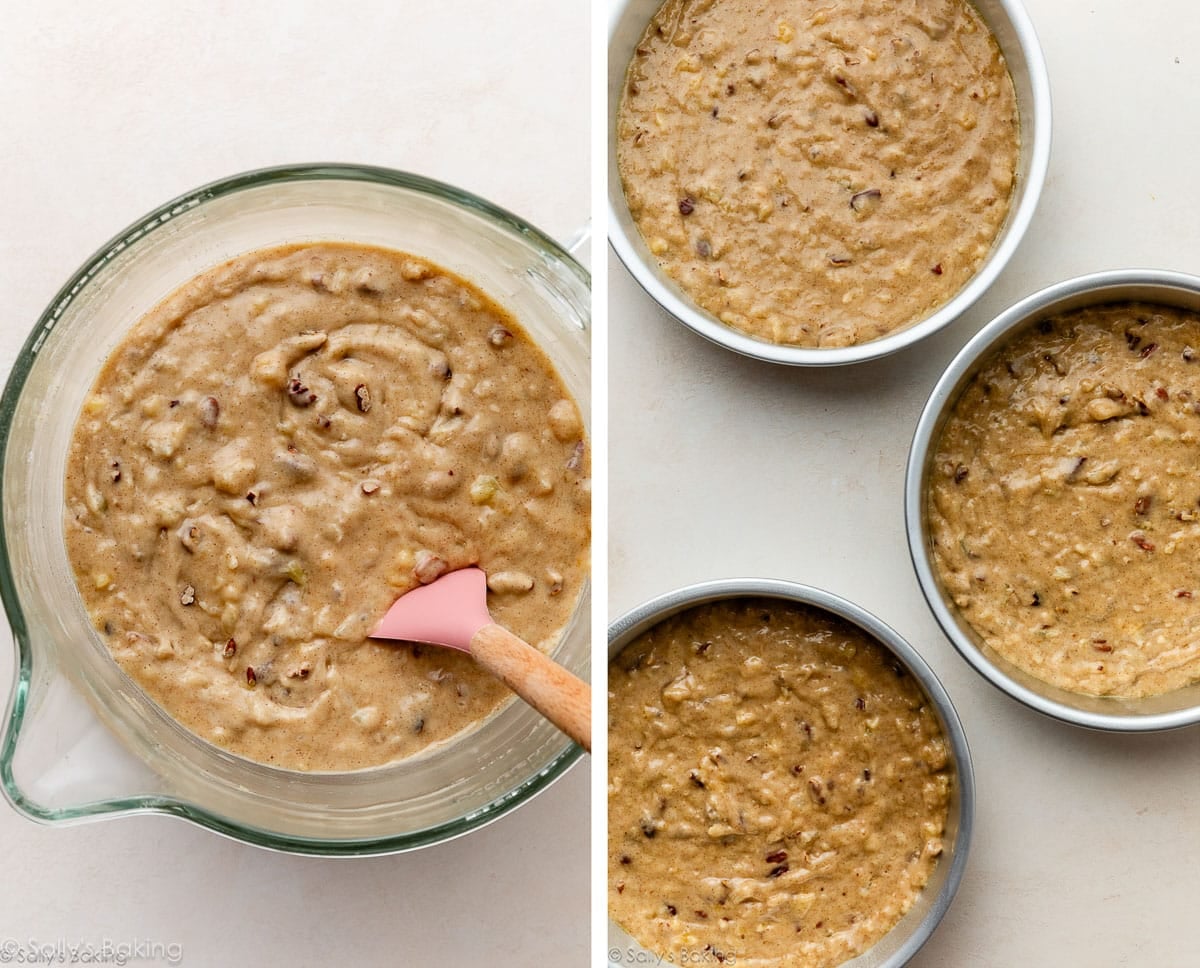
Mixing Technique: The "no mixer required" approach emphasizes gentle mixing. Overmixing flour-based batters can develop gluten excessively, resulting in a tough cake. The method of combining dry ingredients separately, then wet ingredients, and finally folding them together, minimizes gluten development and ensures a tender crumb. A wooden spoon or spatula is often sufficient for this gentle folding process.
-
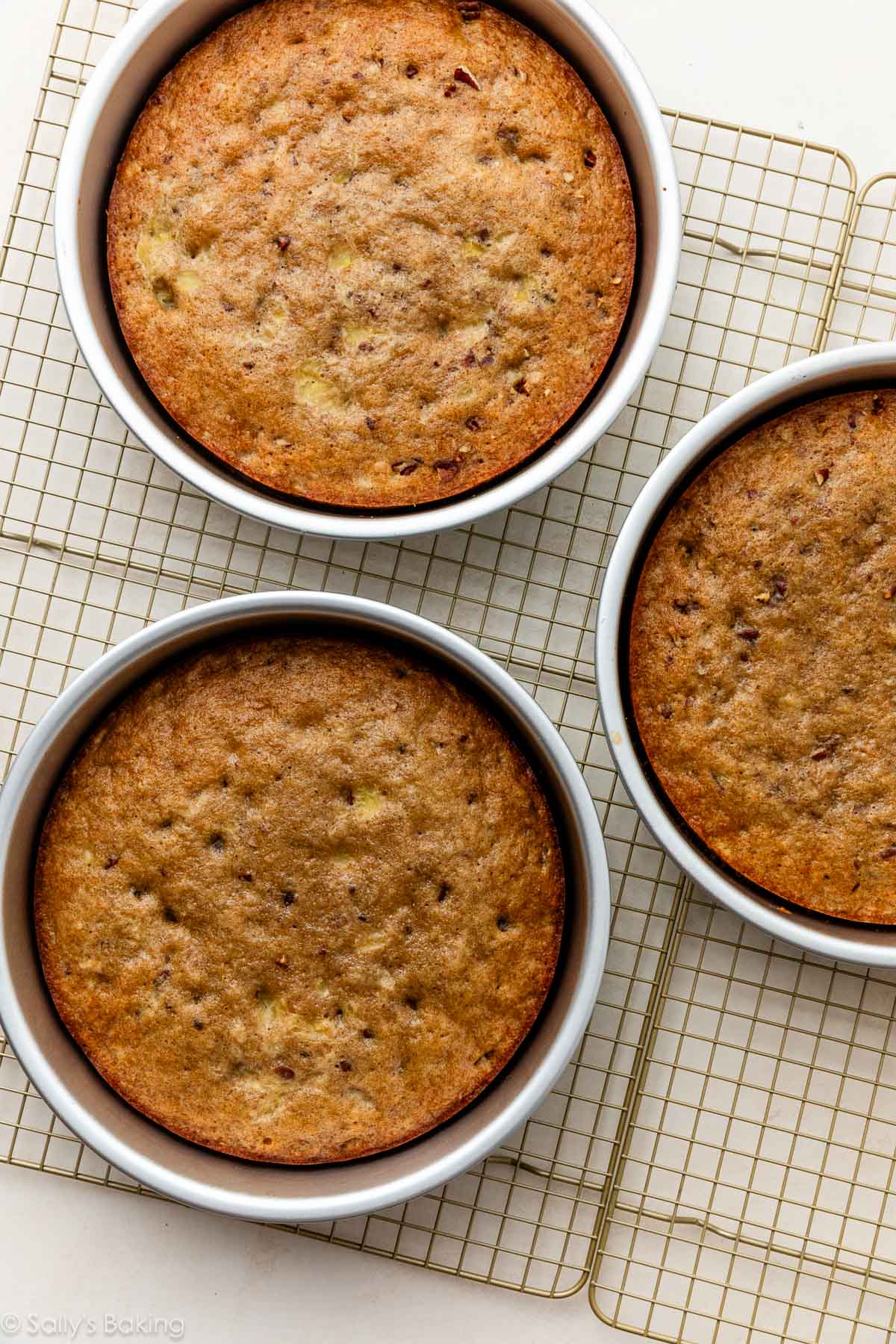
Baking Pans: The choice of cake pans is important for achieving optimal layer thickness and baking consistency. Eight-inch round cake pans are often recommended as they yield thick, impressive layers. While nine-inch pans can be used, they will result in thinner layers, potentially requiring adjustments to baking time. Properly preparing the pans (greasing, flouring, and often lining with parchment paper) is essential to prevent sticking and ensure easy release of the delicate cake layers.
-
Cooling: Allowing the cake layers to cool completely before frosting is critical. Warm cakes will melt the cream cheese frosting, leading to a messy, unstable structure. Cooling on wire racks promotes even air circulation and prevents condensation, which can make the cakes soggy. Rushing this step is a common pitfall for bakers.
Crafting the Silky Cream Cheese Frosting
The cream cheese frosting is not merely an adornment but an integral component of the Hummingbird Cake experience. Its preparation, while seemingly straightforward, benefits from attention to detail.
- Key Ingredients: Full-fat, brick-style cream cheese is essential for achieving the correct tang and firmness. Low-fat or whipped cream cheese varieties will result in a thinner, less stable frosting. Unsalted butter, softened to room temperature, contributes richness and aids in emulsification. Confectioners’ sugar (powdered sugar) provides sweetness and structure, while vanilla extract and a pinch of salt enhance the overall flavor profile.
- Temperature Matters: Ensuring both the cream cheese and butter are at room temperature is crucial for a smooth, lump-free frosting. Cold ingredients will not cream together properly, leading to a curdled or grainy texture. Conversely, excessively warm butter can result in a runny frosting.
- Whipping Technique: The ingredients should be beaten until smooth, fluffy, and spreadable. Over-beating, particularly after adding confectioners’ sugar, can incorporate too much air, making the frosting unstable. If the frosting becomes too soft or "gloppy" (a common issue due to the high fat content), a brief chill in the refrigerator can help it firm up to a more workable consistency. This step allows the fats to firm up slightly, improving stability.
- Application: The frosting should glide effortlessly onto the cooled cake layers. While a crumb coat is often recommended for other cakes to trap loose crumbs, the Hummingbird Cake’s moist, less crumbly nature, combined with the soft, creamy frosting, often makes a separate crumb coat unnecessary. An icing spatula is typically sufficient for a smooth finish, though piping bags can be used for more decorative applications.
Implications and Enduring Legacy
The story of the Hummingbird Cake is more than just a recipe; it’s a narrative of cultural exchange, culinary adaptation, and the enduring power of a truly delicious dish. Its journey from Jamaican "Doctor Bird Cake" to Southern icon illustrates how food traditions evolve and cross geographical boundaries, enriching the culinary landscape of new regions. The cake’s success also highlights the economic implications for ingredient suppliers, particularly for bananas, pineapples, and pecans, which see increased demand when such recipes gain widespread popularity.
The cake’s lasting popularity, spanning decades, speaks to its timeless appeal. In an age of rapidly changing food trends, the Hummingbird Cake remains a steadfast favorite, a testament to the comfort and joy derived from classic, well-executed recipes. Its continued presence in food blogs and updated recipe publications, such as the referenced Sally’s Baking Addiction, highlights its modern relevance and how digital platforms now serve as new conduits for preserving and sharing culinary heritage. The consistent updates and "success tips" provided by such platforms ensure that new generations of bakers can confidently recreate this classic, adapting it slightly for contemporary tastes while honoring its rich history. The digital age has democratized recipe sharing, allowing a broader audience to discover and cherish this Southern gem, often with enhanced guidance and visual aids.
The Hummingbird Cake stands as a vibrant symbol of Southern hospitality and ingenuity, a dessert that perfectly encapsulates the region’s ability to embrace diverse influences and transform them into something uniquely its own. It reminds us that sometimes, the simplest combinations of ingredients—like bananas, pineapple, and pecans—can create the most unforgettable culinary experiences, proving that certain flavors are indeed timeless. Its ability to transcend seasons, being equally at home during a spring Easter brunch or a cozy autumn gathering, further solidifies its status as a versatile and cherished dessert, continuing to attract new devotees with every moist, flavorful slice. The observation that cold leftover slices often reveal an even deeper melding of flavors speaks to the cake’s complexity and its capacity to improve over time, a rare quality in baked goods.
Conclusion
From its exotic origins in Jamaica to its embrace as a beloved Southern classic, the Hummingbird Cake has woven itself into the fabric of American baking. Its enduring popularity is a testament to its unique flavor profile, incredible moistness, and the approachable nature of its preparation. As it continues to be shared, adapted, and celebrated across generations, the Hummingbird Cake remains a shining example of how food can connect cultures, tell stories, and bring immense joy to those who bake and savor it. It is, without a doubt, a culinary gem that deserves its place in the pantheon of great desserts, a true testament to the power of a well-crafted recipe to capture hearts and taste buds for decades