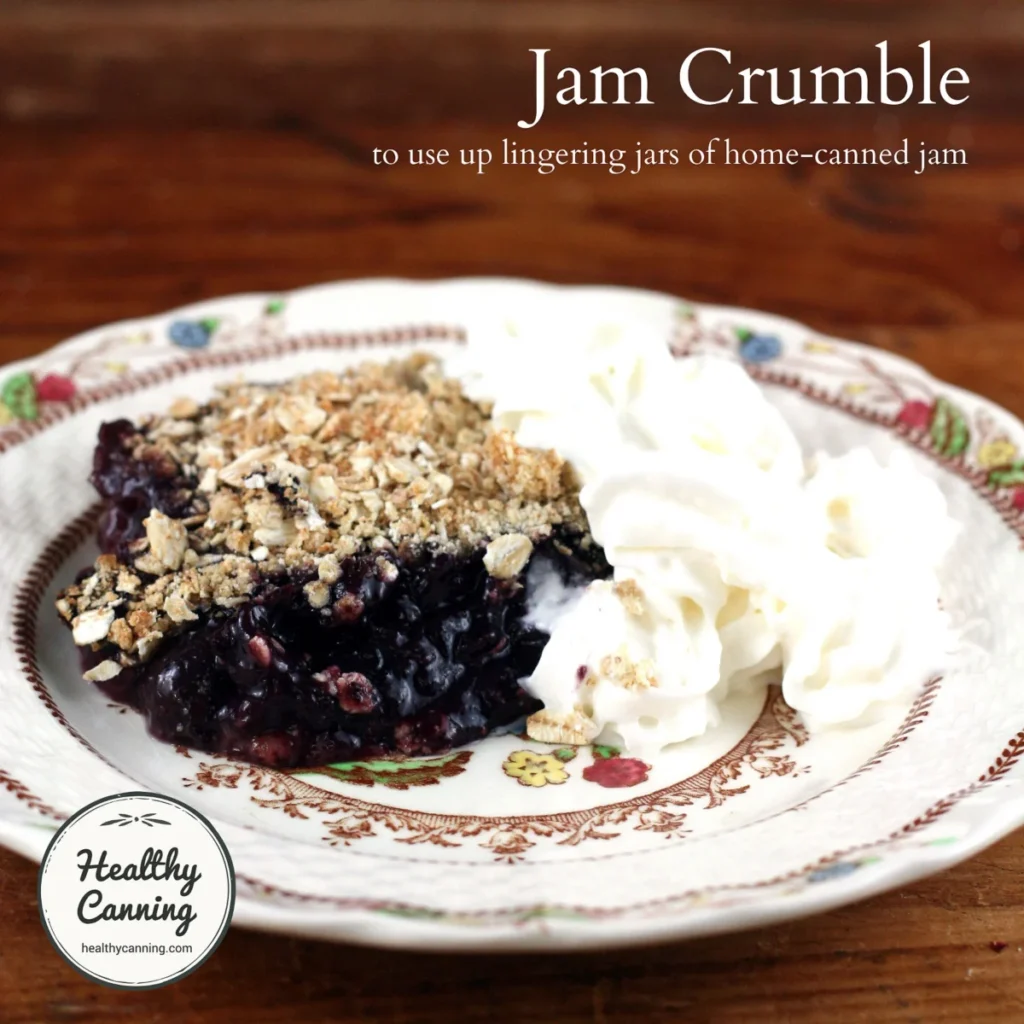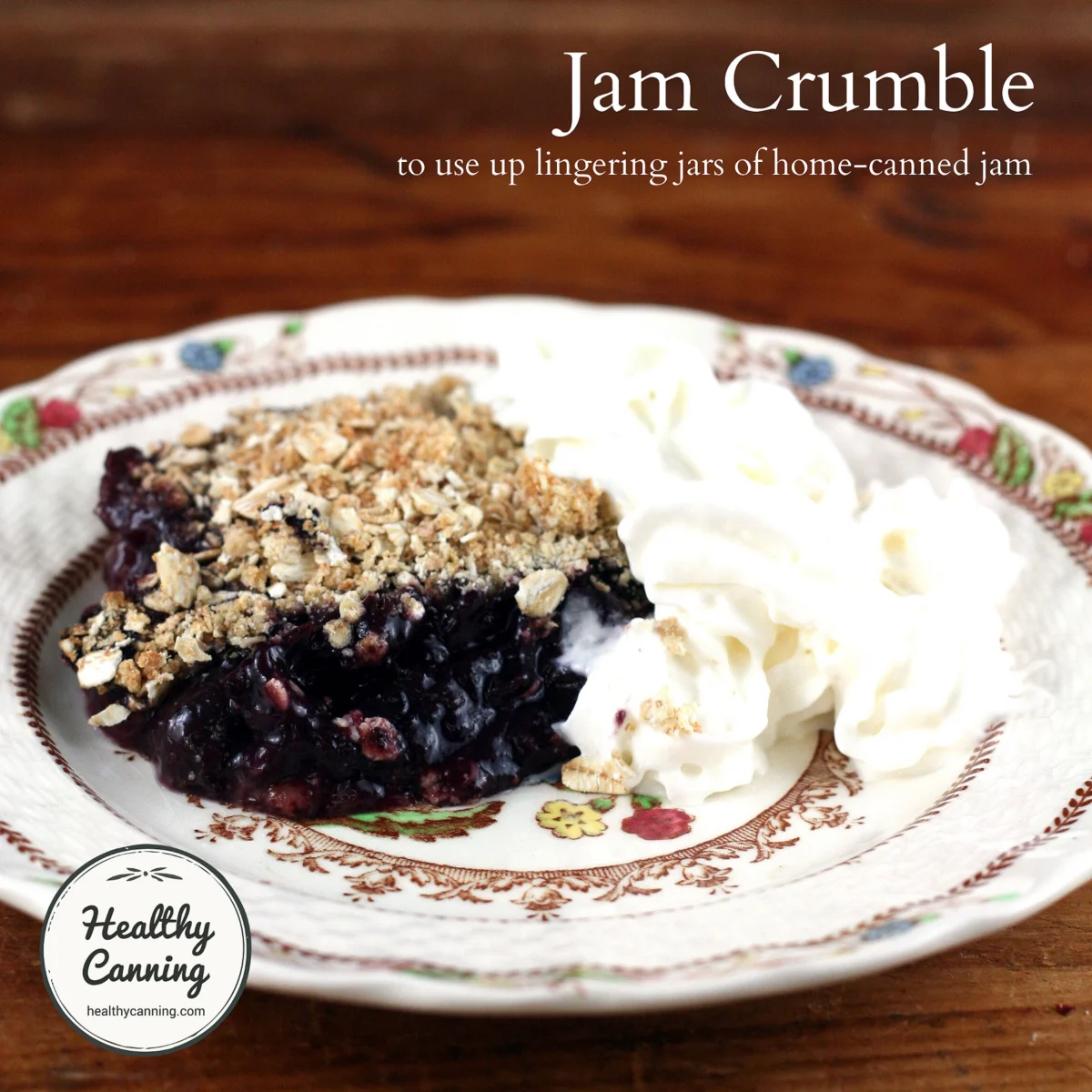

The domestic practice of home canning, which saw a significant resurgence during the global supply chain disruptions of the early 2020s, has led to a common modern pantry dilemma: the accumulation of surplus preserves. While the initial impulse of a seasonal harvest often results in dozens of jars of strawberry, raspberry, or stone fruit jams, household consumption rates frequently fail to keep pace with production. This discrepancy often leaves home cooks with "lingering jars" that, while shelf-stable, begin to lose their vibrant color and peak flavor over time. Culinary experts are now highlighting the "Jam Crumble" as a strategic and efficient method for utilizing these aging assets, transforming potential food waste into a sophisticated, warm dessert with minimal preparation time.
The Economic and Culinary Context of Home Preservation
To understand the utility of the jam crumble, one must look at the broader landscape of home food preservation. According to data from market research firms and gardening associations, interest in home canning spiked by over 30% between 2020 and 2022. This "preservation boom" was driven by a desire for food security and a return to artisanal kitchen skills. However, a common side effect of this enthusiasm is the "jam glut." A single productive peach tree or a weekend berry-picking excursion can yield upwards of 20 to 30 half-pint jars—far more than the average family consumes as a breakfast condiment within a single calendar year.
Furthermore, as dietary habits shift away from high-sugar breakfasts, the traditional use of jam on toast has seen a decline in some demographics. This shift results in jars "gathering dust" on pantry shelves. The jam crumble addresses this by shifting the ingredient from a condiment to a primary component of a hot dessert, utilizing larger quantities of the product (approximately 500 ml or 1 pint per recipe) in a single serving.

Technical Specifications and Recipe Framework
The jam crumble is categorized as a high-efficiency dessert, requiring a preparation time of approximately 10 minutes and a bake time of 35 minutes. The recipe is designed to be modular, allowing for the use of various jam types and topping compositions.
Core Ingredients and Equipment
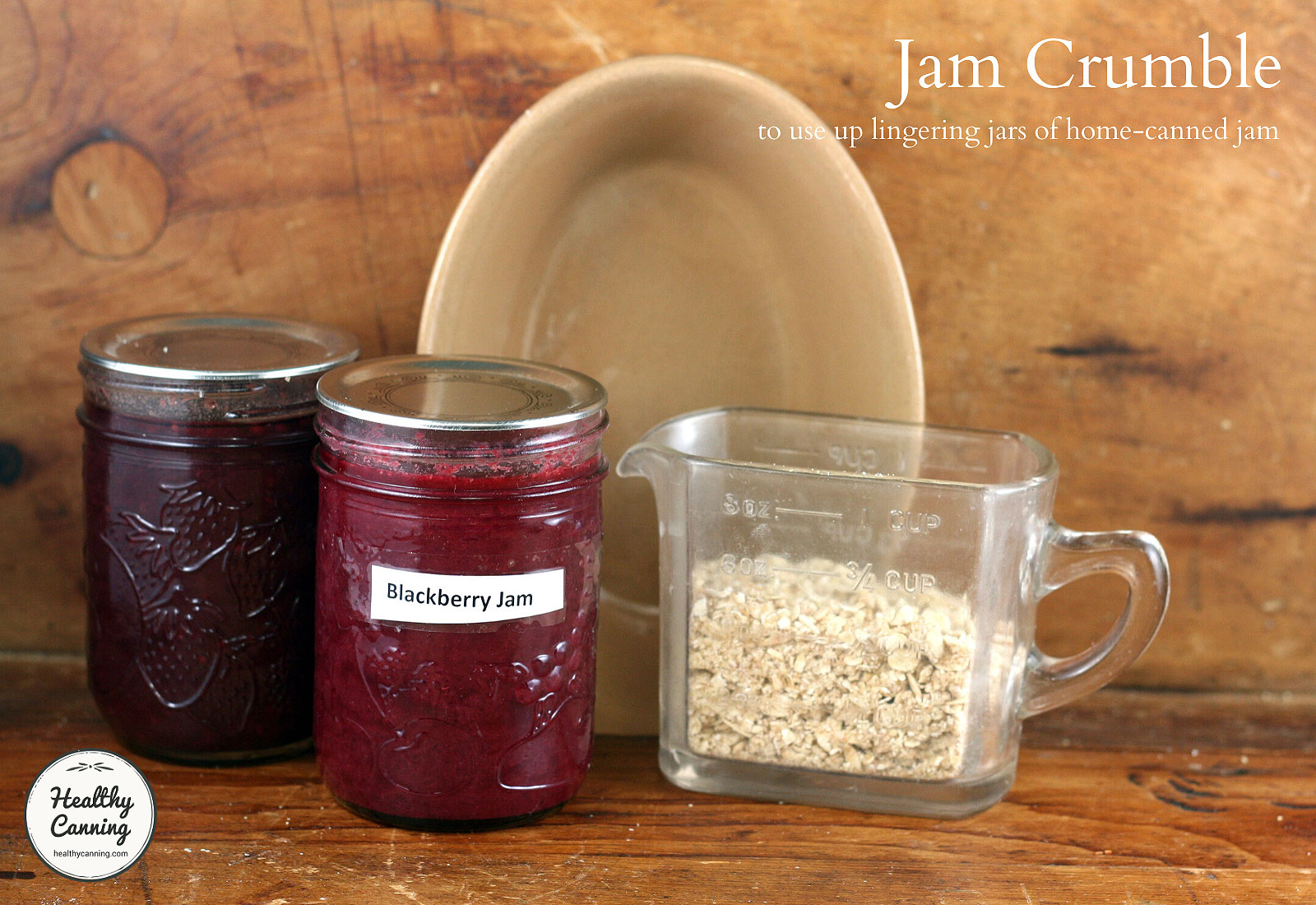
The primary requirement for the filling is two 250 ml (half-pint) jars of homemade jam, or a single 500 ml (one pint) jar. The use of homemade preserves is preferred due to the typically higher fruit-to-sugar ratio and the absence of commercial high-fructose corn syrups, which can affect the viscosity of the filling when reheated.
For the crumble topping, the recipe offers two primary paths:
- The Convenience Method: Utilizing a pre-mixed oatmeal pancake mix as a base.
- The Traditional Method: A scratch-made mixture consisting of:
- 1/2 cup rolled oats (providing texture and fiber)
- 2 tablespoons all-purpose flour (acting as a binding agent)
- 1 tablespoon granulated sugar (for caramelization)
- A pinch of salt (to balance the sweetness of the jam)
- 2 tablespoons of chilled unsalted butter
Thermal Processing
The dessert is baked at a consistent temperature of 175°C (350°F). This temperature is critical; it is high enough to induce the Maillard reaction in the flour and sugar of the topping, creating the signature "crunch," while remaining low enough to prevent the high sugar content of the jam from scorching or boiling over excessively.
Chronology of the Transformation Process
The lifecycle of a jam crumble follows a specific timeline, from the identification of surplus to the final service:
- Pantry Audit: The cook identifies jars that are approaching the one-year mark—the standard recommended window for peak quality in home-canned goods.
- Selection and Layering: A key culinary recommendation is the combination of flavors. Analysts of flavor profiles suggest that layering two different but complementary jams—such as a tart rhubarb jam beneath a sweet strawberry jam—creates a more complex sensory experience than a single-note commercial filling.
- Topping Integration: The dry ingredients are combined. If using butter, it is "rubbed in" to the dry mix until a pebbly texture is achieved. This mechanical process coats the flour particles in fat, preventing excessive gluten development and ensuring a crisp rather than bread-like texture.
- The Bake: The assembly is placed in the oven for 35 minutes. During this phase, the pectin in the jam reactivates, causing the filling to bubble and thicken, while the butter in the topping melts and browns.
- Cooling and Setting: A brief rest period after removal from the oven allows the sugars to stabilize, making the dessert easier to portion.
Supporting Data on Food Waste and Sustainability
The move toward "pantry cooking"—recipes designed specifically to use up existing shelf-stable inventory—has significant implications for household sustainability. Statistics from the Food and Agriculture Organization (FAO) indicate that a substantial percentage of household food waste consists of processed items that were forgotten in storage.
By repurposing a pint of jam into a dessert that serves six people, the household effectively reduces its "latent waste." Furthermore, the jam crumble is an economically sound choice. The cost-per-serving is significantly lower than purchasing fresh fruit for a traditional cobbler or crisp, especially during the winter months when fresh berry prices escalate. The "concept-based" nature of the recipe means it can be adapted to whatever is on hand, further reducing the need for specialized grocery trips.
Nutritional Analysis and Dietary Adaptations
Because the jam crumble relies on pre-existing preserves, its nutritional profile is largely determined by the initial canning process. However, modern iterations of the recipe allow for several health-conscious modifications:
- Sugar-Free Options: Using jams preserved with low-methoxyl pectin and sugar substitutes (such as stevia or erythritol) makes the dessert compatible with low-glycemic diets.
- Weight Management: The recipe is noted for being "Weight Watchers friendly" when paired with low-sugar jams and a thin layer of oat-heavy topping.
- Fortification: The addition of nuts (walnuts or almonds) to the crumble topping can increase the protein and healthy fat content, lowering the overall glycemic load of the dessert.
Industry Perspectives and Culinary Reactions
Professional pastry chefs often view the jam crumble as a variation of the British "Queen of Puddings" or the American "Fruit Crisp," but with a higher concentration of fruit flavor. Culinary instructors point out that jam, having already been cooked once, has a more concentrated essence than fresh fruit, which can sometimes release too much water and lead to a "soggy" bottom in traditional crumbles.
"The beauty of using preserves is the stability," notes a hypothetical consensus of culinary educators. "You aren’t worried about the ripeness of the fruit or the seasonal variance in acidity. The jam provides a consistent, reliable base that allows the texture of the oats and the richness of the butter to stand out."
Furthermore, the suggestion to "triple or quadruple" the crumble topping for freezer storage is cited as a high-level kitchen management strategy. This allows for "instant" dessert preparation in future instances, further streamlining the workflow of a busy household.
Broader Impact and Implications for Home Cooks
The promotion of the jam crumble represents a shift in how home preservation is viewed—not just as a way to "save" food for an emergency, but as a dynamic component of everyday meal planning. It encourages a "circular kitchen" philosophy where the outputs of one season (the summer harvest) become the vital inputs of another (the winter dessert).
As food prices continue to fluctuate, the ability to "shop from one’s own pantry" becomes a vital skill. The jam crumble serves as a template for this resourcefulness. It validates the labor-intensive process of canning by ensuring that every jar produced eventually finds its way to the table, rather than being discarded during a future pantry clearing.
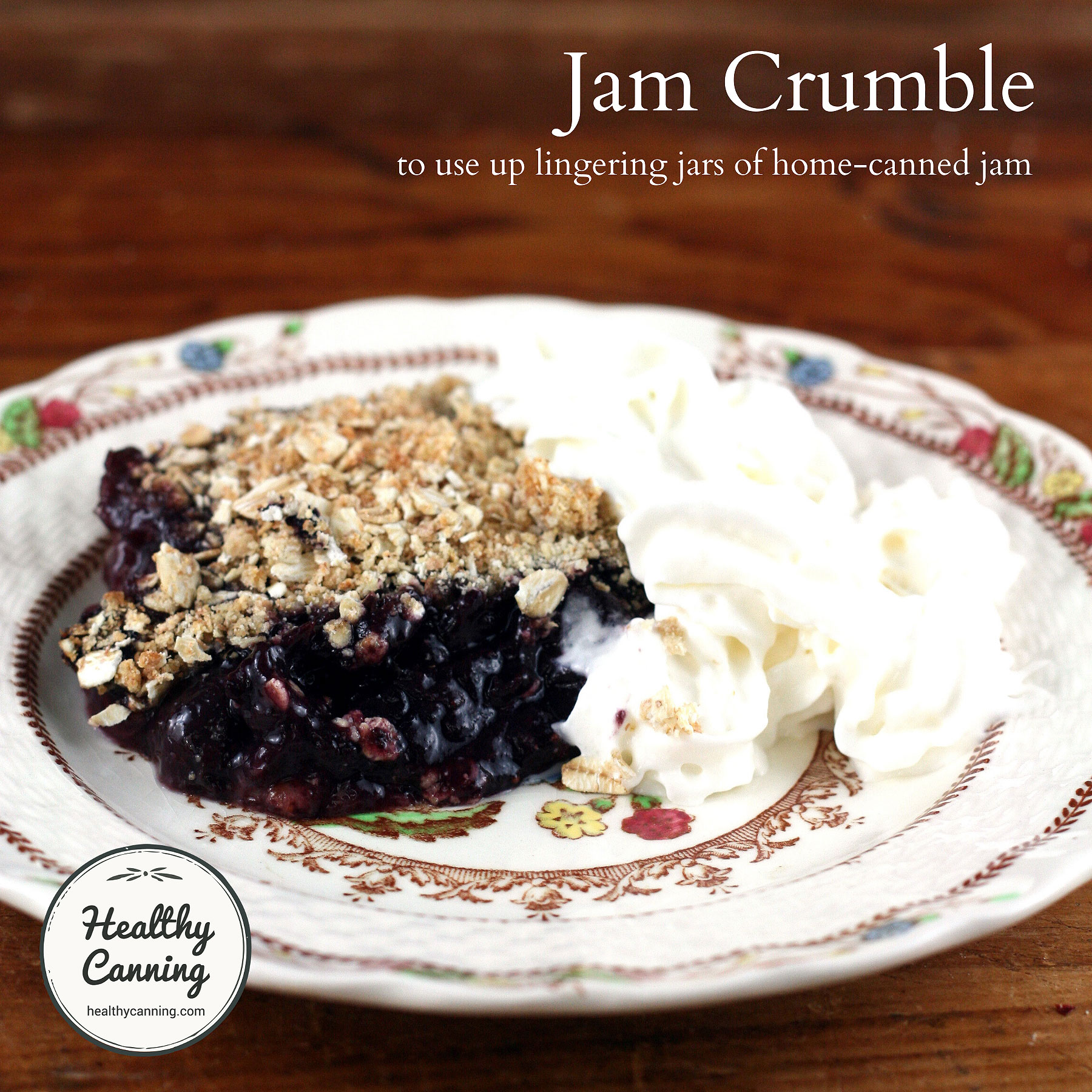
In conclusion, the jam crumble is more than a simple recipe; it is a solution to the logistical challenges of home food preservation. By combining the shelf-stability of preserves with the textural appeal of a baked topping, it provides a functional, delicious, and sustainable way to manage household food inventories. Whether served with a dollop of whipped cream or a scoop of vanilla ice cream, it remains a testament to the enduring value of artisanal kitchen practices in a modern world.