
Her pursuit of a BPA-free tupperware set was predicated on information suggesting microplastics in food containers could disrupt hormones and contribute to weight gain. This focus emerged against a backdrop of admitted inconsistencies: infrequent gym attendance, excessive reliance on takeout, and sacrificing sleep for what she termed "doom scrolling." When queried about more foundational approaches like consistent workouts or home-cooked meals, Anna’s response was telling: "Yeah, but I’ve tried that a thousand times. If it were that simple, it would have worked already." This sentiment encapsulates a widespread dilemma in modern health pursuits: the tendency to overlook simple, albeit challenging, foundational behaviors in favor of perceived "magic bullet" solutions.
This phenomenon is not isolated to individuals like Anna. It represents a pervasive pattern across society, where individuals dedicate significant time to researching optimal workout routines or the latest dietary supplements, often at the expense of simply engaging in the basic, known effective actions. This behavior is frequently driven by an underlying desire for instant gratification or a belief that a complex problem requires an equally complex, often novel, solution. The allure of new gear, popular supplements, or consuming endless digital content about health changes creates a compelling illusion of progress, offering temporary comfort and a sense of "doing something." However, as public health experts and behavioral scientists consistently highlight, genuine, sustainable change hinges on consistent, real-world action, even if those actions are mundane and unglamorous.
The Foundational Pillars of Health: Often Acknowledged, Rarely Mastered
The core tenets of good health are widely understood yet surprisingly under-practiced. These foundational habits include:
- Consistent Physical Activity: Aiming for at least 30 minutes of moderate-to-vigorous exercise daily, incorporating a blend of aerobic and resistance training.
- Nutrient-Dense Diet: Consuming predominantly whole, minimally processed foods, with an emphasis on fruits, vegetables, and lean proteins. A general guideline suggests that if 80 percent of one’s diet consists of these foods, it constitutes an excellent baseline. This pragmatic approach acknowledges that occasional indulgences, such as pizza, can be integrated into a healthy lifestyle without derailing progress.
- Adequate Protein Intake: Ensuring sufficient protein to support muscle mass, aid appetite regulation, and facilitate body recomposition goals. Recommendations typically range from 1.2 to 2.2 grams of protein per kilogram of body weight, often translating to 4-6 palm-sized portions of lean protein daily for most adults.
- Prioritizing Quality Sleep: Striving for seven to eight hours of restorative sleep each night. While complete control over sleep quality can be elusive, establishing consistent wake-up times and implementing a calming pre-bedtime routine can significantly improve outcomes.
- Moderating or Avoiding Harmful Substances: Reducing or eliminating excessive consumption of alcohol, recreational drugs, and tobacco products, which are known detriments to long-term health.
Beyond these physiological foundations, aspects like nurturing positive social relationships and effective stress management are also critical, yet even the initial list of five behaviors presents a significant challenge for the majority. Data indicates a striking reality: merely six percent of Americans consistently engage in all five of these basic health behaviors. This statistic implies that a staggering 94 percent of the population is not consistently adhering to these fundamental practices. The implications are profound, contributing to the prevalence of chronic diseases, obesity, and diminished overall well-being.
The Psychological Landscape of Change: Understanding Ambivalence and Resistance
The struggle to adopt these basic behaviors is often compounded by complex psychological factors. A key concept in behavioral science is ambivalence, the natural push-and-pull sensation experienced when contemplating change. This manifests as simultaneously desiring a healthier lifestyle while also wanting to retain current comforts, such as consuming favorite treats without restriction. Similarly, resistance describes the opposition to change, like wanting to reduce mindless phone use but fearing the anxiety of being alone with one’s thoughts.
These contradictory emotions, while seemingly illogical, are a fundamental and normal part of the change process. Far from signaling that a change is ill-advised, strong ambivalence and resistance often indicate that the change holds significant personal importance. Recognizing these feelings not as weaknesses but as inherent components of a meaningful journey can foster a more compassionate and effective approach to self-improvement.
Common Barriers to Fundamental Action
Several pervasive barriers contribute to the widespread avoidance of basic, effective health actions:
1. Ambition Overload: The Trap of Grand Plans
Individuals frequently initiate health journeys with overly ambitious plans. A common scenario involves declaring a radical overhaul: daily hour-long workouts, "clean eating" at every meal, and eight hours of sleep, starting "next Monday." This often occurs when current habits are far removed from these ideals (e.g., no regular exercise, dislike of vegetables, late-night habits). While such idealistic planning offers temporary relief and comfort, fueled by cognitive biases that overestimate future time, energy, and motivation, it rarely translates into sustainable change. Large, complex plans often clash with the realities of already busy lives, leading to inevitable failure. This failure is then frequently attributed to personal failings—lack of willpower or discipline—rather than the unrealistic nature of the plan itself, thus perpetuating a cycle of self-blame and discouragement.
2. The Allure of the "Magic Bullet": Believing Only "Cutting-Edge" Works
A pervasive belief, often perpetuated by the multi-billion dollar health and wellness industry, is that simple, widely known health practices are insufficient. The rationale often presented is, "If getting healthy just took eating, sleeping, and exercising moderately well, then everyone would be healthy." This overlooks the crucial detail that, as established, very few people consistently execute these basics. The constant marketing of "hardcore," "industry-secret," or "cutting-edge" solutions—from exotic supplements to highly restrictive diets—taps into a desire for novelty and a perceived shortcut to a "new outcome, a new us." These strategies, however, are frequently unsustainable, inaccessible, or lack scientific validation, consuming resources (time, money, effort) without yielding significant, lasting results, all while diverting attention from truly effective actions.

3. The Pursuit of Perfection: An Illusion of Immunity
The health and fitness narrative often promotes an unattainable ideal of "perfect" health—a life free from illness, always vibrant, consistently disciplined. This illusion suggests that with the right routine or supplement, one can become immune to the inevitable challenges of human existence: sickness, stress, bad days, or simply the natural fluctuations of life. This belief offers a comforting, albeit false, sense of control and invulnerability. The reality is that human health, even at its peak, is inherently imperfect and subject to external circumstances. Embracing this imperfection, and recognizing that one’s "best self" must accommodate the "worst self"—the one prone to procrastination, cravings, or fatigue—is crucial. Life is unpredictable; work demands surge, family needs arise, and seasonal changes occur. Expecting perfection in the face of these realities is a recipe for frustration and abandonment of goals. Sustainable health practices must be flexible enough to adapt to these variables, allowing for consistency without demanding flawlessness.
Strategies for Effective and Realistic Action
Overcoming these barriers requires a deliberate shift in approach, focusing on introspection, prioritization, flexibility, and environmental design.
1. Explore the "Why" Before the "How"
Before embarking on any change, a deep understanding of underlying motivations is critical. Engaging in exercises like "The 5 Whys" (repeatedly asking "why" to uncover deeper reasons) can illuminate intrinsic drivers. Questions such as "Why is this change important to me?" or "What are the long-term consequences if I don’t take action?" help to forge a more profound, sustaining commitment. This deeper understanding provides resilience when challenges inevitably arise, transforming superficial desires into powerful internal mandates.
2. Prioritize the Most Effective Actions
In an era of endless health information, identifying and prioritizing truly impactful actions is paramount. Effective change involves selecting behaviors that are:
- Most impactful: Targeting the behaviors that will yield the greatest return for your specific goals.
- Realistic: Ensuring the chosen actions fit within your current life context.
- Sustainable: Opting for practices that can be maintained over the long term.
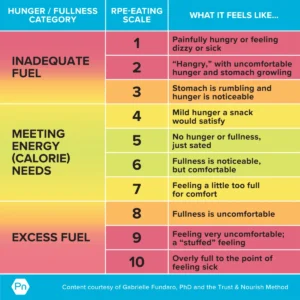
For example, focusing on a foundational "domain" like nutrition, then a "skill" such as intuitive eating, and finally a specific "practice" like "eating to satisfied," can lead to a manageable "daily action" such as "recording hunger and fullness levels at the start and end of meals." This structured approach helps in breaking down large goals into actionable, measurable steps.
3. Embrace the "Dial" Concept: Action Even on Your Worst Day
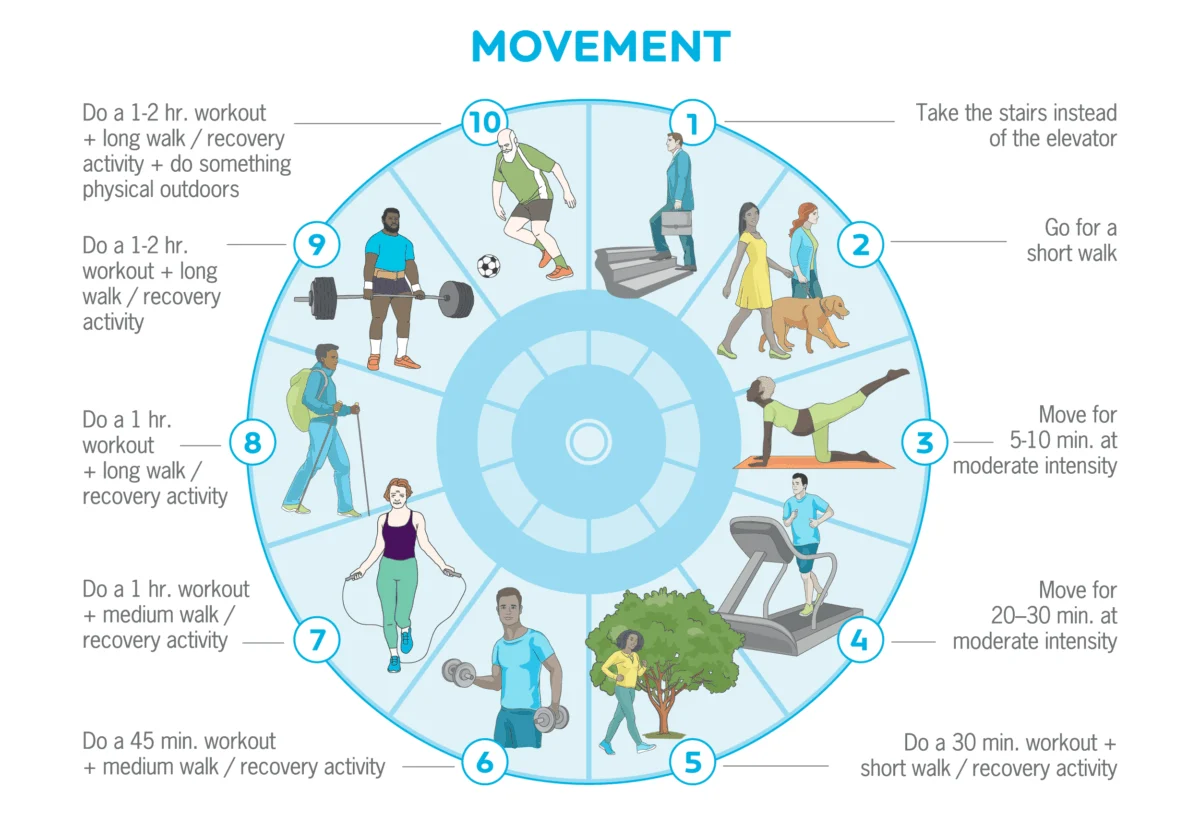
A critical shift in mindset involves moving away from an "on or off" switch mentality for health habits to a "dial" approach. This means defining both a "floor" (the absolute minimum action you can take, even on your worst day) and a "ceiling" (your maximum effort when conditions are ideal).
For exercise, this might mean a "floor" of five minutes of walking and a "ceiling" of an hour of intense gym work. For nutrition, it could be one extra serving of vegetables as a "floor," versus two hours of meal prep as a "ceiling." The crucial insight is that any action within this flexible range "counts." Doing the bare minimum is not failure; it is successful adaptation within the context of a real, often messy, life. This approach acknowledges that life is dynamic and allows for consistent engagement without the pressure of perfection, fostering long-term adherence.
4. Create a Supportive Ecosystem
Willpower alone is often insufficient for sustained behavioral change. The environment plays a profound role in shaping habits. Health professionals, often living in environments conducive to their own healthy habits (e.g., working at a gym, surrounded by active peers), may overlook the environmental challenges faced by others.
Building an "ecosystem that makes failing nearly impossible" involves consciously designing your immediate surroundings to nudge you towards desired behaviors. This can include:
- Making desired actions easy: Having pre-prepped healthy foods readily accessible in the fridge.
- Making undesired actions difficult: Storing tempting snacks out of sight or in hard-to-reach places.
- Modifying social environments: Engaging with supportive individuals who share similar health goals.
- Optimizing physical spaces: Setting up a dedicated workout area or ensuring a conducive sleep environment.
Research supports the profound impact of environment, with "access" being a primary influencer of behavior. While not everyone can change their neighborhood to be closer to healthy resources, most individuals have control over their immediate living and working spaces. Investing energy in this upfront environmental design significantly reduces the reliance on willpower and makes healthy choices the obvious, default option.
Embracing "C+ Effort" for Lasting Change
The journey to sustainable health is rarely a straight line of "A+" performance. For many, particularly those with perfectionist tendencies, the idea of "C+ effort" can be jarring. However, this concept is foundational to recognizing and working with inherent human imperfection. Expecting flawless execution inevitably leads to burnout and abandonment of goals.
Adopting an attitude of compassion and acceptance towards oneself, acknowledging vulnerabilities, and striving to work with them rather than constantly battling against them, is liberating. There will be periods of peak performance, "A" efforts in fitness and nutrition, and those should be celebrated. But equally important is the ability to "dial down" when life demands it, maintaining a "C+" effort without labeling it as failure.
Living a healthy, meaningful life is a continuous endeavor of striving for one’s best while embracing flexibility, allowing for mistakes, and navigating through challenging days or seasons. The surprising truth is that "good enough," consistently applied over the long run, often yields far greater results than intermittent bursts of "perfect" effort followed by periods of complete disengagement. It is through this sustained, imperfect action that true and lasting transformation is achieved.
References
- [Original article references would be placed here, if provided and expanded upon.]
- [Additional reference for cognitive biases, e.g., planning fallacy]
- [Additional reference for health statistics, e.g., CDC data on chronic diseases]
- [Additional reference for behavioral science on habit formation and environment]
- [Additional reference for the impact of marketing on health choices]
- [Original article reference for Nature Reviews Psychology study]