
Greek cuisine, renowned for its vibrant flavors, fresh herbs, and wholesome ingredients, offers a delightful culinary experience that can be readily recreated in home kitchens. A standout dish that embodies this appeal is the traditional Greek meatball, a versatile and satisfying option perfect for both weeknight dinners and ambitious meal prep endeavors. This recipe, highlighted by its robust herb profile and balanced accompaniments, provides a delicious gateway into the heart of Mediterranean cooking, offering a satisfying and nutritious meal that is both straightforward to prepare and exceptionally flavorful.
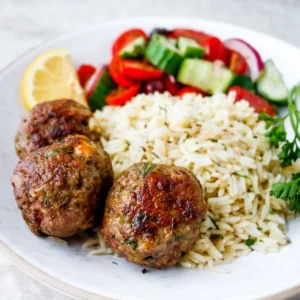
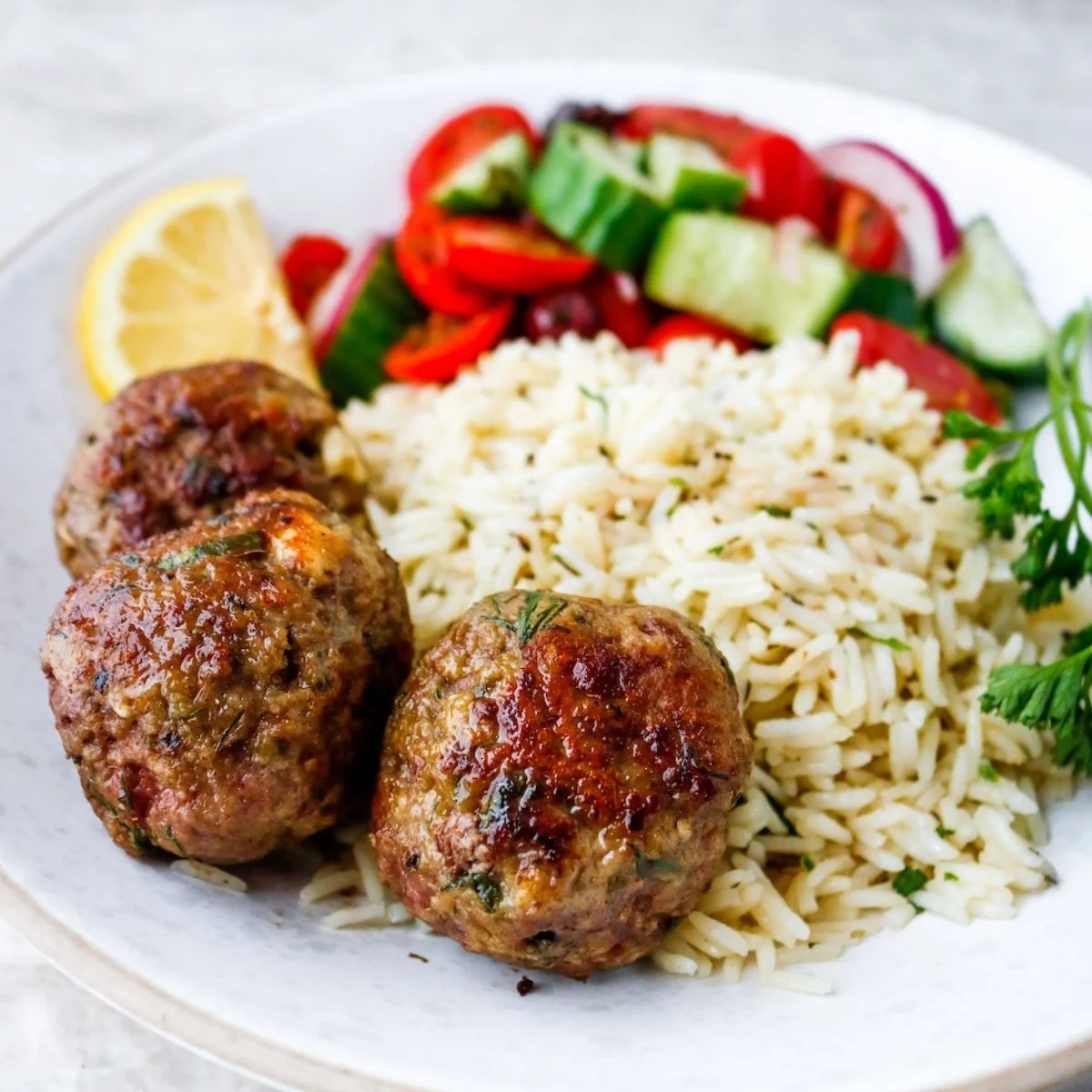
The foundation of these Greek meatballs lies in a carefully curated blend of aromatic herbs, including dill, mint, and oregano, which impart an authentic and unmistakable Mediterranean essence. When paired with a zesty lemon-infused rice and a crisp, refreshing salad of cucumber, tomato, and olives, the dish achieves a harmonious balance of textures and tastes. This culinary ensemble not only tantalizes the palate but also presents a visually appealing and nutritionally complete meal, making it an ideal choice for those seeking to elevate their home-cooked fare.
Beyond its immediate culinary appeal, the Greek meatball meal is exceptionally well-suited for meal preparation. The meatballs retain their integrity and flavor when refrigerated, the lemon rice reheats beautifully, and the fresh salad provides a bright, contrasting element that revitalizes the entire dish. This makes it an excellent option for busy individuals seeking convenient yet exciting lunch solutions, transforming mundane weekdays into opportunities for flavorful and nourishing meals. The strategic planning inherent in meal prepping can significantly reduce weeknight cooking stress and promote healthier eating habits.
A Deep Dive into the Ingredients and Preparation

The success of this Greek meatball recipe hinges on the quality and interplay of its simple yet impactful ingredients. The recipe emphasizes the transformative power of fresh herbs and bright citrus to elevate the overall flavor profile.
For the Greek Meatballs:
The core of the meatball mixture typically involves lean ground beef, which provides a solid base. To enhance juiciness and depth of flavor, a common practice is to incorporate a small amount of fattier beef. The binding agents often include breadcrumbs, which help to hold the mixture together, and egg, which acts as a crucial emulsifier. The defining characteristic, however, comes from the generous inclusion of fresh herbs such as dill, mint, and oregano. Finely chopped onion and garlic contribute aromatic complexity, while salt and pepper ensure proper seasoning. A touch of lemon zest can further amplify the brightness of the Mediterranean flavors.
For the Cucumber Salad:
To provide a refreshing counterpoint to the savory meatballs and rice, a crisp cucumber salad is essential. This element typically features thinly sliced cucumbers, ripe tomatoes, Kalamata olives (or other preferred variety), and finely diced red onion. The dressing is usually a simple vinaigrette made with extra virgin olive oil and red wine vinegar, seasoned with dried oregano, salt, and pepper. This salad not only adds a delightful crunch and coolness but also introduces a tangy acidity that cuts through the richness of the meatballs.
For the Lemon Rice:
The accompaniment of lemon rice offers a flavorful and satisfying base. Basmati rice, known for its long grains and fragrant aroma, is often the grain of choice. It is typically cooked in chicken stock or water to infuse it with savory notes. Once cooked, the rice is enhanced with olive oil, fresh lemon juice, and lemon zest for a vibrant citrus kick. Freshly chopped parsley and basil add further herbaceous notes, complementing the dill and mint in the meatballs and tying the entire meal together harmoniously.
The Culinary Process: A Step-by-Step Guide
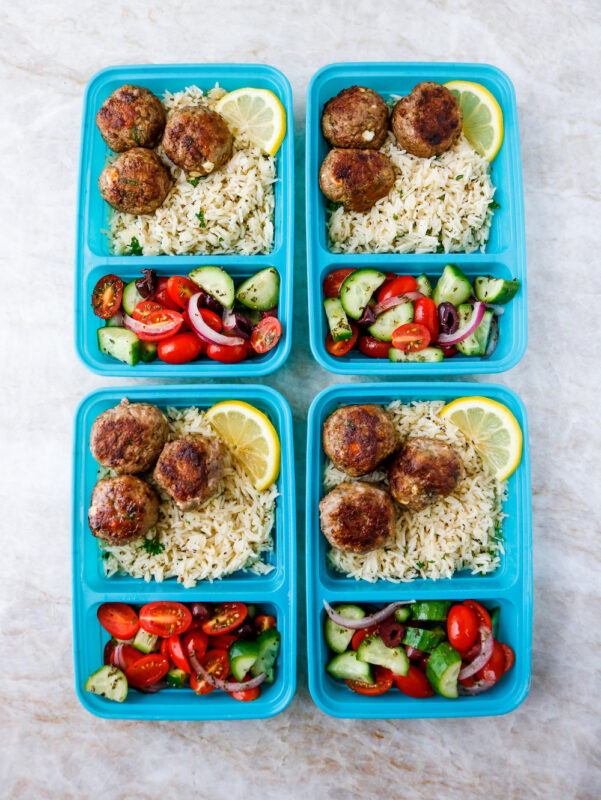
The preparation of this Greek meatball meal is designed for efficiency, making it an achievable feat even within a limited timeframe, often completed in under an hour. This makes it an ideal candidate for a weekend meal preparation session.
-
Preparing the Cucumber Salad: The process often begins with the preparation of the cucumber salad. This allows the flavors to meld and the vegetables to chill while the other components are prepared. Cucumbers, tomatoes, olives, and red onion are combined in a bowl. A dressing of red wine vinegar, olive oil, oregano, salt, and pepper is then added and tossed thoroughly. The salad is then refrigerated to maintain its crispness.
-
Cooking the Lemon Rice: The lemon rice is prepared by bringing chicken stock to a gentle boil over medium heat. Dry basmati rice is then added and cooked for approximately 15 minutes, or until tender and the liquid is absorbed. Once cooked, the rice is fluffed and then mixed with olive oil, lemon zest, lemon juice, chopped parsley, basil, salt, and pepper. The rice is then covered to keep it warm.
-
Mixing and Forming the Meatballs: In a medium bowl, the ingredients for the meatballs are combined. This typically includes ground beef, breadcrumbs, egg, finely chopped onion, minced garlic, chopped dill, chopped mint, chopped oregano, salt, and pepper. The mixture is gently combined, often by hand, until just incorporated. It is crucial to avoid overmixing, as this can lead to dense, tough meatballs. The mixture is then formed into approximately 12 uniform meatballs.
-
Cooking the Meatballs: A teaspoon of olive oil is heated in a skillet over medium heat. Half of the meatballs are added to the hot skillet and browned for about 2 minutes per side. Once browned, the skillet is covered, and the meatballs are cooked for an additional 10-12 minutes, or until they are thoroughly cooked through. This process is repeated with the second batch of meatballs. The aroma of the cooking meatballs, infused with Mediterranean herbs, signals the nearing completion of this flavorful meal.
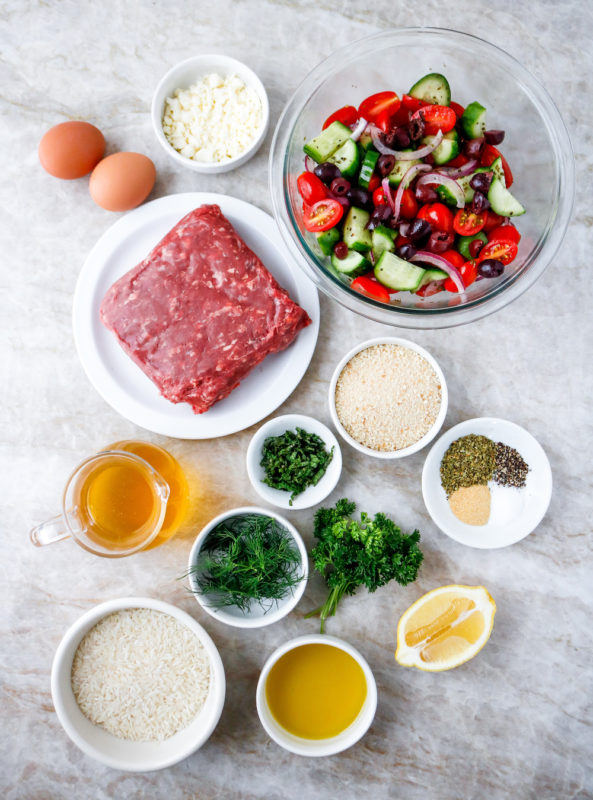
The result is a complete Greek-inspired meal that can be enjoyed immediately or portioned for future consumption. The phrase "Opa!" – a common Greek exclamation of joy or celebration – perfectly encapsulates the satisfaction derived from preparing and enjoying this vibrant dish.
Customization and Culinary Adaptations
The beauty of this Greek meatball recipe lies in its inherent adaptability, allowing for creative modifications based on available ingredients and personal preferences. This flexibility ensures that the dish remains a staple even for adventurous home cooks.
- Protein Variations: While beef is traditional, ground lamb offers a richer, more authentic Mediterranean flavor profile that pairs exceptionally well with the herbs. Ground turkey or chicken can also be used for a leaner alternative, though it may require the addition of a bit more fat or moisture to maintain tenderness.
- Herb Combinations: The core herbs of dill, mint, and oregano can be adjusted. Adding fresh parsley, thyme, or even a hint of marjoram can introduce subtle nuances. Experimentation with fresh versus dried herbs is also encouraged, keeping in mind that dried herbs are more potent and should be used in smaller quantities.
- Breadcrumb Alternatives: For those seeking gluten-free options, almond flour or gluten-free breadcrumbs can be substituted for traditional breadcrumbs. Panko breadcrumbs, while not gluten-free, can provide a lighter, crispier texture if desired.
- Spice Level Adjustments: A pinch of red pepper flakes can be added to the meatball mixture for a subtle hint of heat.
- Salad Enhancements: The cucumber salad can be enhanced with ingredients such as crumbled feta cheese for a salty tang, chopped bell peppers for added color and crunch, or Kalamata olives for their distinctive briny flavor. A squeeze of fresh lemon juice over the salad just before serving can further brighten its taste.
- Rice Variations: While basmati rice is recommended, other grains like quinoa or even cauliflower rice can be used as a healthier or gluten-free alternative. The lemon and herb flavoring can be adapted to complement these different bases.
These customizations allow the Greek meatball recipe to cater to a wide range of dietary needs and flavor preferences, solidifying its status as a versatile and enduring culinary creation. For those who appreciate the robust flavors of Mediterranean cuisine, exploring other meal prep salad recipes can offer further inspiration for healthy and delicious week-long dining.
Storage and Reheating Strategies for Optimal Freshness
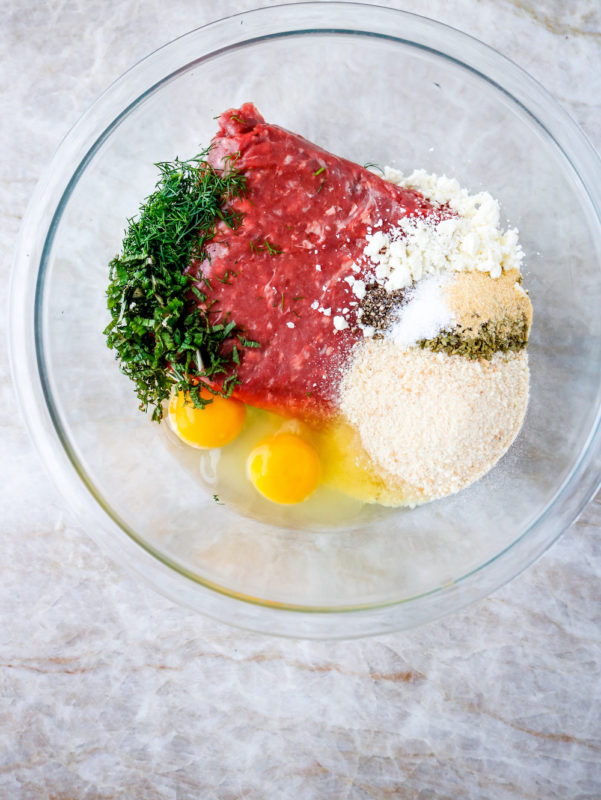
The meal prep potential of these Greek meatballs is a significant advantage, allowing for efficient planning and reduced cooking time throughout the week. The components of the meal store and reheat exceptionally well.
In the Refrigerator:
Prepared Greek meatballs and lemon rice can be stored in airtight containers in the refrigerator for up to 3 to 4 days. To preserve the crispness of the cucumber salad, it is advisable to store the chopped vegetables separately from the dressing. The dressing can be kept in a small, separate container. When ready to eat, simply combine the salad ingredients and toss with the dressing. This separation ensures that the salad remains refreshing and texturally appealing, rather than becoming soggy.
Reheating:
Reheating is a straightforward process. The meatballs and rice can be gently warmed in a microwave for 1 to 2 minutes, or until heated through. It is generally recommended to add the fresh cucumber salad after reheating to maintain its crispness. Alternatively, the meatballs and rice can be reheated in a skillet over low heat, which can help to reintroduce some texture, especially to the meatballs.
The longevity and ease of reheating make this meal an ideal solution for busy individuals who prioritize nutritious and flavorful meals without the daily demand of extensive cooking.
Freezing for Extended Shelf Life
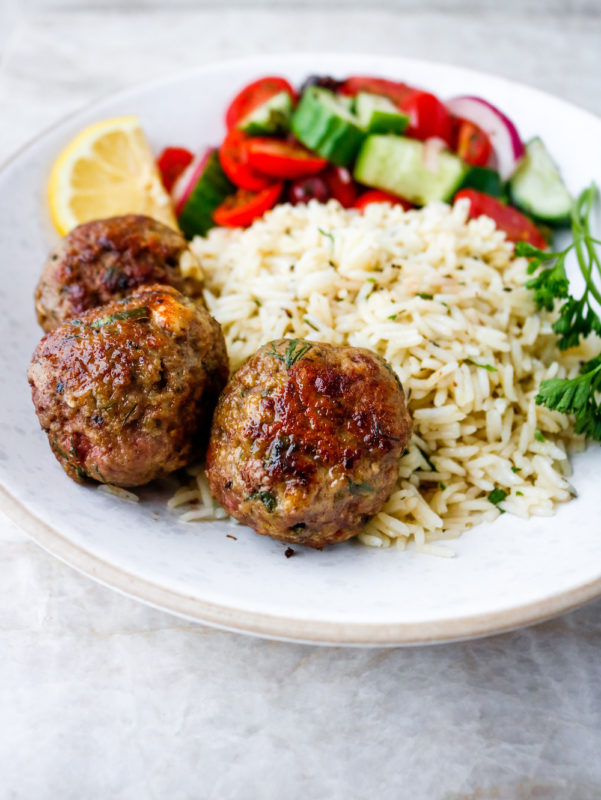
The inherent durability of the Greek meatballs extends to their suitability for freezing, offering an even more extended storage solution for future meal planning.
Freezing Meatballs:
Cooked Greek meatballs freeze exceptionally well. They can be stored in freezer-safe containers or heavy-duty freezer bags for up to 4 months. For optimal organization and convenience, meatballs can be frozen individually or in batches. They can be frozen on their own or portioned together with the lemon rice. However, it is strongly recommended to keep the cucumber salad components separate, as the texture of fresh vegetables does not hold up well to freezing.
Thawing and Reheating Frozen Meatballs:
To reheat frozen meatballs, it is best to thaw them overnight in the refrigerator. Once thawed, they can be reheated in the microwave until warm or gently warmed in a skillet. If freezing meatballs with rice, both components can be reheated together.
This freezing capability further enhances the practicality of the Greek meatball recipe, allowing for the preparation of large batches that can be enjoyed over a longer period, providing a reliable source of healthy and delicious meals.
Portioning for Efficient Meal Preparation
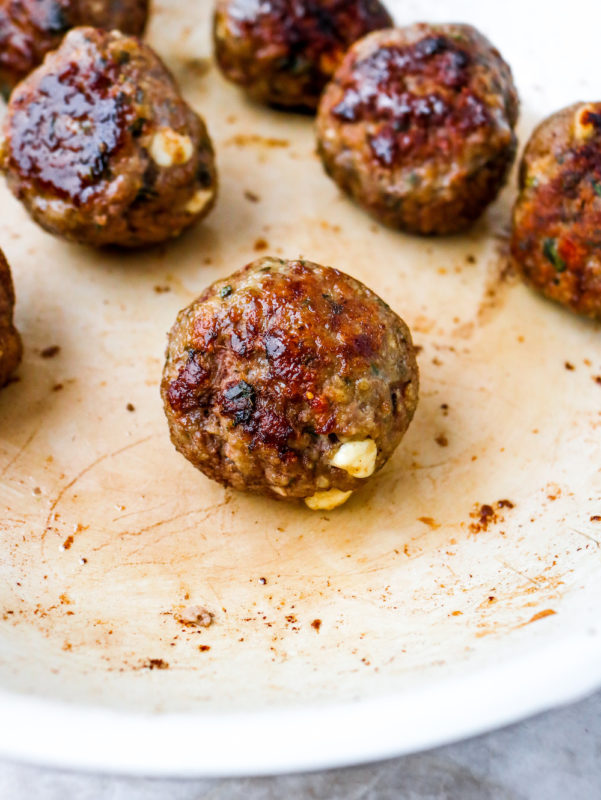
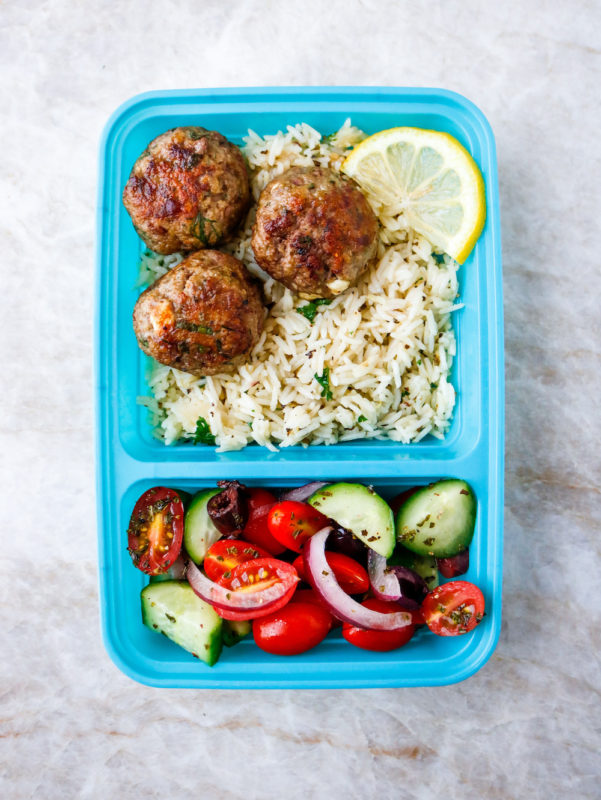
For a practical and balanced meal prep strategy, dividing the Greek meatballs, lemon rice, and cucumber salad into individual servings is key. A common and effective approach yields four meal prep servings.
- Meatballs: Divide the 12 cooked meatballs equally among four meal prep containers, allocating 3 meatballs per serving.
- Lemon Rice: Distribute the prepared lemon rice evenly among the containers, ensuring a substantial portion for each meal.
- Cucumber Salad: For optimal freshness, store the prepared cucumber salad in separate small containers or baggies to be added just before consumption. This prevents the salad from wilting and maintains its appealing texture.
This structured portioning method results in complete, balanced meals that are readily available for grab-and-go lunches or dinners throughout the week, embodying the core principles of efficient and healthy meal preparation. The visual appeal of the vibrant components, neatly arranged in containers, also contributes to the psychological satisfaction of having well-prepared meals at the ready.
Frequently Asked Questions (FAQs)
Addressing common inquiries can further demystify the preparation and storage of Greek meatballs, empowering home cooks to achieve consistent success.
- Refrigeration Duration: Greek meatballs, when properly stored in airtight containers, typically remain fresh in the refrigerator for 3 to 4 days. The full meal prep, including the rice, also holds well within this timeframe. However, for the freshest texture, the cucumber salad is best consumed within approximately 3 days.
- Make-Ahead Potential: Yes, the meatballs can be prepared in advance. The mixture can be made and formed up to a day ahead and stored refrigerated before cooking. Alternatively, the meatballs can be fully cooked and then reheated throughout the week for quick meal solutions.
- Sauce Pairings: Tzatziki sauce is the quintessential accompaniment to Greek meatballs, its creamy yogurt base with cucumber, garlic, and lemon offering a perfect complement to the herb-infused meatballs. Other suitable sauces include hummus or a simple lemon yogurt sauce.
- Baking Alternative: For an alternative cooking method, the meatballs can be baked in an oven preheated to 400°F (200°C) for approximately 15-18 minutes, or until fully cooked. Baking is a convenient option for preparing larger quantities simultaneously without the need for stovetop monitoring.
- Serving Suggestions: Greek meatballs are highly versatile and pair well with a variety of accompaniments. Beyond lemon rice, they are excellent served with warm pita bread, roasted Mediterranean vegetables, or a traditional Greek salad. They also lend themselves well to being incorporated into wraps or grain bowls for convenient meal prep.
Additional Meatball Meal Prep Recipes
The enduring popularity of meatballs as a meal prep staple is undeniable, offering a delicious and adaptable foundation for numerous dishes. For those who enjoy the versatility of meatballs, exploring a wider array of recipes can unlock further culinary inspiration. Many recipes focus on diverse flavor profiles, from classic Italian to spicy Asian influences, all while maintaining the convenience and satisfaction that meatballs provide for meal preparation. This category of recipes consistently delivers on flavor, ease of preparation, and the ability to be made ahead, making them a go-to for busy individuals seeking to optimize their meal planning.
Conclusion
The homemade traditional Greek meatball recipe stands as a testament to the power of fresh, vibrant flavors and simple preparation methods. Its robust herb profile, coupled with the refreshing accompaniments of lemon rice and cucumber salad, creates a meal that is both deeply satisfying and remarkably balanced. The inherent suitability for meal prep further elevates its appeal, offering a practical solution for healthy and delicious eating throughout the week. By mastering this recipe, home cooks can effortlessly bring the authentic tastes of the Mediterranean to their tables, transforming everyday meals into culinary adventures. The ease with which it can be customized and stored ensures its place as a beloved staple in any meal prep repertoire.