
The quest for a truly satisfying and healthy protein pancake has long been a culinary minefield for many. Consumers frequently encounter recipes that promise the nutritional benefits of high protein content but deliver a disappointing experience in terms of taste and texture – often resulting in rubbery, dry, or overwhelmingly artificial protein powder flavors. This widespread dissatisfaction underscores a significant gap in the market for breakfast solutions that are both health-conscious and genuinely enjoyable.
However, a recent innovation in the realm of high-protein breakfast preparation offers a compelling solution. A new recipe for High-Protein Gluten-Free Cottage Cheese Pancakes has emerged, distinguishing itself by addressing the common pitfalls of its predecessors. This recipe not only meets stringent macronutrient goals but also prioritizes palatability and practicality, making it a viable option for consistent meal preparation.
The Science Behind the Superior Texture and Nutrition
The success of these cottage cheese pancakes can be attributed to a strategic approach to ingredient selection and formulation. Unlike many high-protein pancake recipes that rely heavily on concentrated whey protein – a common culprit for dry and chalky textures – this recipe thoughtfully incorporates collagen peptides. Collagen, a structural protein found in connective tissues, is known for its ability to blend smoothly into batters, contributing to a softer, less dense final product. This deliberate choice moves away from the often-unpleasant "protein powder taste" and toward a more desirable pancake experience.
Each serving of these pancakes is engineered to deliver approximately 26 grams of protein, a significant contribution to daily intake goals for individuals focused on muscle maintenance, growth, or managing a moderate calorie deficit. Crucially, the recipe has been developed with practicality in mind, ensuring the pancakes reheat beautifully, a vital characteristic for effective meal prepping. While not designed for strict ketogenic or ultra-low-carbohydrate diets, these pancakes offer a balanced approach that fits seamlessly into a high-protein breakfast rotation.
Addressing Common Breakfast Preparation Challenges
The author of this innovative recipe highlights a broader challenge in healthy eating: the decision fatigue associated with weekly meal planning. To combat this, the Workweek Lunch meal planner is recommended as a tool to streamline the process of building balanced, satisfying weeks without excessive deliberation. This emphasis on systematic planning underscores the recipe’s commitment to making healthy eating accessible and sustainable.
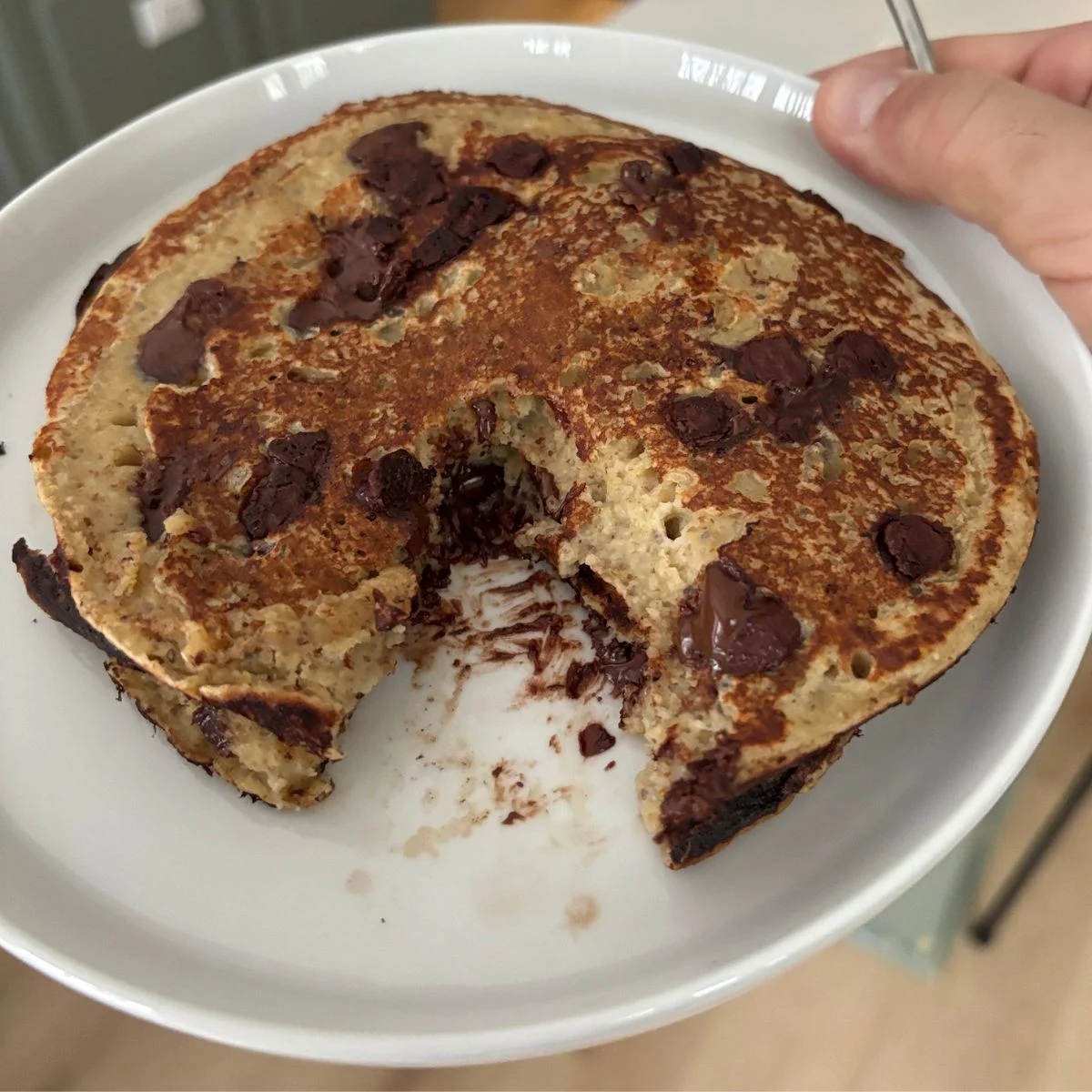
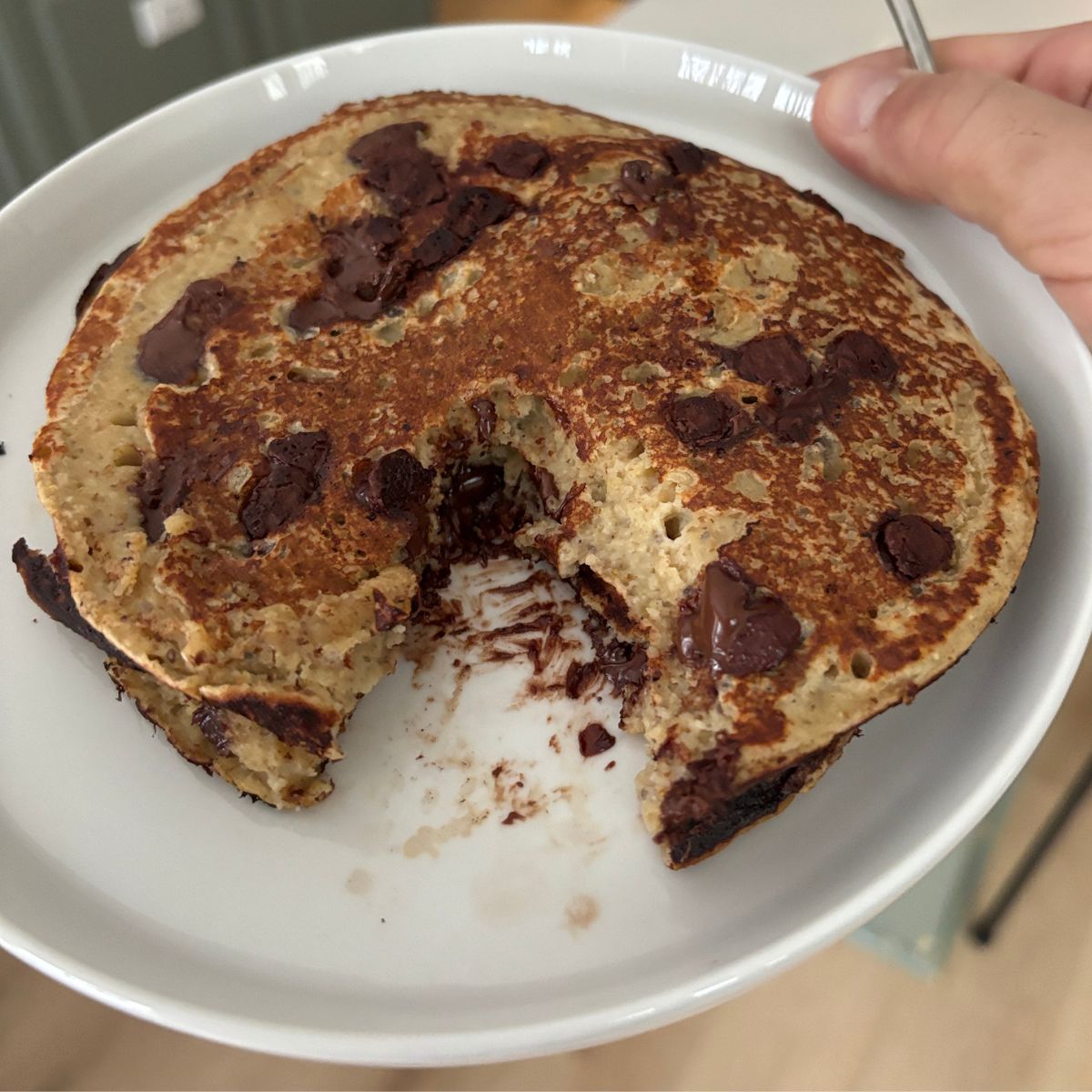
The visual appeal of the pancakes is evident in accompanying imagery, showcasing golden-brown discs, some adorned with chocolate chips, suggesting a product that is as aesthetically pleasing as it is nutritious. This visual confirmation further reinforces the idea that healthy food can, and should, be delicious.
Nutritional Breakdown and Dietary Considerations

The recipe yields two servings, with an estimated nutrition profile per serving that emphasizes its high protein content. While specific brands may lead to slight variations, the provided figures offer a solid baseline. Each serving is estimated to contain approximately 356 calories, with a breakdown of 42g carbohydrates, 26g protein, and 9g fat. This nutritional profile positions the pancakes as a substantial and energy-providing breakfast option.
For individuals seeking to fine-tune their intake to precise calorie targets, the availability of a macro calculator is also mentioned, further demonstrating a commitment to personalized nutrition.
Gluten-Free Purity: A Key Consideration
A significant aspect of this recipe’s appeal is its gluten-free nature. Oats, the base of many pancake recipes, are naturally gluten-free. However, the article includes a critical caveat: cross-contamination during processing is a common concern for individuals with celiac disease or gluten sensitivity. Therefore, the recipe explicitly advises the use of certified gluten-free oats to ensure complete dietary adherence. All other ingredients are inherently gluten-free, simplifying the sourcing process for those managing a gluten-free diet. This attention to detail is crucial for a recipe marketed as gluten-free and broadens its accessibility.
Storage and Reheating: Pillars of Meal Prep Success
The practicality of these pancakes is further amplified by their robust storage and reheating capabilities. Cooled pancakes can be stored in an airtight container in the refrigerator for up to four days. To prevent sticking during storage, parchment paper is recommended as a barrier between individual pancakes.
For longer-term preservation, the pancakes freeze exceptionally well. This makes them an ideal candidate for Sunday meal prep, ensuring a quick and healthy breakfast is readily available throughout the week. The recipe provides specific guidance for freezing, including proper cooling and airtight packaging, to maintain optimal quality.
The reheating instructions are equally vital. The article suggests microwave, oven, or toaster oven reheating methods, all aimed at preserving the pancakes’ soft texture. Reheating from frozen requires a slightly adjusted approach, typically involving a brief microwave session followed by a quick crisping in a toaster or oven. This focus on maintaining texture post-reheating distinguishes these pancakes from others that tend to become dry and unappetizing when reheated.
Adaptability and Customization
Recognizing that dietary needs and preferences vary, the recipe offers a range of substitutions and adjustments. For those aiming to lower carbohydrate intake, suggestions include replacing banana with pumpkin puree or unsweetened applesauce, though this may necessitate a slight adjustment in sweetness. To further boost protein, additional collagen or protein powder can be incorporated, with a caution that this might alter texture. Increasing calories can be achieved through additions like nut butter or seeds. For dairy-free individuals, substitutions for cottage cheese are provided, although the article rightly notes that texture may experience minor alterations.
This adaptability ensures that the core benefits of the recipe can be leveraged by a wider audience, accommodating diverse nutritional strategies and dietary restrictions.
Broader Implications for Healthy Eating and Lifestyle
The development and dissemination of recipes like these High-Protein Gluten-Free Cottage Cheese Pancakes represent a significant trend towards making healthy eating more accessible and enjoyable. By addressing common pain points such as texture, taste, and preparation time, these recipes empower individuals to integrate nutritious options into their busy lives without compromising on flavor or satisfaction.
The emphasis on meal prep and practical solutions aligns with a growing understanding of how lifestyle factors influence dietary adherence. When healthy food is convenient and palatable, the likelihood of consistent healthy eating increases dramatically. This recipe, with its focus on protein, gluten-free preparation, and ease of storage and reheating, exemplifies this principle.
The author’s proactive approach, including recommendations for meal planning tools and macro calculators, further underscores the understanding that healthy eating is not just about individual recipes but about building sustainable lifestyle habits. As more consumers seek to balance their nutritional goals with their daily routines, innovative recipes that deliver on both health and taste will continue to gain prominence.
Addressing Common Queries: FAQ Highlights
To further support users, a frequently asked questions section addresses common concerns. The use of quick oats versus rolled oats is clarified, with quick oats yielding a softer texture. The substitution of banana with pumpkin puree or applesauce is confirmed, along with the potential need for added sweetener. The nutritional completeness of collagen is explained, noting that eggs and cottage cheese provide essential amino acids, creating a balanced profile when combined. The option to omit maple syrup is also presented, as the banana contributes natural sweetness. Finally, the recipe’s suitability for weekly meal prepping is affirmed, with a recommendation to double the batch for convenience.
In conclusion, these High-Protein Gluten-Free Cottage Cheese Pancakes represent a sophisticated solution to a long-standing problem in healthy breakfast preparation. By prioritizing taste, texture, and practicality, this recipe offers a valuable tool for individuals seeking to enhance their nutrition without sacrificing enjoyment, firmly establishing itself as a go-to option for a balanced and satisfying start to the day.