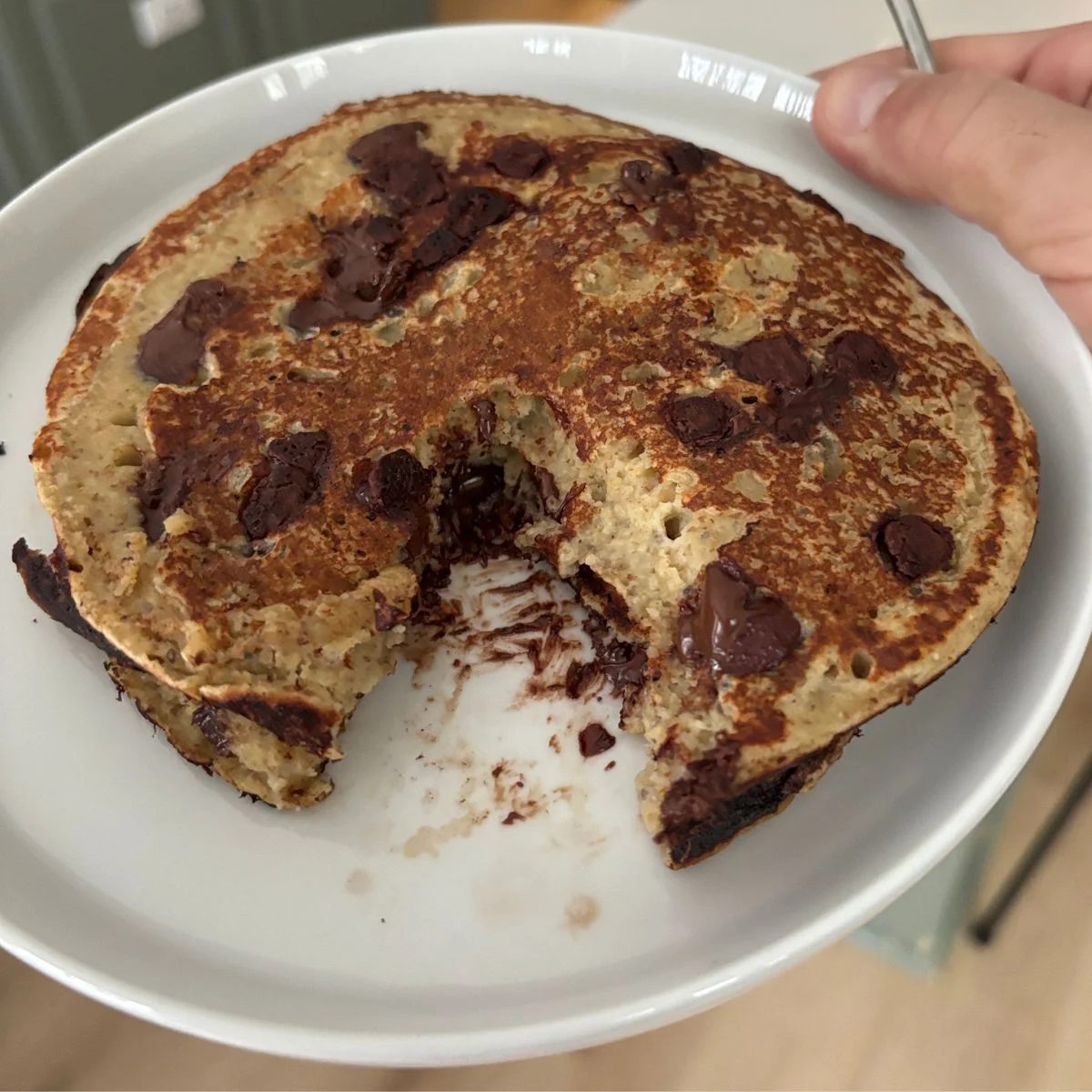

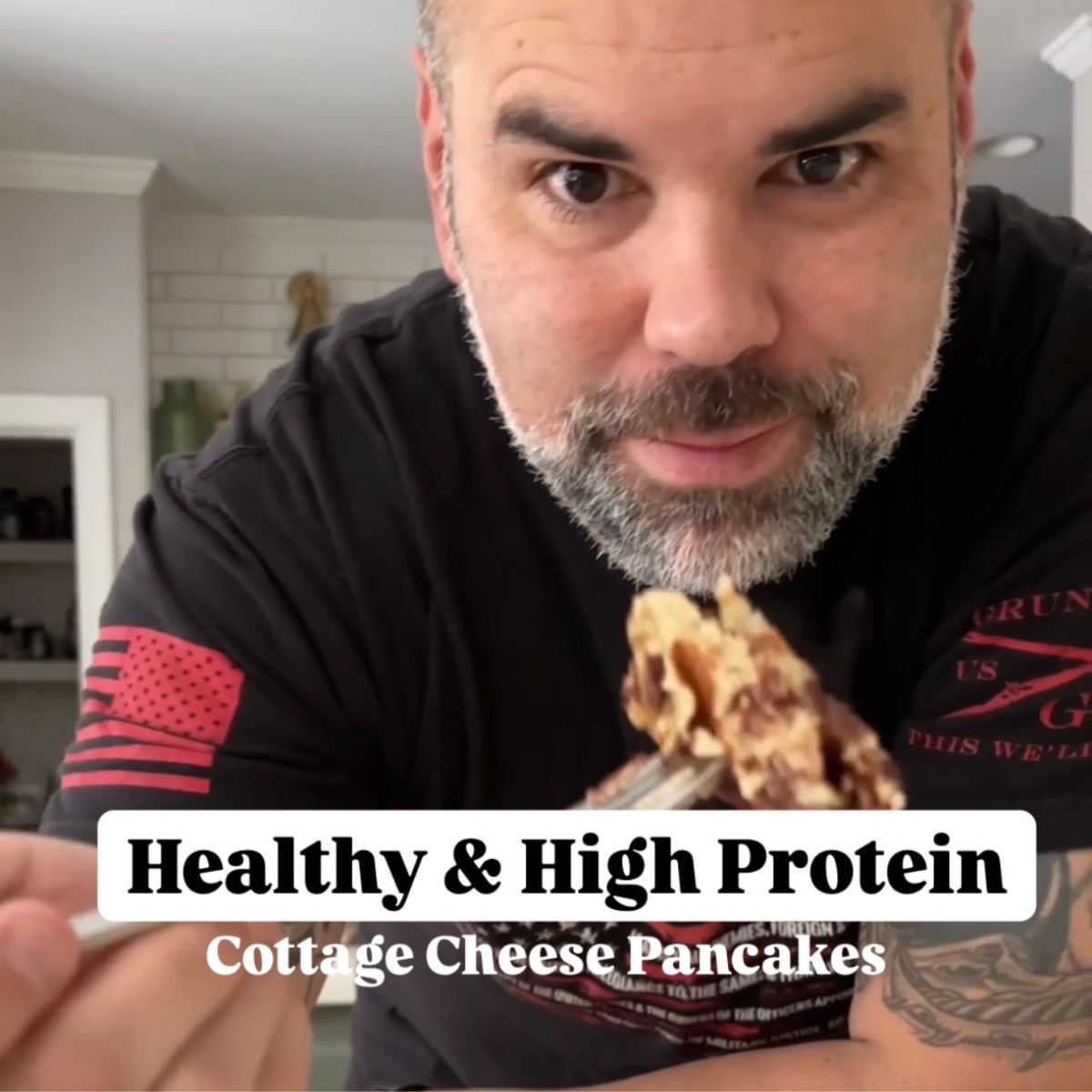
The quest for truly satisfying and healthy high-protein pancakes has long been a culinary challenge for many, often resulting in textures ranging from unpleasantly rubbery to dry and chalky, with an overwhelming taste of raw protein powder. However, a recently detailed recipe for High-Protein Gluten-Free Cottage Cheese Pancakes is emerging as a breakthrough, offering a balanced, freezer-friendly, and genuinely enjoyable option that caters to various dietary needs and fitness goals. This innovative approach moves beyond the common pitfalls of protein-enhanced baked goods, focusing on ingredient synergy and structural integrity to deliver a product that is both macro-friendly and palatable.
The culinary landscape is replete with attempts to reconcile nutritional goals with taste and texture. Traditional pancake recipes, while comforting, often fall short in providing sustained energy and muscle-building support due to their carbohydrate-heavy nature. Conversely, many "healthy" alternatives sacrifice flavor and mouthfeel in their pursuit of high protein content. This new cottage cheese-based recipe appears to have struck a crucial balance, leveraging the unique properties of cottage cheese and collagen to create pancakes that are not only high in protein but also possess a desirable softness and richness.
The Science Behind the Success: Rethinking Protein Integration
At the core of this recipe’s success lies a deliberate departure from conventional high-protein pancake formulations. Many recipes falter by relying heavily on whey protein isolates or concentrates, which, while effective for protein delivery, can lead to a dense, dry, and sometimes gritty outcome. This particular recipe champions the use of collagen peptides, a different form of protein known for its ability to blend smoothly and contribute to a softer, more yielding texture. Unlike the often stark and overpowering flavor profile of concentrated whey, collagen integrates more subtly, enhancing the overall palatability.
The inclusion of cottage cheese is another pivotal element. This dairy staple is a natural source of both casein and whey protein, offering a slow and fast release of amino acids, which is beneficial for sustained energy. Furthermore, its creamy texture acts as a natural binder and moisture retainer, counteracting the dryness often associated with protein-heavy batters. Combined with the structural benefits of collagen, this ingredient synergy creates a pancake that is both satisfyingly protein-rich and texturally pleasing.
Nutritional Profile and Practical Application
Each serving of these high-protein cottage cheese pancakes reportedly delivers approximately 26 grams of protein, a significant contribution towards daily protein targets. This makes them an excellent choice for individuals focused on muscle building, weight management through calorie deficit, or maintaining an active lifestyle. The recipe is noted for being "practical," eschewing extreme dietary restrictions like strict keto or ultra-low-carb in favor of a more accessible and sustainable approach to healthy eating.
Beyond their immediate nutritional benefits, the pancakes are also highlighted for their freezer-friendliness and ability to reheat beautifully. This aspect is crucial for meal prepping, allowing individuals to prepare a batch on the weekend for consumption throughout the week. This reduces the daily decision fatigue associated with meal planning, a benefit that the recipe’s creators actively promote through their associated meal planning resources. The Workweek Lunch meal planner, for instance, is recommended as a tool to streamline weekly meal preparation and remove the guesswork from building balanced meals.
Deconstructing the Recipe: Ingredients and Methodology
The foundation of this effective recipe involves a thoughtful selection of ingredients. The core components typically include:
- Cottage Cheese: The star ingredient, providing a creamy base and a substantial protein boost.
- Eggs: Essential for binding and further protein enrichment.
- Collagen Peptides: The key to achieving a soft, non-chalky texture.
- Rolled Oats (or Certified Gluten-Free Oats): Processed into a flour, these contribute fiber and structure. Using certified gluten-free oats ensures suitability for those with celiac disease or gluten sensitivities.
- Banana: Adds natural sweetness, moisture, and helps with browning.
- Maple Syrup: Enhances flavor and aids in achieving a desirable golden-brown exterior.
- Baking Powder: For a slight lift and fluffiness.
- Vanilla Extract: To complement the flavors.
The methodology emphasizes a streamlined process, typically involving blending the wet ingredients (cottage cheese, eggs, banana, maple syrup, vanilla) until smooth, then incorporating the dry ingredients (oat flour, collagen, baking powder). The batter is then cooked on a griddle or non-stick pan over moderate heat. The recommendation for moderate heat is critical, as the natural sugars from the banana and maple syrup can cause the pancakes to brown quickly, potentially leading to an undercooked interior if the heat is too high.
Addressing Dietary Needs: Gluten-Free and Beyond
A significant advantage of this recipe is its inherent gluten-free nature, provided that certified gluten-free oats are used. This addresses a common dietary requirement for a substantial portion of the population. The article explicitly clarifies this point, emphasizing the importance of sourcing oats processed in a dedicated gluten-free facility to prevent cross-contamination.
Furthermore, the recipe offers flexibility through suggested substitutions and adjustments, catering to a wider range of dietary needs:
- Lower Carb Options: Modifications might include reducing or omitting the banana and maple syrup, potentially replacing them with low-carb sweeteners and binders like psyllium husk or a small amount of almond flour.
- Increased Protein: While already high in protein, further boosts could be achieved by incorporating a small amount of protein powder (though care must be taken to maintain texture) or adding a side of Greek yogurt or a protein shake.
- Increased Calories: Adding healthy fats such as nuts, seeds, or a dollop of nut butter to the batter or as toppings can increase calorie density.
- Dairy-Free Adaptations: Swapping traditional cottage cheese for a dairy-free alternative like a thick, unsweetened dairy-free yogurt or a silken tofu base would be necessary. The texture might vary with these substitutions.
Meal Prep and Storage: Maximizing Convenience
The practical application of this recipe is greatly enhanced by its suitability for meal preparation and storage. Once cooled, the pancakes can be stored in an airtight container in the refrigerator for up to four days. To prevent sticking, parchment paper can be placed between layers. For longer-term storage, freezing is an effective option. Properly frozen pancakes can maintain their quality for extended periods, making them an invaluable resource for busy individuals seeking quick and nutritious breakfast solutions.
Reheating for Optimal Enjoyment
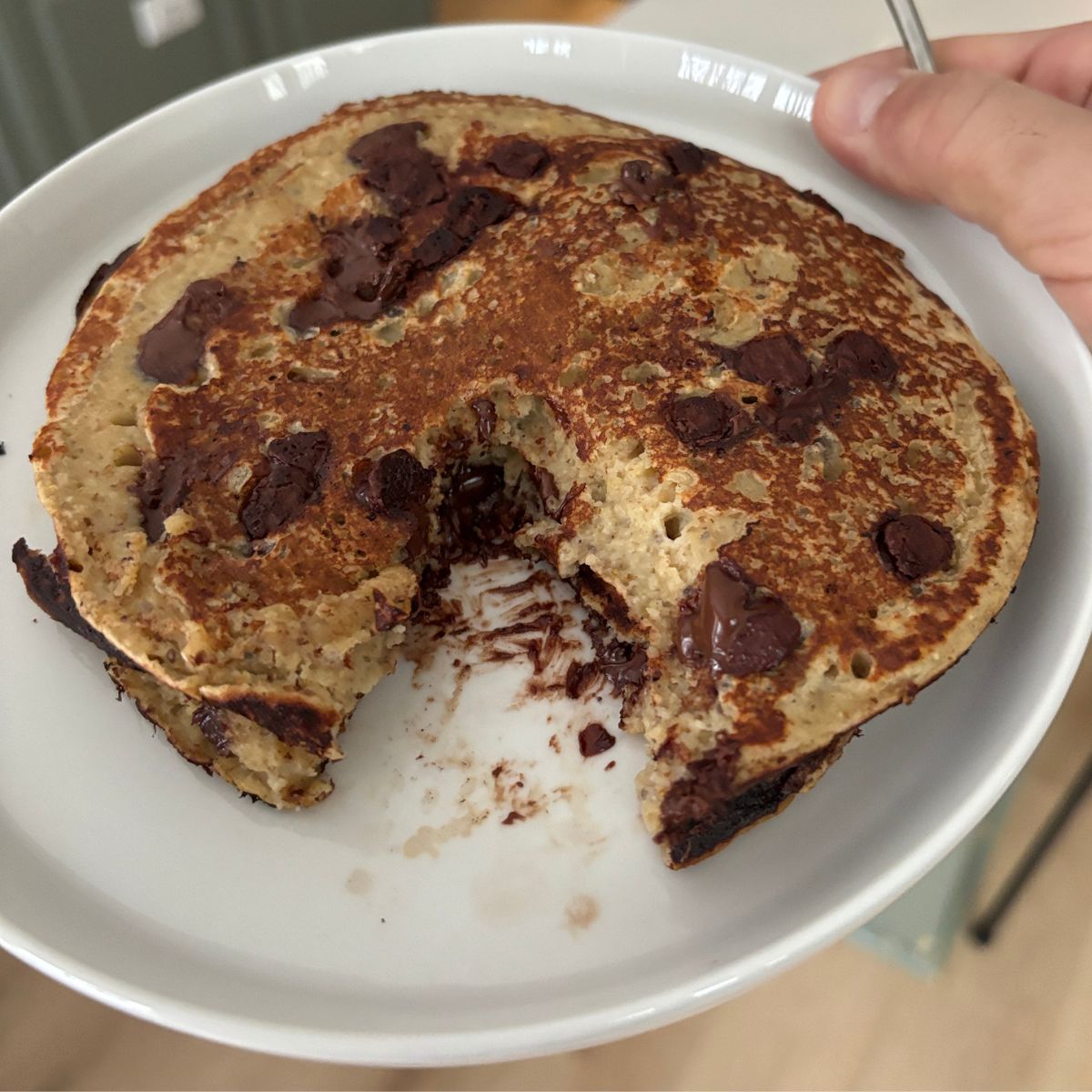
The method of reheating is crucial to preserving the desired texture. The article suggests several effective methods:
- Microwave: A quick and convenient option, though it can sometimes lead to a slightly chewier texture.
- Toaster Oven/Conventional Oven: These methods are often preferred for achieving a texture closer to freshly cooked pancakes, gently warming them through without making them rubbery.
- Skillet: Reheating in a lightly greased skillet can revive the crispness of the exterior.
When reheating from a frozen state, a slightly longer cooking time in a toaster oven or skillet is recommended to ensure the center is fully warmed through without overcooking the exterior. The recipe’s resilience against drying out, a common issue with other high-protein pancake formulas, is a key selling point.
Broader Implications and Nutritional Context
The development of recipes like these cottage cheese pancakes reflects a growing consumer demand for food products that align with health-conscious lifestyles without compromising on taste or convenience. In an era where nutritional information is readily accessible and dietary trends evolve rapidly, practical solutions that integrate into daily routines are highly valued.
The emphasis on balanced macronutrients – particularly a significant protein contribution – is consistent with recommendations from health organizations and fitness professionals for supporting overall health, satiety, and body composition goals. The inclusion of fiber from oats and natural sweetness from fruit further enhances the nutritional profile, positioning these pancakes as a more wholesome alternative to traditional breakfast fare.
The availability of resources like meal planners and macro calculators, as promoted by the recipe’s originators, underscores a broader trend towards empowering individuals with the tools and knowledge to manage their nutrition effectively. This approach moves beyond simply providing a recipe, offering a holistic system for dietary planning and execution.
Frequently Asked Questions and Expert Insights
The article also addresses common queries, providing further clarity and reinforcing the recipe’s versatility:
- Oat Variations: Quick oats can be used, though they may result in a slightly softer texture. They should still be pulsed into a flour before use.
- Banana Substitutions: Pumpkin puree or unsweetened applesauce can replace the banana, though sweetness levels may need adjustment.
- Collagen Completeness: While collagen is not a complete protein, its role is textural and supplementary, with eggs and cottage cheese providing the complete protein spectrum necessary for a balanced amino acid profile.
- Maple Syrup Omission: The banana offers sufficient natural sweetness, making maple syrup optional for those seeking to reduce sugar intake.
- Weekly Meal Prep: Doubling the recipe and freezing half is a highly recommended strategy for consistent access to a healthy breakfast.
These FAQs highlight the recipe’s adaptability and the thoughtful consideration given to potential user concerns, further solidifying its position as a practical and reliable option for a wide audience. The recipe, by its design and accompanying support materials, aims to demystify healthy eating and make nutritious choices accessible and enjoyable for everyday consumption.