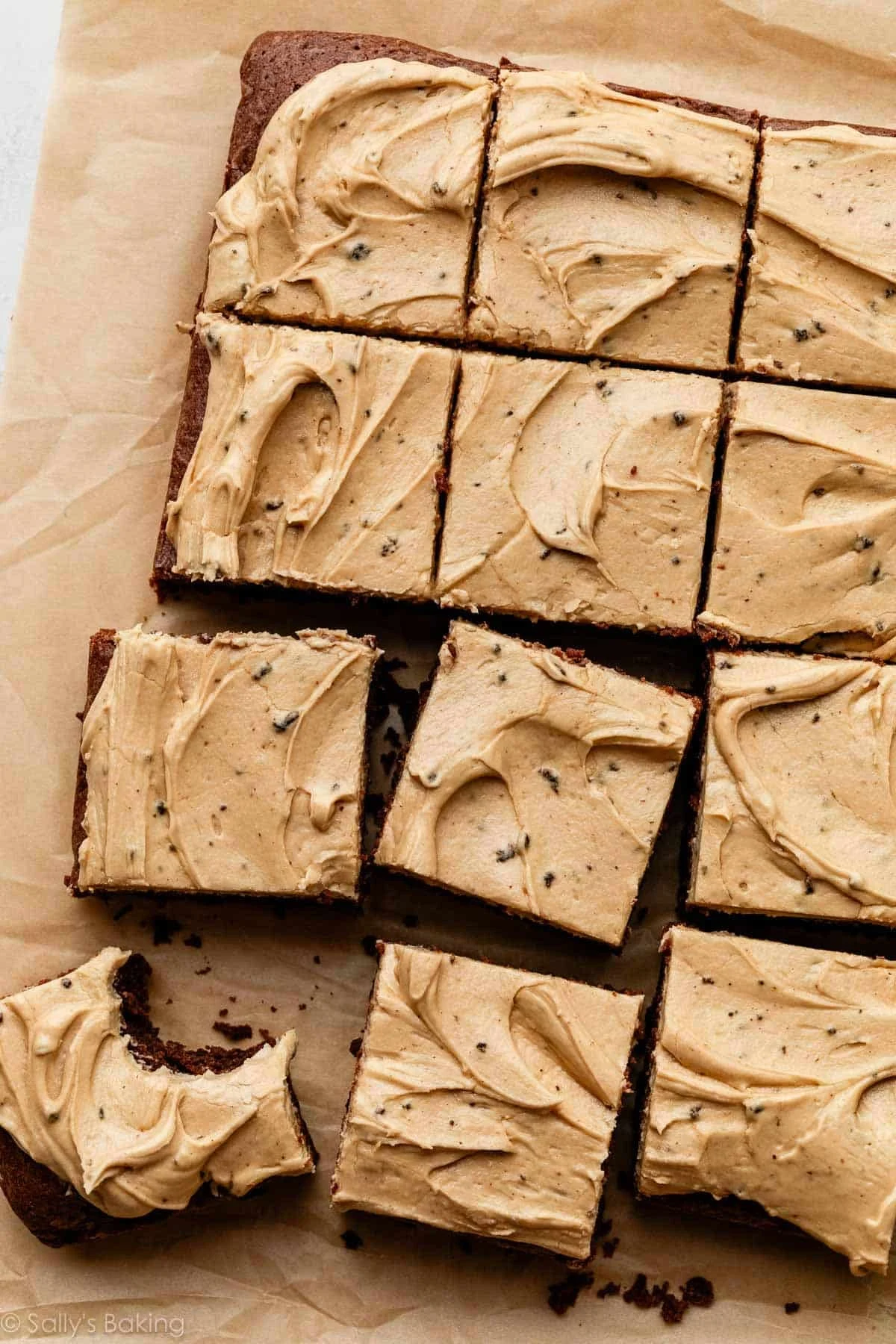

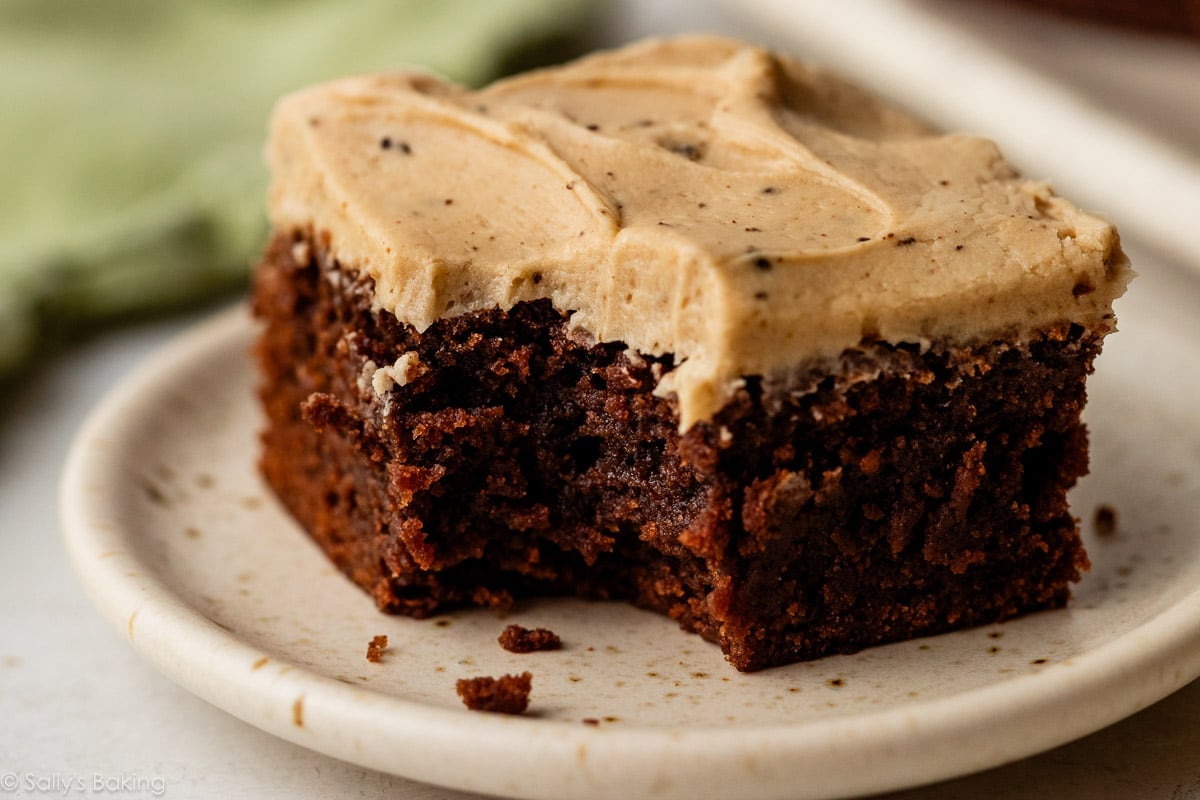
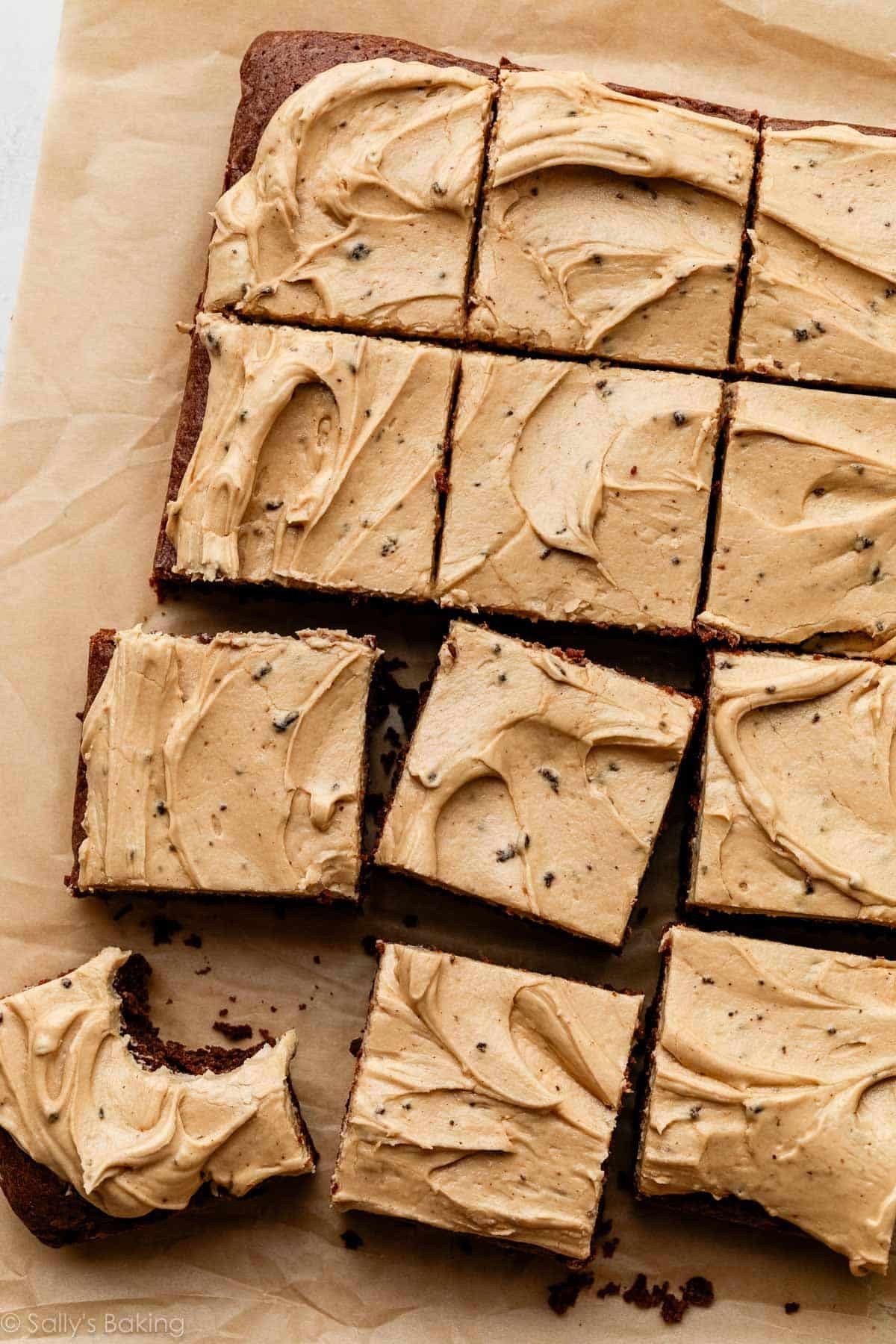
These Guinness brownies represent a sophisticated evolution in home baking, offering a deeply fudgy, intensely chocolatey experience crowned with a creamy, Guinness-infused frosting. Far from tasting overtly of beer, the stout acts as a profound flavor enhancer, deepening the chocolate’s inherent richness with nuanced roasted, coffee-like, and caramel undertones, making them a perfect, albeit elevated, indulgence, especially for occasions like St. Patrick’s Day.
The Art of Flavor Fusion: Guinness and Chocolate
The pairing of Guinness stout with chocolate desserts, exemplified by these celebrated brownies, is a testament to sophisticated flavor chemistry. Guinness, a dark, creamy Irish dry stout, is renowned for its distinctive flavor profile derived from roasted unmalted barley. This roasting process produces compounds that impart notes reminiscent of coffee, dark cocoa, and a subtle caramel sweetness. When integrated into a chocolate base, these elements do not introduce a dominant "beer" taste but rather serve as an amplifier for the chocolate itself.
Culinary science explains this synergy through the concept of congruent flavor compounds. Both chocolate and stout share certain volatile aromatic molecules, particularly pyrazines and furans, which are formed during roasting processes (be it cocoa beans or barley). These shared notes create a harmonious bridge between the two ingredients, allowing the complexities of each to be perceived more distinctly. The slight bitterness and malty depth of Guinness cut through the sweetness of the chocolate, preventing the dessert from becoming cloyingly rich and instead producing a more balanced, "grownup" palate experience. This effect is similar to how a dash of espresso powder is often added to chocolate recipes to intensify the cocoa flavor without making the dessert taste like coffee. The stout, in essence, acts as a liquid form of this flavor enhancer, providing moisture and structure while imparting its unique background notes.
This principle is not new; professional chefs and home bakers have long understood the power of complementary flavors. Historically, stouts have been paired with robust savory dishes, but their natural affinity for chocolate has led to a rich tradition of stout-infused desserts, from cakes and cupcakes to these dense brownies. The popularity of such recipes, particularly around culturally significant dates like St. Patrick’s Day, underscores a growing appreciation for innovative flavor combinations in everyday baking.
Beyond the Pint: The Craft of Reducing Stout
A pivotal technique in achieving the profound flavor of these Guinness brownies without compromising their texture is the reduction of the stout. The original recipe, first published in 2018 by Sally’s Baking Addiction and subsequently updated with enhanced tips and visuals, emphasizes this crucial preparatory step. A full bottle of Guinness stout is gently simmered on the stovetop, allowing the water content to evaporate. This process concentrates the beer’s distinct flavors—its malty character, roasted notes, and subtle sweetness—into a more potent liquid while significantly reducing its volume.

The importance of this reduction cannot be overstated. Brownie batter is a delicate balance of fats, sugars, and liquids designed to yield a specific texture. Introducing a full volume of unreduced stout would likely add too much liquid, resulting in a cakey, spongy, or even gummy brownie rather than the desired dense, fudgy consistency. By reducing the stout, the baker can incorporate the concentrated flavor essence without altering the critical liquid-to-dry ingredient ratio of the batter. The alcohol content is also largely cooked off during this simmering process and subsequent baking, addressing potential concerns about alcoholic taste or content.
This technique is a common practice in advanced baking and culinary arts, applied to a variety of liquids to intensify their profiles. For instance, fruit purees are often reduced to create potent flavor bases for fruit cakes or tarts, concentrating the natural sweetness and tartness. Similarly, champagne or wine can be reduced for glazes or sauces, intensifying their nuanced notes. The application of this method to Guinness ensures that the brownies receive a robust infusion of the stout’s signature characteristics – its malty background and roasted complexity – which then seamlessly meld with the chocolate. The recipe precisely allocates 1/2 cup (120g/ml) of this reduced Guinness to the brownie batter and an additional 2 1/2 Tablespoons (40g/ml) to the frosting, ensuring a consistent and integrated flavor experience across both components of the dessert.
Recipe Evolution and Seasonal Appeal
The journey of this particular Guinness brownie recipe, from its initial publication in 2018 to its subsequent updates, reflects broader trends in digital culinary content and home baking. Food blogs like Sally’s Baking Addiction have become invaluable resources for millions, offering not just recipes but also detailed instructions, troubleshooting tips, and visual guidance. The periodic updates, which include new photographs and "extra success tips," are crucial for maintaining relevance and ensuring consistently excellent results for home bakers. This iterative improvement process is a hallmark of high-quality online recipe platforms, responding to user feedback and evolving culinary best practices.
The timing of such a recipe’s popularity, particularly its association with St. Patrick’s Day, highlights the significant role of seasonal and holiday-themed baking. St. Patrick’s Day, celebrated annually on March 17th, has evolved into a global cultural event often marked by festive food and drink. While traditional Irish fare like corned beef and cabbage, soda bread, and shepherd’s pie dominate savory menus, desserts frequently incorporate iconic Irish ingredients, with Guinness stout being a prime candidate. The creation of desserts like Guinness chocolate cake, cupcakes, and these brownies caters directly to this seasonal demand, allowing home bakers to participate in the celebrations through culinary expression.
This seasonal appeal is not merely about tradition; it also taps into consumer desires for novel and exciting treats. As home baking continues to grow as a popular pastime, there is an increasing demand for recipes that offer a twist on classics or introduce sophisticated flavors. Recipes that blend familiar comfort foods (like brownies) with unique, high-quality ingredients (like Guinness) perfectly meet this demand. The digital age has also facilitated the rapid spread of such recipes, transforming them into annual staples for many households and contributing to the global tapestry of holiday culinary traditions.
Deconstructing the Decadence: Ingredients and Texture
Achieving the "deeply fudgy" and "intensely chocolatey" texture of these Guinness brownies is a meticulous process, relying on specific ingredient choices and their precise ratios. Unlike many cake-like brownie recipes, this particular formulation deliberately omits chemical leavening agents such as baking powder or baking soda. This omission is critical; leavening agents introduce air and structure, leading to a lighter, more airy crumb characteristic of cake. By excluding them, the brownies remain dense, moist, and wonderfully chewy, a texture often described as "one step up from eating pure chocolate." This aligns with the ideal of a truly fudgy brownie, where the richness of chocolate dominates both flavor and mouthfeel.
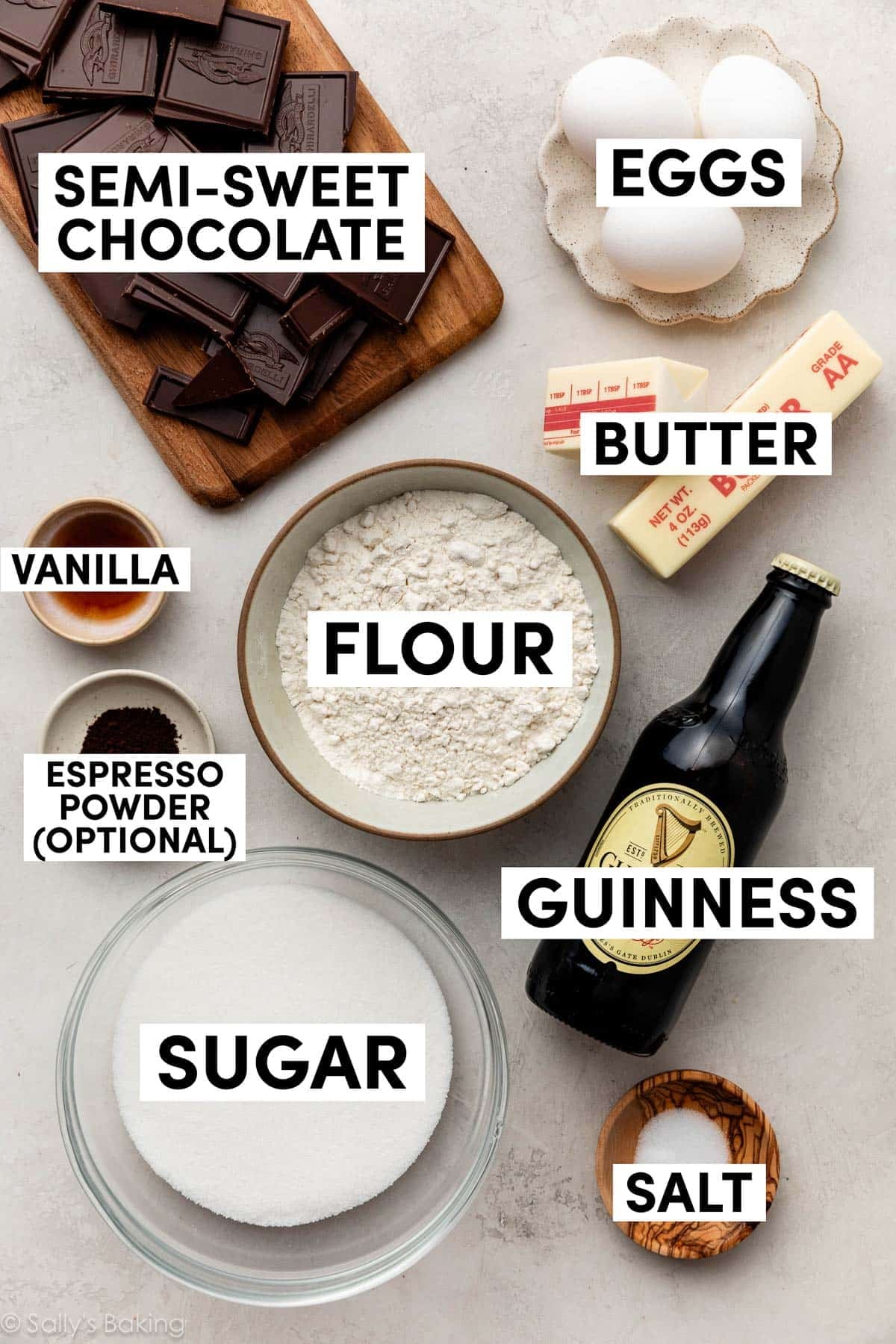
The choice and quality of chocolate are paramount. For an intensely chocolatey flavor, bakers typically opt for a good quality dark or semi-sweet chocolate. The higher cocoa content in such chocolates provides a more robust and complex chocolate profile, which is then further enhanced by the roasted notes of the reduced Guinness. Melting butter and chocolate together forms the rich, smooth base of the brownie batter, contributing significantly to its fudginess and overall decadent character. The fat from the butter, combined with the cocoa butter in the chocolate, ensures a tender, melt-in-your-mouth texture.
Sugar, while providing sweetness, also contributes to the brownies’ moistness and chewy texture. The balance of sugar, fat, and flour is carefully calibrated to prevent a dry or crumbly result. Eggs act as both a binder and a source of richness, adding to the structural integrity and moistness. Vanilla extract is included for its aromatic qualities, which complement and round out the chocolate and stout flavors. The absence of excess liquid, managed through the Guinness reduction, is crucial for maintaining this dense, fudgy consistency, preventing the batter from becoming too thin and leading to a cakey outcome. The use of a metal baking pan, rather than glass or ceramic, is also recommended for even heat distribution, which is vital for achieving uniform baking and the perfect fudgy center.
The Crown Jewel: Guinness-Infused Frosting
While the brownies themselves are a remarkable standalone dessert, the addition of a Guinness-infused frosting elevates them to a truly extraordinary culinary experience. This creamy, lightly sweet frosting serves as the perfect textural and flavor counterpoint to the dense, fudgy brownie base. It provides a luxurious finish, adding another layer of complexity and a hint of airy lightness.

The frosting’s unique flavor profile is meticulously crafted, leveraging the remaining reduced Guinness, espresso powder, and vanilla. The reduced Guinness continues to contribute its subtle malty, roasted, and caramelized notes, echoing the flavors within the brownie itself, creating a cohesive taste experience. Espresso powder, a well-known secret weapon in chocolate baking, intensifies the chocolate flavor within the frosting and adds a sophisticated coffee undertone that pairs beautifully with the stout. Vanilla extract provides a warm, aromatic backdrop, harmonizing all the flavors.
The resulting taste is difficult to precisely articulate but is undeniably delicious: an espresso-like richness with a delicate malty whisper, perfectly balanced by sweetness and creaminess. This frosting transforms the brownies into a more complete dessert, offering a harmonious blend of textures and tastes. For those seeking alternatives, the brownies would also be exceptionally well-complemented by a scoop of vanilla ice cream, a dollop of homemade whipped cream, or even a mocha whipped cream, which would further enhance the coffee and chocolate notes. These topping suggestions provide versatility, allowing for customization based on individual preference while still maintaining the integrity of the dessert’s rich profile.
Expert Insights and Culinary Trends
The popularity and ongoing refinement of recipes like these Guinness brownies signify several notable trends in contemporary culinary culture. Firstly, they underscore a growing sophistication in home baking. Consumers are increasingly adventurous, seeking out recipes that offer complex flavor profiles and innovative techniques, moving beyond basic chocolate chip cookies to explore more nuanced creations. Food bloggers, acting as accessible culinary experts, play a vital role in demystifying these techniques, making recipes like Guinness reduction approachable for the average home baker.

Secondly, the success of such recipes reflects the broader trend of "adult" desserts – sweet treats that incorporate more mature flavors, often from spirits, coffee, or dark chocolate, appealing to a palate that appreciates depth over sheer sweetness. This aligns with the craft beverage movement, where consumers are more attuned to the nuances of ingredients like stout and how they can be integrated into diverse culinary applications.
From an economic perspective, the seasonal demand for Guinness-infused desserts can have a tangible impact on the sales of specific ingredients. During the weeks leading up to St. Patrick’s Day, there’s often a noticeable uptick in the purchase of Guinness stout, premium dark chocolate, and other related baking supplies. This demonstrates the powerful influence of cultural events on consumer purchasing habits and the culinary industry.
Baking for Success: Tips and Troubleshooting
For those embarking on the journey of crafting these Guinness brownies, several key tips and insights, often gleaned from extensive testing and community feedback, are crucial for achieving consistently excellent results.
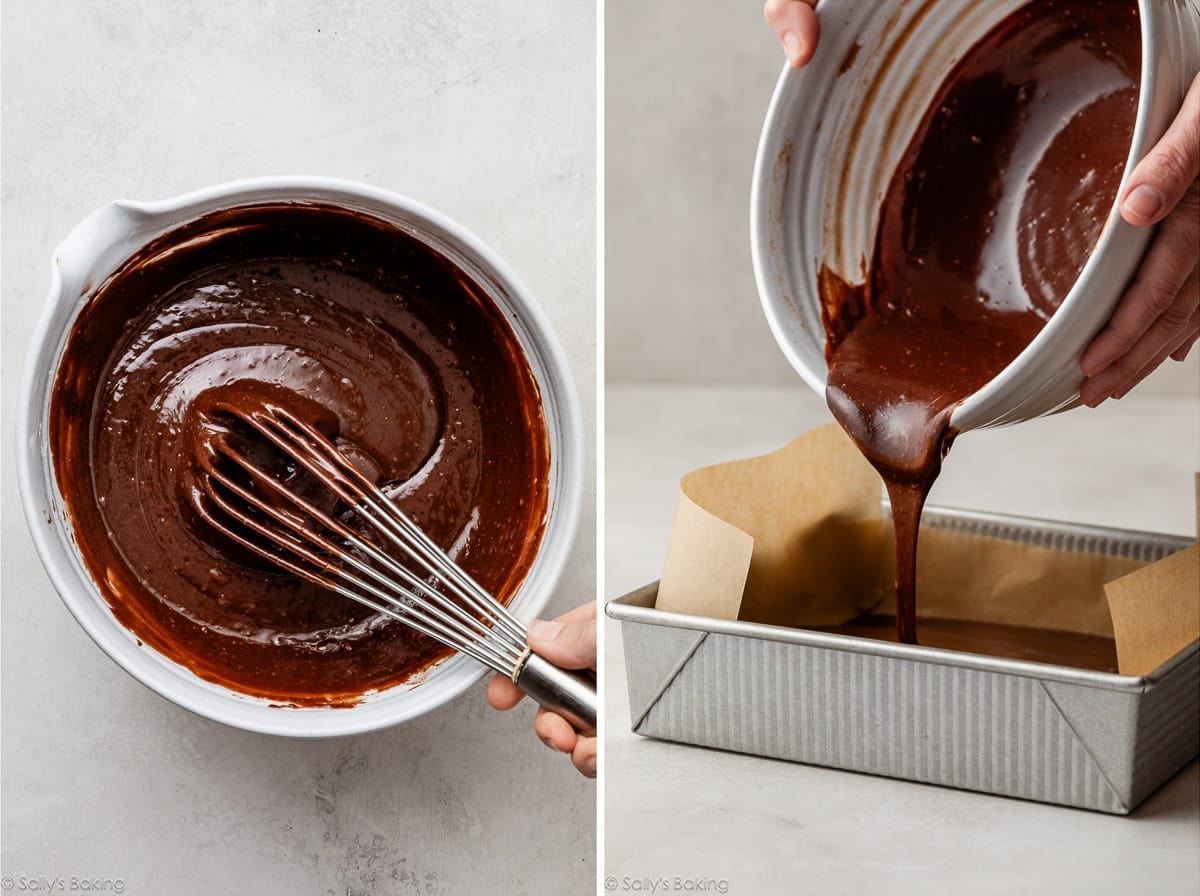
- Flavor Profile Clarification: As repeatedly emphasized, the brownies are designed not to taste strongly of beer. The Guinness is a flavor enhancer, imparting subtle roasted, coffee-like, and caramel notes that deepen the chocolate’s inherent richness. This understanding manages expectations and highlights the sophisticated role of the stout.
- Choosing the Right Guinness: While various stouts exist, classic Guinness Draught is typically recommended. Its smooth, balanced flavor profile integrates seamlessly with chocolate without overwhelming it. Other dark stouts might offer a slightly different, potentially more pronounced, malt flavor.
- The Non-Negotiable Reduction: Skipping the Guinness reduction is highly discouraged. This step is fundamental to concentrating the stout’s flavor while preventing excess liquid from diluting the batter, which would inevitably lead to a cakey or gummy texture. The precise measurement of the reduced liquid ensures the brownies maintain their characteristic dense, moist, and fudgy consistency.
- Nonalcoholic Alternatives: For individuals who prefer an alcohol-free version, the recipe can still be adapted. Substituting a high-quality stout-style nonalcoholic beer will yield a similar flavor profile, as the key flavor contributions from the roasted barley are still present in these alternatives. While some alcohol does evaporate during reduction and baking, using a nonalcoholic option ensures complete absence.
- Knowing When They’re Done: Brownies can be notoriously tricky to bake perfectly. The ideal doneness is achieved when a toothpick inserted into the center emerges with a few moist crumbs clinging to it. If the toothpick is coated in wet batter, the brownies are underbaked. If it comes out completely clean, they are likely overbaked, which can result in a dry texture. Slightly underbaking is preferable to overbaking for maximum fudginess.
- Pan Choice and Cooling: Using a 9-inch square metal baking pan is recommended for even heat distribution. Glass or ceramic pans can conduct heat differently, potentially leading to uneven baking. Allowing the brownies to cool completely in the pan before cutting is also crucial. Warm brownies are structurally fragile and prone to crumbling; cooling allows them to set properly, resulting in clean, fudgy squares.
- Ingredient Temperature: Ensuring ingredients like eggs are at room temperature can lead to a smoother, more emulsified batter, which contributes to a more uniform texture in the final product.
By adhering to these guidelines, home bakers can confidently create Guinness brownies that are not only deeply satisfying but also a testament to the intricate art of flavor pairing and precise baking techniques. These brownies stand as a prime example of how traditional ingredients can be innovatively repurposed to create modern, sophisticated desserts, cementing their place as a cherished indulgence.