
The intersection of dietary inclusivity and culinary simplicity has reached a new milestone with the release of a specialized dessert recipe designed to cater to the growing demand for vegan and gluten-free options. Minimalist Baker, a prominent digital platform known for its strict adherence to streamlined cooking processes, has unveiled its latest formulation: a double-chocolate tahini cookie that functions as a hybrid between a traditional cookie and a dense brownie. This development follows the success of the brand’s previous tahini-based iterations and reflects a broader shift in the confectionery industry toward functional ingredients and reduced preparation times.
Development and Core Concept
The genesis of this recipe stems from a period of iterative testing based on the "Easy Tahini Cookie" framework, a staple in the plant-based baking community. By integrating high-quality cocoa powder and semi-sweet chocolate chips into a base of sesame paste (tahini), the developers sought to create a flavor profile that balances the natural bitterness of sesame with the richness of unrefined sweeteners.

The product is defined by its "one-bowl" methodology, a technical constraint that minimizes equipment usage and post-production cleanup. This approach has become a hallmark of modern lifestyle journalism and home cooking, as consumers increasingly prioritize efficiency without sacrificing nutritional density. The recipe requires only eight ingredients and a total production time of approximately 20 minutes, positioning it as a high-speed solution for the "at-home" snack market.
Ingredient Profile and Technical Specifications
The composition of the Fudgy Chocolate Tahini Cookie relies on a specific selection of whole-food ingredients that serve dual purposes in both flavor and structural integrity.
- Tahini (Sesame Paste): Serving as the primary fat source, tahini replaces traditional butter or oil. This substitution provides a source of polyunsaturated and monounsaturated fats while contributing a distinct earthy undertone.
- Maple Syrup: Used as the primary liquid sweetener, it interacts with the tahini to create a viscous, caramel-like emulsion.
- Almond Flour: This serves as the gluten-free structural base, offering a higher protein content and a finer crumb than traditional grain-based flours.
- Tapioca Starch: Essential for texture, this starch provides the "chew" and elasticity typically provided by gluten.
- Cocoa Powder and Chocolate Chips: These provide the "double chocolate" profile, with the chips offering localized "pockets" of melted fat and sugar.
- Leavening and Seasoning: Baking soda and sea salt are utilized to manage the rise and enhance the depth of the chocolate flavor.
Nutritional Data and Market Analysis
According to the nutritional breakdown provided by the developers, each cookie contains approximately 202 calories and 5.2 grams of protein. In the context of the snack industry, a protein density of over five grams per serving elevates the cookie from a "discretionary treat" to a "functional snack."

The fat content stands at 12.9 grams, largely derived from sesame seeds and almonds, which are recognized for their mineral content, including calcium and iron. With 3.3 grams of dietary fiber and 11.3 grams of sugar, the cookie offers a more complex glycemic profile than standard commercial cookies, which often rely on refined wheat flour and high-fructose corn syrup.
From a market perspective, the release of such recipes aligns with the projected growth of the global vegan baking market, which is expected to expand at a compound annual growth rate (CAGR) of over 5% through 2030. The demand is driven by a combination of allergen awareness (specifically gluten and dairy sensitivities) and the "clean label" movement, where consumers seek recipes with fewer, more recognizable ingredients.
Chronology of Recipe Evolution
The timeline for the development of the Fudgy Chocolate Tahini Cookie illustrates a strategic expansion of a successful product line:

- Initial Phase: The launch of the original "Easy Tahini Cookie," which focused on the pairing of maple syrup and sesame.
- Intermediate Phase: Variations including "Tahini Sweet Potato Blondies" and "Tahini Chocolate Chip Skillet Cookies" were tested to determine the versatility of tahini in high-heat environments.
- Research and Development: Developers identified a consumer desire for a "pillowy" yet "fudgy" texture that mimicked the interior of a chocolate brownie.
- Final Formulation: The integration of cocoa powder and specific ratios of almond flour to tapioca starch were finalized to ensure the cookie remained vegan and gluten-free while maintaining a "crisp-on-the-outside" exterior.
- Public Release: The recipe was published with accompanying video tutorials and freezing instructions to maximize consumer accessibility.
Preparation and Storage Logistics
The journalistic analysis of the preparation process reveals a focus on temperature control and ingredient interaction. The "creaming" phase—common in traditional baking—is replaced by the whisking of tahini and maple syrup. This creates a stable emulsion that prevents the fat from separating during the baking process.
The baking instructions specify a 10-minute duration at a standard oven temperature, though the developers have provided specialized "batch-baking" instructions for frozen dough. By freezing the dough in rounded tablespoon-sized portions, consumers can bake individual servings at 325°F (162°C) for 11–15 minutes. This "on-demand" baking model reflects a growing trend in household food management aimed at reducing food waste and controlling portion sizes.
Broader Implications for the Food Industry
The emergence of high-protein, plant-based desserts like the Chocolate Tahini Cookie has several implications for both the digital media landscape and the broader food industry.

The "Democratization" of Specialized Diets
Historically, gluten-free and vegan baking required expensive, hard-to-find stabilizers like xanthan gum or egg replacers. The use of tahini and almond flour as foundational elements simplifies the process, making specialized dietary adherence more accessible to the average household. This "democratization" reduces the barrier to entry for individuals managing celiac disease or dairy allergies.
The Shift Toward Unrefined Fats
The replacement of palm oil or highly processed vegetable oils with nut and seed butters (like tahini) reflects a nutritional shift. Tahini is rich in lignans, such as sesamin, which have been studied for their antioxidant properties. By positioning these cookies as "satisfying and energizing," the developers are tapping into the "wellness" dessert niche.
Digital Recipe Influence
The role of platforms like Minimalist Baker in shaping consumer habits cannot be understated. With millions of followers, the introduction of a "one-bowl" recipe can lead to a localized surge in the sales of specific ingredients, such as tahini or almond flour, at the retail level. This creates a direct link between digital content creation and grocery supply chain demand.

Comparative Analysis: Brownie vs. Cookie
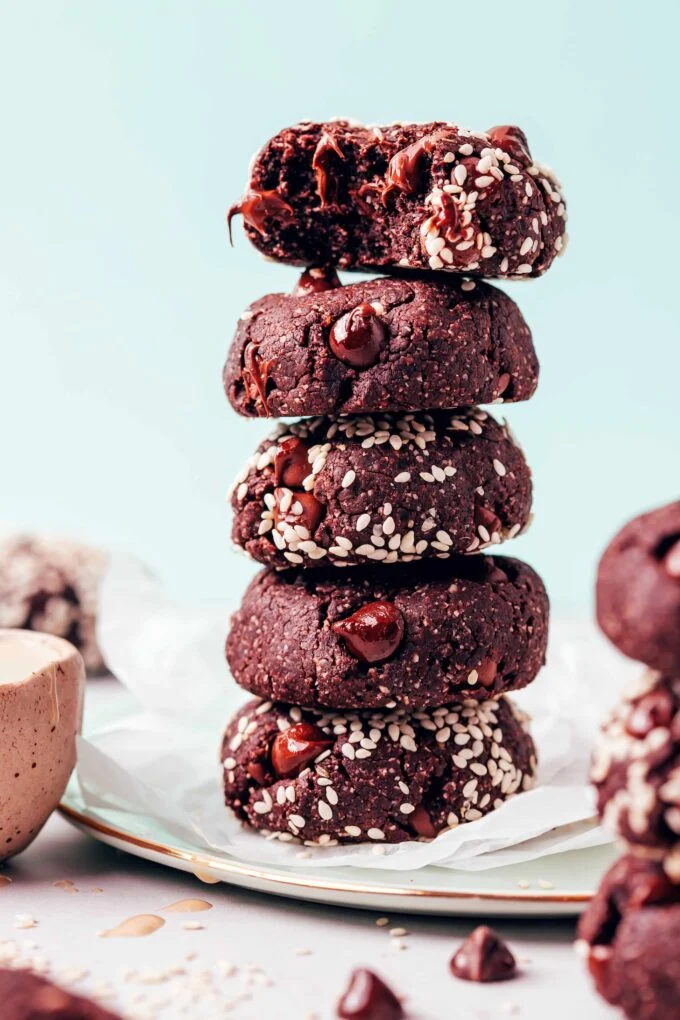
A key feature highlighted in the product’s release is its dual-texture profile. Traditional cookies rely on the caramelization of sugars and the aeration of butter to achieve a snap or a soft chew. In contrast, brownies rely on a higher ratio of fat and cocoa to flour to create a dense, "fudgy" crumb.
The Chocolate Tahini Cookie achieves this hybridity through the high fat content of the sesame paste and the moisture-retaining properties of maple syrup. The result is a "pillowy" interior that resists drying out, a common failure point in gluten-free baking. The addition of tapioca starch is the "secret" technical component that provides the structural "bounce" necessary to prevent the cookie from becoming crumbly.
Conclusion and Future Outlook
The Fudgy Chocolate Tahini Cookie represents a successful synthesis of convenience and dietary science. By leveraging the natural properties of sesame and almond, the recipe provides a nutrient-dense alternative to traditional sweets. As the food industry continues to move toward "cleaner" formulations and more efficient preparation methods, the popularity of such one-bowl, allergen-friendly recipes is expected to remain high.

For the home baker, the recipe offers a reliable framework for experimentation, while for the industry, it serves as a case study in how to effectively market "healthy" indulgence. The success of this formulation likely paves the way for further explorations into seed-based desserts, potentially involving sunflower butter or pumpkin seed paste as the industry continues to seek out nut-free alternatives in the future.