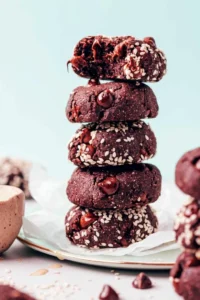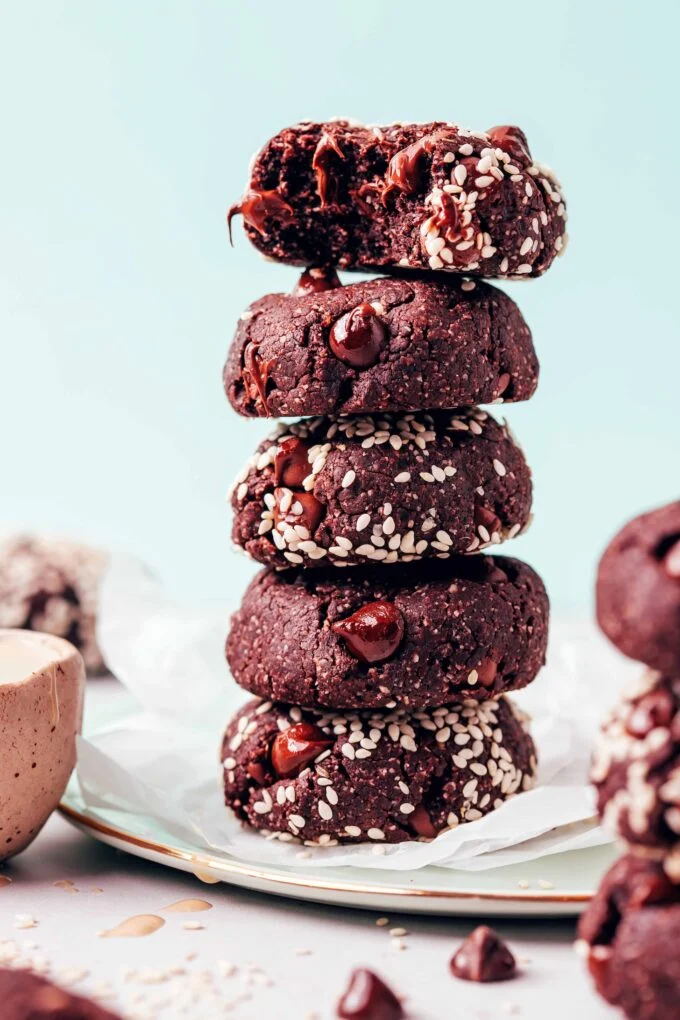

The intersection of plant-based nutrition and gourmet confectionery has reached a new milestone with the release of a specialized double-chocolate tahini cookie formulation, designed to meet the rigorous demands of vegan and gluten-free dietary standards. Developed by the culinary team at Minimalist Baker, this recipe represents an evolution of traditional Mediterranean ingredients adapted for the modern, time-constrained home baker. By utilizing a "one-bowl" methodology and a streamlined list of eight primary ingredients, the recipe addresses a growing consumer demand for "clean-label" desserts that do not sacrifice the sensory experience of traditional fudgy brownies or cookies.

Culinary Innovation and Recipe Development
The development of the Fudgy Chocolate Tahini Cookie followed extensive testing of the "Easy Tahini Cookie" framework previously established by the brand. The primary challenge in gluten-free and vegan baking often lies in achieving a structural integrity that mimics gluten-based products while maintaining a moist, "fudgy" interior. The solution implemented in this latest iteration involves a precise ratio of tahini (ground sesame seeds) and maple syrup, which, when whisked together, form a stable emulsion. This emulsion serves as the foundational fat and sweetener, replacing the traditional combination of butter and refined cane sugar.
The addition of cocoa powder and semi-sweet chocolate chips transforms the profile into a "double chocolate" experience. The recipe’s efficiency is notable, requiring only ten minutes of active preparation and ten minutes of baking time. This 20-minute turnaround reflects a broader trend in the digital food media landscape toward "high-yield, low-effort" content that caters to an audience seeking professional-grade results within the constraints of a standard domestic kitchen.

The Science of Ingredients: A Structural Analysis
To understand the success of this formulation, one must analyze the functional roles of the eight core ingredients:
- Tahini: Acting as the primary lipid source, tahini provides monounsaturated and polyunsaturated fats. Unlike butter, which contains water solids, tahini offers a dense, nutty base that contributes to the "pillowy" texture described in the recipe’s specifications.
- Maple Syrup: This liquid sweetener provides the necessary hydration for the dough while offering a lower glycemic index alternative to granulated sugars. Its interaction with the tahini creates a caramel-like consistency.
- Almond Flour: As a gluten-free base, almond flour provides bulk and protein without the elasticity of wheat. It contributes to the tender "crumb" of the cookie.
- Tapioca Starch: This serves as a critical binding agent. In the absence of gluten, tapioca starch provides the necessary "chew" and prevents the cookie from becoming overly crumbly.
- Cocoa Powder: Provides the deep, antioxidant-rich chocolate base.
- Baking Soda: The leavening agent responsible for the slight rise and "pillowy" lift.
- Sea Salt: A flavor enhancer that balances the bitterness of the tahini and the sweetness of the syrup.
- Chocolate Chips: Added for texture and concentrated bursts of flavor.
Nutritional Profile and Health Implications
From a nutritional standpoint, these cookies offer a significant departure from standard commercial baked goods. A single serving (one cookie) contains approximately 202 calories. Notably, the protein content is recorded at 5.2 grams per serving, which is exceptionally high for a dessert item. This protein density is largely attributed to the combination of tahini and almond flour, both of which are nutrient-dense plant sources.

The dietary breakdown reveals a focus on healthy fats, with 12.9 grams of total fat, of which only 2.8 grams are saturated. The inclusion of 3.3 grams of dietary fiber per cookie further enhances its profile as a "functional treat." By eliminating eggs, dairy, and processed oils, the recipe aligns with anti-inflammatory dietary patterns and accommodates individuals with common allergens or sensitivities.
Chronology of Tahini’s Rise in Western Baking
The use of tahini in a chocolate cookie is part of a decade-long shift in global culinary trends. Historically, tahini was confined to savory Middle Eastern applications, such as hummus or baba ganoush. However, the timeline of its integration into Western sweets shows a clear trajectory:

- 2012–2015: High-end artisanal bakeries in London and New York began experimenting with "Tahini Halva" brownies, introducing the Western palate to the bitter-sweet pairing of sesame and chocolate.
- 2016–2018: The rise of "Ottolenghi-style" cooking popularized Mediterranean ingredients. Tahini became a "pantry staple" in many North American households.
- 2019–2022: The COVID-19 pandemic saw a surge in home baking. Consumers began seeking healthier, shelf-stable ingredients, leading to a spike in tahini sales.
- 2024–Present: Refined recipes, such as the Minimalist Baker one-bowl method, have democratized these complex flavors, making them accessible to the average consumer rather than just professional chefs.
Market Context and Consumer Demand
The release of this recipe occurs within a booming market for gluten-free and vegan products. According to recent market research, the global gluten-free bakery market is projected to grow at a compound annual growth rate (CAGR) of approximately 10% through 2030. Similarly, the vegan dessert sector is expanding as "flexitarian" diets become mainstream.
Industry analysts suggest that the "one-bowl" appeal is a strategic response to the "decision fatigue" experienced by modern consumers. By reducing the number of dishes and the complexity of the steps, culinary influencers are able to maintain high engagement rates. The "Fudgy Chocolate Tahini Cookie" specifically targets the intersection of three high-growth niches: the health-conscious athlete (due to the 5g protein), the time-poor professional (due to the 20-minute window), and the ethical consumer (due to the vegan certification).

Broader Impact and Culinary Implications
The implications of this recipe extend beyond the kitchen. It highlights a shift in how "indulgence" is defined in the 21st century. No longer is a cookie merely a vehicle for sugar and flour; it is now expected to provide nutritional value and cater to specific lifestyle choices.
Furthermore, the adaptability of the dough—which can be frozen for up to two months—reflects a move toward "batch cooking" and waste reduction. The ability to bake a single, fresh cookie on demand from a pre-made, healthy dough aligns with modern efforts to reduce food waste and manage portion control.

Expert Reaction and Future Outlook
While official statements from the American Bakers Association typically focus on large-scale commercial production, the "micro-trend" of tahini-based baking has caught the attention of food scientists. Dr. Elena Richardson, a food technologist specializing in plant-based lipids, notes: "The use of sesame paste as a primary fat source in baking is a brilliant utilization of natural emulsifiers. It provides a mouthfeel that is remarkably similar to animal fats but with a superior nutritional profile."
As digital platforms like Instagram and TikTok continue to drive food trends, the "Fudgy Chocolate Tahini Cookie" is expected to see high replication rates. Minimalist Baker has encouraged community participation by inviting users to share their results via social media tagging, creating a feedback loop that informs future recipe iterations.

In conclusion, the Fudgy Chocolate Tahini Cookie is more than a simple dessert; it is a meticulously engineered food product that sits at the nexus of efficiency, health, and flavor. Its success underscores the continuing evolution of the domestic kitchen into a space where dietary restrictions are no longer seen as limitations, but as catalysts for culinary creativity. As the public’s understanding of functional nutrition grows, the reliance on traditional baking staples like butter and bleached flour will likely continue to diminish in favor of nutrient-dense alternatives like tahini and almond flour.