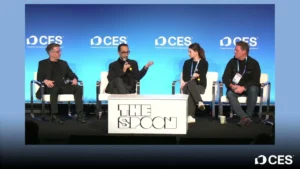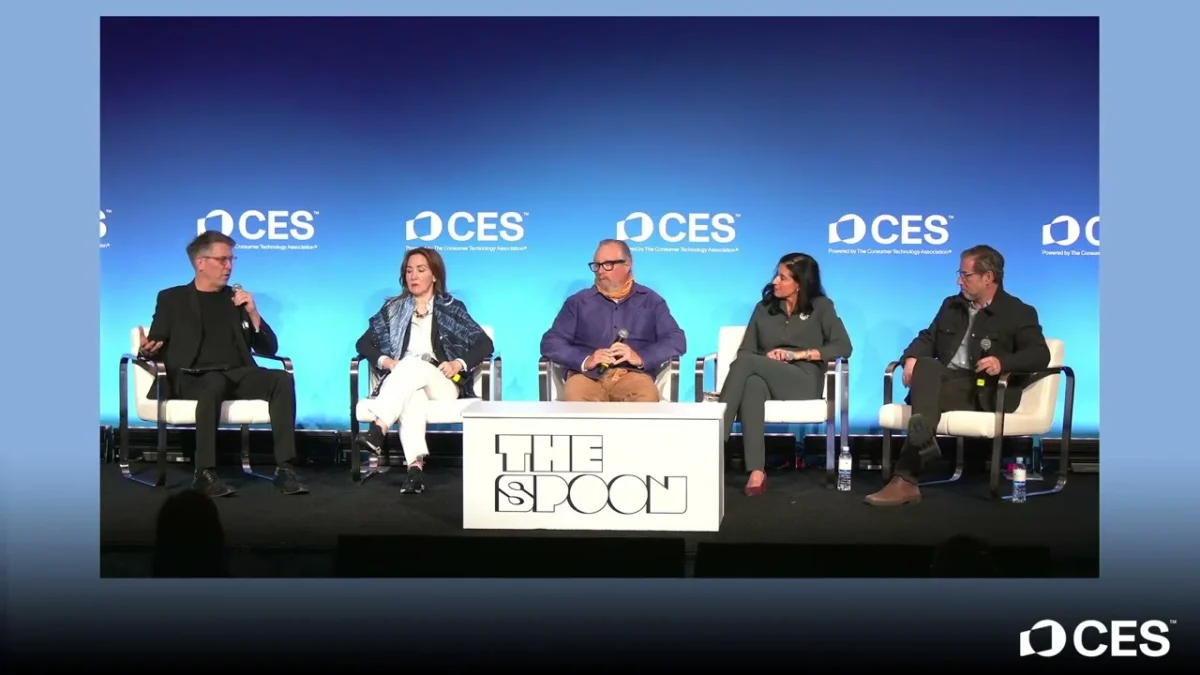

The intersection of cutting-edge technology and personal health is rapidly redefining our understanding of diet and wellness. At CES 2026, a pivotal discussion unfolded during The Spoon’s Food Tech Conference, exploring how advancements ranging from neural interfaces to continuous glucose monitors (CGMs) are poised to revolutionize how individuals approach their nutritional choices. The event brought together a diverse panel of experts—physicians, startup founders, investors, and researchers—to dissect the potential and pitfalls of these burgeoning technologies in shaping healthier societal outcomes.
The Personal Revelation of Continuous Glucose Monitoring
The conversation was anchored by a personal anecdote that resonated deeply with the theme. The author, sharing a recent experience with an over-the-counter Stelo CGM, recounted how just two weeks of wearing the device fundamentally altered their eating habits. Sugary snacks, once a casual indulgence, were revealed to cause extreme blood sugar spikes, while salads and vegetables maintained a more stable glucose profile. Even a brief walk after a meal demonstrated an almost immediate impact on lowering glucose levels. This transformative personal insight sparked a broader question: could widespread access to such granular physiological data empower millions to better manage their health and, by extension, improve societal well-being?
This personal revelation set the stage for a deeper exploration of CGMs, a technology once exclusively designed for individuals managing diabetes. Dr. Howard Zisser, a physician and a veteran in diabetes technology development since the early 2000s, highlighted the paradigm shift brought about by newer, over-the-counter CGMs. He emphasized that the true value lies not just in the data itself, but in the actionable insights derived from it.
"Instead of one or two readings a day, you suddenly have 300, 500, 600 readings a day," Dr. Zisser explained. "You start to see trends. What happens when you fast, when you exercise, during a menstrual cycle. You get a rich data set that’s your data personally." This continuous stream of information, he argued, transforms abstract dietary choices into tangible cause-and-effect relationships.
Dr. Zisser further posited that the initial shock of witnessing one’s own blood sugar fluctuations is a critical component of the learning process. Unlike biomarkers that are less responsive to immediate behavioral changes, glucose levels are highly actionable. "You see it, and you can change your behavior," he stated. "Next time, you make a different choice." He drew an analogy to learning to drive, comparing glucose feedback to a speedometer. Without it, drivers rely on guesswork; with it, they can learn to correlate their actions with specific outcomes.
Beyond Hardware: AI-Powered Glucose Prediction
While the efficacy of hardware CGMs is evident, scalability remains a significant hurdle, particularly for the vast population with undiagnosed prediabetes or metabolic dysfunction. Noosheen Hashemi, founder and CEO of January AI, presented an alternative approach leveraging artificial intelligence. Her company’s technology utilizes machine learning models, trained on extensive CGM data, to predict glucose responses without requiring users to wear a physical sensor.
"Our claim to fame is creating the world’s first continuous glucose monitor with AI," Hashemi declared. Her system generates directionally accurate predictions by analyzing a range of inputs including age, weight, activity level, sleep patterns, and dietary intake. This AI-driven approach democratizes access to glucose insights, potentially reaching a much broader demographic than traditional CGM devices.
The Challenge of Sustained Behavioral Change
Despite the powerful insights offered by both hardware and AI-driven glucose monitoring, the challenge of translating this data into lasting behavioral change is substantial. Sherry Frey, VP of Total Wellness at NielsenIQ, presented research indicating that dietary adjustments made after a diagnosis or a significant health event often revert within months.
"We actually see about nine months in that a lot of behavior reverted," Frey observed. "When people were maybe less engaged and a little tired of having to eat differently." This attrition highlights a critical gap in current health technology: while data can inform, it does not inherently guarantee sustained motivation or adherence. The need for context, interpretation, and ongoing encouragement is paramount.
NielsenIQ data also reveals a significant expansion in the adoption of wearables and health-tracking technologies, moving beyond the affluent early adopters. Notably, one of the fastest-growing user segments includes individuals receiving SNAP benefits, many of whom are utilizing these tools for chronic disease management rather than solely for fitness optimization. This trend underscores the expanding addressable market for health tech, extending far beyond those with pre-existing diagnosed conditions. "The addressable market is much larger than people with diabetes," Frey asserted.
Actionable Insights and the Specter of Misinformation
The discussion then turned to what truly drives lasting behavior modification. Peter Bodenheimer, U.S. venture partner at PeakBridge VC, drew a parallel to the Nest thermostat, suggesting that providing consumers with actionable insights—those that clearly link actions to outcomes—is key to sustained engagement. "Insights that tell you, ‘if I do this, then something good or bad happens,’ tend to be the things that people respond to and maintain," he explained.

However, the proliferation of health data also introduces the potential for confusion, anxiety, and misinformation. Hashemi cited an instance where a user, misinterpreting their glucose data influenced by social media, developed an unrealistic expectation that blood sugar should never exceed 110 mg/dL. She clarified, "Metabolic fitness is how you go from fasted to fed efficiently. It’s a preposterous idea to keep your blood sugar the same all the time. So yes, there’s a lot of misinformation."
Dr. Zisser reinforced the importance of individual context in interpreting glucose data. The significance of a particular blood sugar spike can vary dramatically depending on whether the individual is a professional athlete, managing diabetes, or aiming for weight loss. This underscores the necessity of personalized guidance rather than a one-size-fits-all approach.
The Future of Internal Sensing
Looking ahead, the panel explored even more advanced sensing technologies. Hashemi pointed to the development of implantable sensors capable of continuously monitoring multiple analytes, including glucose, for extended periods—up to 900 days in animal trials. Emerging research also aims to track substances like lactate, ketones, alcohol, and eventually insulin. "Yeah, there’s definitely implantables," Hashemi confirmed. "There’s one that reads 20 different analytes, including glucose. It lives, you have to inject it under your skin. It can live 900 days. And it’s still in animals. It’s not in humans yet. But these things are coming."
Navigating Privacy and Building Trust
As the spectrum of measurable biological signals expands, so too do concerns surrounding data privacy, trust, and ownership. Frey noted that while a significant portion of consumers desire a consolidated view of their health data, roughly half remain apprehensive about embedded sensors and the potential misuse of their information by insurers, governments, or corporations.
Conversely, the tangible benefits derived from these technologies can foster trust. When individuals experience observable improvements in sleep quality, energy levels, or cognitive focus, their willingness to share data and engage with the technology often increases. As Hashemi aptly stated, "No government, no doctor can make somebody healthy. The only person that can do that is yourself." This sentiment places the ultimate agency for health squarely with the individual, empowered by technology.
The Path Towards Personalized Nutrition
The conversation culminated in a discussion on personalized nutrition, a field long characterized by debate. The panelists largely agreed that while perfect precision may remain elusive, the convergence of biological data, AI, and human context is steadily advancing the industry towards more tailored dietary recommendations.
"The gold lives in the combination of data," Hashemi concluded, suggesting that consumer-generated health data will increasingly integrate with clinical care, particularly as value-based healthcare models gain traction.
Ultimately, the profound promise of next-generation health technology may lie less in perfect predictive accuracy and more in the empowerment it offers individuals. Dr. Zisser proposed a compelling idea: integrating these feedback mechanisms into early education. "When my dad taught me how to drive, he didn’t put me in a car without a speedometer, right? It’s like, have feedback, I have information. And so to give people that access to that, and not that they would need it all the time, but so they can learn how their choices impacts their glucose," he reasoned.
This forward-thinking approach to health education could fundamentally alter long-term health trajectories. Imagine a generation growing up with an intuitive understanding of how their food choices directly impact their physiological well-being. The potential for a healthier future, shaped by informed decisions from an early age, is immense.
The full discussion, featuring these insights and more, is available for viewing.
CES 2026: From Brainwaves to Blood Sugar: How Next-Gen Tech Shapes Diets