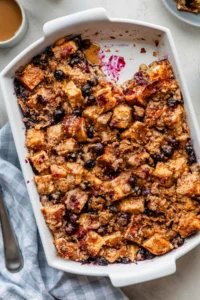

This recipe for fluffy whole wheat waffles exemplifies a growing trend in home cooking: the successful integration of wholesome ingredients without sacrificing taste or texture. Crafted with 100% whole wheat flour, these waffles deliver a hearty flavor profile, characterized by lightly crisp edges and tender, soft centers. Beyond their immediate appeal as a feel-good weekend breakfast, their notable freezer-friendliness and ease of reheating position them as an ideal solution for convenient and nutritious weekday mornings, appealing to busy families seeking healthier dietary options.
The Evolution of a Breakfast Staple: A Chronology of Wholesome Waffles
The original iteration of this whole wheat waffle recipe first emerged in 2017, reflecting an early recognition of consumer demand for more nutritious breakfast alternatives. In the years since its initial publication, dietary trends have increasingly emphasized whole grains and fiber-rich foods, prompting a continuous refinement of recipes that meet both health objectives and culinary expectations. The recent update to this particular recipe, featuring new photography and refined success tips, underscores a commitment to delivering consistently excellent results in an evolving culinary landscape. This chronological development highlights a broader movement within the food industry and home cooking communities towards healthier adaptations of classic comfort foods, moving away from the perception that whole wheat equates to dense or unpalatable outcomes. The update serves as a testament to ongoing innovation, ensuring that recipes remain relevant and high-performing as consumer tastes and nutritional understanding progress.

Nutritional Imperatives: The Case for Whole Wheat
The foundation of these waffles—100% whole wheat flour—is central to their nutritional appeal. Unlike refined white flour, which has been stripped of its bran and germ, whole wheat flour retains all parts of the wheat kernel, including the fiber-rich bran, the nutrient-packed germ, and the starchy endosperm. This comprehensive composition contributes significantly to dietary fiber intake, a critical component often lacking in modern diets. According to the Dietary Guidelines for Americans, increasing consumption of whole grains is a key recommendation for promoting overall health, reducing the risk of chronic diseases such as heart disease, type 2 diabetes, and certain cancers. The fiber in whole wheat aids in digestive health, promotes satiety, and helps regulate blood sugar levels, providing a sustained energy release that is particularly beneficial for starting the day. Incorporating whole wheat into breakfast staples like waffles transforms what might typically be a less nutritious meal into one that actively contributes to daily whole grain targets, empowering individuals to make more informed dietary choices without compromising on the joy of a satisfying breakfast.
Culinary Science Unveiled: Achieving Fluffiness with Whole Grains
One of the primary challenges in working with whole wheat flour is its tendency to produce denser, heavier baked goods due to the higher protein content and presence of bran, which can interfere with gluten development. The ingenuity of this recipe lies in its precise application of culinary science to counteract these characteristics, ensuring the waffles achieve a desirable fluffy texture while maintaining crisp edges. The "secret" to these fluffy whole wheat waffles is a meticulous balance of moisture, fat, and leavening agents.

- Moisture: Ingredients such as buttermilk play a crucial role. The acidity in buttermilk reacts with baking soda, producing carbon dioxide bubbles that contribute to a light, airy texture. Furthermore, the liquid content helps hydrate the whole wheat flour effectively, preventing dryness and density.
- Fat: Melted butter not only adds rich flavor but also tenderizes the crumb. Fat coats gluten strands, preventing them from forming overly strong networks that would result in a tough texture, thereby contributing to the desired softness in the waffle’s interior.
- Leavening: A combination of baking powder and baking soda is strategically employed. Baking powder, a double-acting leavening agent, releases gas both when wet and when heated, providing a sustained lift. Baking soda, on the other hand, requires an acidic component (like buttermilk) to react, producing immediate carbon dioxide for initial rise. This synergistic action ensures maximum lift and a consistently airy result, defying the common misconception that whole wheat products must be heavy. The careful ratio of these ingredients is key to achieving waffles that are golden, lightly crisp on the exterior, and wonderfully soft and tender within, offering a delicious experience that feels indulgent despite its wholesome composition.
Consumer Reception and Market Trends
The public reception of this whole wheat waffle recipe, as evidenced by numerous reader testimonials, underscores its success in meeting consumer expectations for both taste and practicality. For instance, Austin’s comment, "These were FANTASTIC. I subbed brown sugar for honey. We topped them with homemade whipped cream. Best breakfast ever!" highlights the recipe’s adaptability and impressive flavor profile. Paula’s assertion, "These waffles are truly the best I’ve ever had… Thanks to this recipe we’ll be having waffles way more frequently. Wow!" speaks to its exceptional quality and potential to transform regular breakfast habits. Terry’s feedback, "I’ve made these several times. They are a family favorite. I also freeze them and pop them in the toaster on a busy morning and they work wonderfully," directly addresses the critical convenience factor, emphasizing the recipe’s utility for busy households.
These testimonials align with broader market trends indicating a significant shift towards "better-for-you" convenience foods. Consumers are increasingly seeking options that are both healthy and time-saving, driven by demanding lifestyles and a heightened awareness of dietary health. The global market for healthy convenience foods has seen steady growth, with a particular emphasis on breakfast items that can be prepared quickly without compromising nutritional value. The ability of these waffles to be prepared in advance, frozen, and then reheated efficiently in a toaster or toaster oven directly taps into this market demand, providing a homemade alternative to often less healthy store-bought options. This trend is further supported by industry reports showing a rising preference for whole grain products and a sustained interest in home baking that offers control over ingredients.
Streamlining Morning Routines: The Convenience Factor

One of the most compelling attributes of these whole wheat waffles, particularly for modern households, is their exceptional freezer-friendliness. The ability to prepare a batch of waffles in advance and store them for later consumption represents a significant advantage in streamlining morning routines. After cooling completely, the waffles can be safely frozen in a freezer-safe bag for up to three months. This feature transforms a weekend cooking endeavor into a strategic meal prep activity, providing a readily available, wholesome breakfast option throughout the week.
The method for reheating is equally efficient: a simple pop into a toaster or toaster oven is sufficient to restore them to their original warmth and crispness. This approach not only saves valuable time on busy weekdays but also ensures that the waffles retain their appealing texture—crisp on the outside and tender on the inside—mirroring the quality of freshly made ones. This aspect addresses a prevalent consumer need for quick, nourishing meals that do not require extensive preparation on rushed mornings, thereby reducing reliance on less healthy, processed breakfast items. The practical implications are profound for parents and individuals striving to maintain a balanced diet amidst demanding schedules, offering a convenient, homemade alternative that supports healthier eating habits without added stress.
Beyond the Batter: Versatile Topping Innovations
The versatility of waffles extends far beyond their inherent deliciousness, offering a canvas for an array of toppings that can customize the breakfast experience and enhance its nutritional profile. Classic pairings, such as pure maple syrup and a dollop of butter, remain perennial favorites, providing a comforting and familiar sweetness. However, the wholesome base of these whole wheat waffles invites more adventurous and health-conscious embellishments.

Fresh berries, such as strawberries, blueberries, raspberries, and blackberries, are excellent choices, adding natural sweetness, vibrant color, and a boost of antioxidants and vitamins. Sliced bananas or peaches also offer complementary flavors and textures. For an added layer of indulgence, homemade whipped cream or a scoop of Greek yogurt can provide a creamy counterpoint, with Greek yogurt offering a protein-rich alternative. A sprinkle of chopped nuts (walnuts, pecans, almonds) introduces healthy fats and a satisfying crunch, while a dusting of cinnamon or a drizzle of honey can elevate the flavor complexity. For those inclined towards more creative culinary exploration, options like fruit compotes, apple butter, or even a light spread of almond or peanut butter with extra fruit can transform the waffle into a more substantial and nutrient-dense meal. This adaptability ensures that each breakfast can be a unique experience, catering to individual preferences and dietary needs, further solidifying the waffle’s role as a versatile and cherished breakfast item.
The Art of Waffle Making: A Step-by-Step Guide for Home Cooks
The process of preparing these whole wheat waffles is remarkably straightforward, designed to be accessible to home cooks of varying skill levels. The recipe utilizes a simple two-bowl method, which minimizes complexity and streamlines the preparation process. This technique involves separately whisking the dry ingredients in one bowl and the wet ingredients in another, before combining them to form the batter. This method ensures that the leavening agents are evenly distributed and activated, and that the flour is properly hydrated, leading to a consistent and desirable texture.
Prior to adding the batter, it is crucial to properly preheat and grease the waffle iron. A well-heated iron ensures immediate cooking and helps create the characteristic crisp exterior, while greasing prevents sticking and facilitates easy removal of the cooked waffles. The specific amount of batter required per batch will vary depending on the model and size of the waffle iron, underscoring the importance of consulting the appliance’s instructions for optimal results. Once the batter is poured, the lid is closed, and the waffles are cooked until they achieve a golden-brown hue and crispness. Again, cook times are largely dependent on the individual waffle maker, necessitating adherence to manufacturer guidelines. This straightforward approach, combined with clear instructions, empowers home cooks to consistently produce delicious, wholesome waffles with minimal effort, making the entire process enjoyable and rewarding.

Broader Implications for Health and Home Economics
The resurgence and refinement of recipes like these fluffy whole wheat waffles carry broader implications for public health and household economics. In an era where processed foods and eating out often dominate dietary patterns, accessible and appealing recipes for homemade, wholesome meals play a crucial role in encouraging home cooking. This shift empowers individuals and families to take greater control over the ingredients in their food, reducing exposure to artificial additives, excessive sugars, and unhealthy fats often found in commercial products.
From an economic perspective, preparing waffles at home, even with high-quality ingredients, is generally more cost-effective than purchasing pre-made frozen waffles or dining out for breakfast. This financial benefit, coupled with the nutritional advantages of whole grains, positions these waffles as a smart choice for budget-conscious families seeking to improve their diet. Moreover, the ease of freezing and reheating reduces food waste, as any leftover waffles can be preserved and consumed later, further enhancing their economic value. The cumulative impact of such recipes fosters a greater appreciation for nutritious, homemade food, contributing to improved public health outcomes by making healthy eating both feasible and desirable for a wider demographic.
In conclusion, the updated recipe for fluffy whole wheat waffles represents more than just a culinary instruction; it embodies a convergence of evolving dietary science, consumer demand for convenience, and a renewed appreciation for wholesome, homemade meals. By skillfully addressing the challenges traditionally associated with whole wheat baking, this recipe delivers a product that is both nutritionally beneficial and exquisitely palatable. Its dual appeal as a delightful weekend treat and a practical weekday breakfast solution underscores its significance in modern kitchens, offering a tangible pathway towards healthier eating habits without compromising on flavor or the simple joy of a well-made meal.