
For over fifteen years, roasted vegetables have been a staple in professional kitchens, gracing restaurant menus, adorning banquet tables, and serving as a cornerstone for boosting vegetable intake, even for the most discerning palates, including those of children. This versatile dish, celebrated for its inherent heartiness and ease of preparation, can stand alone as a complete meal. However, for those seeking to transform this simple yet satisfying preparation into a more elaborate dining experience, the question arises: what can elevate roasted vegetables from a side dish to a centerpiece? This exploration delves into a curated selection of pairings, meticulously chosen by a seasoned culinary professional, to complement the earthy sweetness and tender texture of roasted vegetables across all seasons.
The Foundation of Flavor: Mastering Roasted Vegetables
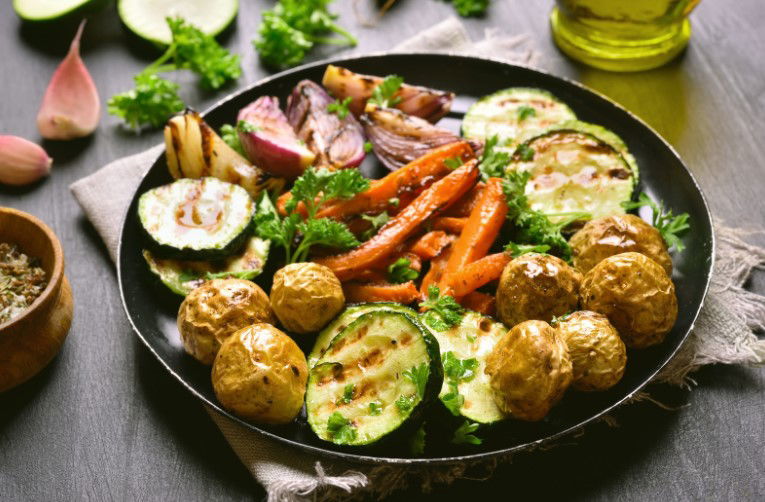
The art of roasting vegetables lies in its ability to concentrate natural flavors through caramelization. High heat transforms the sugars within vegetables, creating a depth of taste that is both complex and comforting. This method is particularly effective for a wide array of produce, from the robust sweetness of root vegetables like carrots, parsnips, and sweet potatoes, to the delicate char of cruciferous options such as broccoli and Brussels sprouts, and the vibrant notes of bell peppers and zucchini. The key to successful roasting is proper preparation: cutting vegetables into uniform sizes ensures even cooking, while a judicious application of oil, salt, and pepper enhances their natural appeal. The oven’s dry heat encourages browning, a critical element for developing those desirable crispy edges and tender interiors.
Seasonal Versatility: A Year-Round Appeal
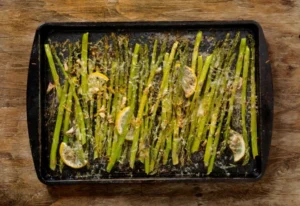
The beauty of roasted vegetables lies in their adaptability to any season. In spring, tender asparagus and young peas can be lightly roasted to preserve their fresh, vibrant flavors. Summer offers an abundance of options like zucchini, eggplant, and corn, which benefit immensely from the roasting process, intensifying their sweetness. Autumn ushers in hearty root vegetables such as butternut squash, pumpkins, and potatoes, which become wonderfully tender and deeply flavorful when roasted. Winter provides a canvas for hardy greens like kale and Brussels sprouts, alongside root vegetables, creating warming and nourishing dishes. Regardless of the season, the fundamental technique remains the same, but the selection of vegetables can be tailored to what is freshest and most readily available, a principle that underpins sustainable and flavorful cooking.

Expert Pairings for a Complete Culinary Experience
While roasted vegetables are a complete meal in themselves, their true potential is unlocked when paired thoughtfully with complementary proteins, grains, or other substantial dishes. The following selections, drawn from years of professional culinary experience, offer a diverse range of flavors and textures designed to enhance, rather than overpower, the inherent goodness of roasted vegetables.
1. The Comforting Classic: Beef Roast
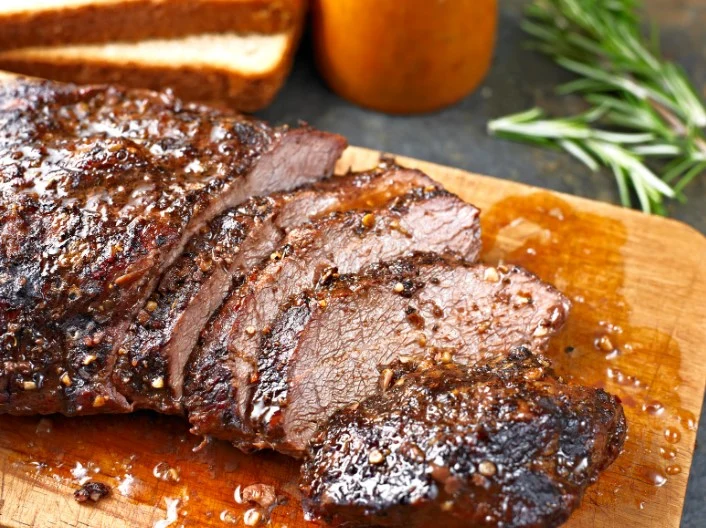
For those seeking ultimate comfort, particularly during the colder winter months, a slow-cooked beef roast stands as a prime companion to roasted vegetables. The inherent richness and savory depth of a well-prepared beef roast provide a robust counterpoint to the earthy sweetness of roasted root vegetables like potatoes, carrots, and parsnips. This pairing offers a "set-it-and-forget-it" convenience, as the roast can occupy the oven for an extended period, allowing ample time for the vegetables to reach their peak doneness. This strategy is particularly beneficial for busy households or when entertaining larger groups, as it minimizes last-minute kitchen stress. Furthermore, the generosity of a beef roast ensures ample leftovers, which can be repurposed into delicious sandwiches or enjoyed as is for up to a week. For an added layer of indulgence, a rich pan sauce or gravy can elevate the entire dish, binding the flavors of the beef and vegetables into a harmonious symphony. A classic beef roast recipe, often featuring a perfectly rendered pan sauce, provides a reliable blueprint for this beloved comfort food.

2. The Lean and Lively Option: Chicken Breast
A nutrient-rich and lighter alternative, chicken breast offers a healthy and versatile complement to roasted vegetables. The ease of preparation allows for efficient multitasking in the kitchen. Chicken breast can be seared in a skillet to develop a beautiful golden crust before being finished in the oven alongside the vegetables. This method not only adds a pleasing textural contrast but also ensures the chicken remains moist and tender. The lean nature of chicken breast prevents the meal from feeling overly heavy, making it an excellent choice for a balanced and satisfying dish. A simple pan-searing technique can yield a restaurant-quality result, complementing the caramelized flavors of the roasted vegetables without competing with them.
3. The Sweet and Savory Harmony: Pork Chops
Pork chops possess a natural affinity for sweet flavors, making them an exceptional partner for roasted winter vegetables, particularly those with inherent sweetness like butternut squash or sweet potatoes. The slightly sweet and savory profile of pork harmonizes beautifully with the caramelized notes of roasted produce. To elevate this pairing further, consider incorporating baked apple slices or an apple demi-glace. These additions amplify the inherent sweetness of the pork and vegetables, creating a sophisticated and memorable dish. Pork chops can be prepared through pan-searing or oven-roasting, offering flexibility in cooking methods. A quick-cooking recipe for pork chops can be a lifesaver on busy weeknights, allowing for a gourmet meal with minimal preparation time.

4. The Crowd-Pleasing Classic: Lasagna
Lasagna, a rich and hearty dish in its own right, offers a surprisingly harmonious pairing with certain types of roasted vegetables, especially those with a Mediterranean flair such as zucchini, tomatoes, and red onions. The oven-baked nature of lasagna means it can share oven space with roasted vegetables, optimizing cooking efficiency. This dish is particularly well-suited for family gatherings and larger dinner parties, as it can be prepared in advance and its flavors often deepen and improve with time. The comforting layers of pasta, cheese, and sauce provide a satisfying foundation that is beautifully complemented by the tender, slightly charred flavors of roasted Mediterranean vegetables. A well-executed lasagna recipe, designed to serve multiple people, ensures that this indulgent pairing is accessible for any occasion.
5. The Comforting Embrace: Soup
Soup offers unparalleled versatility as a side dish to roasted vegetables, capable of transforming a simple meal into a complete and satisfying experience. It provides an excellent avenue for creating entirely vegetarian or vegan meals, depending on the soup’s composition. For Mediterranean-style roasted vegetables, a hearty minestrone soup can provide a vibrant and flavorful accompaniment. Roasted potatoes, carrots, and onions find a natural partner in classic chicken noodle soup, while creamy chowders offer a luxurious complement to roasted squash dishes. The sheer range of soup possibilities ensures that this pairing can be adapted to any combination of roasted vegetables, making it a consistently reliable choice.

6. The Creamy Indulgence: Risotto
While risotto preparation can be time-consuming, the reward is a luxuriously creamy and deeply flavorful rice dish that perfectly complements the texture and taste of roasted vegetables. A mushroom risotto, with its rich, earthy, and savory notes, is a particularly lauded pairing for a wide array of roasted vegetables. Its complex flavor profile can stand up to and enhance even the most robustly flavored roasted produce. For novice cooks, a beginner-friendly risotto recipe, complete with clear instructions and helpful tips, can demystify the process, making this sophisticated side dish accessible to all.
7. The Elegant Simplicity: Quiche
Quiche, an egg-based savory pastry, introduces a significant protein component to a roasted vegetable dish without necessarily adding meat. Its oven-baked preparation also contributes to kitchen efficiency by freeing up stovetop space. Many quiche recipes prominently feature vegetables, making them a natural and complementary partner to roasted vegetables. A simple broccoli and cheese quiche, requiring only a handful of ingredients, demonstrates how easily this elegant dish can be integrated into a meal featuring roasted vegetables, adding both flavor and substance.

8. The Mediterranean Delight: Eggplant Parmesan
Eggplant Parmesan offers a lighter alternative to its chicken counterpart, making it an excellent choice for those seeking to reduce meat consumption or create a vegetarian-focused meal. The tender, melt-in-your-mouth texture of the eggplant, combined with its crisp coating, provides a delightful textural contrast to roasted vegetables. While the preparation of eggplant Parmesan can be involved, the resulting rich and flavorful dish is well worth the effort, especially when the eggplant is pan-fried before baking, as seen in many classic recipes. This Italian-inspired dish pairs exceptionally well with roasted Mediterranean vegetables, creating a cohesive and deeply satisfying meal.
9. The Plant-Based Powerhouse: Sliced Tofu Steaks
For a high-protein, vegan-friendly option, sliced tofu steaks are an outstanding choice. Tofu’s remarkable ability to absorb marinades means it can be flavored to complement any roasted vegetable dish. Whether baked or seared, tofu steaks offer a satisfyingly "meaty" texture that can stand up to robustly flavored vegetables. The simplicity of preparing tofu steaks—slicing, seasoning, and cooking—makes them an effortless yet impactful addition to a light and meatless meal. Utilizing firm or extra-firm tofu is recommended, as its structural integrity ensures it holds up well during cooking and provides a more substantial bite that can stand alongside hearty roasted vegetables.

Addressing Common Roasting Queries
Should Roasted Root Vegetables Be Covered?
Covering root vegetables during roasting traps moisture, which can lead to steaming rather than browning. While covering hard squash can help them cook through more effectively, most other vegetables benefit from being left uncovered to achieve desirable caramelization and crispy edges.
How Do You Keep Roasted Root Veggies from Getting Soggy?
To prevent sogginess, ensure your oven is preheated to a high temperature, typically around 400°F (200°C). Crucially, arrange the vegetables in a single layer on the baking sheet, avoiding overcrowding. This allows hot air to circulate freely around each piece, promoting even roasting and crisping.

The Enduring Appeal of Roasted Vegetables
Roasted vegetables, in their myriad forms and seasonal variations, offer a culinary canvas of remarkable versatility. Their ability to transform simple ingredients into deeply flavorful and nourishing dishes makes them a cornerstone of healthy and satisfying eating. By thoughtfully pairing them with complementary proteins, grains, or other substantial dishes, as outlined by professional culinary insights, one can elevate this humble preparation into a truly memorable dining experience. The ongoing innovation in culinary arts continues to explore new ways to celebrate the inherent qualities of roasted vegetables, ensuring their place at the table for seasons to come.