
For over fifteen years, roasted vegetables have been a staple in professional kitchens, gracing restaurant menus, banquet halls, and home tables alike. Their inherent versatility and heartiness allow them to stand alone as a complete meal, or serve as a robust foundation for a variety of culinary creations. Whether enjoyed in the vibrant hues of spring, the bountiful offerings of summer, the comforting warmth of autumn, or the grounding flavors of winter, roasted vegetables offer a canvas for countless delicious accompaniments. This article explores a curated selection of pairings designed to complement the natural sweetness and earthy notes of roasted produce, transforming a simple side dish into a memorable dining experience.
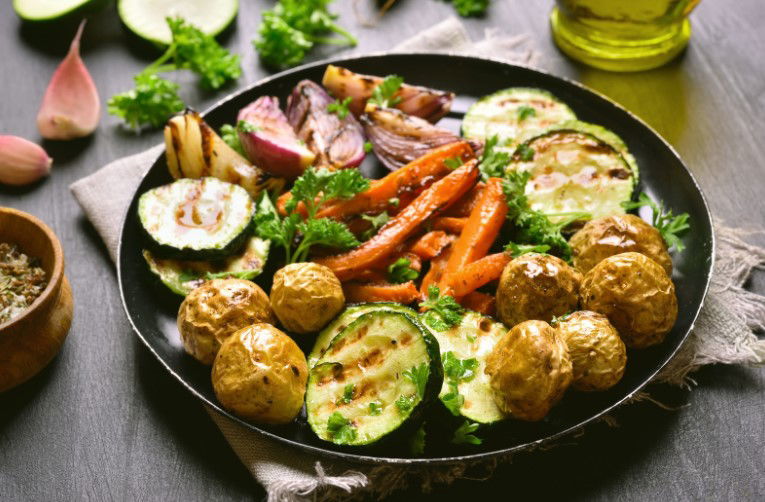
The art of roasting vegetables hinges on transforming raw ingredients through dry heat, caramelizing their natural sugars and intensifying their flavors. This process typically involves high temperatures, often between 400-450°F (200-230°C), which promotes browning and a tender interior. The choice of vegetables, their preparation, and the cooking time are all crucial factors in achieving optimal results. While roasted vegetables can certainly satisfy on their own, the addition of a complementary protein, a rich carbohydrate, or a flavorful dish can elevate the meal to new heights.
Hearty Proteins: Building a Satisfying Meal
When seeking a substantial and comforting meal, pairing roasted vegetables with robust proteins offers a classic and deeply satisfying culinary approach. These pairings are particularly well-suited for colder months when diners often crave warmth and richness.
1. The Timeless Appeal of Beef Roast
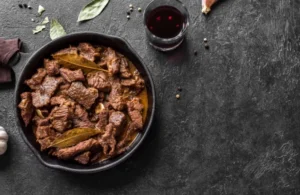
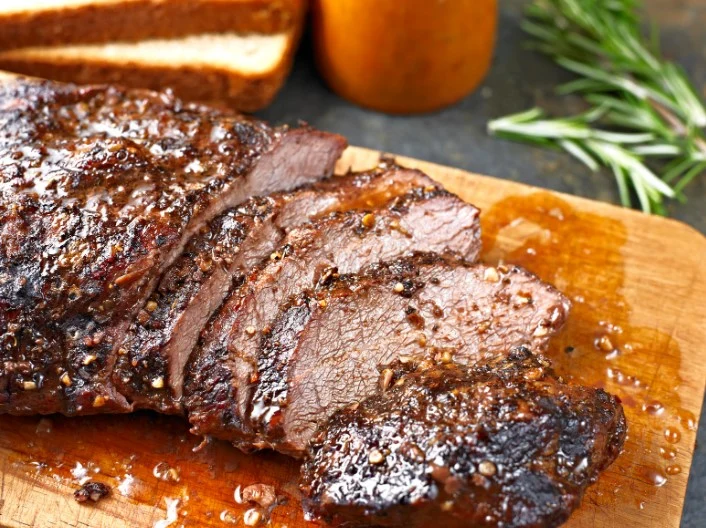
Beef roast and roasted vegetables represent a quintessential comfort food pairing, especially during the long winter months. The slow-cooking nature of a beef roast allows for a "set-it-and-forget-it" approach, freeing up valuable oven and stovetop space for the preparation of the vegetables. While the roast embarks on its lengthy culinary journey, the chef has ample time to chop, season, and arrange a medley of vegetables for roasting.
The beauty of this combination lies in its scalability. A beef roast can easily be prepared for large family gatherings or special occasions, and the leftovers are incredibly versatile. They can be thinly sliced for sandwiches or incorporated into other dishes, and typically remain fresh in the refrigerator for up to a week. To further enhance the experience, a rich, savory gravy drizzled over both the beef and the roasted vegetables provides an additional layer of indulgence. For those seeking guidance, a classic beef roast recipe with a perfect pan sauce can be found through various culinary resources, ensuring a delicious and crowd-pleasing outcome.
Background Context: The tradition of roasting meats, including beef, dates back centuries, evolving from primitive open-fire cooking to the controlled environments of modern ovens. This method not only cooks the meat but also renders fat, resulting in a tender and flavorful product. The practice of serving roasted meats alongside seasonal vegetables has been a cornerstone of celebratory meals and everyday dining across many cultures.
2. Lean and Versatile: Chicken Breast
Chicken breast offers a lighter yet equally nutrient-rich option to complement roasted vegetables. Its mild flavor profile makes it a flexible canvas for various seasonings and marinades, while its lean composition ensures the meal remains wholesome and not overly heavy. A common technique involves searing the chicken breast in a skillet to develop a golden-brown crust, before finishing its cooking in the oven alongside the vegetables. This multi-step approach ensures optimal texture and flavor development.

The textural contrast between a perfectly seared chicken breast and tender-crisp roasted vegetables is particularly appealing. The slightly crisp exterior of the chicken provides a satisfying bite that harmonizes with the softened edges of the roasted produce. For those looking to perfect this pairing, a step-by-step recipe for pan-seared chicken breast offers practical guidance for achieving a succulent and flavorful result.
Supporting Data: According to the USDA, chicken breast is an excellent source of lean protein, providing approximately 31 grams of protein per 100-gram serving. It is also a good source of B vitamins, which are essential for energy metabolism.
3. Sweet and Savory Harmony: Pork Chops
Pork chops possess a natural affinity for sweeter flavors, making them an exceptional partner for roasted winter vegetables such as butternut squash, sweet potatoes, and carrots. The inherent sweetness of these vegetables, amplified by the caramelization process of roasting, creates a delightful flavor dynamic when paired with the savory notes of pork.
To further enhance this synergistic pairing, consider incorporating elements like baked apple slices or an apple demi-glace. These additions lean into the inherent sweetness of pork and roasted vegetables, creating a complex and sophisticated flavor profile. Pork chops can be prepared using a variety of methods, including pan-searing or oven-roasting. Many recipes are available that promise a quick preparation time, often ready in as little as 15 minutes, making this an accessible option for weeknight meals.

Culinary Analysis: The pairing of pork with fruit is a long-standing culinary tradition. The natural sugars in fruits like apples and pears complement the richness of pork, while their acidity can cut through the fat, creating a balanced bite. This principle is evident in classic dishes like pork with apple sauce.
Carbohydrate-Rich Companions: Adding Substance and Texture
Beyond proteins, certain carbohydrate-rich dishes can provide a comforting and texturally interesting counterpoint to roasted vegetables, creating a more complete and satisfying meal.
4. The Comfort of Lasagna
Lasagna, a beloved Italian baked pasta dish, serves as an exceptional companion to roasted vegetables, particularly those with a Mediterranean flair such as zucchini, tomatoes, and red onions. The rich, layered nature of lasagna, often featuring béchamel sauce, meat ragù, and cheese, provides a hearty and decadent contrast to the simpler preparation of roasted vegetables.
A significant advantage of serving lasagna with roasted vegetables is that both dishes are typically cooked in the oven. This allows for efficient use of kitchen appliances, freeing up stovetop burners for other culinary tasks. While lasagna can be a labor-intensive dish to prepare, its capacity to feed a large family or group makes it an ideal choice for entertaining. Furthermore, lasagna is renowned for its ability to improve in flavor and texture with time, making leftovers a delightful bonus. An exemplary lasagna recipe, known for its ability to satisfy, can be a valuable addition to any home cook’s repertoire.

Pro-Tip: To optimize oven usage, consider roasting your vegetables during the final hour of the lasagna’s baking time. This requires careful planning to ensure adequate space within the oven for both dishes.
5. The Versatility of Soup
Soup offers an incredibly versatile and adaptable side dish that can beautifully round out a meal centered around roasted vegetables. Its adaptability makes it an excellent choice for catering to various dietary preferences, including vegetarian and vegan options.
The type of soup chosen can significantly influence the overall flavor profile of the meal. For instance, a hearty minestrone soup complements Mediterranean-style roasted vegetables, while a classic chicken noodle soup pairs well with roasted root vegetables like potatoes, carrots, and onions. Creamy chowders, on the other hand, create a luxurious pairing with roasted squash varieties. The sheer breadth of soup possibilities ensures that there is a suitable option for virtually any combination of roasted vegetables.
Supporting Data: Soups have been a fundamental part of human diets for millennia, with archaeological evidence suggesting their existence as far back as 10,000 BCE. Their inherent adaptability and nutritional value have cemented their place as a global culinary staple.

6. The Creamy Indulgence of Risotto
While risotto preparation can be time-consuming, the reward is a luxuriously creamy and filling side dish that pairs exceptionally well with roasted vegetables. The slow stirring and gradual addition of broth are essential to achieving the characteristic al dente texture of the rice and the velvety consistency of the finished dish.
For novice cooks, a beginner-friendly risotto recipe can provide clear, easy-to-follow instructions and helpful tips to ensure success. Once mastered, risotto becomes a versatile accompaniment. A mushroom risotto, with its deep, earthy, and savory flavor, is particularly recommended as a complement to a wide array of roasted vegetables, enhancing their natural qualities without overpowering them.
Culinary Analysis: Risotto originated in Northern Italy and is traditionally made with Arborio, Carnaroli, or Vialone Nano rice varieties. These short-grain rices are high in starch, which releases during cooking, creating the dish’s signature creamy texture.
Lighter and Vegetarian Options: Flavorful Alternatives
For those seeking lighter fare or prioritizing vegetarian and vegan choices, several options provide satisfying flavor and texture without the need for meat.

7. The Savory Delight of Quiche
Quiche, an egg-based savory pastry, introduces a significant protein boost to a roasted vegetable dish without incorporating meat. Its versatility allows for a wide range of vegetable and cheese combinations, making it a highly customizable option.
Similar to lasagna, quiche is also baked in the oven, contributing to streamlined cleanup and freeing up stovetop space. Many quiche recipes prominently feature vegetables, and a simple five-ingredient broccoli cheese quiche can be a delightful and straightforward choice for pairing with roasted vegetables.
Background Context: Quiche, originating from the German word "Kuchen" meaning cake, has its roots in medieval Germany. It gained widespread popularity in France, particularly in the Lorraine region, leading to the iconic Quiche Lorraine.
8. The Italian Classic: Eggplant Parmesan
Eggplant Parmesan offers a delightful alternative to heavier meat dishes and is an exceptional pairing with Mediterranean-style roasted vegetables. This Italian classic, featuring breaded and fried eggplant slices layered with tomato sauce and cheese, provides a lighter protein source compared to chicken or meat parmigiana, making it an excellent choice for vegetarian meals.

The texture of eggplant Parmesan is a significant contributor to its appeal. The soft, melt-in-your-mouth quality of the eggplant, combined with the crispness of its coating, creates a pleasing textural contrast. While this dish can be somewhat involved to prepare, the effort is widely considered worthwhile, especially for versions that involve pan-frying the eggplant before baking, resulting in a richer and more satisfying outcome.
Culinary Analysis: The preparation of eggplant Parmesan often involves salting the eggplant slices before cooking. This process draws out excess moisture and can help reduce bitterness, resulting in a more tender and flavorful final product.
9. The Plant-Based Powerhouse: Sliced Tofu Steaks
For a robust vegan protein option, sliced tofu steaks offer a versatile and protein-packed accompaniment to roasted vegetables. Tofu readily absorbs marinades and seasonings, allowing it to take on a wide range of flavors, making it a highly adaptable choice.
Preparing tofu steaks is remarkably simple: slice, season, and then either sear or roast. This ease of preparation makes it an ideal component for a light and meatless meal.

Pro-Tip: Utilizing firm or extra-firm tofu is recommended for this preparation. These varieties are easier to handle during cooking and their denser texture can effectively stand up to the robust flavors and textures of roasted vegetables.
Frequently Asked Questions
Should roasted root vegetables be covered?
Covering root vegetables during roasting primarily traps moisture, leading to a steaming effect rather than browning. While certain vegetables, like hard squash, can benefit from being covered to ensure they cook through, most other vegetables should be left uncovered to allow for proper browning and caramelization.
How do you keep roasted root veggies from getting soggy?
To prevent soggy roasted root vegetables, ensure your oven is preheated to a high temperature, typically around 400°F (200°C). Additionally, arrange the vegetables in a single layer on the baking sheet, avoiding overcrowding. This allows for even heat circulation and promotes crisping rather than steaming.