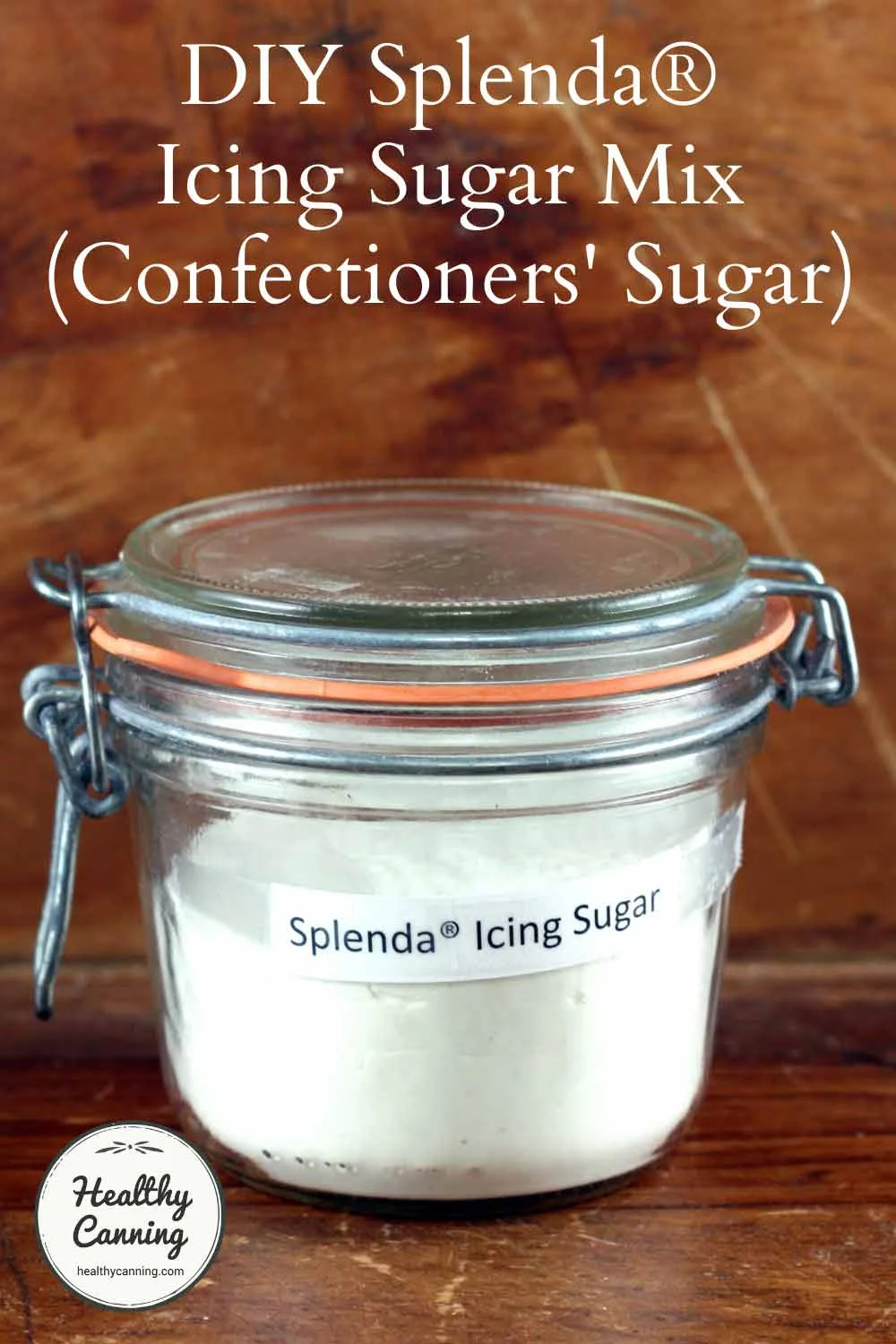

The rising global focus on metabolic health and the increasing prevalence of diabetes have catalyzed a shift in home baking practices, leading many consumers to seek alternatives to traditional high-calorie ingredients. One of the most recent developments in this movement is the growing popularity of DIY Splenda icing sugar, a homemade preparation designed to replicate the texture and utility of confectioner’s sugar without the associated glycemic load. This powdered sweetener alternative, often referred to as a "mix," provides a functional solution for creating glazes and decorative finishes on desserts while significantly reducing the caloric density of the final product.
By utilizing sucralose—commonly known by the brand name Splenda—bakers can produce a fine, powdery substance that mimics the physical properties of traditional icing sugar. This DIY approach not only offers a cost-effective alternative to pre-packaged sugar-free specialty products but also allows for greater control over ingredients, making desserts more accessible to individuals managing type 1 and type 2 diabetes, as well as those adhering to low-calorie dietary regimens.
Technical Specifications and Production Methodology
The production of a functional sugar-free icing mix requires a specific mechanical process to achieve the necessary "micronized" texture. Traditional confectioner’s sugar is produced by grinding granulated sugar into a fine powder and adding a small percentage of anti-caking agent, typically cornstarch. The DIY Splenda version follows a similar logic, though it relies on the high-intensity sweetness of sucralose.
The standard yield for a primary batch consists of approximately 2 cups (150 grams) of the plain icing sugar mix. According to culinary experts and recipe developers, the key to a successful texture lies in the blending process. It is recommended to blend only 1 to 2 cups of the sweetener at a time. Using a high-speed blender or a clean coffee grinder allows the granules to be pulverized into a dust-like consistency. Attempting to process larger quantities simultaneously can lead to uneven textures or "grittiness," which negatively impacts the mouthfeel of the resulting icing.
While brand-name Splenda is the most recognized base for this recipe, the process is compatible with generic sucralose or other bulk sweeteners such as powdered stevia. However, adjustments must be made based on the volume-to-sweetness ratio; many modern stevia products are formulated to measure one-to-one with sugar, making them an ideal substitute for this specific DIY application.

Nutritional Analysis and Comparative Data
The primary motivation for adopting a sucralose-based icing sugar is the dramatic reduction in caloric intake. Traditional icing sugar contains approximately 389 calories per 100 grams, consisting almost entirely of simple carbohydrates. In contrast, sucralose is a non-nutritive sweetener that passes through the body largely undigested.
When the DIY mix is converted into a functional icing (a liquid glaze), the nutritional profile is determined largely by the fat source used to bind the powder. For a single batch of prepared icing:
- Using Low-Fat Margarine: The entire batch contains approximately 35 calories.
- Using Traditional Butter: The batch contains approximately 102 calories.
Detailed nutritional data for the dry mix reveals that per serving, the carbohydrates are significantly lower than traditional sugar, though the inclusion of minor stabilizers or bulking agents in commercial sucralose (like maltodextrin or dextrose) contributes a negligible amount of calories. A standard batch yields 124 kcal across four servings when factoring in the required fats for the "wet" recipe, featuring 32g of carbohydrates and 15g of residual sugars, depending on the specific brand of sweetener used.
Historical Context and the Evolution of Sucralose
The development of sucralose, the foundation of the Splenda brand, dates back to 1976. Researchers at Queen Elizabeth College in London, in collaboration with the British sugar refiner Tate & Lyle, discovered the compound accidentally during a search for new sucrose-based chemical intermediates. One researcher, Shashikant Phadnis, reportedly misunderstood a request to "test" a chlorinated sugar compound and "tasted" it instead, discovering its intense sweetness.
Sucralose was found to be approximately 600 times sweeter than sucrose. It was first approved for use in Canada in 1991, followed by the United States Food and Drug Administration (FDA) in 1998. Since its introduction, it has become the most widely used artificial sweetener in the world, valued for its heat stability, which allows it to be used in baking—a feat many earlier sweeteners, like aspartame, could not achieve. The DIY icing sugar movement is a natural extension of this stability, moving sucralose from a simple coffee additive to a structural component of pastry arts.
Culinary Applications: From Powder to Glaze
It is important for home bakers to distinguish between "icing" and "frosting" when using sugar-free alternatives. Traditional sugar provides bulk and structure; when creamed with butter, it creates the thick, airy peaks associated with buttercream frosting. Sucralose, because it lacks the same crystalline mass and hygroscopic properties as sucrose, does not behave identically.
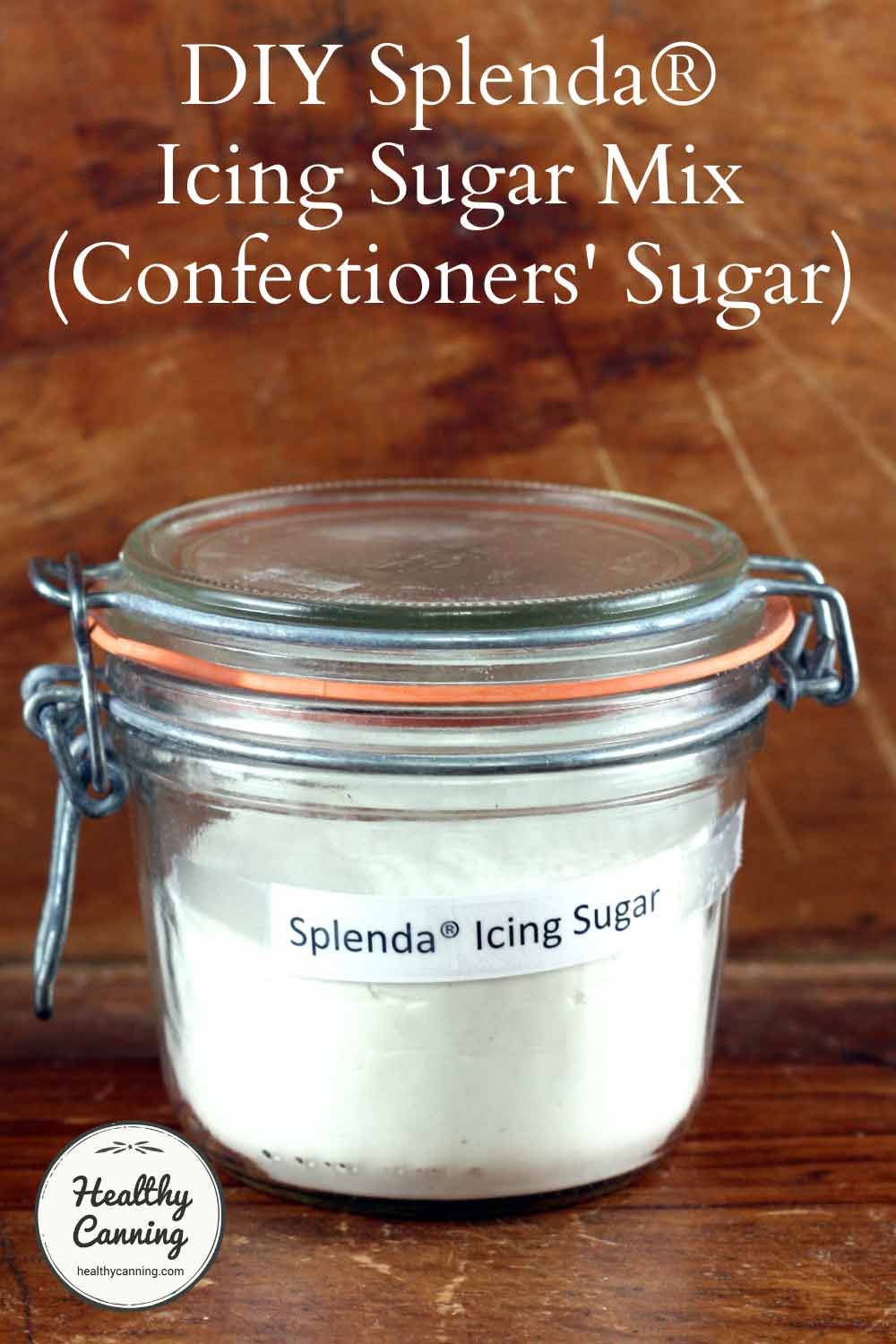
The DIY Splenda mix is best suited for "glazes"—the pourable, semi-translucent coatings found on donuts, bundt cakes, and brownies. To transform the dry mix into a usable icing, bakers typically combine the powder with a small amount of liquid (water or milk), vanilla extract, and a fat source (margarine or butter).
Flavor Variations and Customization
The versatility of the DIY mix allows for several culinary variations:
- Chocolate Icing: The addition of one teaspoon of unsweetened cocoa powder provides a rich flavor without adding significant sugar.
- Extracts: Because sucralose can sometimes have a distinct aftertaste, the use of lemon, almond, or butterscotch extracts is often recommended to round out the flavor profile.
- Texture Control: A simple fork is usually sufficient for mixing; the use of electric beaters does not provide the same aeration benefits as it would with real sugar, as the sucralose particles do not "cut" into the fat in the same way.
Medical and Health Implications
The accessibility of sugar-free icing is a significant development for the diabetic community. According to the World Health Organization (WHO), the number of people with diabetes rose from 108 million in 1980 to 422 million in 2014. For these individuals, monitoring the glycemic index (GI) of food is a matter of daily survival. Sucralose has a glycemic index of zero, meaning it does not cause the sharp spikes in blood glucose levels that follow the consumption of sucrose.
Furthermore, the "DIY" aspect of this preparation aligns with recent clean-label trends. Commercial sugar-free frostings often contain sugar alcohols like erythritol or sorbitol, which, while low in calories, can cause gastrointestinal distress in some individuals when consumed in large quantities. By making the mix at home using sucralose, consumers can avoid the digestive side effects sometimes associated with sugar alcohols while still achieving their weight loss or blood sugar goals.
Market Trends and Consumer Behavior
The DIY Splenda icing sugar mix is part of a larger "pantry-hacking" trend that has gained momentum through social media platforms and health-conscious cooking blogs. As inflation affects the price of specialty diet foods, consumers are increasingly turning to basic ingredients to replicate expensive store-bought items.
Market analysts note that the "Sugar Substitutes Market" was valued at approximately USD 17.5 billion in 2022 and is projected to reach USD 24.3 billion by 2030. This growth is driven by a two-pronged consumer demand: the need for healthier options and the desire for culinary convenience. DIY recipes that bridge the gap between these two needs—such as the powdered sucralose mix—are becoming staples in the modern kitchen.

Professional Perspectives
Dietitians generally view these DIY alternatives as a positive "harm reduction" tool in the kitchen. "The goal is rarely to eliminate sweetness entirely, as that is often unsustainable for many patients," says a clinical nutritionist. "Instead, tools like homemade sucralose icing allow patients to participate in social events and enjoy desserts without compromising their metabolic health."
However, pastry chefs offer a note of caution regarding expectations. While the DIY mix is an excellent substitute for decorative glazes, it cannot fully replace the chemical properties of sugar in recipes where sugar provides the majority of the structure. "Sugar is more than just a sweetener; it’s a tenderizer and a preservative," notes a professional baker. "When you move to a DIY sucralose mix, you are focusing on flavor and aesthetics. It’s a brilliant solution for a topping, but one must understand the science behind it to avoid disappointment in the texture of the actual cake."
Conclusion
The DIY Splenda icing sugar mix represents a intersection of chemistry, health, and culinary creativity. By understanding the limitations and strengths of sucralose, home bakers can effectively reduce the caloric impact of their favorite desserts. As the global community continues to grapple with the health challenges of the 21st century, these small, practical innovations in the kitchen provide a pathway toward a more balanced and inclusive approach to food. Whether for a diabetic-friendly birthday cake or a low-calorie afternoon treat, the ability to manufacture a functional confectioner’s sugar alternative at home is a valuable skill for the modern, health-conscious cook.