
The resurgence of artisanal home cooking and food preservation has led to a significant shift in how consumers approach their pantry staples, with many opting to replace store-bought condiments with handcrafted alternatives. Among these, celery salt stands out as a versatile and essential seasoning that can be produced at home for a fraction of the commercial retail price. By utilizing basic kitchen equipment and raw ingredients, home cooks are discovering that they can achieve a superior flavor profile while maintaining total control over sodium levels and additive content. This transition toward DIY seasonings reflects a broader movement in the culinary world toward transparency, cost-efficiency, and the pursuit of "gourmet" quality in everyday ingredients.
The Economic and Culinary Logic of Home Seasoning Production
The primary driver for the DIY seasoning movement is the stark contrast in cost between raw ingredients and packaged goods. Commercially produced celery salt often carries a significant markup, largely due to branding, packaging, and distribution overhead. Industry analysis suggests that a standard 4-ounce jar of name-brand celery salt can retail for several dollars, whereas the cost of the raw salt and celery seeds required to produce the same volume is often negligible. When households produce their own blends, they effectively reduce the cost to "pennies on the dollar," a factor that is increasingly relevant in an era of fluctuating food prices and inflationary pressures.
Beyond the financial benefits, the culinary advantages of homemade celery salt are profound. Commercial varieties are frequently mass-produced using lower-grade table salt and may contain anti-caking agents such as calcium silicate or silicon dioxide. By contrast, the home-based approach allows for the use of premium "gourmet" bases. Chefs and home enthusiasts can experiment with sea salt, smoked salt, or Himalayan pink salt, each of which contributes a unique mineral complexity and texture to the final product.
Structural Composition and Customization Strategies
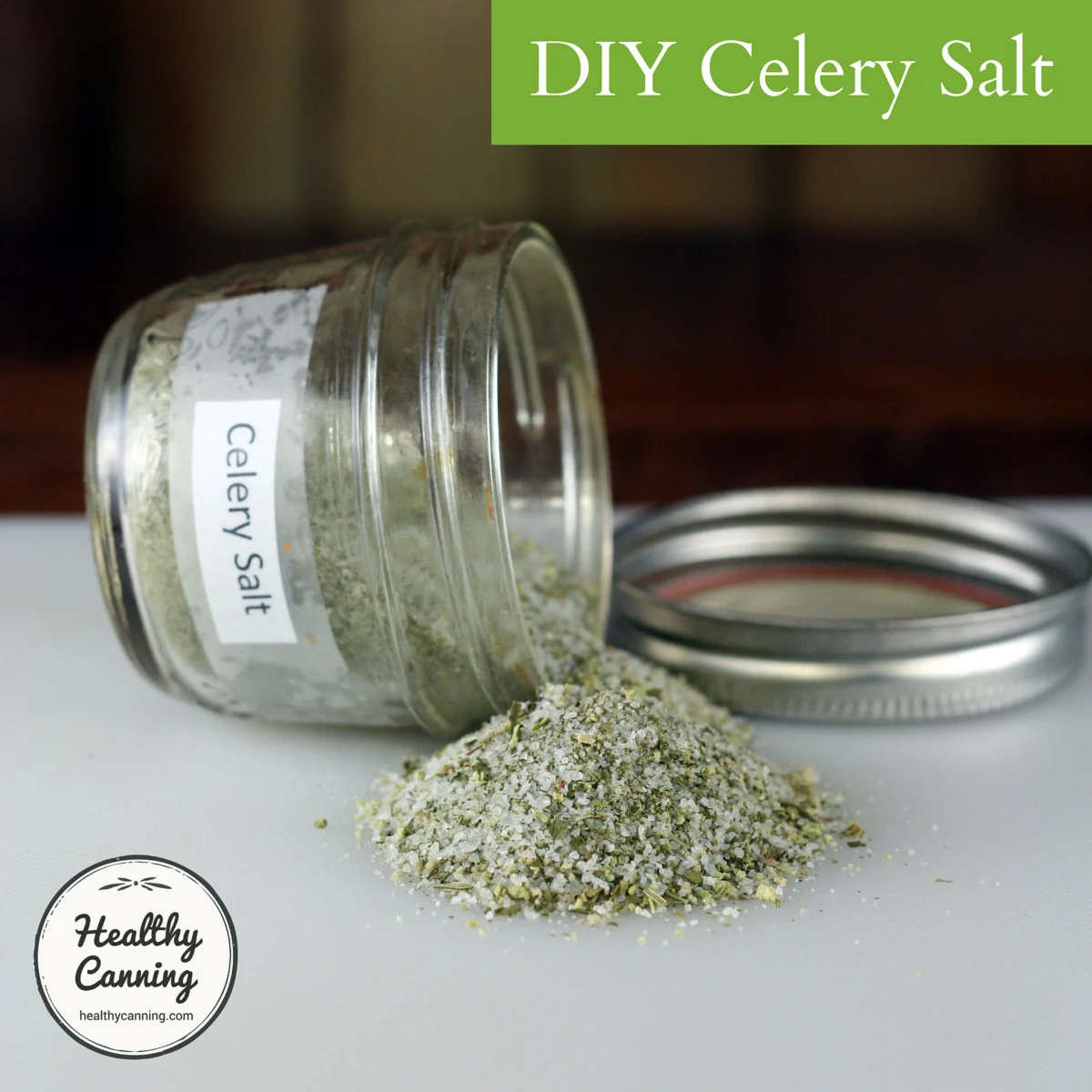
At its most fundamental level, celery salt is a binary mixture of ground celery components and salt. However, the modern DIY approach offers two distinct pathways for the celery element: the use of whole celery seeds or the creation of celery powder from dehydrated stalks and leaves.

The Seed-Based Method
Utilizing celery seeds is the traditional route. These seeds, which are the dried fruit of the Apium graveolens plant, possess a concentrated, slightly bitter, and earthy flavor. When ground fresh, the volatile oils within the seed are released, providing a potency that often exceeds that of pre-ground commercial versions.
The Dehydration Method
For those seeking a more refined or "gourmet" result, the use of homemade celery powder is recommended. This process involves using a food dehydrator to strip moisture from fresh celery—including the nutrient-rich leaves, which are often discarded in commercial settings. Once the celery is rendered brittle, it is pulverized into a fine powder. This method not only reduces food waste but also imparts a brighter, more vegetal flavor to the salt blend compared to the muskier profile of the seeds.
Health Implications and the Sodium-Free Alternative
One of the most significant advantages of the DIY model is the ability to cater to specific dietary requirements. According to data from the American Heart Association, the average adult consumes significantly more sodium than the recommended daily limit, often through hidden sources in processed seasonings.
By crafting celery salt at home, individuals on sodium-restricted diets can utilize high-quality salt substitutes. Products such as Herbamare or potassium-based substitutes can be blended with celery powder to create a seasoning that provides the desired flavor profile of celery salt without the hypertensive risks associated with sodium chloride. This level of customization is rarely available in mainstream grocery outlets, making the DIY approach a critical tool for health-conscious consumers.
Step-by-Step Production Chronology
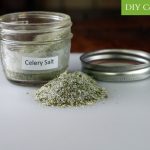
The process of creating a standard yield of approximately 5 tablespoons (75 grams) of celery salt follows a logical progression of preparation, blending, and storage.

- Ingredient Sourcing: The process begins with selecting a salt base (sea salt or pink salt) and a celery component (seeds or dehydrated powder).
- Grinding (if applicable): If using whole celery seeds, they must be ground to a fine consistency using a mortar and pestle or a dedicated spice grinder. If using homemade celery powder, the dehydration phase must be completed beforehand, typically requiring 6 to 12 hours in a dehydrator at 125°F (52°C).
- The Blending Ratio: While ratios can vary based on personal preference, a standard gourmet blend often utilizes a 2:1 ratio of salt to celery powder, or a 1:1 ratio when using the more intense ground seeds.
- Integration: The ingredients are combined in a small mixing bowl. For maximum efficiency and to ensure a homogeneous mixture, some practitioners recommend performing the mixing directly in the final storage jar.
- Quality Control: The yield is inspected for consistency. The final weight and volume may fluctuate slightly depending on the density of the salt used (e.g., flaky sea salt versus fine table salt).
Historical Context and Culinary Applications
Celery salt has a storied history in global cuisine, particularly in the United States. It is perhaps most famously recognized as a non-negotiable ingredient in the "Chicago-style" hot dog, where it is sprinkled over the top of the assembly to provide a necessary savory counterpoint to the sweetness of the relish and the acidity of the mustard.
Furthermore, celery salt is a foundational component of Old Bay Seasoning, a staple of Mid-Atlantic seafood cookery. It also serves as the primary seasoning for the Bloody Mary cocktail, where it is used both within the drink and as a decorative, flavor-enhancing rim for the glass. In general culinary applications, it acts as a "secret ingredient" in soups, stews, and potato salads, providing a depth of flavor that salt alone cannot achieve.
The ability to create this seasoning at home allows chefs to "age" their blends. When stored in an airtight container in a cool, dark environment, the flavors of the salt and the celery oils meld over time, creating a more integrated and sophisticated seasoning profile after the first 24 to 48 hours.
Technical Analysis of Stability and Storage
From a food science perspective, celery salt is a shelf-stable product with a long lifespan, provided it is handled correctly. The high salt content acts as a natural preservative, inhibiting the growth of microorganisms. However, the quality of the celery component—specifically the volatile aromatic compounds—will degrade over time when exposed to light, heat, and oxygen.
To maintain the "gourmet" integrity of the DIY product, analysts recommend storing the salt in amber glass jars or opaque containers. When kept in optimal conditions, the seasoning can retain its peak flavor for six months to a year. Beyond this point, while still safe to consume, the celery aroma may begin to fade, resulting in a product that functions more like standard salt.
Broader Impact on the Sustainable Kitchen
The shift toward DIY celery salt is indicative of a larger trend toward the "zero-waste" kitchen. By dehydrating celery leaves and stalks that might otherwise be composted or discarded, home cooks are participating in a circular food economy. This practice reduces the carbon footprint associated with the transport and packaging of commercial spices.
Moreover, the DIY approach fosters a deeper connection between the consumer and their food. This "slow food" mentality encourages a more mindful approach to seasoning, where the origin and quality of the ingredients are prioritized over the convenience of a pre-mixed jar.
Conclusion
The production of DIY celery salt represents a convergence of economic pragmatism, health consciousness, and culinary artistry. By leveraging simple techniques such as dehydration and spice grinding, the modern home cook can transcend the limitations of commercial offerings. Whether it is used to elevate a classic cocktail, provide the finishing touch to a regional dish, or manage sodium intake for medical reasons, homemade celery salt is a testament to the value of kitchen self-sufficiency. As the movement toward artisanal pantry staples continues to grow, such practices are likely to evolve from niche hobbies into standard household routines, redefining the relationship between the consumer and the spice rack.