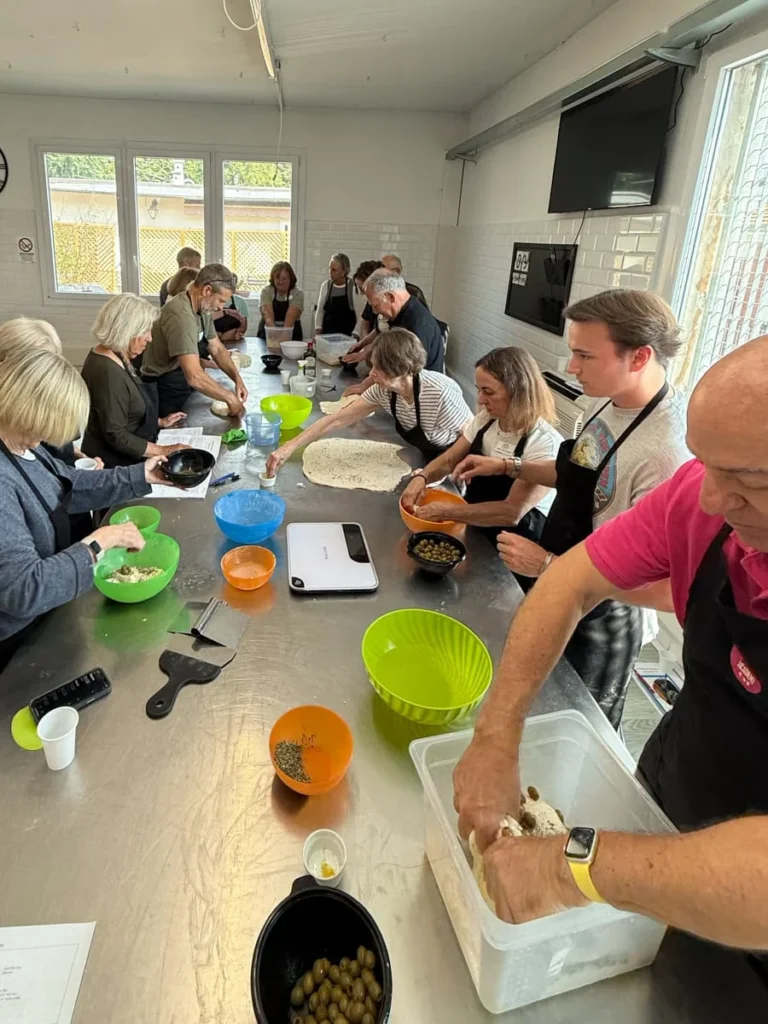

As the Easter holiday approaches, marking a significant occasion for celebration and reflection, families across the globe prepare to gather for a quintessential springtime meal: brunch. This cherished midday repast, a delightful fusion of breakfast and lunch, has become a cornerstone of Easter festivities, offering a relaxed yet elegant setting for communal dining. From time-honored recipes passed down through generations to innovative dishes reflecting contemporary culinary trends, the Easter brunch table is a canvas for both tradition and creativity. This year, a wealth of inspiration is available for hosts aiming to curate an unforgettable spread, blending sweet indulgences with savory classics, and prioritizing convenience without compromising on flavor.
The Enduring Appeal of Easter Brunch
Easter brunch holds a unique position in the annual calendar, often following morning church services or lively egg hunts, making a midday meal a practical and welcome choice. It represents a transition from solemn observance to joyous celebration, reflected in the vibrant array of dishes that typically adorn the table. The concept of "brunch" itself, a portmanteau of breakfast and lunch, gained popularity in the late 19th century, particularly in England, before crossing the Atlantic and becoming a widespread American tradition by the mid-20th century. Easter, with its emphasis on renewal and spring, naturally lent itself to this leisurely meal format, allowing for extended family time without the formality of a traditional dinner.
Historically, Easter feasts often incorporated specific foods tied to religious or seasonal symbolism. Eggs, representing new life and resurrection, are paramount, appearing in various forms from dyed decorative elements to central ingredients in quiches and casseroles. Lamb, symbolizing sacrifice, has long been a traditional main course, particularly in European cultures, while ham became a popular American alternative, especially given its availability after winter curing. Sweet breads and pastries, such as hot cross buns, carry their own rich histories, often consumed during Lent and Easter as symbols of the season. The modern Easter brunch menu gracefully integrates these historical elements with diverse culinary influences, offering something for every palate.

Crafting a Balanced Easter Menu: Sweet, Savory, and Streamlined
The key to a successful Easter brunch lies in variety and thoughtful preparation, ensuring a harmonious balance of flavors and textures. Culinary experts frequently advise selecting dishes from several categories to cater to diverse preferences and dietary needs, while also considering the host’s convenience, especially for a meal designed for larger gatherings.
Savory Staples: The Foundation of the Feast
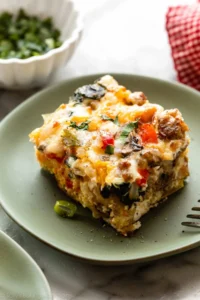
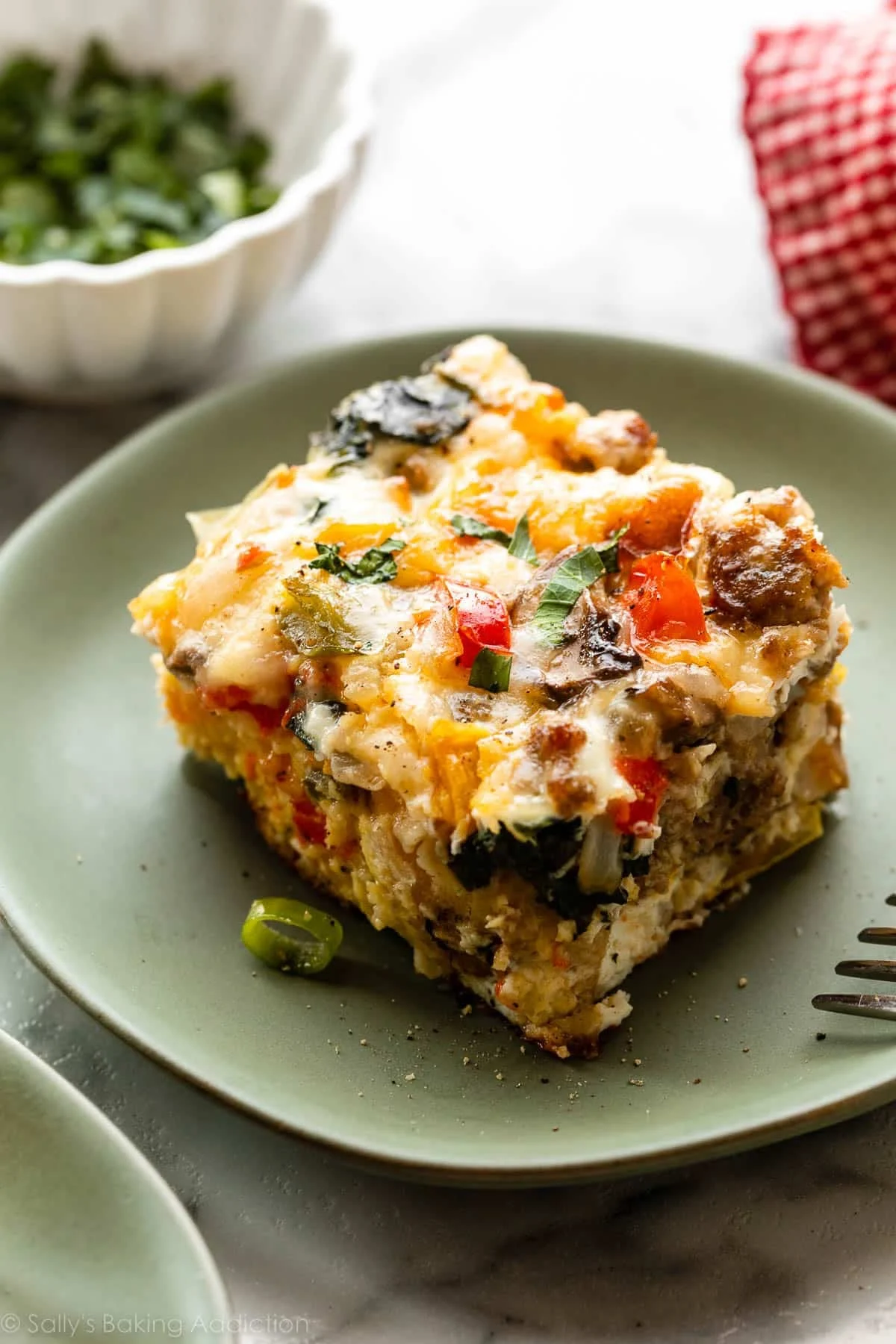
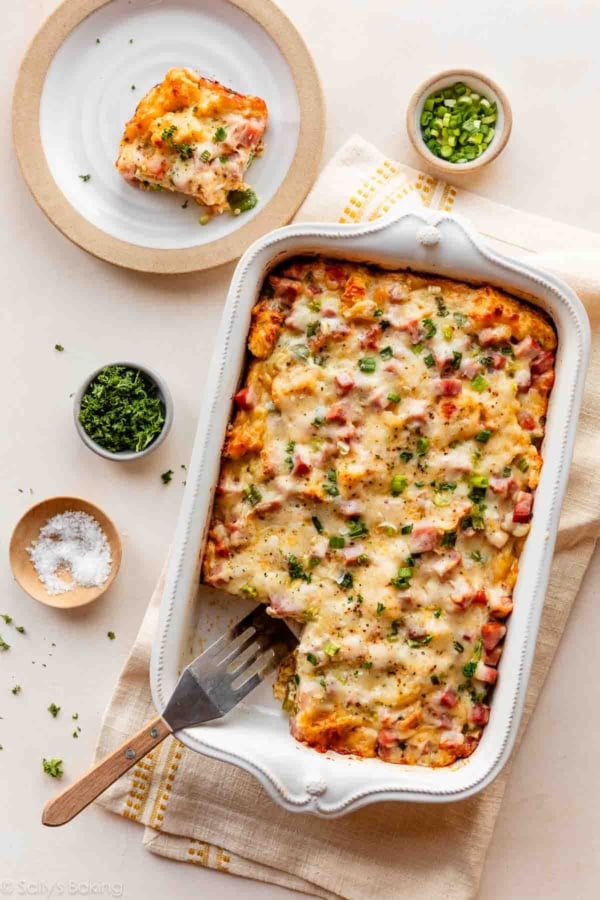
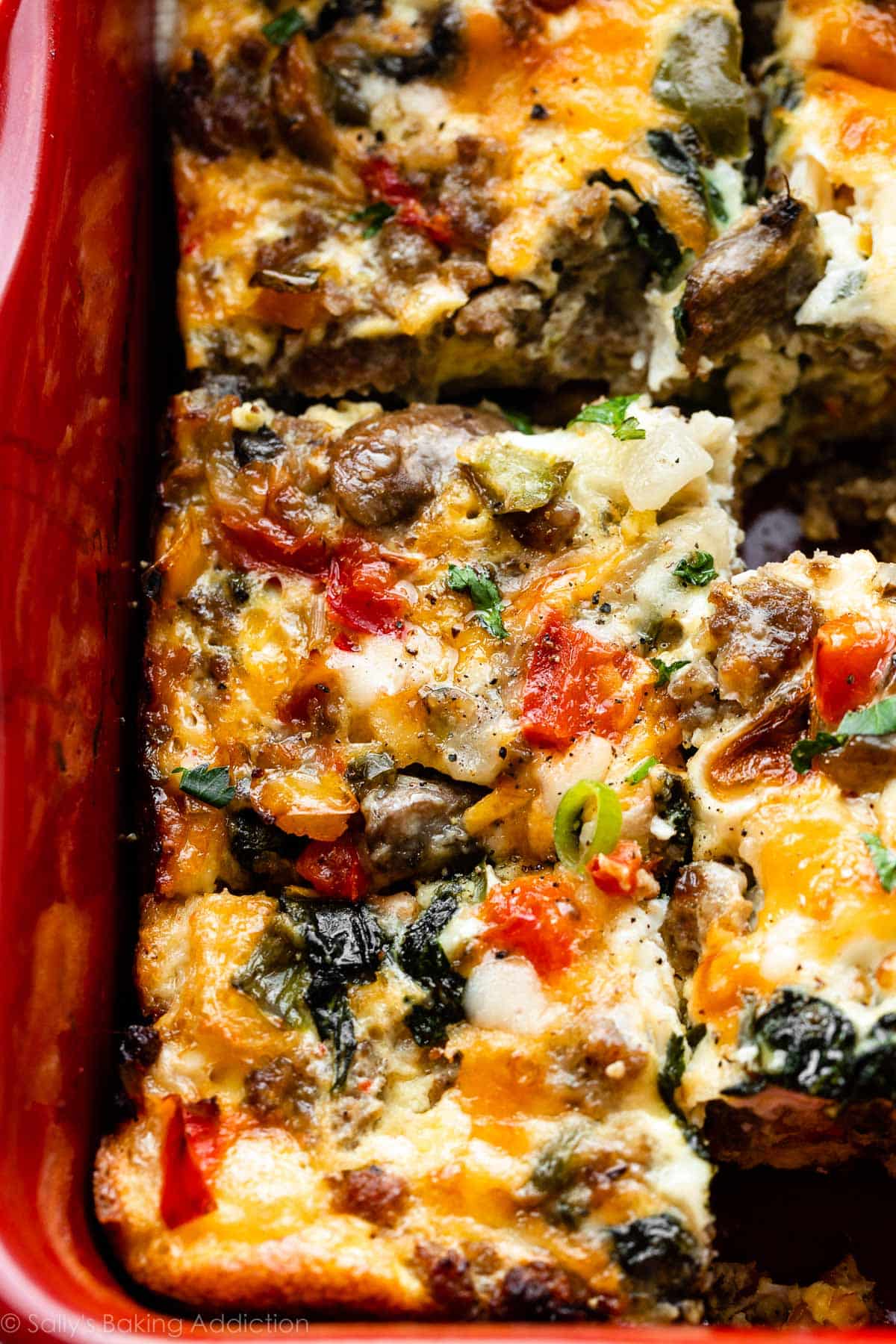
Savory dishes often form the backbone of any brunch, providing hearty and satisfying options. Central among these are breakfast casseroles, lauded as the "M.V.P." for their make-ahead potential and adaptability. A classic egg and sausage breakfast casserole, for instance, can be assembled the night before, allowing hosts to simply bake it on Easter morning. This flexibility is invaluable, reducing morning stress and maximizing time with guests. Such casseroles are also infinitely customizable, accommodating various cheeses, vegetables (peppers, mushrooms, spinach), and meats (bacon, ham, sausage), or easily adapted for vegetarian guests.
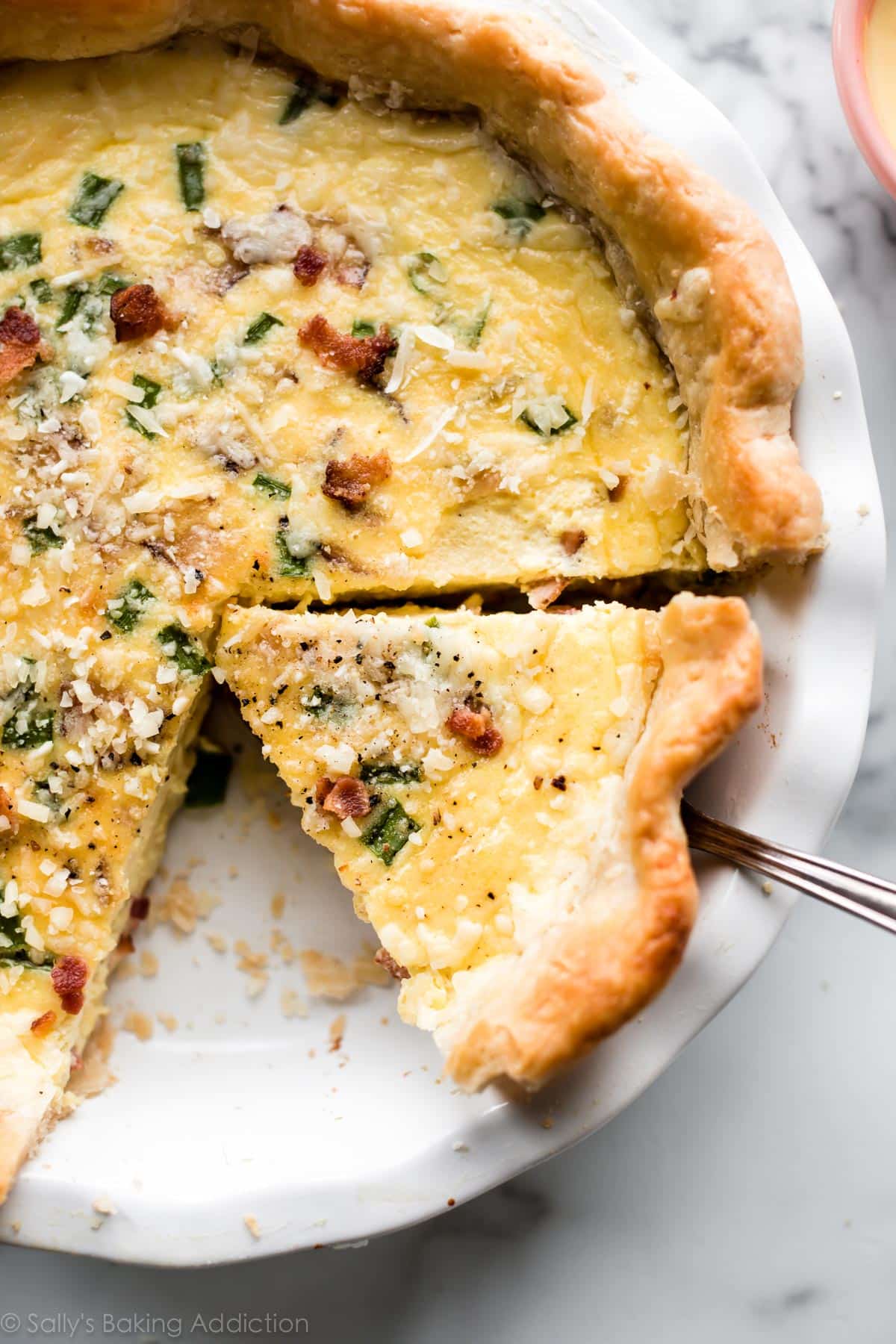
Quiche stands as another elegant and versatile savory option. A perfect quiche, with its rich, creamy filling encased in a flaky pastry crust, can be customized with an array of fillings, from classic Lorraine (bacon and Gruyère) to spinach and feta or roasted vegetable combinations. The use of both milk and heavy cream ensures an exceptionally smooth texture, and like casseroles, many quiche recipes can be partially prepared in advance.
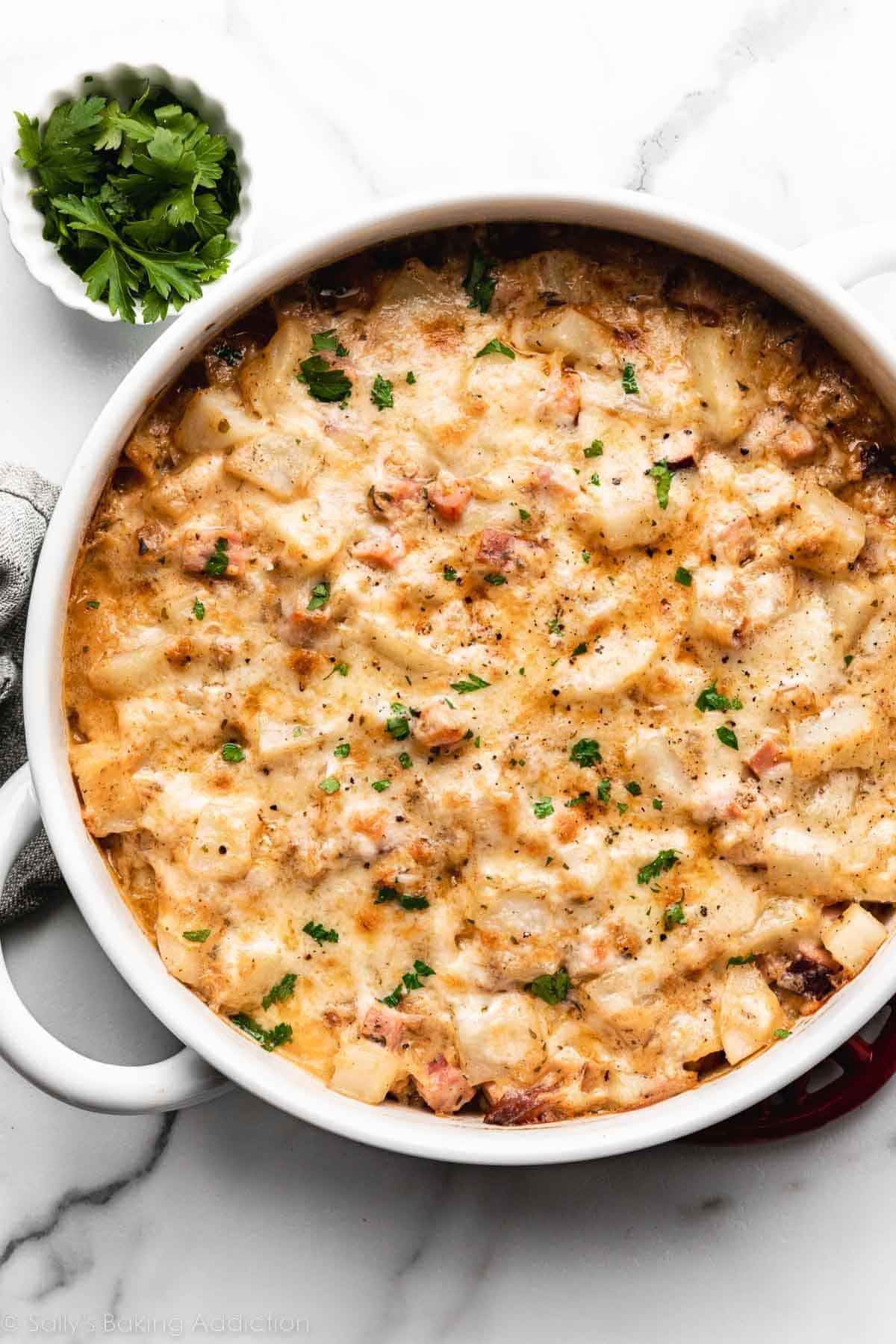
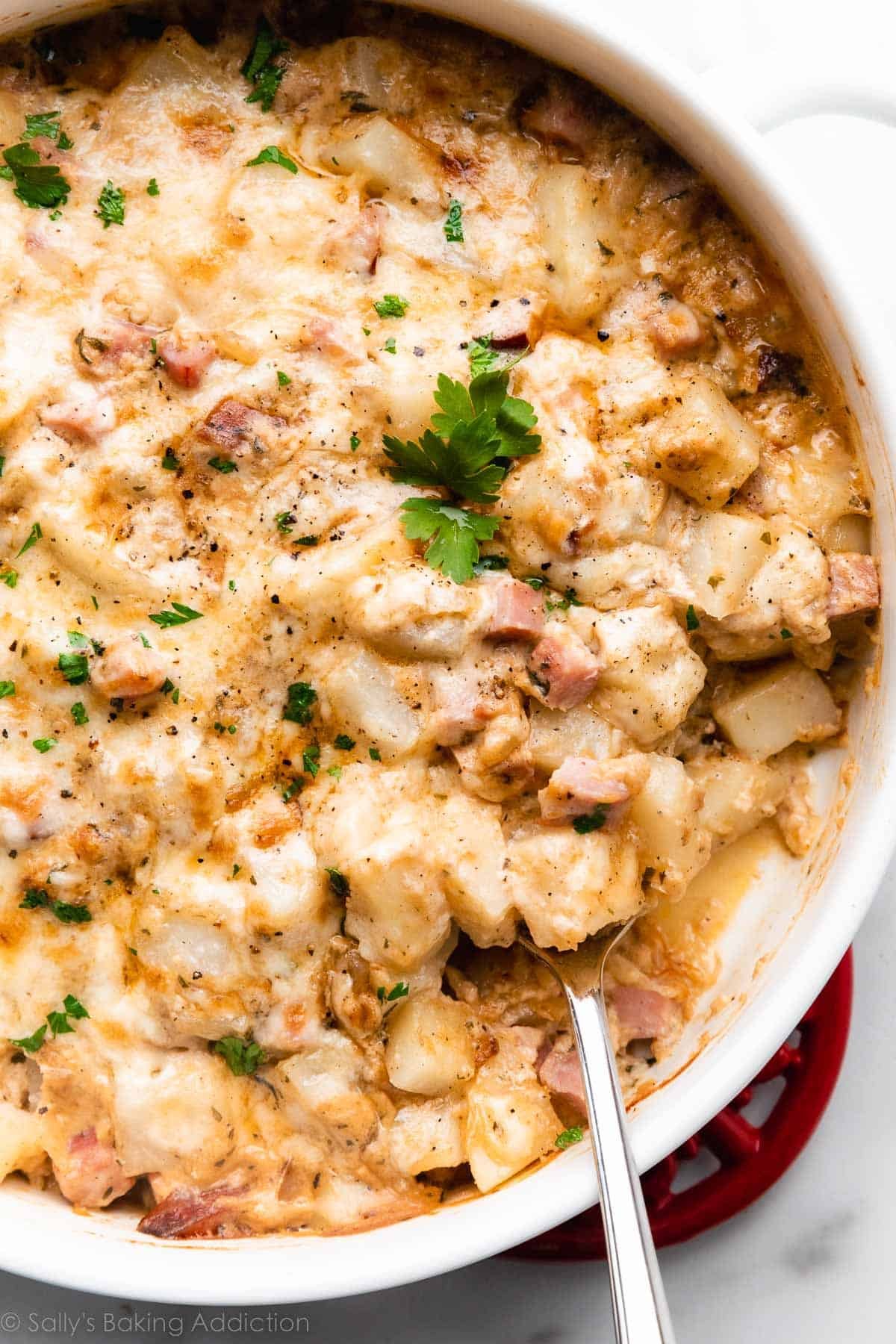
For those seeking heartier, egg-free savory options, ham and potato casseroles offer a robust alternative. These cheesy, flavorful dishes are not only satisfying but also provide an excellent opportunity to utilize leftover ham from holiday preparations, reducing food waste and extending the enjoyment of seasonal ingredients. Another sophisticated choice is the Ham & Swiss Strata, an egg-and-bread casserole that requires zero pre-cooking and benefits from an overnight rest, allowing the bread to absorb the eggy custard for a chewy, textured bite.
Sweet Indulgences: The Heart of Holiday Baking
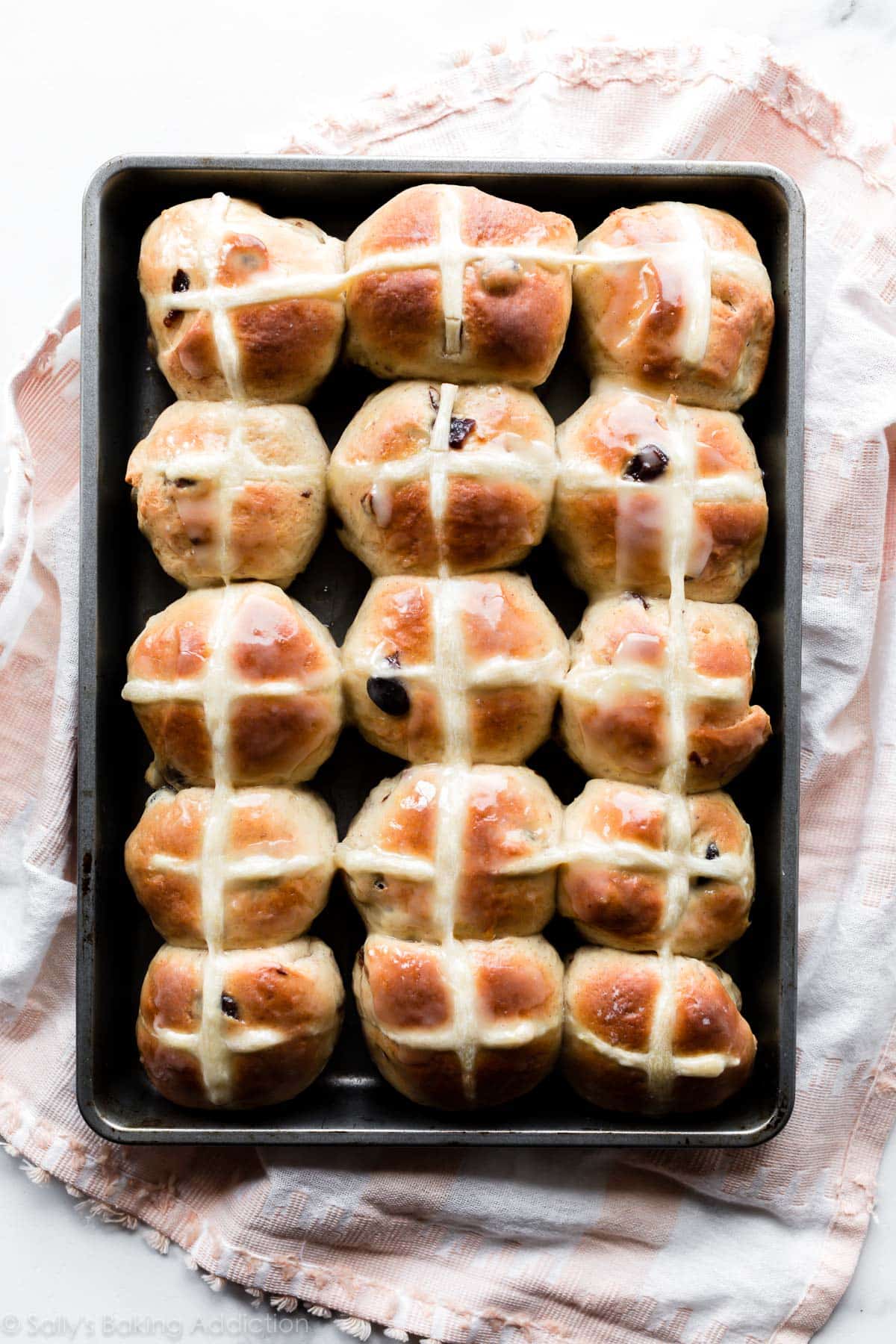
No Easter brunch is complete without an array of sweet treats that delight both children and adults. Traditional hot cross buns, with their spiced sweet dough, signature flour cross, and delicate orange glaze, are a symbolic and delicious addition, deeply rooted in Easter lore. The effort involved in making yeasted bread is often rewarded with a truly authentic and heartwarming experience.
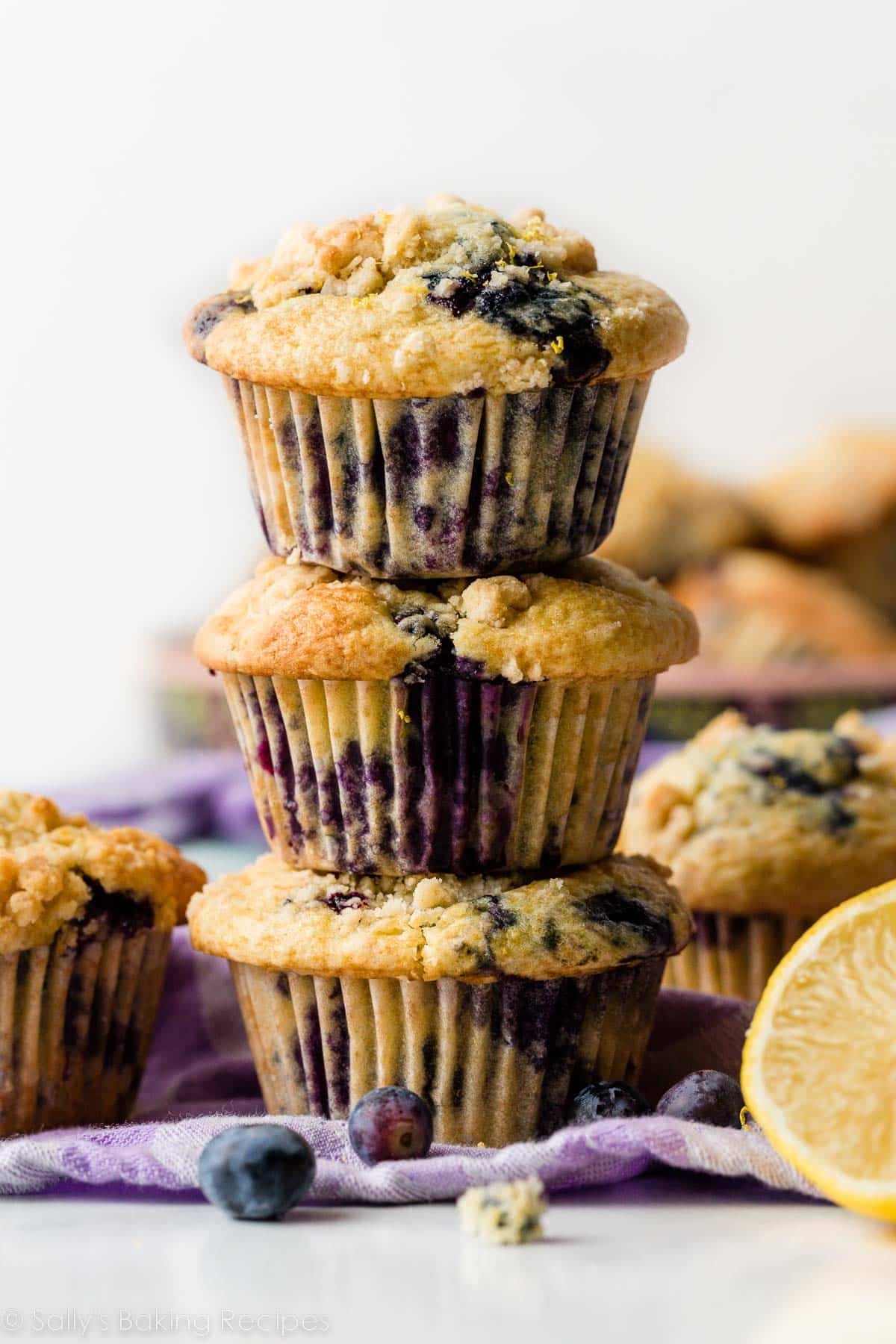
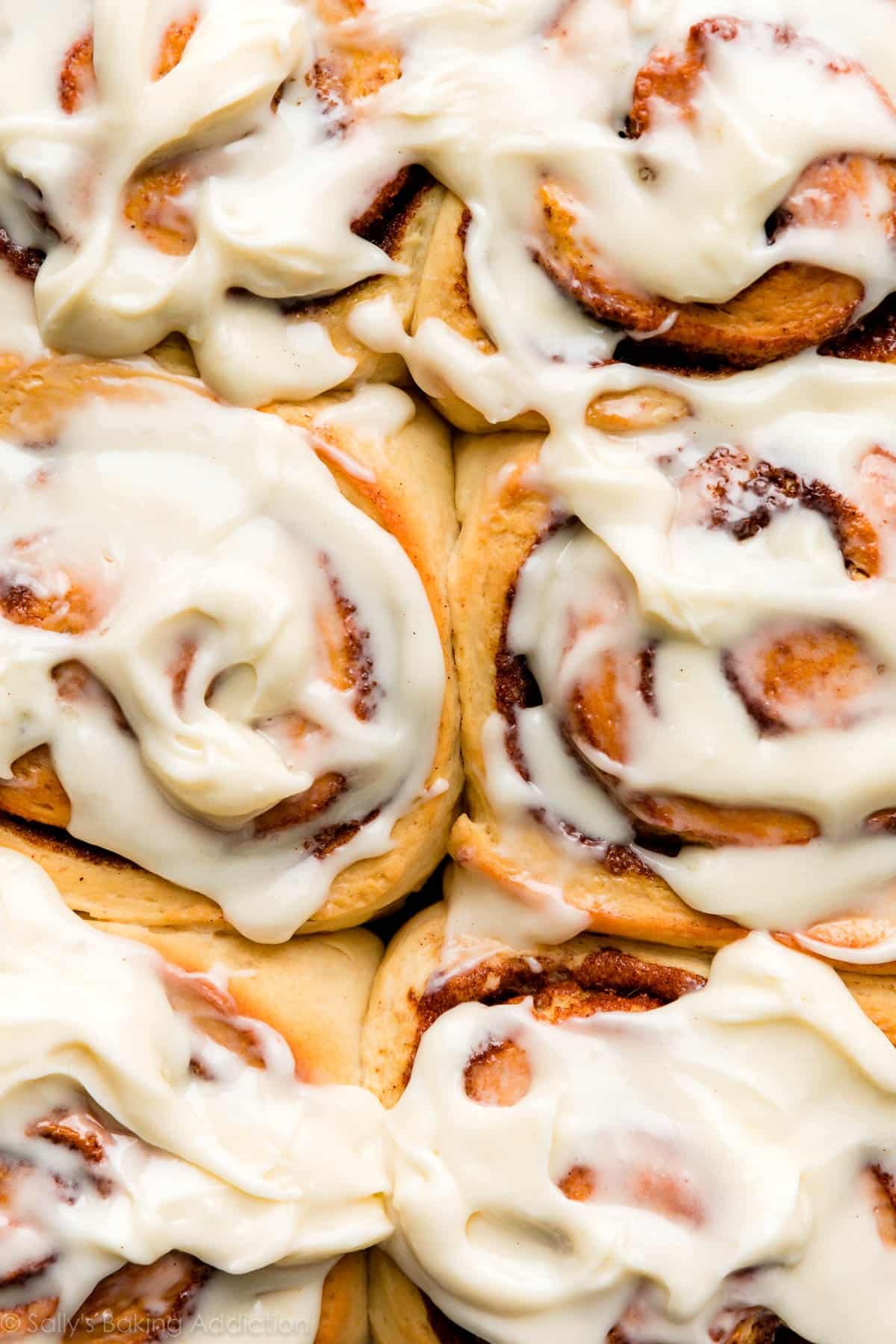
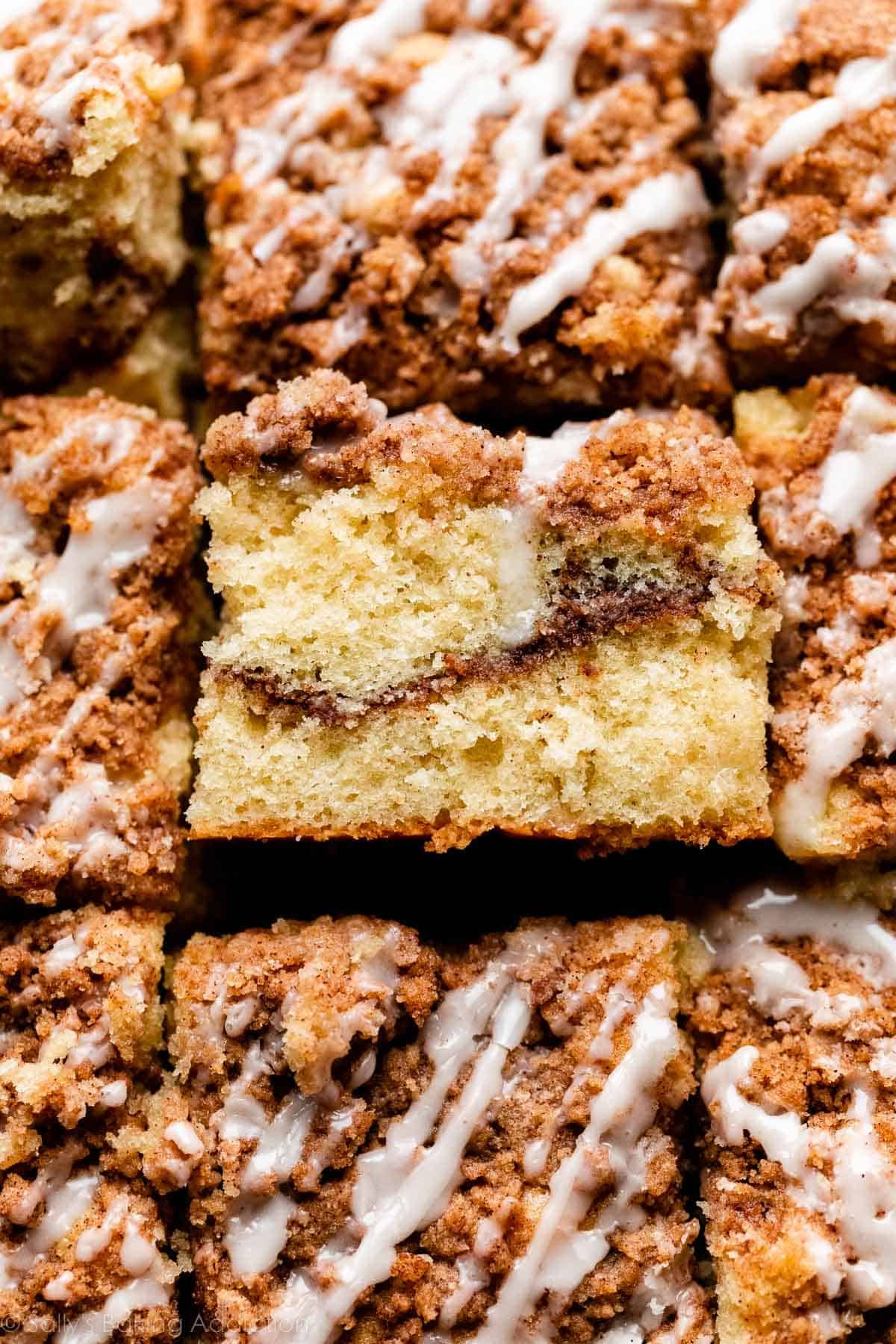
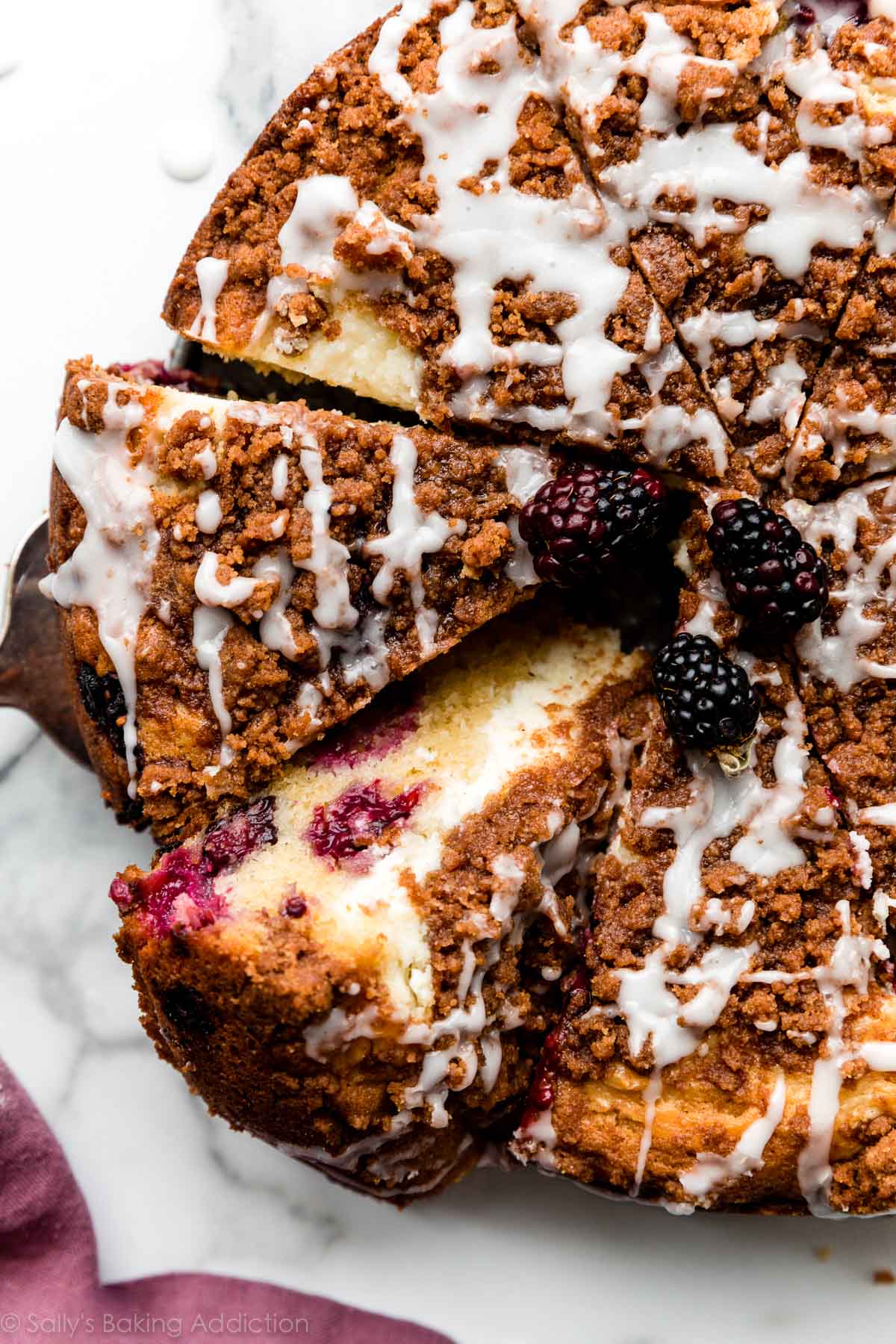
Cinnamon rolls, particularly the homemade overnight variety, offer buttery soft, gooey sweetness topped with tangy cream cheese icing. Their make-ahead nature means the bulk of the work can be done the day before, leaving only the baking and icing for a fresh, warm treat on Easter morning. Similarly, sour cream coffee cake with a generous crumb topping provides a moist, light cake with rich cinnamon-brown sugar streusel, a comforting classic that pairs perfectly with morning coffee.
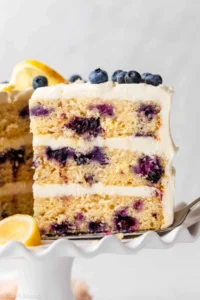
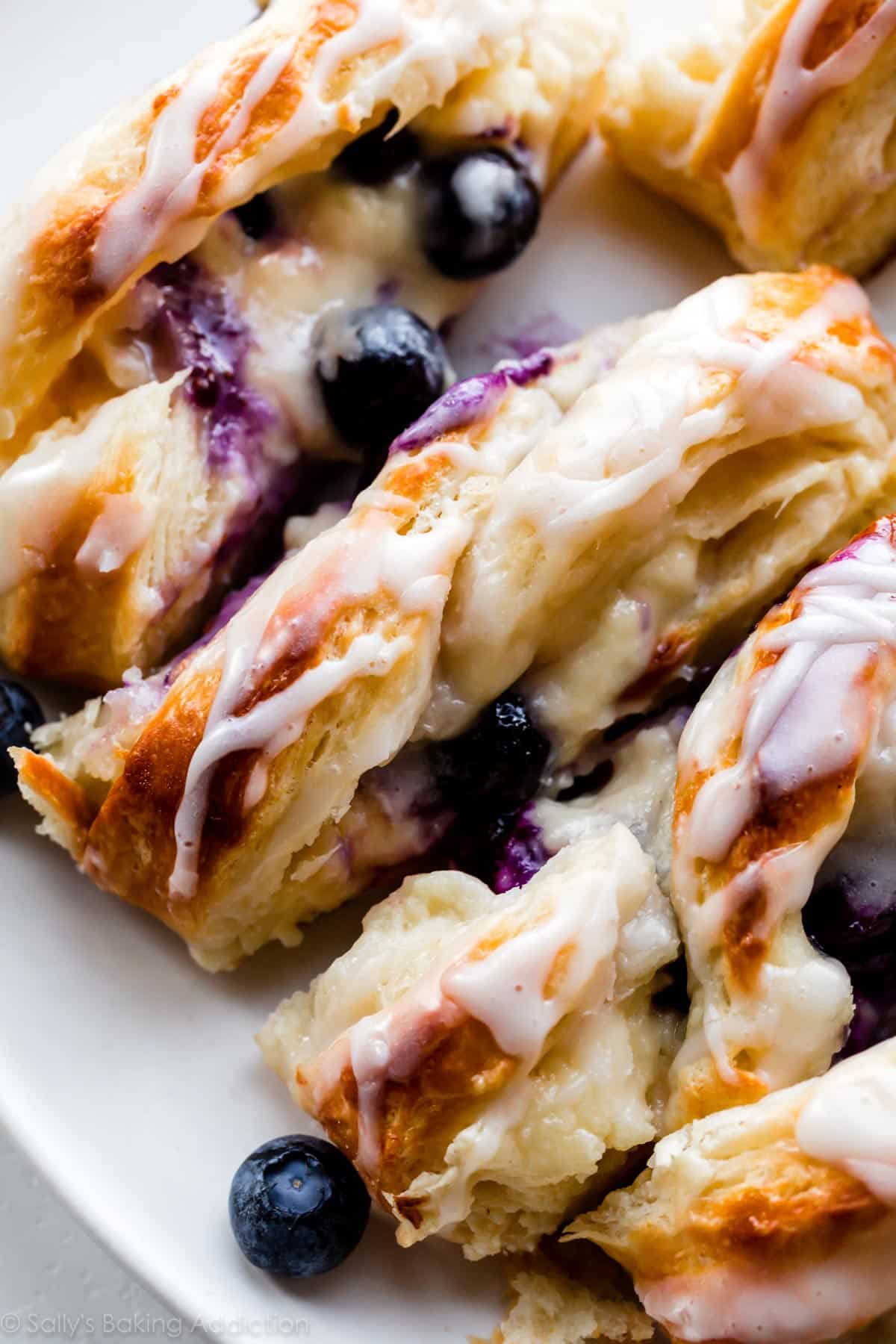
Muffins and scones offer lighter, yet equally flavorful, sweet options. Lemon blueberry muffins, known for their moist texture thanks to Greek yogurt and a burst of citrusy berry flavor, are a springtime favorite. Glazed lemon blueberry scones, with their crisp-crumbly edges and soft, flaky centers, offer an elegant touch. For a truly impressive pastry, a blueberry cream cheese pastry braid, with its layers of buttery dough and sweet cheese filling, can serve a large gathering beautifully.

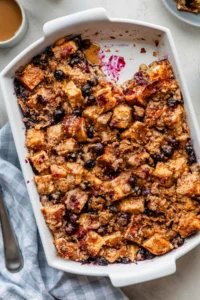
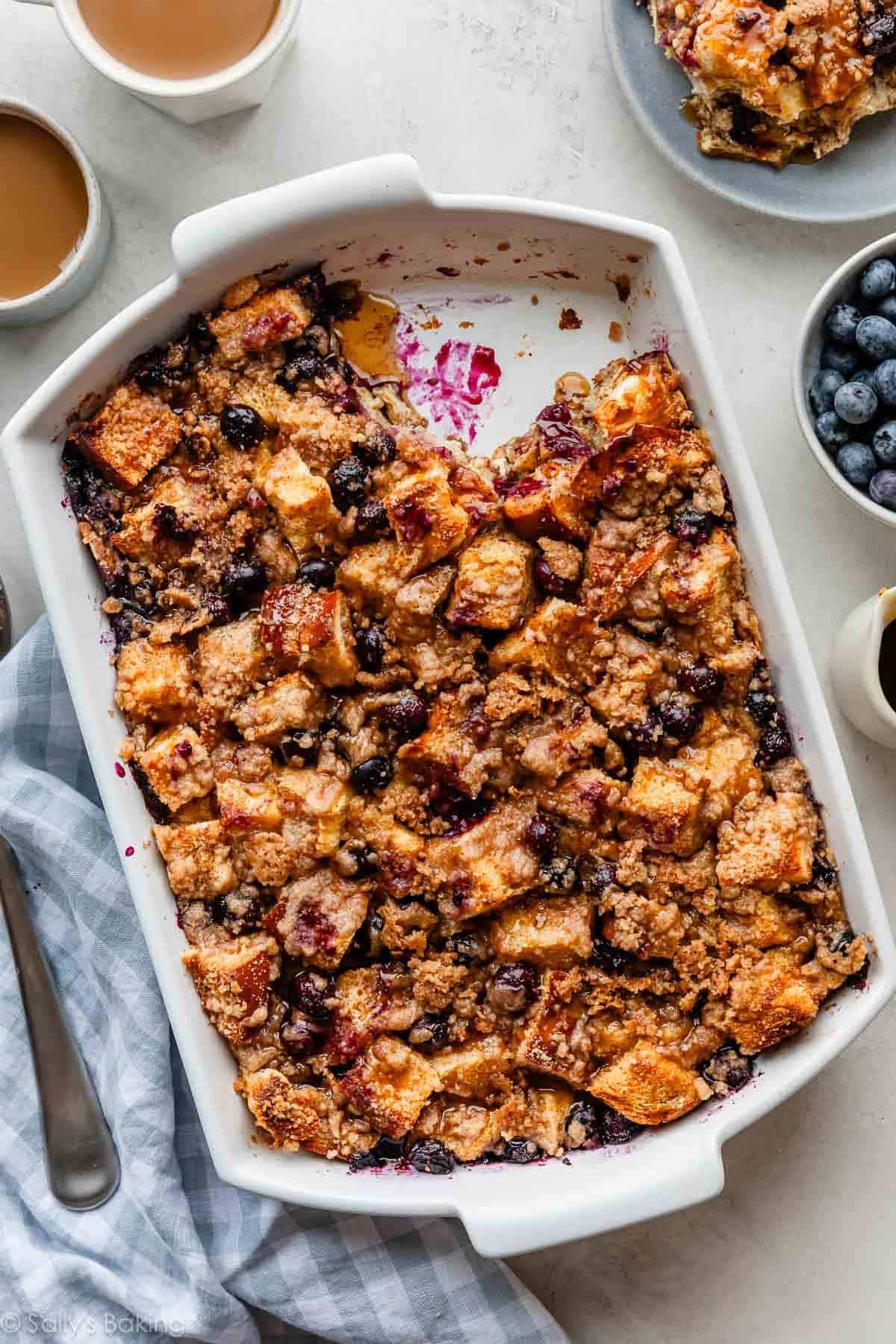
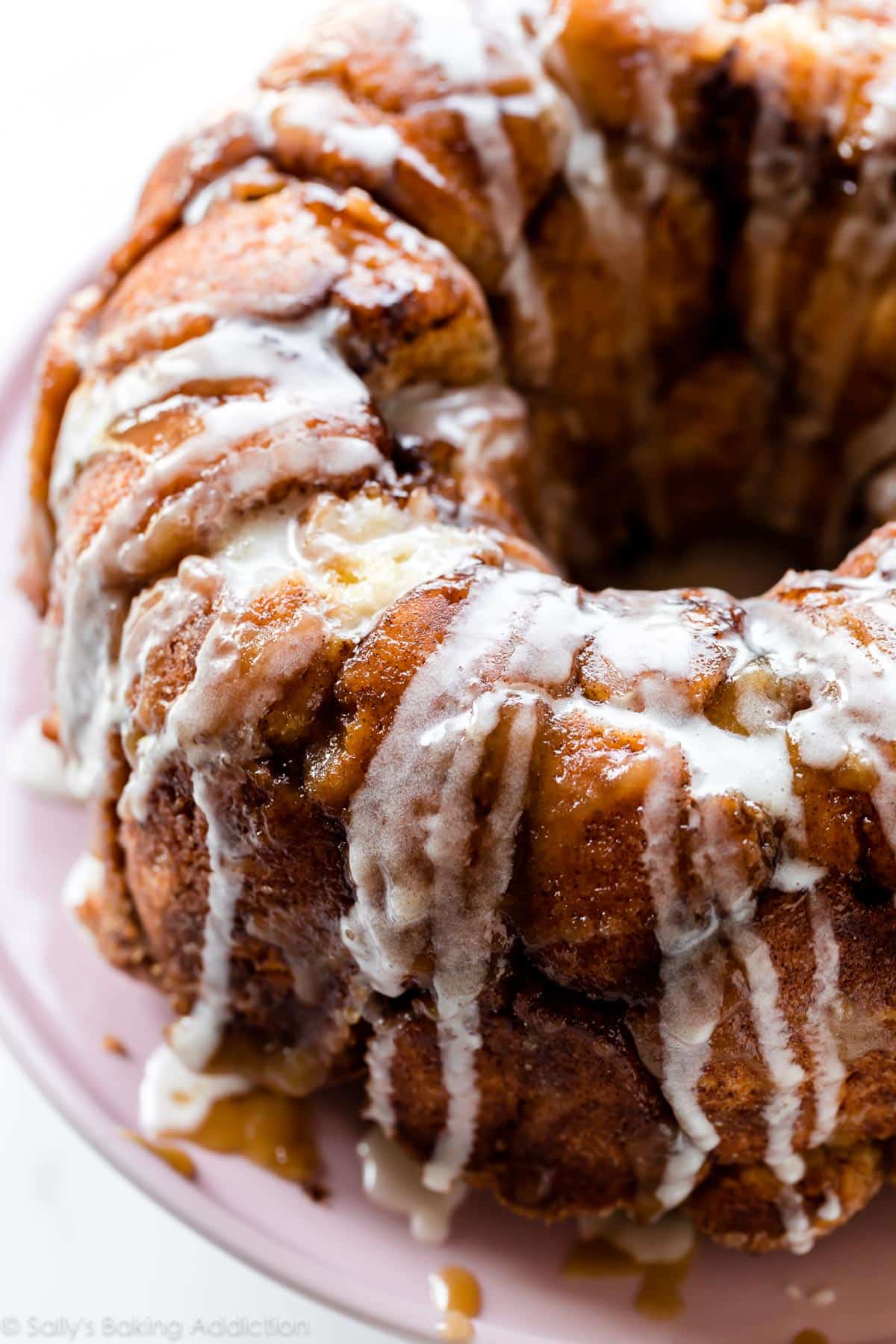
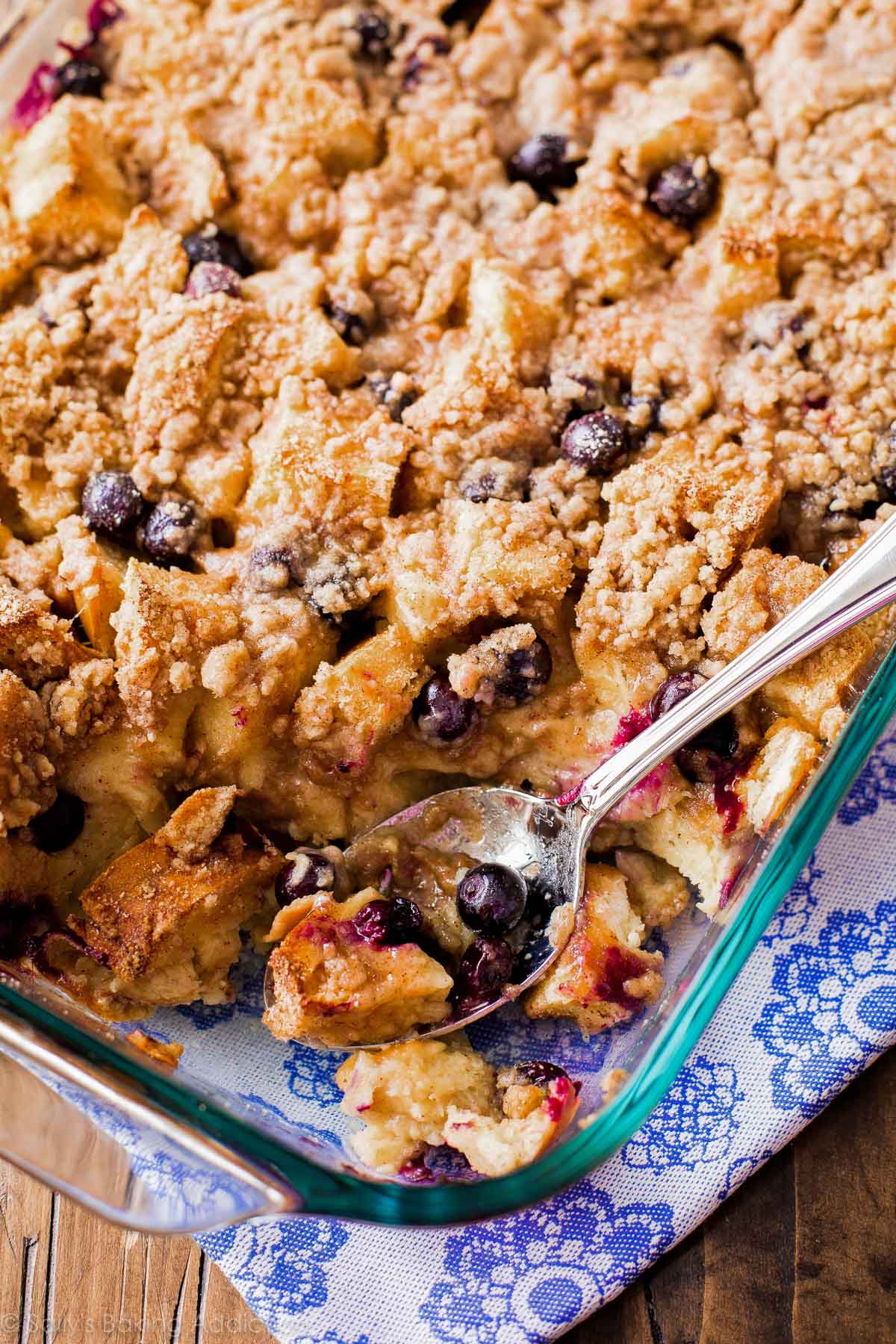
Beyond individual pastries, baked French toast casseroles, such as a blueberry French toast casserole, are crowd-pleasers. Soaked in a sweet custard and often topped with a crisp streusel, these dishes are rich in texture and flavor and are another excellent candidate for overnight preparation. For a fun, interactive sweet, homemade monkey bread (cinnamon roll bites) is always a hit, offering pull-apart pieces coated in sweet glaze.

Main Courses and Lighter Sides: Balancing the Spread
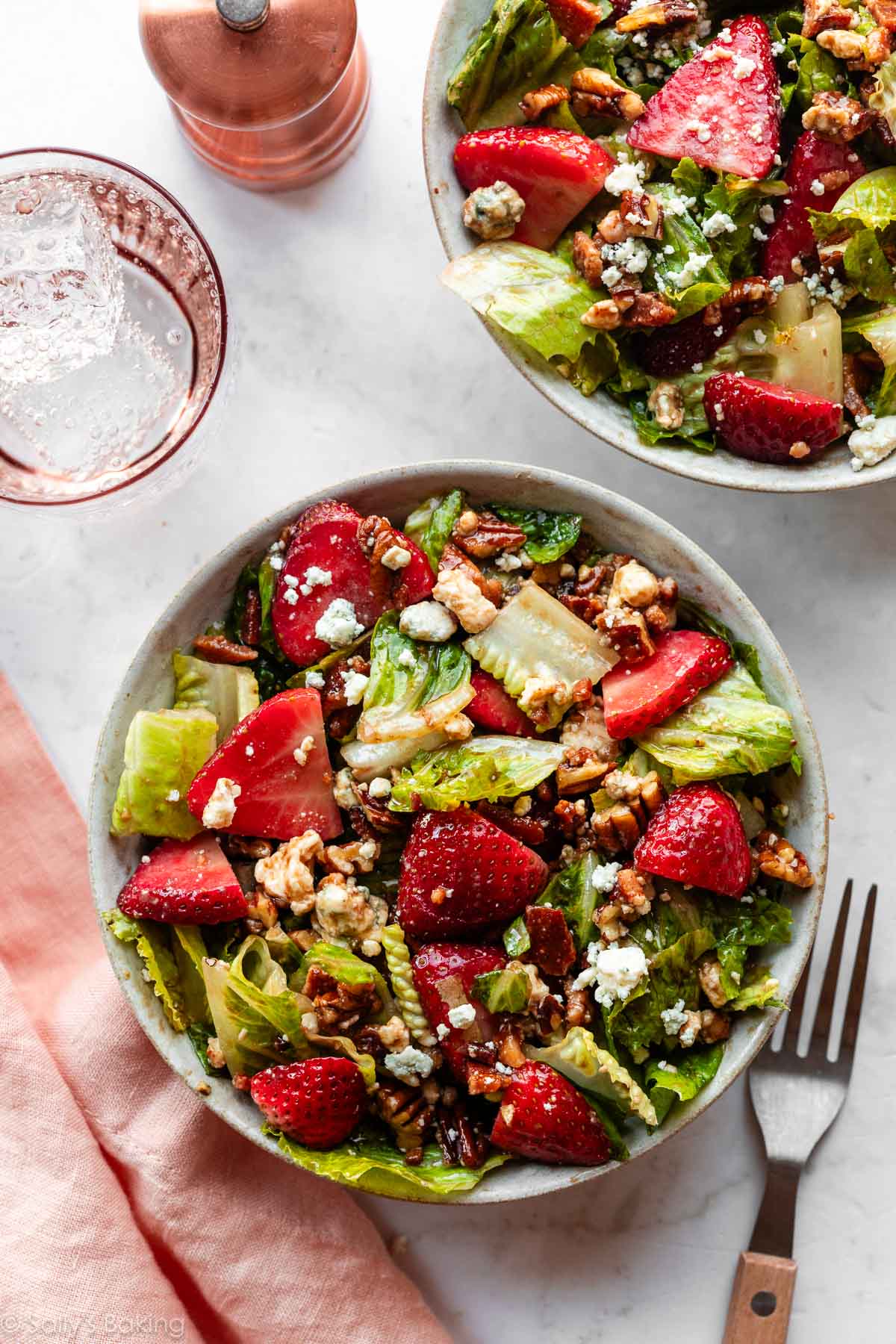
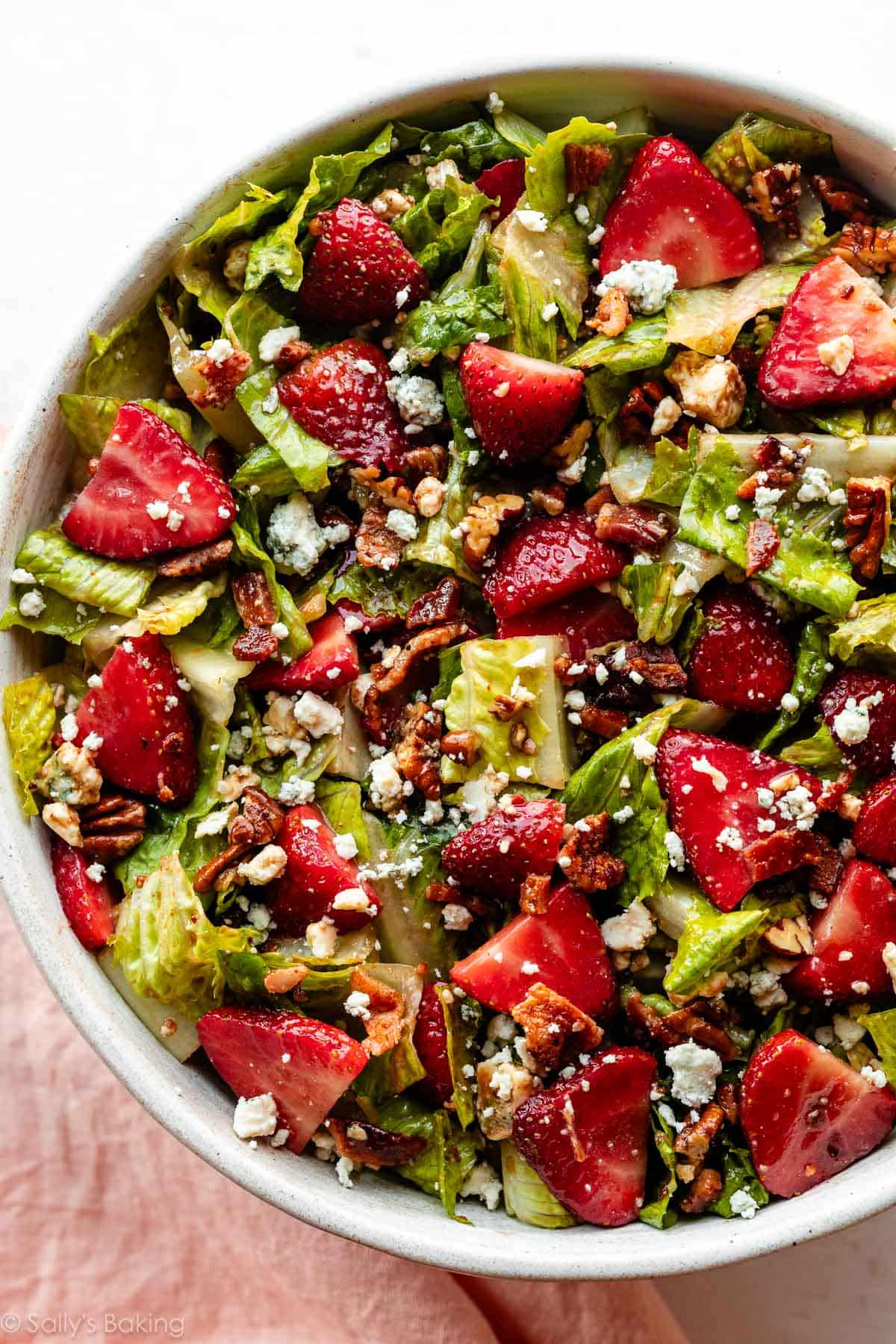
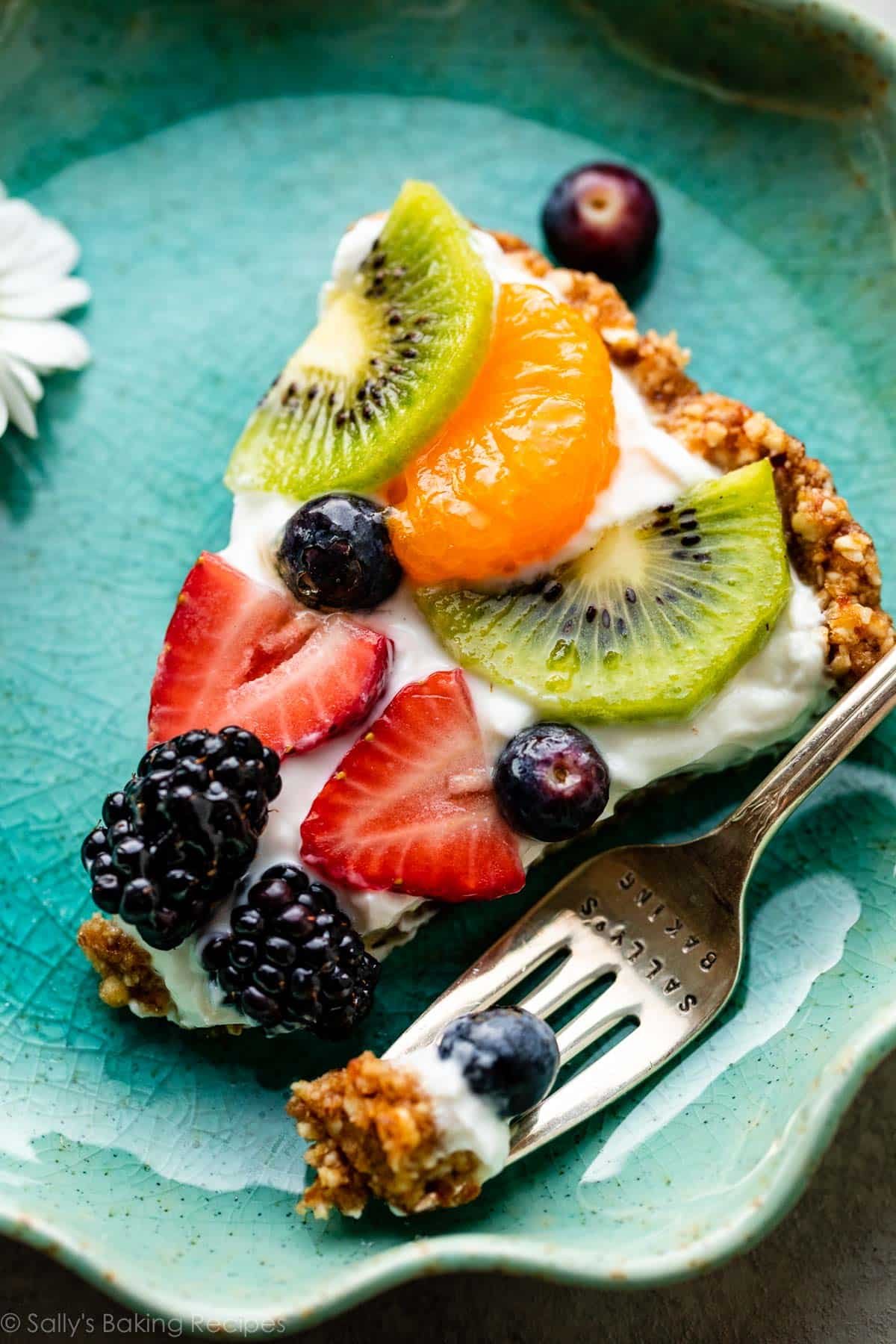
While many savory casseroles can serve as main dishes, some hosts prefer a distinct centerpiece. A citrus spice glazed ham, known for its fantastic flavor and delicious leftovers, presents a traditional and impressive option. For lighter accompaniments, fresh salads are indispensable. A favorite strawberry bacon salad, combining sweet berries, salty bacon, and a simple honey balsamic dressing, offers a perfect balance of flavors and textures. For a healthful and gluten-free dessert or side, a Greek yogurt fruit tart, featuring a simple 3-ingredient crust and an abundance of fresh seasonal fruits, provides a refreshing counterpoint to richer dishes.

Desserts and Beyond Brunch
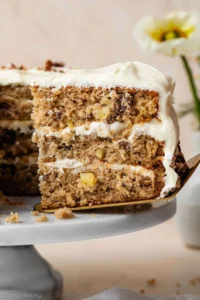
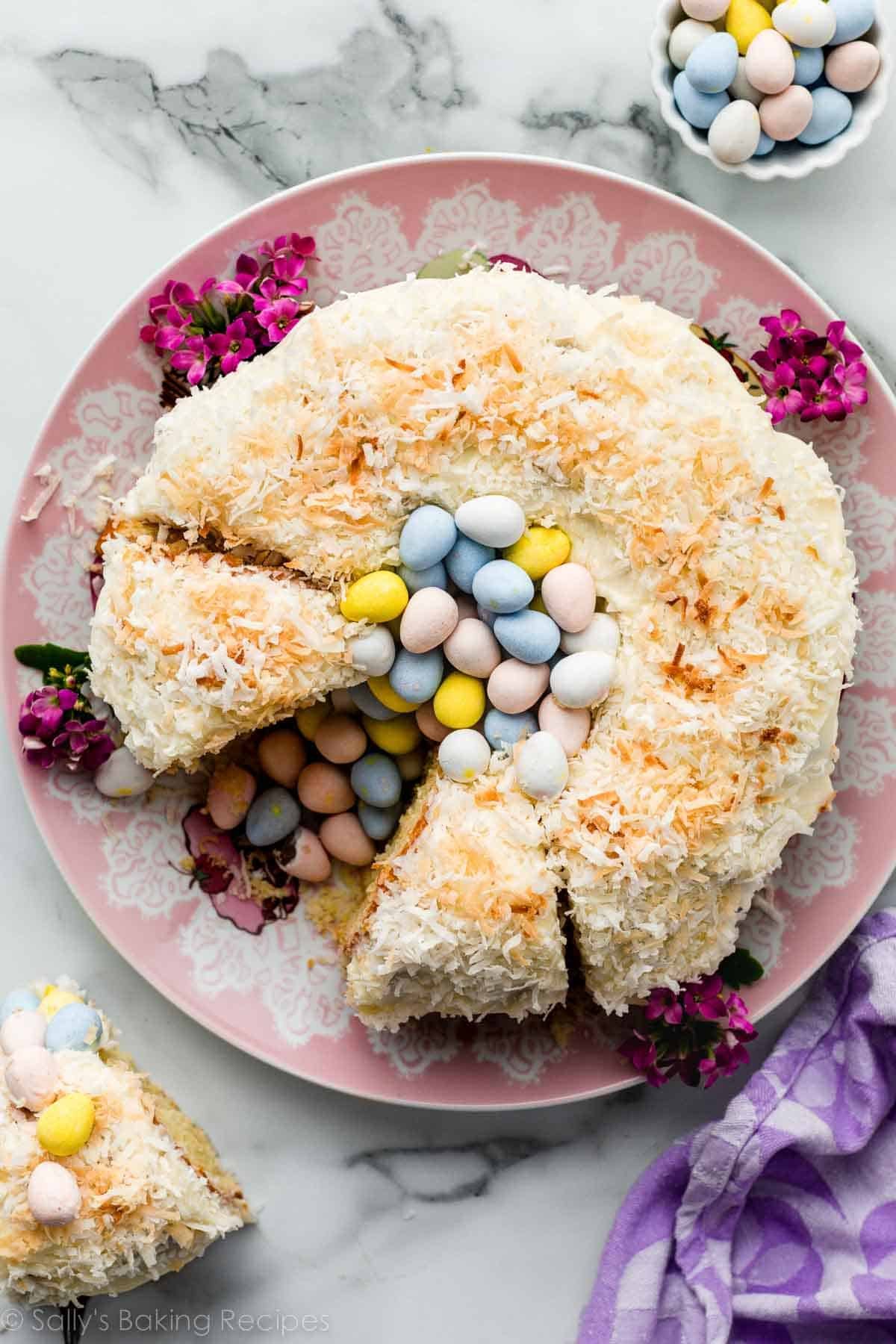
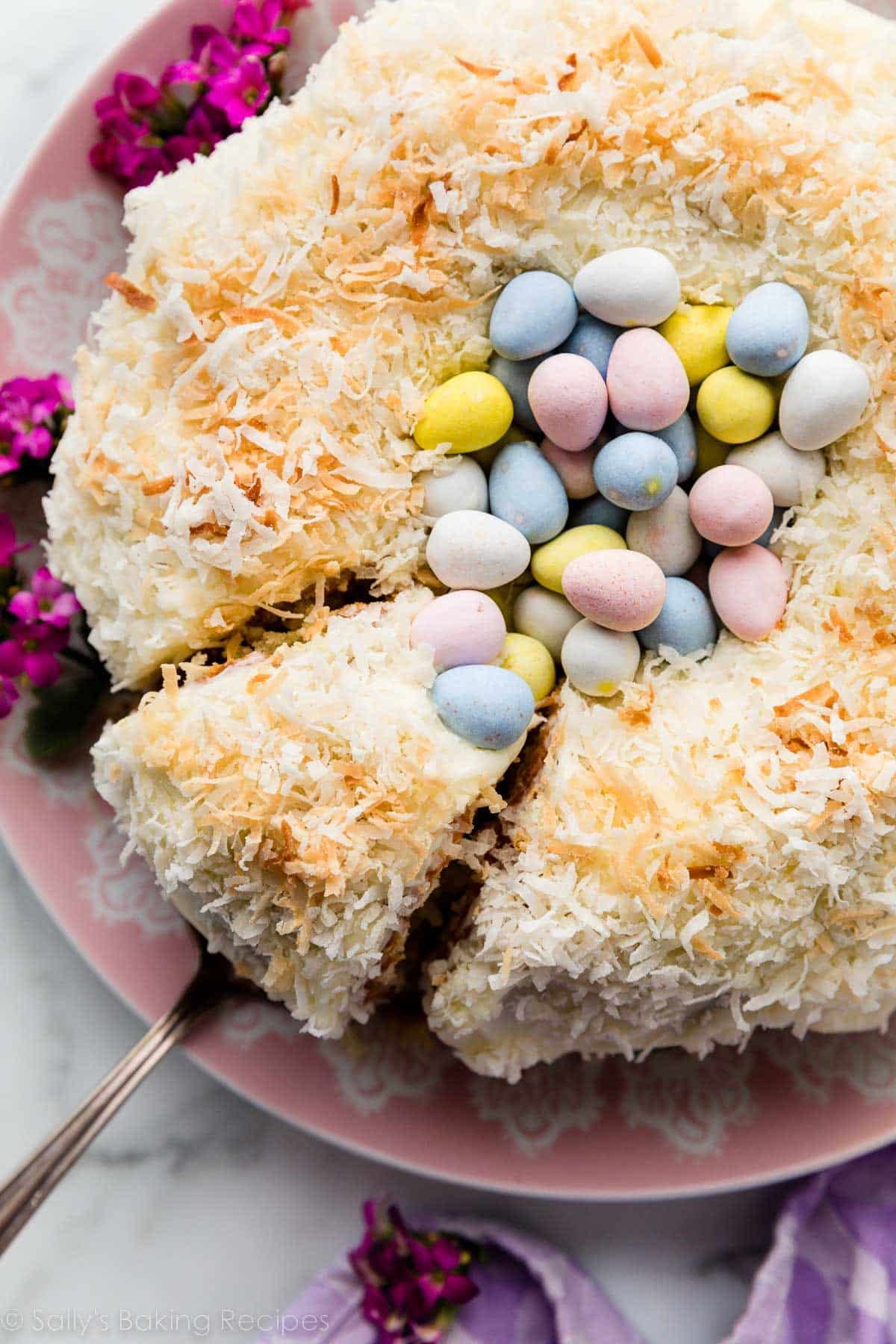
While brunch encompasses many sweet elements, the Easter celebration often extends into a dedicated dessert course. A festive coconut Easter cake, adorned with lemon cream cheese frosting, sweetened coconut, and chocolate egg candies to resemble a nest, is visually stunning and perfectly seasonal. Classic spring desserts like homemade lemon meringue pie and fluffy angel food cake also make delightful conclusions to the holiday meal, offering lighter, fruit-forward options.
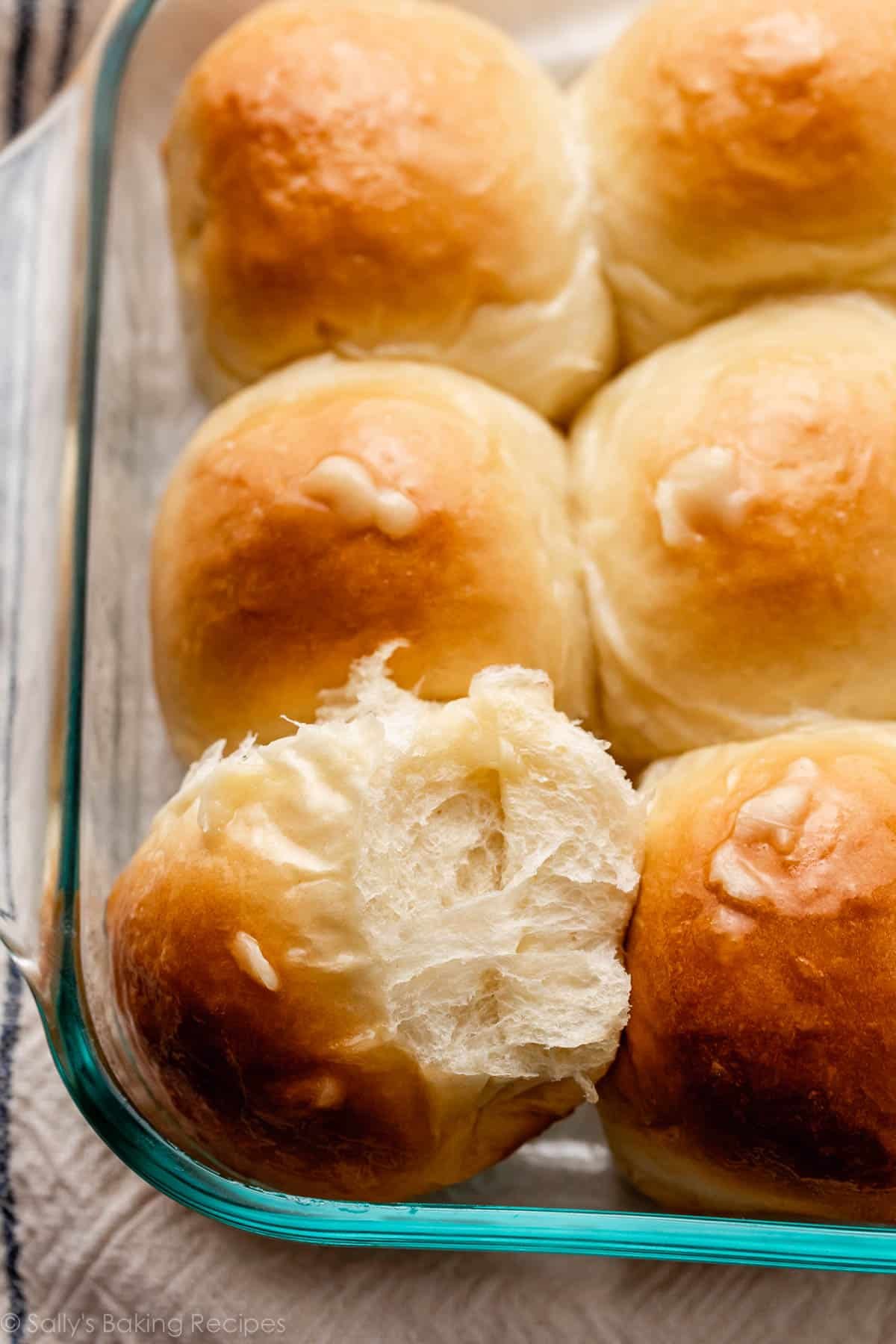
For those planning to serve rolls alongside their brunch or supper, honey butter rolls are a delectable choice. These fluffy, flaky, soft, and buttery yeasted rolls are ideal for soaking up sauces or for crafting delicious leftover ham sandwiches, further extending the versatility of the Easter menu.
Expert Insights and Culinary Trends

The evolution of Easter brunch reflects broader culinary trends towards convenience, customization, and quality ingredients. Renowned culinary figures and home baking enthusiasts, such as Sally McKenney, whose extensive collection of kitchen-tested recipes provides practical guidance, consistently highlight the value of make-ahead dishes for holiday entertaining. "The ability to prepare dishes in advance is a game-changer for holiday hosts," notes McKenney in her New York Times best-selling cookbook, Sally’s Baking 101, which dedicates an entire chapter to brunch recipes. This emphasis on preparation flexibility allows hosts to enjoy the festive atmosphere rather than being confined to the kitchen on the day of the event.
Furthermore, there’s a growing appreciation for diverse dietary needs, with many recipes now offering clear guidance for modifications, such as egg-free options like the ham and potato casserole or gluten-free alternatives like the Greek yogurt fruit tart. This inclusivity ensures that all guests can partake in the celebratory meal. The popularity of "from-scratch" baking, while sometimes perceived as daunting, is also on the rise, driven by a desire for fresh, wholesome ingredients and the satisfaction of creating something homemade. The accessibility of detailed recipes and step-by-step tutorials empowers even novice bakers to tackle impressive dishes like hot cross buns or cinnamon rolls.
The Broader Impact and Implications
The ritual of Easter brunch extends beyond the dining table, touching upon economic, social, and cultural spheres. Annually, the weeks leading up to Easter witness a significant surge in grocery sales, particularly for baking ingredients, fresh produce, eggs, and specialty meats like ham. This seasonal demand provides a boost to local economies and food producers. The focus on family gatherings reinforces social bonds and cultural traditions, offering a moment for intergenerational connection and the creation of lasting memories.

Moreover, the sharing of recipes and culinary experiences, often facilitated by online platforms and cookbooks, fosters a vibrant community of home cooks. This exchange of ideas and techniques contributes to the ongoing evolution of holiday traditions, ensuring that while the essence of Easter remains constant, its culinary expressions continue to adapt and innovate.
In conclusion, the Easter brunch is more than just a meal; it is a celebration of spring, family, and culinary artistry. Whether adhering strictly to tradition or experimenting with modern interpretations, the act of preparing and sharing food forms an integral part of the holiday experience. With a thoughtful selection of sweet and savory dishes, strategic make-ahead planning, and a touch of festive flair, hosts can create an Easter brunch that is both delicious and memorable, fostering joy and togetherness for all who gather around the table. The possibilities are as vast and varied as the springtime itself, inviting everyone to "hop to it" and discover their new favorite Easter brunch recipe.