
A distinctive approach to preparing beef stroganoff, championed by culinary personality Lindsay Ostrom and attributed to her friend "Ang," is gaining significant traction among home cooks and food aficionados alike, re-defining a beloved comfort food classic with its emphasis on slow-cooked, shredded beef and a richly flavored gravy. This innovative method diverges sharply from conventional stroganoff recipes, which typically feature seared beef chunks, offering a simpler, more tender, and profoundly savory alternative that promises both ease of preparation and an elevated dining experience. The technique highlights the transformative power of slow cooking, demonstrating how patience in the kitchen can yield exceptional depth of flavor and unparalleled textural refinement in a dish often relegated to weeknight quick fixes.
The genesis of this culinary revelation stems from Ang, a figure known in certain culinary circles for her discerning palate and practical yet impactful cooking strategies, as evidenced by her popular tortellini soup. For years, Ang advocated for her unique stroganoff preparation, eventually convincing Ostrom, who has since declared it the sole method she employs. This endorsement from a prominent food blogger has catapulted the technique into wider recognition, inspiring a reevaluation of traditional stroganoff preparation. The core difference lies in eschewing the typical pan-seared strips or cubes of beef for a slow-cooked chuck roast, which is then shredded. This seemingly minor alteration fundamentally transforms the texture of the meat, rendering it exquisitely tender and allowing it to meld seamlessly with the creamy, savory gravy.
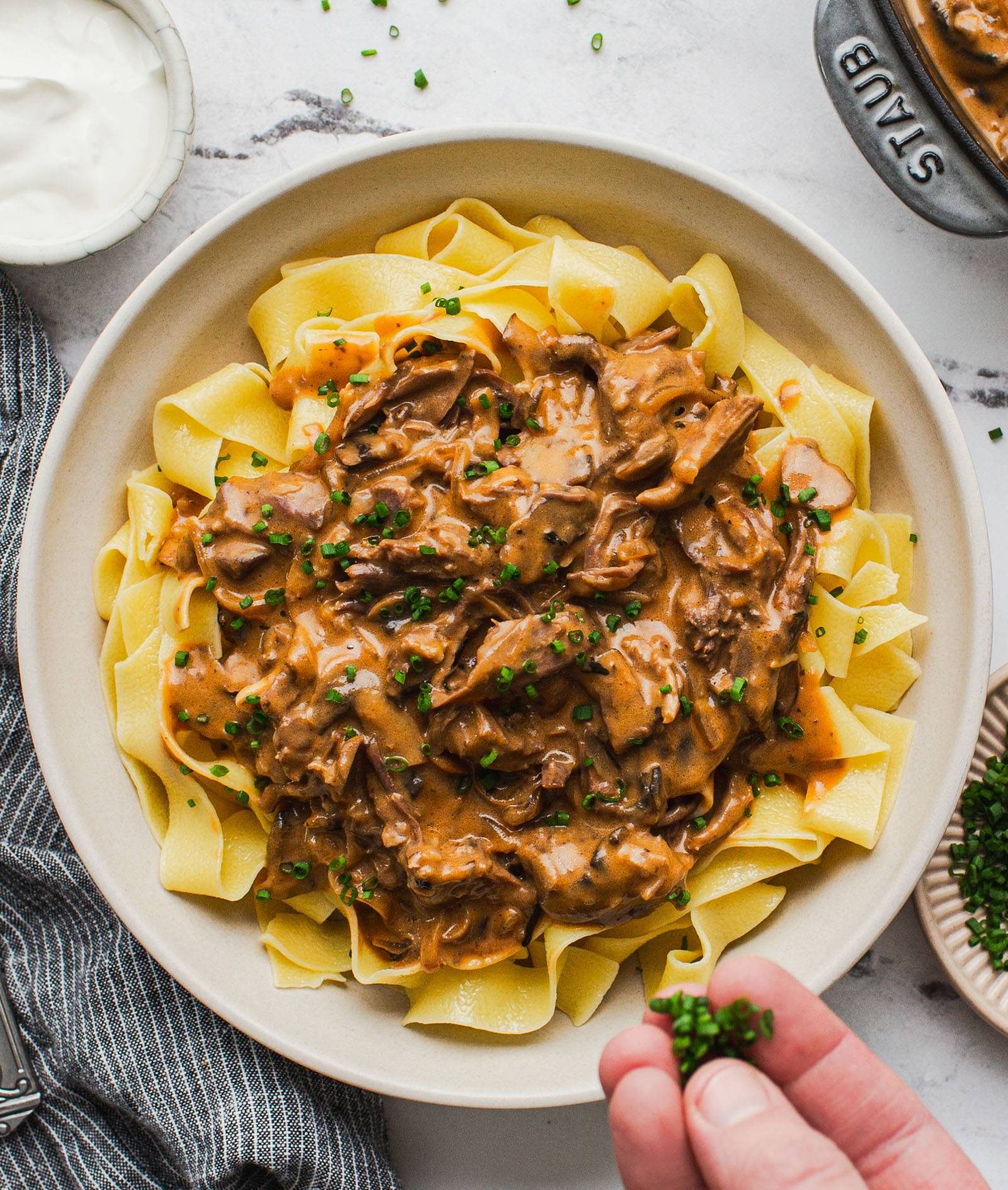
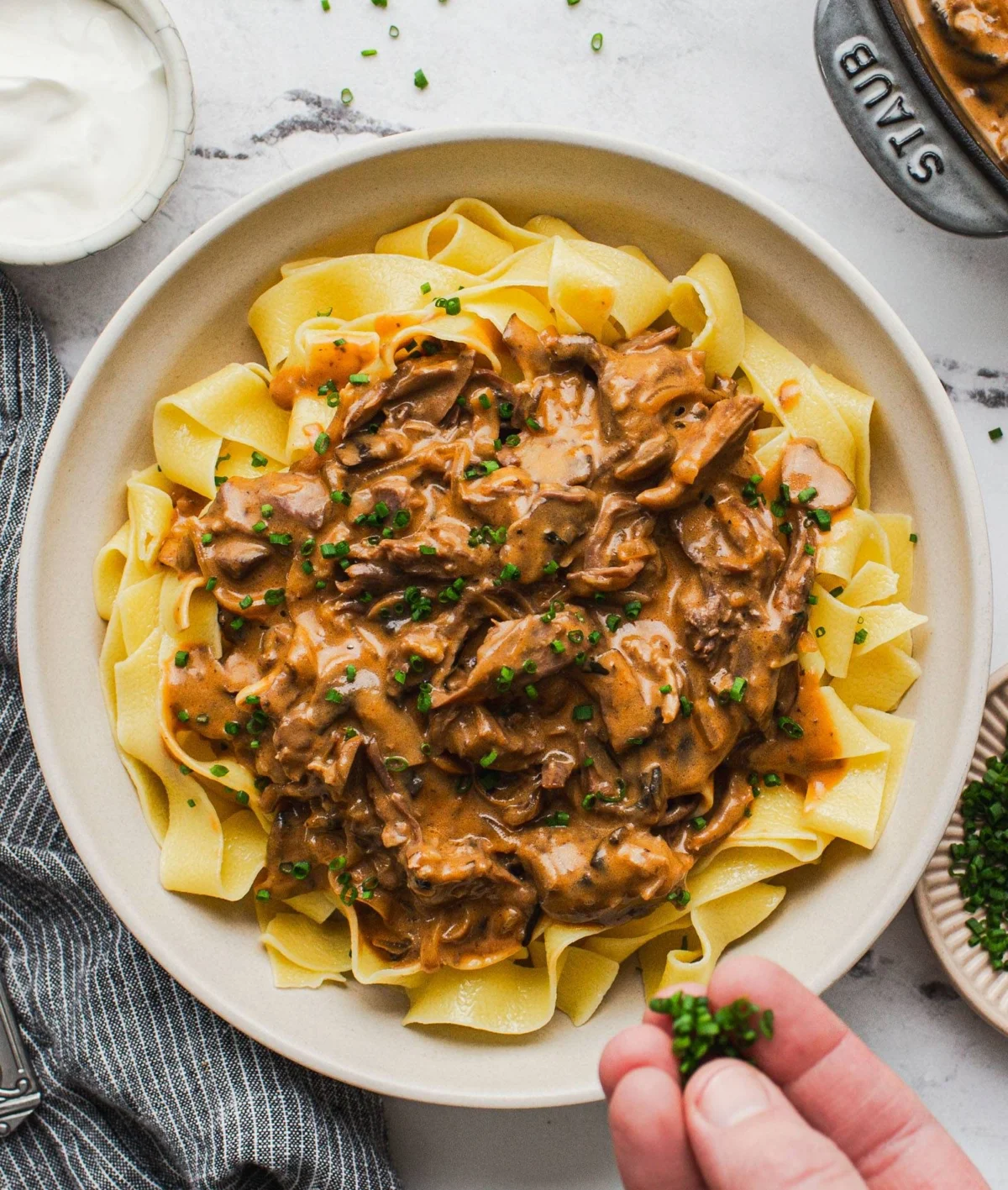
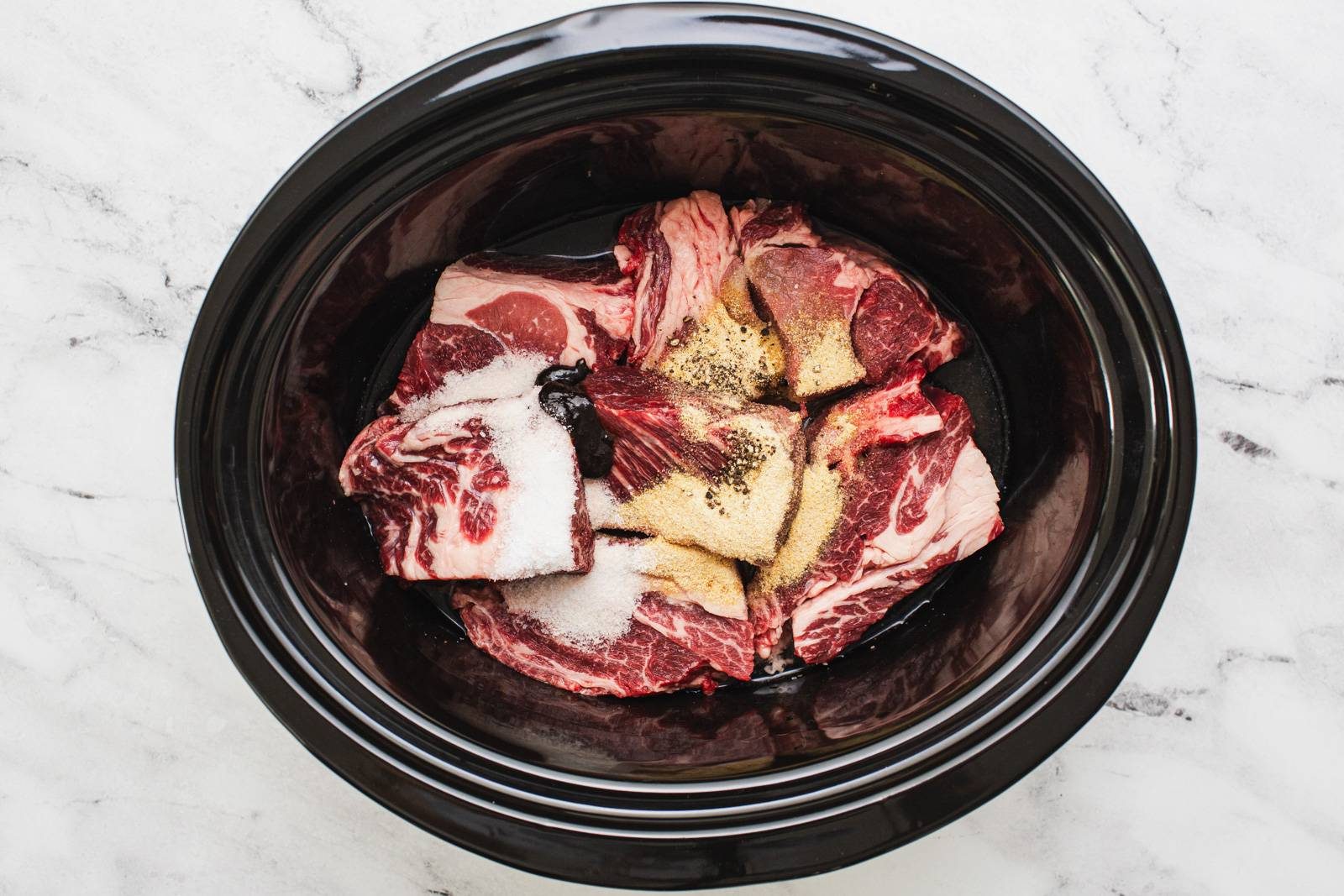
Central to "Ang’s Method" is the creation of a deeply flavorful, almost artisanal gravy. Unlike some lighter, often monochromatic stroganoff sauces, this version is characterized by a rich, savory depth, achieved through the careful caramelization of onions and the roasting of mushrooms. These elements contribute significant umami and a desirable depth of color, moving far beyond the "white grey blob" that Ostrom critically notes can sometimes characterize less inspired versions of the dish. The process involves cooking the beef in a slow cooker for several hours—typically 6-8 hours on low or 4-5 hours on high for a 3-4 pound roast—until it is fork-tender and easily shredded. This hands-off initial phase is a major draw for busy cooks, allowing for minimal active preparation time while maximizing flavor development.
Once the beef is cooked, the focus shifts to the gravy. This involves sautéing thinly sliced mushrooms until they develop a rich, roasted quality, alongside caramelized onions, which provide a sweet counterpoint to the savory elements. The melding of these ingredients forms the foundation of a robust sauce, which is then thickened to a creamy consistency, ready to embrace the shredded beef. The result is a stroganoff that is described as "rich, deeply savory," with all textural components maintaining a delicate balance. The ease of integrating the pre-shredded beef into the prepared gravy is highlighted as a significant advantage, streamlining the final stages of cooking and ensuring maximum flavor absorption.

The enduring popularity of beef stroganoff itself provides a rich historical context for this modern reinterpretation. Originating in Russia in the mid-19th century, reputedly for Count Pavel Stroganov, the dish traditionally featured sautéed pieces of beef served in a sauce with sour cream. It gained international prominence, particularly in America after World War II, evolving into various forms adapted to local ingredients and culinary trends. While the original Russian version often used mustard and broth, American iterations commonly incorporate mushrooms and onions, and sometimes tomato paste. "Ang’s Method" can be seen as a continuation of this evolution, adapting the classic to contemporary preferences for tenderness, depth of flavor, and convenience, particularly through the embrace of slow-cooking technology.
The method also taps into a broader trend in modern home cooking: the increasing reliance on slow cookers and other kitchen appliances that offer set-it-and-forget-it convenience. According to market research, slow cooker sales have seen consistent growth, particularly in recent years, as consumers seek ways to prepare wholesome meals with minimal active effort during busy schedules. This aligns perfectly with the initial phase of "Ang’s Method," which allows the beef to cook unattended for several hours, making it ideal for those who work outside the home or simply prefer a less demanding cooking process. The emphasis on shredded beef over traditional chunks also reflects a general consumer preference for tender, melt-in-your-mouth textures in meat dishes, a quality that slow cooking excels at achieving.

Statements from those who have adopted Ang’s method underscore its perceived superiority. Lindsay Ostrom herself attests to a "true love" for this stroganoff, a sentiment she previously held back on with other preparations. She champions not only its taste but also its "easy to make" nature, highlighting the significant "flavor payoff" for the minimal effort involved. While Ang herself has not provided public commentary on the widespread adoption of her technique, her culinary philosophy, as inferred through Ostrom’s descriptions, prioritizes impactful flavor and approachable methods. Food critics and culinary experts, if hypothetically queried, would likely commend the method for its smart application of braising techniques to achieve superior tenderness and flavor extraction from the beef, as well as the thoughtful development of the gravy through careful caramelization.
Beyond its intrinsic culinary merits, "Ang’s Method" offers versatile serving suggestions that expand its appeal. While egg noodles remain the traditional accompaniment—with pappardelle specifically recommended for its broader surface area to catch the rich sauce—the recipe also champions serving the stroganoff over a baked potato, garnished with sour cream and chives. This particular recommendation is presented as a transformative experience, encouraging adventurous diners to explore alternative pairings. Other suggested accompaniments include mashed potatoes or gnocchi, both of which provide a soft, absorbent base for the creamy sauce. For vegetable sides, classic choices like green beans, roasted green vegetables, or roasted carrots are suggested, alongside a crisp green salad, ensuring a balanced and complete meal.
The broader implications of Ang’s Method extend to the reinterpretation of other comfort food classics. By demonstrating how a simple shift in cooking technique—from quick searing to slow braising—can dramatically enhance a dish, it encourages home cooks and professional chefs alike to reconsider and innovate within established culinary traditions. This approach suggests that even the most familiar recipes can be elevated through thoughtful adjustments, particularly those that leverage time and gentle heat to develop deeper flavors and more appealing textures. It challenges the notion that speed is always paramount, advocating instead for a more deliberate, flavor-centric approach to cooking that ultimately results in a more rewarding gastronomic experience.
In conclusion, "Ang’s Method" for beef stroganoff represents more than just a recipe; it signifies a thoughtful evolution in how classic comfort foods are approached in the modern kitchen. Through its ingenious use of slow-cooked, shredded beef and a meticulously crafted gravy, it offers a superior textural and flavor profile that has garnered enthusiastic acclaim. This method, endorsed by prominent culinary figures, reflects a growing appreciation for convenience, deep flavor, and tender ingredients, positioning itself as a significant contribution to contemporary home cooking trends. Its impact underscores the potential for innovation within traditional cuisine, proving that even the most cherished dishes can be re-imagined to achieve new levels of culinary excellence.