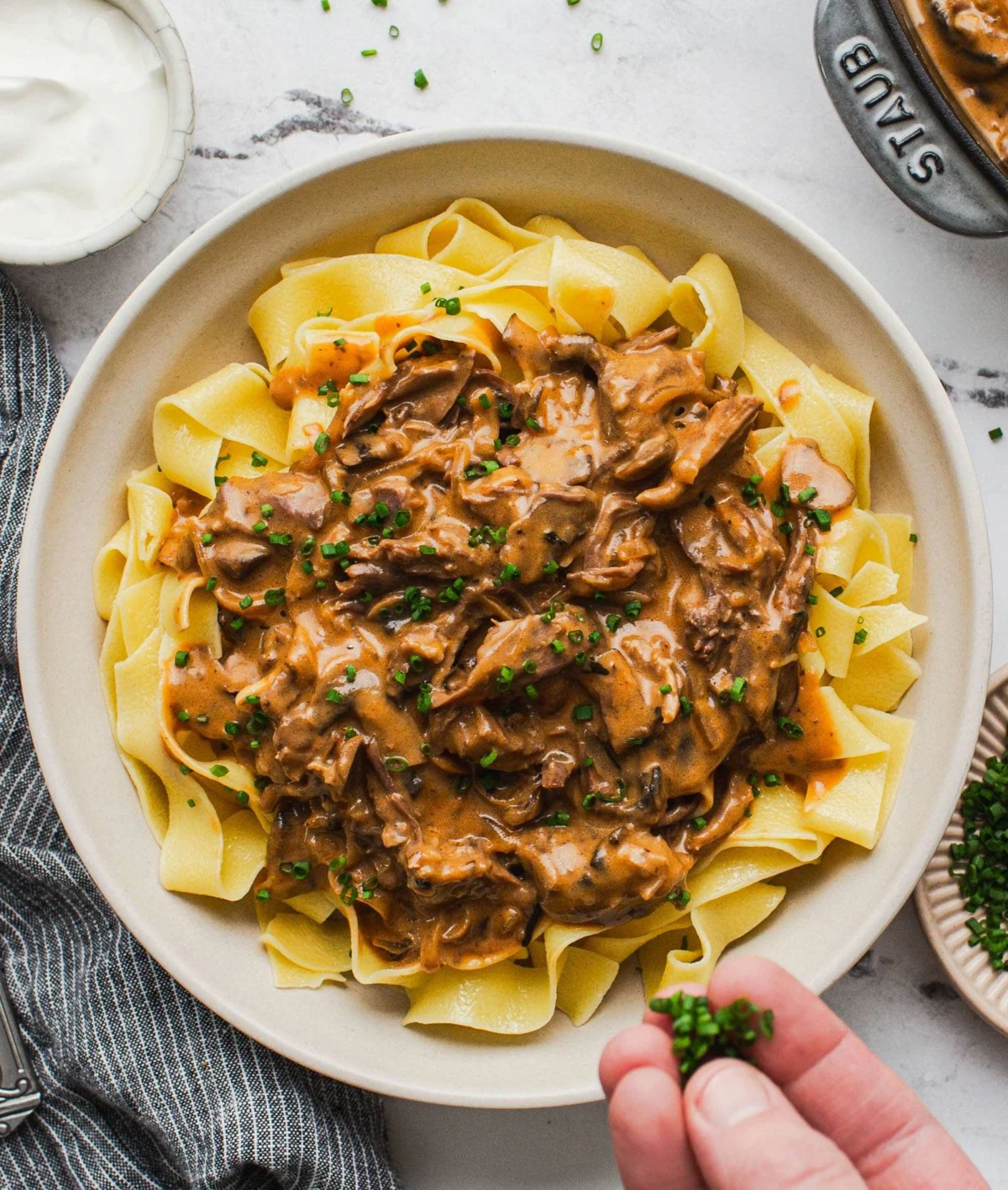

This beloved classic, a staple in comfort food repertoires worldwide, has received a notable reinterpretation through a method championed by culinary enthusiast Lindsay Ostrom, shared on her prominent food platform. This particular rendition, attributed to her friend Ang, deviates significantly from conventional preparation, promising an elevated sensory experience of this deeply savory dish. The approach emphasizes a rich, creamy gravy brimming with caramelized onions and roasted mushrooms, seamlessly integrated with fork-tender, shredded beef, a departure from the more common seared chunks. This innovative technique, lauded for its simplicity and profound flavor payoff, marks a distinctive evolution for a dish steeped in history and cherished by many.
The Genesis of a Modern Classic: Ang’s Revolutionary Method
The genesis of this distinctive beef stroganoff lies in the culinary insights of Ang, a friend known for her impactful recipes, including the widely acclaimed Ang’s Tortellini Soup. For years, Ang advocated for her unique stroganoff preparation, eventually converting Ostrom, who now exclusively employs this method. The core distinction lies in its textural refinement and flavor development. Unlike many recipes that feature distinct beef chunks, Ang’s method prioritizes slow-cooked, shredded beef, ensuring unparalleled tenderness that melts into the creamy sauce. This seemingly minor alteration significantly transforms the dish’s mouthfeel, elevating it from a hearty meal to a delicate, yet deeply satisfying, culinary experience. The gravy itself is designed to be a vibrant, flavorful entity, moving beyond the often-pale, one-dimensional sauces sometimes associated with stroganoff, instead boasting a rich color and depth from meticulously cooked mushrooms and onions.
A Deeper Dive into the Culinary Innovation
The method unfolds in three primary stages, each contributing to the dish’s superior quality and ease of preparation:
-
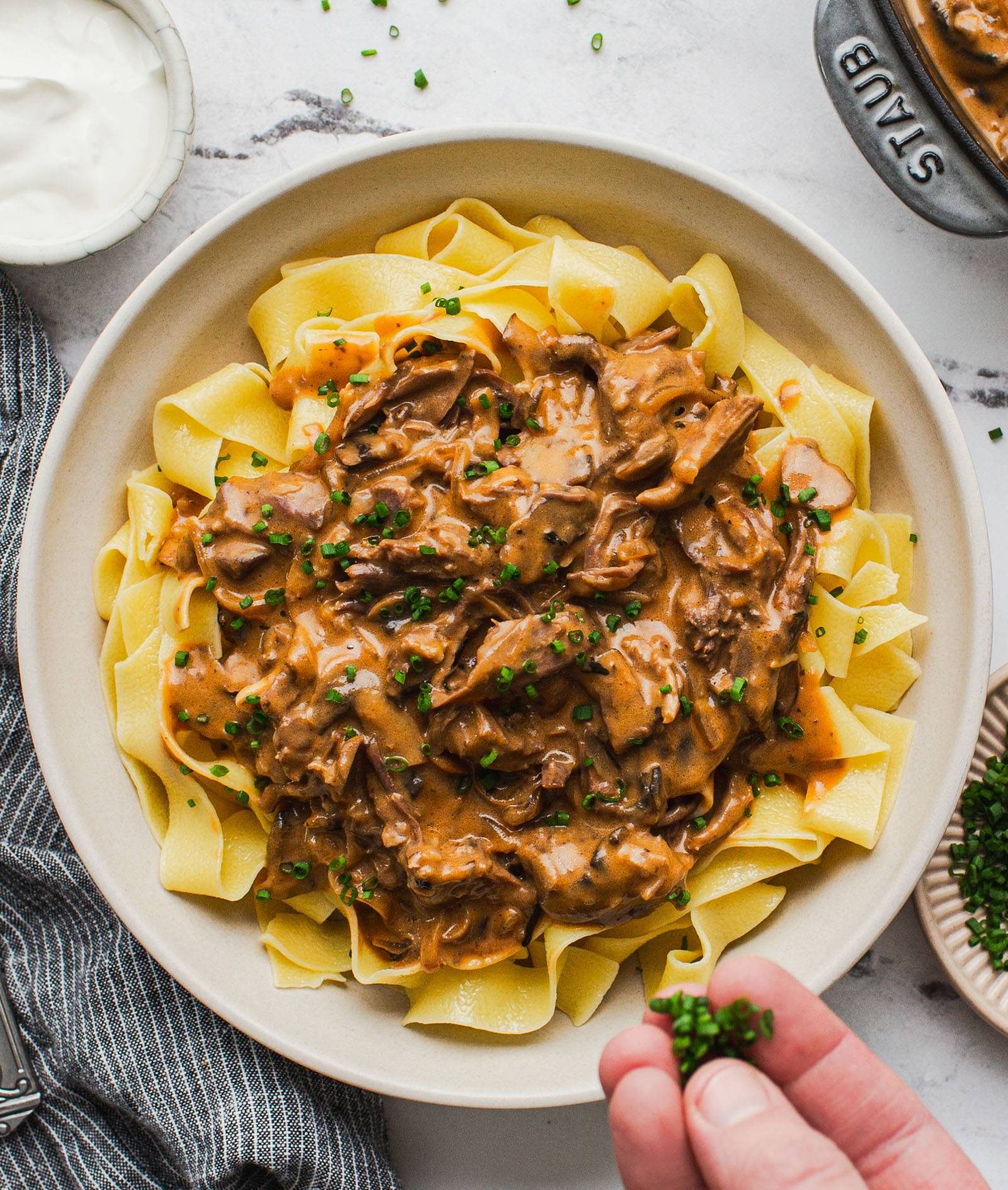
Slow-Cooking the Beef: The cornerstone of this recipe is the utilization of a slow cooker for the beef. A chuck roast, a cut celebrated for its marbling and suitability for long, slow cooking, is seasoned and gently braised over several hours. This extended cooking time breaks down tough connective tissues, rendering the beef incredibly tender and easily shreddable. The slow-cooker approach not only simplifies the cooking process, requiring minimal active intervention, but also infuses the beef with deep, savory notes, which are then carried into the final dish. The emphasis on shredded beef over seared chunks ensures a consistent tenderness throughout, a hallmark of this particular method. While chuck roast is preferred for its rich flavor profile, other cuts like top sirloin or flank steak can also be adapted, albeit with potentially slight variations in fat content and final texture.
-
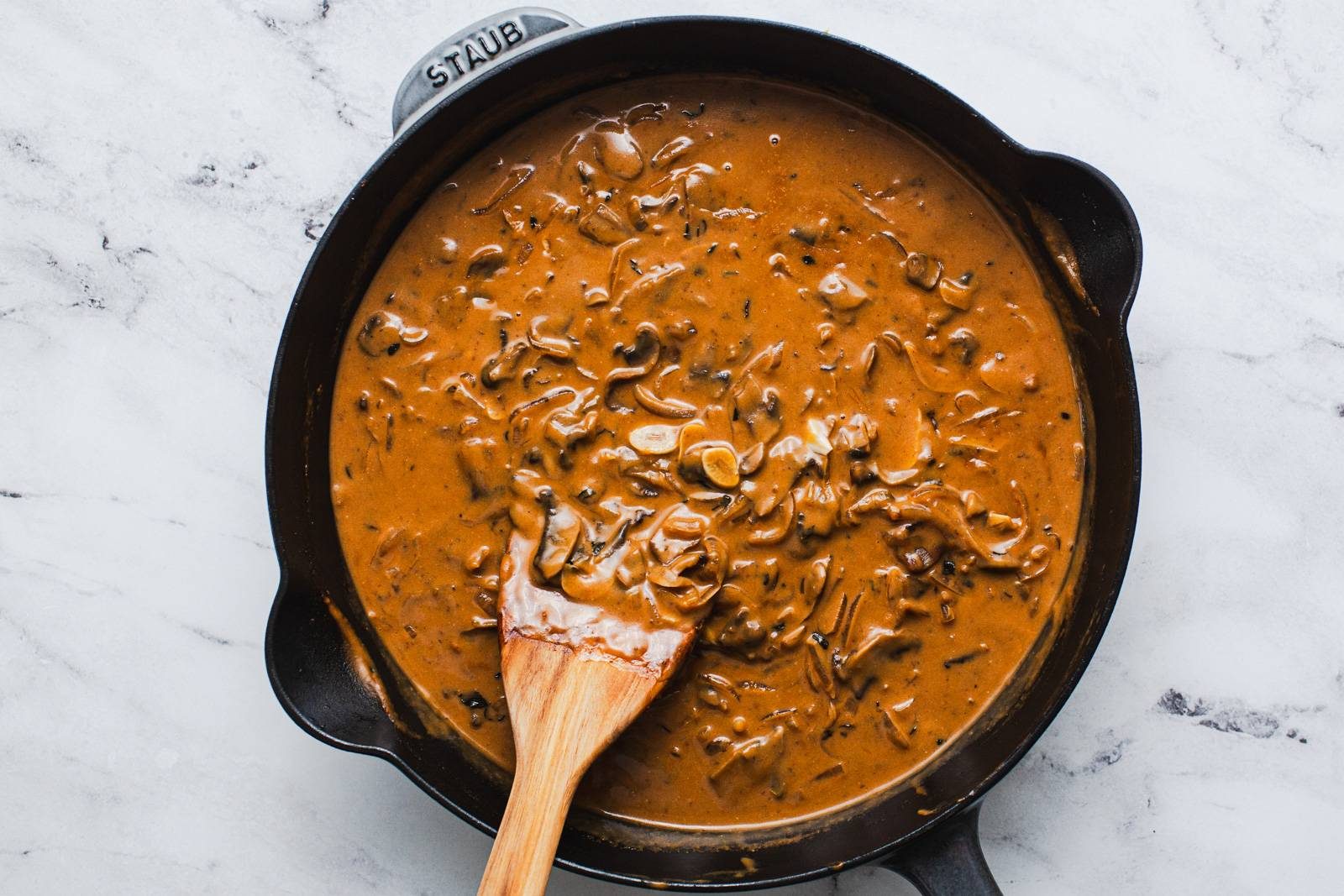
Crafting the Gravy: The gravy is far from an afterthought; it is a meticulously constructed component central to the dish’s success. This stage involves caramelizing onions and thinly sliced mushrooms to extract maximum umami and develop a rich, savory base. The mushrooms are cooked down to a delicate consistency, ensuring they contribute flavor without overwhelming the texture. This rich foundation is then expertly thickened and seasoned, forming a creamy, deeply flavored sauce that avoids the "white-grey blob" appearance sometimes seen in less refined stroganoffs. The flavorful color and aroma of this gravy are indicative of the careful attention paid to ingredient preparation and cooking technique.
-
Integrating the Components: The final step involves gently folding the tender, shredded beef into the prepared gravy. This integration allows the beef to absorb the rich flavors of the sauce, while its delicate texture ensures it remains a harmonious element rather than a distinct, separate component. This ease of combination, following the relatively hands-off beef preparation and the focused gravy creation, underscores the recipe’s balance of simplicity and profound flavor. The resulting dish is a testament to how thoughtful technique, even for a classic, can yield exceptional results.
The Storied Past of Beef Stroganoff: A Chronology of Comfort
To fully appreciate this modern interpretation, it is essential to contextualize beef stroganoff within its rich culinary history. The dish, widely recognized as a pillar of comfort food, traces its origins back to 19th-century Russia, specifically to the Stroganov family, a prominent aristocratic lineage.
-
1800s, Imperial Russia: The dish is generally believed to have been created in the 1890s for Count Pavel Alexandrovich Stroganov, a diplomat and general in the Imperial Russian Army, or perhaps for another member of his esteemed family. While the exact chef and precise circumstances remain debated, the core elements—sautéed beef, a creamy sauce, and often mushrooms—were present from its inception. Early recipes often featured finely cut beef, lightly floured and sautéed, then served with a sauce incorporating sour cream, mustard, and sometimes broth.
-
Late 19th Century, Global Spread: The recipe gained popularity in Russia and subsequently spread internationally, particularly after the Russian Revolution, when many Russian émigrés carried their culinary traditions with them. Its robust flavor profile and comforting nature resonated across different cultures.

-
Mid-20th Century, American Adaptation: Beef stroganoff experienced a significant surge in popularity in the United States during the mid-20th century. American cooks embraced the dish, often adapting it with readily available ingredients and simpler preparation methods. This era saw the introduction of ingredients like condensed mushroom soup and broader cuts of beef, sometimes simplifying the technique but occasionally at the expense of the dish’s nuanced flavors. It became a ubiquitous offering in family kitchens, dinner parties, and even school cafeterias.
-
Late 20th and Early 21st Century, Culinary Evolution: As culinary trends evolved, there has been a renewed interest in refining classic dishes, focusing on quality ingredients and thoughtful techniques to restore their original grandeur while also incorporating modern conveniences. This contemporary stroganoff method by Ang and Ostrom perfectly encapsulates this trend, blending the ease of slow cooking with a commitment to deep flavor development and textural excellence.
The dish’s enduring appeal lies in its combination of tender meat, a rich, tangy cream sauce, and its versatility to be served with various starches. This new method, by focusing on shredded beef and a highly flavorful gravy, pays homage to the dish’s heritage while offering a distinctly modern, and arguably superior, rendition.
The Rise of Slow Cooking and its Societal Implications
The integration of the slow cooker into this refined stroganoff recipe is not merely a convenience but reflects broader societal shifts in culinary practices. Slow cookers gained widespread popularity in the latter half of the 20th century, particularly as more women entered the workforce, necessitating kitchen appliances that could facilitate meal preparation with minimal active involvement.
-
Convenience and Time Management: For contemporary households, the slow cooker remains an invaluable tool for time management. The ability to assemble ingredients in the morning and return to a fully cooked meal in the evening addresses a significant challenge for busy individuals and families. This "set it and forget it" functionality reduces daily cooking stress, promoting more frequent home-cooked meals over reliance on takeout or processed foods.

-
Flavor Development and Tenderization: Beyond convenience, slow cooking excels at developing deep, complex flavors and tenderizing tougher cuts of meat. The prolonged, gentle heat allows ingredients to meld beautifully, extracting maximum flavor compounds and breaking down connective tissues to achieve unparalleled tenderness. This is particularly evident with chuck roast, which transforms from a robust, firm cut into succulent, shreddable strands ideal for stroganoff.
-
Economic Benefits: Utilizing less expensive cuts of meat, like chuck roast, and transforming them into gourmet-quality dishes through slow cooking offers significant economic advantages. It allows families to enjoy rich, satisfying meals without incurring the higher costs associated with prime cuts, contributing to household budget efficiency.
The integration of the slow cooker into this stroganoff recipe therefore represents a convergence of culinary tradition, modern convenience, and economic sensibility, making a beloved classic accessible and enjoyable for contemporary lifestyles.
Serving Suggestions and Adaptability
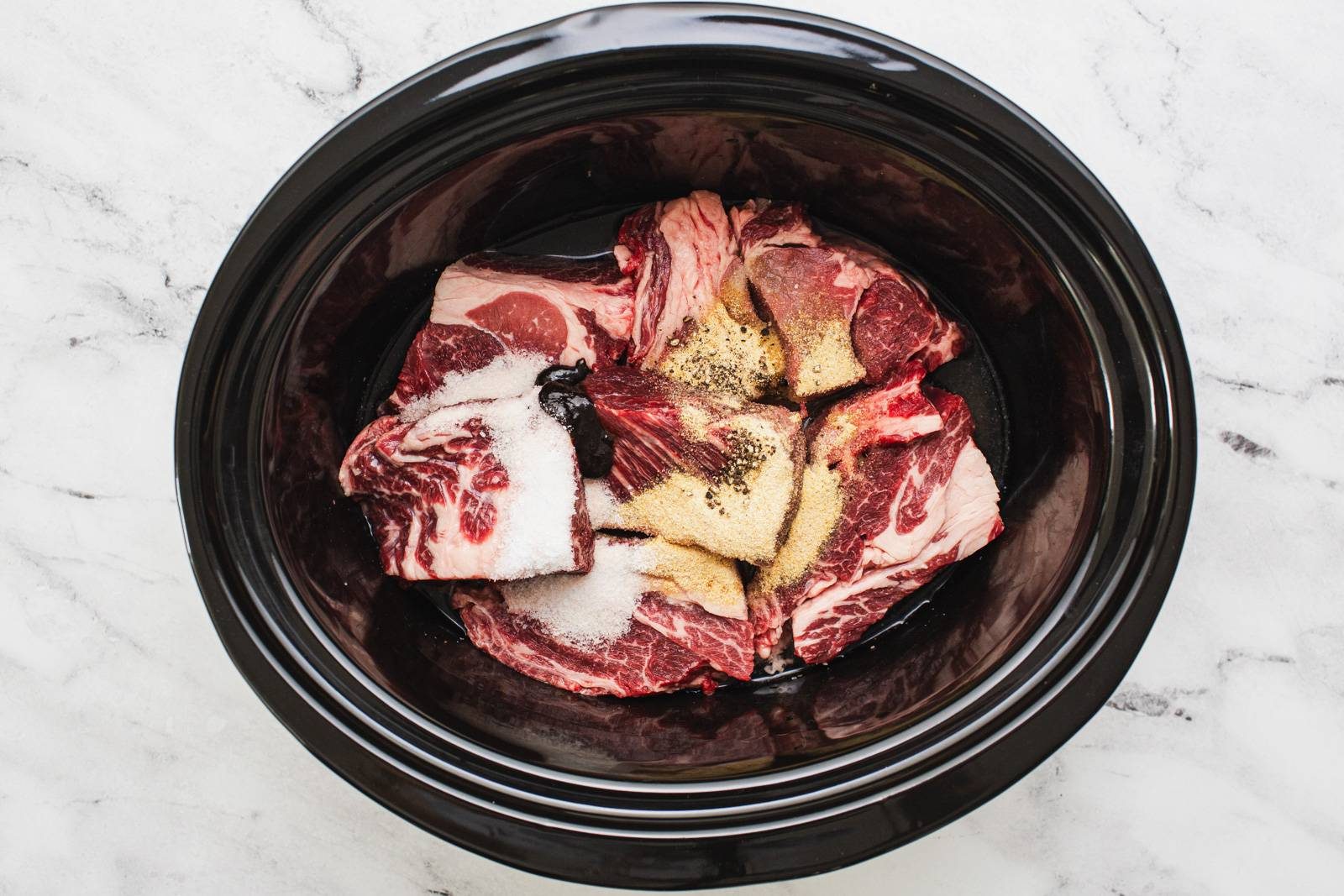
While traditionalists might insist on egg noodles, this enhanced beef stroganoff proves remarkably versatile in its serving options. The recipe creators enthusiastically endorse pairing it with a baked potato, generously topped with a dollop of sour cream and fresh chives, transforming it into a hearty, stand-alone meal. Other recommended accompaniments include creamy mashed potatoes or tender gnocchi, both of which provide a comforting starch base to absorb the rich gravy. For vegetable sides, green beans are a favored choice, offering a fresh counterpoint to the richness of the stroganoff. Roasted green vegetables or carrots also make excellent companions, as does a crisp green salad, providing textural and flavor balance.
Beyond serving variations, the recipe demonstrates significant adaptability for various dietary needs:
-
Vegetarian Alternatives: For those seeking a meat-free option, the beef can be replaced entirely with an increased quantity of mushrooms, creating a deeply savory mushroom stroganoff. This substitution capitalizes on the umami richness of mushrooms to provide a satisfying vegetarian experience.
-
Dairy-Free Modifications: The creamy base can be adapted for dairy-free diets by utilizing dairy-free heavy cream or sour cream alternatives. Cashew cream, known for its rich texture and neutral flavor, presents another viable option. Coconut cream, while functional, would introduce a distinct flavor profile that might alter the traditional taste of stroganoff.
These adaptable elements underscore the recipe’s broad appeal and its potential to cater to diverse culinary preferences and dietary requirements, further cementing its status as a versatile comfort food.
Broader Impact and Implications for Home Cooking
The sharing of such a refined yet accessible recipe like Ang’s beef stroganoff carries broader implications for the landscape of home cooking. In an era where culinary information is abundant, recipes that successfully merge classic appeal with modern practicality tend to resonate deeply with home cooks.
-
Revitalization of Classics: This recipe contributes to the ongoing revitalization of classic dishes, encouraging a return to foundational comfort foods but with updated techniques that enhance flavor and simplify preparation. It demonstrates that traditional dishes need not be intimidating or overly time-consuming.
-
Community and Knowledge Sharing: The attribution to "Ang" highlights the power of culinary community and the informal sharing of innovative techniques. This peer-to-peer transmission of knowledge, often through personal recommendations and shared experiences, remains a powerful force in shaping home cooking trends. The internet and platforms like Ostrom’s amplify these personal discoveries, making them widely accessible.
-
Empowering Home Cooks: By simplifying a potentially complex dish through the strategic use of appliances like the slow cooker, the recipe empowers home cooks of all skill levels to achieve impressive culinary results. This fosters confidence in the kitchen and encourages experimentation with scratch cooking, potentially reducing reliance on highly processed convenience foods.
-
Focus on Flavor Depth: The emphasis on achieving a rich, deeply savory gravy and fork-tender beef underscores a growing appreciation among home cooks for flavor depth and textural quality. This trend moves beyond mere sustenance, encouraging a more thoughtful and enjoyable approach to meal preparation and consumption.
In conclusion, this particular beef stroganoff method, born from a friend’s culinary wisdom and amplified by a popular food platform, stands as a testament to the enduring power of comfort food and the continuous evolution of home cooking. By blending historical reverence with modern convenience and a keen eye for flavor and texture, it offers a compelling blueprint for how classic dishes can remain relevant, exciting, and profoundly satisfying in today’s kitchens.