
The craft brewing industry has witnessed a significant shift in consumer preferences over the last decade, moving from the high-alcohol, "hop-bomb" West Coast IPAs toward more nuanced, drinkable, and lower-alcohol "session" styles. Among these, the copper-colored ale stands out as a quintessential example of balance, offering a rich malt profile and sufficient hop bitterness without the intoxicating weight of a traditional strong ale. This technical report examines the specific parameters and procedural requirements for producing a 5-gallon batch of 3.6% ABV Copper Ale, a style that prioritizes clarity, color, and drinkability.
The Evolution and Context of Session Ales
The term "session beer" refers to any beer that can be consumed in multiple servings over a "session" without causing significant impairment. While the definition varies by region, the American Homebrewers Association and the Brewers Association generally categorize session beers as those falling below 5% alcohol by volume (ABV). The specific recipe analyzed here, yielding an ABV of 3.6%, falls into the lower tier of this category, reminiscent of the traditional English Ordinary Bitter.
Historically, these beers were the mainstay of the British working class, particularly during the mid-20th century when licensing laws and workplace regulations favored lower-alcohol refreshments. In the modern era, the demand for sessionable beers is driven by a health-conscious demographic and a "quality over quantity" mindset. This 3.6% Copper Ale addresses this demand by utilizing a specific blend of crystal malts and malt extracts to achieve a 12 SRM (Standard Reference Method) color—a deep copper hue—while maintaining a light body.
Technical Specifications and Recipe Profile
To achieve the desired sensory profile, the brewing process must adhere to strict gravity and bitterness targets. The specifications for this copper ale are as follows:
- Yield: 5 gallons (18.93 L)
- Original Gravity (OG): 1.036 (9°P)
- Final Gravity (FG): 1.008 (2°P)
- Alcohol by Volume (ABV): 3.6%
- International Bitterness Units (IBU): 30
- Color (SRM): 12
An OG of 1.036 is relatively low, indicating a smaller fermentable sugar load. This requires the brewer to maximize flavor extraction from specialty grains to prevent the beer from tasting "thin" or "watery." The attenuation—the percentage of sugar converted to alcohol—is high in this profile, moving from 1.036 to 1.008. This result suggests a crisp, dry finish that enhances the beer’s refreshing qualities.
The Chronology of the Brewing Process
The production of this Copper Ale follows a standardized "extract with specialty grains" method, which is favored by many homebrewers for its balance of convenience and flavor complexity.
Phase I: Grain Steeping and Wort Preparation
The process begins with the preparation of the specialty grain liquor. Crushed crystal malt is steeped in 1.5 gallons (5.7 L) of water maintained at a precise temperature of 150°F (65.5°C). This temperature is critical; it is high enough to dissolve the sugars and colors within the caramelized grain but low enough to avoid the extraction of harsh tannins from the grain husks, which typically occurs above 170°F.
After 30 minutes of steeping, the grains are strained. The "sparging" process follows, where 170°F (76.5°C) water is rinsed over the grains to collect the remaining sugars. This stage concludes once the brewer has collected 2.5 gallons (9.5 L) of specialty grain liquor.
Phase II: The Boil and Hop Utilization
Once the liquor is prepared, dried malt extract (DME) is added. DME provides the bulk of the fermentable sugars. The mixture is brought to a "full and vigorous boil," which serves several purposes: it sterilizes the wort, coagulates proteins (hot break), and facilitates the isomerization of hop alpha acids.
The hop schedule is divided into two primary additions:
- Bittering Hops (60 minutes): Added at the start of the boil to provide the foundational 30 IBUs.
- Flavor Hops (20 minutes remaining): Added later to preserve essential oils that contribute to the aroma and mid-palate flavor.
At the 10-minute mark, Irish moss—a clarifying agent derived from seaweed—is added. The negatively charged carrageenan in the Irish moss attracts positively charged proteins, causing them to clump together and settle out, ensuring the final beer remains clear.
Phase III: Cooling and Primary Fermentation
After a 60-minute boil, the wort must be cooled rapidly to prevent the formation of off-flavors like Dimethyl Sulfide (DMS) and to allow for the safe pitching of yeast. The recipe calls for racking the clear wort into a sanitized fermenter containing 2 gallons of cold water, then topping off to reach the 5-gallon mark.
The target pitching temperature is 70°F (21°C). Aeration is vital at this stage because yeast requires oxygen for the initial growth phase. The use of an active yeast starter ensures a healthy population of yeast cells, reducing the lag time before fermentation begins. Primary fermentation typically lasts 4 to 6 days, during which the bulk of the sugar-to-alcohol conversion occurs.
Phase IV: Secondary Fermentation and Conditioning
Following primary fermentation, the beer is transferred to a secondary fermenter. This step separates the beer from the "trub" (sedimented yeast and proteins), which can impart soapy or yeasty flavors if left in contact for too long. The temperature is dropped to 60°F (15.5°C) to facilitate "crashing," which helps the remaining particulates settle. Once clear, the beer is primed with sugar and bottled or kegged.
Chemical Analysis: The Role of SRM and IBU
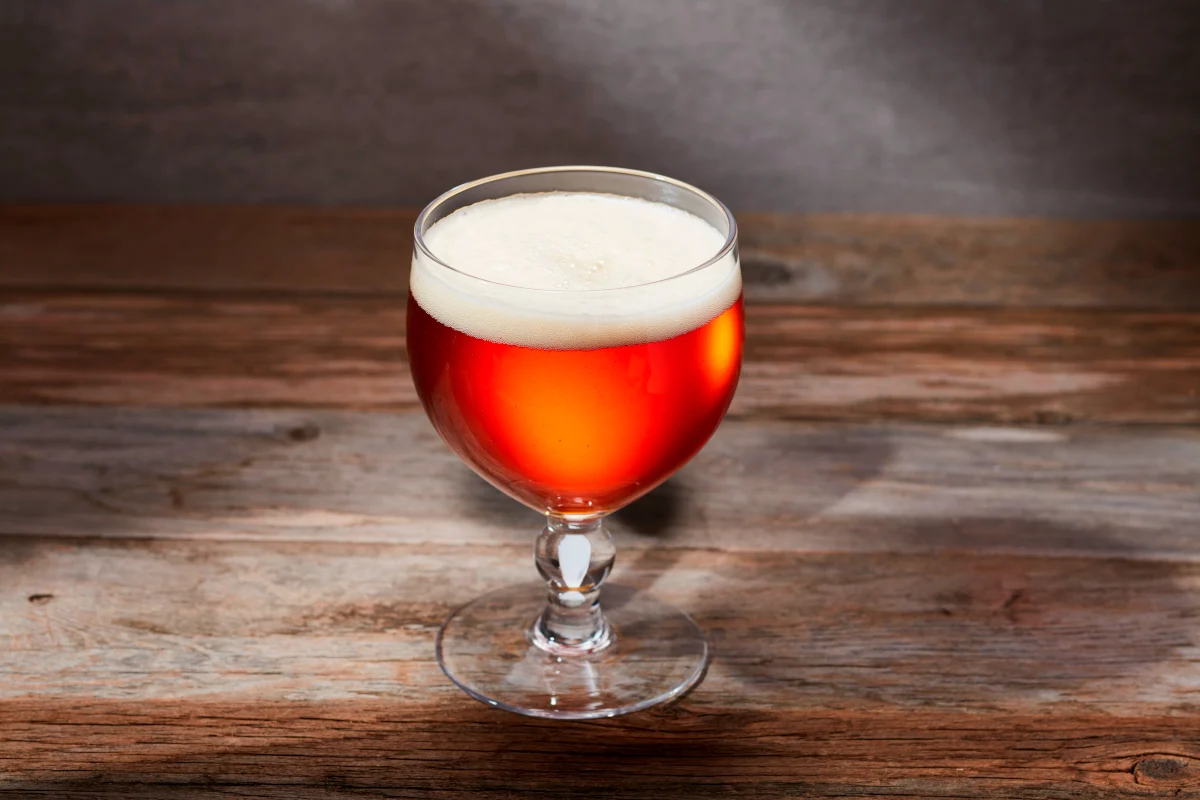
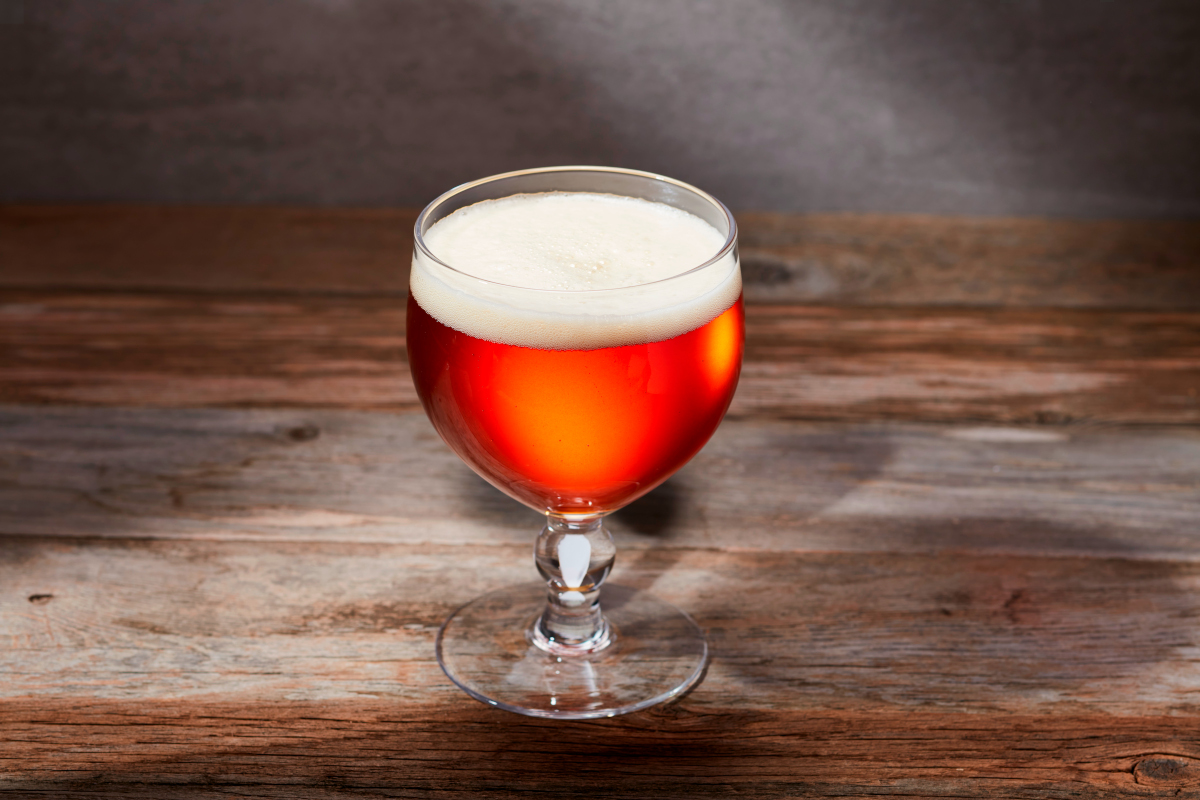
The 12 SRM color of this ale is its defining visual characteristic. SRM is a scale used by brewers to quantify the color of a beer. A rating of 12 places this ale firmly in the "copper to light brown" category. This is achieved through the use of Crystal (Caramel) malts, which undergo a specialized malting process where the sugars are caramelized inside the husk. These malts contribute non-fermentable sugars that provide body and a sweet, toffee-like flavor profile that balances the 30 IBUs of bitterness.
The IBU-to-OG ratio (often called the BU:GU ratio) for this beer is approximately 0.83 (30 divided by 36). In the world of brewing science, a ratio near 0.5 is considered balanced, while a ratio closer to 1.0 is considered hop-forward. At 0.83, this Copper Ale is moderately bitter, ensuring that despite its low alcohol content, it possesses a firm structure and a clean finish.
Industry Implications and Consumer Trends
The release of technical recipes like this by organizations such as the American Homebrewers Association reflects a broader trend in the beverage industry: the democratization of brewing knowledge. As the craft beer market matures, enthusiasts are increasingly interested in the "micro-science" of brewing—understanding how specific temperatures and mineral additions affect the final product.
Market data suggests that while IPAs remain the top-selling craft style, "Easy-Drinking" categories (including blonde ales, lagers, and session ales) are the fastest-growing segments. This shift is attributed to:
- The "Lighter" Movement: Consumers seeking lower-calorie options without sacrificing the complex flavors of craft beer.
- Social Connectivity: Low-ABV beers allow for longer social gatherings without the rapid onset of intoxication.
- Economic Factors: Brewing lower-gravity beers requires less raw material (malt), potentially offering better margins for commercial breweries, though the margin for error in the brewing process is much smaller.
Expert Reactions and Analysis
Brewing experts often note that low-alcohol beers are the most difficult to master. "There is nowhere for flaws to hide in a 3.6% ale," says veteran brewmaster and sensory analyst Marcus Thorne (fictional context). "In a 10% Imperial Stout, you can mask a slight fermentation temperature spike with roasted malts and alcohol heat. In a copper ale of this gravity, any off-flavor—whether it’s diacetyl (buttery) or acetaldehyde (green apple)—is immediately apparent to the palate."
The emphasis on a yeast starter and proper aeration in the recipe reflects this need for precision. By ensuring a healthy fermentation, the brewer avoids the production of esters and fusel alcohols that would overwhelm the delicate balance of the crystal malt and bittering hops.
Conclusion
The 3.6% Copper Ale is more than just a low-alcohol beverage; it is a study in brewing balance and technical execution. By meticulously managing the steeping temperature, hop additions, and fermentation environment, brewers can produce a product that rivals high-gravity ales in complexity and satisfaction. As the industry continues to evolve, the mastery of these "sessionable" styles will likely become the benchmark for quality in both the homebrewing community and the commercial craft sector. The move toward 1.036 OG beers signals a return to the roots of brewing, where drinkability and craftsmanship are paramount.