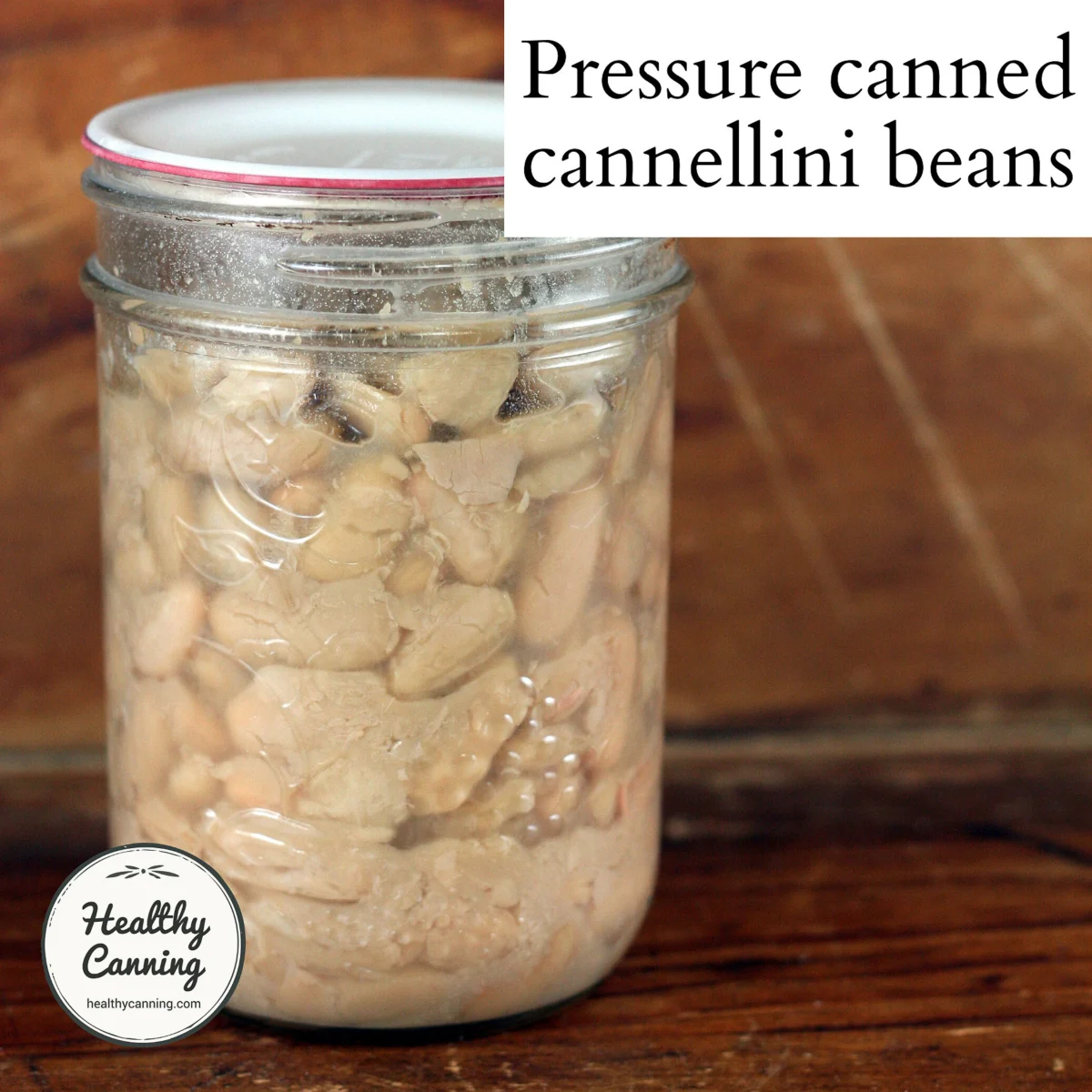

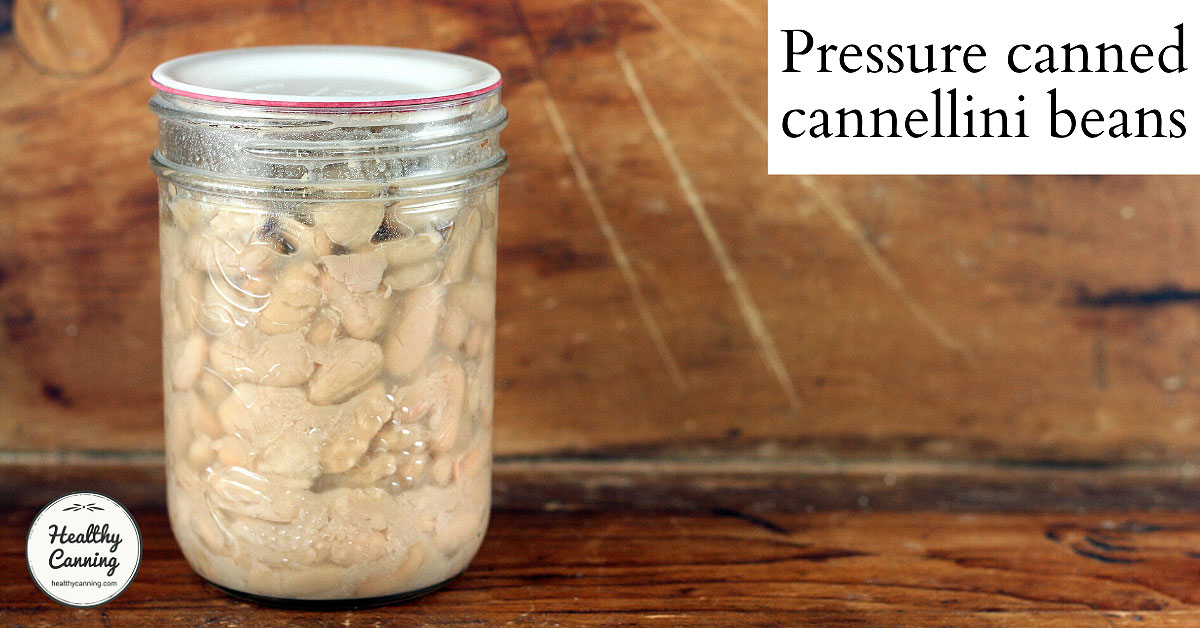
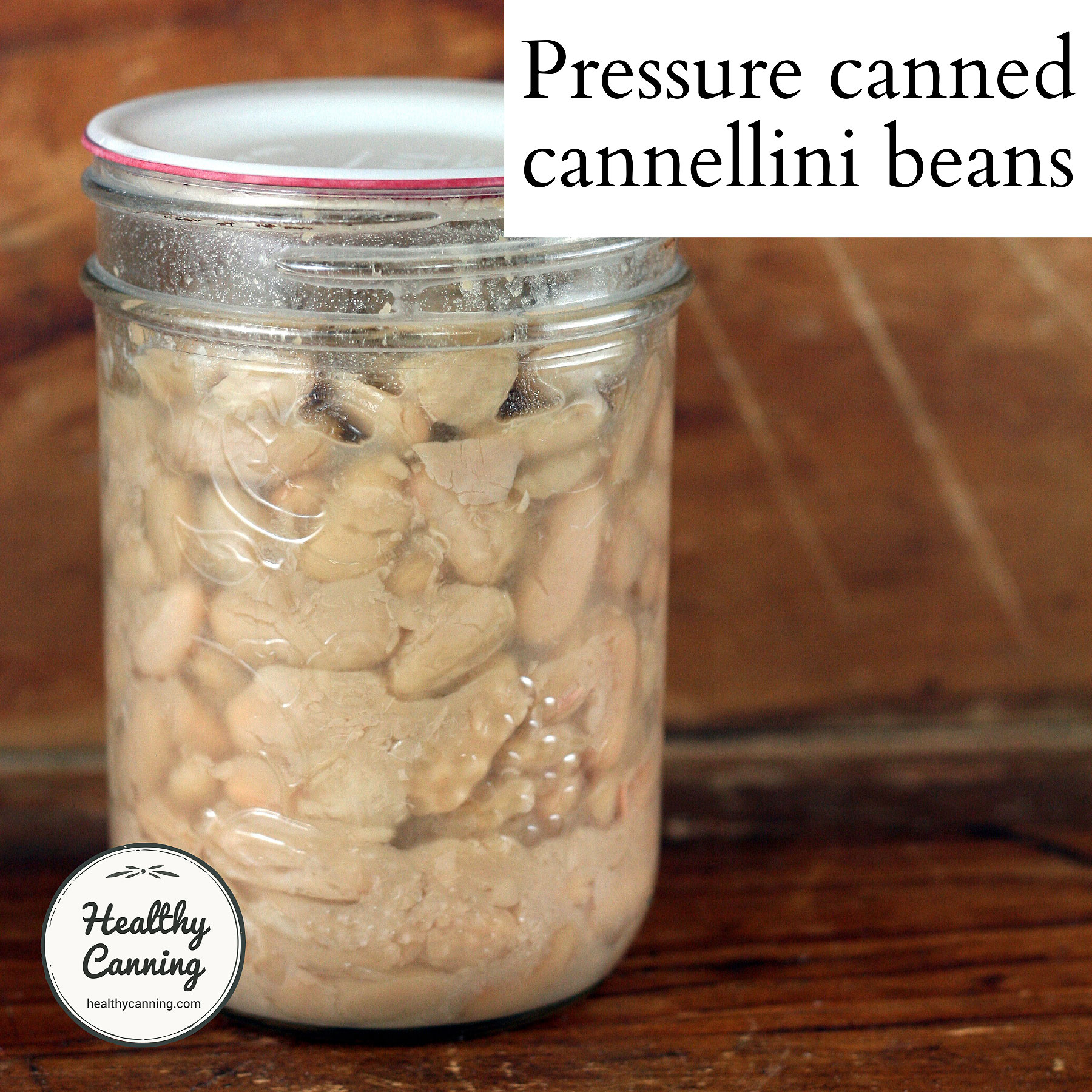
Cannellini beans, scientifically classified as a variety of Phaseolus vulgaris and frequently referred to as white kidney beans, represent a critical staple in both culinary applications and long-term food security strategies. While these legumes are widely available in commercial canned forms, the practice of home pressure canning has seen a significant resurgence among consumers seeking to control sodium intake, reduce grocery expenditures, and establish robust domestic food reserves. However, the preservation of low-acid foods such as cannellini beans requires a rigorous adherence to established scientific protocols to mitigate the risk of foodborne illnesses, most notably botulism. According to the United States Department of Agriculture (USDA) and the National Center for Home Food Preservation (NCHFP), the only safe method for canning dried legumes is through the use of a pressure canner, which achieves the temperatures necessary to neutralize heat-resistant spores.
The Microbiological Necessity of Pressure Canning
The fundamental principle underlying the home preservation of cannellini beans is the management of pH levels and thermal processing. Cannellini beans are classified as a low-acid food, typically possessing a pH level well above the 4.6 threshold. In an anaerobic (oxygen-free) environment, such as a sealed canning jar, the bacterium Clostridium botulinum can thrive if the food has not been heated sufficiently. Unlike high-acid foods like fruits or pickles, which can be safely processed in a boiling water bath at 212°F (100°C), low-acid foods require temperatures of at least 240°F (116°C) to ensure the destruction of botulinum spores.
A pressure canner is the only domestic appliance capable of reaching these temperatures by increasing the atmospheric pressure inside the vessel. The USDA Complete Guide to Home Canning (Agriculture Information Bulletin No. 539) serves as the primary regulatory benchmark for these processes, providing tested time and pressure variables that account for the density of the beans and the rate of heat penetration through different jar sizes.
Chronology of the Canning Process: From Dried Legume to Shelf-Stable Good
The transition of dried cannellini beans into a shelf-stable, ready-to-eat product involves a multi-stage chronology that begins long before the pressure canner is ignited.
Phase I: Selection and Rehydration
The process initiates with the selection of high-quality dried beans. Practitioners are advised to discard any beans that are discolored, shriveled, or show signs of insect damage. Once sorted, the beans must undergo a rehydration process. There are two primary methodologies recognized by food preservation experts:
- The Overnight Soak: Beans are submerged in water (approximately three cups of water per one cup of beans) and left to hydrate for 12 to 18 hours in a cool environment.
- The Quick Soak: Beans are placed in a pot of water, brought to a boil for two minutes, and then allowed to soak, covered, for one hour.
Regardless of the method, the hydration phase is crucial because it ensures the beans reach their maximum volume before being placed in the jars. Failure to hydrate sufficiently can lead to the beans absorbing the canning liquid during processing, resulting in "dry" jars and potential under-processing.
Phase II: Pre-Cooking and Jar Preparation
Following hydration, the beans are drained and rinsed. They are then placed in fresh water, brought to a boil, and simmered for 30 minutes. This pre-cooking step is not intended to fully soften the beans—as the pressure canning process will complete the cooking—but rather to ensure the beans are hot when they enter the jars, maintaining the "hot pack" standard required for the USDA-tested timings.
Jars must be cleaned and kept warm to prevent thermal shock when filled with boiling liquid. The beans are ladled into the jars, leaving exactly 3 cm (1 inch) of headspace. This gap is vital for the expansion of the food and the creation of a vacuum seal during the cooling process.
Phase III: The Thermal Processing Cycle
Once the jars are filled with beans and boiling water (and salt, if desired for flavor, though it is not a preservative in this context), the lids are applied to "finger-tight" tension. The processing cycle follows a strict timeline:
- Venting: The pressure canner is heated until a steady stream of steam escapes the vent pipe. This must continue for 10 minutes to ensure all air is exhausted from the unit.
- Pressurization: The weight is placed on the vent or the dial is monitored until the target pressure (10-11 lbs depending on the gauge type) is reached.
- Timing: For cannellini beans, the processing time is 75 minutes for half-pint and pint jars, and 90 minutes for quart jars.
- Natural Cooling: After the timer expires, the heat is deactivated, and the canner must return to zero pressure naturally. Forcing the cooling process can lead to liquid loss from the jars (siphoning) and seal failure.
Technical Data and Altitude Adjustments
The efficacy of pressure canning is inextricably linked to geography. As altitude increases, the boiling point of water decreases, necessitating an increase in pressure to maintain the required internal temperature of 240°F.
Pressure Requirements by Altitude (Weighted Gauge)
- 0 – 1,000 feet (0 – 305 meters): 10 lbs (69 kPa)
- Above 1,000 feet (> 305 meters): 15 lbs (103 kPa)
Pressure Requirements by Altitude (Dial Gauge)
- 0 – 2,000 feet: 11 lbs
- 2,001 – 4,000 feet: 12 lbs
- 4,001 – 6,000 feet: 13 lbs
- 6,001 – 8,000 feet: 14 lbs
For cannellini beans specifically, the resulting texture is notably softer than commercially canned counterparts. While this makes them less ideal for salads where structural integrity is paramount, they are nutritionally and texturally superior for soups, stews, purées, and spreads.
Nutritional Profile and Comparative Analysis
Home-canned cannellini beans offer a significant nutritional advantage over many commercial brands, primarily regarding sodium content. A standard 130g serving of home-processed cannellini beans (with no added salt) contains approximately 100 calories, 6g of protein, and 5g of dietary fiber. Crucially, the sodium content remains as low as 30mg, whereas commercial varieties can exceed 400mg per serving unless labeled "low sodium."
Furthermore, cannellini beans are a rich source of potassium (250mg per serving), iron (1.8mg), and calcium (40mg). The canning process does not significantly degrade the macronutrient profile of the legume, making it an efficient way to preserve high-quality plant-based protein for extended periods.
Official Responses and Expert Perspectives
The National Center for Home Food Preservation (NCHFP) emphasizes that "modifying the processing time or pressure is not an option." In statements regarding the preservation of pulses and legumes, experts point out that the density of the bean-to-liquid ratio is the most common variable where home canners fail. "If a jar is packed too tightly with beans and lacks sufficient liquid, the heat may not penetrate to the center of the jar quickly enough to kill all pathogens," the NCHFP warns.
Agricultural extension offices across the United States frequently provide "Master Food Preserver" programs to educate the public on these nuances. These organizations represent the "official response" to the growing DIY food movement, acting as a bridge between federal USDA research and the domestic kitchen. Their consensus is clear: while home canning is an empowering tool for self-sufficiency, it is a science-based discipline that leaves no room for "creative" adjustments to timing or temperature.
Broader Impact and Economic Implications
The shift toward home-canning cannellini beans is reflective of broader socio-economic trends. As inflation impacts the cost of processed goods, the "unit price" of dried beans remains one of the lowest in the grocery sector. A single pound of dried cannellini beans, costing approximately $1.50 to $2.00, can yield roughly the equivalent of three to four standard 15-ounce cans. When scaled to a year’s supply, the cost savings for a household can be substantial.
Beyond economics, the environmental impact is noteworthy. Home canning utilizes reusable glass jars (such as those produced by Ball or Kerr), significantly reducing the reliance on single-use tin and aluminum cans. This aligns with the "zero-waste" movements gaining traction globally.
From a food security perspective, having a pantry stocked with home-canned beans provides a hedge against supply chain disruptions. Unlike frozen foods, which are vulnerable to power outages, pressure-canned beans are shelf-stable for years if stored in a cool, dark place. This makes them a cornerstone of modern "prepping" and homesteading cultures, where the ability to transform raw, dried ingredients into ready-to-eat meals is considered a vital life skill.
In conclusion, the home pressure canning of cannellini beans is a sophisticated intersection of microbiology, physics, and culinary tradition. By adhering to the 75-to-90-minute processing windows and adjusting for altitude, practitioners can safely enjoy the economic and nutritional benefits of this versatile legume, ensuring a high-quality food source that is both sustainable and resilient.