
Pure maple syrup is a premium agricultural product prized for its complex flavor profile and natural sweetness, yet its longevity in the home pantry is frequently compromised by improper storage techniques. While many consumers purchase maple syrup in bulk to capitalize on seasonal availability or cost savings, these large quantities often fall victim to xerophilic molds if not handled with scientific precision. Food safety experts and agricultural extension services emphasize that maintaining the integrity of maple syrup requires an understanding of its chemical composition, specifically its sugar concentration and water activity. This report provides a comprehensive analysis of home preservation methods, ranging from standard refrigeration to the complexities of hot-packing and the high-performance results of long-term freezing.
The Science of Stability: Brix, pH, and Water Activity
To understand why maple syrup spoils, one must first examine the legal and chemical definitions of the product. In North America, maple sap is processed into syrup by evaporating water until the liquid reaches a specific density. According to the North American Maple Syrup Council, the standard density for maple syrup must fall between 66° and 68° Brix. The Brix scale measures the sugar content of an aqueous solution, with one degree Brix roughly equal to 1% sucrose by mass.
This specific range is critical for both safety and quality. If the syrup is finished below 66° Brix, the water activity—the amount of "free" water available for microbial growth—remains high enough to allow for fermentation and the colonization of mold. Conversely, if the syrup exceeds 68° Brix, it becomes supersaturated, leading to the precipitation of sugar crystals at the bottom of the container.

While the FDA notes that the average pH of maple syrup is approximately 5.15—placing it above the 4.6 threshold for low-acid foods—the primary hurdle for pathogens like Clostridium botulinum is not acidity, but rather the high osmotic pressure created by the sugar concentration. This low water activity effectively dehydrates most bacteria, preventing germination. However, certain molds are highly tolerant of low water activity and can thrive on the surface of the syrup if oxygen is present.
Immediate Storage Protocols for Commercial Packaging
The shelf life of unopened maple syrup is largely dictated by the permeability of its packaging. Modern retail containers generally fall into three categories: glass, metal, and plastic.
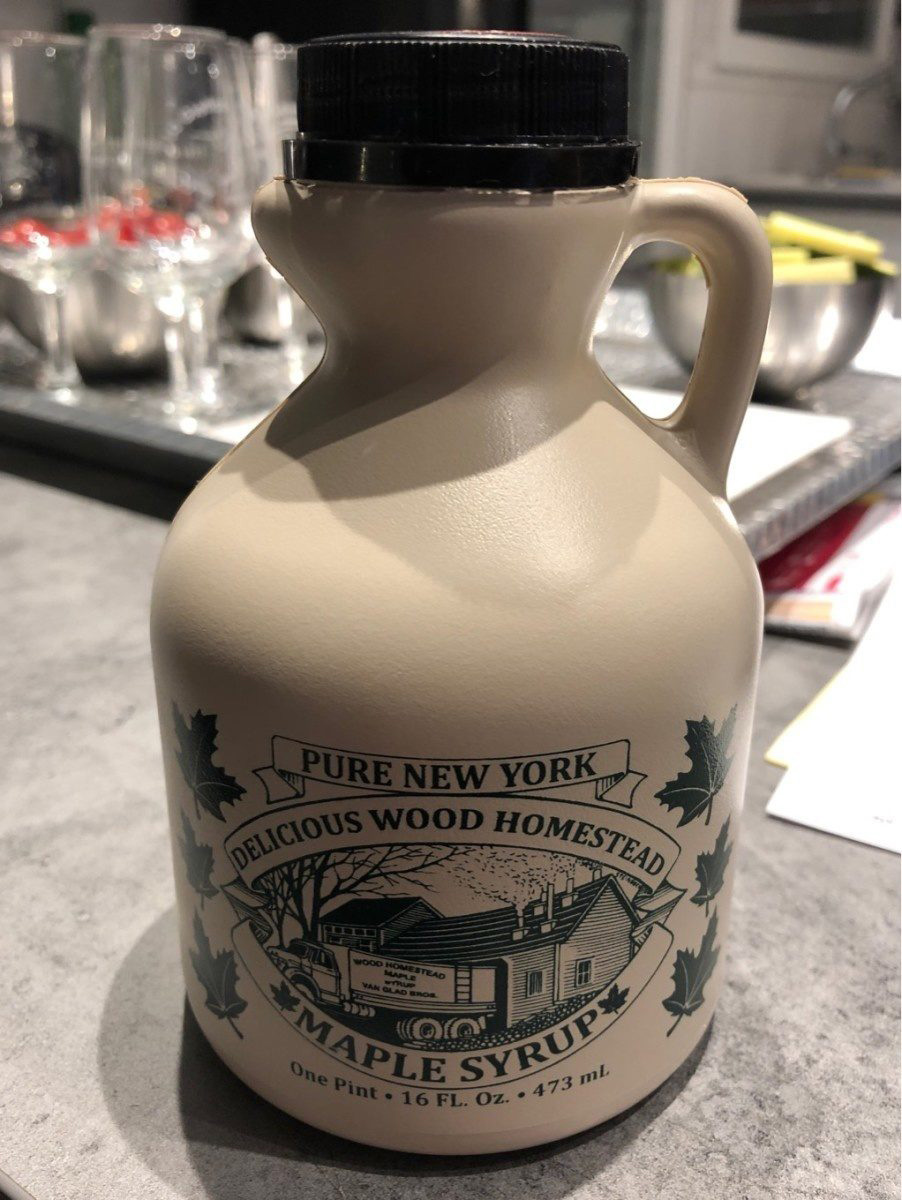
Glass and metal are non-porous materials that provide an absolute barrier to oxygen. When sealed at the factory, syrup in these containers can remain stable at room temperature for years. However, the beige or grey plastic jugs often associated with traditional maple farms present a different challenge. Research from the Quebec Maple Syrup Producers (QMSP) Association indicates that while these plastic jugs are aesthetically pleasing, they are slightly porous to oxygen.
Over extended periods, oxygen can migrate through the plastic, facilitating the growth of latent mold spores even if the seal remains intact. Consequently, the QMSP recommends that consumers store unopened plastic jugs in the refrigerator to maximize the product’s lifespan. Once any container is opened, the seal is compromised, and the syrup is immediately exposed to airborne mold spores. At this juncture, refrigeration is no longer optional; it is a requirement to slow the metabolic rate of spoilage organisms.
The Freezing Method: The Gold Standard for Home Preservation
For consumers seeking the most effective way to preserve large quantities of maple syrup without compromising flavor or color, freezing is the internationally recognized "gold standard." Unlike water, maple syrup does not freeze into a solid block due to its high sugar content. Instead, it undergoes a significant increase in viscosity, taking on a texture similar to thick honey or chilled taffy.
Advantages of Freezing
The primary advantage of freezing is the total inhibition of mold growth. While refrigeration only slows the development of fungi, the sub-zero temperatures of a standard chest freezer render mold spores inactive. Furthermore, freezing allows for infinite cycles of thawing and refreezing without damaging the syrup’s molecular structure. The Vermont Maple Sugar Makers’ Association confirms that as long as any condensation formed during thawing is stirred back into the syrup to maintain uniform Brix levels, the quality remains identical to the fresh product.
Best Practices for Freezers
Experts from Purdue University and Ohio State Extension suggest several protocols for successful freezing:
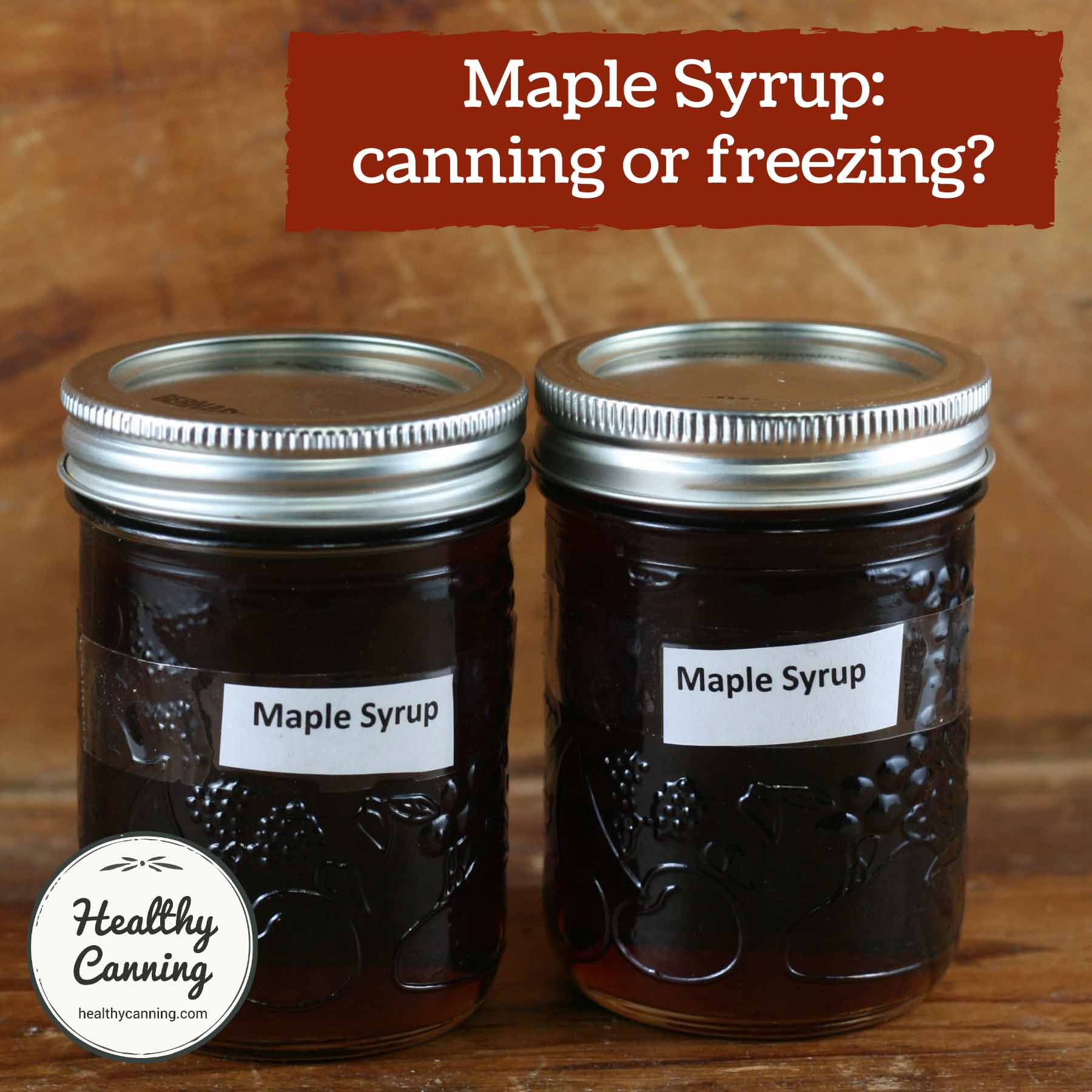
- Container Choice: Glass Mason jars are preferred over plastic. Plastic can allow for the slow migration of odors and oxygen over years, whereas glass remains inert.
- Headspace Management: This is the most critical safety step. When liquids freeze, they expand. For a quart (1 liter) jar, a headspace of at least one inch (2.5 cm) is required. For smaller pint or half-pint jars, 1/2 inch (1.25 cm) is generally sufficient. Failure to provide adequate headspace will result in the glass shattering.
- Thawing: Syrup can be thawed slowly in the refrigerator or quickly by placing the jar in a lukewarm water bath. For immediate use, small portions can be microwaved in short 15-second intervals.
The Complexities of "Home Canning" and Hot-Packing
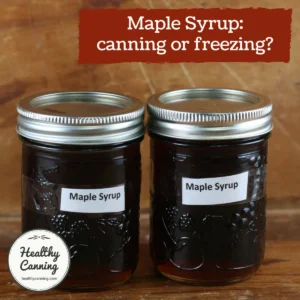
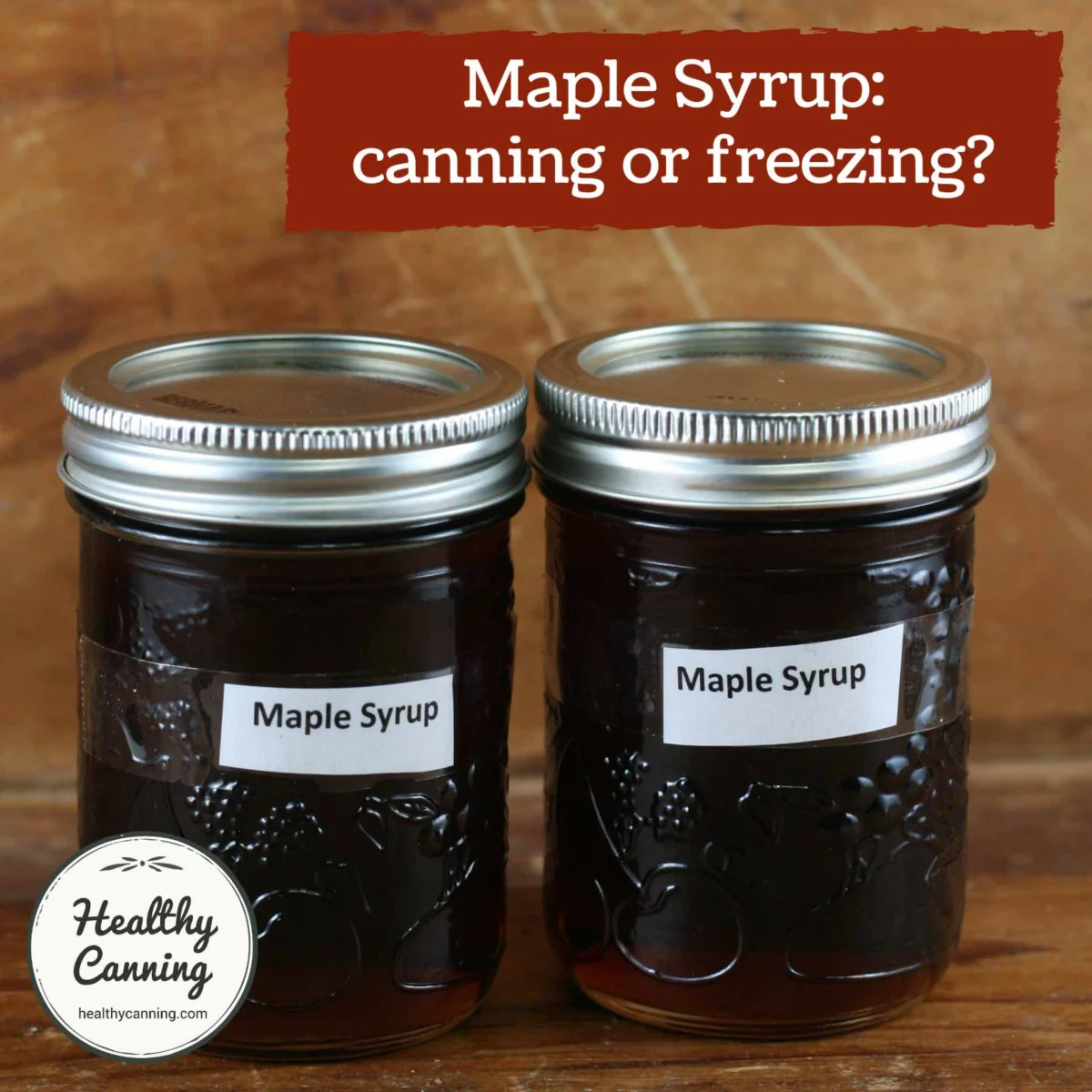
The term "canning" is often applied to the process of transferring bulk syrup into smaller jars for room-temperature storage. However, food scientists clarify that this is more accurately described as "hot-packing" or "bottling." Unlike high-acid fruits or low-acid vegetables, maple syrup is not typically processed in a boiling water bath or pressure canner after filling. Such intense heat processing would lead to the over-caramelization of sugars, resulting in a darker, "burnt" flavor and the precipitation of "sugar sand."
The Industrial Hot-Pack Standard
Commercial producers use a precise temperature-controlled method to ensure shelf stability. The syrup is heated to a range of 82°C to 85°C (180°F to 185°F). This temperature is high enough to kill most common mold spores but low enough to prevent significant quality degradation.
If a home consumer chooses to attempt this, they must adhere to the following industrial principles:
- Pre-heating Glass: Cold glass jars can act as a heat sink, rapidly dropping the syrup’s temperature below the 82°C threshold upon contact. Jars should be kept in a warm oven or hot water bath prior to filling.
- The Inversion Technique: Once the jar is filled and capped, it is inverted (turned upside down) for five to ten minutes. This ensures the scalding hot syrup contacts the underside of the lid and the neck of the jar, areas where mold spores are most likely to linger.
- Rapid Cooling: After the five-minute inversion, the jars must be cooled as quickly as possible. Commercial producers warn of "stack burn," a condition where syrup remains hot for too long, causing it to darken and lose its delicate top notes. Spreading jars apart and using a fan is recommended to halt the cooking process.
Risks and Limitations
Despite the precision of the hot-pack method, it is not infallible. Research from the University of Maine has identified heat-resistant fungal strains, such as certain Penicillium and Aspergillus species, that can survive temperatures of 85°C. In one study, 32 out of 34 samples of maple syrup submitted to the university showed signs of fungal contamination despite standard processing. For this reason, many extension services now steer home consumers toward freezing as a more reliable, fail-safe alternative.
Identifying and Handling Spoilage
If a layer of mold appears on the surface of maple syrup, historical advice often suggested skimming the mold and boiling the remaining syrup. However, modern food safety standards have shifted. Molds can produce mycotoxins—toxic chemical byproducts—that may migrate deep into the liquid, far below the visible surface growth.
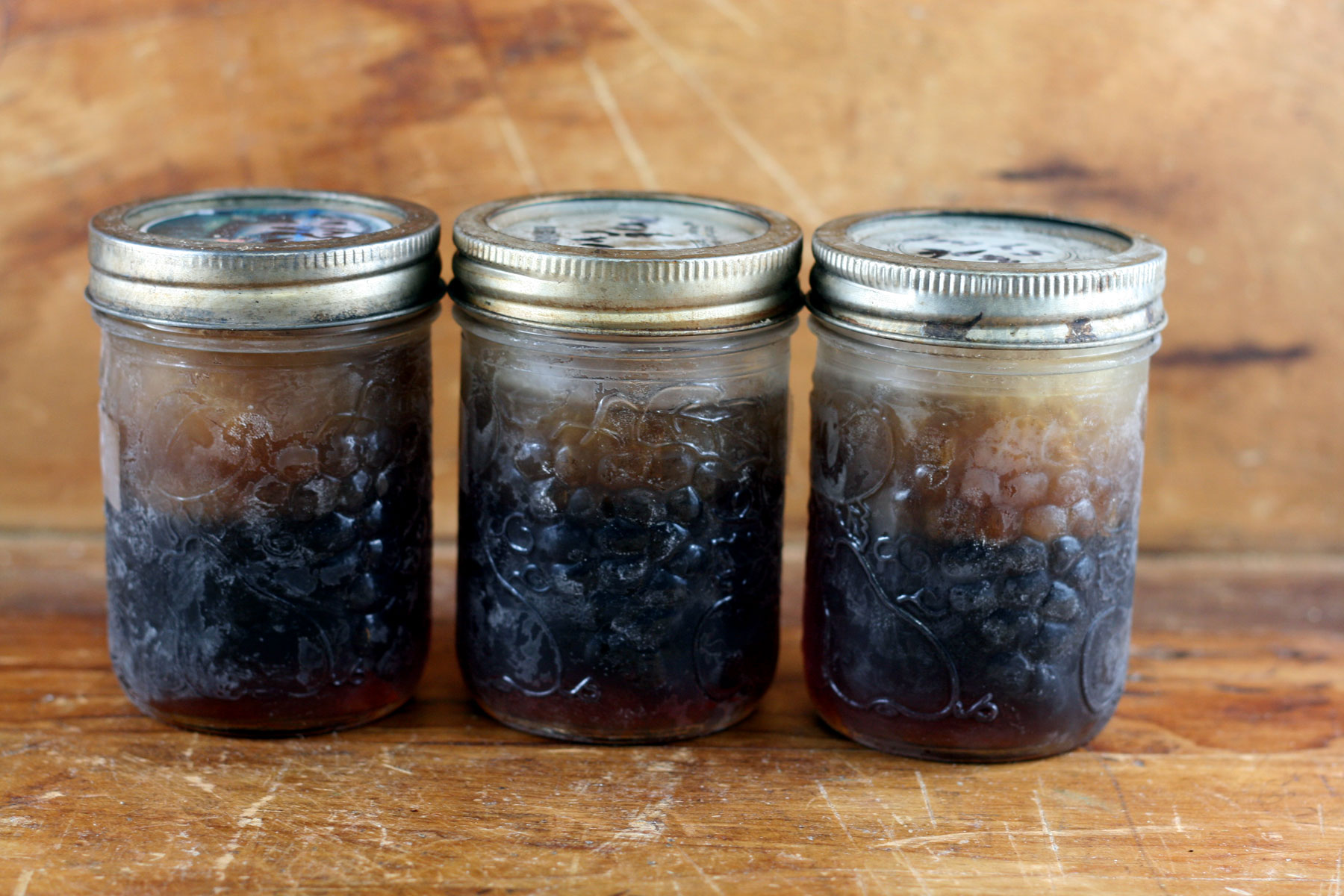
While some industrial guidelines still discuss "reclaiming" moldy syrup through high-heat filtration, these methods require professional equipment and testing. For the home consumer, the presence of mold is an indicator of spoilage. Because the exact species of mold and its potential for toxin production cannot be determined in a home kitchen, the safest course of action is to discard the entire container.
Chronological Summary of Best Practices
To ensure the highest quality and safety of maple syrup, consumers should follow this chronological care plan:
- Purchase: Buy syrup in the container size that matches your consumption rate. If buying in bulk, choose glass or metal for long-term shelf storage.
- Unopened Storage: Keep glass/metal in a cool, dark pantry. Immediately refrigerate beige plastic jugs.
- Opening: Upon breaking the seal, move the container to the refrigerator. Use within 6 to 12 months for peak flavor.
- Long-Term Preservation: For bulk quantities that will not be used within six months, decant into glass Mason jars, leave appropriate headspace, and store in the freezer.
- Usage: Thaw only what is needed. If using the hot-pack method for shelf storage, maintain a strict 82°C-85°C temperature range and utilize the inversion technique.
Broader Impact and Implications
The management of maple syrup storage has significant economic implications for both the industry and the consumer. As an artisanal product with a high price point, the loss of even a single quart of syrup represents a notable financial waste. Furthermore, as climate change impacts the sap-tapping seasons in the Northeastern United States and Eastern Canada, the volatility of supply makes effective home preservation increasingly important for food security and price stability in the home.
By moving away from traditional but less reliable methods like room-temperature "canning" and embracing the scientifically backed efficacy of freezing, consumers can enjoy the seasonal bounty of the maple forest year-round. As the industry continues to research heat-resistant pathogens, the focus remains on educating the public that pure maple syrup, while robust, is a living agricultural product that demands respect for its unique chemistry.