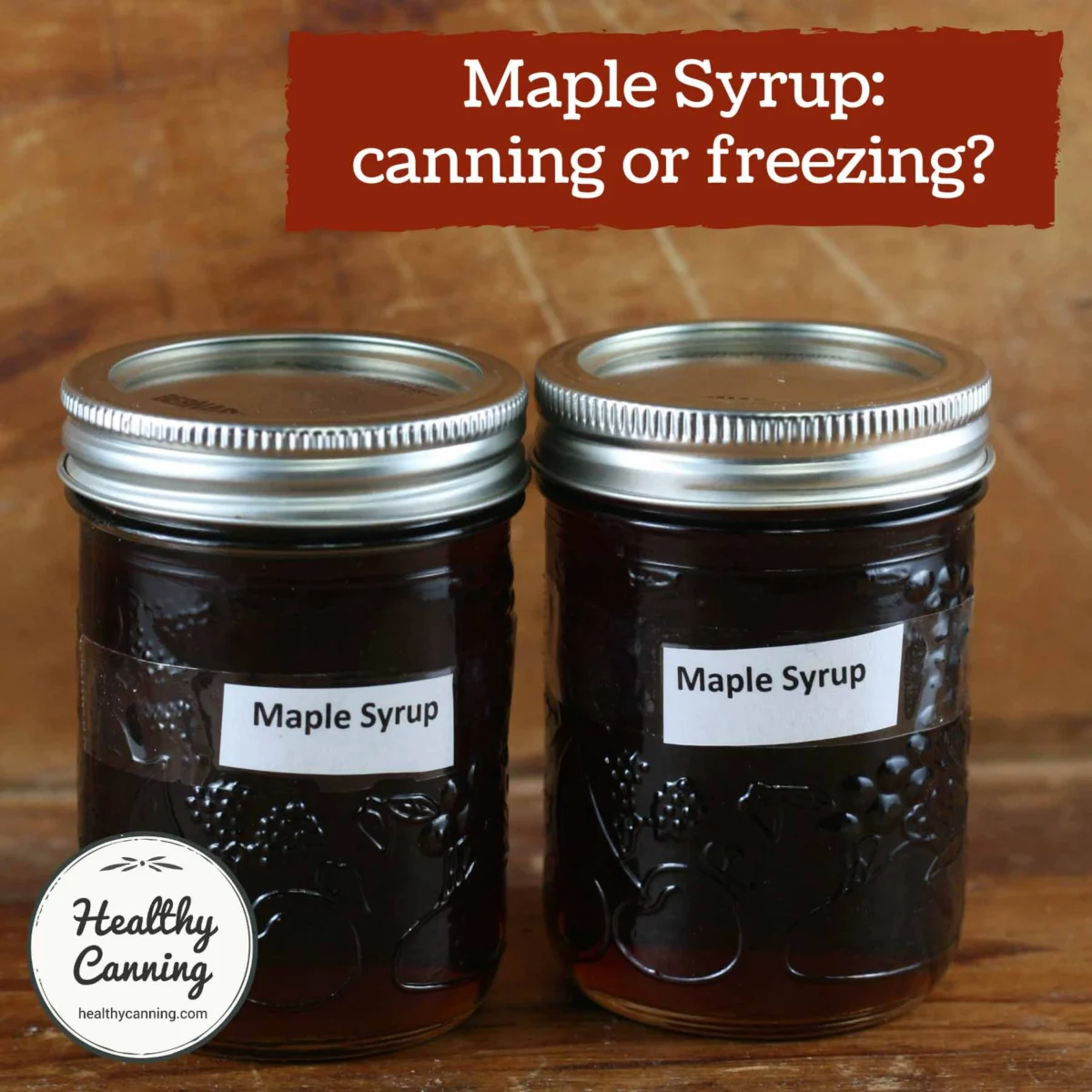

The procurement of maple syrup in bulk quantities is a common practice among culinary enthusiasts and households seeking to capitalize on the seasonal harvest of North America’s "liquid gold." However, without a comprehensive understanding of the biological and chemical properties of this natural sweetener, consumers often face the frustration of spoilage, primarily driven by mold colonization. While maple syrup is often perceived as a shelf-stable product similar to honey, its higher water content and specific pH levels necessitate rigorous storage protocols to maintain its sensory characteristics and food safety. This guide delineates the scientific standards for home preservation, ranging from immediate refrigeration to the long-term efficacy of freezing and the complexities of home bottling.
The Chemistry of Maple Syrup Preservation
To understand how to store maple syrup, one must first understand what constitutes the product. In North America, legal standards for maple syrup are strictly defined by sugar concentration, measured on the Brix scale. According to the North American Maple Syrup Council, the standard density for maple syrup must fall between 66° and 68° Brix. This measurement indicates that the syrup is composed of approximately 66% to 68% sugar.
This concentration is the primary defense mechanism against spoilage. When sap is boiled down to this specific density, the "water activity" (aw) is lowered significantly. Water activity refers to the amount of unbound water available for microbial growth. While the high sugar content inhibits many pathogens, it is not an absolute barrier against all fungi. If the syrup falls below 66° Brix, it becomes highly susceptible to fermentation and mold. Conversely, if it exceeds 68° Brix, the excess sugar will precipitate out of the liquid, forming hard crystals at the bottom of the container.
Furthermore, the acidity of the syrup plays a role in its stability. Data from the U.S. Food and Drug Administration (FDA) indicates an average pH of approximately 5.15 for maple syrup. Because this is above the 4.6 threshold—the point at which a food is considered "low acid"—there is a theoretical risk of Clostridium botulinum spores germinating in an anaerobic (oxygen-free) environment. However, the low water activity provided by the sugar concentration serves as the effective deterrent against such bacterial growth, leaving mold as the primary concern for home consumers.
Standard Storage Protocols: From Pantry to Refrigerator
The longevity of maple syrup depends heavily on the type of packaging and whether the original seal remains intact. Unopened containers of maple syrup stored in glass, metal, or high-density squeeze-type plastic generally possess a multi-year shelf life when kept in a cool, dark environment.

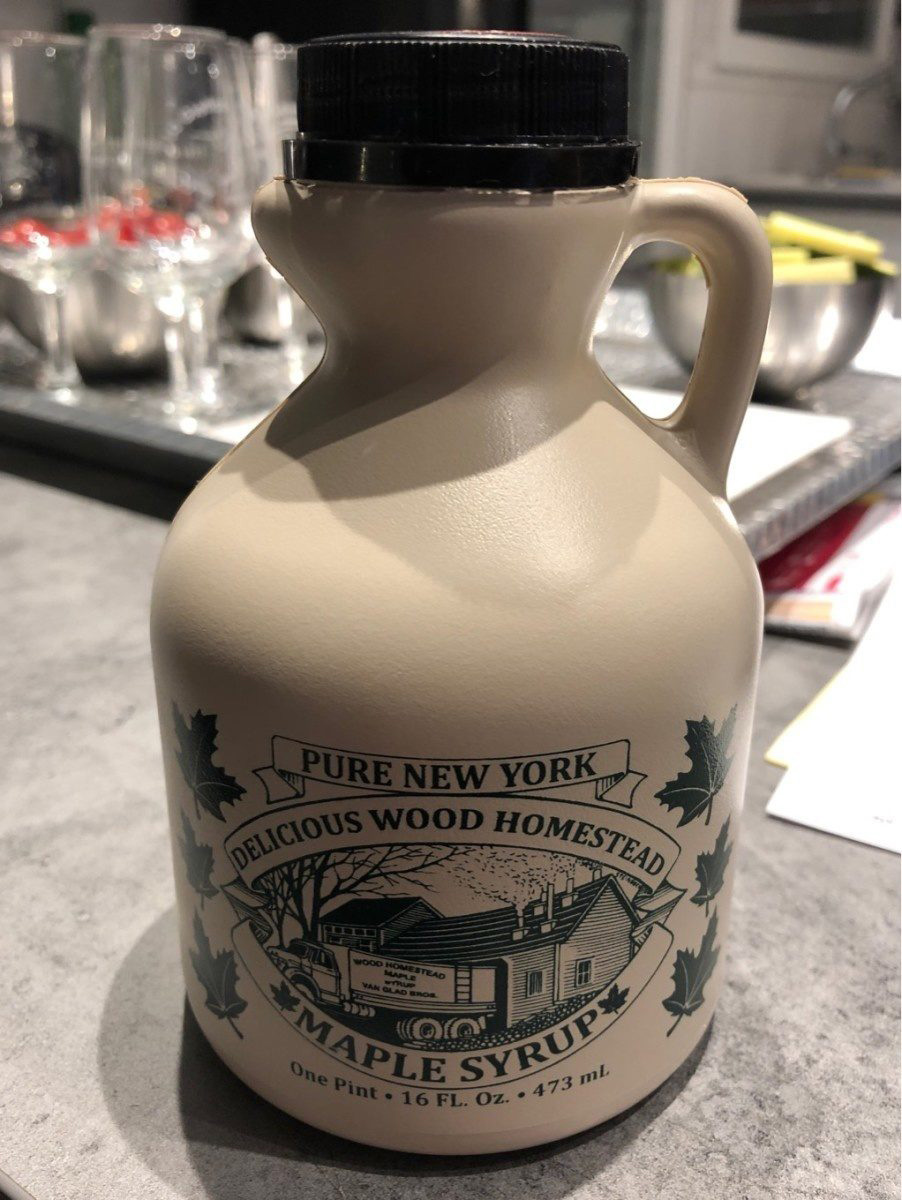
However, a notable exception exists regarding the iconic beige or grey plastic jugs frequently sold at farmers’ markets and specialty shops. The Quebec Maple Syrup Producers (QMSP) Association warns that while these containers are aesthetically traditional, some are not foolproof barriers against oxygen. Over time, oxygen can permeate the plastic, facilitating the growth of mold even if the seal is unbroken. Consequently, experts recommend that these specific plastic jugs be stored in the refrigerator from the moment of purchase to prolong the syrup’s life.
Once a container is opened, the storage requirements change immediately. Opening the seal exposes the syrup to airborne mold spores. At room temperature, these spores can quickly colonize the surface of the syrup. To mitigate this, refrigeration is mandatory for all opened containers. The cold temperature of a domestic refrigerator, combined with the syrup’s low water activity, significantly slows the germination of mold spores. Nevertheless, refrigeration is a delay tactic rather than a permanent solution; mold can still develop over several months in a refrigerated environment.
Long-Term Preservation: The Freezing Standard
For households that purchase maple syrup in large volumes—such as gallon-sized jugs—the preferred method for long-term preservation is freezing. Freezing is widely considered the "gold standard" for maintaining the delicate flavor profile of the syrup while providing a total halt to microbial activity.
Unlike water, maple syrup does not freeze into a solid block. Due to its high sugar concentration, the syrup becomes highly viscous in the freezer, taking on a thick, honey-like consistency. This physical property allows for incredible flexibility; a consumer can theoretically scoop out a portion of frozen syrup or simply wait for the container to reach a pourable state.
Scientific consensus from institutions such as the Vermont Maple Sugar Makers’ Association confirms that maple syrup can undergo multiple freeze-thaw cycles without any degradation in quality, provided that any condensation forming on the surface is stirred back into the syrup upon thawing.
Guidelines for Freezing in Glass
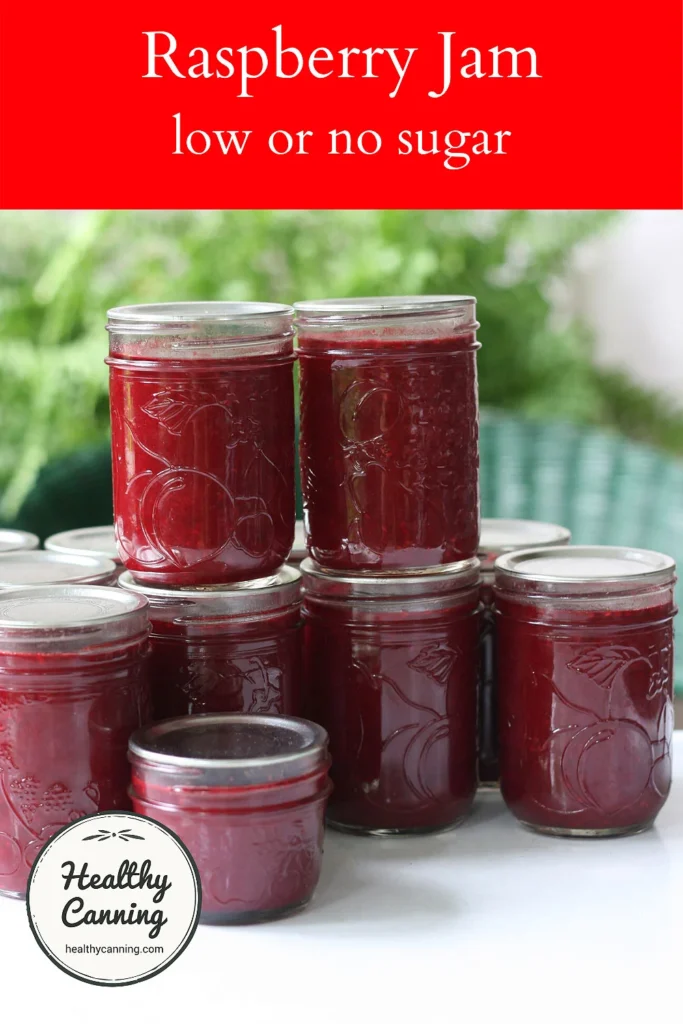
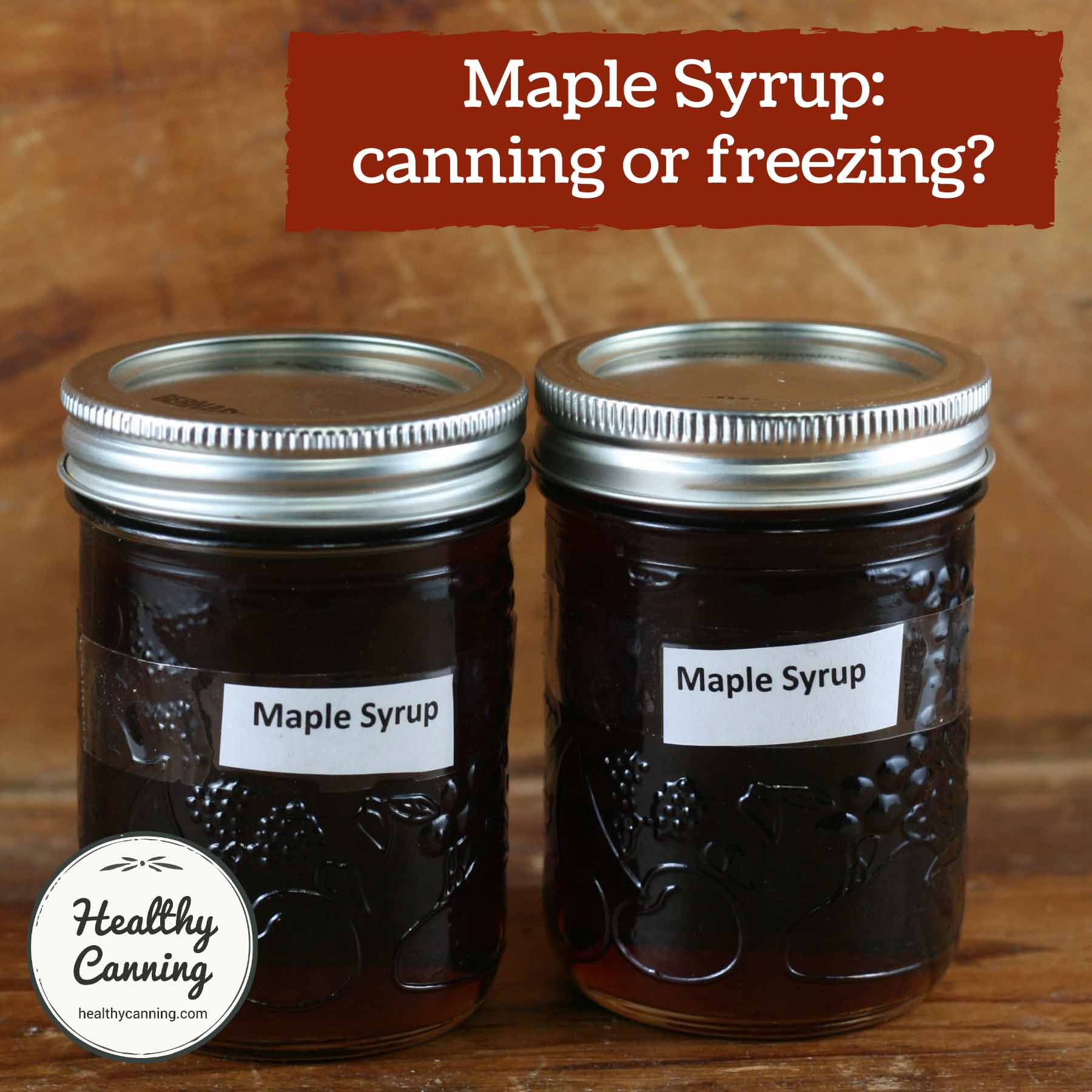
When transferring bulk syrup to smaller containers for freezing, glass Mason jars are the recommended vessel. Plastic can be porous, and metal may impart a tinny flavor over extended periods. When freezing in glass, the following headspace guidelines from the National Center for Home Food Preservation (NCHFP) should be followed to prevent jar breakage:
- For Wide-Mouth Jars: Leave 1/2 inch (1.3 cm) for pints and 1 inch (2.5 cm) for quarts.
- For Narrow-Mouth Jars: Leave 3/4 inch (1.9 cm) for pints and 1.5 inches (3.8 cm) for quarts.
This headspace allows for the slight expansion of the liquid while minimizing the amount of oxygen trapped inside the jar.
The Complexities of Home Bottling and "Canning"
Many home preservers attempt to "re-can" bulk maple syrup into smaller jars for room-temperature storage. It is important to note that this process is technically "hot-packing" or "bottling," rather than true canning. True canning involves processing filled jars in a boiling water bath or steam canner for a set duration. In the case of maple syrup, such intense heat processing is avoided because it can darken the syrup, alter the flavor, and cause the precipitation of minerals.
The industry standard for hot-packing involves heating the syrup to a temperature range of 82°C to 85°C (180°F to 185°F). This temperature is sufficient to kill most common mold spores without damaging the syrup’s integrity. Once the syrup reaches this temperature, it is poured into pre-heated glass jars, leaving minimal headspace to reduce oxygen availability.
The Inversion Technique
A critical step in the professional bottling process is "inversion." After the jars are capped, they are turned upside down for five to ten minutes. This ensures that the scalding hot syrup comes into direct contact with the inner surface of the lid and the neck of the jar, neutralizing any spores that may have landed on those surfaces during the filling process.
Despite the prevalence of this method in small-scale production, it is not without risks. "Stack burn" can occur if the jars remain hot for too long, leading to a permanent darkening of the syrup and a burnt flavor. Therefore, after the five-minute inversion period, jars must be spread apart and cooled rapidly, often with the assistance of a fan.
Quality Control: Addressing Mold and "Sugar Sand"
A common dilemma for consumers is the discovery of a thin film of mold on the surface of their syrup. Historically, some sources suggested that this mold could be skimmed off and the syrup boiled to "sterilize" it. However, modern food safety experts, including those from the University of Maine Cooperative Extension, strongly advise against this. Research has identified that some fungal strains, such as Penicillium and Aspergillus, can produce mycotoxins that may migrate throughout the liquid, even if the visible mold is only on the surface. If mold is present, the entire container should be discarded.
Another common phenomenon is the appearance of "sugar sand" or niter. This occurs when syrup is heated above 82°C (180°F), causing naturally occurring minerals (primarily calcium and magnesium) to precipitate out and settle at the bottom of the jar as a cloudy or gritty sediment. While sugar sand is harmless and does not affect the safety of the syrup, it can be aesthetically unappealing. In commercial settings, this is removed through specialized felt or pressurized filters, a process that is difficult to replicate accurately in a home kitchen.
Broader Economic and Culinary Implications
The management of maple syrup storage is not merely a matter of domestic convenience but is tied to the broader economics of the maple industry. As a seasonal crop harvested over a few short weeks in late winter and early spring, the ability to store the product effectively for year-round consumption is vital. For the consumer, purchasing in bulk during the height of the season offers significant cost savings, but these savings are negated if a portion of the product is lost to spoilage.
From a culinary perspective, the volatile aromatic compounds that give maple syrup its distinct terroir—ranging from vanilla and caramel to woody and floral notes—are highly sensitive to oxidation and heat. Proper storage in the freezer or refrigerator ensures that the Grade A Amber or Dark syrup retains its intended flavor profile.
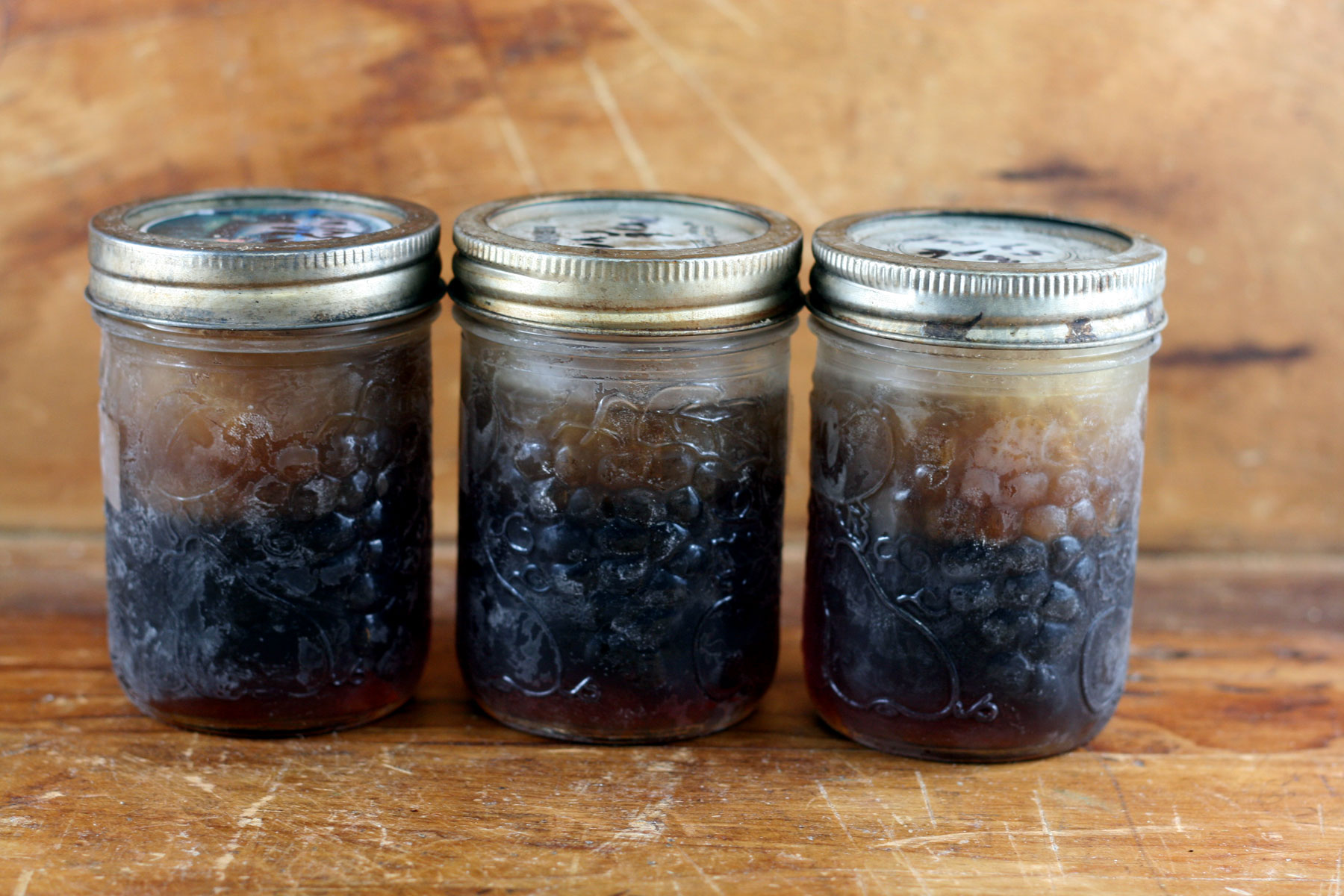
In summary, while maple syrup is a robust and concentrated product, its preservation requires a disciplined approach. For the average household, the most reliable and highest-quality method for long-term storage remains the freezer. By utilizing glass jars and maintaining proper headspace, consumers can enjoy the authentic taste of the maple harvest for years, free from the risks of mold and quality degradation.