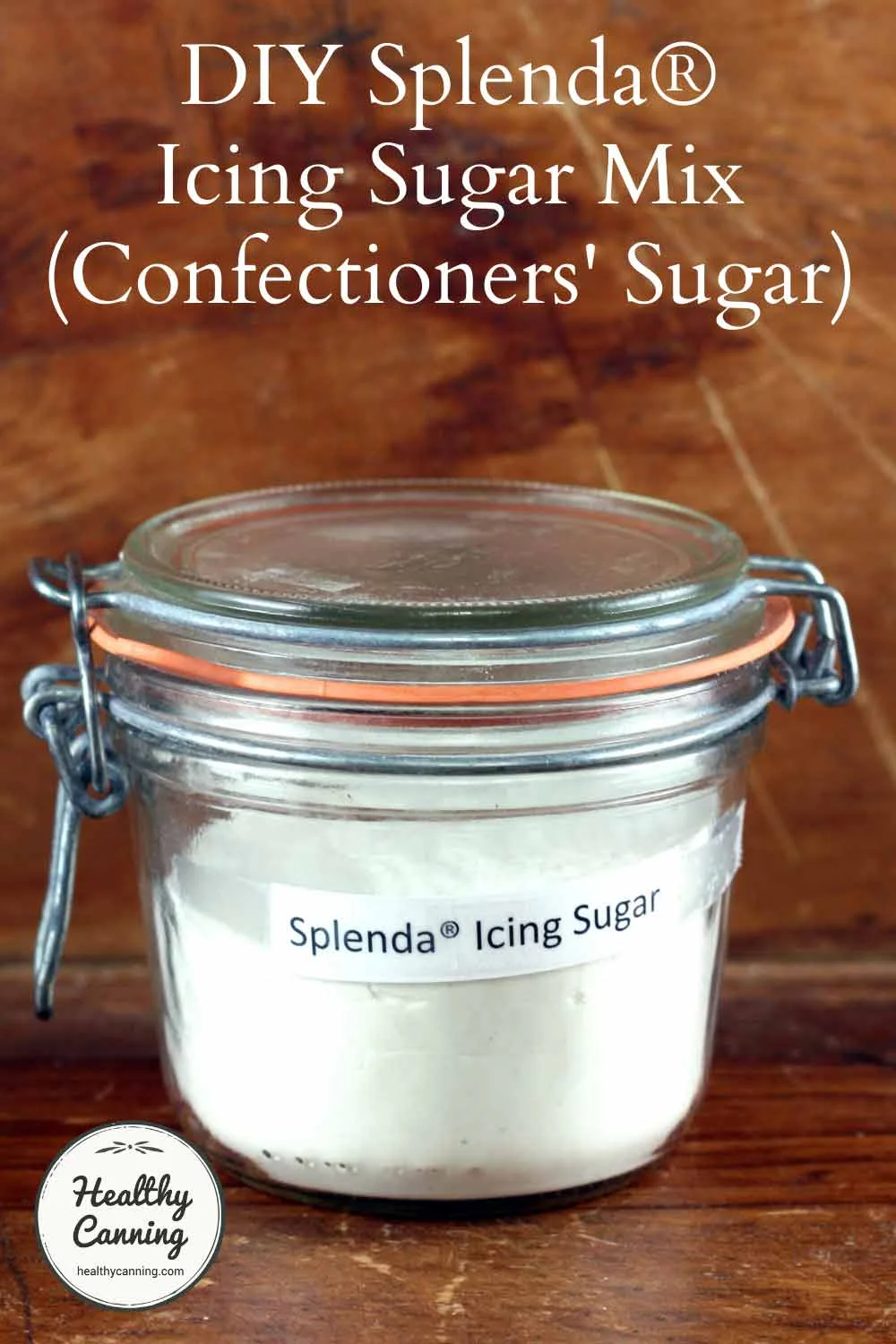

The culinary landscape is currently undergoing a significant transformation as health-conscious consumers and individuals managing chronic metabolic conditions seek innovative ways to enjoy traditional desserts without the associated glycemic risks. Central to this movement is the development of homemade alternatives to pantry staples, most notably the DIY Splenda Icing Sugar Mix. This sucralose-based alternative to traditional confectioner’s sugar offers a strategic solution for reducing caloric intake and managing blood glucose levels, effectively making desserts more accessible to the diabetic community and those adhering to calorie-restricted diets. By utilizing a high-speed blending process, home cooks can convert granulated sucralose—either the brand-name Splenda or generic equivalents—into a fine, powdery consistency suitable for glazes and decorative finishes on cakes, cupcakes, and brownies.
The Evolution of Sugar Substitutes in Modern Gastronomy
The history of sugar alternatives has moved through several distinct phases, beginning with the accidental discovery of saccharin in the late 19th century and progressing to the widespread adoption of aspartame in the 1980s. However, it was the approval of sucralose by the U.S. Food and Drug Administration (FDA) in 1998 that revolutionized sugar-free baking. Unlike its predecessors, sucralose is heat-stable, meaning it retains its sweetness during the baking process, a characteristic that has made it the gold standard for low-calorie confectionery.
The shift toward DIY sugar-free confectioner’s sugar is a relatively recent phenomenon, driven by the increasing cost of specialized dietetic products and a growing "from-scratch" movement in home kitchens. Traditional confectioner’s sugar, also known as icing sugar, is a combination of finely ground granulated sugar and a small percentage of anti-caking agent, usually cornstarch. The DIY sucralose version replicates this mechanical structure by pulverizing granulated sugar substitutes into a dust-like texture. This allows for the creation of a "glaze-style" icing that mimics the aesthetic and mouthfeel of traditional sugar glazes while significantly altering the nutritional profile of the final dish.
Technical Methodology: The Mechanics of Powdering Sucralose
The process of creating a functional icing sugar from sucralose requires more than a simple substitution; it involves a mechanical change in the ingredient’s physical state. According to experts in food preservation and healthy baking, the most effective method involves blending small quantities—typically one to two cups (approximately 25 to 50 grams)—at a time. This small-batch approach ensures that the high-speed blades of a blender or food processor can reach every granule, creating a uniform powder that prevents a "gritty" texture in the finished icing.

While brand-name Splenda is the most recognized ingredient for this recipe, the methodology extends to generic sucralose and even powdered stevia products, provided they maintain a one-to-one volume ratio with granulated sugar. The resulting powder is versatile but behaves differently than sucrose-based icing sugar. While traditional powdered sugar can be used to create thick, structural buttercreams, sucralose-based powders are better suited for glazes. When mixed with a liquid—such as water, milk, or melted margarine—the sucralose powder creates a pourable or spreadable finish that sets as it dries, though it lacks the crystalline structural integrity required for complex piped decorations.
Comparative Nutritional Analysis and Data
The primary motivation for adopting a DIY sucralose icing sugar mix is found in the stark nutritional contrast between traditional sugar and its synthetic counterparts. Standard confectioner’s sugar contains approximately 389 calories per 100 grams, consisting almost entirely of simple carbohydrates. In contrast, the DIY Splenda mix, as analyzed by nutritional experts, yields significantly lower caloric density.
A single batch of icing made from this mix—utilizing low-fat margarine (such as "I Can’t Believe It’s Not Butter, Light") and sucralose—contains approximately 35 calories for the entire batch. If the baker chooses to use traditional butter, the calorie count rises to 102 calories per batch. Even at the higher end, this represents a fraction of the caloric load found in standard buttercream frostings, which can easily exceed 400 to 600 calories for a similar volume.
Supporting data from the Centers for Disease Control and Prevention (CDC) indicates that over 37 million Americans have diabetes, and an additional 96 million have prediabetes. For these populations, the glycemic index (GI) of food is a critical metric. Sucrose has a GI of approximately 65, whereas sucralose has a GI of zero. By replacing the primary carbohydrate in icing with a non-nutritive sweetener, the DIY mix allows for a dessert experience that has a negligible impact on blood glucose levels, provided the underlying cake or brownie is also prepared with diabetic-friendly considerations.
Chronology of Development and Public Reception
The specific recipe for a bulk-batch sucralose icing sugar mix can be traced back to fundamental formulas provided by the Splenda brand in the early 2000s. Originally designed as single-use instructions for individual cakes, the recipe was adapted by the home-canning and "healthy baking" communities into a "pantry-ready" mix.
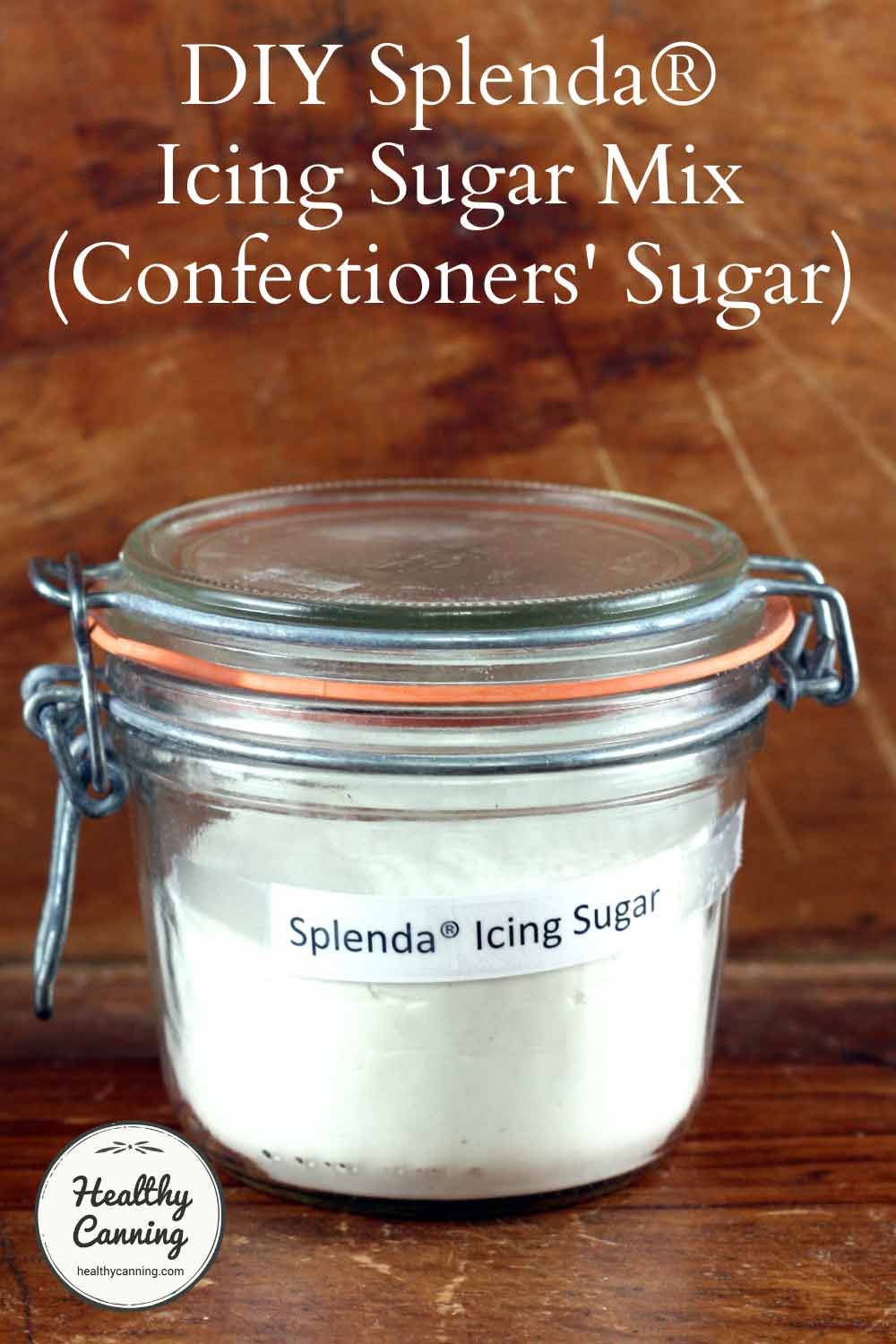
In June 2021, digital archives and food science platforms updated these instructions to reflect modern blending technology, emphasizing the "small batch" blending technique to overcome the common consumer complaint of "chalky" textures. The timeline of this recipe’s popularity correlates with the rise of social media platforms like Pinterest and Instagram, where visual "food hacks" allowed home bakers to share the success of sugar-free glazes.
Official responses from nutritionists suggest that while these DIY mixes are a boon for calorie control, they must be used as part of a balanced diet. "The ability to recreate the ‘mouthfeel’ of powdered sugar using sucralose is a major psychological win for patients on restricted diets," notes one clinical dietitian. "It reduces the feeling of deprivation, which is often the primary cause of dietary non-compliance."
Broader Implications for the Food Industry and Consumer Behavior
The move toward DIY icing sugar is symptomatic of a larger shift in consumer behavior: the "de-processing" of the pantry. As consumers become more literate in reading ingredient labels, there is a growing distrust of the stabilizers and preservatives found in commercial "diet" frostings. By making their own mix, bakers can control exactly what enters their food—choosing specific fats like low-fat margarine or organic butter and selecting their preferred brand of sweetener.
This trend also has economic implications. Pre-packaged "sugar-free" icing sugar is often sold at a premium price in specialty health aisles. By purchasing granulated sucralose in bulk and processing it at home, consumers can reduce the cost of sugar-free baking by as much as 60%. This democratization of health food ensures that low-glycemic options are not restricted to those with high disposable incomes.
Furthermore, the versatility of the DIY mix allows for culinary experimentation that commercial products do not. The base mix can be easily modified with unsweetened cocoa powder to create chocolate glazes or infused with extracts such as lemon, almond, or butterscotch. This flexibility encourages creativity in the kitchen, further bridging the gap between "diet food" and "gourmet food."

Practical Application: From Mix to Icing
For the home cook, the transition from the dry mix to a finished product is straightforward. A standard batch typically requires the dry sucralose powder, a small amount of fat (margarine or butter), vanilla extract, and water. Unlike traditional icing, which often requires electric beaters to incorporate air and volume, the sucralose version can be effectively combined using a simple fork.
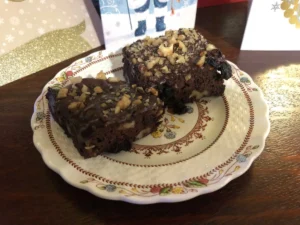
The resulting glaze is ideal for drizzling over warm brownies—such as those made from a DIY sugar-free brownie mix—or for dipping the tops of cupcakes. While the mixture is thinner than traditional frosting, it provides the necessary sweetness and visual appeal that defines classic confectionery. For those seeking a chocolate variation, the addition of a single teaspoon of unsweetened cocoa powder provides a rich flavor profile without adding significant calories or sugar.
Conclusion: The Future of Health-Conscious Baking
The DIY Splenda Icing Sugar Mix represents more than just a recipe; it is a tool for inclusivity in the culinary world. It allows individuals with metabolic challenges to participate in celebrations and enjoy desserts that were previously considered off-limits. As food science continues to advance, and as home blending technology becomes more sophisticated, the line between traditional high-sugar treats and their healthy alternatives will continue to blur.
By focusing on small-batch production, nutritional transparency, and cost-effective DIY methods, the modern baker is no longer at the mercy of commercial food production. The ability to create a low-calorie, diabetic-friendly icing sugar at home is a testament to the power of culinary ingenuity in the face of global health challenges. As we look forward, it is likely that more pantry staples will undergo similar DIY transformations, empowering consumers to take full control of their nutritional destiny one batch at a time.