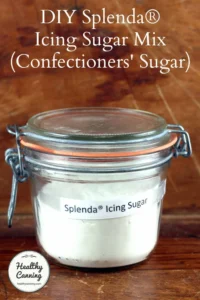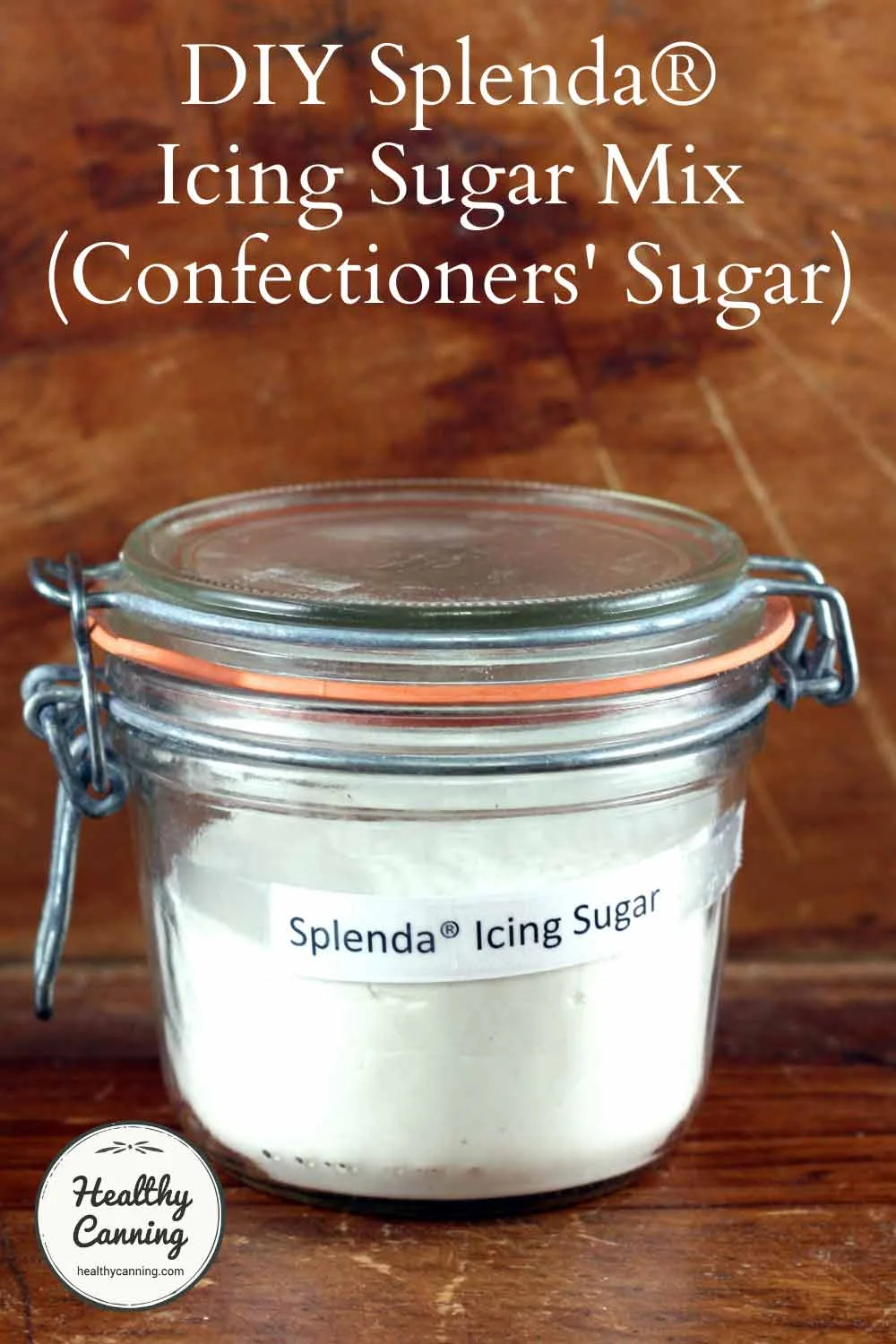

The landscape of modern home baking is undergoing a significant transformation as consumers increasingly seek ways to reconcile their desire for traditional desserts with the medical necessity of sugar reduction. Among the most versatile tools in the sugar-free pantry is the DIY Splenda Icing Sugar Mix, a formulation designed to replicate the fine, powdery texture of confectioner’s sugar without the metabolic impact of sucrose. This home-blended alternative, which utilizes sucralose-based sweeteners and stabilizing agents, offers a strategic solution for individuals managing Type 1 and Type 2 diabetes, as well as those adhering to calorie-restricted diets. By understanding the chemical properties of these sweeteners and the mechanical process of creating a powdered substitute, home bakers can produce glazes and decorative finishes that were previously considered incompatible with sugar-free living.
The Evolution of Sugar Substitutes in Culinary Applications
The development of the DIY Splenda Icing Sugar Mix is a response to the historical limitations of high-intensity sweeteners. Sucralose, the active ingredient in Splenda, was discovered in 1976 and received Food and Drug Administration (FDA) approval for use as a general-purpose sweetener in 1999. Unlike aspartame, which breaks down under high temperatures, sucralose maintains its sweetness when exposed to heat, making it the industry standard for baking. However, the physical structure of granulated sucralose differs significantly from that of traditional cane sugar.
Standard granulated Splenda is bulked with maltodextrin to allow for a one-to-one volume measurement with sugar, but it lacks the fine, dust-like consistency required for icings and frostings. Traditional confectioner’s sugar is produced by grinding granulated sugar into a fine powder and adding a small percentage of anti-caking agent, typically cornstarch. The DIY method for Splenda icing sugar mimics this industrial process, utilizing high-speed blending to achieve the necessary micron size for a smooth mouthfeel.
Technical Specifications and Preparation Methodology
The production of a successful icing sugar substitute requires precise mechanical intervention. According to culinary data and the foundational recipe adapted from Splenda’s own technical guidelines, the process involves a specific ratio of sweetener to stabilizer.

The Base Formula
To produce approximately 2 cups (150 grams) of the mix, the baker utilizes granulated sucralose (Splenda or a generic equivalent). While the sweetener provides the flavor profile, the addition of a starch-based stabilizer is often necessary for those seeking a traditional "set" in their icing. In professional applications, 1 tablespoon of cornstarch per cup of sweetener is the standard ratio to prevent clumping and provide the slight thickening required for glazes.
Mechanical Processing
The transition from granulated to powdered state must be handled in small increments to ensure uniformity. Culinary experts recommend blending no more than 1 to 2 cups (25 to 50 grams) at a time. Using a high-speed blender or a dedicated clean coffee grinder, the sweetener is processed for 30 to 60 seconds until it reaches a flour-like consistency. This step is critical; if the particles remain too large, the resulting icing will have a "gritty" texture that is unappealing to the palate.
Chronology of Development
The demand for this specific DIY mix saw a surge in June 2021, following a renewed interest in home food preservation and "healthy canning" practices. As supply chains faced intermittent disruptions, the ability to manufacture specialized baking ingredients at home became a matter of practical necessity for those on restricted diets. The recipe originally gained traction through digital health communities and was subsequently refined by culinary technicians to include variations for chocolate and flavored glazes.
Nutritional Analysis and Metabolic Impact
The primary driver for the adoption of DIY Splenda Icing Sugar is its superior nutritional profile relative to traditional sucrose. A comparative analysis reveals a stark difference in caloric density and glycemic load.
- Caloric Content: One cup of traditional powdered sugar contains approximately 770 calories and 200 grams of carbohydrates. In contrast, one cup of granulated Splenda contains roughly 96 calories, primarily derived from the bulking agents (maltodextrin and dextrose). When used as a glaze, the DIY mix can reduce the caloric footprint of a dessert by as much as 70% to 80%.
- Glycemic Response: Because sucralose is not recognized by the body as a carbohydrate, it does not trigger a significant insulin response. This makes the DIY mix a vital component in "diabetic-friendly" baking, allowing for the inclusion of aesthetically pleasing finishes on cakes and pastries without risking dangerous blood glucose spikes.
- Ingredient Efficiency: Using a low-fat margarine (such as "I Can’t Believe It’s Not Butter, Light") in conjunction with the DIY mix results in an icing batch containing approximately 35 calories. If traditional butter is used, the count rises to 102 calories per batch, still significantly lower than the 300-400 calories found in a standard sugar-and-butter frosting.
Industry and Medical Perspectives
The rise of DIY sugar-free ingredients has drawn attention from both the medical community and the food manufacturing industry. Registered dietitians often point to the "halo effect," where consumers might overindulge in sugar-free treats; however, they generally support the use of sucralose-based icing as a harm-reduction tool for patients with chronic metabolic conditions.
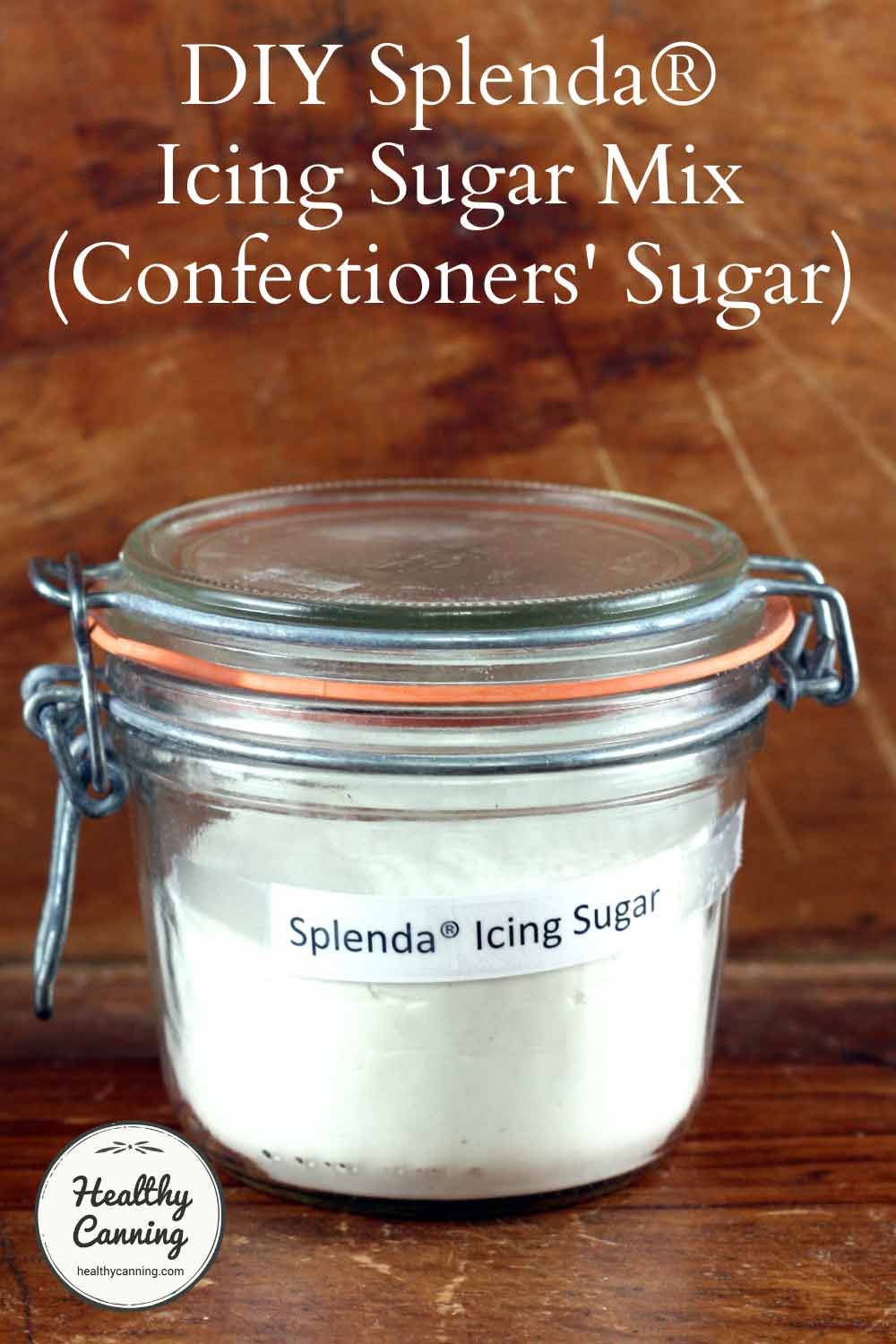
Statements from the American Diabetes Association (ADA) emphasize that while sugar substitutes are not a "magic bullet" for weight loss, they are effective tools for managing carbohydrate intake. The flexibility of the DIY Splenda mix—allowing for the substitution of other sweeteners like powdered stevia or erythritol—provides patients with a sense of autonomy in their dietary management.
From a market perspective, the DIY trend poses a unique challenge to specialty brands. Commercial "sugar-free powdered sugars" are often sold at a significant premium, sometimes costing four to five times more than granulated substitutes. The democratization of the "blender method" allows consumers to bypass these high costs, leading to a broader adoption of sugar-free baking across various socioeconomic demographics.
Structural Limitations and Culinary Solutions
It is essential for bakers to recognize that DIY Splenda Icing Sugar behaves differently than its sucrose-based counterpart. The absence of sugar’s crystalline structure means that this mix is better suited for glazes than for high-volume frostings like buttercream.
Achieving Texture
Because sucralose does not have the same "bulking" properties as sugar, an icing made from this mix will naturally be thinner. To compensate, bakers are encouraged to:
- Incorporate Stabilizers: Adding a teaspoon of unsweetened cocoa powder not only creates a chocolate variation but also provides structural solids that help the icing "grip" the cake.
- Control Moisture: The recipe suggests adding water or milk one teaspoon at a time. Because the powder is so fine, even a small excess of liquid can turn the mix into a liquid wash rather than a spreadable glaze.
- Flavor Enhancement: Without the complex flavor of caramelized sugar, sucralose-based icings can sometimes have a "flat" sweetness. The addition of high-quality extracts—vanilla, almond, lemon, or butterscotch—is recommended to provide depth to the final product.
Broader Implications for the Baking Industry
The shift toward DIY ingredient manufacturing reflects a larger trend of "cleaner" and more transparent eating. By making their own icing sugar, consumers have total control over the presence of additives and the type of starch used (e.g., substituting arrowroot powder for cornstarch for those with corn allergies).

Furthermore, the implications for food security and accessibility are noteworthy. For individuals living in rural areas or regions with limited access to specialty health food stores, the ability to transform a basic pantry staple like granulated sucralose into a specialized baking ingredient is a significant advantage. This "kitchen chemistry" empowers the home cook to maintain culinary traditions—such as birthday cakes and holiday cookies—while adhering to modern health standards.
As the global prevalence of diabetes continues to rise—with the World Health Organization (WHO) reporting a fourfold increase in cases over the last few decades—the role of sugar-free alternatives will only become more prominent. The DIY Splenda Icing Sugar Mix represents a practical, cost-effective, and scientifically sound bridge between the indulgent history of pastry arts and the health-focused requirements of the future. Through continued refinement of these recipes and a deeper understanding of sweetener behavior, the culinary community is ensuring that "dessert" remains an inclusive category for all, regardless of metabolic constraints.