
The modern consumer landscape is currently witnessing a significant shift toward the "do-it-yourself" (DIY) preparation of pantry staples, a movement driven by a combination of rising food inflation, a heightened focus on nutritional transparency, and the desire for shelf-stable convenience. Among the most popular items to undergo this home-based transition is the brownie mix. Traditionally a high-margin product for commercial food processors, the brownie mix can be replicated at home for a fraction of the retail cost. Recent data suggests that producing a bulk dry mix at home—specifically one that yields approximately one kilogram or eight cups of base material—can provide enough supply for five full pans of brownies, effectively reducing the cost per serving to just a few cents. This shift not only empowers the home cook financially but also allows for significant dietary customization, such as the substitution of granulated sugar with sucralose-based sweeteners like Splenda to accommodate diabetic or calorie-conscious requirements.
The Economics of Home-Prepared Dry Mixes
The primary driver for the adoption of DIY brownie mixes is economic efficiency. Commercial boxed mixes often carry a premium price tag that accounts for branding, packaging, transportation, and retail markup. By purchasing bulk ingredients—all-purpose flour, cocoa powder, salt, and leavening agents—consumers can achieve "pennies on the dollar" savings. For instance, a standard 1-kilogram batch of home-prepared mix provides the base for five separate baking sessions. When compared to the purchase of five individual premium brand name boxes, the cost savings can exceed 70% per annum for a household that bakes regularly.

Beyond the immediate financial benefit, the convenience of a "ready-to-use" jar of mix in the pantry replicates the time-saving advantages of store-bought products. The labor is essentially front-loaded; ten minutes of measuring and sifting ingredients into a large airtight container eliminates the need for repeated measuring during future baking sessions. This hybrid model of convenience and frugality is becoming a hallmark of the modern "healthy canning" and food preservation movement, which seeks to bridge the gap between labor-intensive traditional cooking and the ultra-processed convenience of the modern supermarket.
Technical Specifications and Nutritional Profile
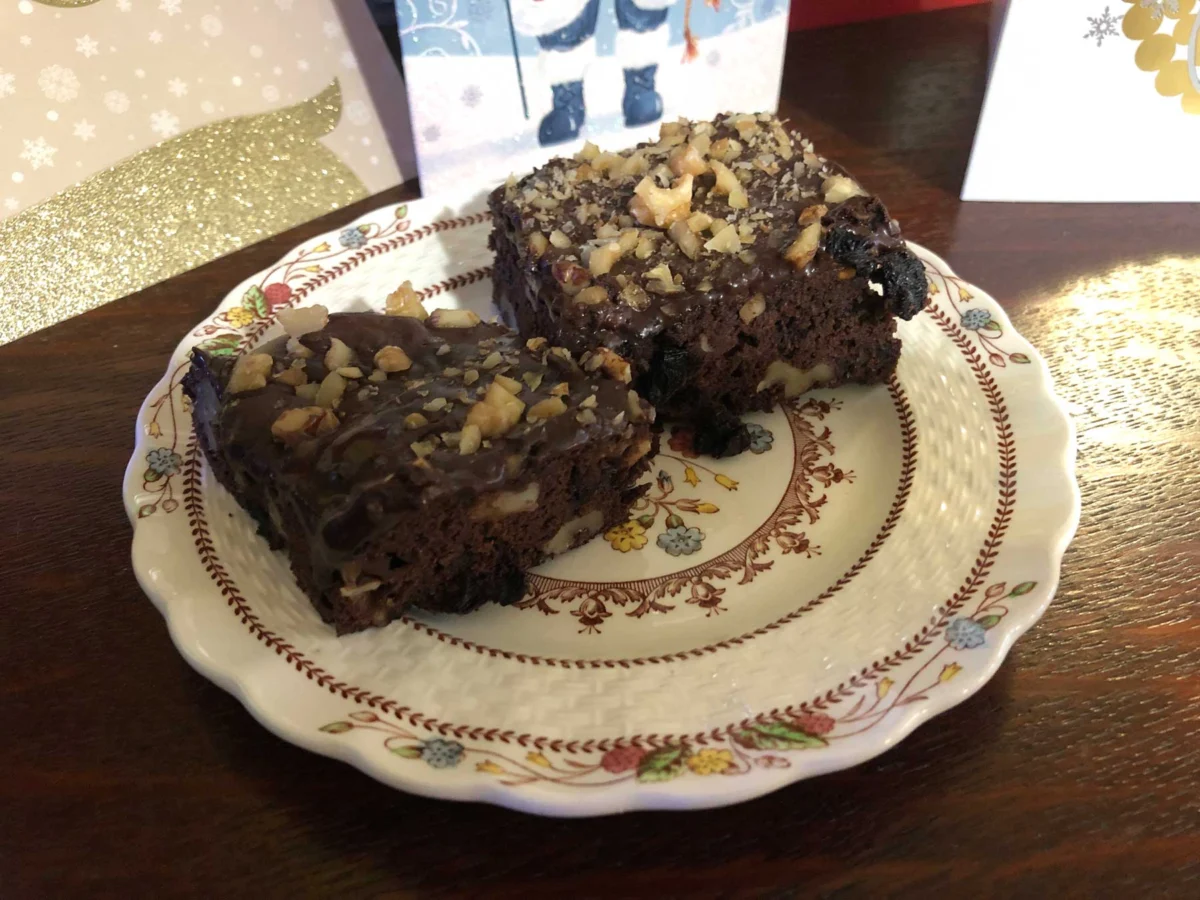
The DIY Brownie Mix featured in this analysis is formulated to produce "cake-style" brownies. Unlike "fudgy" brownies, which rely on a higher fat-to-flour ratio and often omit leavening agents, cake-style brownies possess a lighter, more aerated crumb structure. This makes them particularly suitable for icing or as a base for sundae desserts.
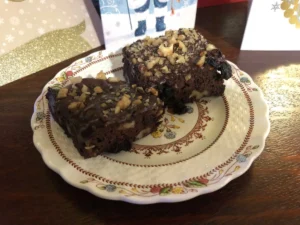
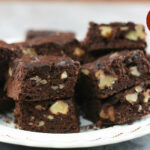
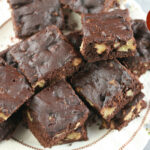
The standard yield for a single batch of this mix is 8 cups (1 kg). When prepared, a single pan of brownies (approximately 420 grams or 15 ounces of finished product) can be sliced into nine generous squares. Each square weighs approximately 50 grams (2 ounces). The nutritional data for these brownies is highly dependent on the choice of fat and sweetener. When prepared using a sucralose-based sweetener and low-fat margarine, a single 50-gram brownie contains approximately 116 calories and 8 grams of fat. The addition of walnuts, a common customization, increases the caloric count to 131 and the fat content to 10 grams per serving. For individuals utilizing weight-management programs such as Weight Watchers, these brownies represent a low-impact treat, calculated at 2 SmartPoints (Freestyle) per brownie, or 3 points with the inclusion of nuts.

Comparative Sweetener Analysis
One of the critical advantages of DIY mixes is the ability to swap ingredients based on health needs. While the base recipe originates from chocolate cake brownie formulations provided by sweetener manufacturers like Splenda, it is fully adaptable.
- Sucralose (Splenda): Provides a one-to-one volume replacement for sugar in this specific mix. It is heat-stable, making it ideal for the high temperatures required for baking.
- Granulated White Sugar: For those not restricted by sugar intake, 4 cups (approximately 900 grams) of white sugar can be used to replace the sucralose. This will result in a traditional flavor profile and a slightly different texture, as sugar contributes to the "browning" or Maillard reaction and provides structural moisture.
- Stevia and Generic Brands: Generic sucralose or powdered stevia products that are formulated for one-to-one volume measurement can also be utilized. However, bakers are cautioned to check the conversion charts on stevia packaging, as some concentrated powders require significantly less volume than sugar or Splenda.
Chronology of the DIY Baking Trend
The resurgence of homemade mixes is not an isolated event but rather the latest phase in a century-long evolution of home baking:
- Pre-1940s: Baking was almost entirely from scratch, utilizing bulk-purchased raw ingredients.
- 1940s–1950s: The post-war era saw the birth of "convenience culture." The first patented cake and brownie mixes were introduced to the American market, marketed as a way for busy housewives to save time.
- 1990s–2000s: The rise of "premium" gourmet mixes. Consumers began paying high prices for mixes that included high-quality cocoa or chocolate chunks.
- 2020–Present: The "Inflation Era" and the "Health Transparency Movement." Following the supply chain disruptions of the COVID-19 pandemic, consumers rediscovered the security of a well-stocked "prepper" pantry. This was followed by a period of high inflation, leading to the current trend of "de-processing" the pantry by making one’s own mixes to control both cost and chemical additives.
Food Safety Protocols: The Raw Flour Risk
A critical, yet often overlooked, aspect of DIY dry mixes is the safety of raw flour. In recent years, health organizations such as the Centers for Disease Control and Prevention (CDC) have issued warnings regarding the consumption of raw flour, which can be contaminated with E. coli or Salmonella during the milling process. Because flour is a raw agricultural product that has not been treated to kill germs, it must be handled with the same caution as raw meat.
Professional guidelines dictate that after preparing a DIY mix, the baker must thoroughly wash their hands, utensils, and all surfaces that came into contact with the dry flour. Furthermore, the practice of "tasting the batter" is strongly discouraged unless the flour has been heat-treated beforehand (a process involving heating the dry flour to 160°F/71°C before mixing).
Usage Instructions and Preparation
To convert the dry mix into a finished dessert, the process is streamlined to require only a few wet ingredients. For a single pan of nine brownies, the baker typically combines a measured portion of the dry mix with eggs and a fat source (such as melted butter, margarine, or oil).
The preparation steps are as follows:

- Preheat the oven to the specified temperature (typically 350°F / 175°C).
- Grease a square baking pan.
- Whisk the wet ingredients until smooth.
- Incorporate the measured DIY brownie mix, stirring only until no dry streaks remain to avoid over-developing the gluten, which would result in a tough texture.
- Fold in optional inclusions such as walnuts or sugar-free chocolate chips.
- Bake until a toothpick inserted into the center comes out clean or with a few moist crumbs.
For an enhanced presentation, these brownies can be iced using a DIY Splenda-based icing sugar mix, further maintaining the low-sugar profile of the dessert.
Broader Impact and Market Implications
The move toward DIY pantry staples like brownie mixes has broader implications for the retail food industry and environmental sustainability. From a sustainability perspective, DIY mixes significantly reduce the "packaging footprint" of a household. Instead of five individual cardboard boxes and plastic inner liners, a single large reusable glass jar or food-grade bucket is used.
For the food industry, this trend signals a need for "component-based" marketing. Savvy retailers are beginning to notice that while sales of pre-packaged mixes may fluctuate, the demand for high-quality bulk ingredients—such as Dutch-processed cocoa or alternative sweeteners—is on the rise.
Furthermore, the DIY movement fosters a sense of food sovereignty. By understanding the ratios of flour to cocoa to sweetener, consumers become less reliant on the proprietary formulas of large corporations. They gain the ability to adjust recipes for allergens, such as using gluten-free flour blends, which are often prohibitively expensive in pre-mixed boxed forms.
Conclusion
The DIY Brownie Mix represents more than just a recipe; it is a strategic approach to modern household management. By leveraging the principles of bulk purchasing, nutritional control, and food safety, consumers can enjoy the comforts of home-baked goods without the high costs or "hidden" ingredients of industrial food products. As food prices continue to be a primary concern for global households, the transition toward home-mixed pantry staples is expected to grow, cementing the role of the informed home cook as a vital player in the local micro-economy. Whether driven by the need to manage a diabetic diet with sucralose or the simple desire to save "pennies on the dollar," the DIY mix is a testament to the enduring value of culinary self-sufficiency.